Towns used to form societies for the express purpose of arguing in public, and they met all winter.
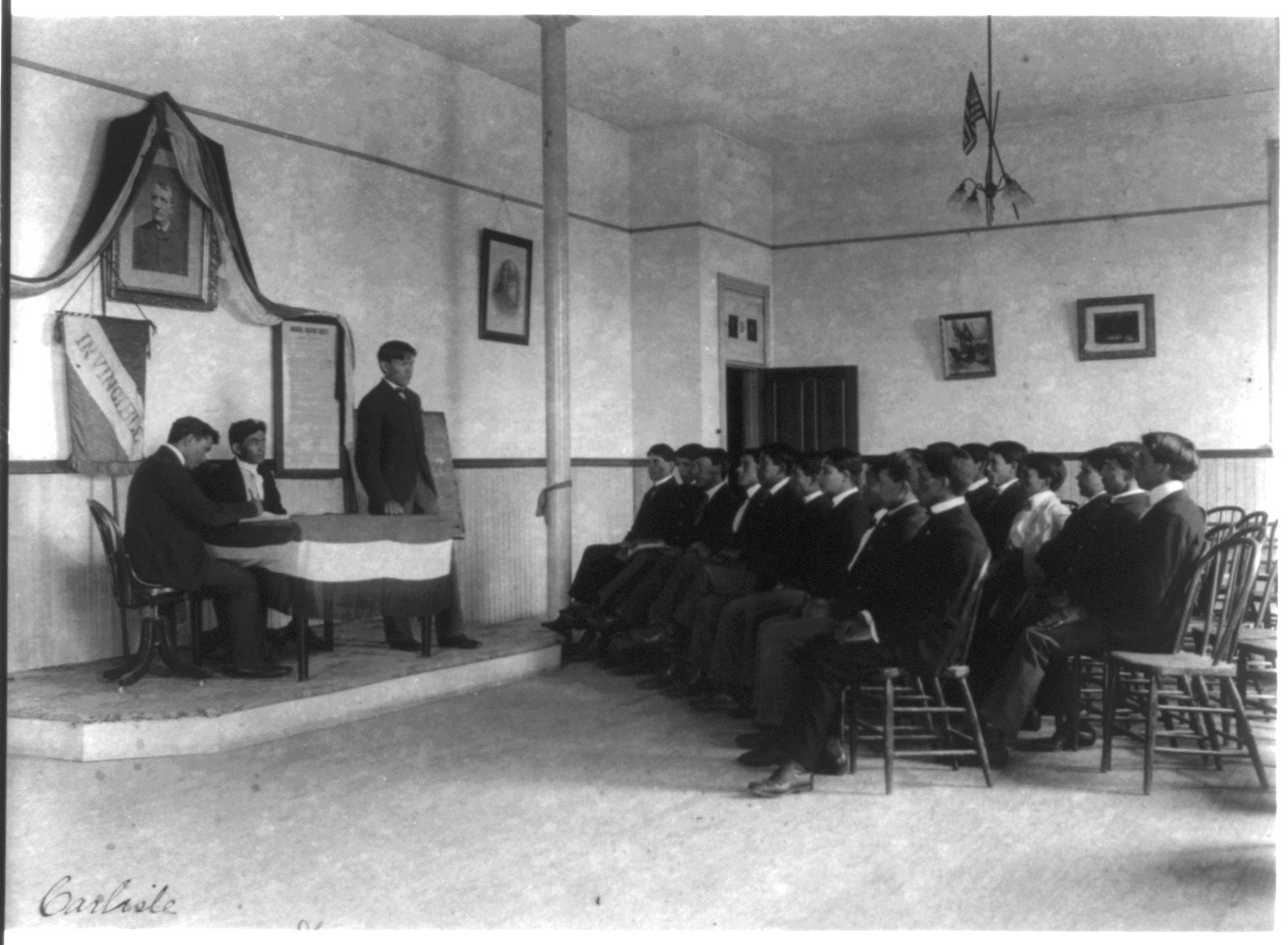
Literary societies, lyceums and debating clubs gathered weekly or fortnightly in schoolhouses, halls and parlours, with members taking turns to speak, debate, recite and perform. A question was announced in advance, speakers were assigned to each side, and a decision was given by judges or by a vote of the room.
Assigned is the key word. You were put on the affirmative or the negative regardless of your own opinion, in front of neighbours who knew perfectly well what you actually thought, and you were expected to make the best case available for it.
Many societies also produced a handwritten newspaper, read aloud at meetings. Here are sixteen things every town knew.
1. Towns Formed Societies to Argue in Public
Literary societies, lyceums and debating clubs met weekly or fortnightly through the winter in schoolhouses, halls and homes, with members taking turns to speak, debate, read and perform.
Not applicable. Public argument happens online and recreational debate is a school and university activity.
The scale is the thing to establish first. These were not rare or metropolitan – they existed in a very large number of American communities, were run entirely by their own members, charged little or nothing, and in a town with no other winter entertainment they were the main one.
Like our content? Follow us for more.
2. The Debate Was the Main Event
A question was announced in advance, speakers were assigned to each side, each spoke in turn, and a decision was given by judges or by a vote of those present.
Not applicable outside formal competition.
The structure is the interesting part and it was taken seriously. Assigning sides in advance means a speaker frequently argued a position he did not hold, which is a genuinely useful discipline – and the vote at the end made the evening a contest rather than a discussion.
3. You Were Assigned a Side, Not Asked for One
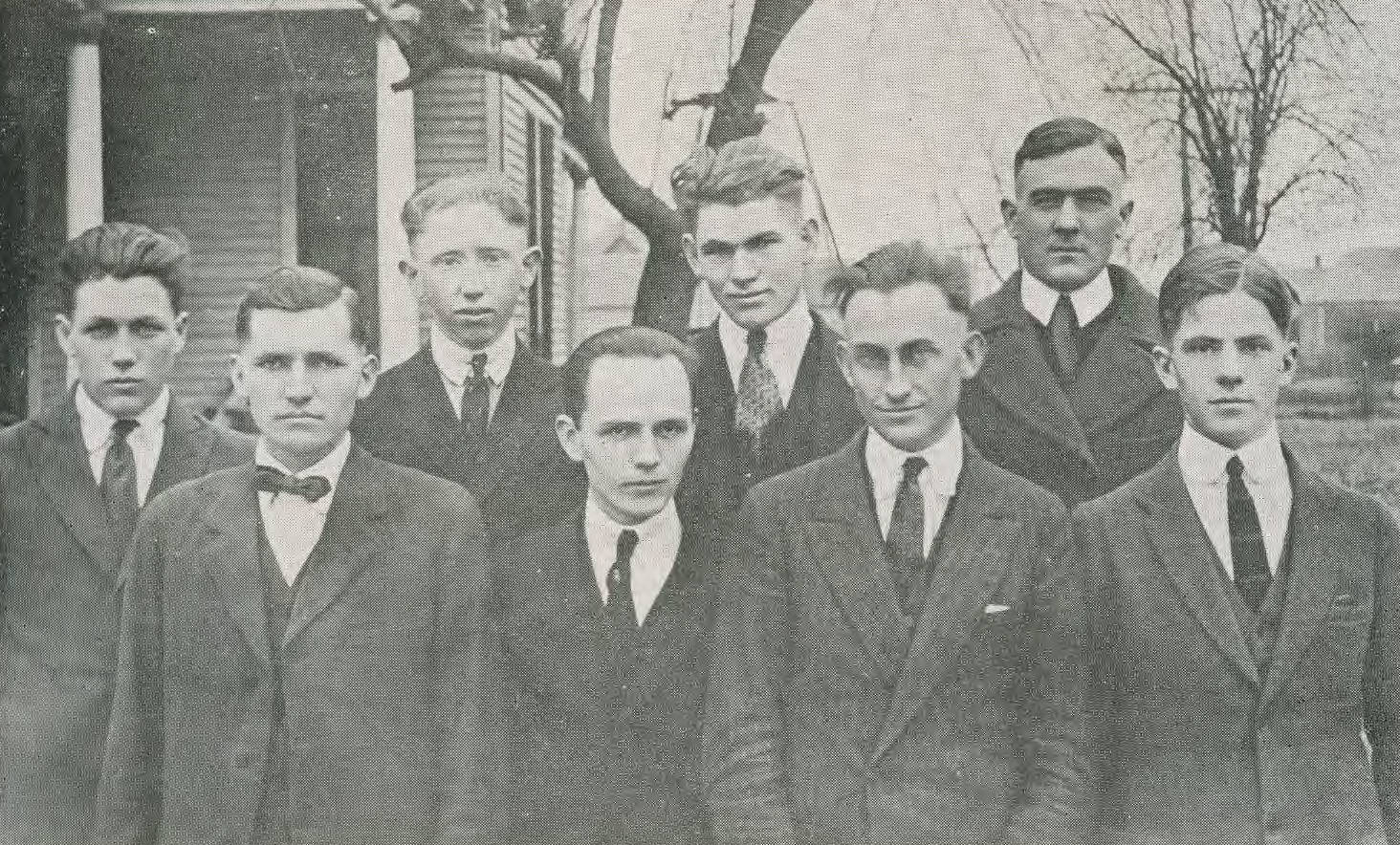
Members were put on the affirmative or the negative regardless of their own view, and were expected to make the best case available for it.
Not applicable outside debating as a competitive activity.
This deserves emphasis because it is the most valuable thing the institution did. Being obliged to argue the side you disagree with forces you to understand it, which is a skill that is difficult to acquire any other way – and a town where the same dozen people did this every fortnight for years produced a lot of people who could do it.
4. The Questions Ranged From the Serious to the Absurd
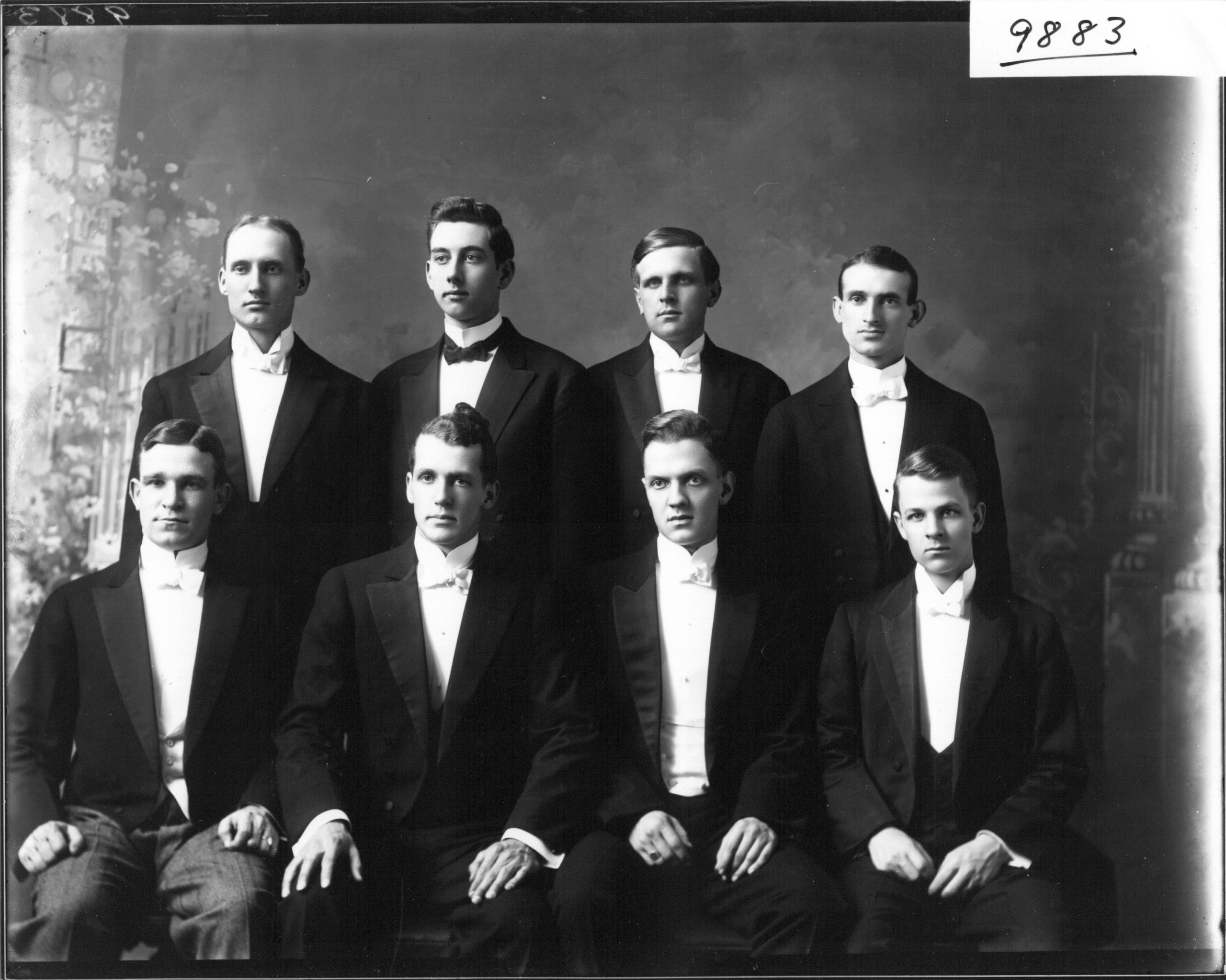
Topics covered public policy, history, science, moral questions, local matters and deliberately silly propositions chosen for entertainment.
Not applicable.
The mixture is the honest shape of it. A society that debated only weighty questions would not have survived a winter, so the programme alternated between things people genuinely argued about and things nobody could possibly care about – and the second kind were frequently the better evenings.
5. Declamation and Recitation Filled the Rest
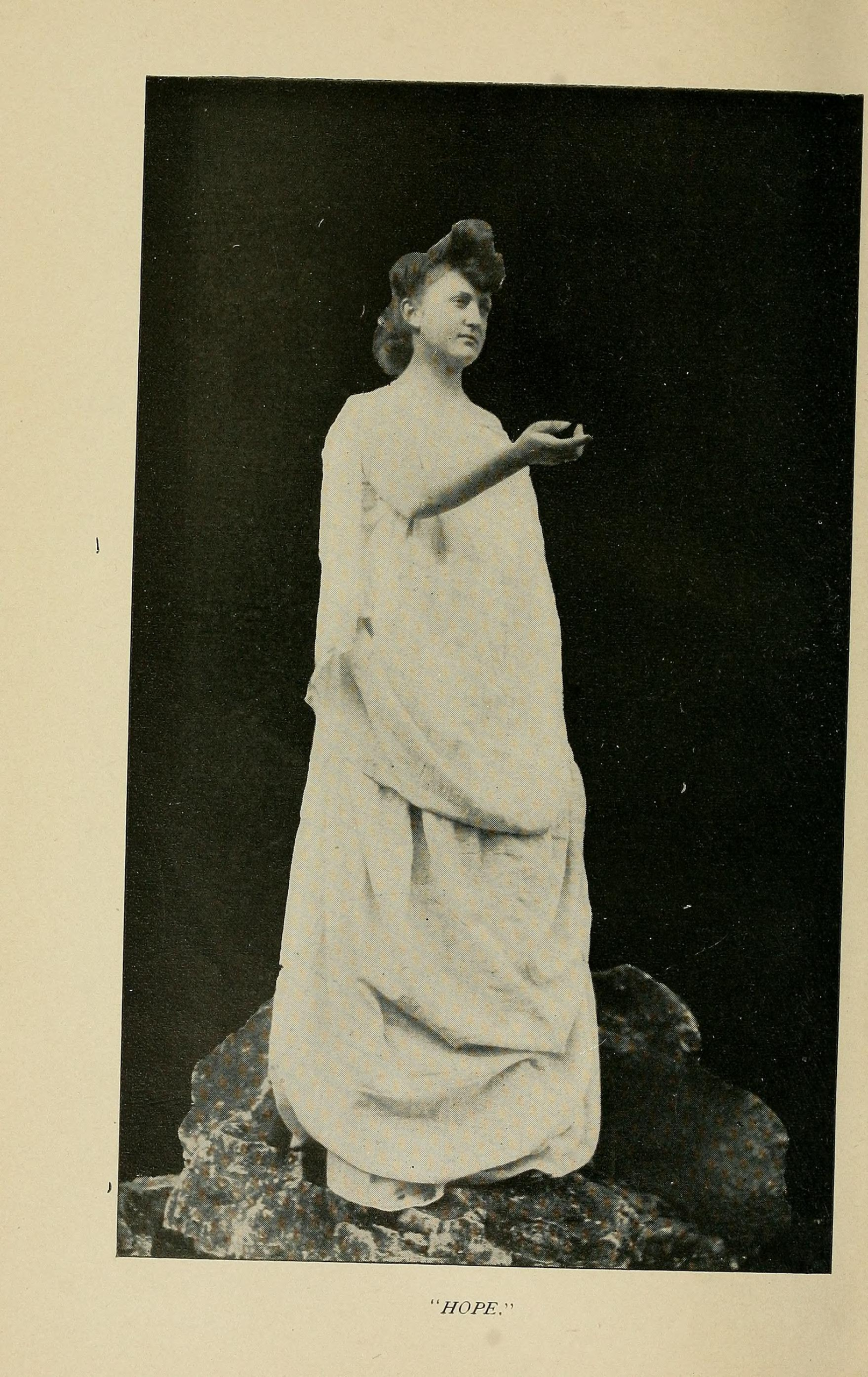
Members delivered memorised speeches, poems and passages, performed dialogues, and were judged on delivery as much as on content.
Not applicable. Memorised public performance is rare outside drama and competition.
Recitation was the companion skill and it was trained deliberately. Standing up in front of neighbours and delivering something from memory, audibly and with expression, is a specific competence – and it was understood as a thing a person ought to be able to do rather than a talent some people had.
6. There Was Frequently a Written Paper Too
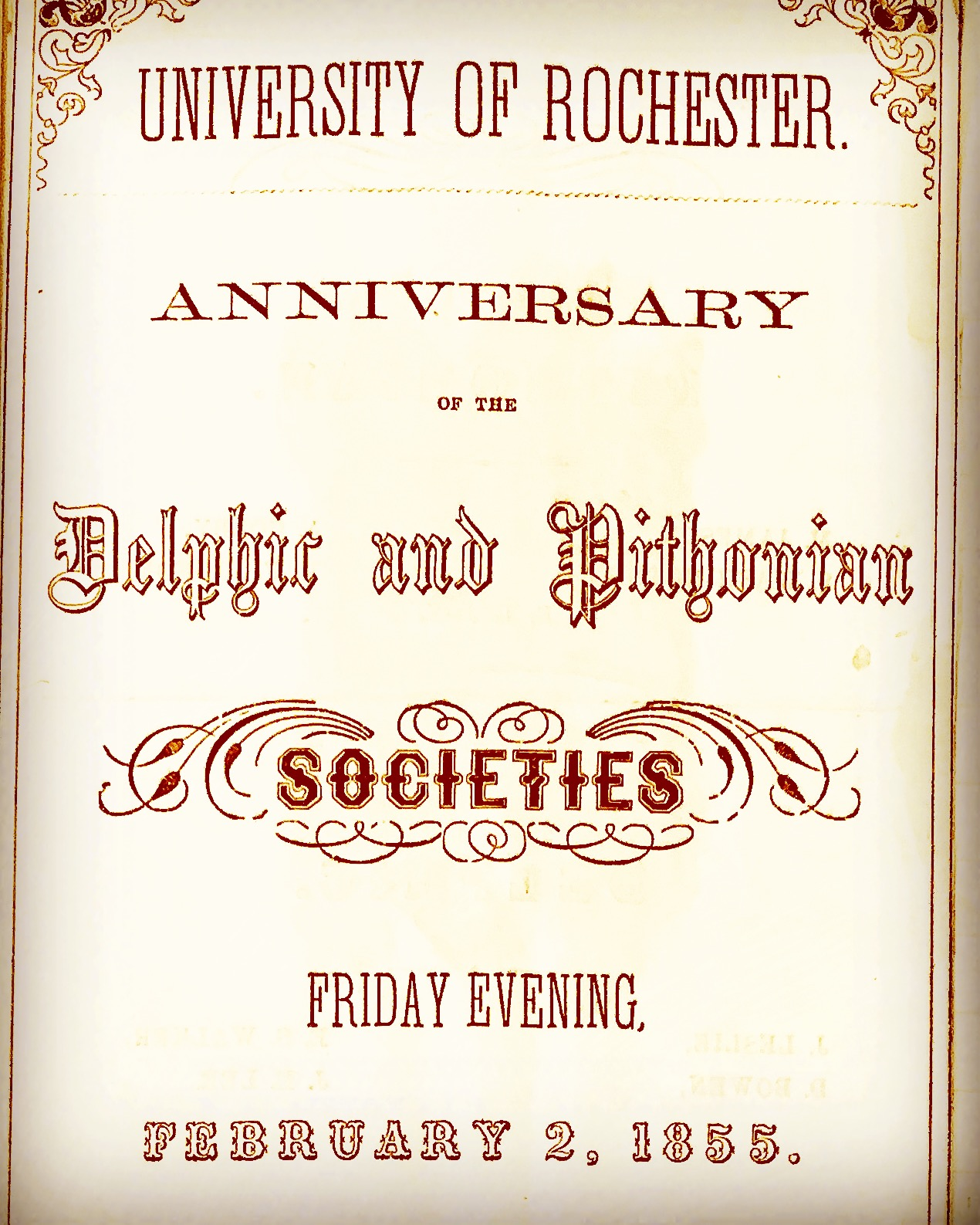
Many societies produced a handwritten newspaper, read aloud at meetings, containing essays, local items, verse and jokes contributed by members.
Not applicable in that form.
The manuscript paper is a lovely detail and it shows how much the members were doing for themselves. There was no printing, no circulation and no audience beyond the room – the entire purpose was to write something and have it read out to people you knew, which is a surprisingly modern-sounding activity.
7. It Was Self-Education and Everybody Knew It
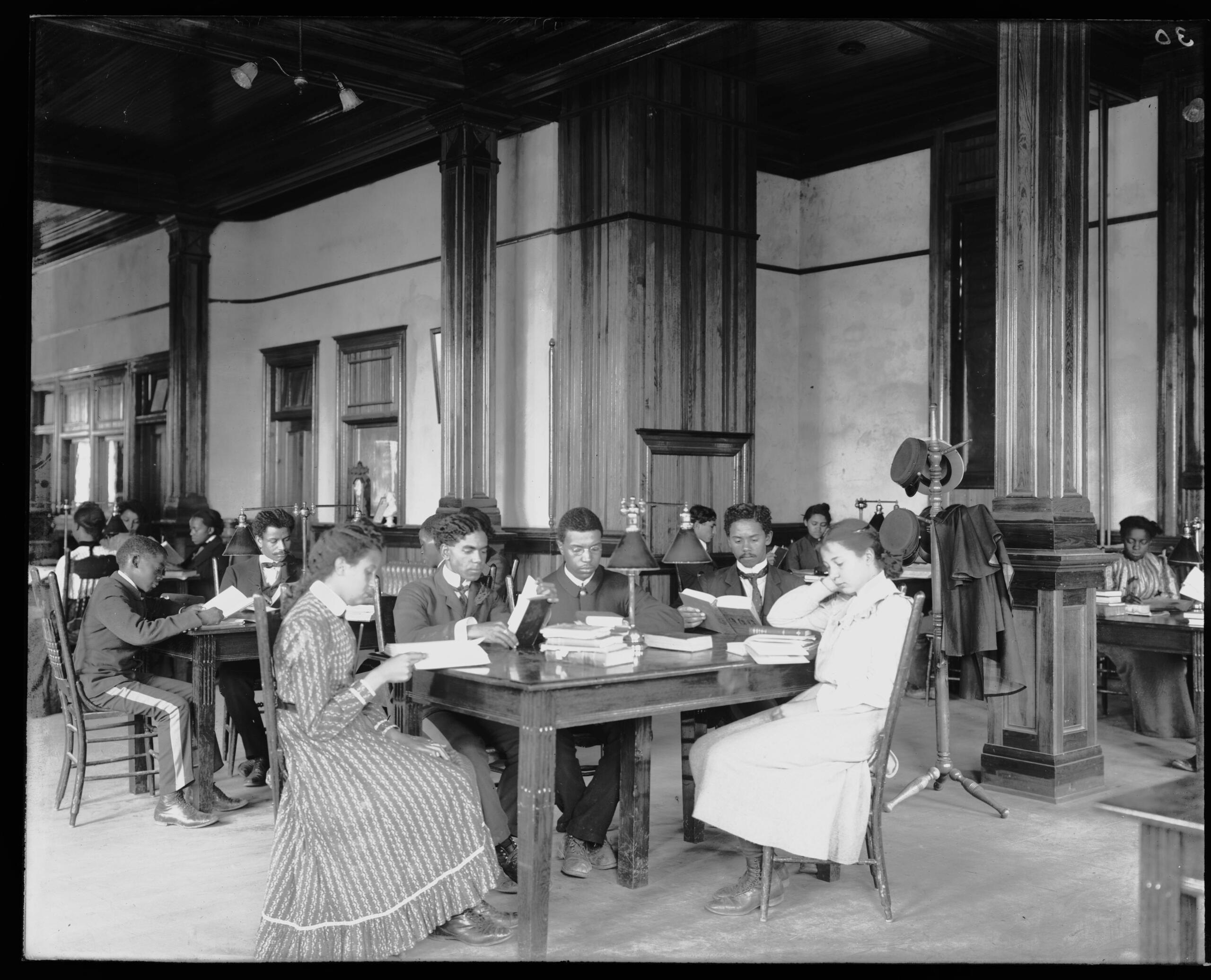
The explicit purpose was improvement – of knowledge, of speaking ability, of general information – in places with no college, no library and limited schooling.
Formal education to a much later age, plus unlimited information on demand.
Taking the educational claim at face value is correct here. These were adults who had generally left school at eighth grade, in towns with no other provision, deliberately organising their own further education out of nothing but their own willingness to prepare and turn up.
8. Women Took Part, and in Some Societies Ran Them
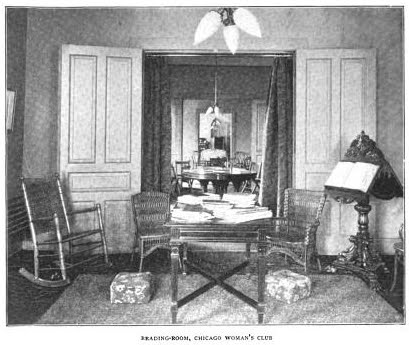
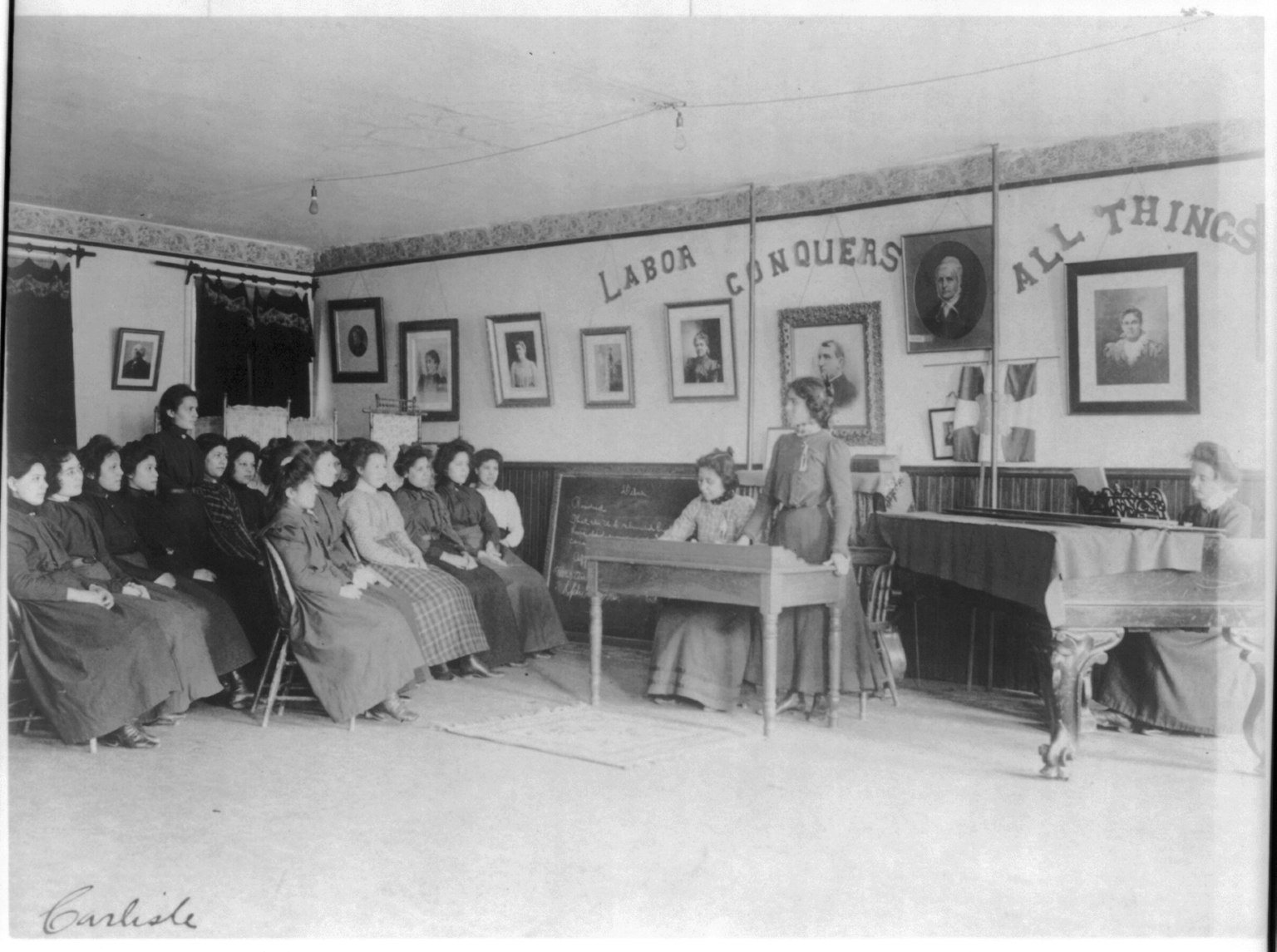
Membership varied – some societies were mixed, some were women’s organisations in their own right, and women’s literary clubs became a substantial movement.
Not applicable as a distinct form, though book clubs are a direct descendant.
This matters because of what else was unavailable. A women’s literary society was a legitimate reason to leave the house, organise, hold office, speak in public and read seriously – in a period when very few other institutions offered any of that, which is why the movement grew as large as it did.
9. The Venue Was Whatever the Town Had
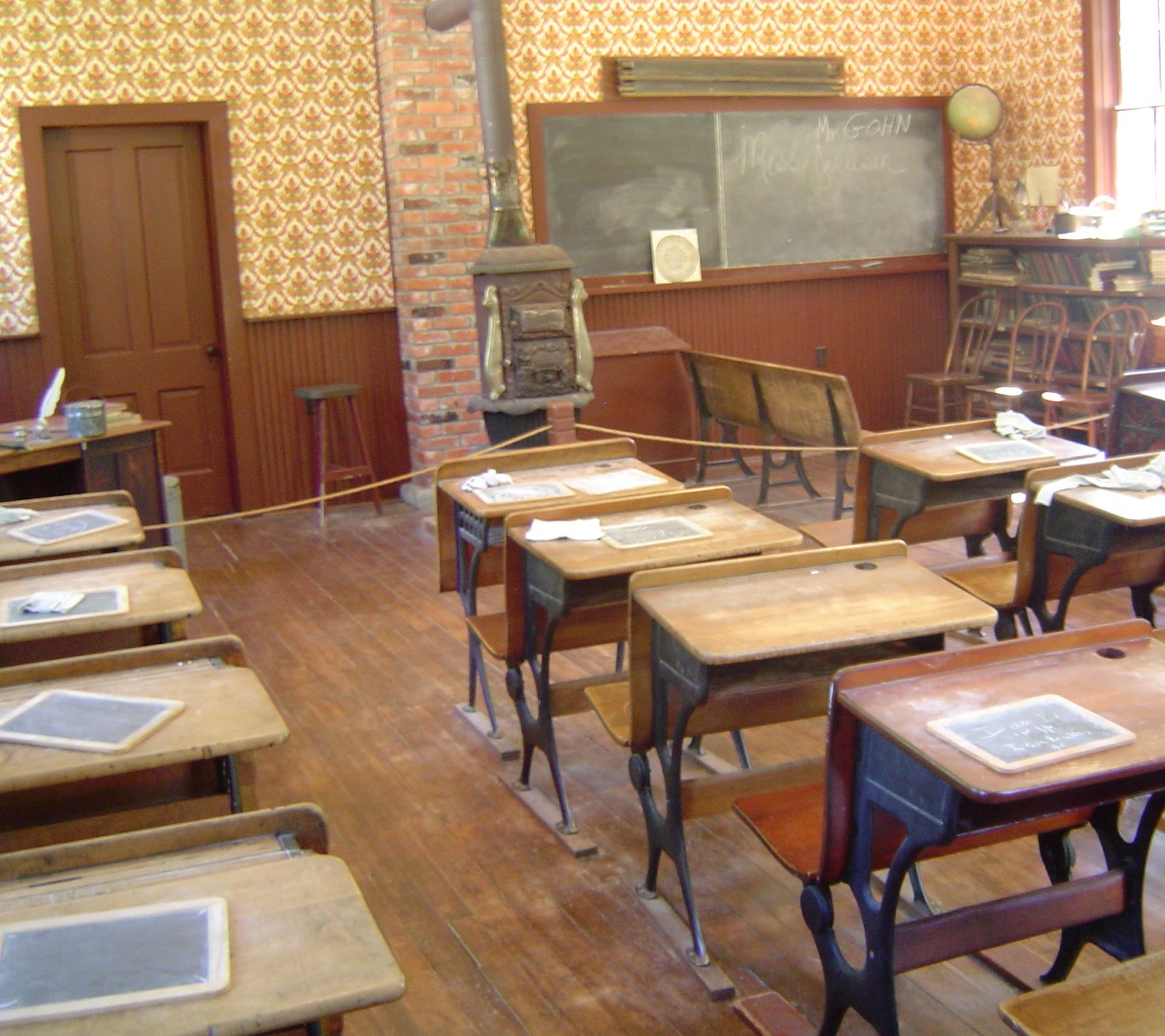
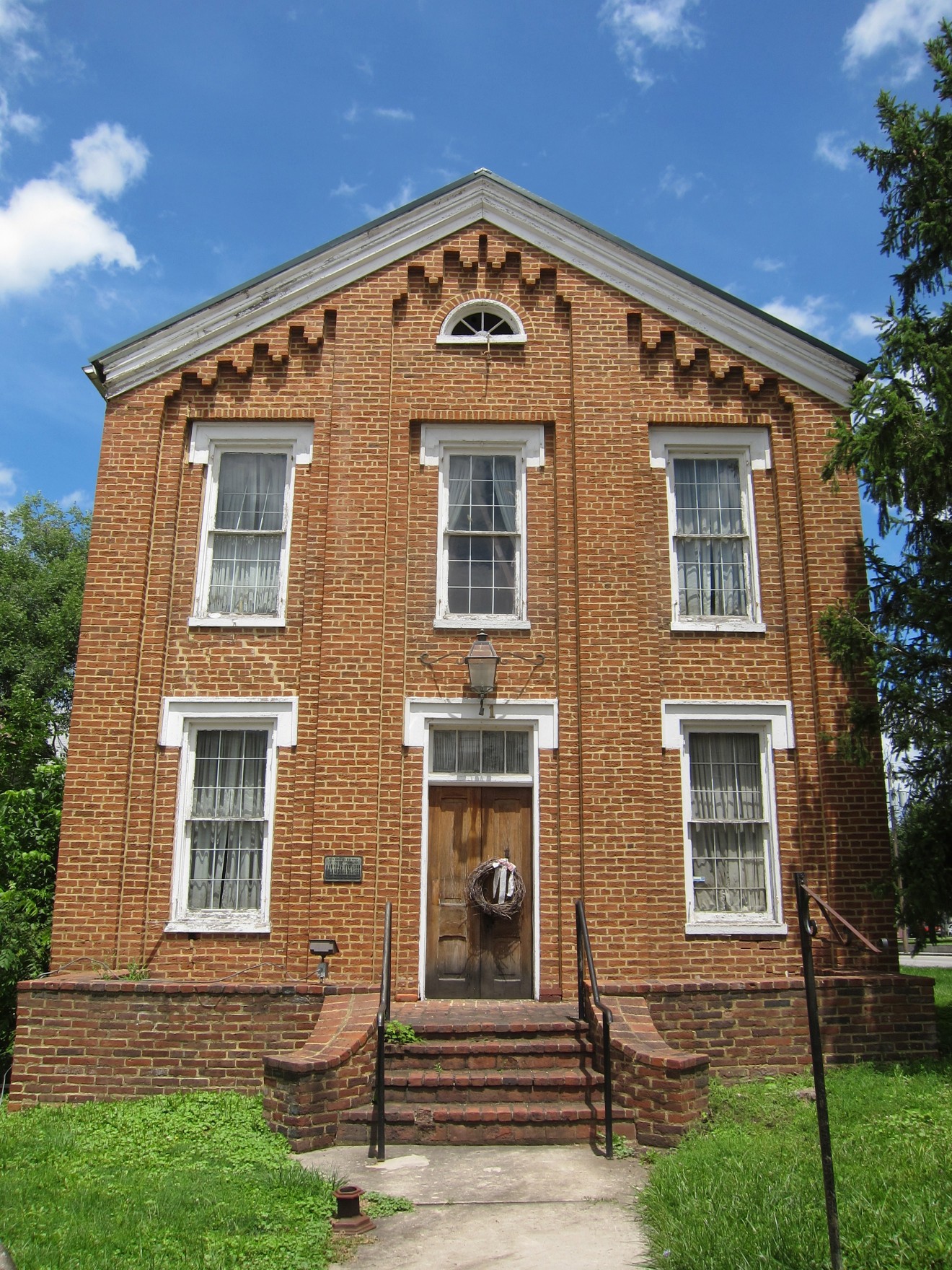
Meetings were held in schoolhouses, church basements, lodge rooms, store back rooms and private parlours, lit by lamps and heated by whatever stove was there.
Not applicable.
Using the schoolhouse is the commonest arrangement and it tells you something about the building. A one-room school was the only public room in a great many rural districts, which made it the venue for everything the community did in the evening.
10. Winter Was the Season for It
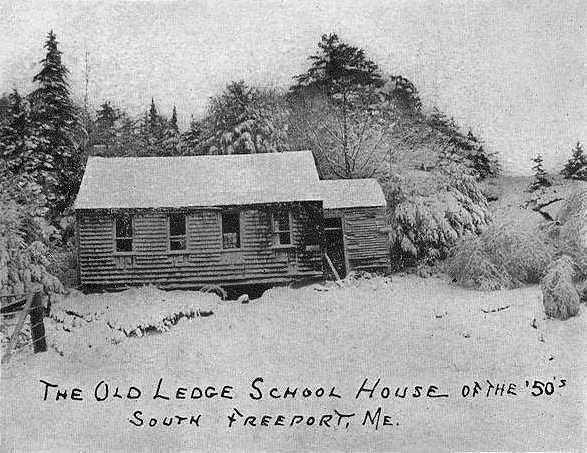
Societies met from late autumn to early spring, because that is when farm work permitted it, and suspended for the summer.
Not applicable.
The agricultural calendar governs this as it governs everything else of the period. Winter supplied the time, which is the same reason mending, repair work and visiting all happened then – and a society that met in July would have had nobody present.
11. Preparation Was Serious Work
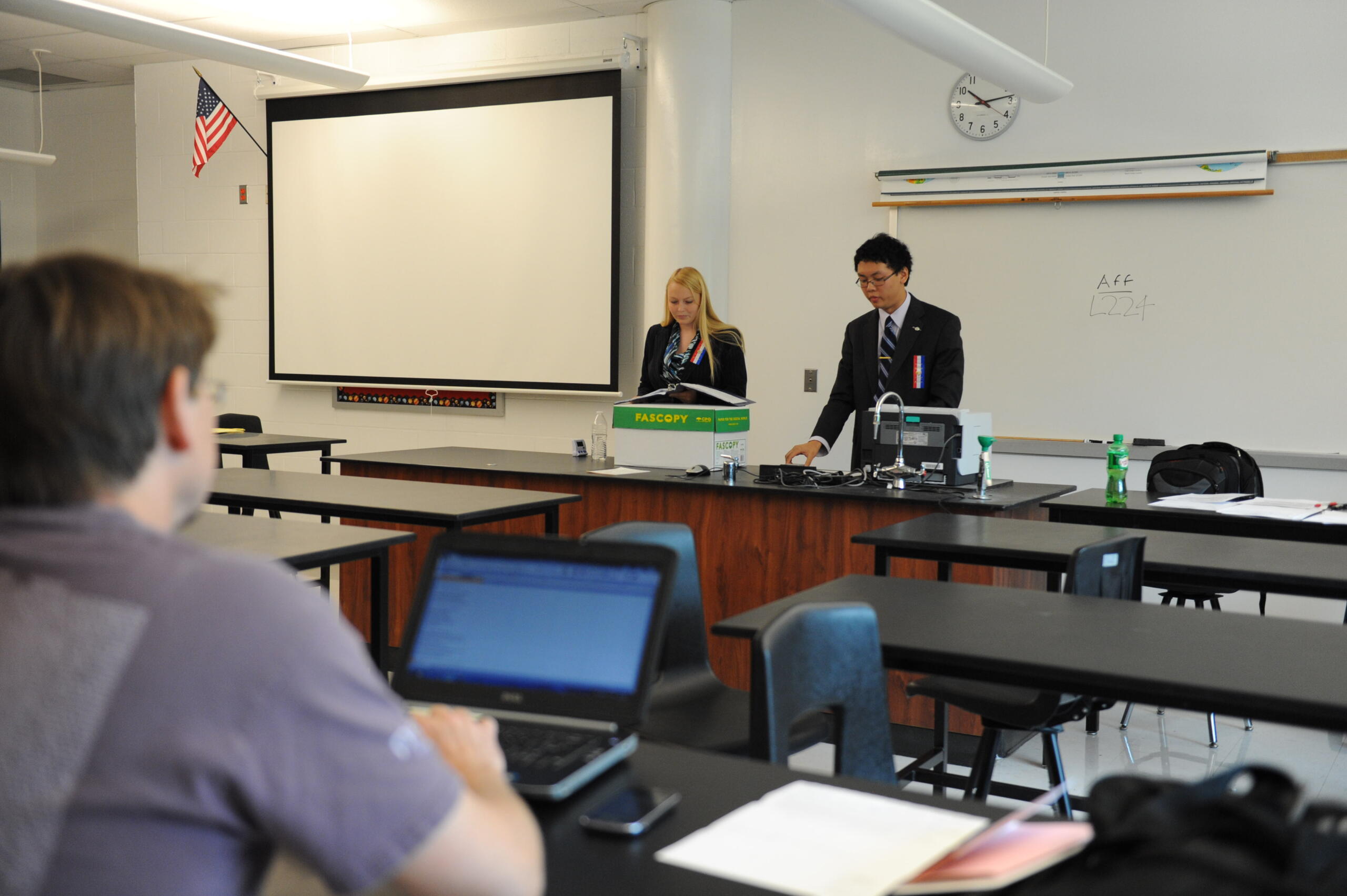
Speakers researched their side, wrote out arguments, memorised recitations and practised delivery, with no library and limited books to work from.
Not applicable in that form.
The research constraint is the part that is hard to appreciate. Preparing an argument without access to any reference material means relying on what you own, what you can borrow, what you remember and what you can reason out – which produces a different kind of argument from one assembled out of sources.
12. It Was Where People Learned to Speak in Public
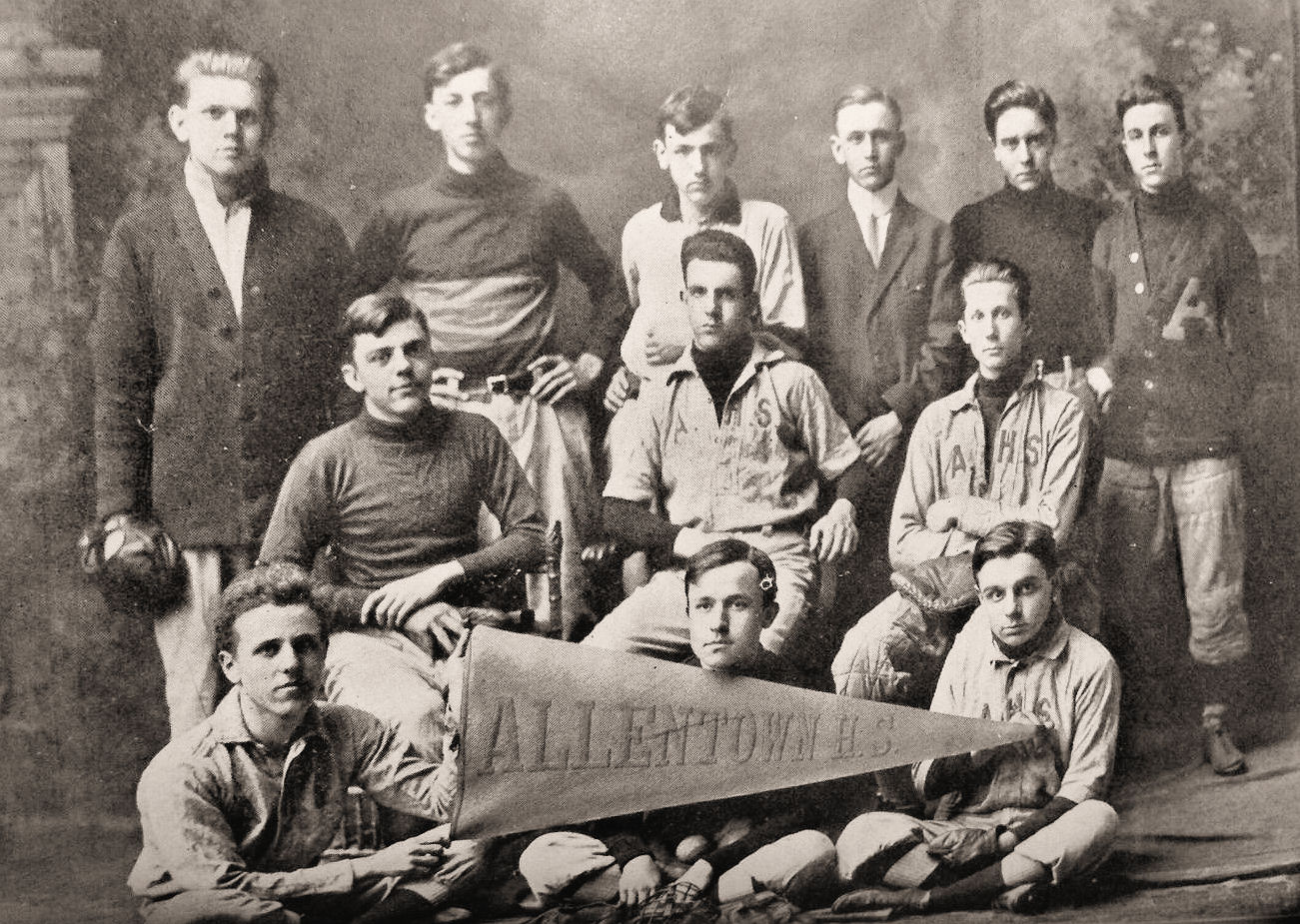
Men who later held local office, taught, preached, practised law or ran businesses had frequently learned to stand up and address a room in a literary society.
Not applicable. Public speaking is taught in school and in professional training.
The function as a training ground is the practical justification and it was real. A community needs people who can chair a meeting, present a case and address a crowd, and a fortnightly debating society in a schoolhouse is a remarkably efficient way of producing them.
13. Then Entertainment Started Arriving From Outside

Phonographs, radio, cinema and then television delivered professional performance into a town, which a local amateur programme could not compete with.
Dominant.
The competition is the first cause and it is the same one that ended town bands and local theatricals. An evening of your neighbours reciting is a different proposition once the alternative is a professional performance, and most people chose the professional one.
14. Then the Car Took the Winter Evening Away
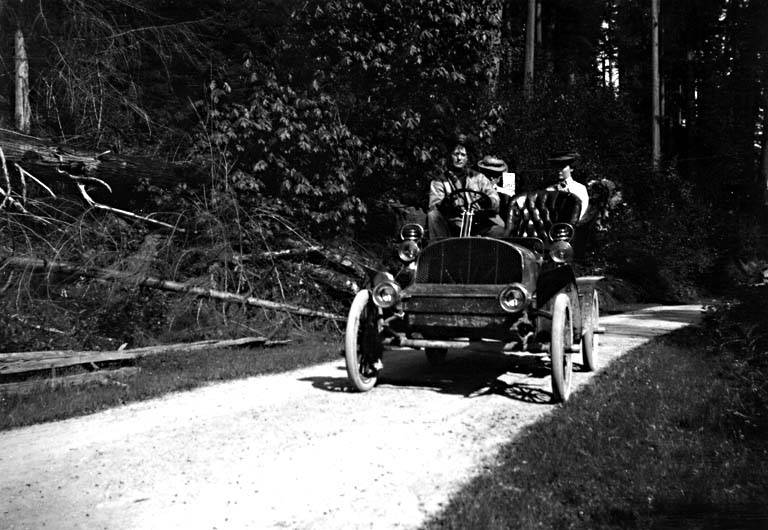
Better roads and universal car ownership meant a winter evening could be spent in a larger town, at a film, or anywhere else within reach.
Universal.
Mobility removes a local institution’s monopoly on the evening, which is what it had been running on. A society existed partly because there was nothing else to do within a horse’s distance, and that condition ended.
15. Then Formal Education Absorbed the Function
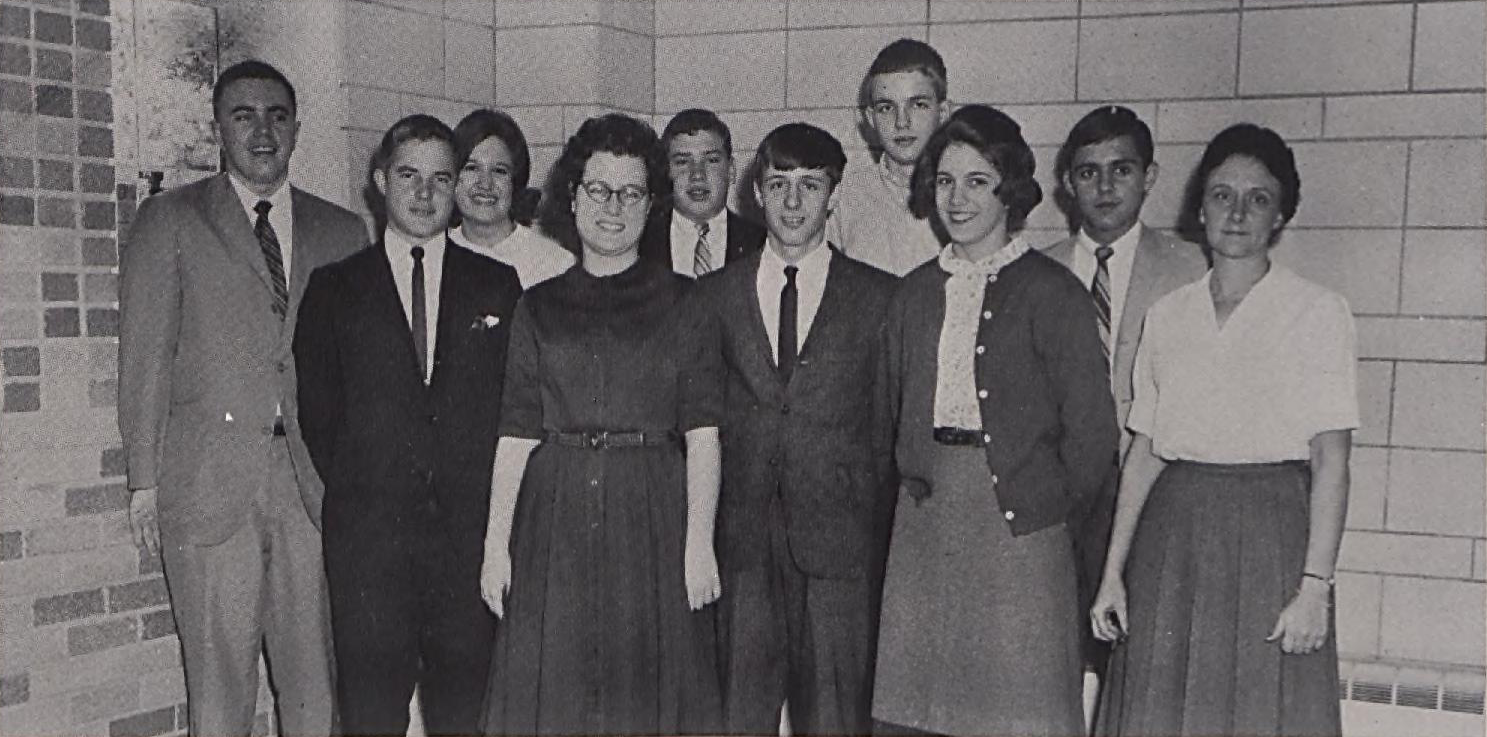
High school attendance became universal, bringing debate, public speaking, composition and literature into the curriculum, with teams and competitions attached.
Standard.
Which is the honest and under-appreciated ending. The thing the literary society existed to supply – adult self-education and training in argument and speech – became something schools did for everybody, which is a straightforward improvement and simultaneously the removal of the institution’s reason to exist.
16. Then Arguing Became Something You Do Alone

By 1964 the literary society was a memory in most places, while the activities it had hosted lived on in classrooms, in clubs and eventually on screens.
Public argument is constant, available to everybody, and conducted almost entirely between people who are not in the same room.
And the contrast worth drawing is the assigned side. The central discipline of these societies was that you were told which position to defend, in front of neighbours who knew what you actually thought, and you were judged on how well you made a case you might not believe. That is a remarkable thing for a farming community to have organised for itself in a schoolhouse in February, and it produced people who could state an opposing argument properly because they had been obliged to state it. Everything else about the institution has been improved on. Schools teach debate better and to more people, information is unlimited, entertainment is professional and the evening is no longer empty. The one piece with no modern equivalent is a roomful of neighbours watching somebody argue the opposite of what he believes, and then voting on whether he did it well.
The Assigned Side Is the Part With No Modern Equivalent
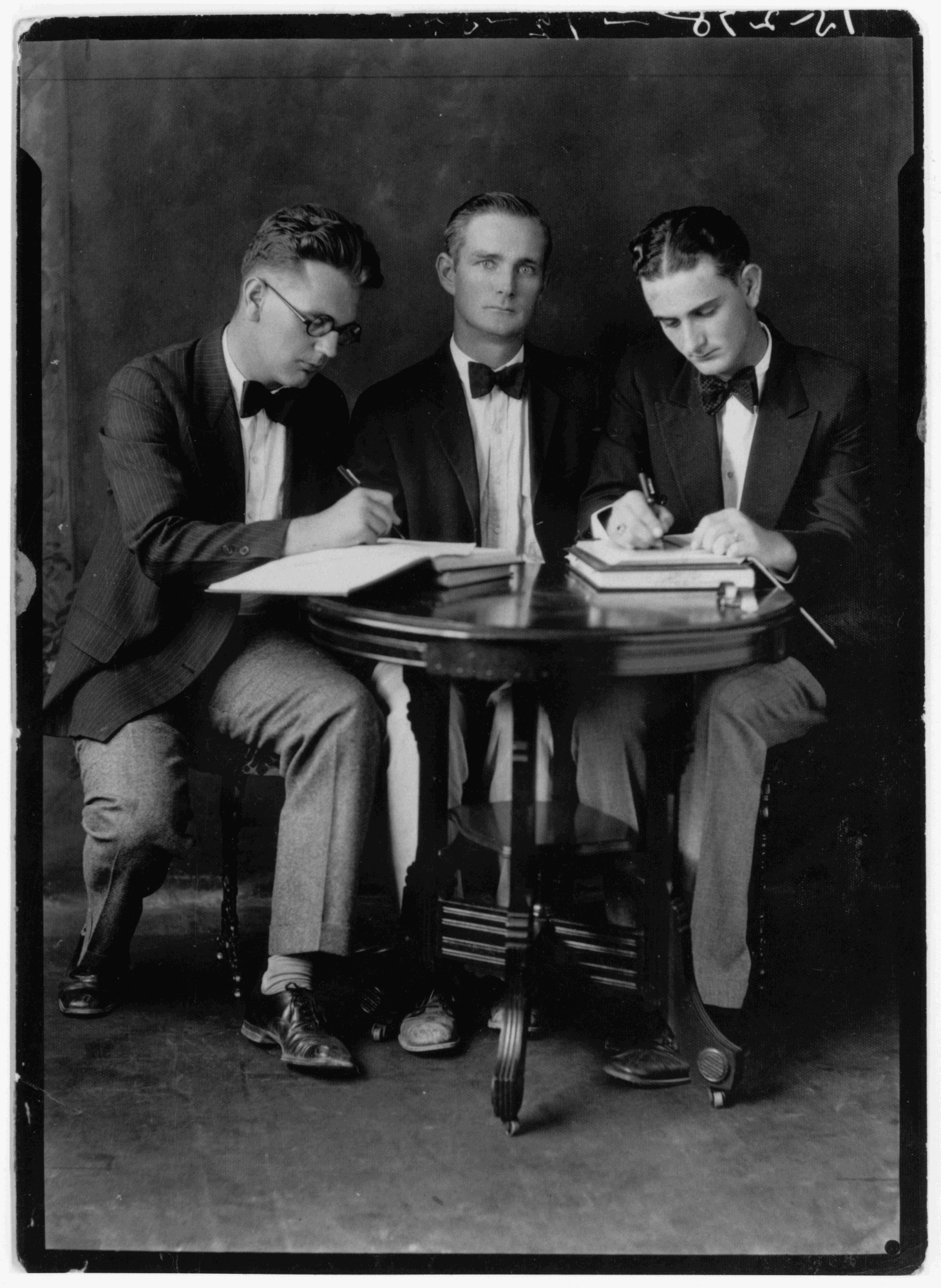
Almost everything these societies did has since been done better by something else. One thing has not been replaced at all.
Start with what they were. Literary societies, lyceums and debating clubs met weekly or fortnightly through the winter in a very large number of American communities – schoolhouses, church basements, lodge rooms, store back rooms and parlours – run entirely by their own members, charging little or nothing, and constituting the main winter entertainment in towns that had no other.
The programme was a mixture, and the mixture was deliberate. Debates on public policy, history, science, moral questions and local matters, alternating with propositions chosen specifically because they were absurd. A society that debated only weighty questions would not have survived a winter, and the silly evenings were frequently the better ones.
Around the debate came declamation and recitation – memorised speeches, poems and passages, performed and judged on delivery as much as content – because standing up in front of neighbours and delivering something audibly and with expression was understood as a thing a person ought to be able to do rather than a talent some people had.
And the purpose was explicitly educational. These were adults who had generally left school at eighth grade, in places with no college and no library, deliberately organising their own further education out of nothing but a willingness to prepare and turn up. Preparing meant working without reference material – relying on what you owned, what you could borrow, what you remembered and what you could reason out, which produces a different kind of argument from one assembled out of sources.
Two consequences are worth naming.
It trained the town’s public speakers. Men who later held local office, taught, preached, practised law or ran businesses had frequently learned to address a room in a literary society – and a community needs people who can chair a meeting and present a case, which a fortnightly debate in a schoolhouse produces remarkably efficiently.
And it gave women an institution. Some societies were mixed and some were women’s organisations in their own right, and the women’s literary club became a substantial movement – which matters because of what else was unavailable. It was a legitimate reason to leave the house, organise, hold office, speak in public and read seriously, at a time when very few other institutions offered any of that.
Then three things ended it, and all three are improvements.
Entertainment began arriving from outside. Phonograph, radio, cinema and television delivered professional performance into a town, and an evening of your neighbours reciting is a different proposition once there is an alternative.
The car took the evening. A society existed partly because there was nothing else to do within a horse’s distance, and better roads ended that condition.
And formal education absorbed the function entirely. Universal high school attendance brought debate, public speaking, composition and literature into the curriculum, with teams and competitions attached – which teaches it better, to far more people, and simultaneously removes the society’s reason to exist.
So the accounting is straightforward. Schools teach debate better. Information is unlimited. Entertainment is professional. The winter evening is no longer empty.
The piece with no replacement is the assigned side. Being told which position to defend, in front of people who knew what you actually believed, and being judged on how well you made a case you might not hold – that is a discipline, and it is the hardest one to acquire by any other route.
It is also a remarkable thing for a farming community to have organised for itself in a schoolhouse in February.
If your family has old papers, look for a handwritten newspaper nobody printed.
Somebody read that aloud to the neighbours.
Like our content? Follow us for more.