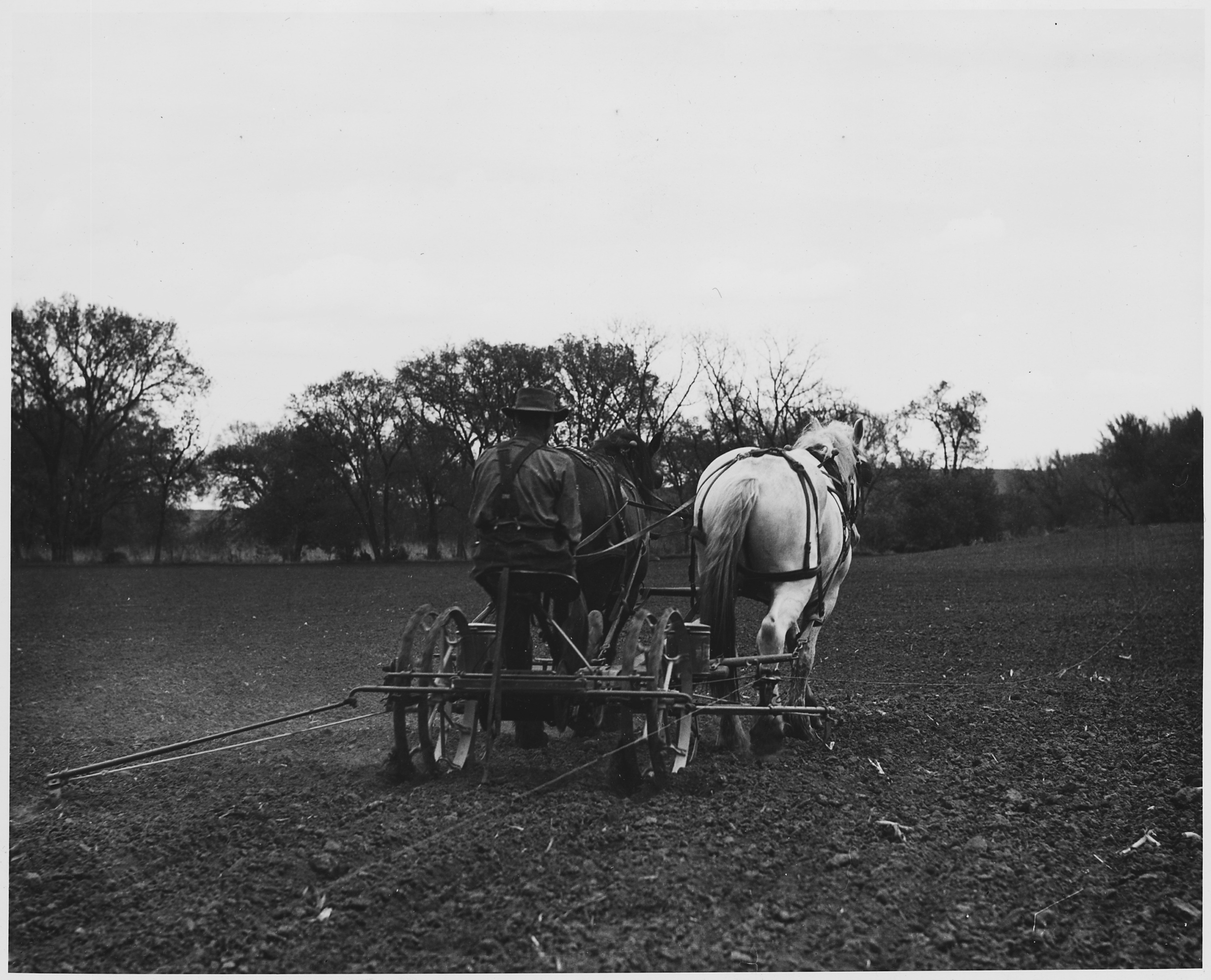
Corn went in as a checkerboard rather than in rows, and that was not fussiness.
Seed was dropped at regular intervals in both directions, in hills of three or four kernels rather than single plants. The reason is weed control: a grid can be cultivated in two directions at right angles, so a horse and a cultivator can go up and down and then across – which doubles the ground that can be reached without touching the crop.
Which made accuracy the whole problem. Both sets of lines had to be straight and evenly spaced across a whole field, and nothing about a horse, a field or a person naturally produces that – because a grid out of line in one direction cannot be cultivated in that direction, throwing away half the weed control. Here are fifteen things every American farm knew.
1. Corn Was Planted in a Grid, Not in Rows
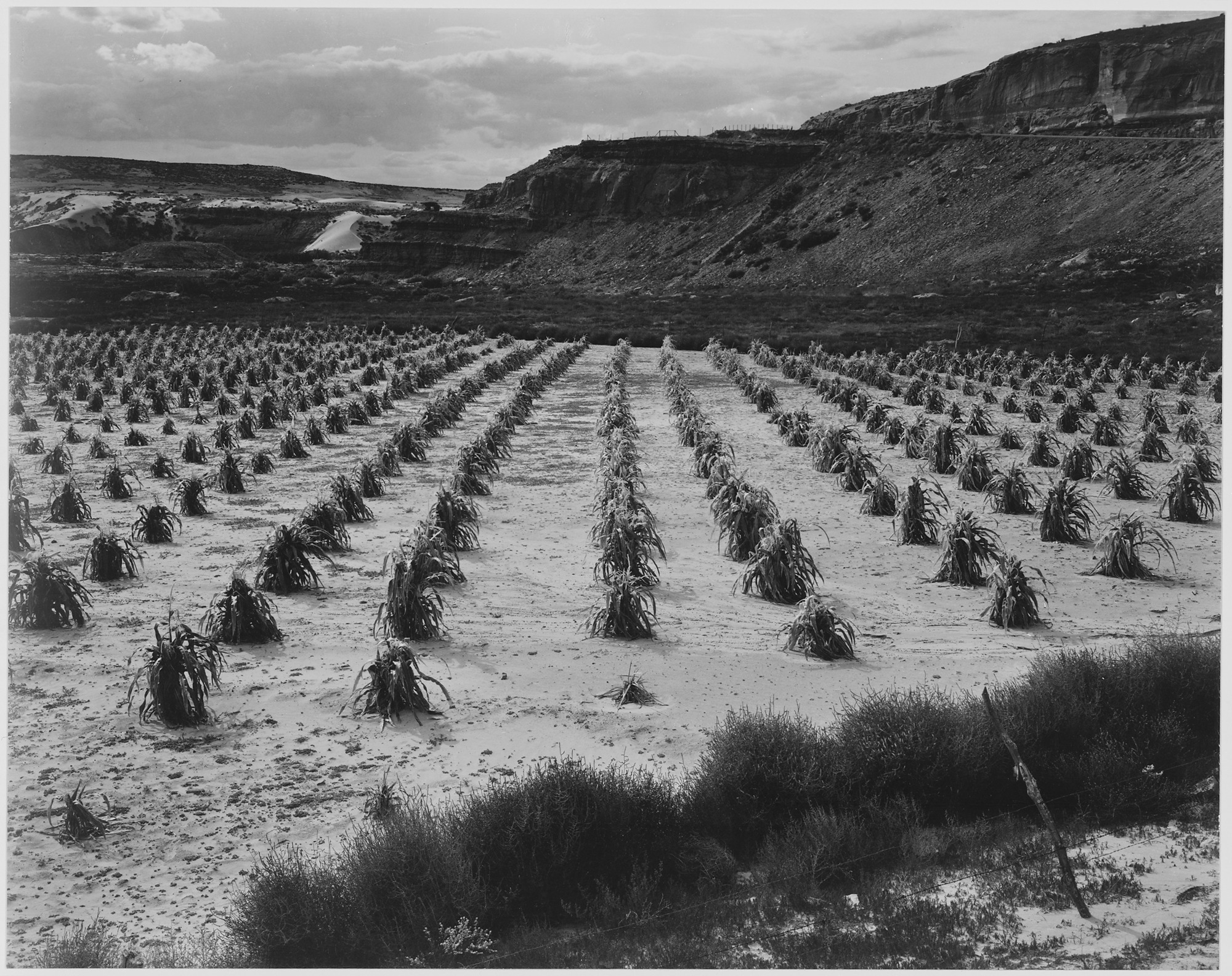
Seed went in at regular intervals in both directions, so the field was a checkerboard of hills rather than a set of continuous lines.
Planted in continuous rows at high density by machine.
Start with the pattern, because it looks like fussiness and was essential. A grid can be cultivated in two directions at right angles, which means a horse and a cultivator can go up and down and then across – and that doubles the number of chances to kill weeds between the plants without touching the crop.
Like our content? Follow us for more.
2. Several Seeds Went Into Each Hill
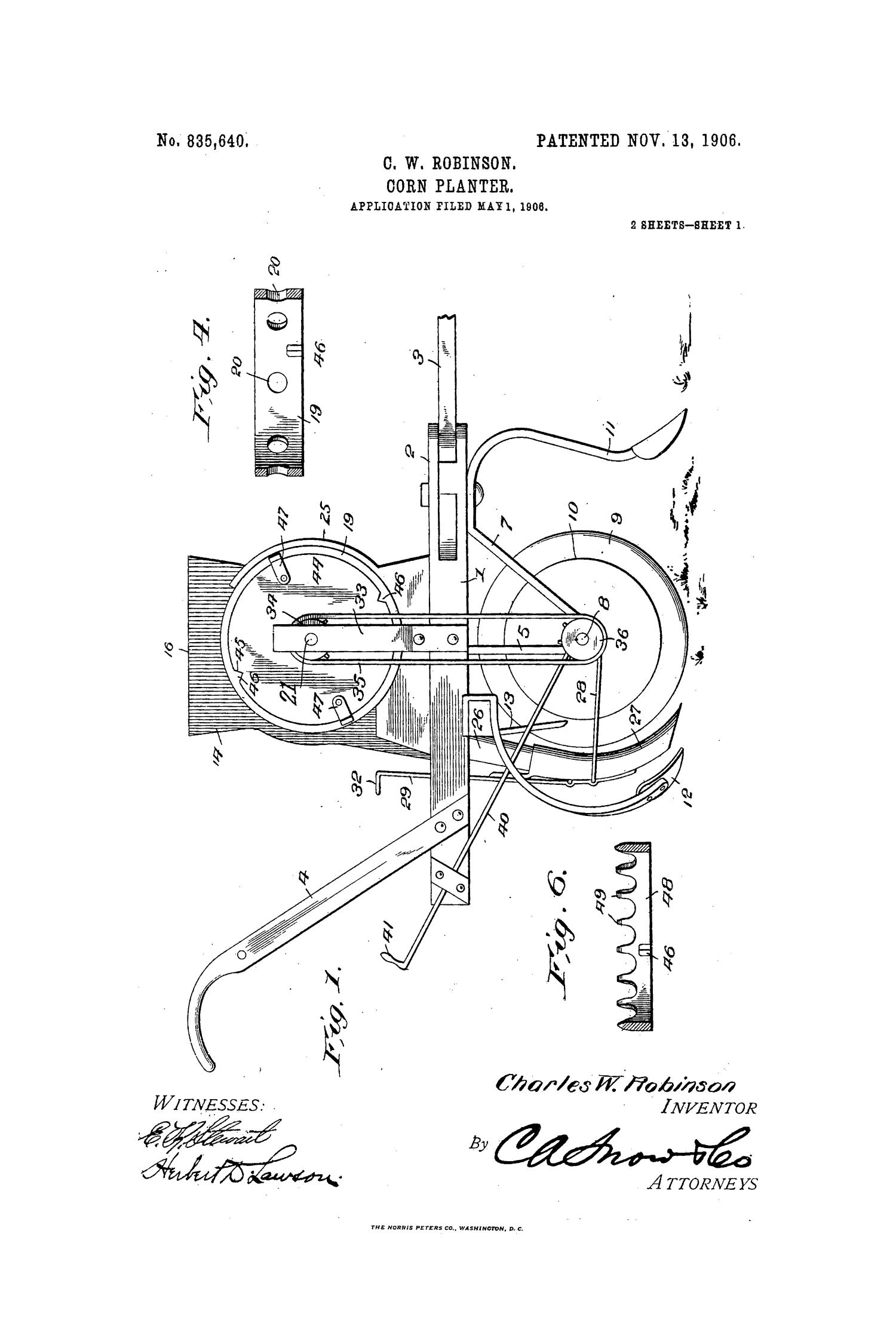
Rather than single plants spaced evenly, three or four kernels were dropped together and grew as a clump.
Single plants at precise spacing.
The clump arrangement follows from the grid and from uncertainty. Not every seed germinates, so dropping several guarantees something comes up at that point – and a hill of three plants can be cultivated round from all four sides, which an evenly spaced single plant cannot.
3. Getting the Grid Straight Was the Whole Problem
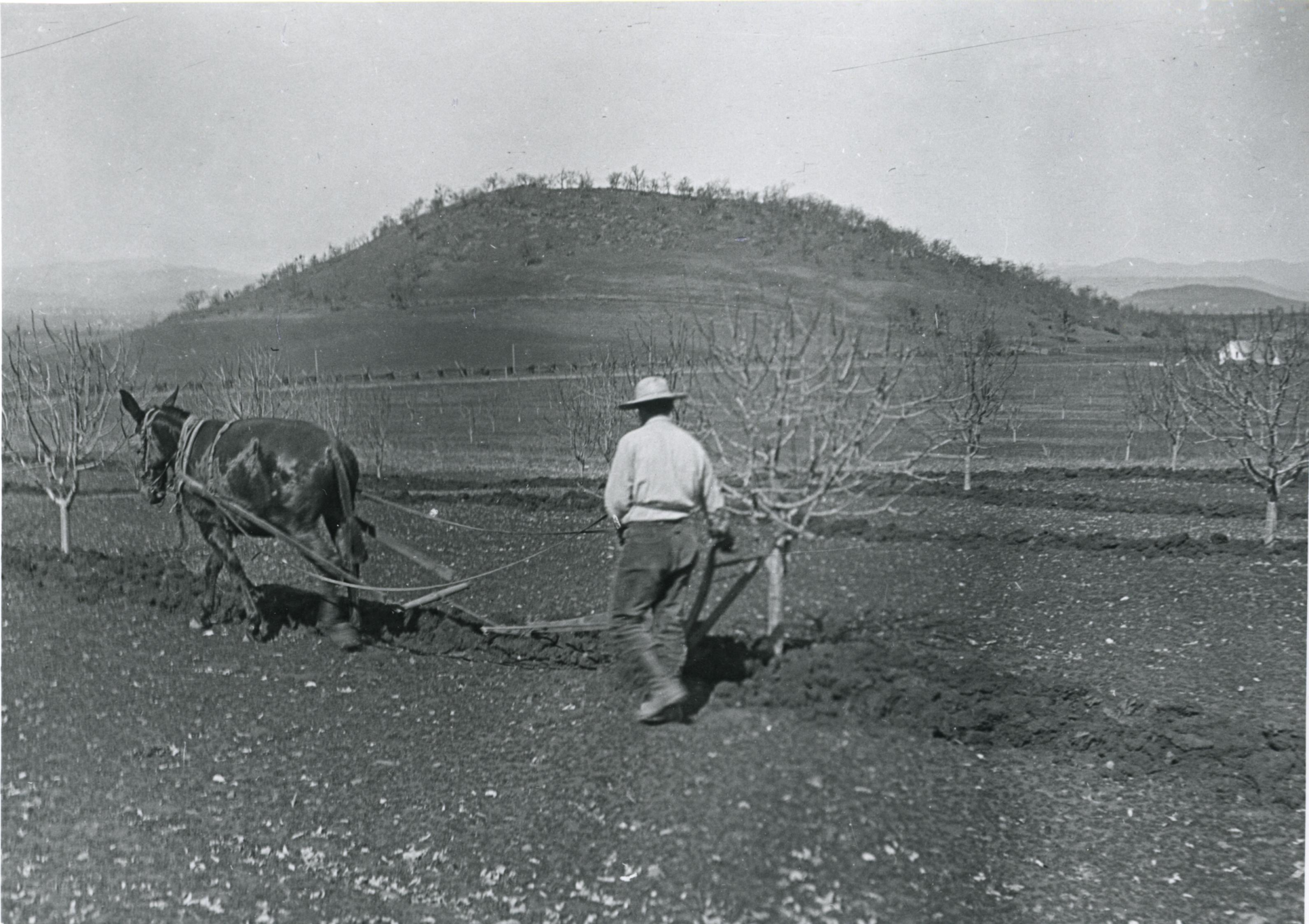
Both sets of lines had to be straight and evenly spaced, in both directions, across a whole field – and nothing about a horse, a field or a person naturally produces that.
Satellite guidance.
The accuracy requirement is the engineering problem the whole operation existed to solve. A grid that is out of line in one direction cannot be cultivated in that direction, which throws away half the weed control – so the entire apparatus of planting corn was about marking the ground accurately before any seed went in.
4. The Ground Was Marked Before It Was Planted
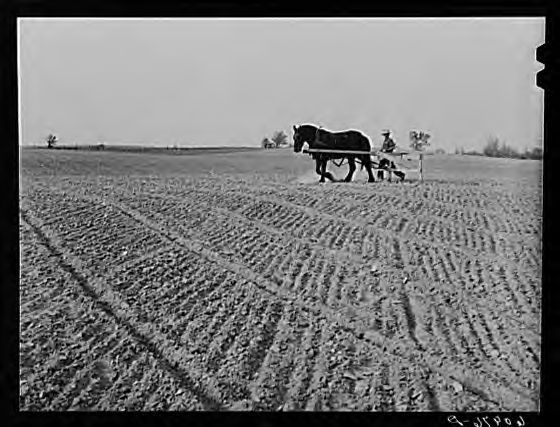
A marker was dragged across the field to scratch parallel lines, then dragged across again at right angles, producing a visible grid to plant on.
Not applicable.
Marking first is the obvious solution and it was the standard one. Scratching lines in prepared soil takes very little effort and gives the planter something to aim at – and because the lines are visible, errors show up immediately rather than being discovered when the cultivator arrives.
5. The Check Wire Did It Mechanically
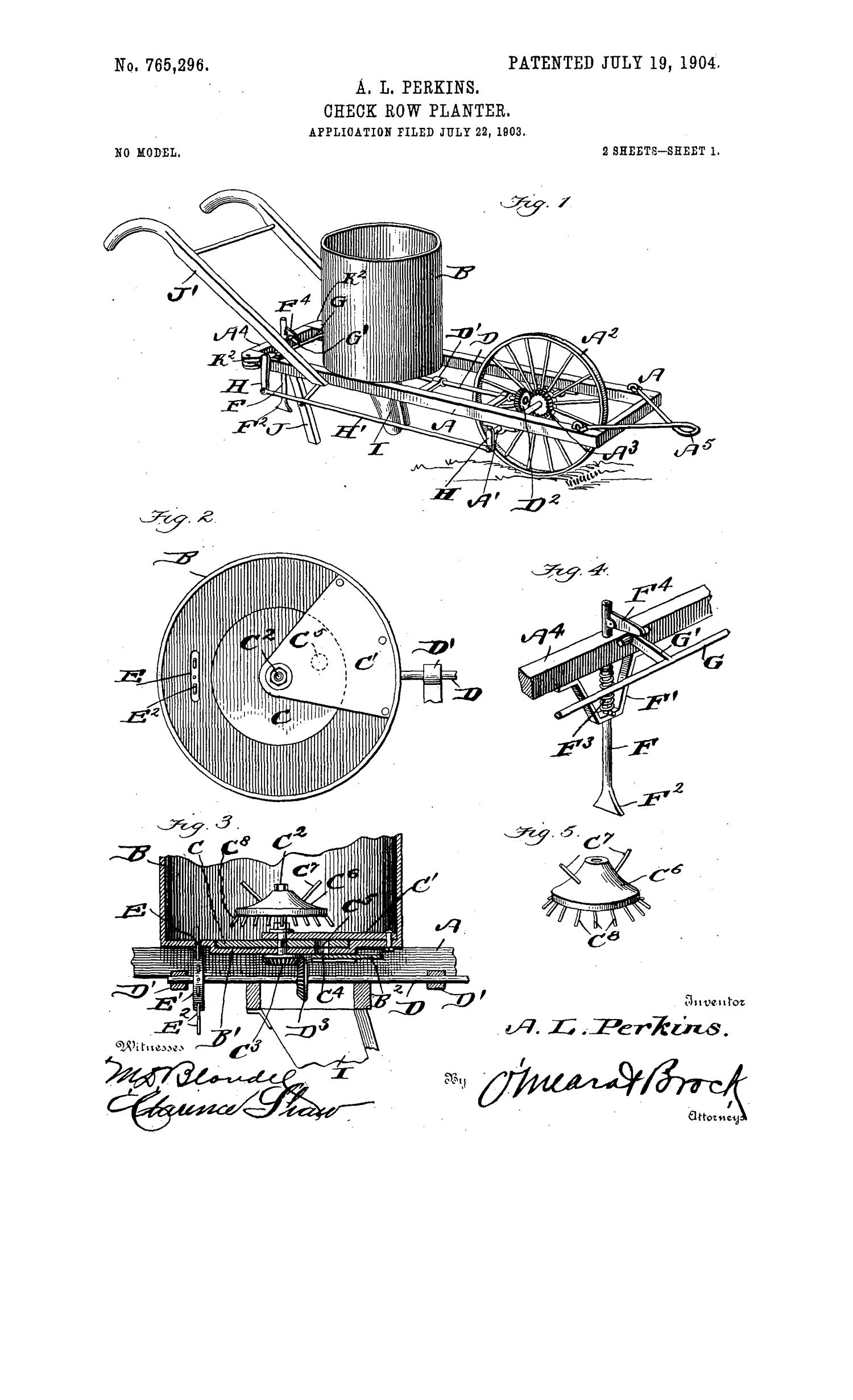
A wire with knots at fixed intervals was stretched across the field, and a mechanism on the planter tripped at each knot to release seed – which put the hills at exactly the right spacing automatically.
Not applicable.
The knotted wire is a genuinely elegant solution and it is the cleverest thing in the subject. Instead of a person judging distance, the field itself carries the measurement: the wire is the ruler, the knots are the marks, and the planter simply does what the wire tells it – which removes human error from the spacing entirely.
6. Somebody Had to Move the Wire Every Pass
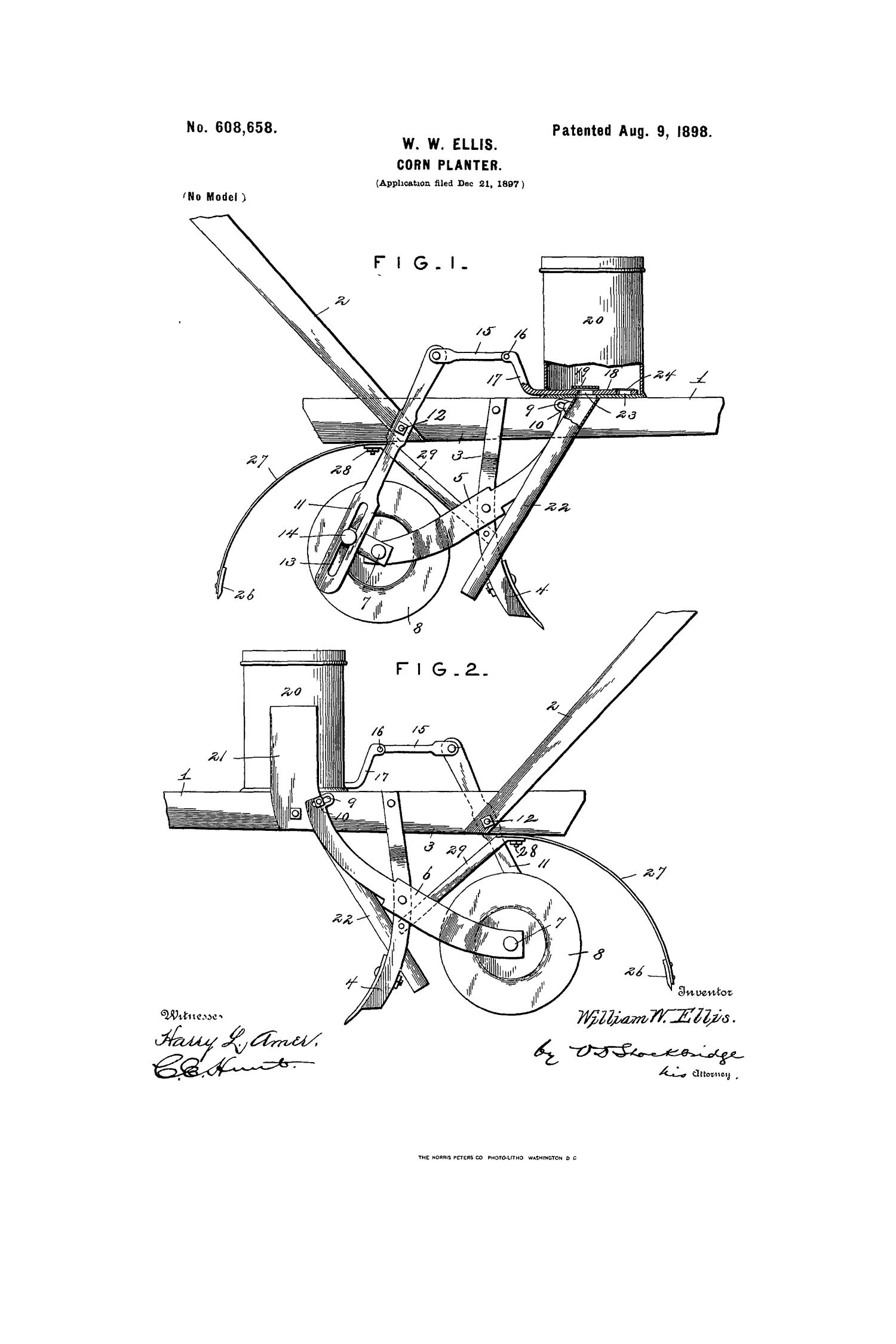
At the end of each pass the wire had to be unstaked, carried over, re-staked and re-tensioned, which was a job for one or two people all day.
Not applicable.
The cost of the accuracy is where the labour went, and it is usually left out. A mechanism that measures the field perfectly requires the measurement to be physically relocated after every single pass – so the planting crew included somebody whose entire day was spent moving a wire across a field.
7. Hand Planting Was Done With a Jab Planter
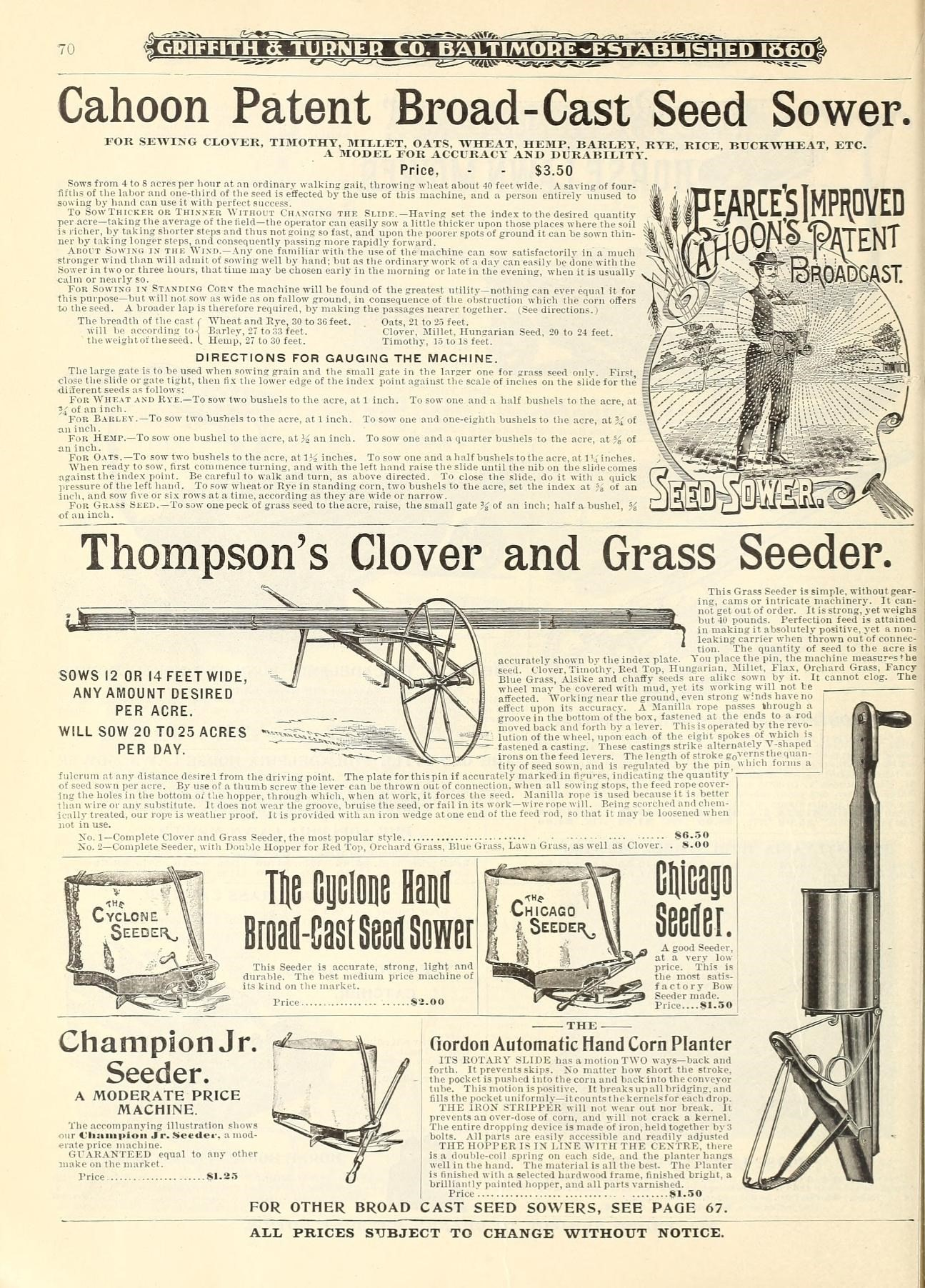
A hand tool was pushed into the ground, a lever released a few seeds, and the operator moved to the next mark – one hill at a time, down the whole field.
Not applicable.
The hand tool is what a household used when it had no team, no planter or no money, and it is also what filled in the gaps. Replanting a patch that failed, planting a corner a machine could not reach, or planting a whole small field was done one jab at a time – which is an enormous number of individual actions.
8. Planting Date Was a Gamble Everybody Argued About
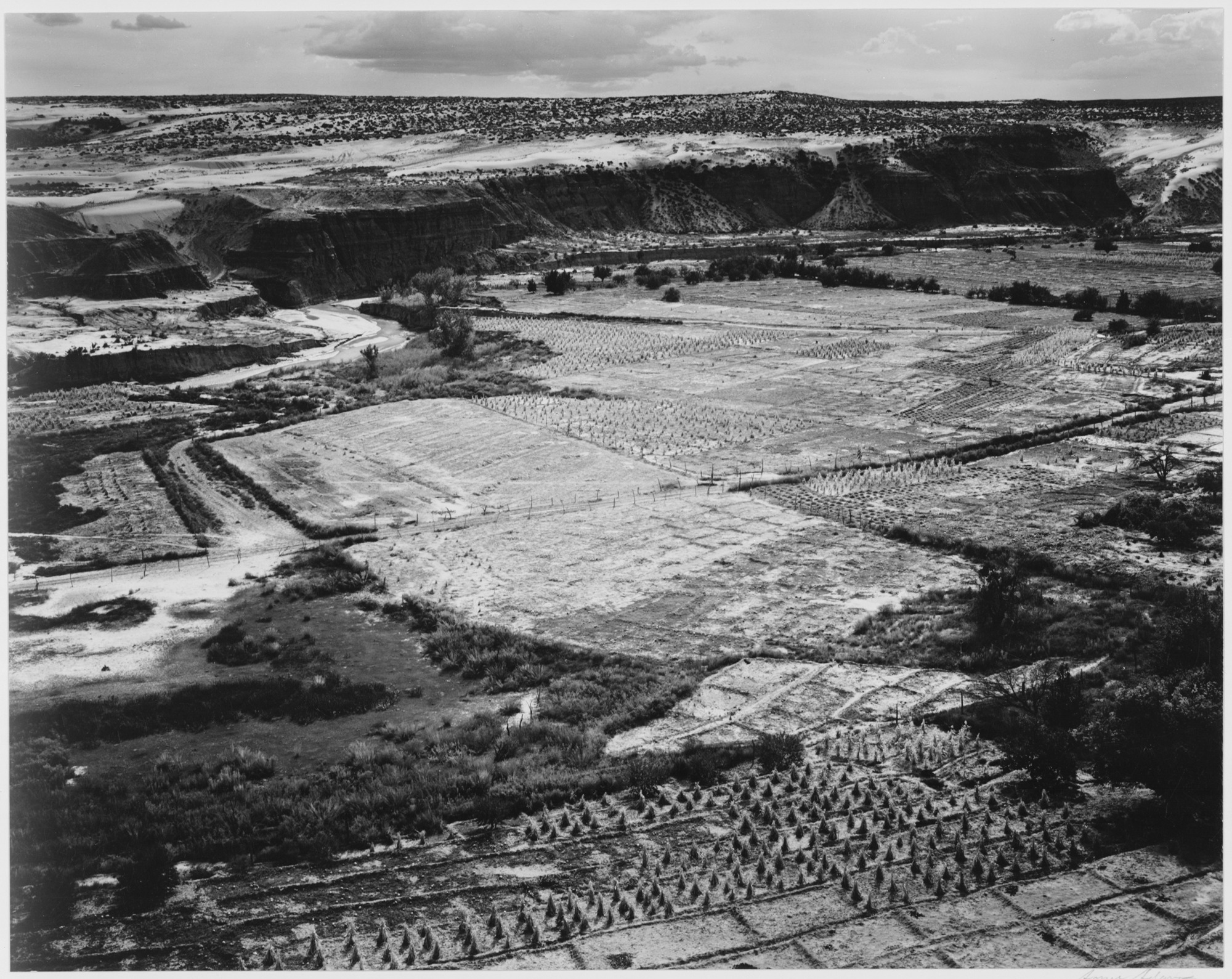
Corn planted too early rots or is killed by frost; planted too late it does not finish before autumn – and the correct date varies with the season and cannot be known in advance.
Soil temperature is measured and the decision is informed.
The timing decision is the one genuine uncertainty in the whole operation. Everything else can be done well or badly by skill, while the date is a bet on weather that has not happened yet – which is why it was discussed endlessly, why folk rules about it existed, and why neighbours watched each other to see who was going first.
9. Replanting Was Normal and Nobody Liked It
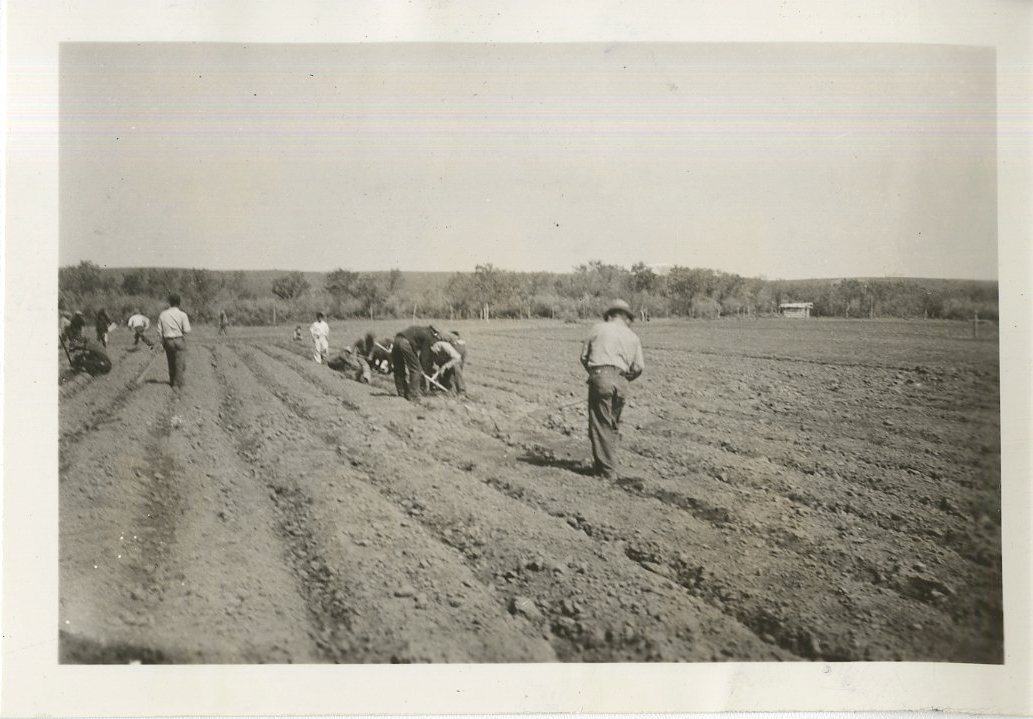
Patches that failed to come up were replanted by hand, which produced plants at a different stage from the rest of the field for the whole season.
Not applicable in the same way.
Replanting is the admission that the first attempt is a prediction. A field with replanted patches ripens unevenly, which complicates everything afterwards – so the choice was between an uneven field and a thin one, and neither was good.
10. The Whole Family Was Involved
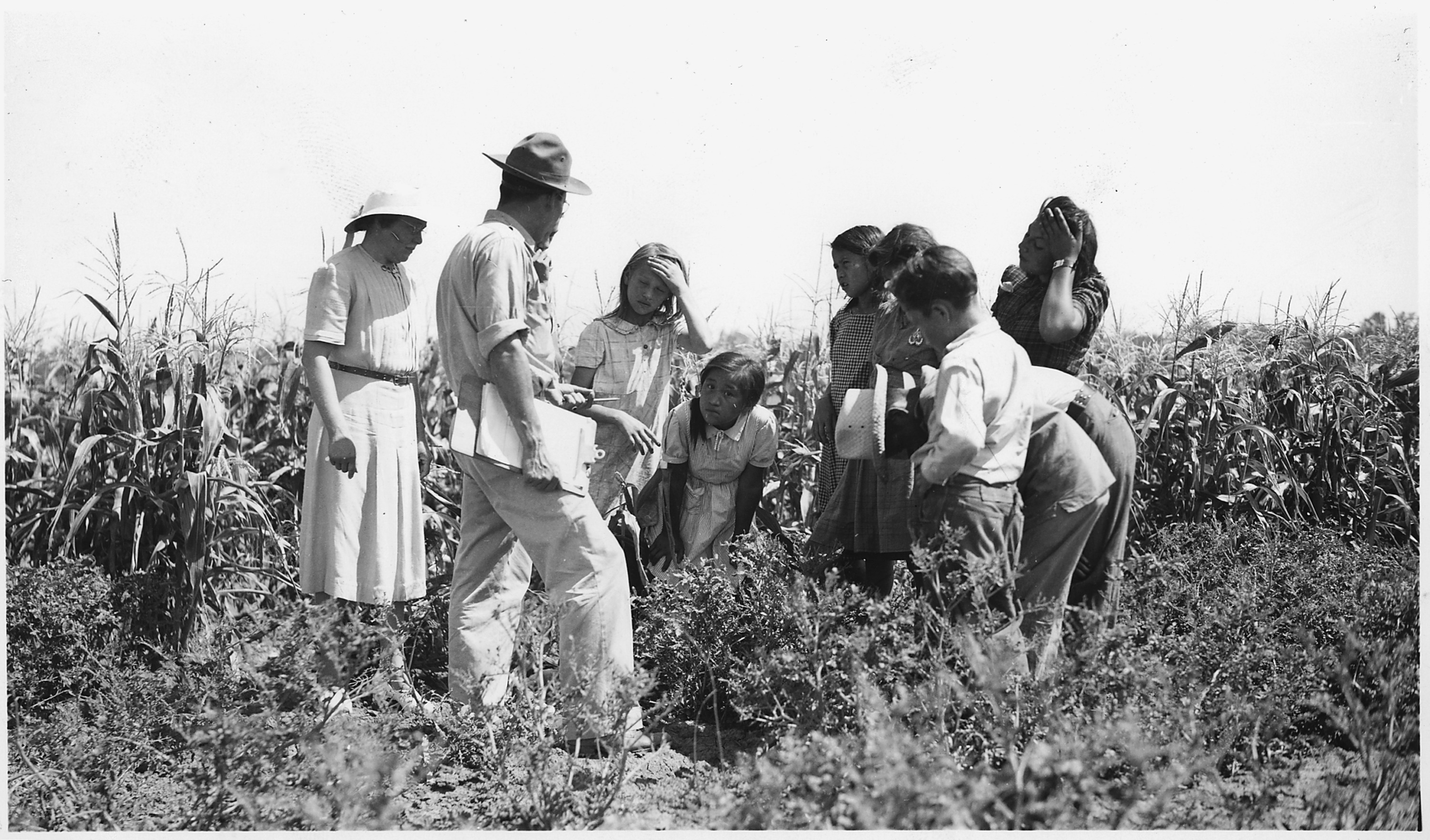
Children dropped seed, led horses, carried water, moved stakes and walked the rows looking for gaps, and the operation ran for days.
One person in a cab.
The headcount is what the accuracy cost. A grid planted to a wire with a team and a crew is a labour-intensive operation for days, and a household’s planting was a household event in the same way that threshing or haying was.
11. The Grid Paid Off All Summer
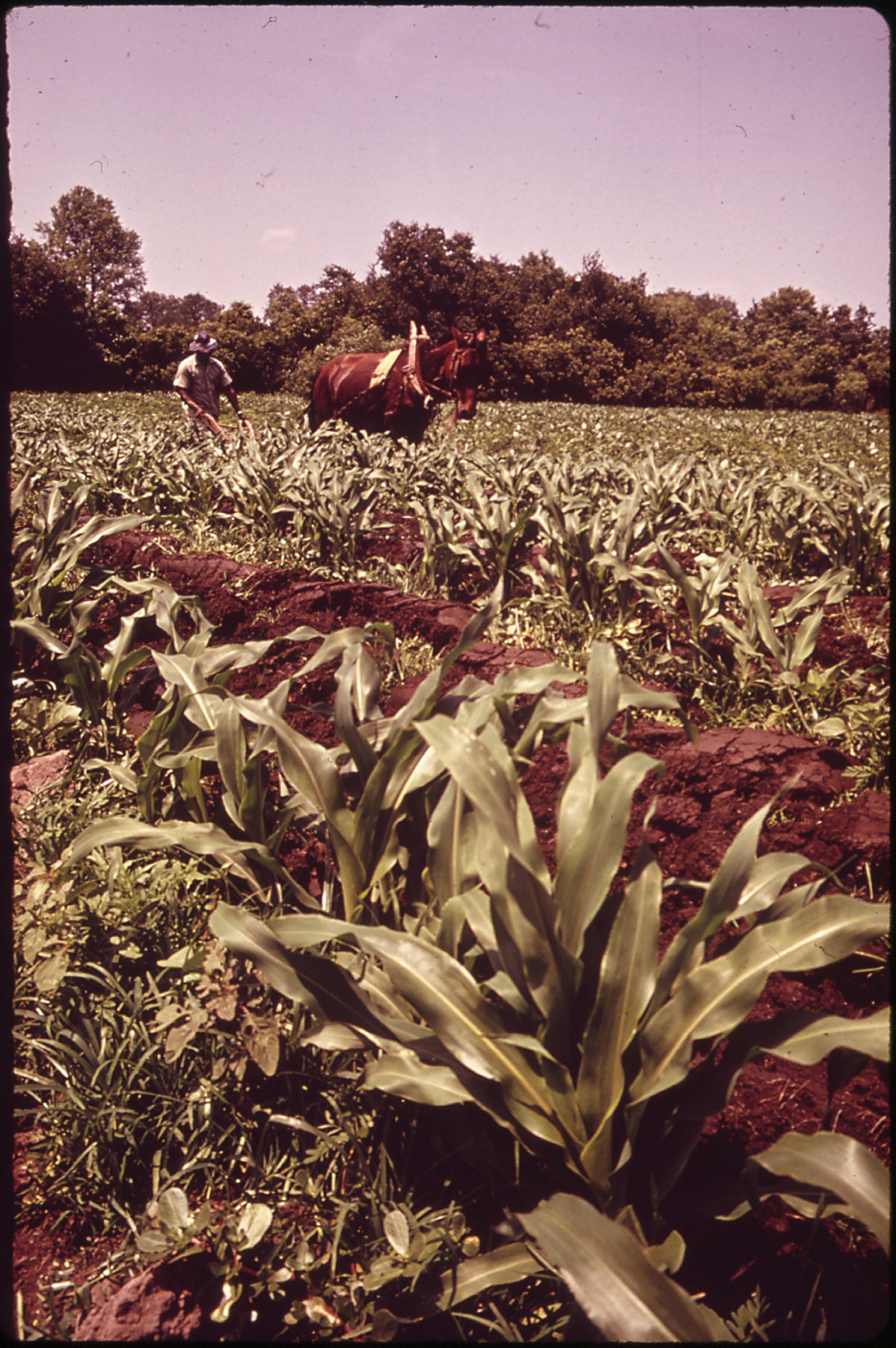
Because the field was a checkerboard, a cultivator could go through it in two directions, killing weeds between the hills from both axes.
Chemical weed control.
This is the return on the whole investment and it is why the trouble was worth taking. Weeds are the limiting factor on a corn crop, mechanical cultivation is the only control available, and a grid doubles how much of the ground a horse can reach – which is a very large difference across a season.
12. The Spacing Was Wide by Modern Standards
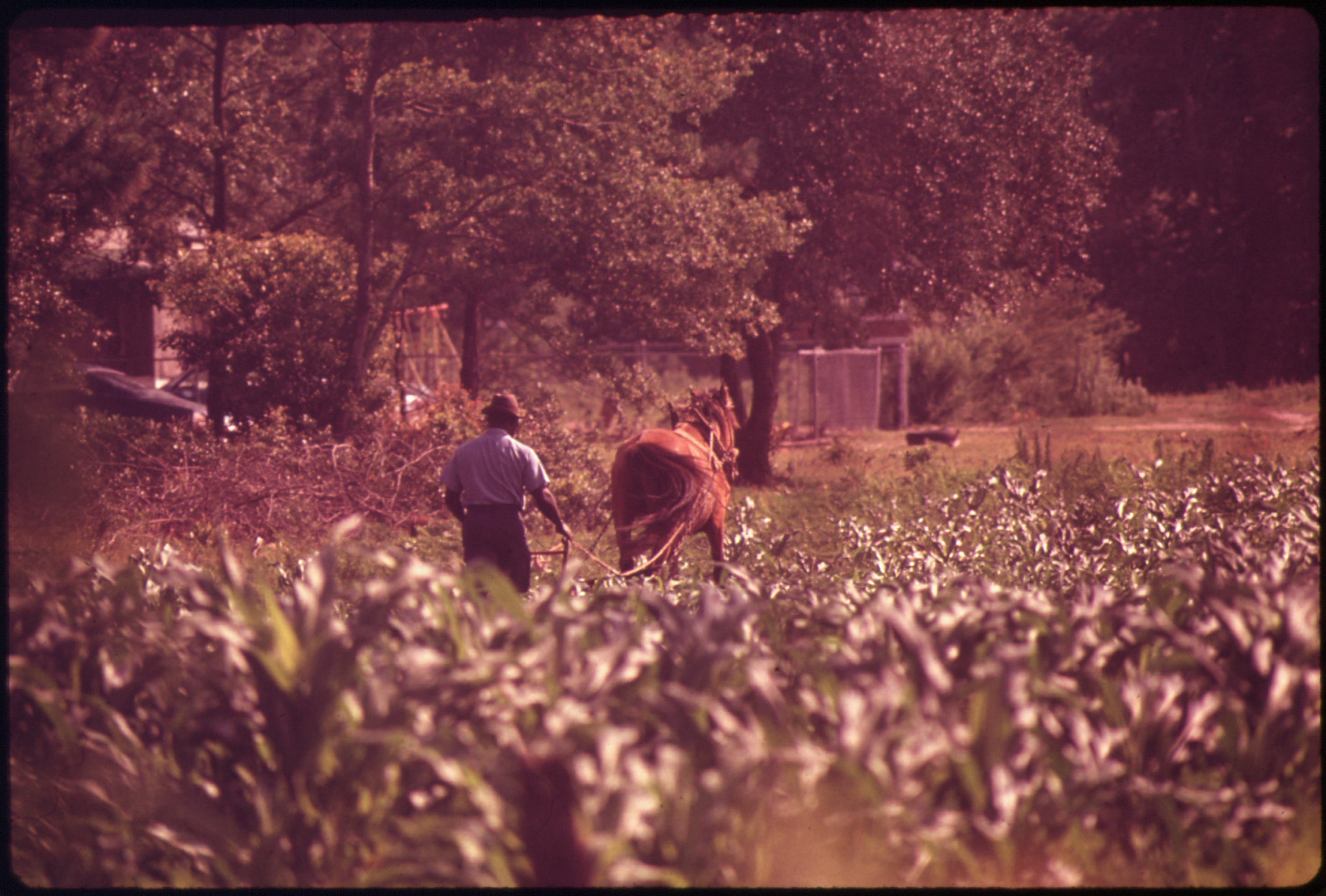
Hills were far apart, which means the plant population per acre was a small fraction of what is planted now.
Dramatically higher densities.
The low density has a reason that is easy to miss. Without fertiliser, plants compete for what the soil can supply, so crowding them reduces the yield of each without increasing the total – and the wide spacing was also required to get a horse and a cultivator between them in both directions.
13. Then the Tractor Made Rows Better Than Grids
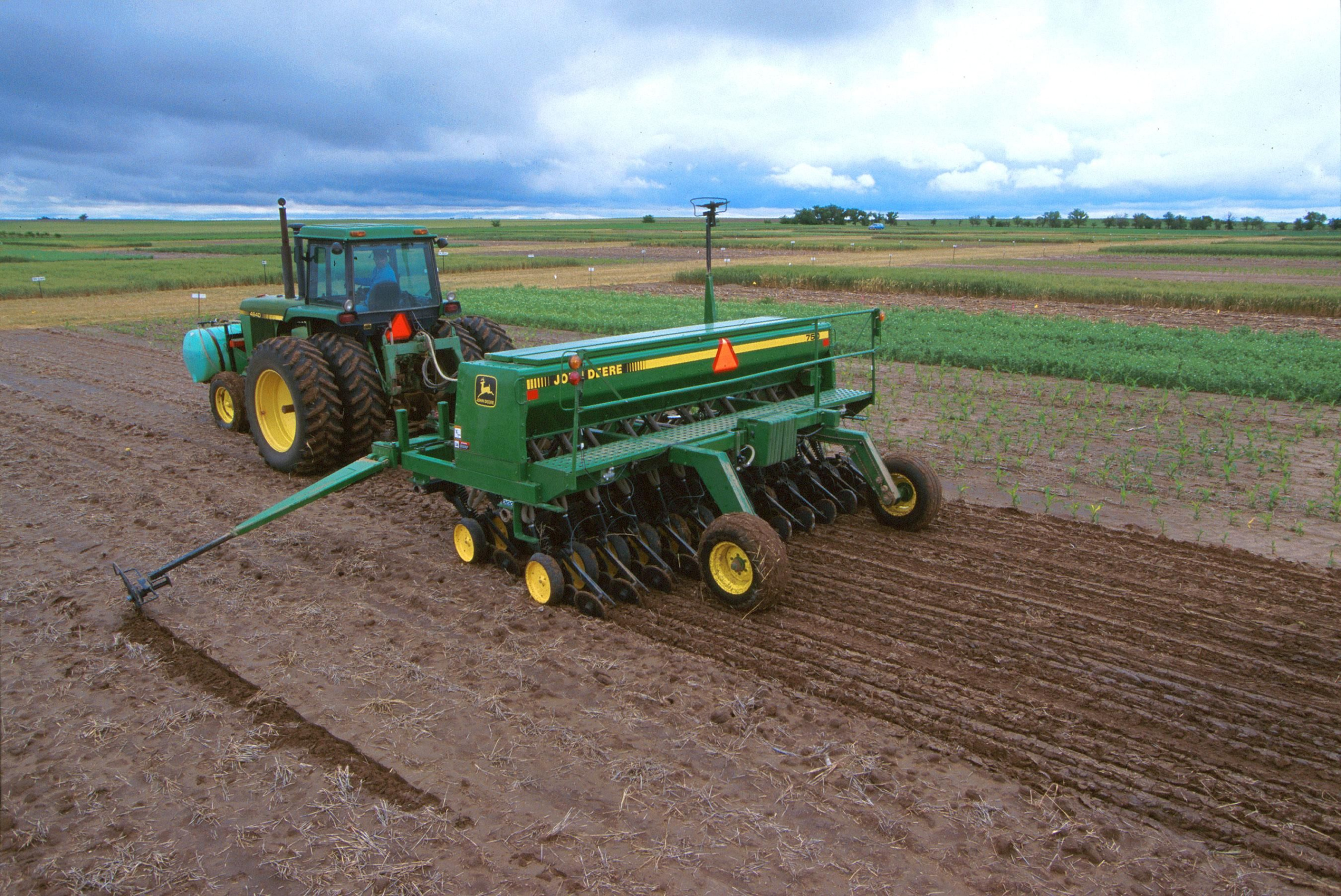
A tractor with a multi-row cultivator can work several rows at once accurately and at speed, which makes continuous rows more efficient than a checkerboard.
Standard.
Mechanisation inverted the logic rather than improving it. A grid exists so that an animal and a single cultivator can reach the ground from two directions; a machine covering several rows at once in one direction does more work per pass than cross-cultivation ever did – so the grid’s advantage disappeared and its cost remained.
14. Then Chemistry Removed the Reason Entirely
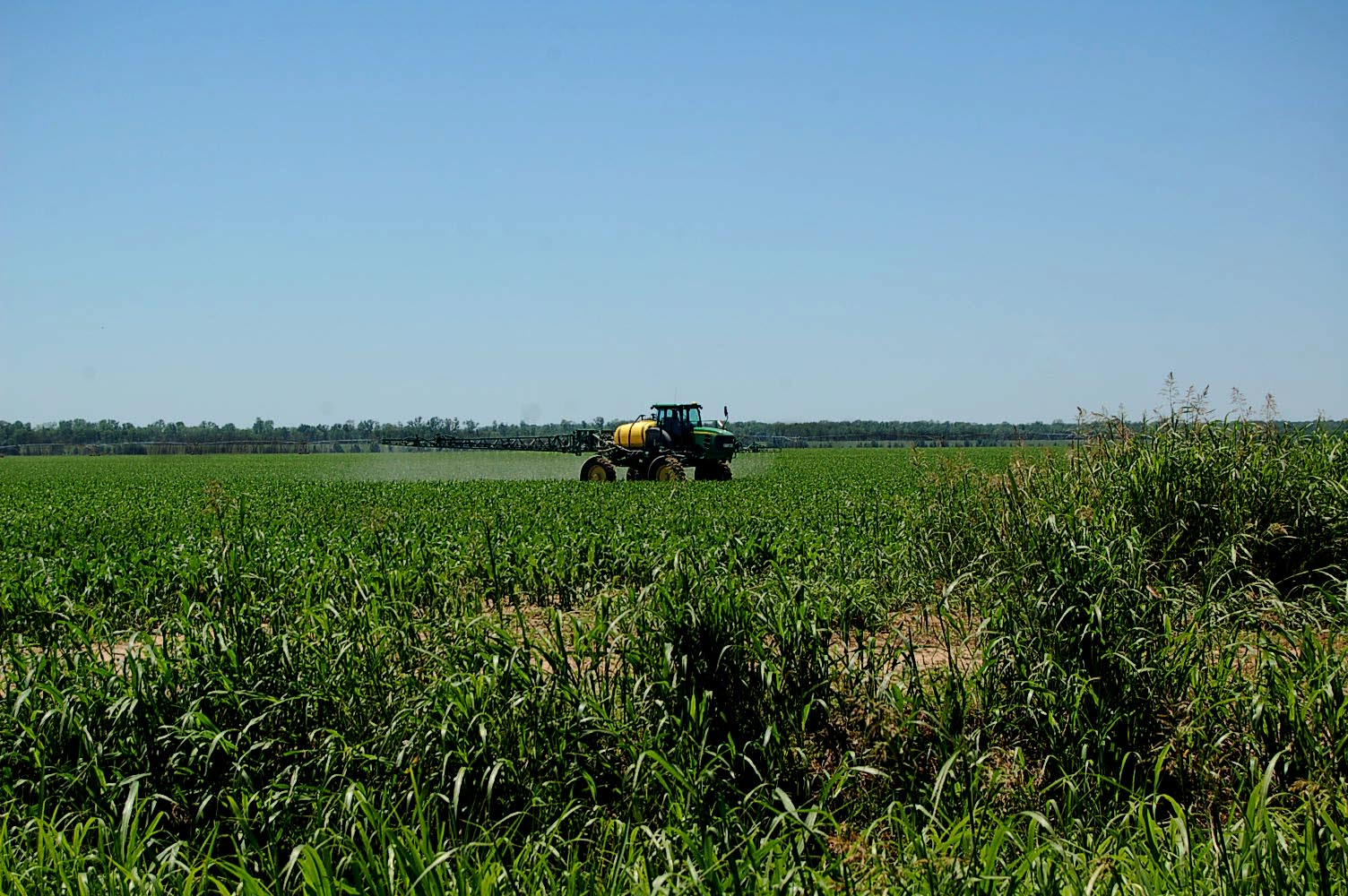
Herbicides control weeds without any cultivation at all, which makes the ability to get between plants from two directions irrelevant.
Standard, and the subject of continuing debate.
Weed chemistry is the decisive change and it broke the last connection between planting pattern and weed control. Once weeds are managed without a cultivator, the only consideration left in spacing is how many plants the ground will support – which is why modern plant populations are so high and why the checkerboard has no remaining purpose. This file names no product and takes no position on the practice.
15. And by 1964 the Check Wires Were in the Scrap Pile
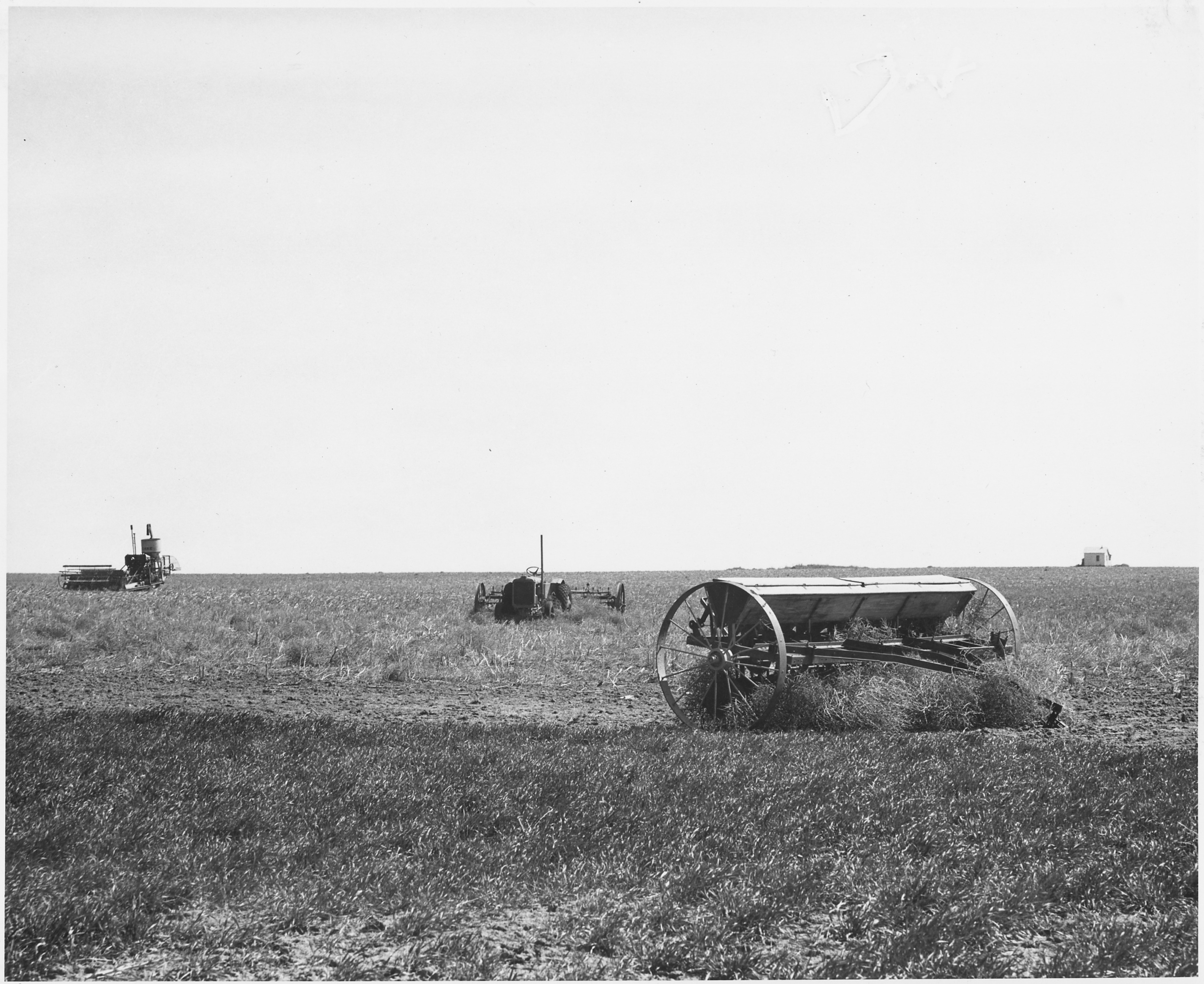
Knotted check wire, markers and jab planters survived in American barns long after the practice had gone, and the checkerboard fields had become continuous rows.
Gone entirely.
And what deserves the last word is the sheer ingenuity that went into getting seed in the right place. A household marked a whole field with scratched lines in two directions, or stretched a wire with knots in it across the ground so that the field itself carried the measurement and a mechanism could read it, and then paid for that accuracy by having somebody move the wire after every single pass, all day, for days – and they did it so that a horse pulling a cultivator could reach the ground from two directions instead of one, because weeds were the thing that decided whether there was a crop. Then a tractor made one direction more productive than two, and chemistry made cultivation unnecessary, and the knotted wire became scrap. It is one of the few cases in these files where an elaborate and clever solution was not replaced by a better version of itself, but by the problem going away.
The Problem Went Away Rather Than Being Solved Better
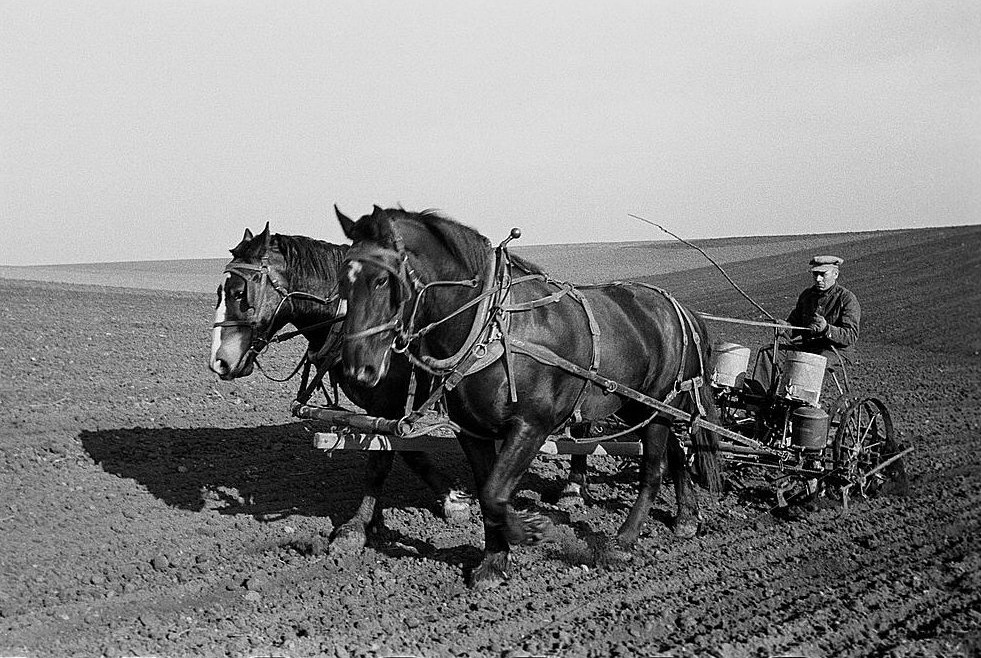
Planting corn in a checkerboard looks like an eccentricity and is one of the more ingenious pieces of farm engineering in these files, because the whole apparatus exists to solve one problem: weeds.
Weeds are the limiting factor on a corn crop and mechanical cultivation was the only control available. A field planted in continuous rows can be cultivated along those rows and in no other direction. A field planted as a grid can be cultivated in two directions at right angles, which roughly doubles how much of the ground a horse and a single cultivator can reach without damaging the crop.
Hence the grid, and hence everything else.
Seed went in as hills of three or four kernels rather than as single plants, which covers the fact that not every seed germinates and gives a clump that can be cultivated round from all four sides.
And the accuracy requirement became the engineering problem. Both sets of lines had to be straight and evenly spaced across a whole field, because a grid out of line in one direction cannot be cultivated in that direction – which throws away the entire reason for planting that way.
There were two solutions.
The simple one was to mark the ground first: drag a marker across the field to scratch parallel lines, then drag it across again at right angles, and plant on the intersections. Scratching lines in prepared soil costs almost nothing, gives the planter something to aim at, and shows errors immediately rather than letting them be discovered when the cultivator arrives.
The clever one was the check wire. A wire with knots at fixed intervals was stretched across the field, and a mechanism on the planter tripped at each knot to release seed. Which means the field itself carries the measurement: the wire is the ruler, the knots are the marks, and the planter does what the wire tells it. Human judgement of distance is removed from the spacing entirely.
And here is what that accuracy cost, which usually gets left out. At the end of every pass the wire had to be unstaked, carried over, re-staked and re-tensioned – so the planting crew included one or two people whose whole day was spent moving a wire across a field.
Where there was no team, no planter or no money, planting was done with a hand jab planter: push it in, trip the lever, move to the next mark, one hill at a time down the whole field. That also filled the gaps – replanting a failed patch, or a corner a machine could not reach.
Two sources of uncertainty ran through all of it.
The planting date was a genuine gamble. Too early and the seed rots or the plants are frosted; too late and the crop does not finish before autumn – and the right date varies with the season and cannot be known in advance. Everything else could be done well or badly by skill; the date was a bet on weather that had not happened yet, which is why it was argued about endlessly and why neighbours watched to see who was going first.
And replanting was normal. Patches that failed were done again by hand, producing plants at a different stage from the rest of the field all season, which complicates everything afterwards. The choice was an uneven field or a thin one.
The whole household was in it – children dropping seed, leading horses, carrying water, moving stakes and walking the rows looking for gaps – for days. Planting was a household event in the same way threshing and haying were.
One more thing about the spacing: hills were far apart by modern standards, and plant populations were a small fraction of what is planted now. Without fertiliser, plants compete for what the soil can supply, so crowding reduces each plant’s yield without increasing the total – and the wide spacing was also needed to get a horse and cultivator between them in both directions.
Then two changes removed the whole arrangement.
The tractor inverted the logic. A machine covering several rows at once in one direction does more work per pass than cross-cultivation ever did, so the grid’s advantage disappeared while its cost remained.
And chemistry removed the reason altogether. Once weeds are controlled without a cultivator, the ability to reach the ground from two directions is irrelevant, and the only remaining consideration in spacing is how many plants the ground will support.
So the check wires went on the scrap pile.
Which makes this one of the very few things in these files where an elaborate and genuinely clever solution was not replaced by a better version of itself.
The problem it solved simply went away.
If there is a coil of wire with knots in it in an old barn, that is a measuring instrument.
Somebody carried it across a field after every single pass, all day.
Like our content? Follow us for more.