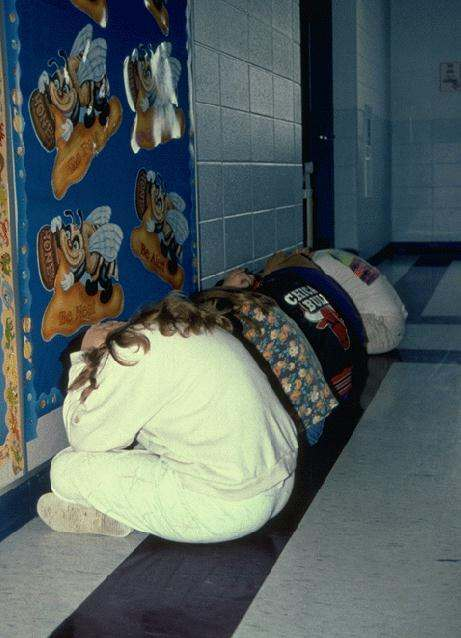
Weather safety advice has a particular quality: it is taught once, to a whole population, as a drill, and then almost nobody checks whether it is still current. An American who learned tornado procedure in a school corridor in 1965 is carrying a set of instructions that the National Weather Service has since revised, abandoned or specifically warned against, and in most cases has never been told.
Some of the old rules were simply useless. One of them, which became popular a little later and is still repeated, is actively dangerous and the weather service has spent thirty years trying to kill it. What follows is what changed and why. It is a summary of how guidance moved, not a substitute for current official instructions, which are published, short, free and worth reading before the season rather than during it.
Open the windows to equalise the pressure
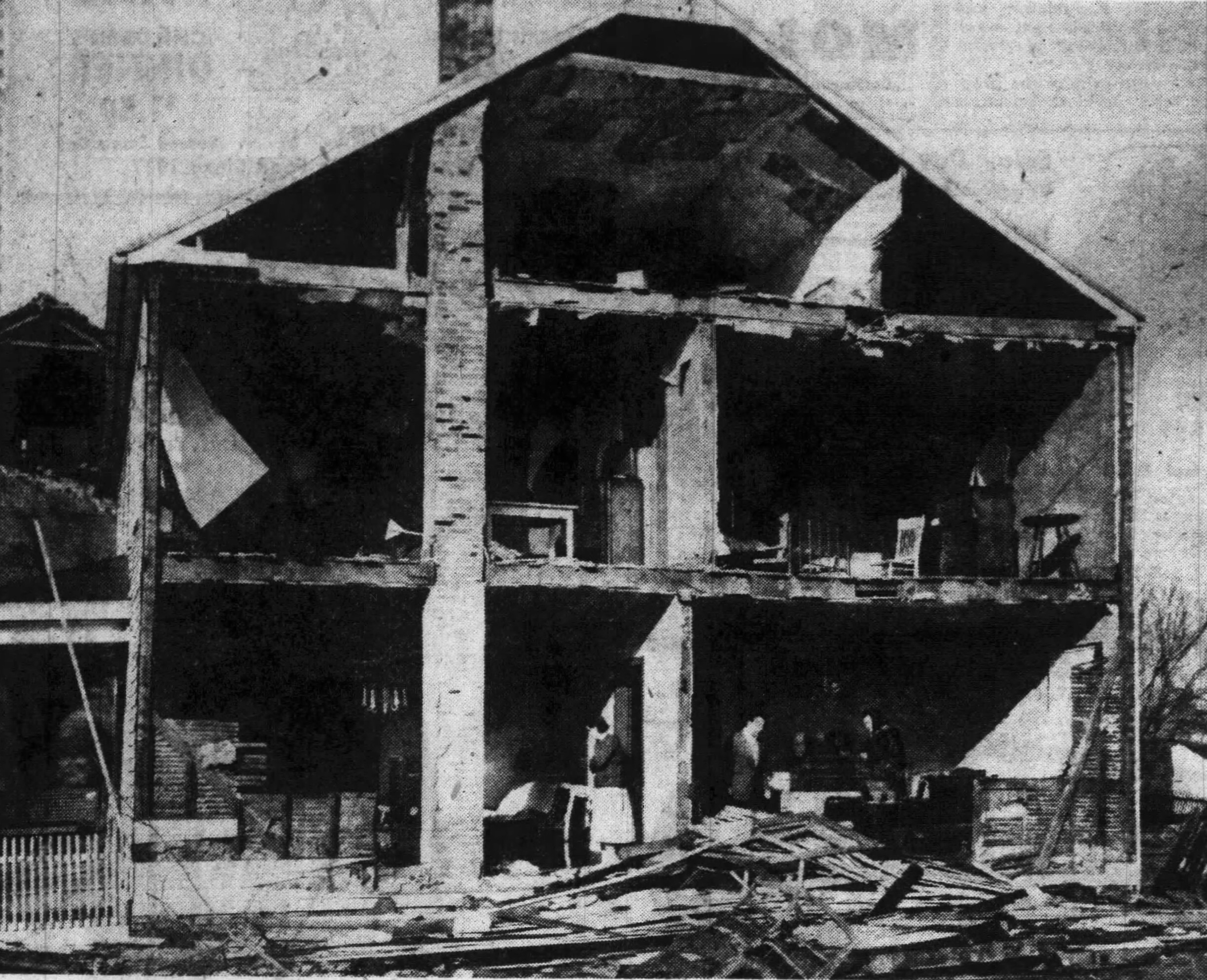
The instruction was to open windows on the side of the house away from the storm, on the theory that a tornado’s low central pressure would otherwise cause the building to burst outward. It was in civil defence pamphlets, in school drills and in newspaper columns, and it was taught with real conviction.
It is wrong on both counts. Buildings are not airtight, so they vent on their own far faster than any pressure differential could build, and the damage a tornado does is overwhelmingly mechanical — wind loading and debris impact — rather than pneumatic. Worse, opening windows admits wind and flying material into the structure, which can increase the loading on the roof rather than relieve it, and it spends the one resource nobody has in a tornado warning, which is seconds. The weather service dropped the recommendation and now states the opposite: leave the windows alone and go to shelter.
Like our content? Follow us for more.
The southwest corner of the basement
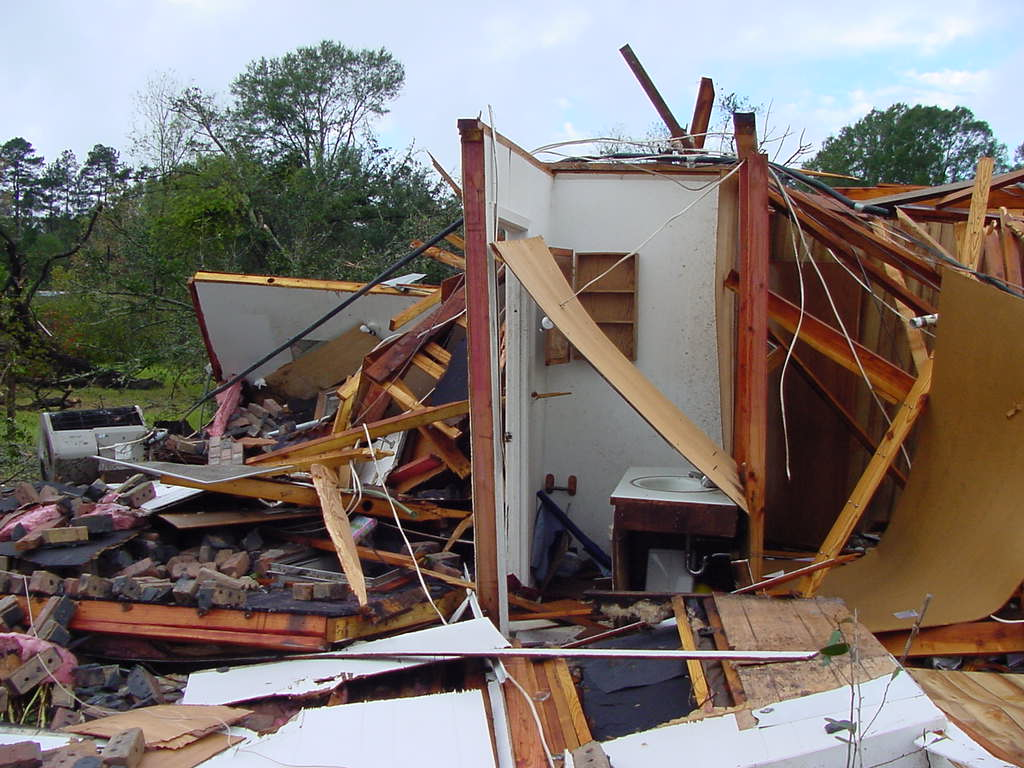
This one had a specific and traceable origin. A nineteenth-century observer concluded that tornadoes generally approach from the southwest and that debris would therefore be carried over and beyond the southwest corner of a building, making it the safest place to stand.
The reasoning does not hold. Tornado motion is not reliably from the southwest, debris does not distribute that tidily, and the real hazard in a basement is the collapse of the floor structure and the wall above you. Current guidance is to get to the lowest floor, to the most interior space available, away from exterior walls and away from anything heavy on the floor above, and to put as many walls as possible between yourself and the outside. In a basement that means the middle, under a sturdy workbench or stairwell if there is one, not any particular corner. The southwest rule is the clearest case in weather safety of a confident geometric theory outliving its evidence by a century.
Shelter under a highway overpass
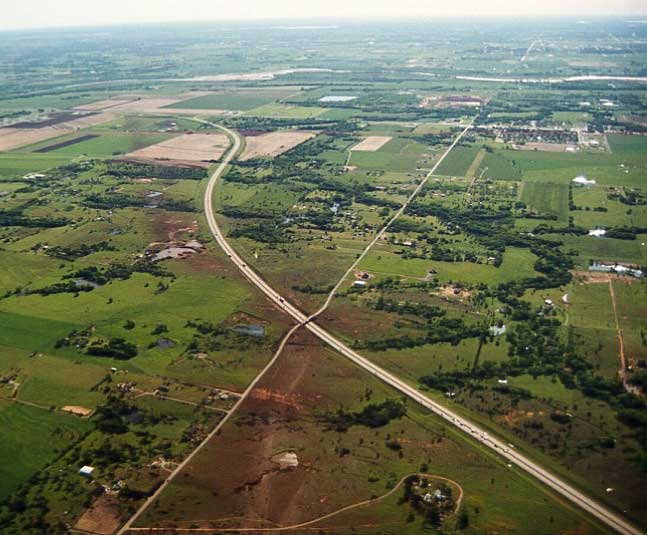
This is the dangerous one, and it is not a 1965 rule — it became popular in the early 1990s after a widely broadcast piece of film showed a news crew and others sheltering under an overpass while a tornado passed nearby, and surviving.
The weather service has warned against it emphatically ever since. An overpass is a wind tunnel: the constriction accelerates the air passing through it, which increases rather than reduces the wind speed and the debris velocity at the place people are sheltering. There is usually nothing to hold onto, the structure offers no protection from debris travelling horizontally, and climbing up to the girders puts a person higher into the flow. Abandoning a vehicle on a highway to do it also blocks the road for everybody behind. The film is memorable, the people in it were fortunate, and several later events have demonstrated the alternative outcome.
Crouch on the balls of your feet if lightning is close
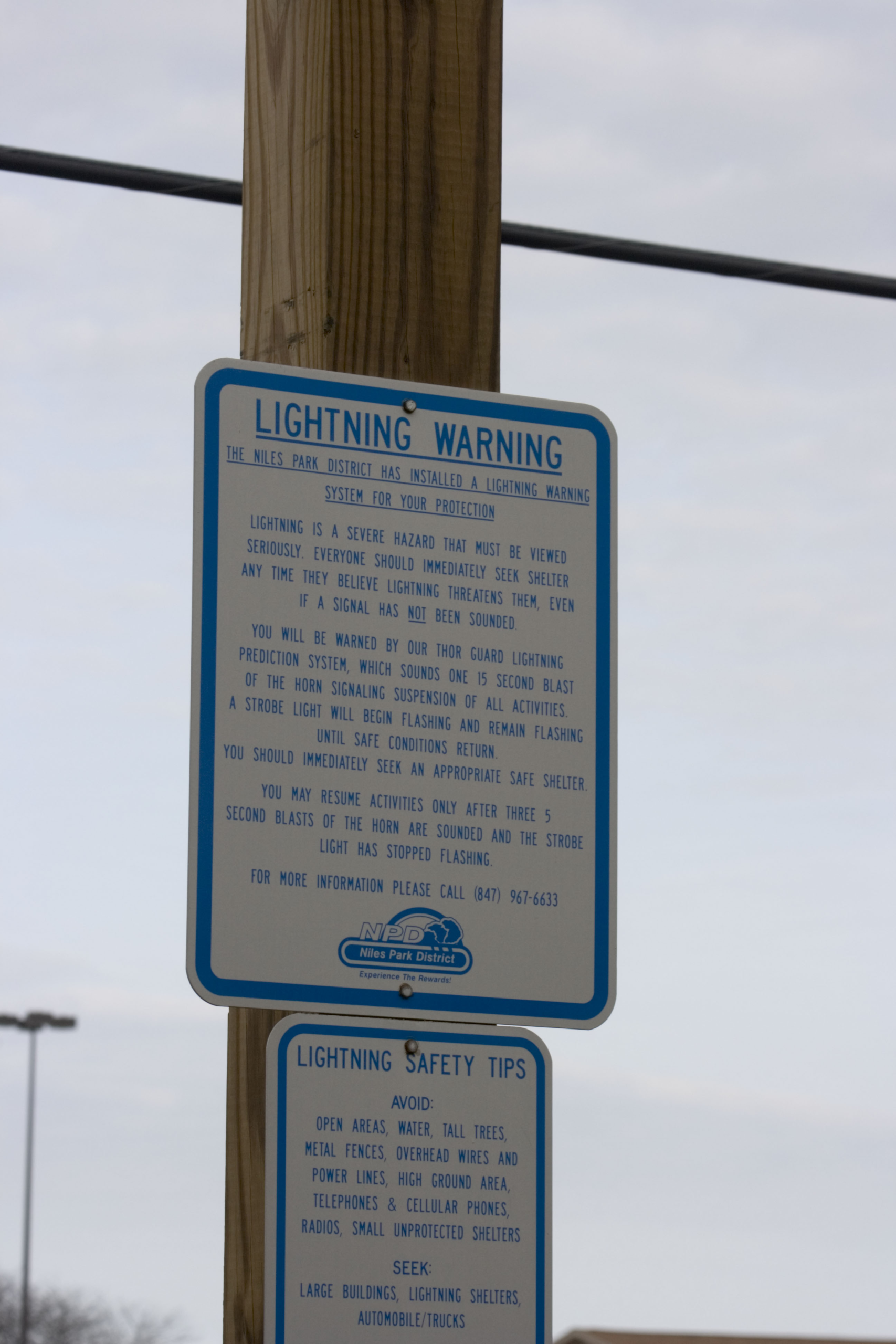
The lightning crouch was taught for decades: if your hair stands up, crouch low with your feet together and your heels off the ground, to minimise your contact area and reduce the path of any ground current through your body.
The National Weather Service formally withdrew the recommendation, around 2008, for a reason that is more honest than most guidance revisions. It does not meaningfully reduce the risk, it gives people a false sense that there is a safe way to be outdoors in a thunderstorm, and the attention spent teaching it was attention not spent on the thing that actually works. The current message is deliberately blunt and has no technique in it at all: there is no safe place outside, so get inside a substantial building or a hard-topped vehicle, and the slogan that replaced the crouch is the whole of the advice.
Rubber tyres protect you in a car
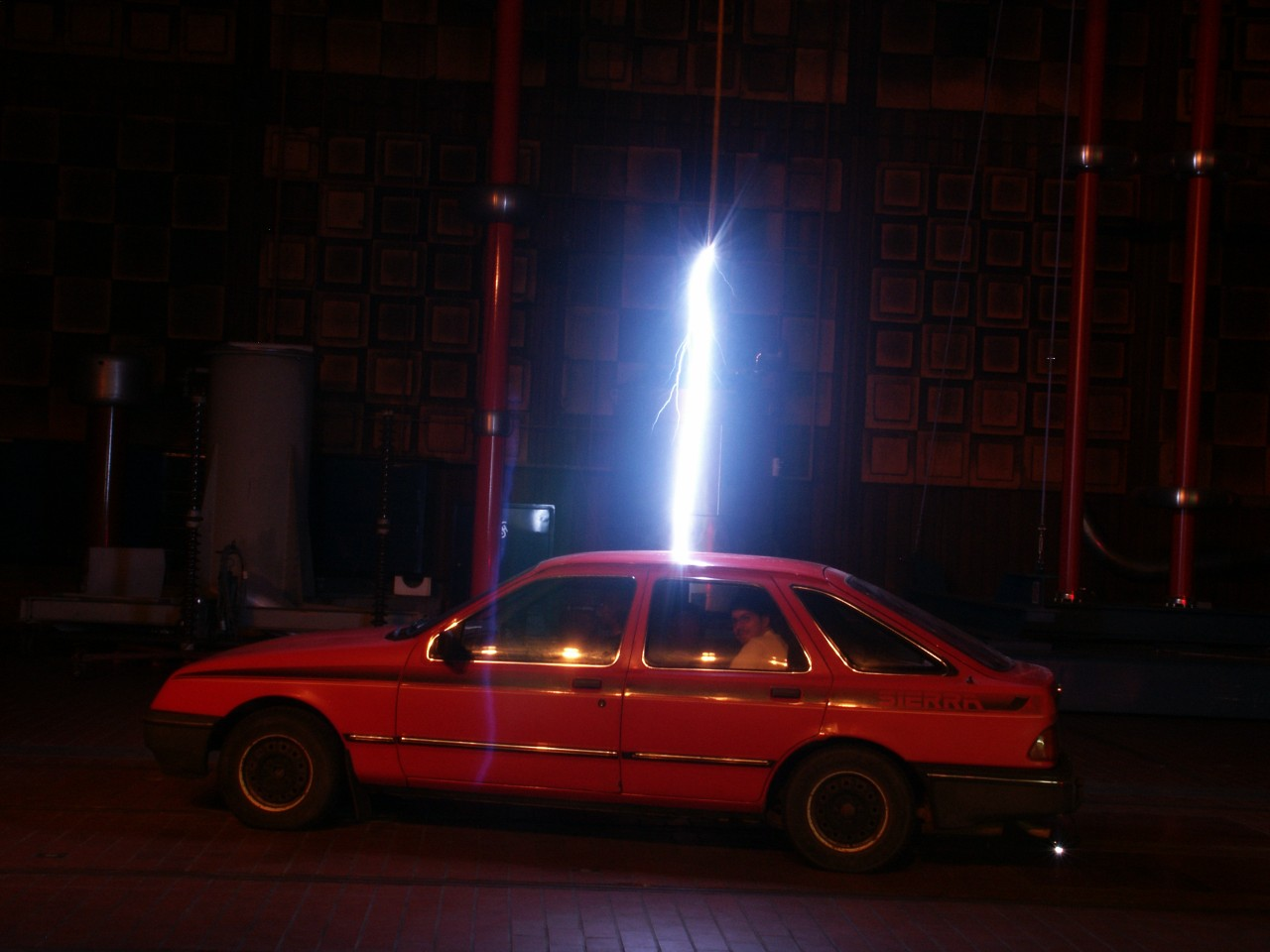
Almost everybody was taught that a car is safe in a lightning storm because the rubber tyres insulate it from the ground. The conclusion is roughly correct and the stated reason is completely wrong, which matters more than it sounds.
A hard-topped vehicle offers protection because the metal shell conducts current around the occupants and into the ground, not because a few inches of rubber insulate against a discharge that has just crossed miles of air. The reason the distinction matters is that it tells you which vehicles do not work: a convertible with a fabric roof, an open-cab tractor, a golf cart, a motorcycle and a fibreglass boat offer no such protection, and anybody who learned the rubber-tyre version has no way to work that out. The old explanation also fed the companion belief that rubber boots or a rubber mat would help a person standing outside, which they do not.
Lightning never strikes the same place twice
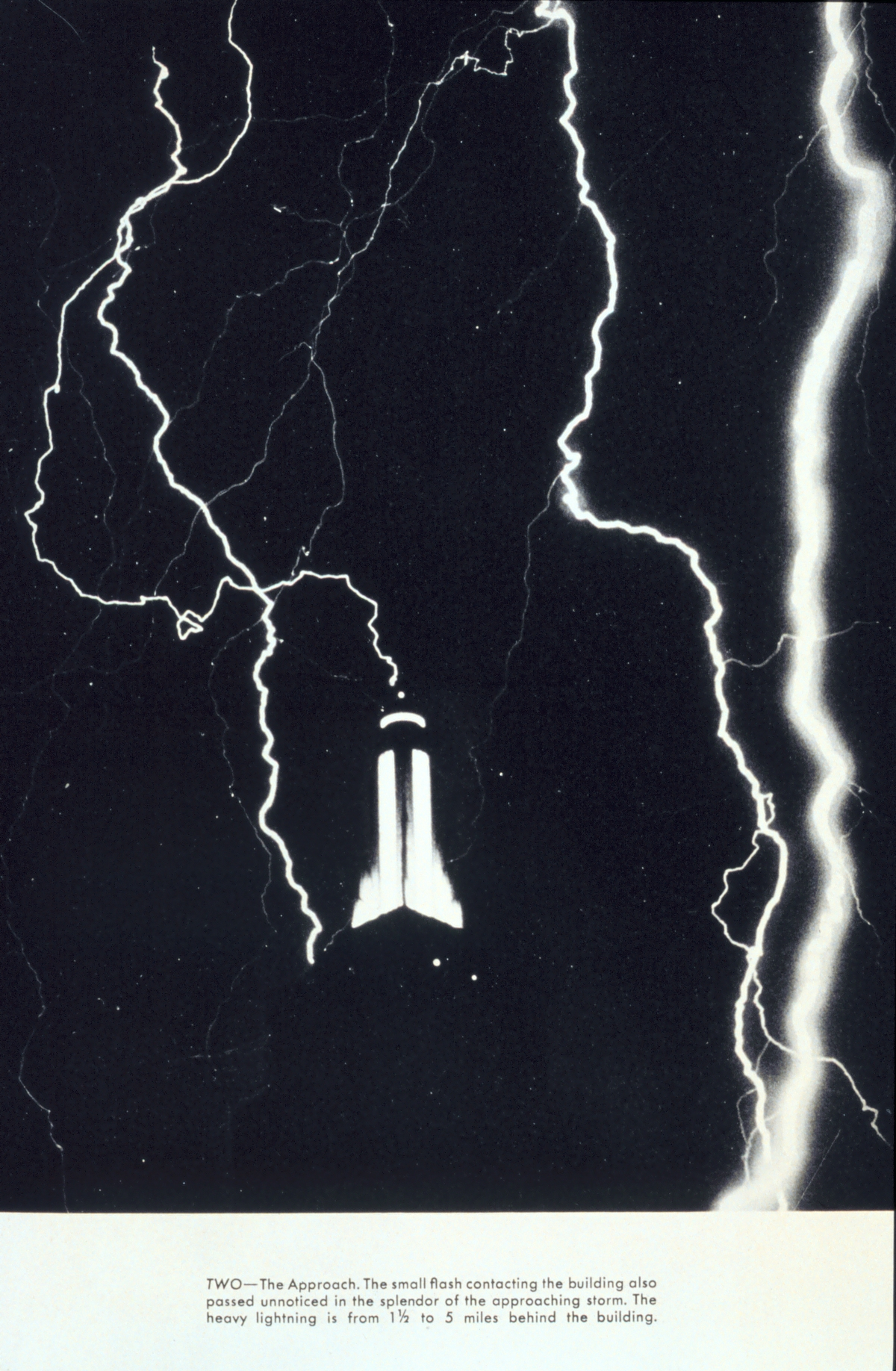
A folk saying rather than a drill, but it was repeated as fact and it is the exact opposite of the truth. Lightning strikes whatever presents the most favourable path, repeatedly, which is why tall isolated structures are struck many times a year and why a particular tree in a field gets hit again.
The practical consequence of believing it is that people return to or remain at a spot that has just been struck, on the reasoning that it is now safe, which is the worst possible inference. The other common companion belief, that a storm has to be overhead to be a threat, is also wrong: strikes occur well away from the rain core, and the current guidance on timing — wait a substantial interval after the last thunder before going back out — exists precisely because people were returning too early.
A car is a good place to ride out a tornado
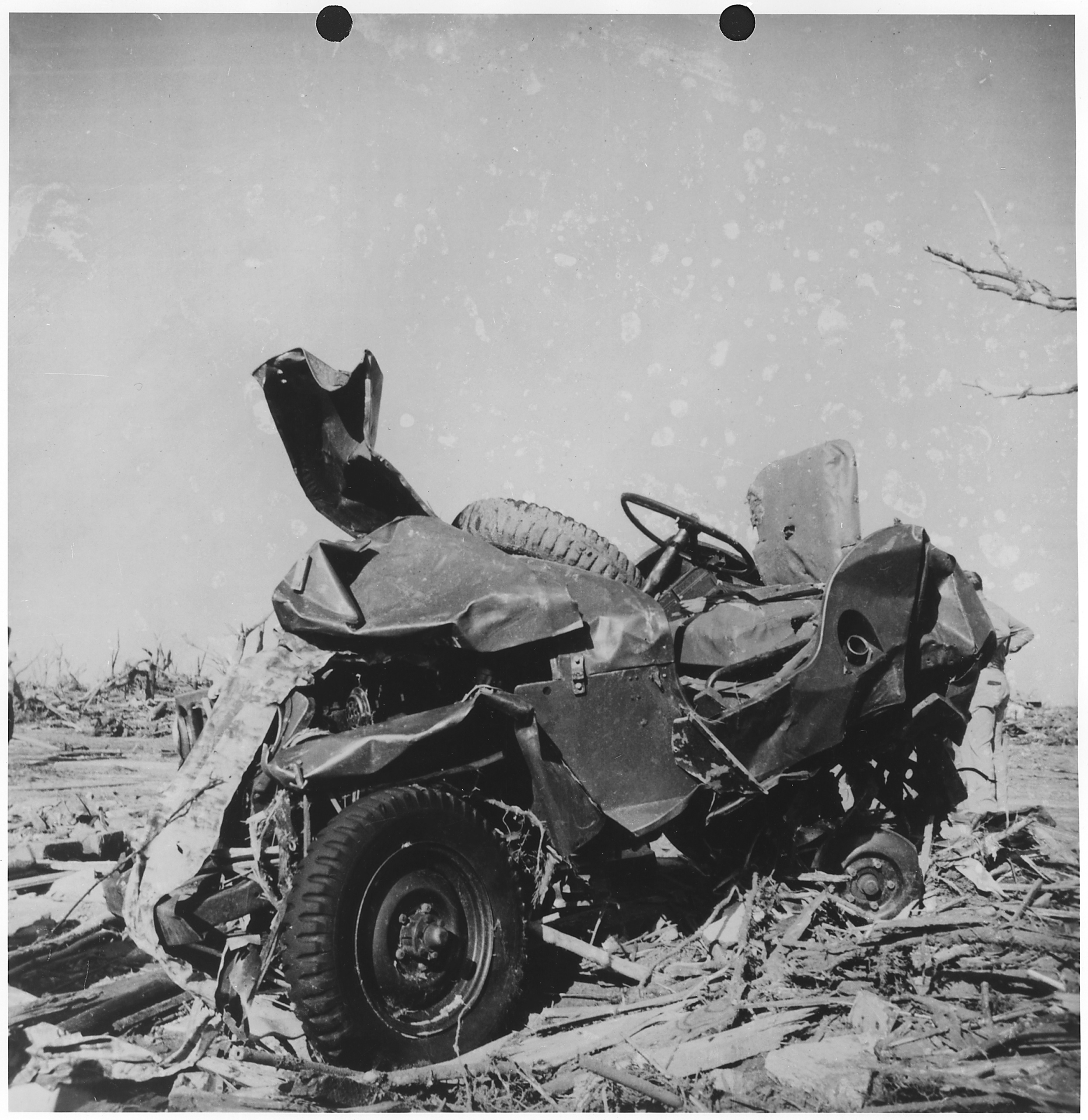
Both halves of this were taught, and they conflict. Having been told the car was safe in lightning, people reasonably extended it to tornadoes, and in 1965 the advice in some places was to stay in the vehicle.
Current guidance is the reverse. A vehicle offers essentially no protection in a tornado and can be rolled or lifted, and the recommendation is to get out and into a substantial building if one is close, or as a last resort to a low-lying area away from the vehicle and away from anything that could fall or be thrown. Trying to outrun a tornado in a car is specifically discouraged in built-up areas, where the roads are a grid, traffic is unpredictable and the storm’s track is not. The interesting thing about this pair is that the lightning rule and the tornado rule point in opposite directions for the same vehicle, which is exactly the kind of thing a drill taught as a list cannot convey.
Tape the windows before a hurricane

A different storm and the same shape of error. Taping an X across window glass was standard American pre-hurricane practice for decades and appeared in official preparedness material.
It was withdrawn because it does not work and makes the outcome worse. Tape does not meaningfully strengthen glass against the wind loading or the debris impact that actually breaks it, and when the glass does break, taped panes tend to fail into larger pieces rather than many small ones, which is the more injurious result. It also consumed hours of preparation time that would have been better spent on shutters, plywood or evacuation. Current guidance is unambiguous: shutters or structural panels if you have them, and nothing on the glass if you do not.
What the pattern tells you
Read together, the withdrawn rules share a family resemblance. Each one gave people something specific and physical to do, which is psychologically satisfying and feels like competence: open the window, stand in that corner, crouch like this, tape the glass, get under the bridge. Each one was replaced by advice that is duller, shorter and mostly about going somewhere else.
That is the actual lesson and it generalises beyond weather. Guidance that offers a technique is adopted enthusiastically and remembered for decades, including after it is withdrawn. Guidance that says get inside and stay there is harder to teach and much harder to make memorable, which is why the weather service now puts so much effort into slogans. The 1965 drill was more interesting than the current one in every respect except the one that matters.
Like our content? Follow us for more.