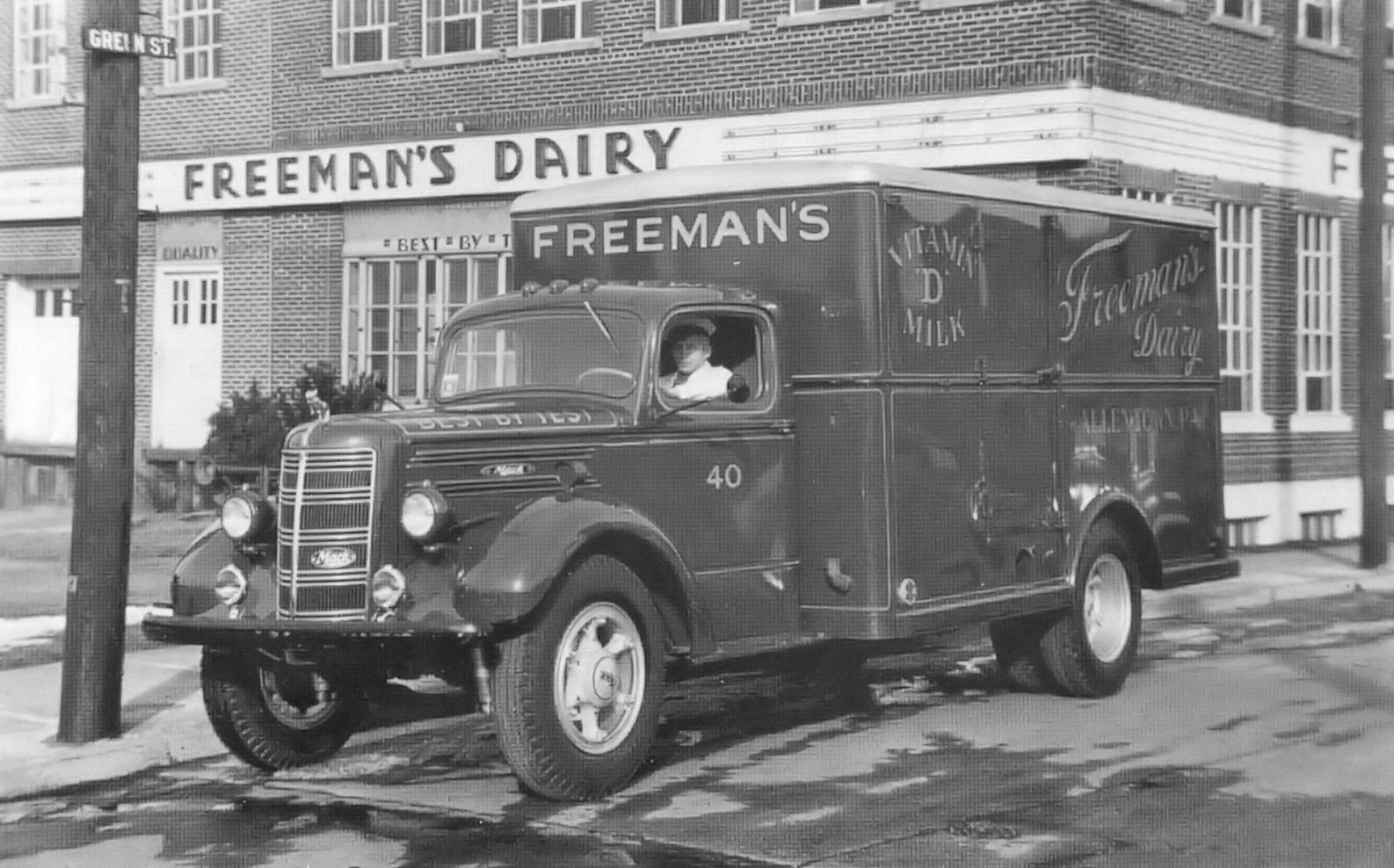
The milkman is one of the few vanished American trades that people remember with real affection rather than curiosity. The bottles chinking in the carrier, the horse in the earliest years and the electric float later, the note left under an empty, the cream risen into the neck in a plug thick enough to spoon: all of it is genuine and all of it was ordinary in 1960.
What is less remembered is how the system actually worked, and that the thing which killed it was not simply the growth of the grocery store. Doorstep delivery depended on a set of assumptions about milk, cold and time that food safety practice has since abandoned entirely, and a dairy proposing the same arrangement today would not get past the first inspection.
The bottle stood outside for however long it stood outside
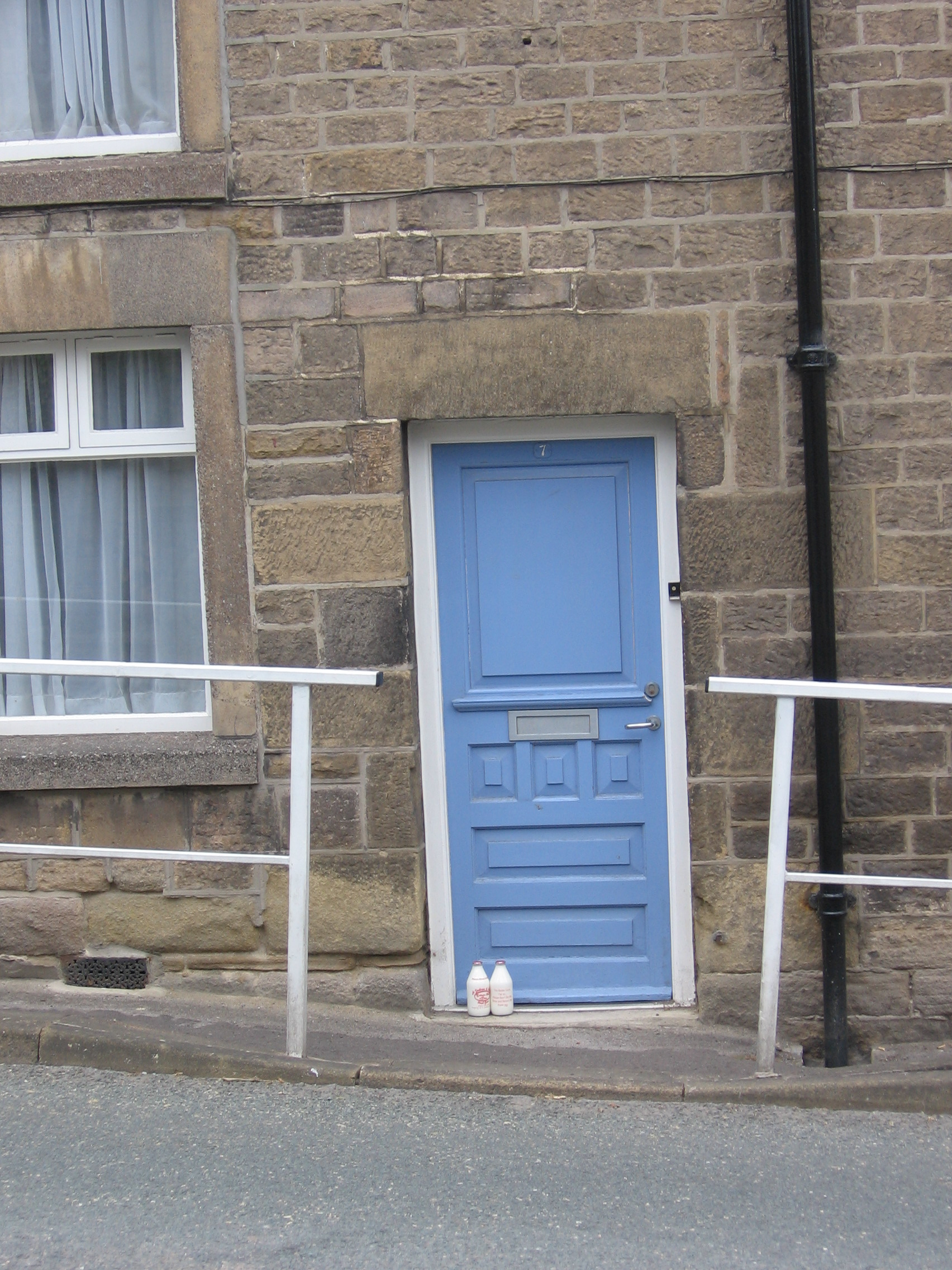
Delivery ran early, between about four and seven in the morning, and that timing was not sentiment. It was an attempt to get the milk onto the step and into the house before the day warmed up. Whether it worked depended entirely on whether anybody was awake to bring it in.
Milk is a near-perfect growth medium, and the window between leaving a refrigerated truck and reaching a refrigerated kitchen is the whole of the hazard. A bottle on a shaded northern step in October was in no trouble. The same bottle on a southern porch in July, in sun, for four hours, was a different proposition, and in 1960 that risk was managed by habit and by hoping that the householder would hear the float.
Modern cold-chain practice is built on the principle that chilled food should not spend unmonitored time at ambient temperature, and that is not a rule doorstep delivery can satisfy. Where milk is still delivered, it comes in an insulated box with a cold pack, which is an acknowledgement that the original system had a gap in it rather than a convenience.
Like our content? Follow us for more.
The cap was a disc of foil and the birds knew it
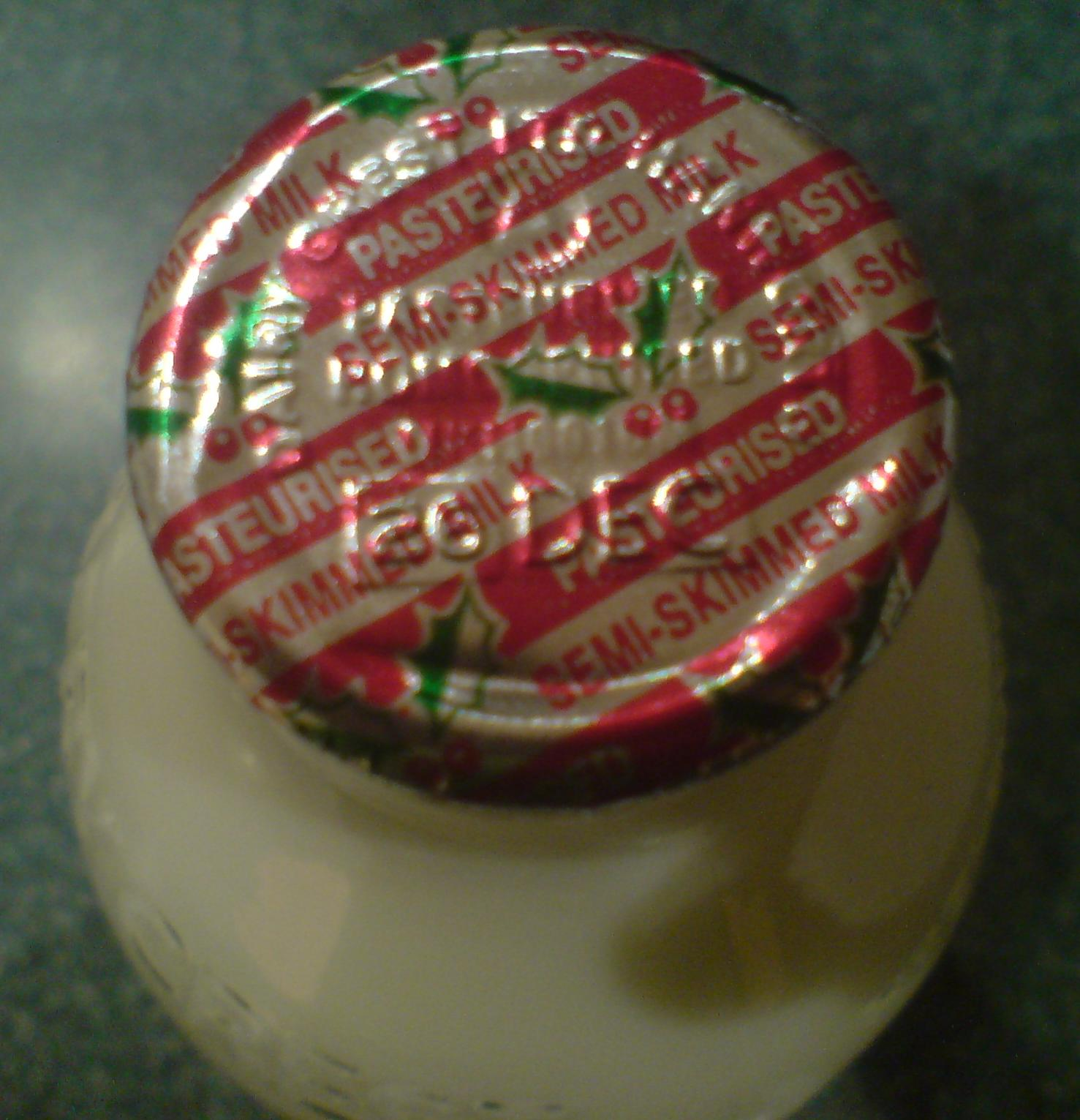
The closure was a pressed paper or aluminium disc sitting in a lip at the top of the bottle. It kept dust out and it was never intended to do more. Birds learned to open them — in Britain the tit population worked it out so thoroughly that it became a textbook example of behaviour spreading through a species, and American jays and crows did much the same thing.
A bottle with a hole pecked in the cap was drunk anyway, usually after pouring off the top. That is the detail which stops a modern food safety officer in their tracks, because a bird has been in direct contact with the contents, and the organisms birds carry are exactly the ones milk handling is designed to exclude.
The tamper-evident, heat-sealed closure on a modern carton solves several problems at once, and the one it solves most completely is the one nobody in 1960 regarded as a problem at all. The pecked cap was a joke, not a warning.
Returnable bottles came back from the house unwashed
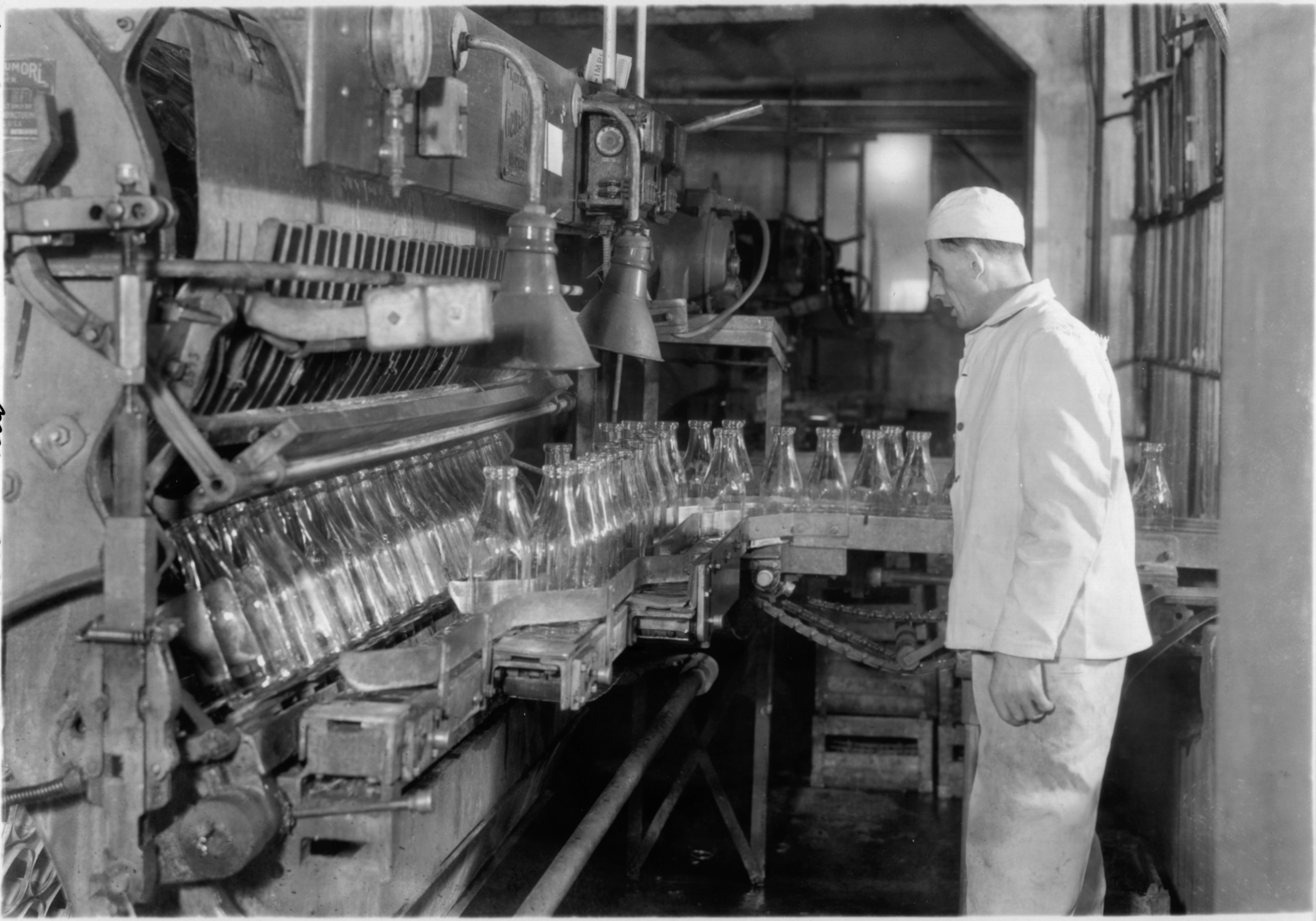
The system was circular and that was its great virtue. Empties went out on the step, the driver collected them, they went back to the dairy, were washed in caustic solution at high temperature, inspected and refilled. A single bottle might make dozens of trips, and the glass was heavy enough to take it.
The weak point was the household end. Bottles came back with cigarette ends in them, with paint brushes standing in them, with the residue of whatever they had been used for in between, and the dairy’s washing plant had to deal with all of it. Visual inspection of a wet glass bottle on a moving line is not a reliable way to find a chip or a crack, and a chipped bottle is a hazard in a way a dented carton never is.
The environmental arithmetic of returnable glass is genuinely better than single-use packaging and that argument has not gone away, which is why bottle delivery survives in small specialist operations. A glass bottle used thirty times and then recycled is a better object than thirty cartons by almost any measure anybody has applied to it. What has gone is the assumption that a bottle handed back from an unknown kitchen can be made food-safe by one pass through a washer and a look.
The cream at the top was the product, and then it was the problem
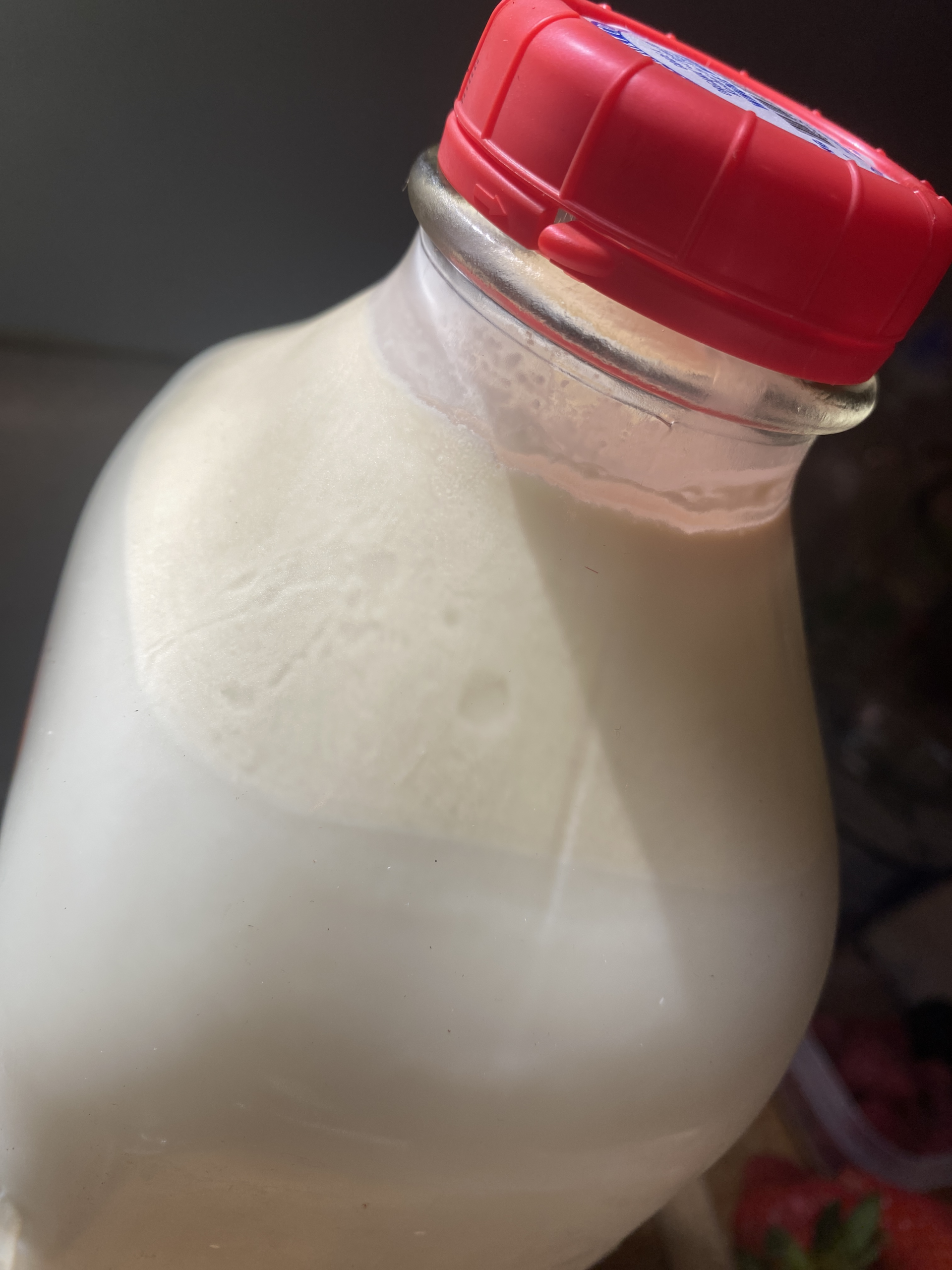
Milk in 1960 was overwhelmingly not homogenised. The fat separated and rose, and the plug of cream in the neck was the best part of the bottle, fought over by children, poured onto fruit, saved for coffee. Dairies sold the depth of that cream line as a quality signal.
Homogenisation, which forces the fat globules small enough that they stay in suspension, was adopted across the American industry through the 1950s and 1960s, and it changed milk from a product that separated into one that did not. The commercial logic was uniformity: every glass from the bottle tastes the same, nobody takes the top, and the dairy is no longer selling a visibly variable product.
The cream line’s disappearance is the single change people of that generation mention first and it is the one with no safety dimension at all. It was a straightforward trade of a pleasure for a consistency, and anybody who wants it back can buy non-homogenised milk, which is sold now as a specialty at a specialty price. What cannot be bought back is the particular arrangement that made the cream line matter, which was that the milk arrived in a container nobody had shaken, stood still overnight on a step and was opened at the breakfast table by whoever got there first.
Raw milk, and the part of this story that is not nostalgic
Pasteurisation was widespread in American cities by 1960 but it was not universal, and raw milk was still being sold and delivered in parts of the country, particularly from small local dairies direct to nearby households. The debate about it was live at the time and it has never entirely stopped.
The public health position is settled and has been for a long time: pasteurisation substantially reduces the organisms that cause serious illness in milk without meaningfully changing its nutritional value, and the state-by-state patchwork of raw milk law in the United States today reflects political difference rather than scientific disagreement. The nostalgia for doorstep delivery and the advocacy for unpasteurised milk get tangled together, and they are separate subjects. The milkman was mostly delivering pasteurised milk.
It is also worth noting what the delivery system did well. It reached people who could not easily carry milk home, including the elderly and households without a car, the driver often noticed when an order went uncollected two days running, and that informal check on isolated people was a real service that no delivery app has replaced.
Why it actually ended
The usual explanation is the supermarket, and that is part of it. Milk became a loss leader to get people through the door, the price in store fell below the delivered price, home refrigerators got big enough to hold several days’ supply, and the car made the weekly shop possible. Delivery’s economics depend on density, and American suburban development after 1960 spread houses further apart just as the number of customers per street was falling.
But the regulatory direction mattered too. As cold-chain requirements tightened through the following decades, the unrefrigerated interval on the doorstep became harder to defend, and the paper carton — lighter, cheaper to ship, sealed, single-use — fitted the new rules in a way the returnable glass bottle did not. The bottle lost on hygiene paperwork as much as on price.
The trade also lost its labour. A delivery round was a job that started at four in the morning, six days a week, in all weather, for wages that were steadily falling behind what the same man could earn in a plant or on a construction site, and dairies found through the 1960s and 1970s that they could not replace drivers who left. Each round that closed made the next one less viable, because the depot, the trucks and the washing plant had to be paid for out of a shrinking number of deliveries. The system did not so much get outcompeted as unravel from the inside.
What remains is a small revival built on exactly the parts that were never the problem: glass, local dairies, non-homogenised milk, and an insulated box on the step with a cold pack in it. That box is the whole difference between 1960 and now, and it is a quiet admission that the bottle standing in the sun was always the flaw in a system people otherwise remember as better.
Like our content? Follow us for more.