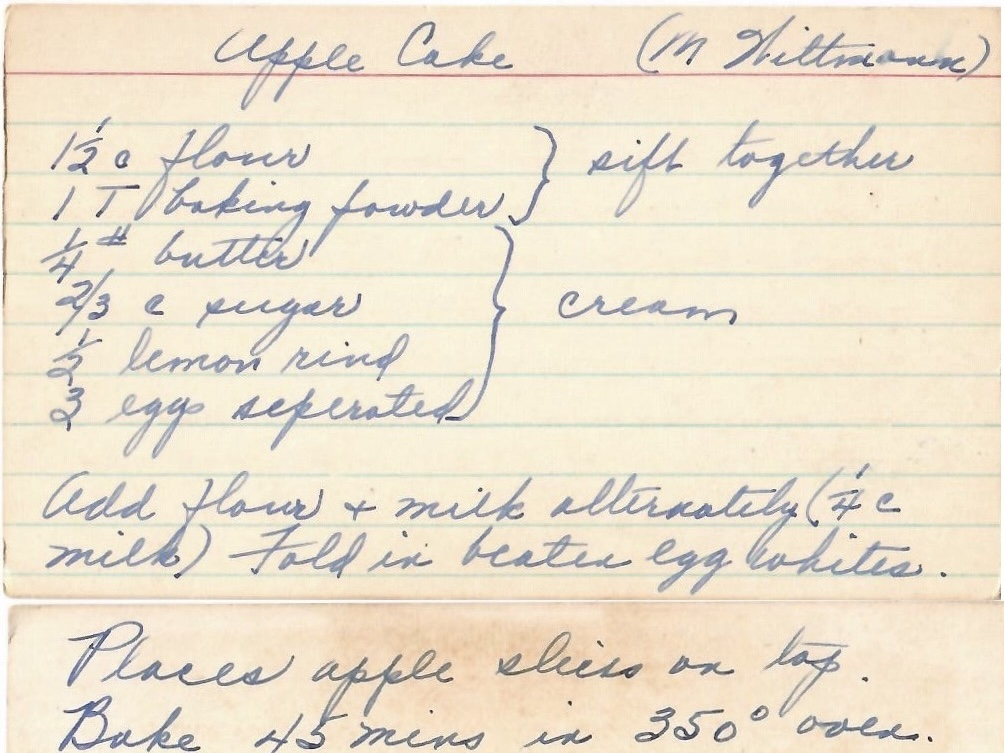
Measurement is the least examined part of old cooking and the part that has changed most. A 1962 American recipe was a set of instructions written for somebody who already knew how to cook, in units that depended on the equipment and the judgement of the person reading it, and it worked because the reader supplied everything the recipe left out.
The interesting thing is that the United States has only partly moved on. The oven dial is now calibrated and the thermometer is cheap, but American baking is still conducted in cups, and the gap between a cup of flour measured one way and a cup measured another is large enough to change the result.
A moderate oven, and why nobody could tell you what that was
Recipes gave heat as a description: a slow oven, a moderate oven, a hot oven, a quick oven. Printed tables existed converting those to degrees, they did not agree with each other, and in any case a great many ranges had a dial marked only with those words or with nothing at all.
Cooks tested the oven by hand, by the colour of a sprinkle of flour on the floor of it, by how fast a scrap of paper browned, or simply by knowing their own stove. All of those are real methods and they are all calibrated to one particular oven and one particular person.
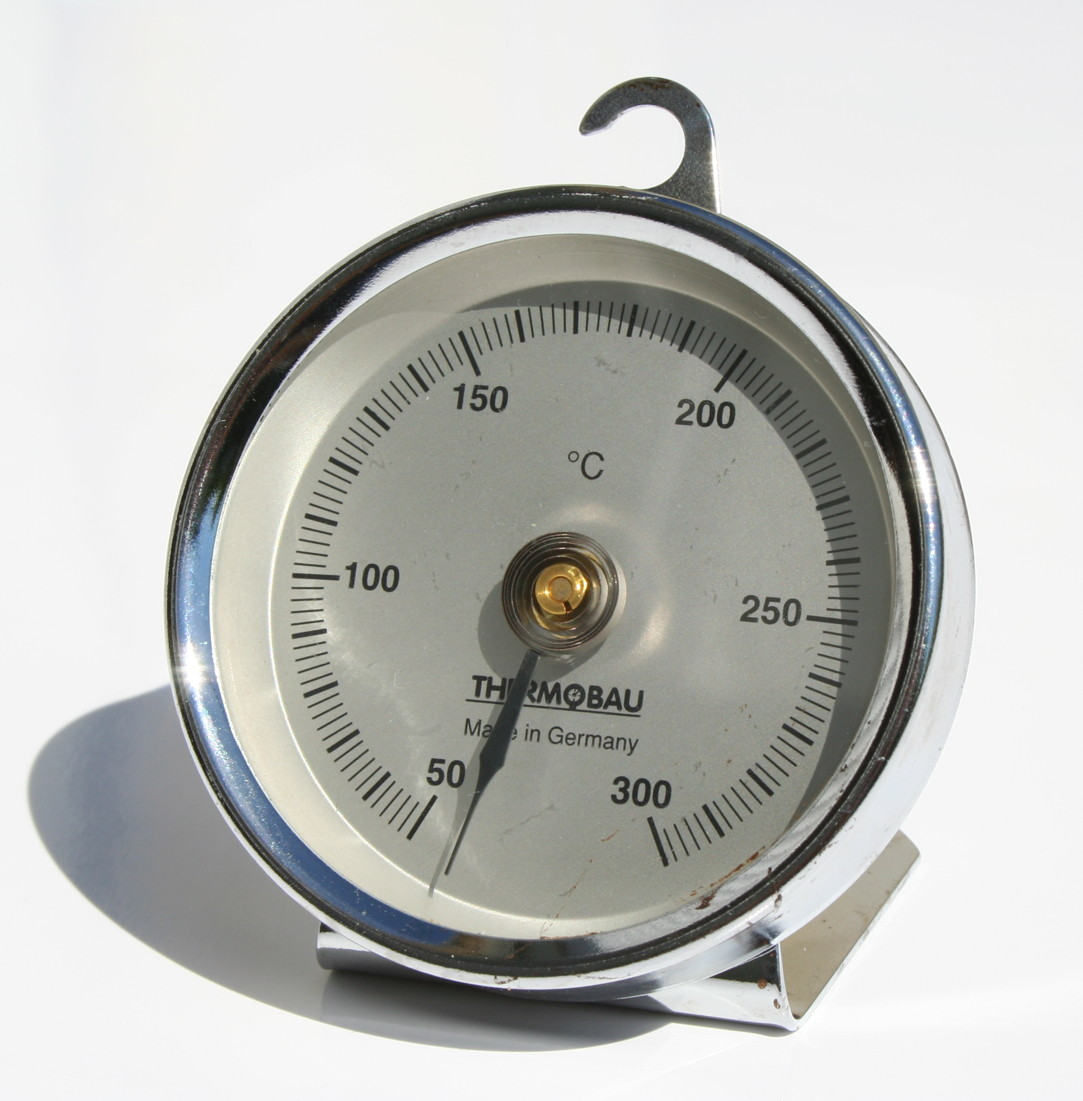
Thermostatic control arrived on American domestic ranges through the middle of the century and became general, which is what made numerical temperatures meaningful in a recipe. What did not arrive was accuracy: a domestic oven dial can be substantially out, ovens vary across the cavity, and the cheap oven thermometer that resolves this is the single most useful piece of equipment most kitchens do not have.
Like our content? Follow us for more.
The cup, and the two ways of filling it
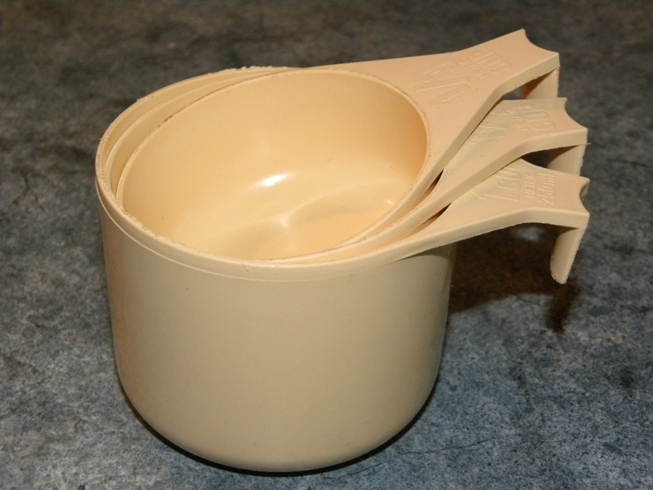
The American measuring cup is a volume measure, and flour is a compressible powder, which is a combination that does not work reliably. A cup filled by dipping it into the bag and levelling it holds substantially more flour than a cup filled by spooning flour in loosely and levelling it, and more again than one filled after the flour has been sifted.
The difference between the heaviest and lightest reasonable interpretations of one cup of flour is large — enough to turn a cake batter into a dough — and 1962 recipes almost never said which method they assumed. Some older American cookbooks specified sifted flour, which was itself a measurement instruction rather than a processing one, and that distinction has largely been lost.
This is the single most common reason a recipe from that era fails in a modern kitchen. The recipe is fine; the cup is ambiguous.
Why the rest of the world weighs and America does not
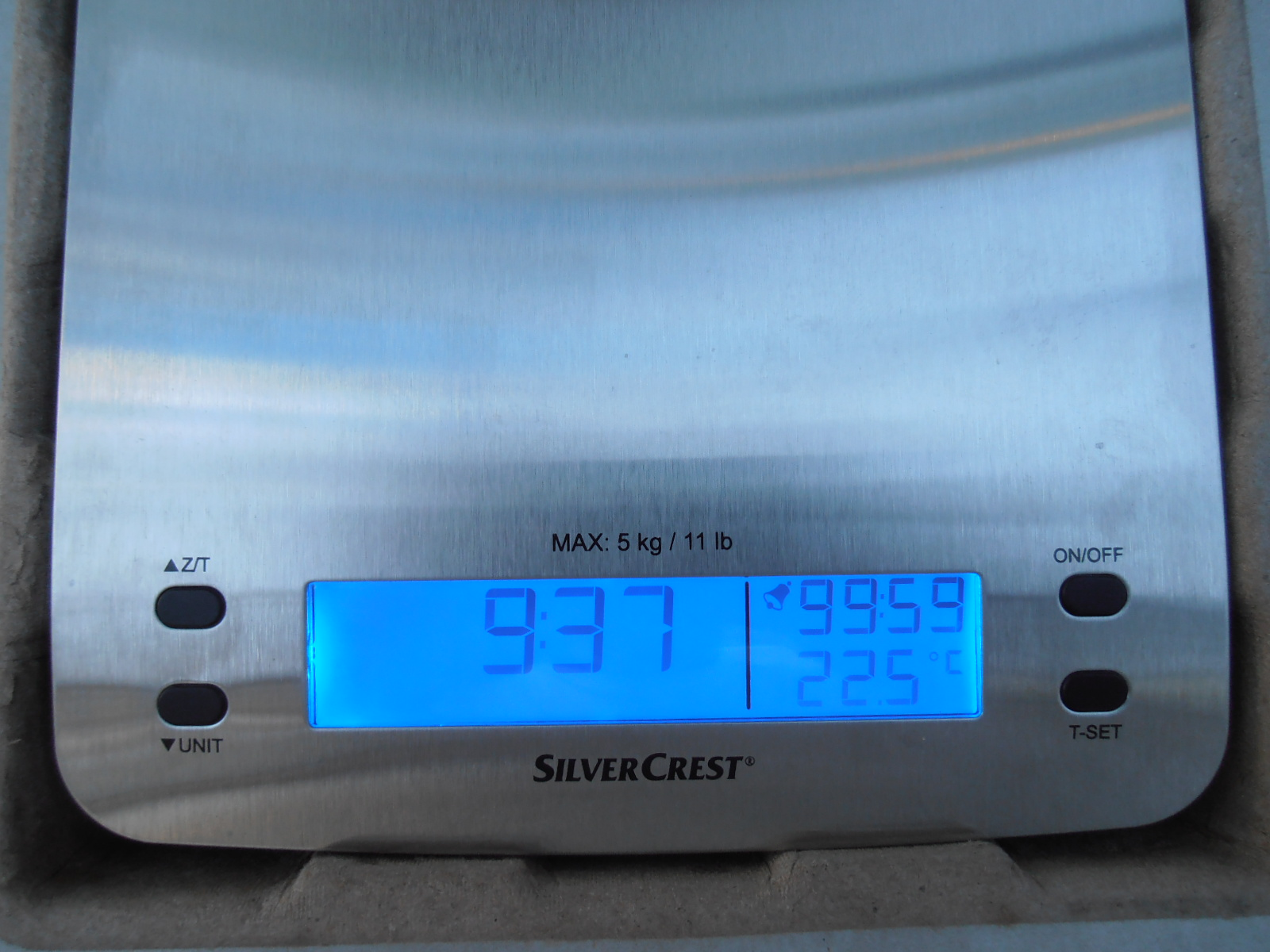
Most of the world measures baking ingredients by mass, on a scale, in grams, which removes the problem entirely: a gram of flour is a gram of flour however it was scooped. The United States is the significant exception and has remained so.
The reason is historical rather than culinary. Standardised volume measurement in American domestic cooking was promoted and effectively established in the late nineteenth century through cookery schools and cookbooks, and it was a genuine improvement on what preceded it — teacupfuls, wineglassfuls, butter the size of an egg — at a time when few households owned a scale. It then became the convention that American recipes, equipment and teaching were all built around, and conventions of that kind are extremely hard to shift.
The practical position now is that professional and serious amateur American baking has largely moved to weighing, that most published American recipes have not, and that a growing number give both. A digital scale costs very little and is the one piece of equipment that makes any baking recipe repeatable.
Butter the size of an egg, and the other comparative measures
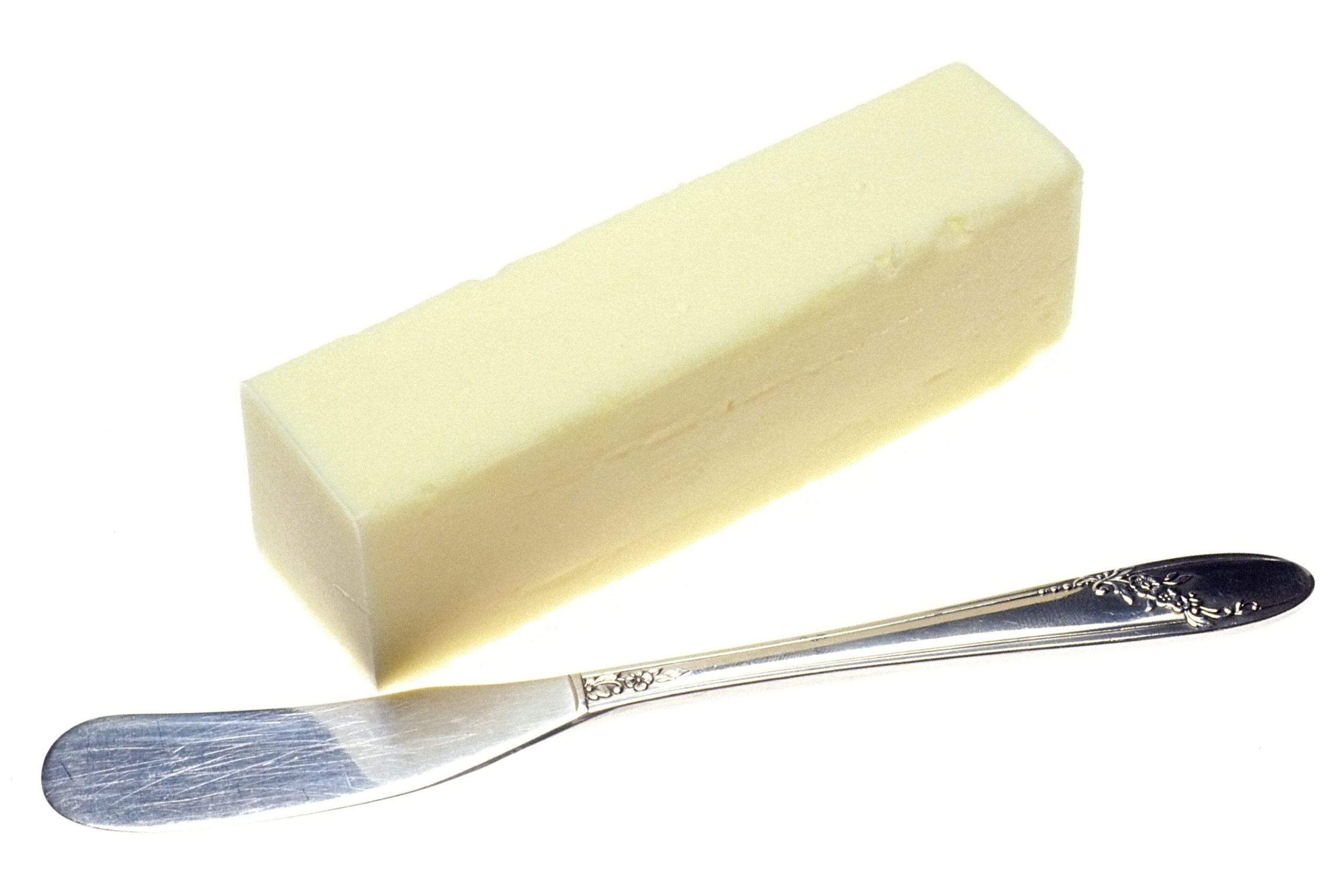
Before standardisation, fat was specified by comparison: butter the size of an egg, the size of a walnut, the size of a hickory nut. Liquids came in teacupfuls and wineglassfuls, which were the actual vessels in the house rather than defined units. Dry ingredients came in handfuls and pinches.
By 1962 most of this had gone from printed recipes and survived in handwritten ones, which is the important distinction: the recipe card in the tin, copied from a grandmother, was still using them. That is why inherited family recipes are so often unusable without somebody to interpret them.
A few of these units can be approximated now and most cannot, because they referred to objects that varied. A teacup in one house was not a teacup in another, and an egg in 1900 was smaller than an egg now.
The pinch, the dash and the things that were never standardised
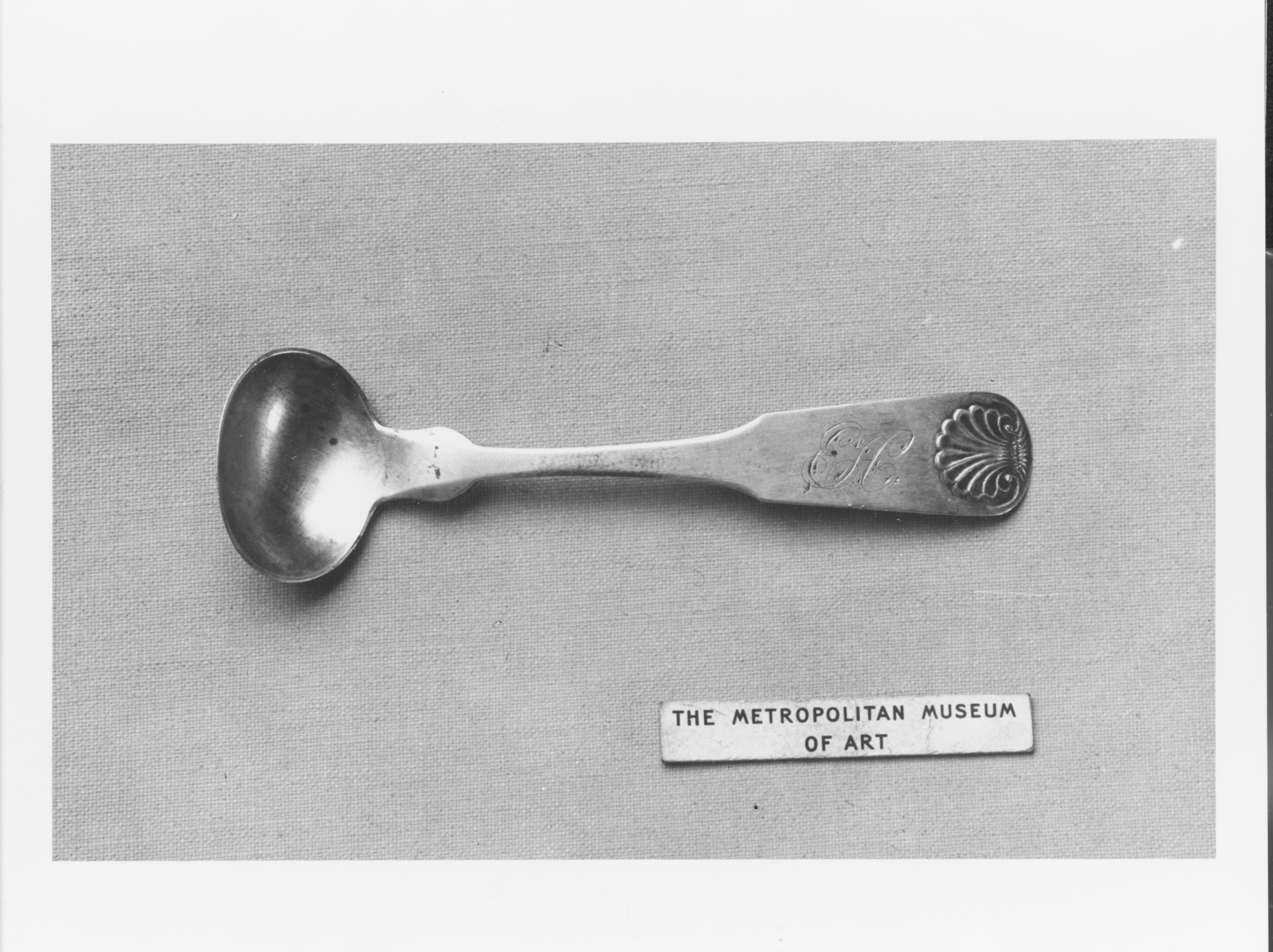
Seasoning was given as a pinch, a dash, a saltspoonful or to taste, and those have survived into modern recipes essentially unchanged, which is worth noticing in an article about standardisation. Nobody has successfully standardised them and nobody much needs to.
The reason is that they apply to the ingredients where precision does not change the outcome in the way it does in baking. Salt, pepper and spice are adjusted by tasting, and a recipe that gave them to a tenth of a gram would be pretending to a precision that the cook is going to override anyway.
That division — measure the chemistry, taste the seasoning — is the actual modern convention, and the 1962 recipe had it half right. It was vague about the flour, which matters, and vague about the salt, which does not.
Eggs, cans and the ingredients that changed size underneath the recipe
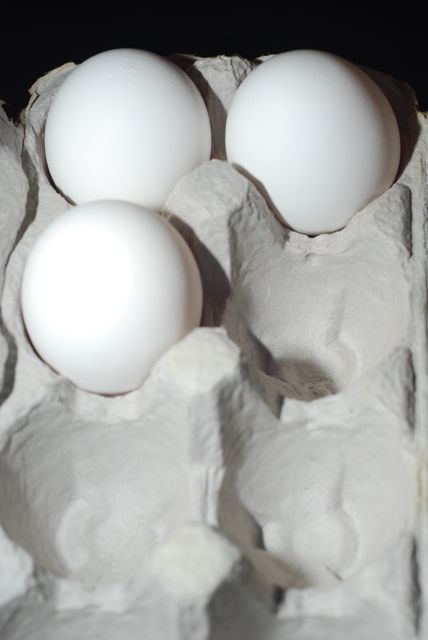
An egg is an ingredient specified by count rather than by weight, and egg sizing has changed. American egg size grades were standardised and the typical egg in general sale has become larger over the period, which means a 1962 recipe calling for three eggs is calling for less egg than three eggs now.
The same applies to canned goods, which were specified by can rather than by quantity — a can of tomatoes, a can of condensed soup — and can sizes have changed repeatedly, generally downward, through the following decades. A recipe written around a can is a recipe written around a moving target.
Both are small effects individually and both are invisible to somebody following an old recipe exactly and wondering why it is not working. Where an old recipe matters, the useful move is to find the weight equivalents rather than to reproduce the counts.
What the old way had that the new way does not
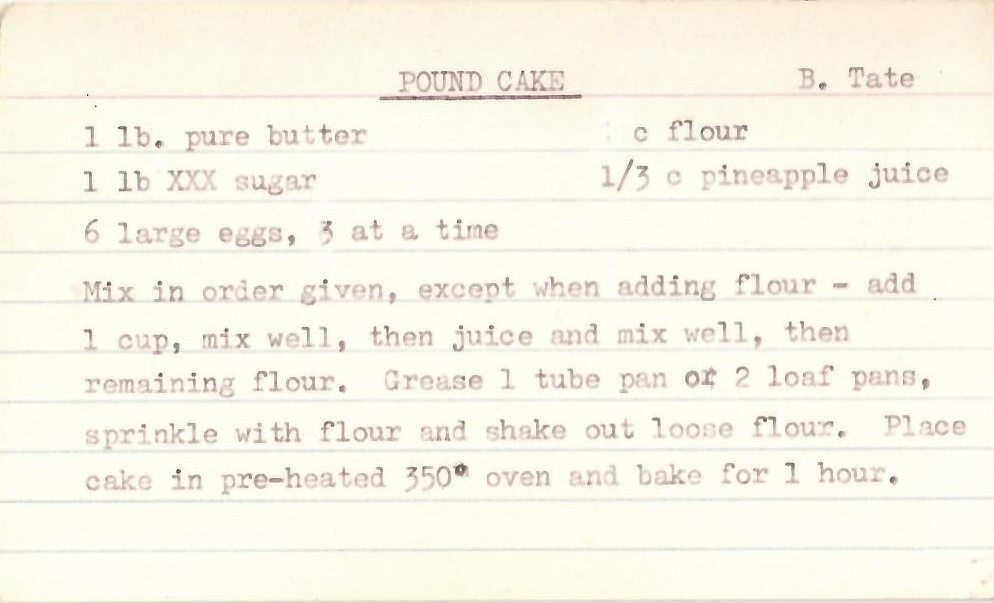
A 1962 recipe assumed competence. It did not tell you to preheat the oven, to grease the tin, to beat until pale, or how to tell when something was done, because it was written for somebody who had been taught to cook by somebody else and needed reminding of proportions rather than instructing in technique.
That makes those recipes extremely short and, read in the right spirit, extremely efficient. It also makes them nearly impossible for a beginner, which is why modern recipes are four times the length and specify everything, and why the handwritten card from a grandmother is both the most treasured and the least usable document in a lot of kitchens.
The skill the old recipes assumed was real and has genuinely thinned out. Knowing by eye when a batter is right, when a dough has been worked enough and when a cake is done is the information the recipe left out, and it was transmitted by standing next to somebody rather than by being written down.
What to actually do with the recipe card in the tin
Three things make an inherited recipe work. Find out what the oven description means in degrees and use a thermometer rather than the dial, because that is the variable most likely to be wrong. Convert the flour to weight using a standard figure for a cup of flour and then adjust once, which removes the ambiguity permanently. And treat the comparative measures as starting points to be corrected by eye.
It is also worth writing down what you did. The reason these recipes are hard to use is that nobody recorded the part that was in the cook’s hands, and a note on the card about what the dough should feel like is the single most valuable thing anybody can add to it.
That is the whole of this subject. The 1962 recipe was not imprecise through carelessness; it was precise about the things that were hard to remember and silent about the things everybody knew, and the reason it fails now is that the second category has become the hard part.
Like our content? Follow us for more.