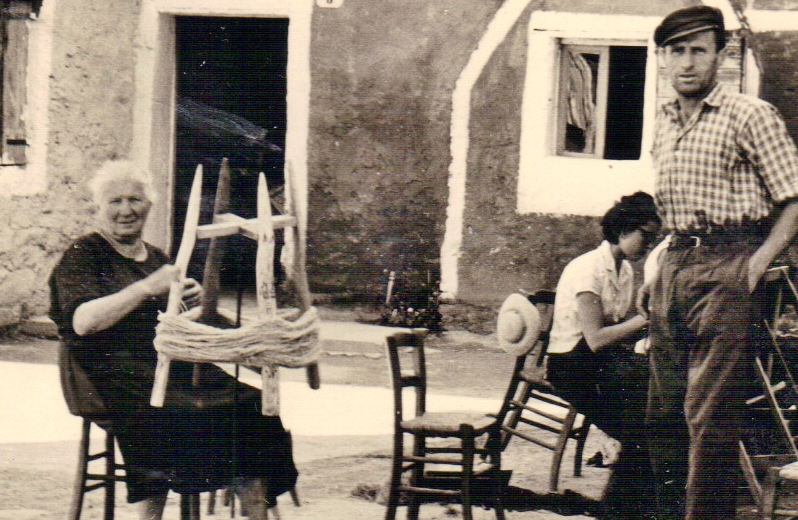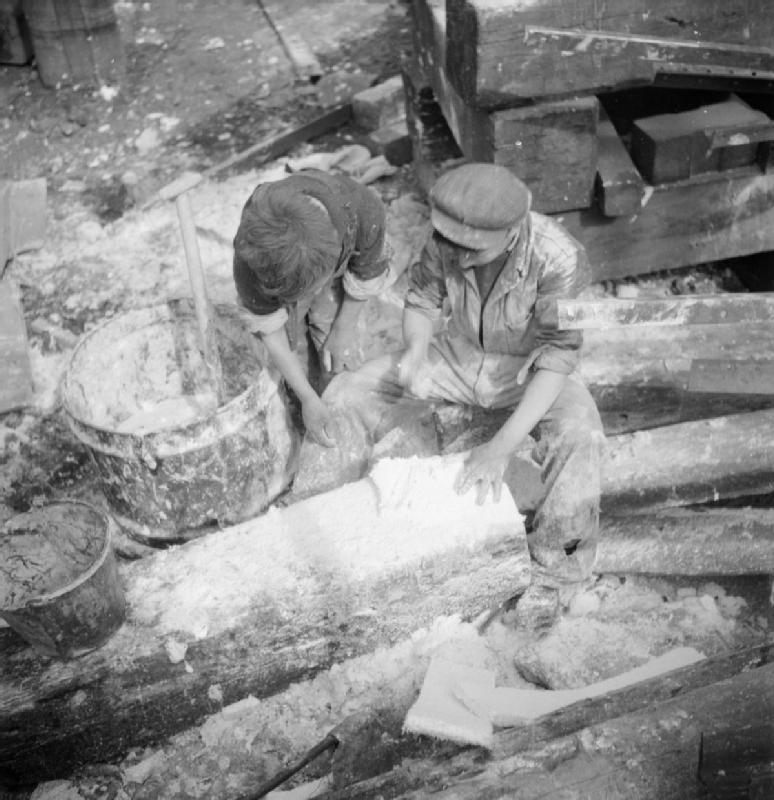
In 1960 the insulation on a hot pipe was mixed on site. A sack of dry fibrous powder was tipped into a bucket or a bath, water was added, and a man worked it with his hands until it reached the consistency of thick porridge. He then packed it around the pipe by hand and smoothed it off.
The material was asbestos. The men who did this work were called laggers, and the trade existed in every power station, refinery, shipyard, hospital boiler house and large building in the industrialised world. Almost nothing about how the work was done then would be lawful anywhere today.
What the job consisted of
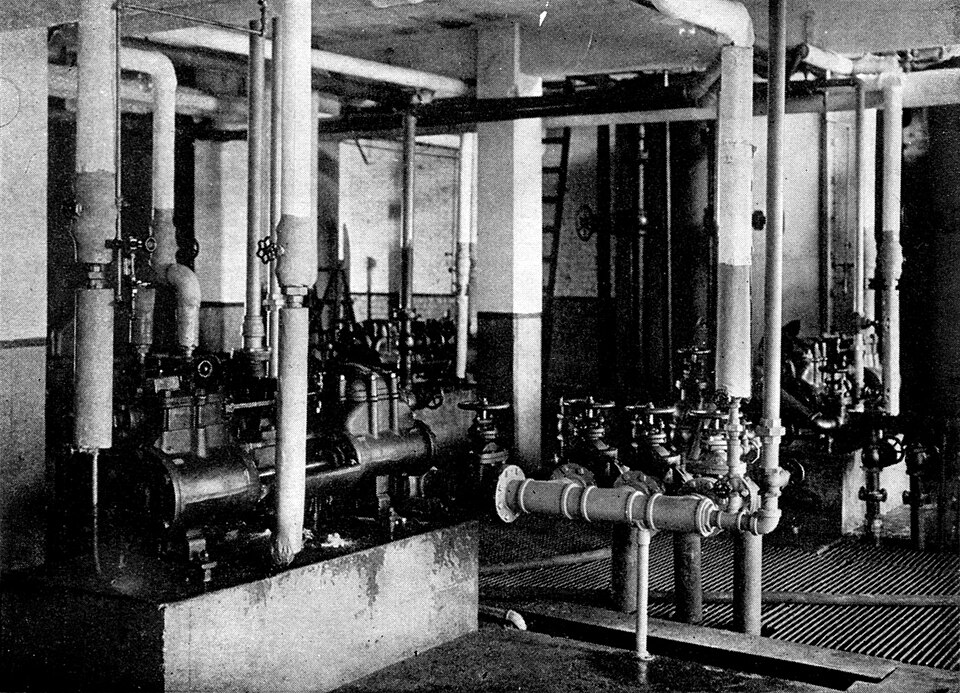
Lagging means applying thermal insulation to pipework, boilers, vessels and ducts, and removing it again when the plant underneath needed attention. Both halves of that mattered, and the removal half is the one that persists as a trade.
The materials were sectional preformed pipe covering, insulating board cut to shape, rope and tape for awkward joints, and the wet mix described above for anything the standard sections would not fit. Fittings, valves and bends all required hand work.
The finish was then covered with a hard plaster, canvas, or metal cladding, which is why a lagged pipe in an old building looks like a smooth white tube rather than like insulation at all.
It was skilled work. Getting a continuous unbroken covering around a valve body, with the right thickness and no gaps, by hand, while the plant was often still warm, took an apprenticeship to learn properly.
Like our content? Follow us for more.
The material, and what it was
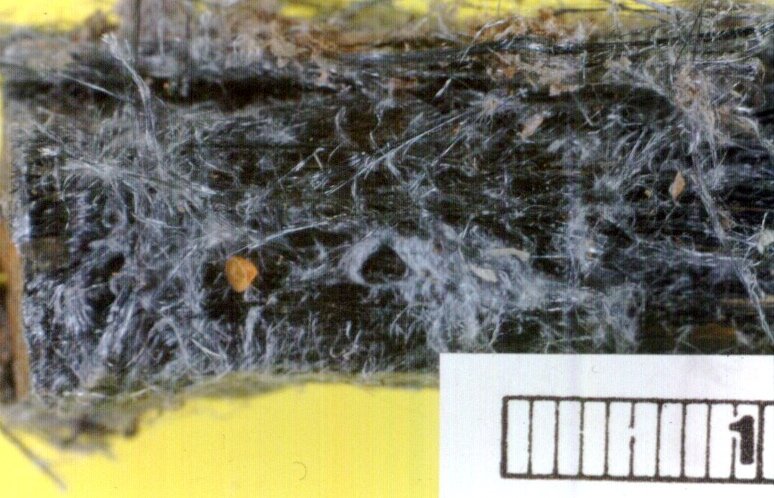
Asbestos is not one substance but a group of naturally occurring fibrous silicate minerals that were mined and processed commercially. Three types accounted for nearly all industrial use, commonly referred to by colour: white, brown and blue.
Its properties explain the enthusiasm for it. It does not burn, it resists heat and chemical attack, it is a poor conductor, it is strong in tension, it can be woven into cloth or mixed into cement or plaster, and it was abundant and inexpensive.
So it went everywhere: pipe insulation, sprayed coatings on structural steel, insulating board, ceiling tiles, cement sheet and pipe, gaskets, brake linings, fire blankets, oven gloves, ironing boards and theatre curtains.
That ubiquity is the reason the subject is still live. A material used in that many products over that many decades does not leave the built environment when it stops being sold.
It is worth understanding why the material was genuinely valued rather than merely cheap. Before it, insulating a hot pipe meant mineral or vegetable fibre that degraded, or masonry that was heavy and inflexible. Here was something that could be moulded around any shape, would not burn, would not rot and cost very little. Engineers did not adopt it carelessly; they adopted it because it solved a real problem better than anything else available.
What was and was not known in 1960
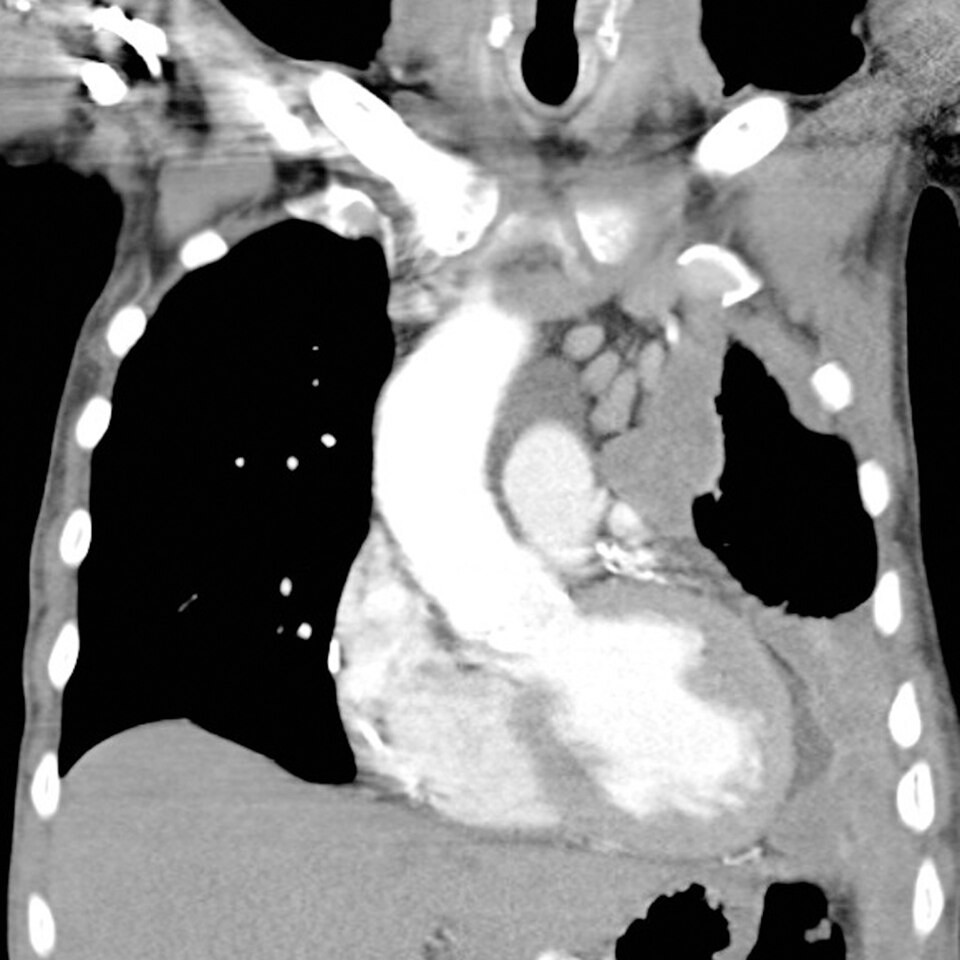
This is the part usually told badly. The hazard was not discovered in the 1980s. A link between asbestos exposure and lung scarring had been documented early in the twentieth century, and regulations covering certain asbestos processes existed in Britain from 1931.
What happened around 1960 specifically was that the connection between asbestos and a particular rare cancer of the lining of the chest and abdomen was established in the medical literature, in work arising from a mining region in southern Africa. That is the same year the men in the opening paragraph were mixing the stuff by hand.
The gap between knowledge and practice was therefore enormous, and it was not uniform. Some employers in some industries were applying controls while the trade as a whole continued largely as before, and the men doing the work were frequently told nothing at all.
It is also true that the long delay between exposure and illness made the connection hard to see from the shop floor. A man finished a job and felt fine, which is a poor basis for caution but an understandable one.
The dust itself was not treated as remarkable either. Industrial work in 1960 was dusty as a matter of course, in foundries, mills, quarries and building sites alike, and a trade that produced a white dust was not obviously different from a dozen others that produced grey or black ones. Distinguishing a hazardous dust from an unpleasant one requires measurement, and measurement was not part of the job.
How the prohibition actually came
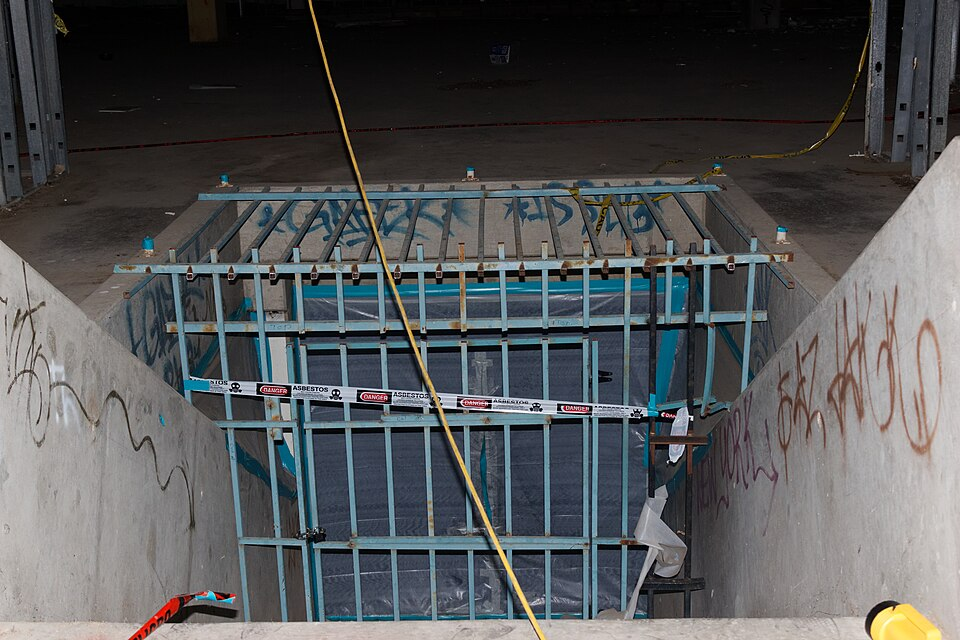
Not in one step. The types were dealt with separately and at different times, because they were understood to differ in hazard and because each had an industry defending it.
The blue and brown varieties were restricted and then prohibited first, over the 1970s and 1980s depending on the country. The white variety, which was by far the most used, continued legally for considerably longer and was prohibited in most developed countries only toward the end of the 1990s or later, with some jurisdictions arriving even more recently.
In parallel, the regulatory approach shifted from controlling the trade to managing the legacy. Once new use stopped, the problem was no longer supply but the enormous quantity already installed in buildings, ships and plant.
Asbestos remains legal and in use in a number of countries today, which is a fact worth stating plainly rather than leaving as an impression that the subject is historical everywhere.
What the work looks like now
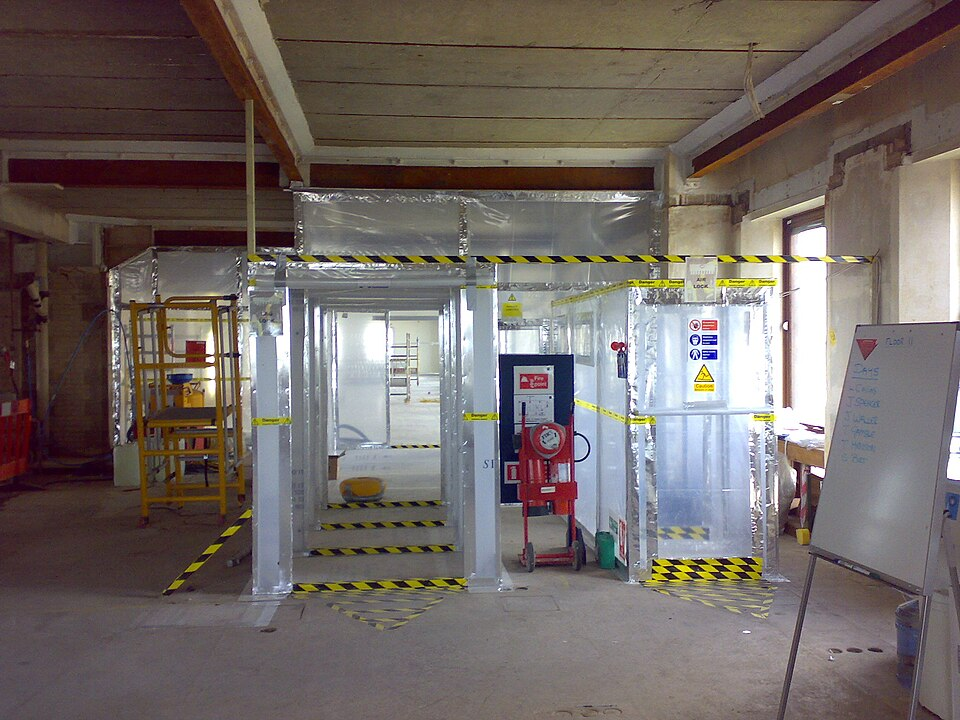
Unrecognisable. Work that disturbs the higher-risk materials can be carried out only by a licensed contractor, under a notified plan, with the area enclosed, air pressure held below that of the surroundings so that air flows inward, and the enclosure subjected to monitoring.
Workers wear respiratory protective equipment appropriate to the material and pass through a decontamination unit with separate dirty, shower and clean sections. Clothing is disposable. The waste is handled as hazardous waste and goes to licensed disposal with a consignment paper trail.
Air is monitored during the work and the enclosure is cleared by an independent analyst before it is dismantled, which is a deliberate separation of the people doing the work from the people certifying it is finished.
And the whole operation is preceded by a survey, because you cannot plan work on a material until you know what it is and where.
The cost of all that is substantial, and it is the honest reason the legacy is managed rather than eliminated. Stripping every piece of asbestos-containing material out of the existing building stock would run to sums no country has been willing to spend, and would create far more exposure in the doing than leaving sound material undisturbed ever will.
The duty that applies to ordinary buildings
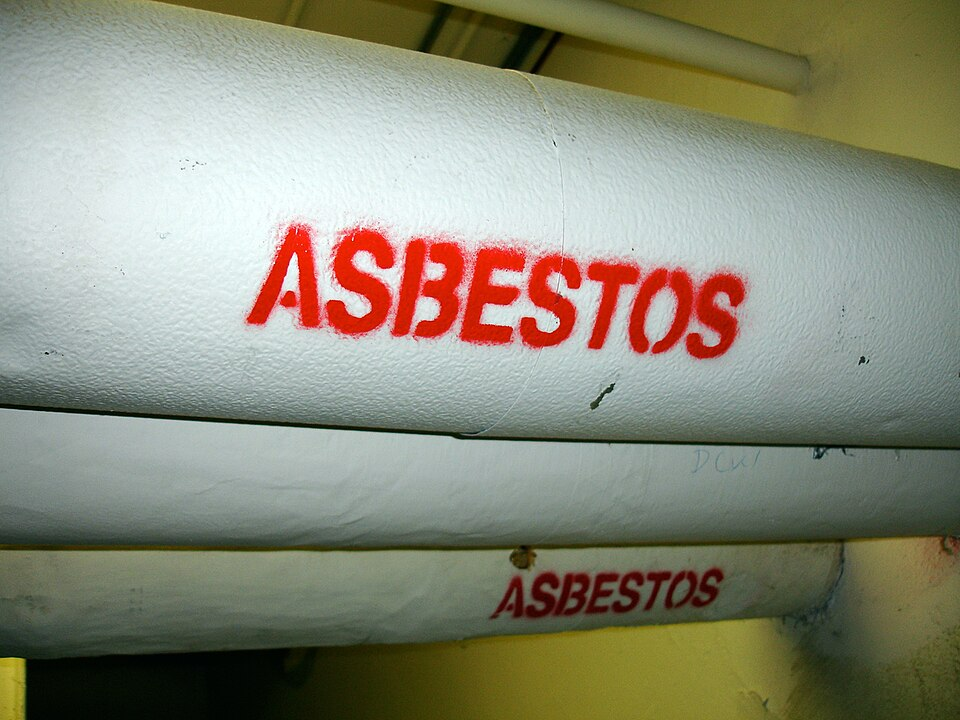
This is the part that reaches people who have never heard of a lagger. In many jurisdictions the person responsible for a non-domestic building has a legal duty to know whether asbestos-containing materials are present, to record them, to assess their condition and to keep a management plan.
The practical consequence is that a register exists, or should, and that anybody about to drill, cut, lift a ceiling tile or run a cable in an older building is supposed to consult it first. Undisturbed material in good condition is generally managed in place rather than removed, because removal creates the exposure.
That last point is counterintuitive and worth repeating. The default is not to rip it out. The default is to leave it alone, label it, inspect it and ensure nobody damages it.
For anybody working on their own older property, the equivalent is to establish what a material is before disturbing it rather than afterwards, and to use a licensed contractor where the material requires one.
What the trade became
The lagging trade still exists and is substantial, but it has split. Insulation work on new plant uses mineral wool, calcium silicate, foam glass and similar materials, applied with much the same craft skills and none of the same hazard.
The removal side became a licensed specialism of its own, with its own training, medical surveillance for the workforce, equipment and record-keeping, and it is a larger industry than most people realise because the legacy is enormous.
The men who did the original work are the reason the modern regime looks as it does. Essentially every control described above exists because the previous arrangement was understood, eventually, to have been indefensible.
The honest summary: lagging meant applying and removing thermal insulation by hand, and in 1960 the material was commonly asbestos, mixed wet from dry powder on site; the hazard was not new in 1960, since lung scarring had been documented decades earlier and British regulations covering some processes dated from 1931, and the link to a rare cancer of the chest and abdominal lining was established in the literature that same year; prohibition came type by type across the 1970s to the late 1990s and later, with the most-used variety lasting longest and some countries still permitting use; and the live issue today is not supply but legacy, which is why non-domestic buildings carry a duty to record and manage what is present, why undisturbed material in good condition is generally left in place, and why disturbing the higher-risk materials is licensed work.
Like our content? Follow us for more.