

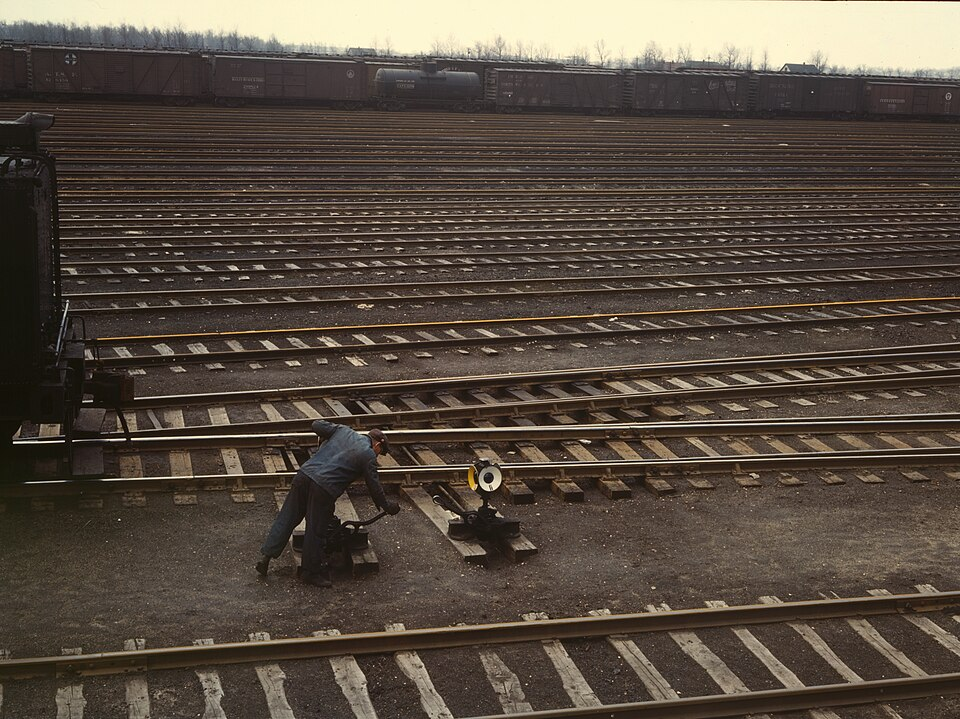
Shunting in 1960 meant moving unbraked wagons by judgement, coupling them with a pole, and talking to a driver by waving an arm or a lamp. Here are sixteen things about the job that no yard anywhere would now allow.
1. He moved wagons that had no brakes he could reach from anywhere

A loose-coupled goods wagon in 1960 had a hand brake on the side, applied by pulling a lever down and pinning it, and nothing else. There was no continuous brake running through the train and no way to stop a moving wagon except by getting to that lever.
So a shunter’s working knowledge was almost entirely about momentum: how far a given wagon would run on a given gradient with a given load, and where it would be when it stopped.
Modern wagons have continuous air brakes and modern yards are either automated or worked by radio with locomotives that stop on command. The skill of predicting where an unbraked wagon will come to rest is simply no longer required anywhere. Retired shunters describe it as something closer to a sense than a calculation, which is exactly the kind of expertise that cannot survive the equipment it belonged to.
Like our content? Follow us for more.
2. The shunting pole was a tool and a qualification
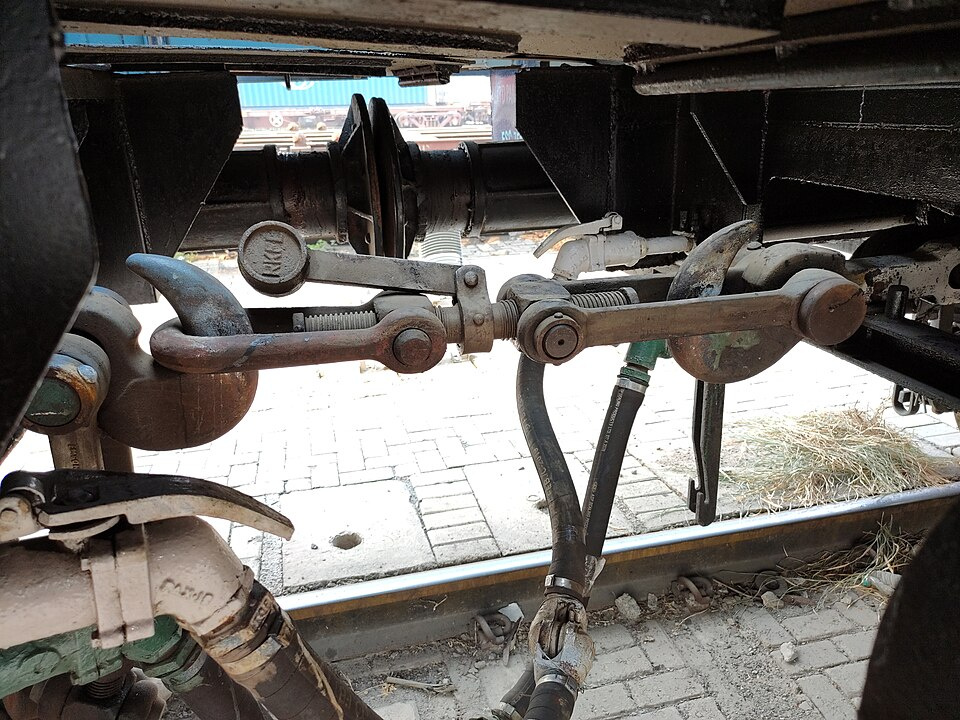
Wagons were coupled by a three-link or screw coupling, and the shunter lifted the link onto the hook with a wooden pole several feet long, standing clear of the gap between the wagons.
Using it well meant judging the moment, the weight of the link and the closing speed, and a man who could pole a coupling cleanly first time every time was recognised as competent in a way nothing written down conveyed.
Automatic and semi-automatic couplers, and the end of loose-coupled working, removed the pole entirely. The tool survives in museums and in the vocabulary of retired men, and the operation it performed does not happen on any modern railway. It is worth saying that the pole existed precisely to keep a man’s hands and body out of a place he should not have been, which makes it a safety device as much as a working tool.
3. Hand signals were the language, and they had to carry a long way
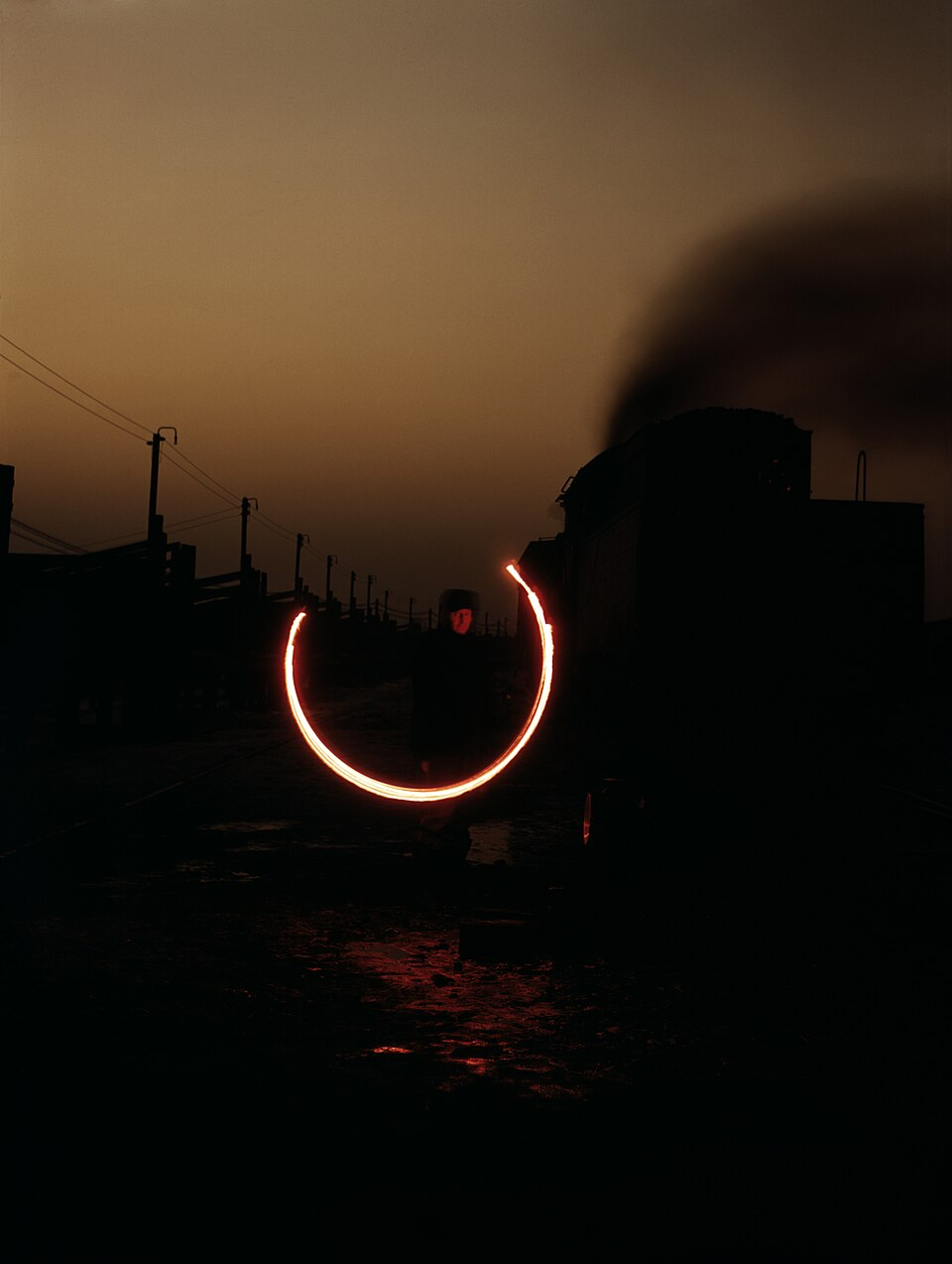
A shunter communicated with a driver by arm signals by day and by a hand lamp at night, across distances where shouting was useless and down curves where visibility came and went.
The signals were a compact vocabulary — come towards me, go away, ease up, stop — and the lamp version used movement and position rather than colour, which meant a tired man’s sloppy signal could be read as a different instruction.
Yards now run on radio with confirmed acknowledgements, and critical movements are protected by systems rather than by sightlines. The hand lamp has gone the way of the pole, and for the same reason. The reason is not that the old method was crude but that it had no way of confirming that the message had arrived as sent.
4. Gravity did most of the work in a hump yard
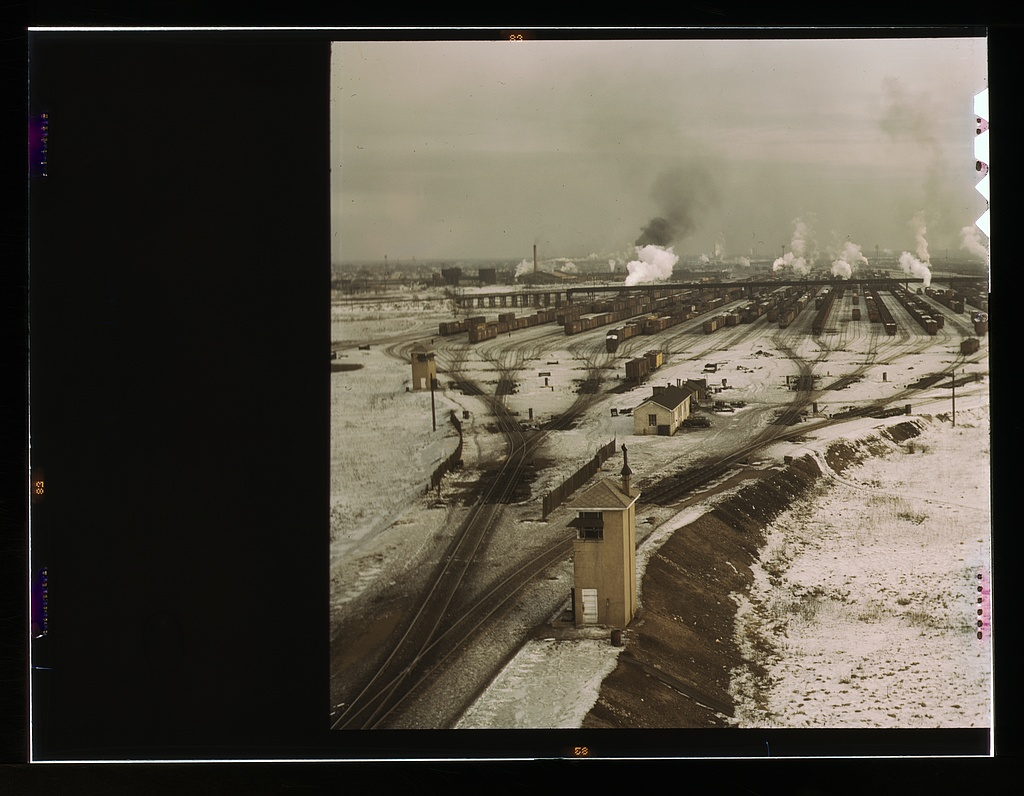
A hump yard pushed a train slowly over a raised hump, uncoupled wagons at the top and let each one roll down into its own siding under gravity, sorted by the points being set ahead of it.
Controlling the speed of a rolling wagon was done with retarders where they existed and, where they did not, by a man applying a brake as it passed.
Modern sorting yards, where they survive, use automated retarders with weight and speed sensing and computer-set routes. Most freight no longer goes through a sorting yard at all, because it travels as a block train from origin to destination. The hump itself remains one of the more elegant pieces of industrial thinking: it does the sorting with a hill instead of an engine.
5. Wagons were sorted because trains were not
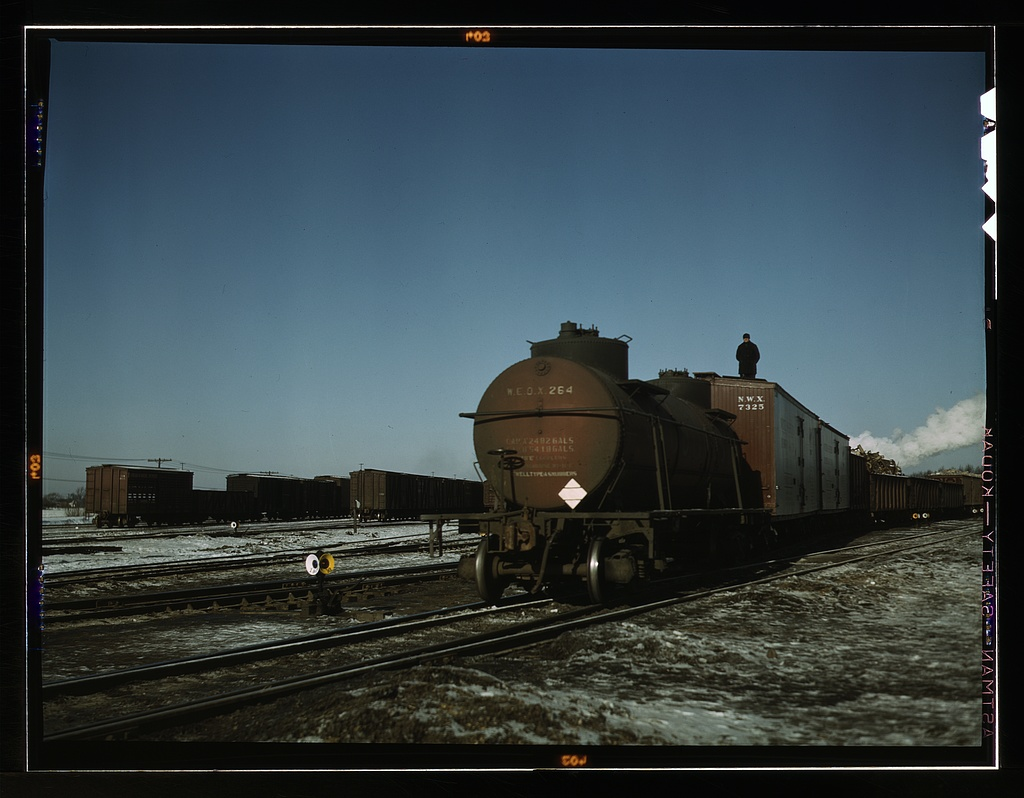
In 1960 a goods train was a collection of individual wagons going to many different places, which is why sorting yards existed at all and why so many people worked in them.
Every wagon had to be identified, routed, uncoupled, re-coupled and recorded, and a single trainload might be broken up and reassembled several times on a journey across a country.
The modern equivalent is the block train and the container, which travel intact from one terminal to another. The entire activity of sorting individual wagons has largely ceased, and with it a whole category of railway employment. That is a larger change than it sounds, because the wagonload system is what made a railway useful to a small business in a small town.
6. The paperwork was a label and a chalk mark
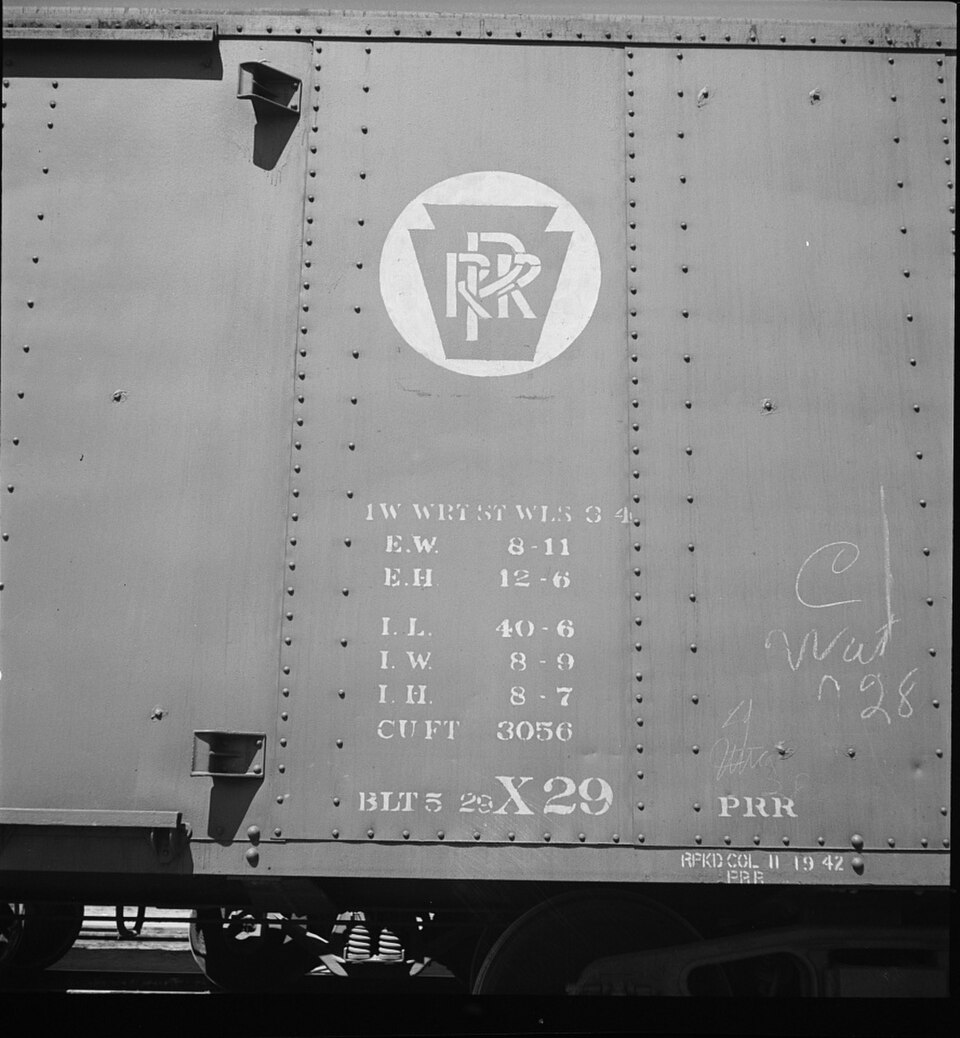
A wagon’s destination travelled with it as a card in a label holder on the side, supplemented by chalk marks on the wagon itself, and the shunter read both as he worked.
Labels fell off, got wet and were occasionally wrong, and a wagon with no label was a problem that fell to somebody to solve by working out where it had come from.
Wagons now carry machine-readable identity and move against a record held in a system that knows where every one of them is. Losing a wagon, which happened, is no longer possible in the same way. Chalk, incidentally, was not an informality but a working convention, and men developed a shorthand their own yard understood.
7. Why American yards were a different scale of the same job
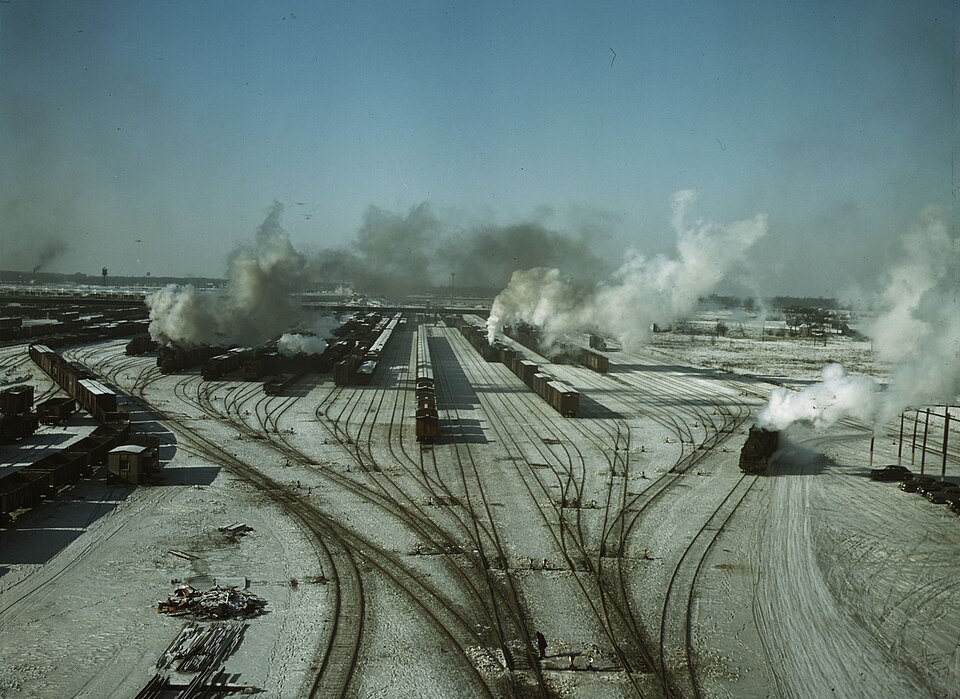
American freight railroading ran far longer and heavier trains through much larger classification yards, with air brakes standard on freight stock earlier and more completely than in much of Europe.
That made the American switchman’s job less about unbraked loose-coupled wagons and more about scale: enormous yards, long cuts of cars, and a radio and retarder culture that arrived sooner.
American yards today are among the most automated in the world, with computer-controlled humps handling thousands of cars a day. The trade changed earlier there and in the same direction. The underlying job is recognisable across both countries all the same, which is why the vocabularies borrowed from each other freely.
8. He worked between and under vehicles that could move
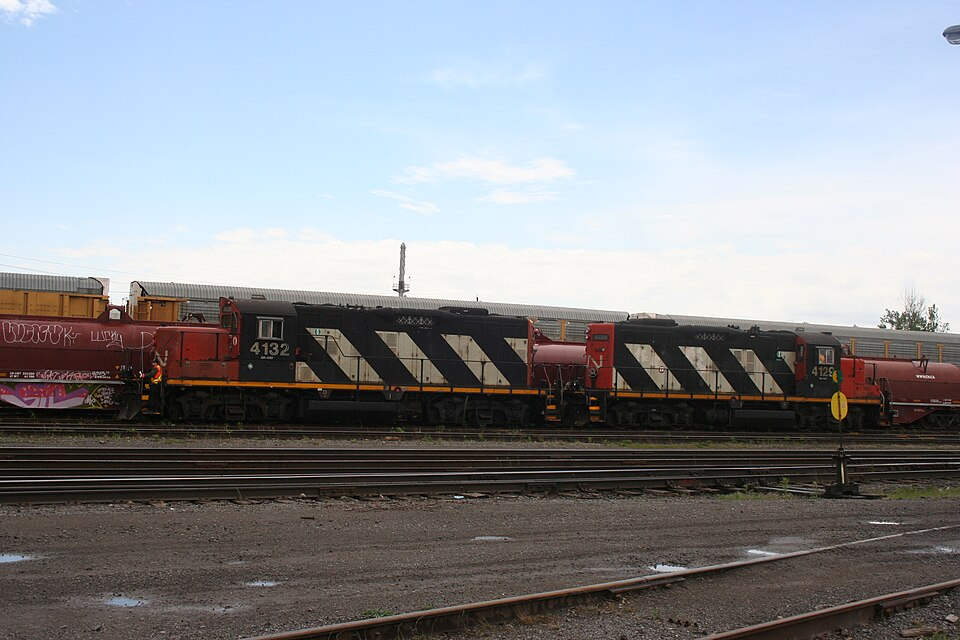
Coupling, uncoupling and brake work all required the shunter to be close to or between wagons, in a yard where other movements were going on and where a stationary vehicle could be set in motion by something coupling onto the far end of the rank.
The entire safety culture of the job was therefore built on knowing what else was moving, on protection arrangements before anybody went between vehicles, and on an absolute discipline about communicating intent.
Modern practice uses enforced protection — physical devices, locked-out movements and documented permissions — so that a vehicle cannot be moved while somebody is working on it. The 1960 arrangement relied on the same principle enforced by people rather than by equipment. That is the distinction the whole modern railway turns on, and it is why so much of this list reads as a list of removals.
9. Night shifts in an unlit yard were normal
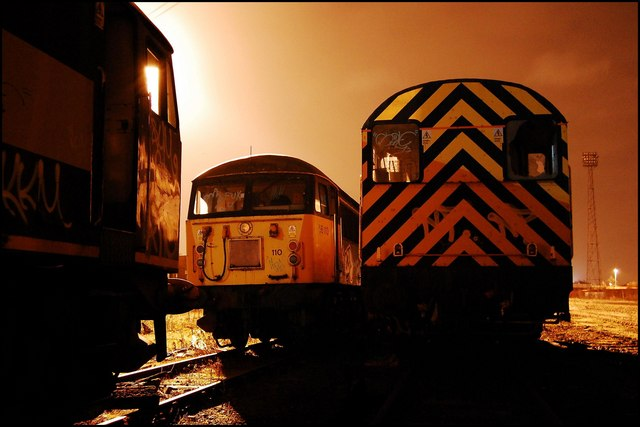
Much yard work happened at night because that was when the traffic allowed it, and a goods yard in 1960 was lit patchily or not at all, with the hand lamp doubling as the only reliable light.
Walking a yard in the dark over point rodding, check rails and ballast, in weather, was a learned skill that nobody formally taught.
Modern yards are lit to a standard, with marked walking routes and reflective clothing as a condition of entry. It is one of the clearest examples in the whole railway of a change nobody argues with. Lighting also changed what could be done at night at all, because a yard you can see is a yard you can work faster.
10. Clothing was whatever a man owned
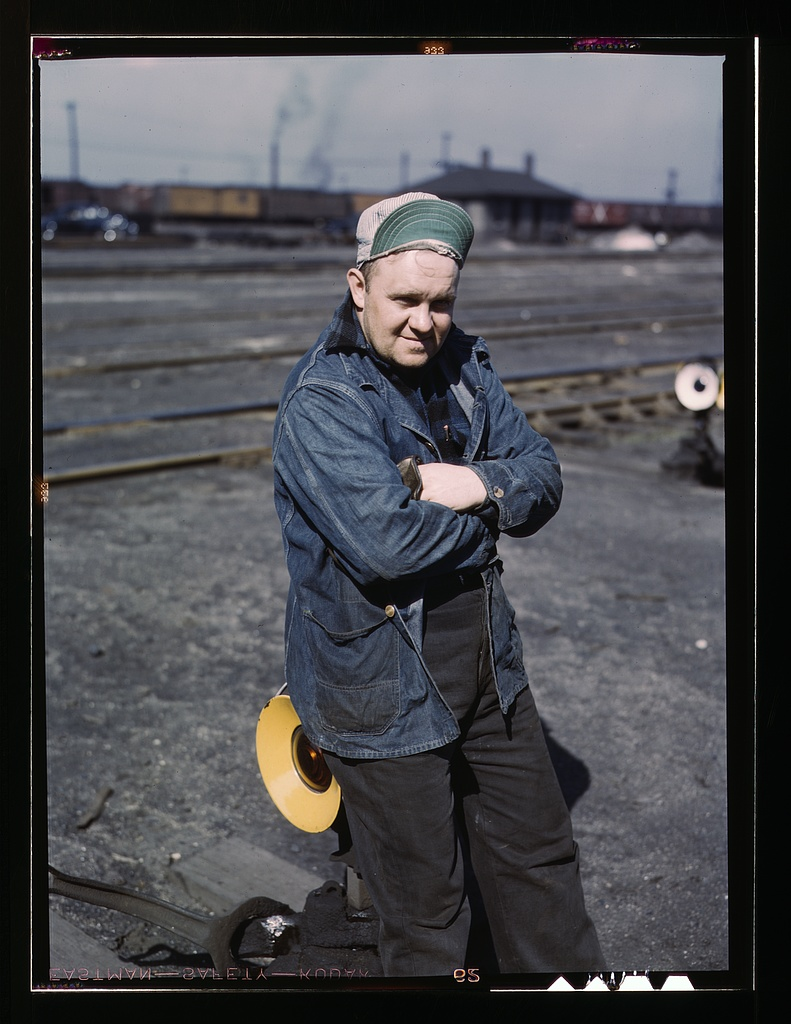
A 1960 shunter wore his own clothes, often with a railway jacket, and nothing about them was designed to make him visible or to protect him.
High-visibility clothing did not exist in anything like its modern form, and the idea that a worker should be conspicuous was not yet standard practice.
High-visibility clothing is now mandatory on every railway in the world and the standards specify the material, the area and the colour. It is a cheap change that produced an enormous result. Men who worked before it arrived are usually the most insistent about it, which is worth noting against the usual assumption that old hands resent new rules.
11. The yard was a workplace with a very large population
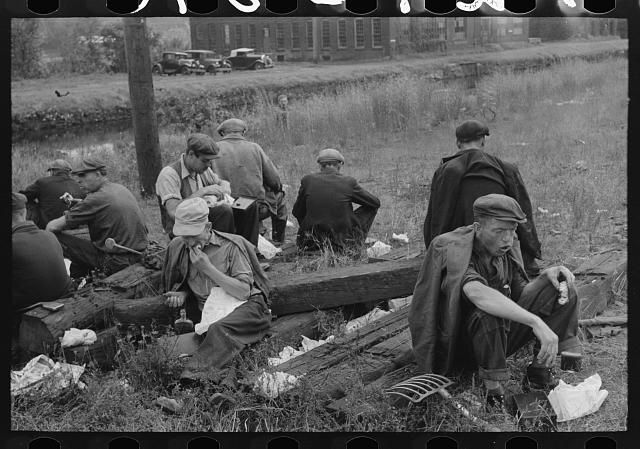
A substantial goods yard in 1960 employed shunters, guards, yard inspectors, number takers, carriage and wagon examiners, clerks and locomotive crews, and ran as a small industrial community with its own hierarchy and its own habits.
Much of that workforce existed because the information about where wagons were had to be collected and carried by people.
That work was absorbed by data systems rather than by machines. The yards that survive run with a fraction of the staff, and the information jobs vanished more completely than the physical ones. A number taker walking a yard writing wagon numbers into a book is a job that is almost impossible to explain to anybody under fifty.
12. Wagons were wooden, varied and individually known
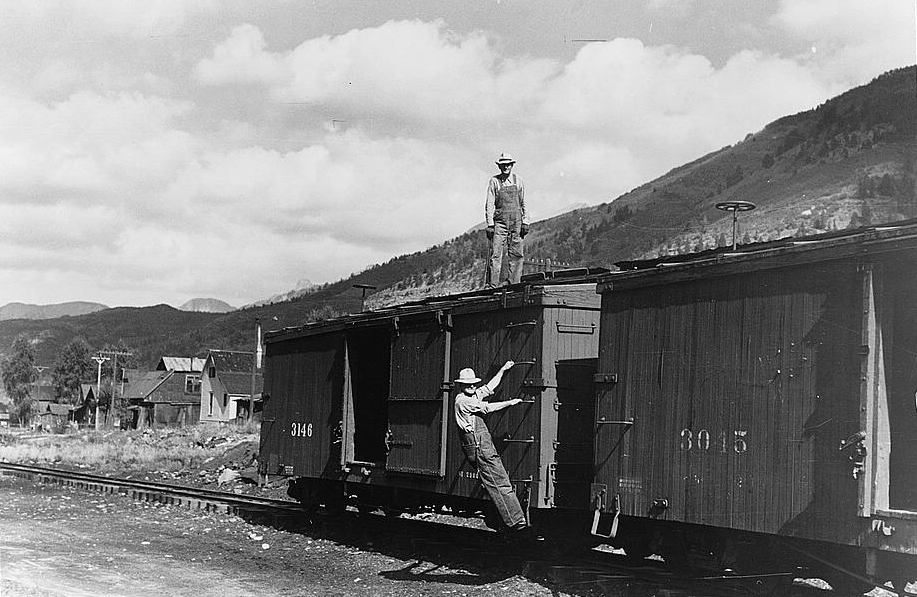
The 1960 wagon fleet was enormous, old and extremely varied, with a great many wooden-bodied vehicles of designs dating back decades and a range of types for specific traffics.
A shunter learned the fleet by sight and knew which types ran badly, which brakes were awkward and which vehicles needed treating carefully.
Modern freight stock is standardised, steel, air-braked and maintained to a monitored schedule. The specific knowledge of individual wagon types that a shunter carried has no modern counterpart because the variety has gone. Standardisation removed a genuine skill and replaced it with something better, which is the honest shape of most of these changes.
13. Guards rode in a brake van at the back for a reason
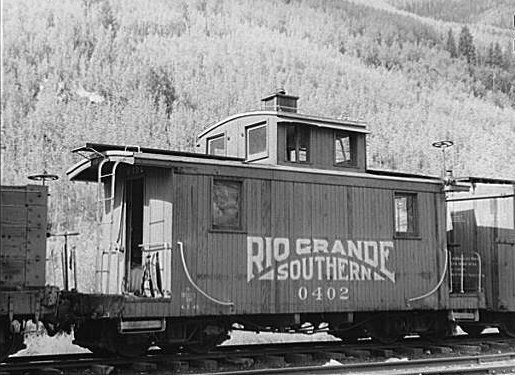
A loose-coupled train had no continuous brake, so the guard in his van at the rear applied a hand brake to keep the couplings taut on a falling gradient and to help stop the train.
That made the guard an active part of braking rather than a supervisor, and it required coordination with the driver by whistle code over the length of the train.
Continuous brakes made the brake van unnecessary and it disappeared through the 1960s and 1970s. The guard’s role became safety supervision and then, on many freight services, nothing at all. The brake van is probably the most missed vehicle on the railway, and it was abolished for extremely good reasons.
14. The job was learned entirely by working alongside somebody
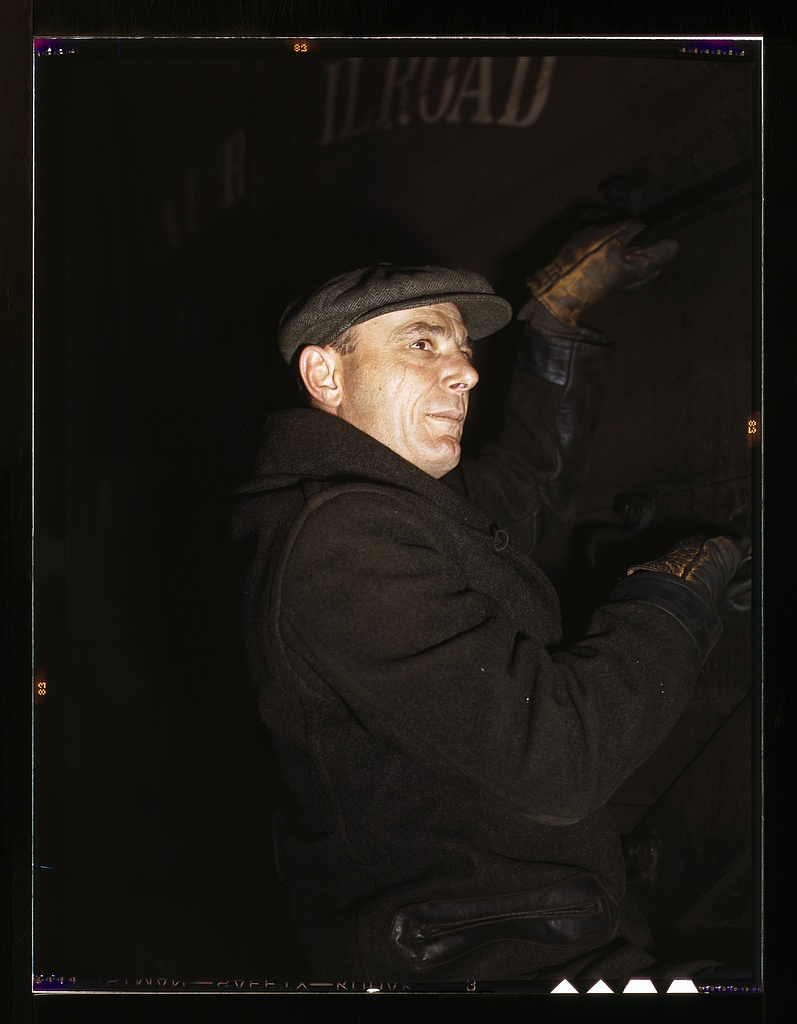
There was training, and there were rule books that men were examined on, but the practical craft of moving wagons was learned by doing it next to an experienced shunter for a long time.
That produced excellent practitioners and left almost no written record of how they actually judged what they judged.
Modern training is competence-based, assessed, recorded and periodically revalidated. The knowledge is now explicit and auditable, which is better for safety and leaves less room for the kind of individual mastery that could not be written down. Both halves of that sentence are true at once, and pretending otherwise is how nostalgia goes wrong.
15. Yards were everywhere, because freight went everywhere
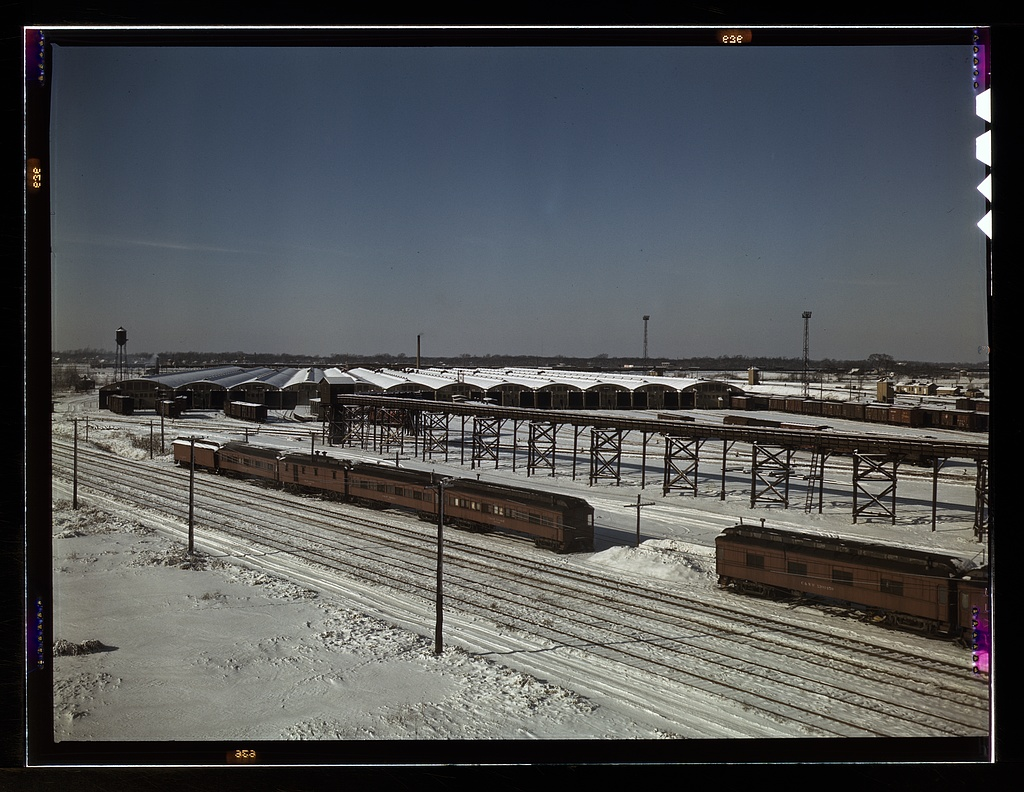
Almost every town of any size had a goods yard in 1960, handling coal, agricultural supplies, building materials and general merchandise in single wagons for local businesses.
That is why the shunting trade was so widespread: the network needed thousands of small sorting operations rather than a few large ones.
Single-wagon general freight on the railway has almost entirely ended, replaced by road haulage for distribution and by block trains for bulk. The yards closed, and in most towns the ground is now a car park or an estate.
16. The whole system assumed a man would be in the right place
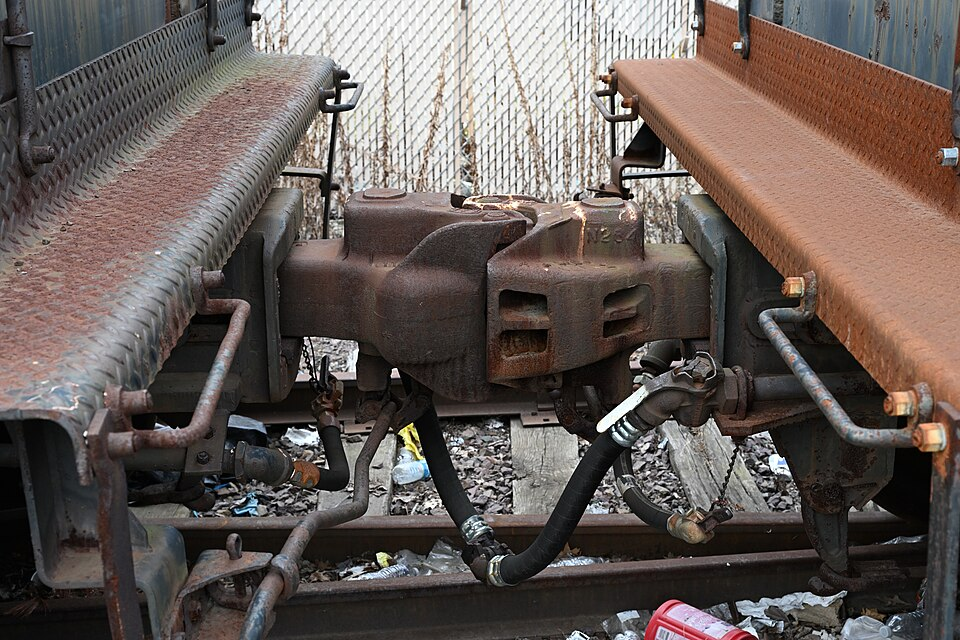
Everything about loose-coupled shunting — the pole, the hand signals, the brake levers, the judgement of momentum — assumed a competent person physically present at the point of action.
That is an efficient way to run a railway with abundant labour and no technology, and it is the reason the job demanded so much and was paid as a skilled grade.
The modern railway is built on the opposite assumption, that safety-critical outcomes should not depend on a person being in the right place at the right moment. That single reversal explains almost every difference on this list.
The one reversal behind all of it
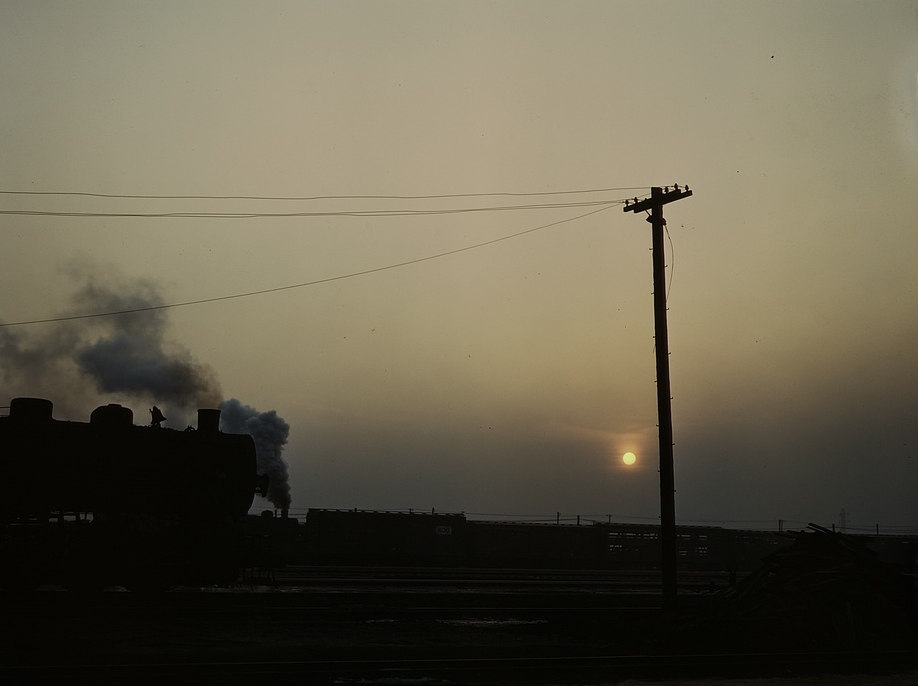
Every item here comes from a single change of assumption. The 1960 railway was designed on the basis that a skilled person would be physically present at the point of action and would judge correctly; the modern railway is designed on the basis that no safety-critical outcome should depend on that. Continuous brakes, radio, enforced protection and automated yards are all consequences of that one reversal rather than separate improvements.
The shunter’s craft was real and it was formidable. It was also a craft that existed because the equipment of the day gave him no alternative.
Like our content? Follow us for more.
