

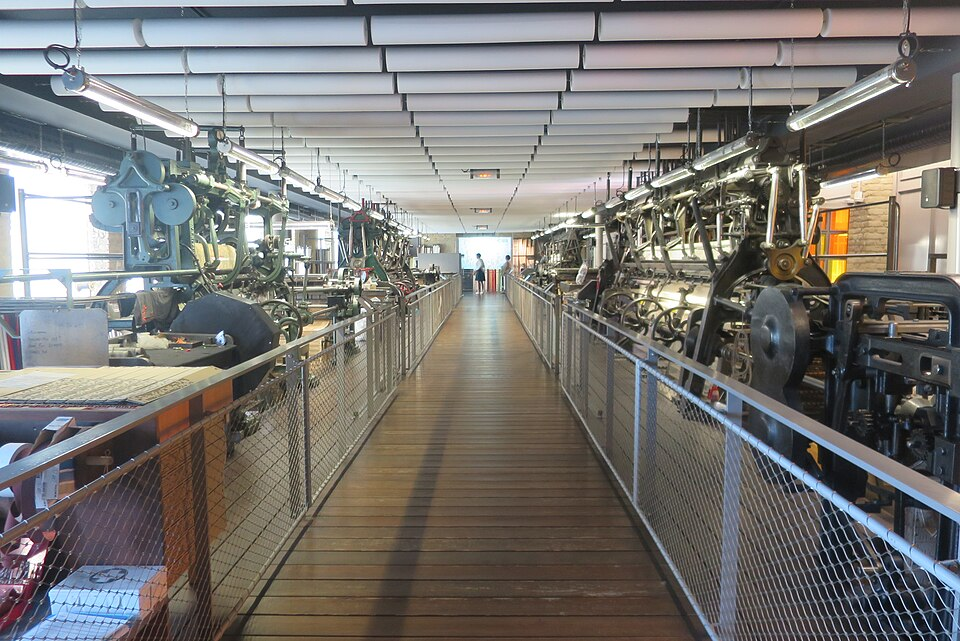
Lace in 1960 was made on nineteenth-century machines controlled by punched cards, threaded by hand over several days, and repaired afterwards by menders working with a needle. Here are sixteen things about that factory that have gone.
1. The machines were Victorian and still the best thing available
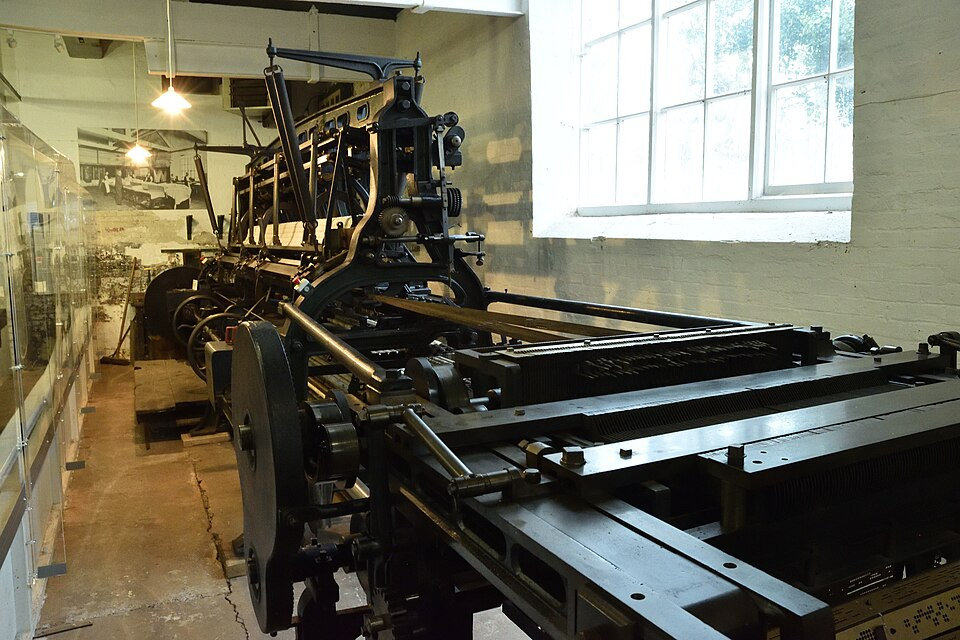
A 1960 lace factory ran Leavers machines, a design essentially fixed in the nineteenth century, some of them individually a hundred years old and still in daily production.
That was not sentiment. No later machine could produce the same range of patterns at the same quality, so the old machines kept working because nothing had superseded them.
Modern lace production is dominated by warp-knitted Raschel machines and by electronically controlled jacquard equipment, which are faster, cheaper and far more flexible. Leavers machines still run for high-quality work and are now genuinely scarce, maintained by people who know them individually. Each machine also acquires its own character over a working century, with settings and allowances that apply to that machine and no other. A twisthand moving to a different machine of the same type expected to spend time learning it.
Like our content? Follow us for more.
2. The pattern was held in punched Jacquard cards, by the thousand
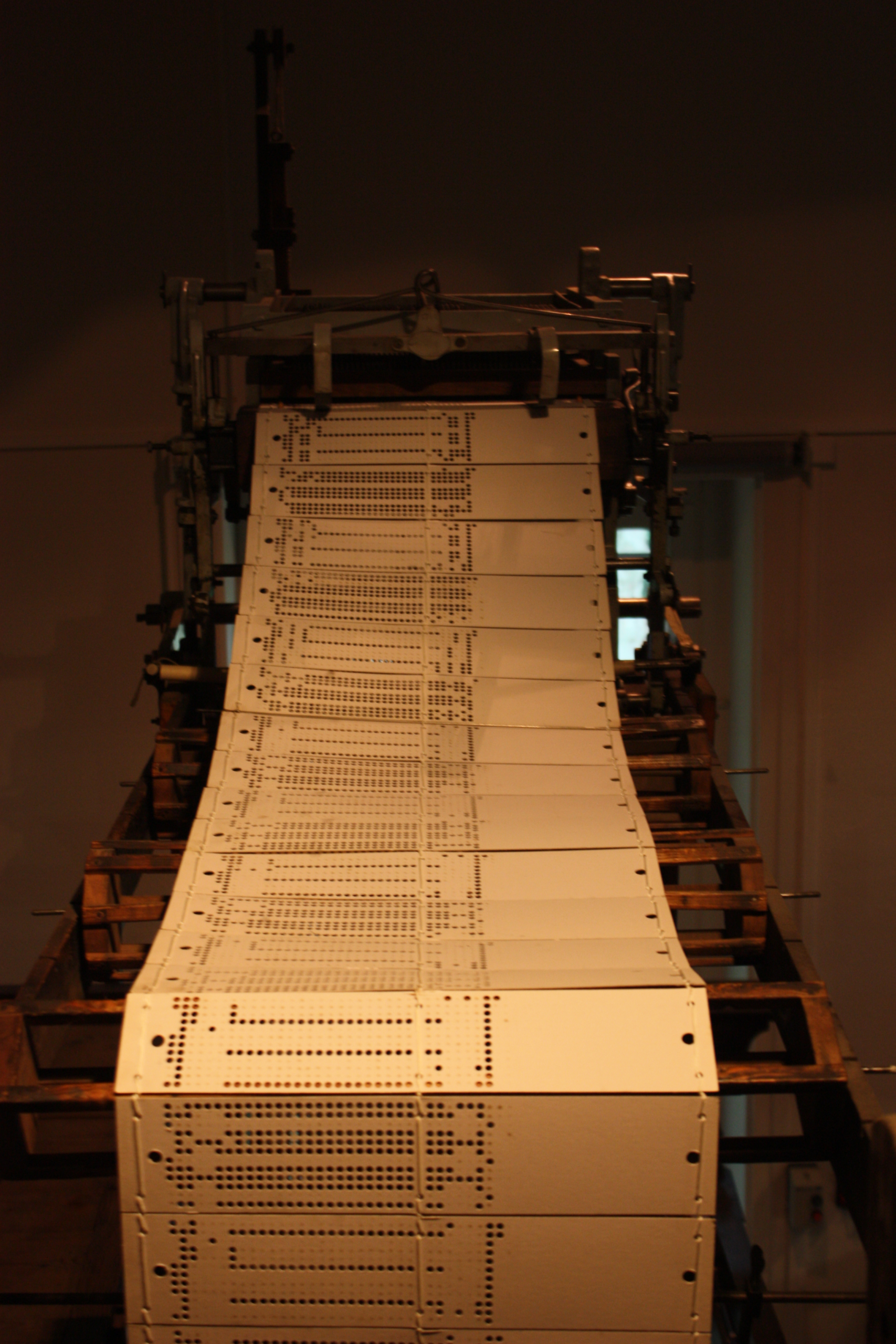
A Leavers lace pattern was controlled by a chain of punched cards, each card setting one row of the design, with a large pattern running to thousands of cards weighing a considerable amount.
Preparing those cards was a separate skilled trade, and a mistake in one card produced a fault repeated in every single repeat of the pattern.
Designs are now held digitally and loaded electronically, which means a correction takes a moment and a new design does not require a physical object to be made. The card chains that survive are museum pieces and a few are still in use. The weight is not a detail: a large chain was a physical object two people lifted, and storing the pattern library of a factory meant storing a great deal of punched cardboard.
3. A draughtsman drew the design on point paper, square by square
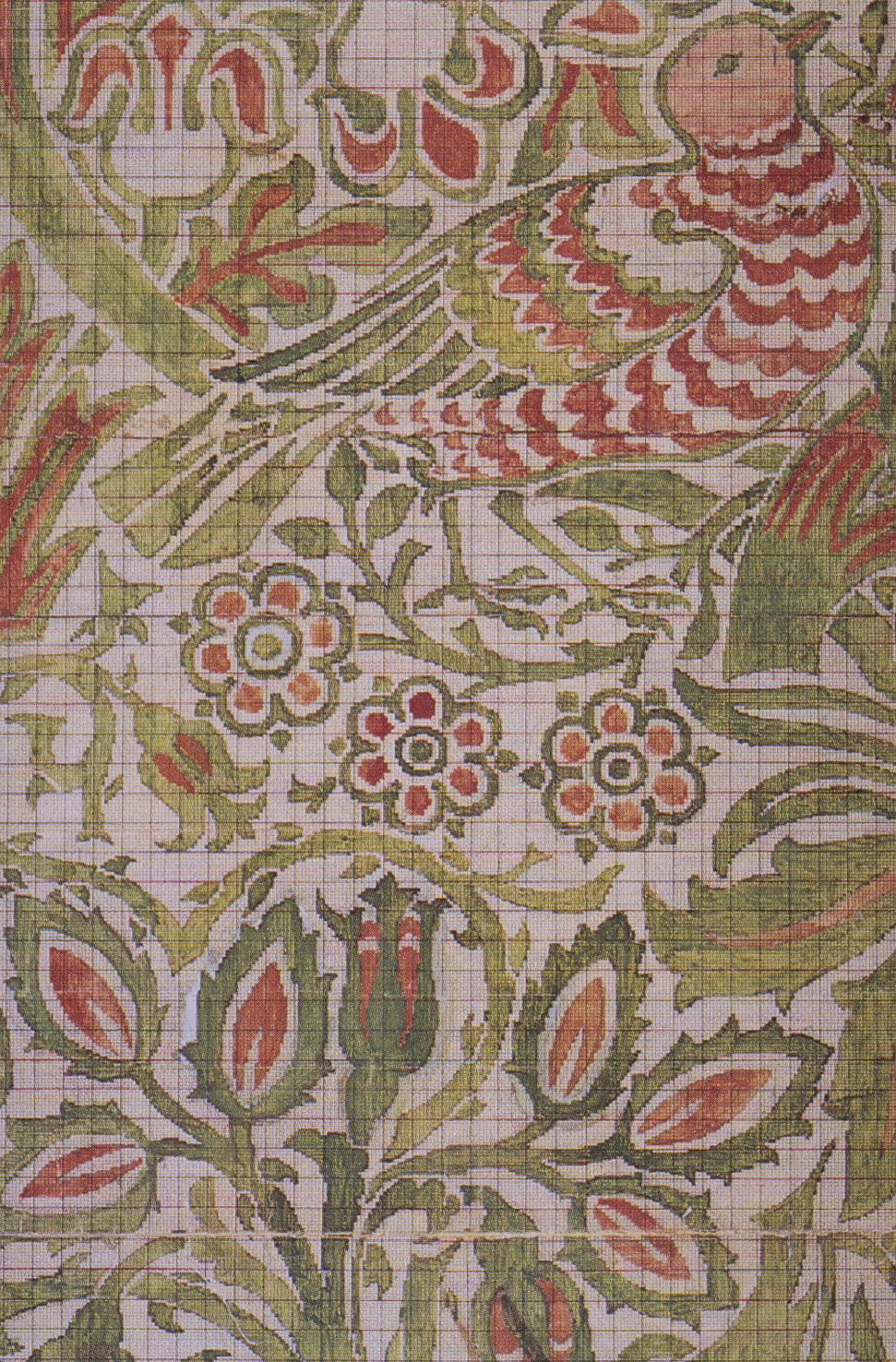
Before a card could be punched, the design had to be translated onto point paper, a specially ruled grid where every square represents one thread movement.
That translation was the real design skill: converting a drawn motif into something the machine could actually execute, within the limits of what the threads could do.
Computer-aided design now handles the translation, with the software enforcing the machine’s constraints automatically and showing a simulation before anything is made. The understanding of what the machine can do has moved from a person’s head into a program. That is a real gain in speed and a real loss in the kind of design that comes from somebody pushing at a limit they understand from the inside.
4. The machine took days to set up and was not changed lightly
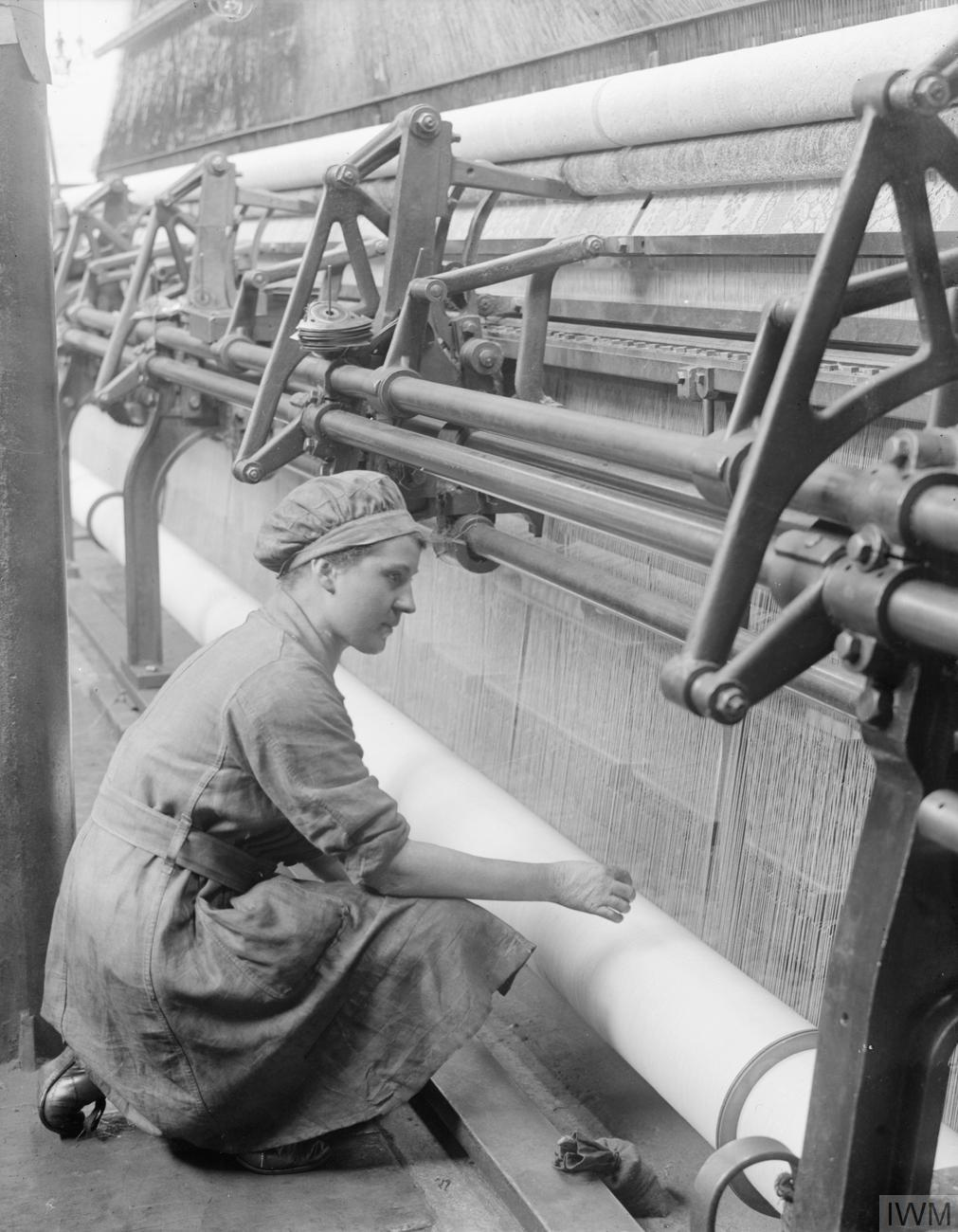
Changing a Leavers machine from one pattern to another meant rethreading, changing the card chain and setting up thousands of individual threads, a job measured in days rather than hours.
That made long runs essential and short runs commercially impossible, so a machine stayed on one pattern for as long as the order book allowed.
Modern electronic machines change pattern in minutes with no physical rethreading for a related design. Short runs, sampling and rapid response to fashion became possible, which transformed the whole commercial logic of the trade. It also removed the protection that slowness gave the established firms, since a competitor could now sample against them in a week.
5. Threading up was done by hand, thread by thread
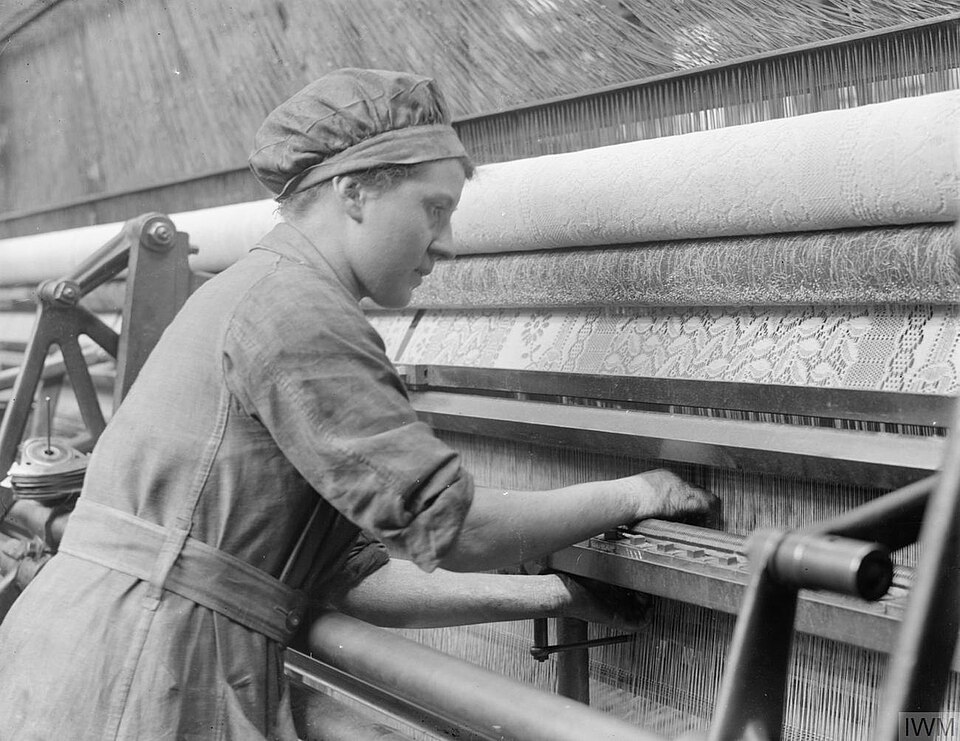
A Leavers machine carries thousands of threads from beams and bobbins through guides and into the working parts, and every one of them was placed by hand.
Threaders worked in pairs or teams, for days, in a job that demanded sustained precision with no interest in it whatever.
Automatic threading and warp-knitting construction removed most of the operation. Where Leavers machines still run, threading is still done by hand and is one of the reasons the surviving trade is so expensive. Threaders were and are a distinct group within the workforce, and the job is usually described as the least interesting skilled work in textiles.
6. The factory was deafening and nobody wore protection
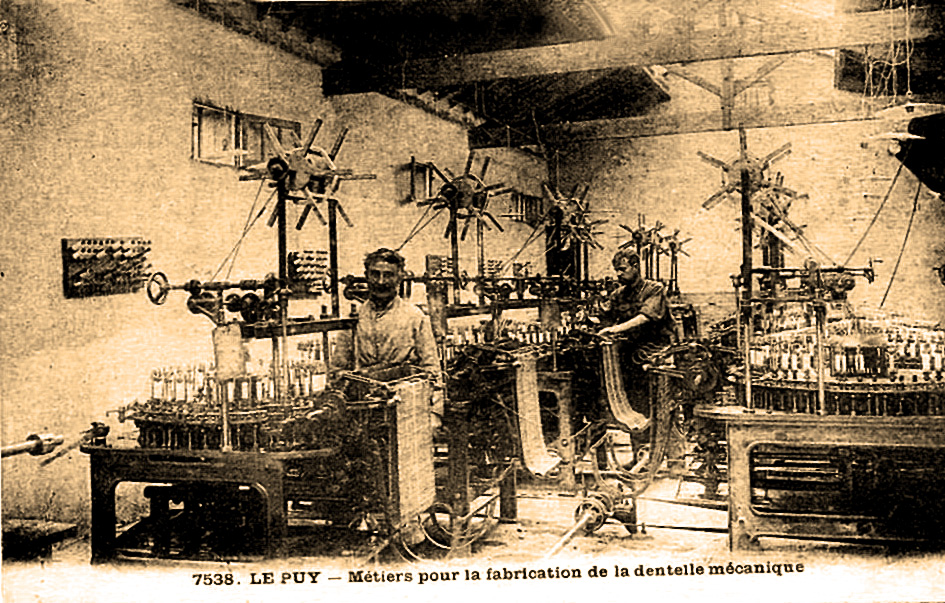
A lace factory running dozens of Leavers machines was extremely loud — heavy metal machinery with reciprocating parts, all of it running at once in a hard-surfaced building.
In 1960 hearing protection was not provided, not expected and in many places not available, and the workforce simply became accustomed to the noise.
Noise at work is now a regulated exposure with assessment, limits, mandatory protection, engineering controls and hearing surveillance. It is one of the clearest and least disputed improvements in any factory trade. Workers from that era often say the first thing they noticed on a modern factory floor was being able to talk.
7. Oil was everywhere, because the machines needed it constantly
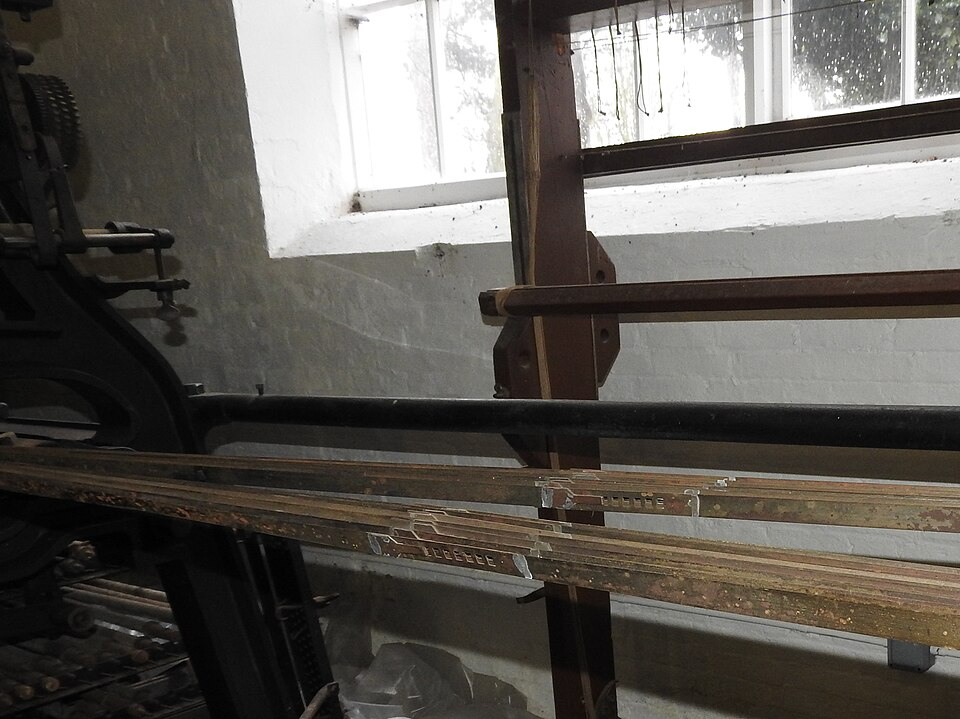
Leavers machines run on a great many lubricated moving parts and were oiled continuously, which meant oil on the machine, on the floor, on the work and on everybody.
Spotted lace — lace marked by machine oil — was a routine production fault and there was a whole finishing operation devoted to removing it.
Modern machines use sealed and centralised lubrication with far less loss, and the oils themselves are specified for textile contact. The floors are dry, which anybody who worked in the old mills finds the most startling single difference. Oil also made the floors a genuine problem underfoot, which is why so many accounts of old mills mention the way people walked.
8. Mending was a trade of its own, done by eye at a frame
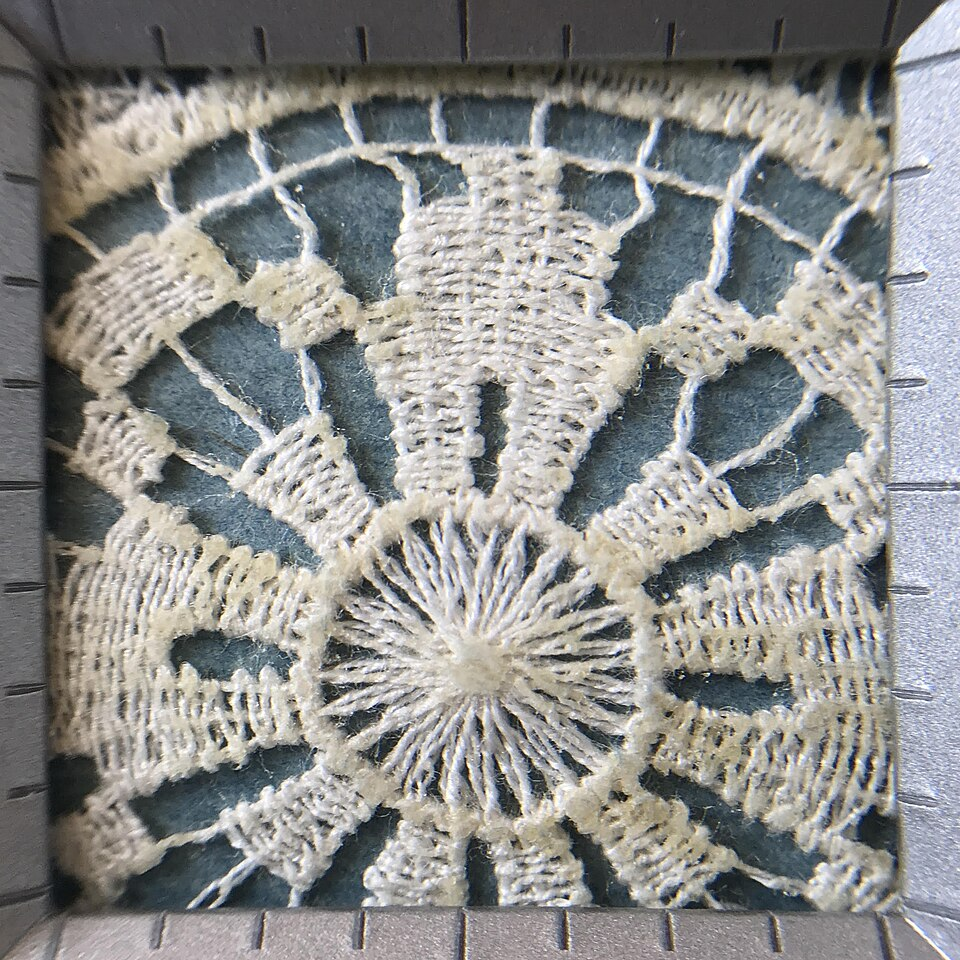
Lace comes off the machine with faults — dropped threads, broken ends, missed pattern — and every piece was inspected and repaired by menders working at a frame with a needle, matching the structure of the lace by hand.
It was close, extremely skilled work paid by the piece, and a good mender’s repair was undetectable.
Automatic fault detection and better machine control reduced the fault rate substantially, and much lower-grade lace is now simply sold with faults or cut around them. Hand mending survives at the top of the market and the skill is scarce. A mender working at a frame is also one of the few textile jobs where the worker sees and judges the whole piece rather than a stage of it.
9. Why American lace production took a different route
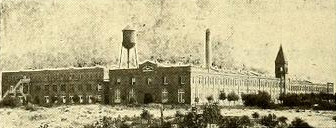
Lace manufacture in the United States was concentrated in a small number of centres and was substantially built by machines and skilled workers brought from the English trade, which gave it the same technology and a different market.
That market was larger, more price-sensitive and faster-moving, which pushed American production towards volume, towards simpler constructions and towards earlier adoption of knitted lace.
American Leavers production had largely gone by the later twentieth century, with the remaining domestic industry concentrated in knitted and embroidered constructions. Most lace sold in the United States is now imported. The movement of machines and skilled workers across the Atlantic is itself a substantial piece of industrial history, and it ran in both directions over the years.
10. Lace was finished by hand, including the dressing and drying
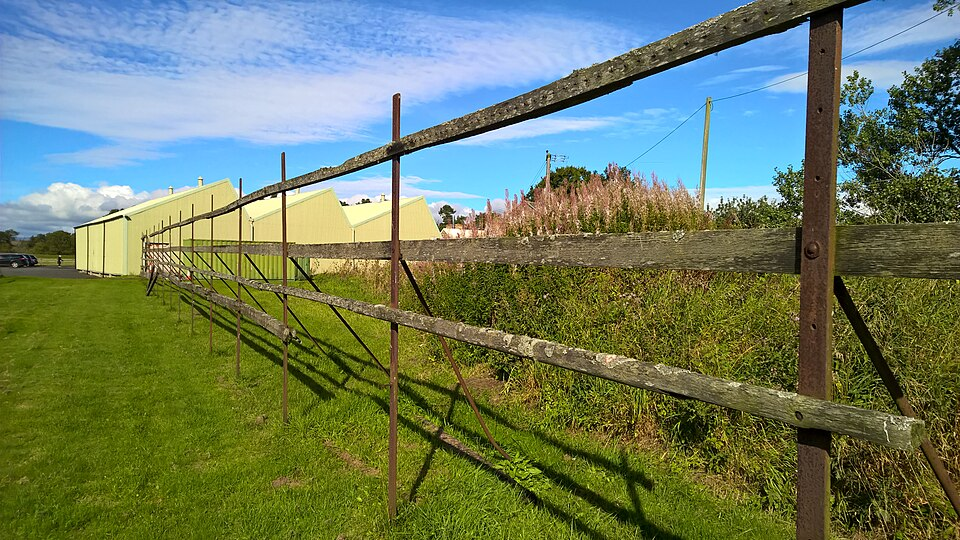
After mending, lace was scoured, dyed or bleached, dressed with a finish and dried under tension on frames to set its dimensions and handle.
Much of that handling was manual, with lengths of delicate fabric carried, pinned and stretched by people in a wet environment.
Continuous finishing ranges with controlled tension, temperature and chemistry do the whole sequence mechanically now. The result is far more consistent and the specific hand knowledge of how a particular lace would behave in finishing has largely gone. Finishing is where a lace acquires its handle, and two identically woven pieces finished differently are different products commercially.
11. Drafting and separating were done with scissors
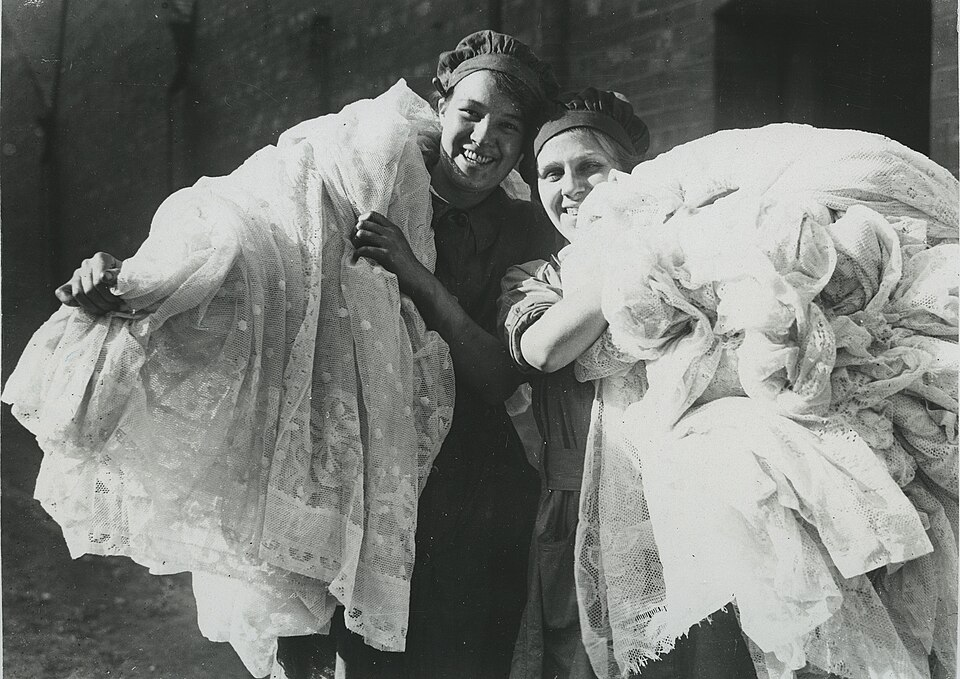
Leavers lace is made as a wide sheet of many narrow widths joined by a few threads, and the individual widths were separated afterwards by hand, by drawing out the joining threads.
That was done by women and girls working with scissors and needles, often as outwork at home, and it was an enormous employer of part-time labour.
Mechanical separation and laser cutting handle it in the factory now. The homeworking arrangement has gone entirely, together with the economy of a town where a large part of the work happened in front rooms. Whole districts were organised around that arrangement, with work collected and returned on a weekly cycle.
12. The trade’s knowledge was almost entirely undocumented
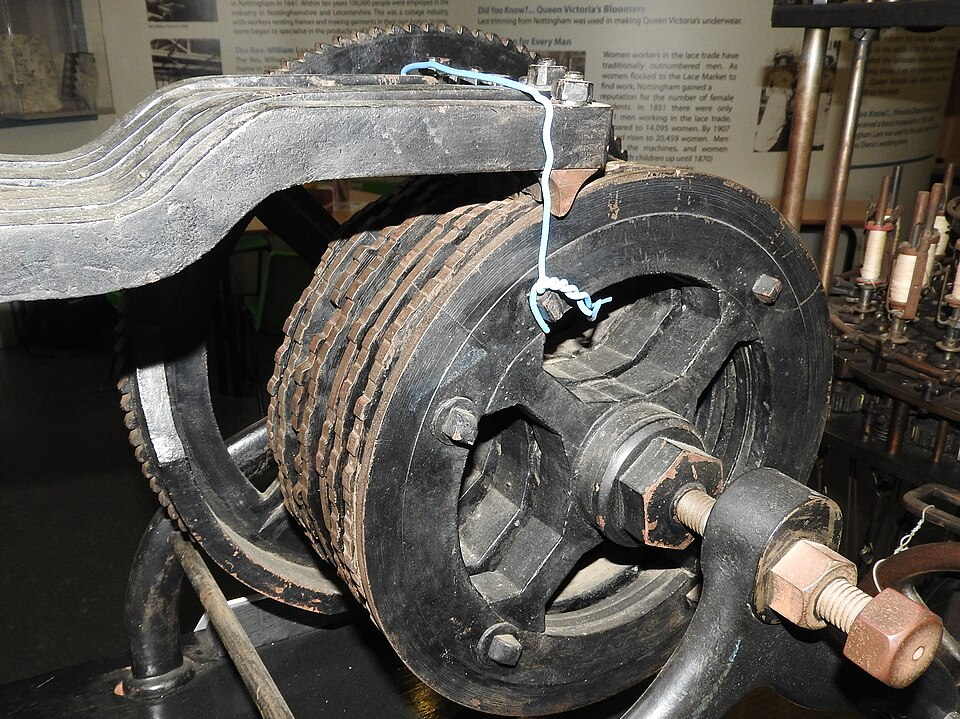
How to set a particular machine, correct a particular fault or get a particular effect was held by individual tacklers and twisthands and passed on by working alongside them.
That produced extraordinary practical mastery and left almost no written record, which is why restoring a Leavers machine now is partly an exercise in archaeology.
Modern machine knowledge is documented, supported by manufacturers and transferable between sites. Where Leavers machines survive, the knowledge gap is the binding constraint, and the people who have it are typically close to retirement. Several firms now record their own tacklers on video, which is a sensible response and a long way from a maintenance manual.
13. Fashion changed slowly enough for the machines to keep up
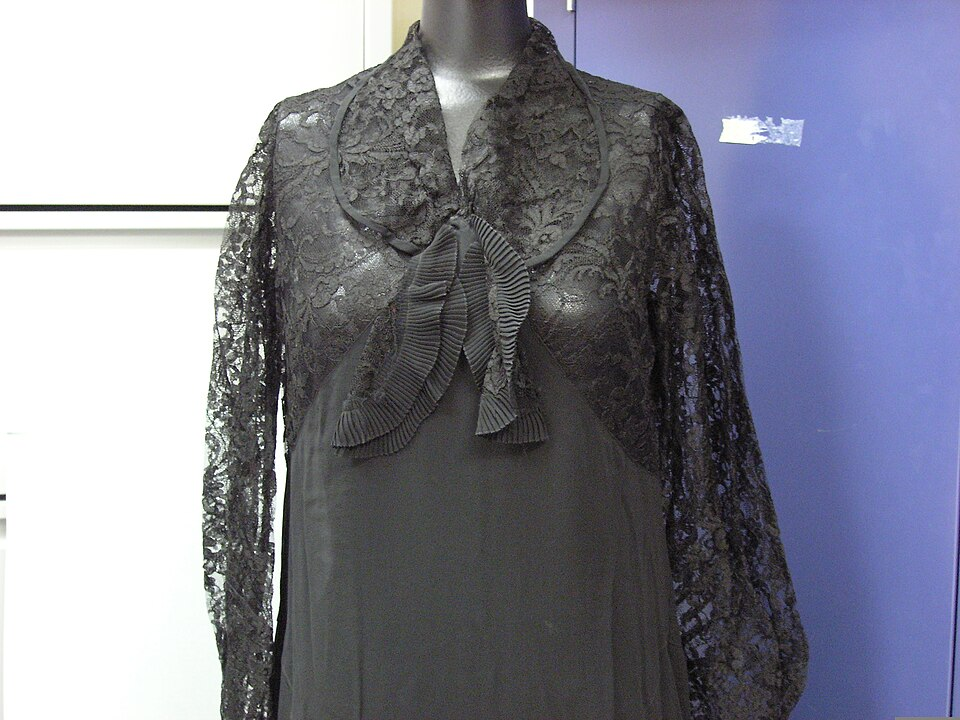
A trade that needs days to change pattern can only survive in a market where designs stay in demand for seasons, and in 1960 that was broadly true of lace for lingerie, bridal, curtaining and dress trimming.
Long production runs and stable designs were the commercial foundation of the whole industry.
Fast fashion cycles made that impossible, which is the real reason the Leavers trade contracted rather than any failure of the product. The machines did not become worse; the market became incompatible with them. That is worth separating out, because the usual story of a lost trade assumes the product was beaten on quality, and here it was not.
14. Designs were protected by registration and copied anyway
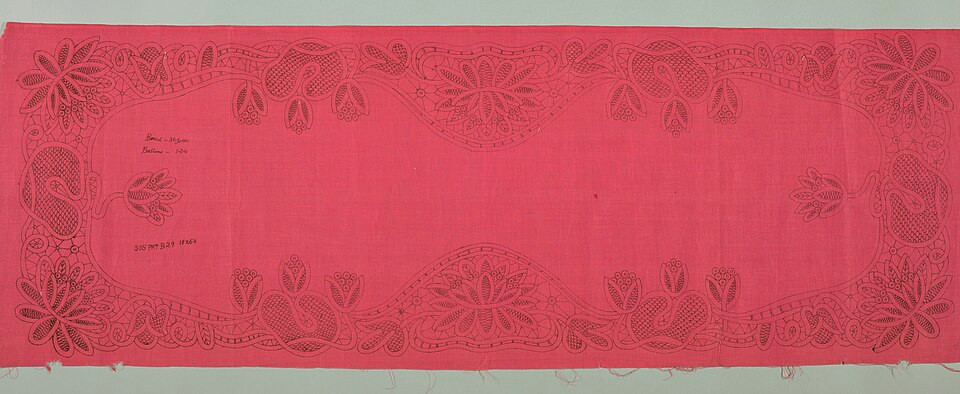
Lace designs were registered and the trade took design piracy extremely seriously, because a successful pattern was a company’s entire asset and copying it was straightforward for anybody with a machine.
Enforcement was slow, expensive and frequently futile, particularly across borders.
Design rights are now stronger, better harmonised internationally and supported by digital records of creation. Copying is also faster and easier than it has ever been, so it is not obvious that the net position has improved. Designers in the trade will say that the only reliable protection was always being first and being quick.
15. The work was divided strictly by Gender and the division was not questioned
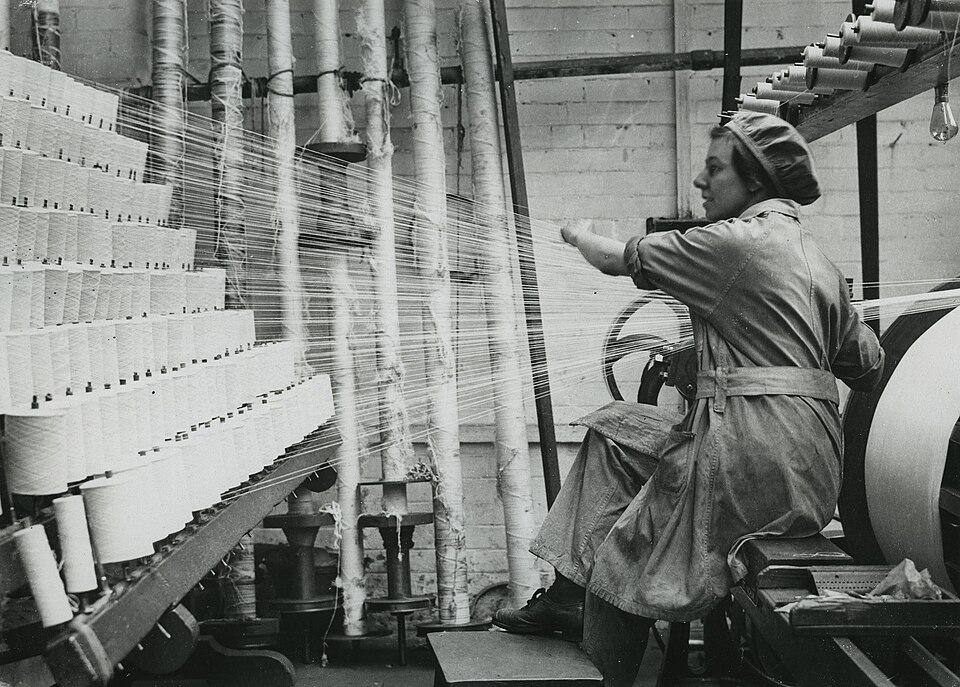
Twisthands, who ran the machines, were men; menders, drafters, inspectors and finishers were overwhelmingly women; and the pay and status attached to those roles followed the division.
That was standard across the textile industries and in 1960 was not treated as a matter requiring justification.
Equal pay legislation and the removal of formal job segregation changed the structure of the industry, and modern textile plants assign work by skill and qualification. It is a change the industry made because it was required to, which is worth stating accurately. The pay differential was the substance of it, and it took legislation rather than persuasion to close.
16. The lace itself was expected to last a lifetime
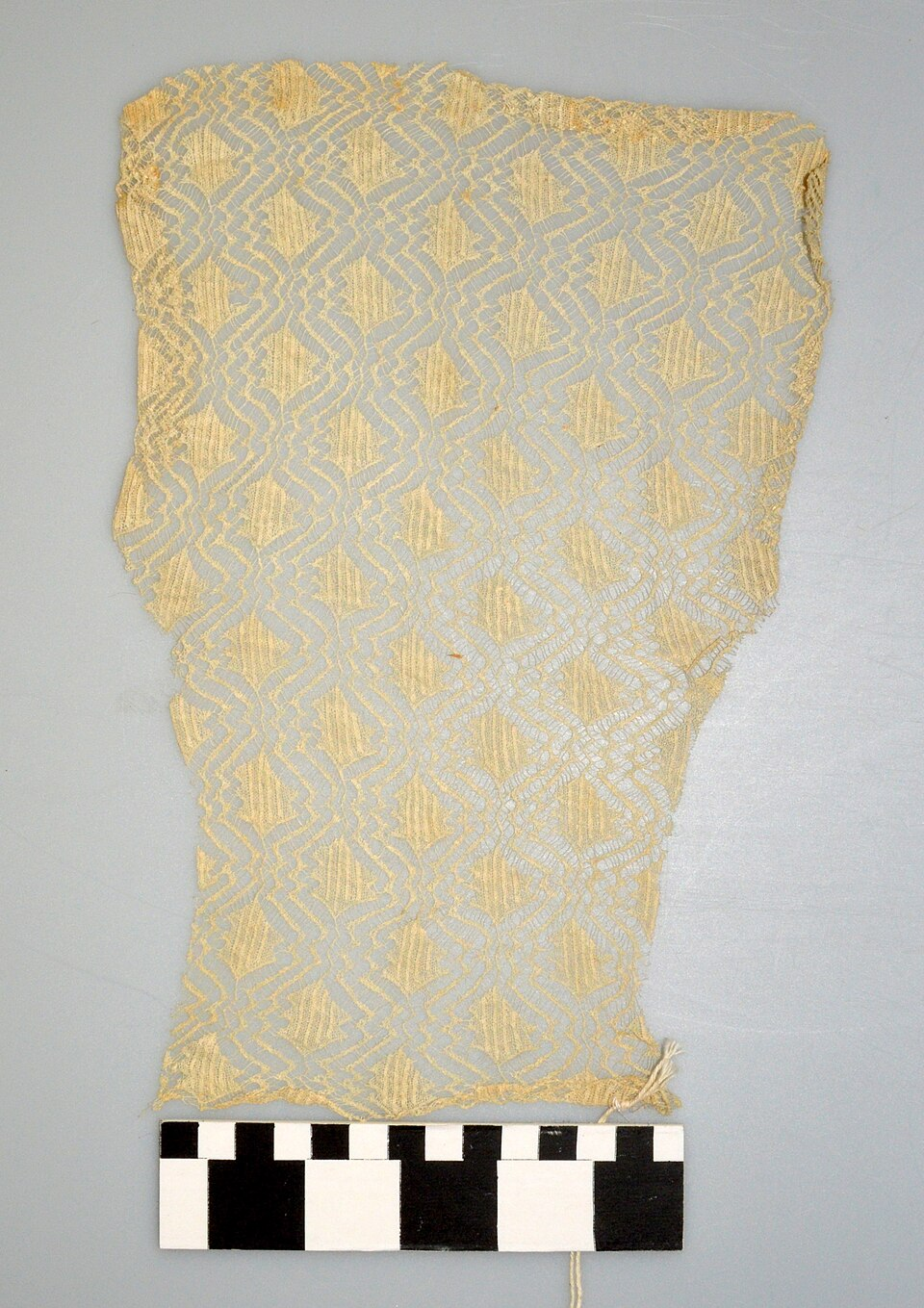
Good Leavers lace was bought for garments, veils and furnishings that were kept, repaired and handed on, and the quality of the lace was judged on whether it would survive that.
That expectation justified the cost of the machine time, the mending and the hand finishing.
Most lace sold now is a trim on a garment with a short expected life, produced to a price on knitting machines. Leavers lace survives precisely in the markets where longevity still matters, which is a small fraction of what it once was. Bridal work is the clearest surviving case, for the obvious reason that it is one of the few garments still expected to be kept.
The one thing that finished the trade

Not the machines and not the product. It was the speed of the market. A Leavers machine takes days to change pattern and therefore needs a buyer whose designs stay in demand for seasons, and the clothing trade stopped being that buyer. Everything that replaced it — knitted lace, electronic jacquard, digital design, minute-long pattern changes — was built to serve a market that changes its mind faster than a Leavers machine can be rethreaded.
The surviving Leavers machines are not kept running out of nostalgia. They are kept running because for a certain quality of lace, nobody has built anything better in a hundred and fifty years.
Like our content? Follow us for more.
