A loom shuttle was thrown across a loom thousands of times an hour, and an entire woodworking trade existed to supply them. Here are sixteen things about it that shuttleless weaving made pointless.
1. A loom shuttle is a wooden projectile and it was made by a separate trade
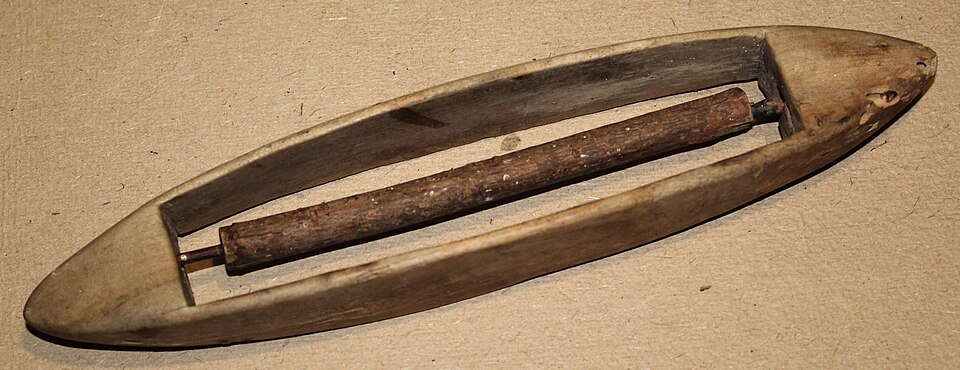
A weaving shed’s looms each threw a shuttle across the warp thousands of times an hour, and the shuttle was a shaped piece of dense hardwood carrying a bobbin of thread with metal tips at each end.
It was a consumable component, not part of the loom, and the mills bought them from specialist shuttle makers who made nothing else.
So an entire woodworking trade existed to supply a part that spent its life being thrown, caught and thrown back. Modern weaving machines mostly have no shuttle at all: the thread is carried by a jet of air or water, by a small gripper, or by a rapier, and the trade that made the wooden ones has no product.
Like our content? Follow us for more.
2. The wood had to be dense, stable and able to take abuse indefinitely
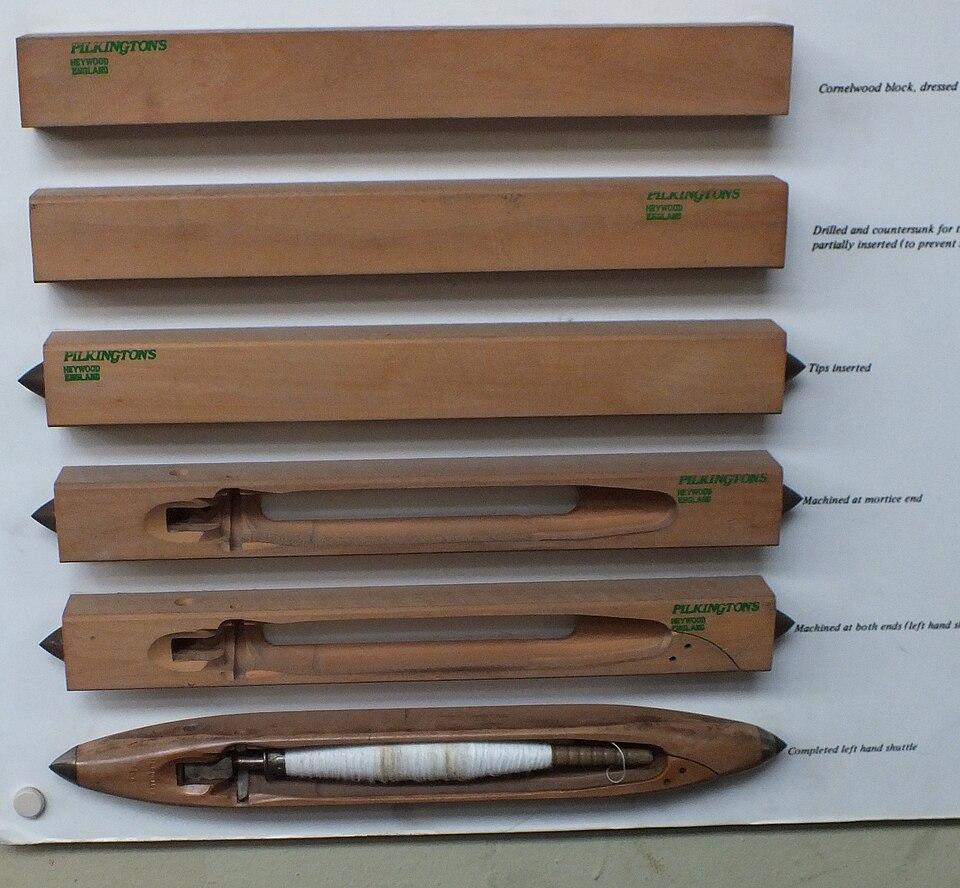
Shuttles were made from very dense, close-grained hardwoods, with persimmon, cornel, boxwood, hornbeam and dogwood among those used, selected for hardness, resistance to splitting and dimensional stability.
The requirement is unusual: the piece must survive millions of impacts, must not swell or shrink enough to change its path, and must stay smooth because a rough shuttle snags thread.
So wood selection was the first skill, and shuttle makers bought timber by inspection and seasoned it for a long time before touching it. Composite and synthetic shuttles later replaced wood where shuttles survived at all, and the properties the old makers chose timber by — hardness, stability, surface finish — are now specified numerically in a material datasheet.
3. Seasoning took years and could not be hurried
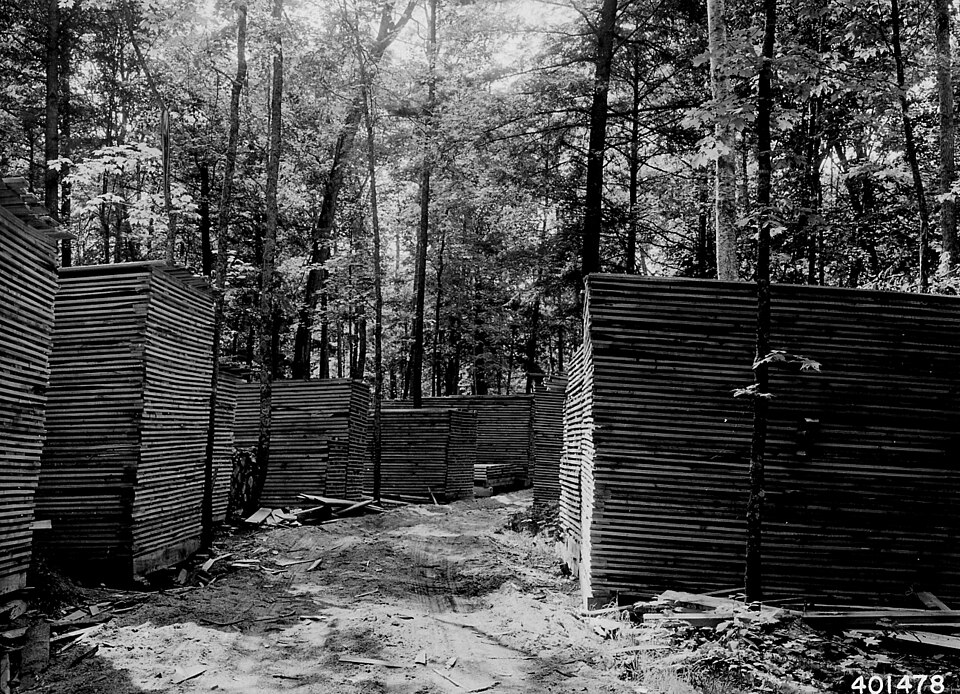
Shuttle blanks were air-dried for a long period, often years, because a shuttle made from timber that had not finished moving would warp in service and would be scrapped.
That meant a shuttle works carried an enormous stock of wood at various stages, which is capital sitting in a yard doing nothing visible.
It also meant the business could not respond quickly to demand: the wood for next year’s shuttles had to have been bought several years earlier. Kiln drying to a measured moisture content now does in weeks what air drying did in years, with the result verified by meter rather than by a foreman’s judgement and the stock holding reduced accordingly.
4. The shape was a compromise between speed, capacity and the warp
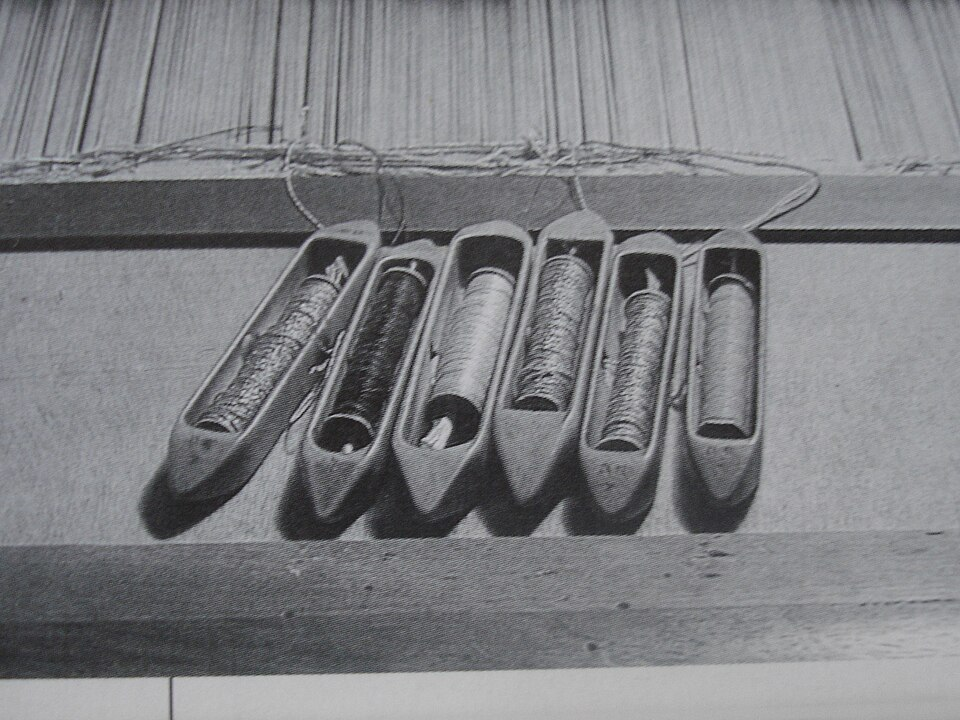
A shuttle has to hold enough thread to be worth the trip, be light enough to throw, be slim enough to pass through the warp shed without touching the threads, and be shaped so it runs true.
Those requirements fight each other, and the resolution differed by loom type, by cloth and by mill, so shuttle makers worked to a large number of patterns rather than one.
A mill ordering shuttles specified the loom, the race, the box and the cloth, and expected the maker to know what that meant. Shuttleless weaving removed the constraint entirely, because a gripper or a jet carries thread through the shed without a body that has to fit it, which is why modern machines weave faster than any shuttle loom ever could.
5. The tips were metal and they were a separate problem

Each end of a shuttle carried a metal tip, usually steel, because a bare wooden point driven into a box thousands of times an hour would destroy itself.
Fitting tips was precise work: the tip had to be concentric, firmly held and exactly the right profile, because an off-centre tip makes the shuttle run badly and a loose one comes off inside a loom.
Tips were replaceable, and retipping worn shuttles was a steady part of the trade’s business. Where shuttles persist in specialist weaving they are bought as finished items with specified tips, and the replaceable-component economy of retipping and refitting has largely gone with the general trade.
6. The eye and the thread path were the part that mattered most
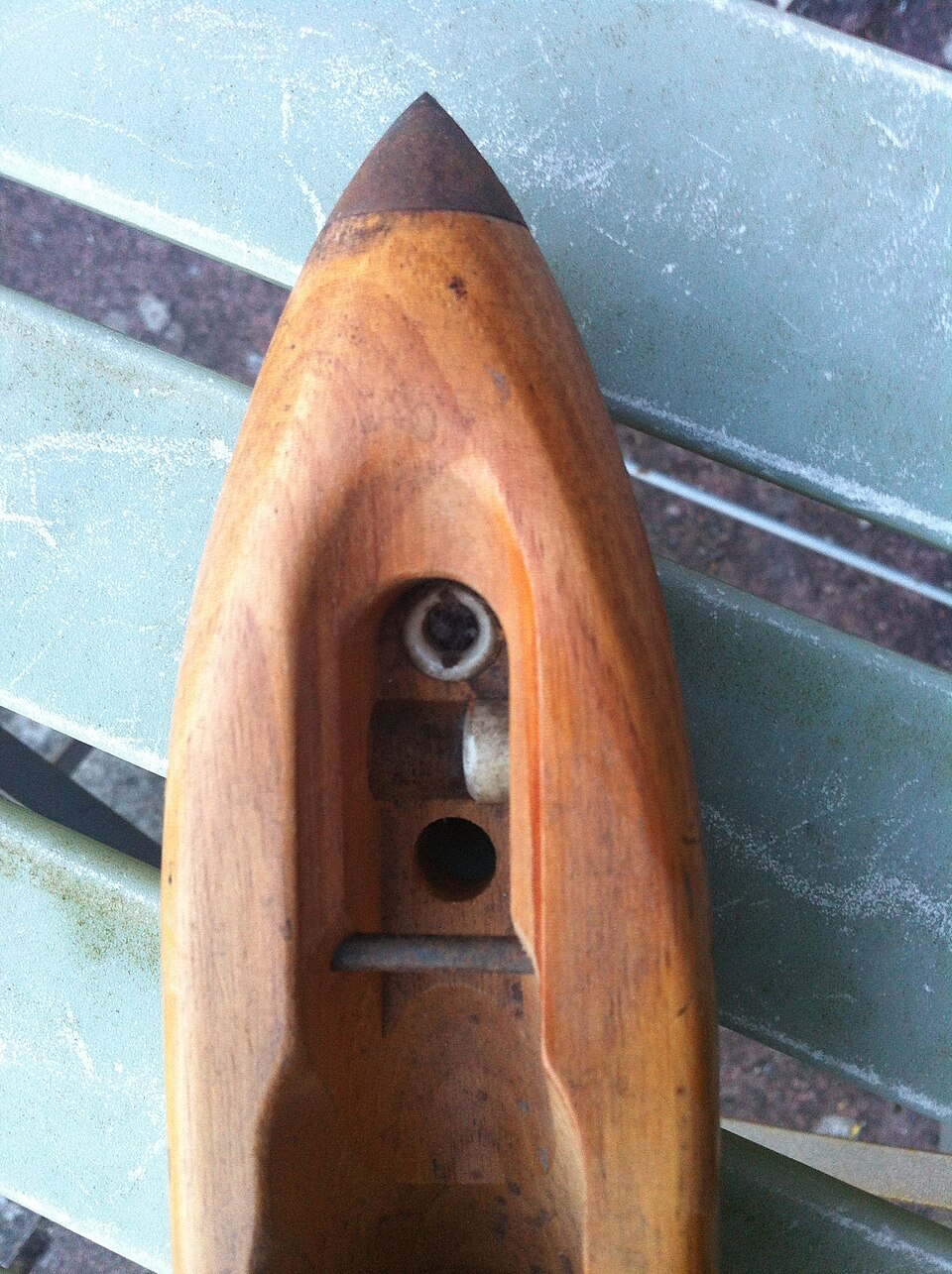
The thread leaves the bobbin inside the shuttle and passes out through an eye, and everything about that path — its shape, its smoothness, its position — determines whether the thread runs freely or drags, snags and breaks.
So the eye was finished with great care, often with a hardened or porcelain insert, because a worn eye starts cutting thread and a mill will not tolerate that.
Weavers knew a bad shuttle immediately, and a shuttle works that supplied bad ones lost the account. Modern thread-handling surfaces are made from engineered ceramics with specified hardness and finish, and the wear that used to be managed by replacing a worn insert is designed out.
7. Threading by mouth was once normal and was deliberately eliminated
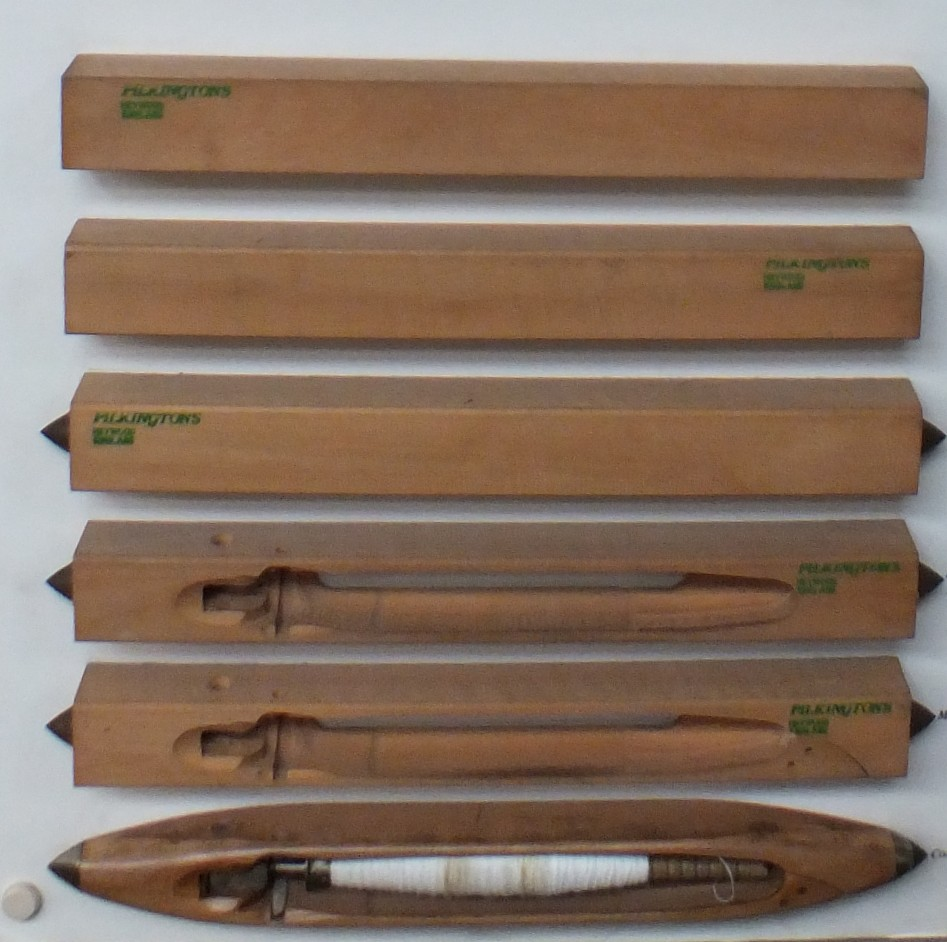
On older shuttles the thread had to be drawn through the eye, and the quickest way to do it was with the mouth, a practice which was widespread in weaving sheds for a long time.
It was recognised as unacceptable and was eliminated by design: self-threading shuttles, which allow the thread to be pulled into place without contact, replaced hand-threaded ones, and mills converted.
Shuttle makers therefore spent part of the twentieth century producing a specific design change that existed to remove a practice rather than to improve performance. The modern position is that shared hand tools and anything involving contact in a workplace are governed by hygiene regulation and by control at source. This file names no disease, no condition and no outcome, and anybody dealing with workplace hygiene is governed by current regulation and competent advice.
8. A shuttle that left the loom was the reason guards exist
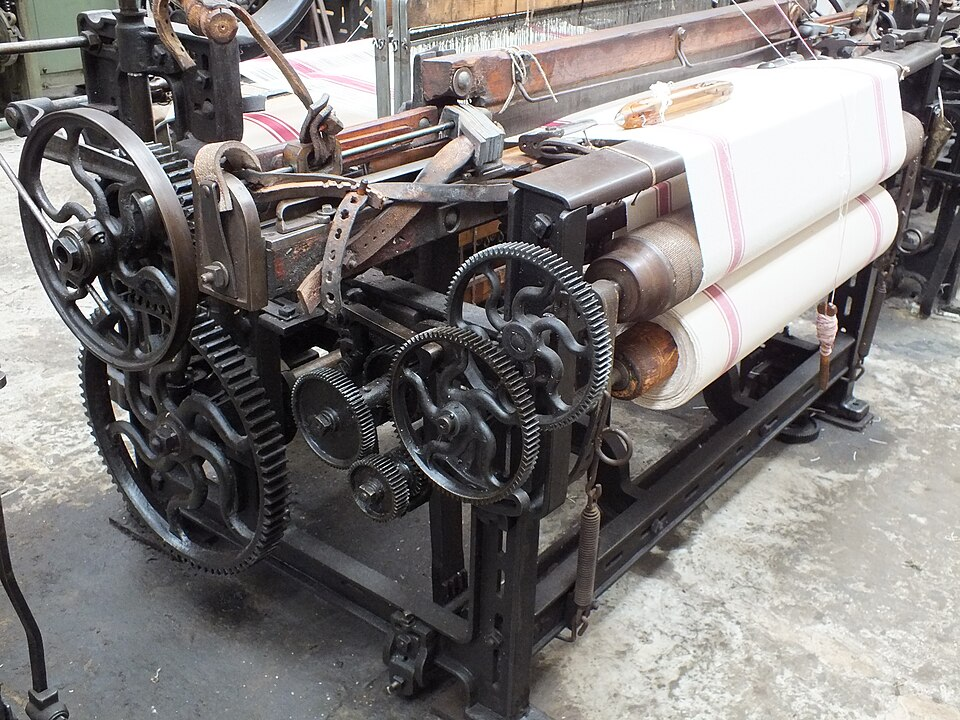
A shuttle is a dense object travelling fast, and if it leaves the loom’s race it goes somewhere, which is why shuttle looms were fitted with guards and why weaving sheds had rules about standing in the line of a loom.
The risk was understood and was managed by guarding, by maintenance of boxes and bindings, and by replacing shuttles before they were worn enough to misbehave.
So part of a shuttle maker’s job was supplying a product whose consistency was a safety matter as well as a quality one. Modern machine guarding is a legal requirement with defined standards, interlocks and inspection. This file describes no incident, in any period, and gives no figure, because the point is the control regime rather than anything that happened.
9. The heald and reed makers were the shuttle maker’s neighbours
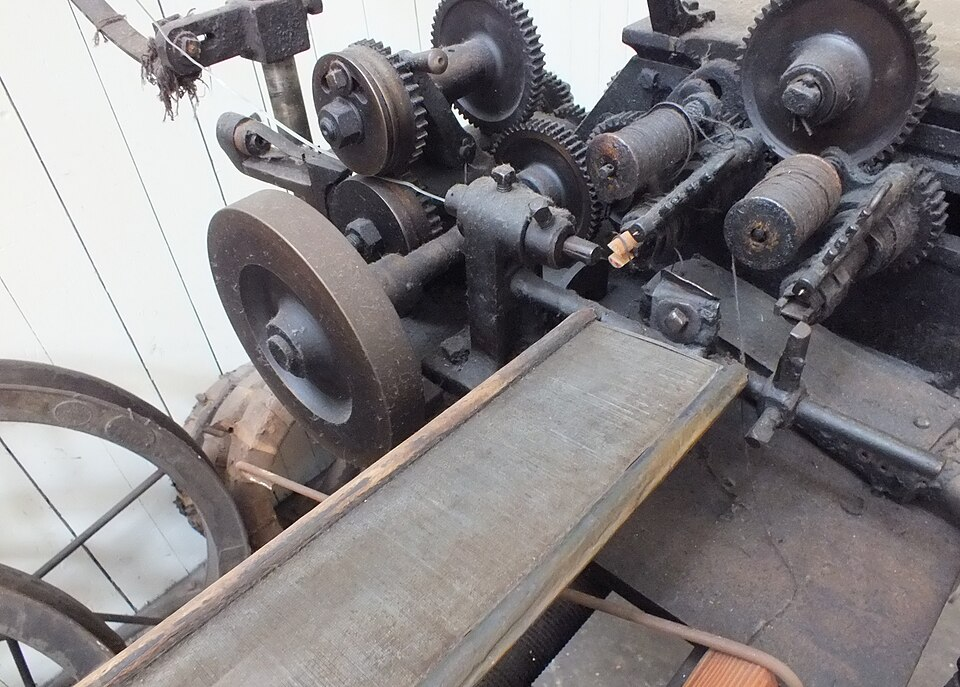
A loom also needs healds, the wires or cords that lift individual warp threads, and a reed, the comb that keeps the warp spaced and beats the weft home.
Both were made by their own specialist trades, with reed making in particular a precise job of setting flattened wires at an exact pitch in a frame.
So a weaving shed was supplied by a cluster of small trades, each making one loom component, none of them weaving anything. These components are now manufactured to tolerance by a small number of textile-machinery suppliers, and the local cluster of independent makers around a weaving district has gone.
10. Shuttles were repaired, not discarded, and that was a business
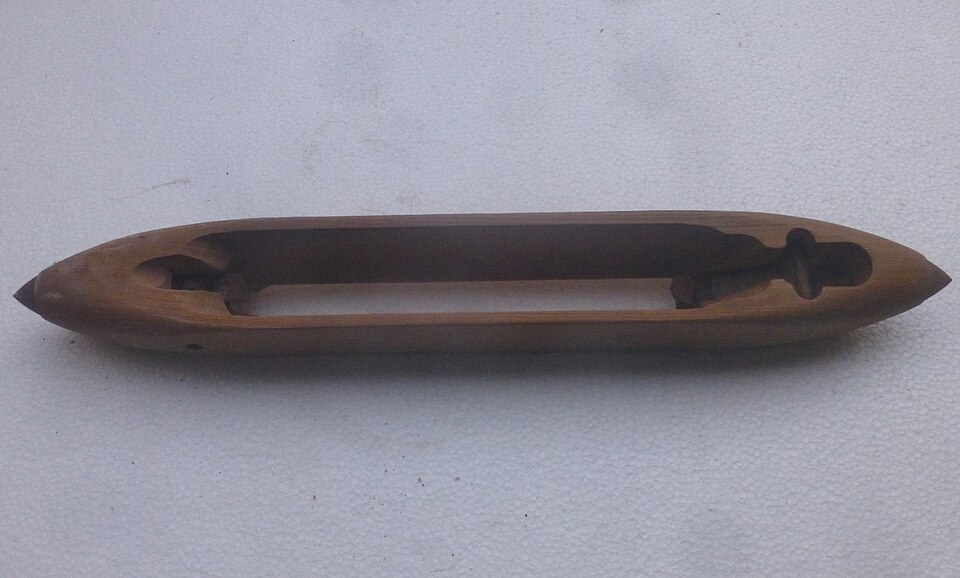
A worn shuttle could be retipped, its eye replaced, its surface made good and its shape corrected, and mills sent them back in quantity for exactly that.
Repair was a large part of the trade’s income and was done at a price well below a new shuttle, which is why it was worth doing.
It also meant the shuttle maker saw how shuttles failed, which fed back into how they were made. The repair-versus-replace line has moved decisively toward replacement across almost all components, because manufacture has become cheap relative to skilled labour. The feedback loop the repairers had is now an engineering function fed by data.
11. The trade was concentrated in weaving districts and depended on them entirely
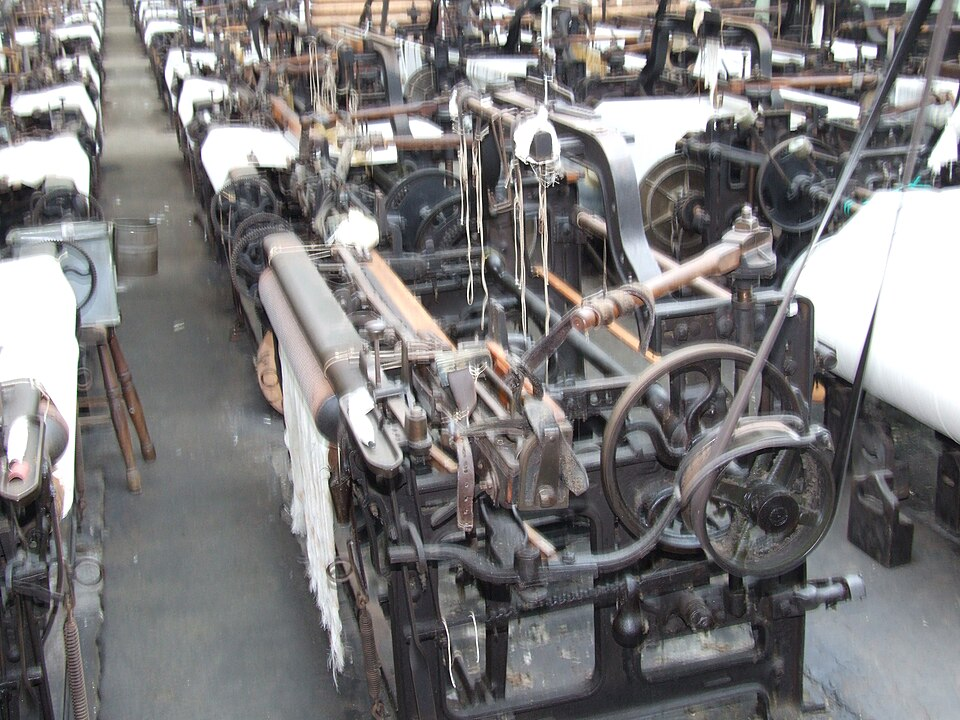
Shuttle works were located near the mills they supplied, because shuttles are bulky, frequently carried back and forth for repair, and sold on the basis of knowing the customer’s looms.
That gave a tight local relationship and a total dependency: a shuttle works in a weaving district had no other market.
When the mills closed, the shuttle works closed, not because of any failing of their own. Component supply is now global and a weaving machine anywhere is served from a handful of international suppliers, which is more reliable for the mill and removed the local trade entirely.
12. Making a shuttle was mostly machine work by 1960, and skilled machine work
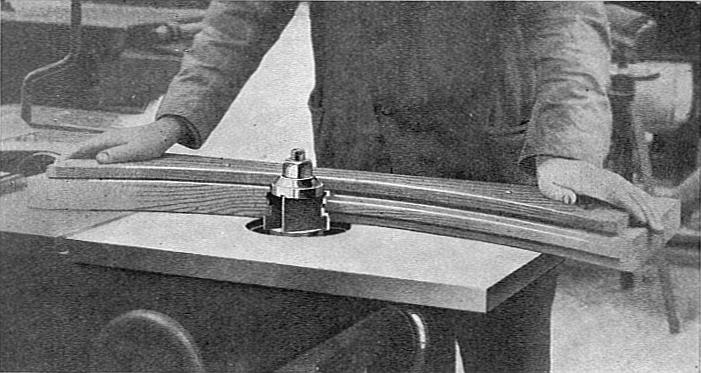
By 1960 shuttle making used shaping machines, borers and sanders rather than hand tools for most operations, which is what let a works turn out large numbers to a consistent pattern.
But the machines were set and run by men who knew what the shuttle had to do, and the judgement about timber, about finish and about when a pattern needed altering stayed human.
So the trade was an example of a craft that had industrialised without becoming unskilled. Numerically controlled machining would now hold the shape to a tolerance indefinitely, and the judgement that was carried in the setter’s head is carried in the program and the inspection record.
13. The dust was constant and it was hardwood dust
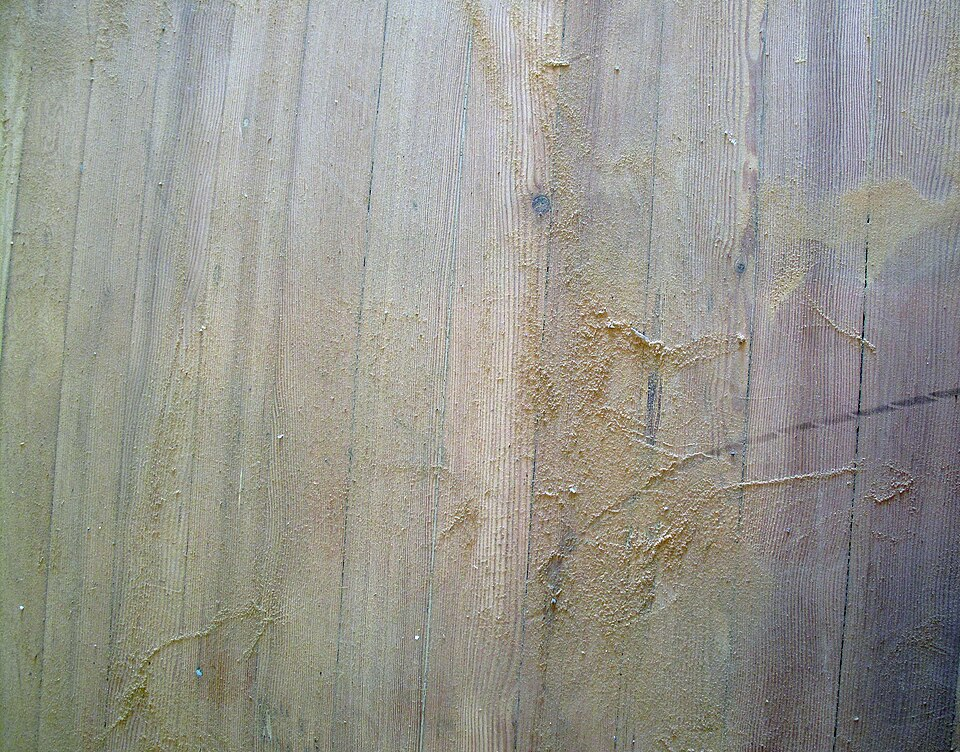
Shaping and sanding very dense hardwoods produces a great deal of fine dust, and a shuttle works did it all day in a confined building.
In 1960 that was managed, where it was managed, with extraction at the machines and sweeping, with considerable variation between works.
Hardwood dust is now a regulated occupational exposure with limits, mandatory local exhaust ventilation, enclosure where practicable, respiratory protection and health surveillance. This file names no disease, no exposure figure and no condition, and anybody working with wood dust is governed by current regulation and competent advice.
14. The shuttle’s speed set the loom’s limits, and that was the beginning of the end
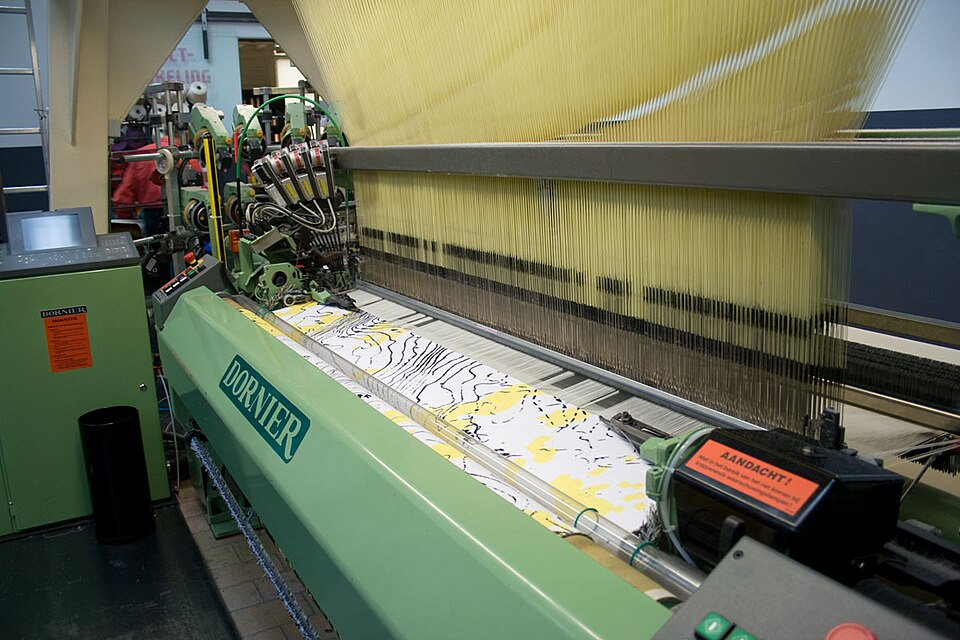
A shuttle loom cannot go faster than the shuttle can be accelerated, thrown, stopped and reversed, and every increase in speed increases the forces on the shuttle, the boxes and the loom.
So by the middle of the century the shuttle was the limiting component in weaving, and the industry’s engineers were working on how to weave without one.
Gripper, rapier, air-jet and water-jet weaving all answer the same question, which is how to get the weft across without throwing a lump of wood. Those machines weave several times faster than a shuttle loom and are quieter, and the conversion to them is the single reason the shuttle trade ended.
15. The noise of a weaving shed was the shuttles
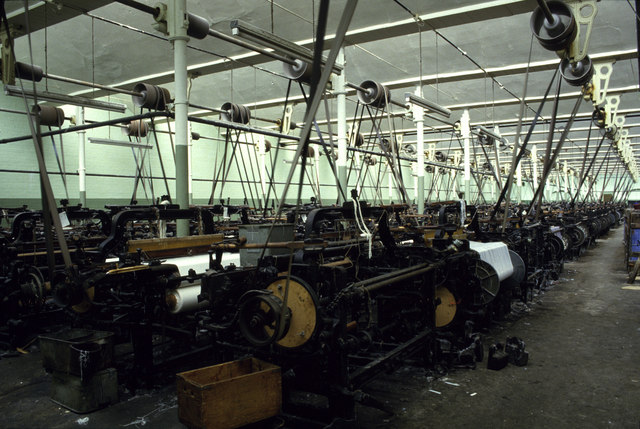
The characteristic deafening clatter of a weaving shed was very largely the sound of shuttles being thrown and caught in boxes, multiplied by hundreds of looms.
It was loud enough that weavers communicated by lip-reading and by signs, and the practice was general in weaving districts rather than remarkable.
Hearing protection was not routine in 1960 in most sheds, and noise was treated as a feature of the trade rather than a problem to solve. Workplace noise is now a regulated exposure with action levels, mandatory assessment, control at source, hearing protection and health surveillance, and shuttleless machines are substantially quieter at source. This file names no condition and gives no figure.
16. The shuttles outlasted the trade and became ornaments
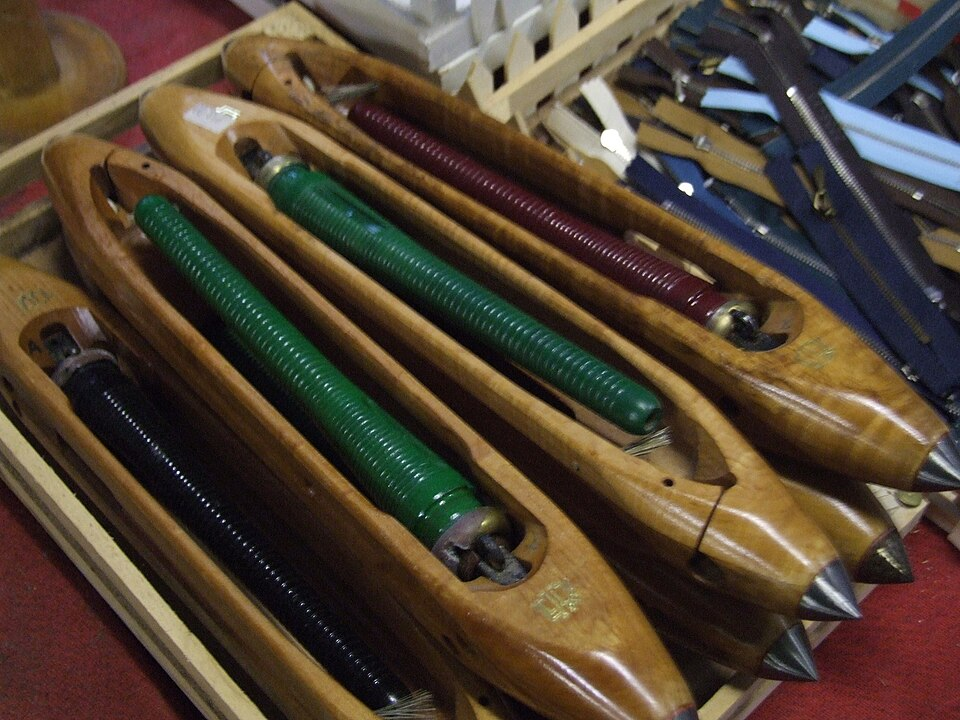
When weaving sheds closed, their shuttles were sold off, taken home and kept, and they turn up as doorstops, lamp bases, bookends and shelf ornaments in enormous numbers.
The shape is instantly recognisable and almost nobody who owns one knows that it was made by a specialist trade, from timber seasoned for years, to a pattern matched to a particular loom.
Museums in weaving districts hold shuttle-works tooling and patterns, and in some cases the works’ order books, which record what each mill ran. The honest summary: a loom shuttle is a dense hardwood body with steel tips that carries the weft across the warp, and it was a consumable bought from specialist makers who made nothing else; the timber was chosen for hardness, stability and surface and seasoned for years before cutting; the eye the thread runs through mattered more than anything because a worn one cuts thread; self-threading designs were introduced specifically to eliminate drawing thread through by mouth; healds and reeds were made by their own separate trades alongside; and the shuttle was the component that limited how fast a loom could run, so weaving without one — by gripper, rapier, air jet or water jet — ended the trade entirely.
The component that could not keep up
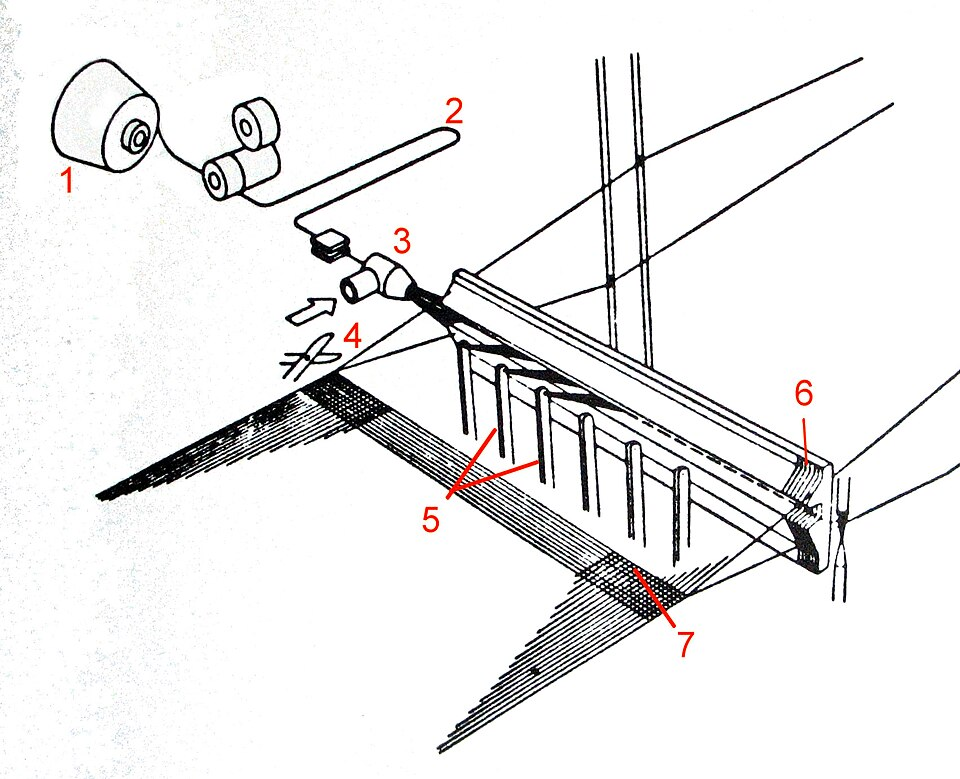
A shuttle loom can only run as fast as a lump of hardwood can be accelerated, thrown, stopped and reversed, and every increase in speed loads the shuttle, the boxes and the loom harder. That made the shuttle the limiting component in weaving by the middle of the century, and every modern weaving machine answers the same question: how to get the weft across without throwing anything. Gripper, rapier, air-jet and water-jet machines weave several times faster and are far quieter, which is the entire reason the trade ended.
The shuttles themselves are everywhere. They were sold off when the sheds closed and kept as doorstops, lamp bases and bookends, and almost nobody who owns one knows it was made from timber seasoned for years to a pattern matched to one particular loom.
Like our content? Follow us for more.