

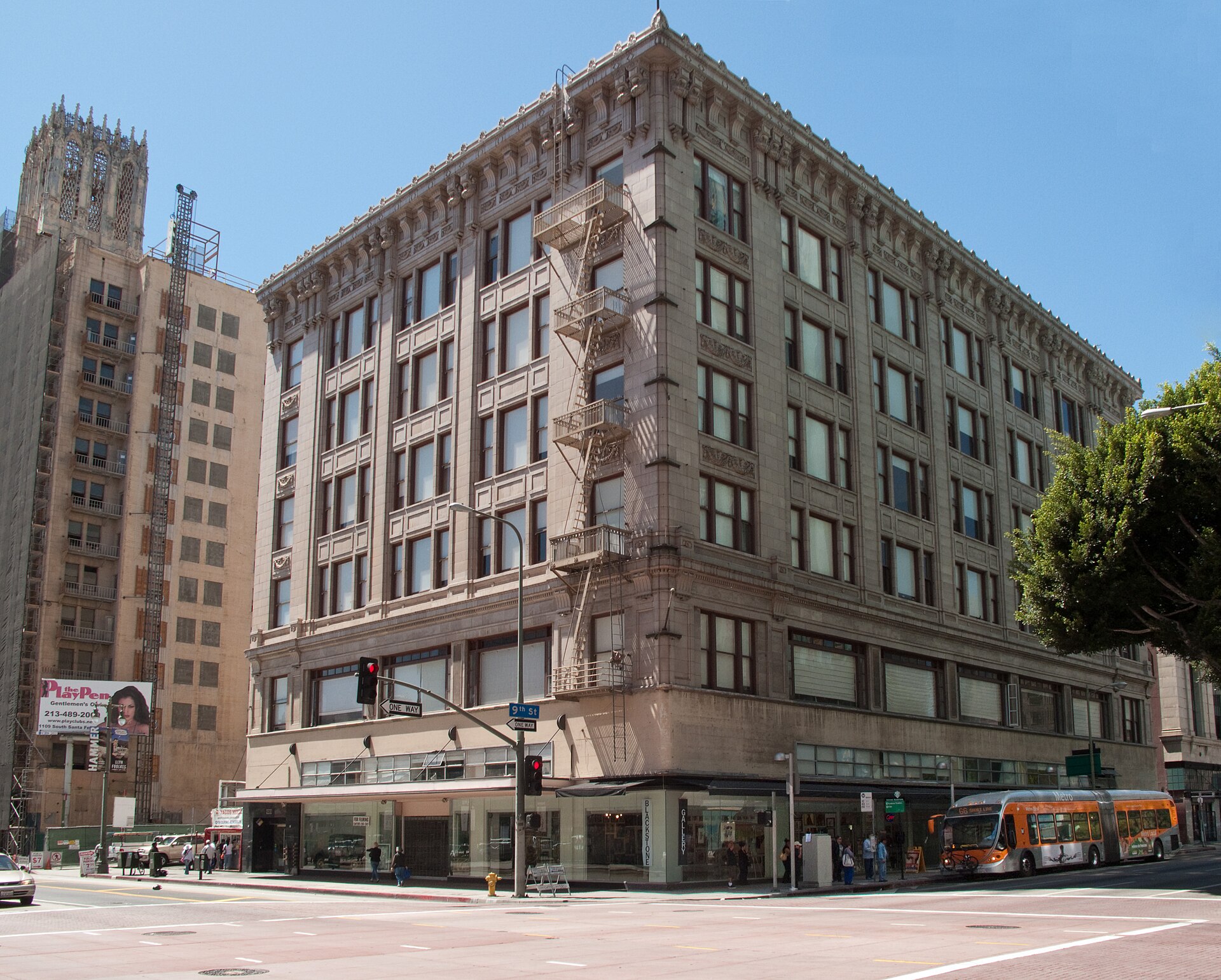
Various American department stores that defined post-war American shopping have completely disappeared from current retail landscapes. Montgomery Ward. Service Merchandise. Bradlees. Caldor. Ames. Mervyn’s. Marshall Field’s (absorbed into Macy’s). Filene’s (similarly absorbed). Various other specific chains. The cumulative disappearances trace to specific business decisions, market evolution, e-commerce pressure, and various other factors. Walking through what specifically vanished reveals substantial transformation in American retail across approximately three decades.
The American department store landscape has substantially transformed across recent decades through specific bankruptcies, mergers, and brand eliminations that have substantially reduced retail variety. Various chains that operated thousands of stores across substantial American territory simply no longer exist. The cumulative disappearances represent substantial American cultural moment beyond just business closures — these stores defined essential American shopping patterns for generations.
Montgomery Ward: The 1872 Pioneer
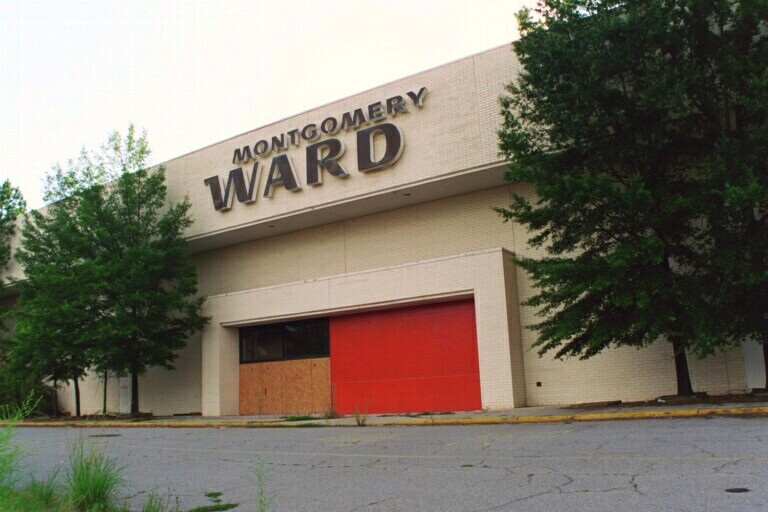
Montgomery Ward operated as substantial American department store from 1872 through final closure in 2001. The chain pioneered American mail-order shopping with substantial catalog operations that essentially defined American rural shopping access for decades. By peak operations, Montgomery Ward operated approximately 700 stores across American territory plus substantial mail-order infrastructure. The cumulative scale was substantial American retail presence across approximately 130 years.
The chain’s 2001 closure reflected substantial accumulated factors. Walmart and various other discount competitors had substantially undermined Montgomery Ward’s traditional middle-market positioning. Catalog operations had failed to transition effectively to e-commerce alternatives. Various specific operational problems plus substantial debt loads contributed to final collapse. The closure was substantial American retail moment — approximately 130-year-old institution essentially vanishing within months despite previous attempts to revive operations through various ownership changes.
Service Merchandise: The Catalog Showroom Era

Service Merchandise operated as substantial catalog showroom chain from 1934 through 2002 closure. The chain pioneered specific retail format — customers browsed catalogs in showroom, completed order forms, paid, and received merchandise from warehouse storage. The cumulative format substantially reduced floor space requirements compared to traditional department stores while supporting substantial product variety. At peak, Service Merchandise operated approximately 400 stores nationwide.
The chain’s decline reflected substantial format obsolescence. E-commerce alternatives essentially replicated Service Merchandise’s catalog model while eliminating physical store requirements entirely. Various traditional department store and discount competitors substantially improved their operations. Service Merchandise’s specific format advantage substantially eroded across the 1990s. The 2002 closure ended approximately 70-year operational history. Various former Service Merchandise locations became other retail operations across subsequent decades.
Bradlees: The Northeast Discount Chain

Bradlees operated substantial discount department store chain in Northeast American markets from 1958 through 2001 closure. At peak, the chain operated approximately 109 stores across substantial Northeast territory. The cumulative format positioned between traditional department stores and Walmart-style discount operations — competitive pricing combined with substantial product selection.
The chain’s 2001 closure reflected substantial competitive pressure from Walmart’s substantial Northeast expansion plus Target’s growing market presence. Various specific operational problems including substantial debt and ineffective management changes contributed to final bankruptcy. Bradlees represented specific aspect of regional American retail — chains with substantial regional presence that mainstream national chains substantially displaced. Various other regional chains followed similar disappearance patterns across the cumulative decade.
Caldor: Another Northeast Casualty
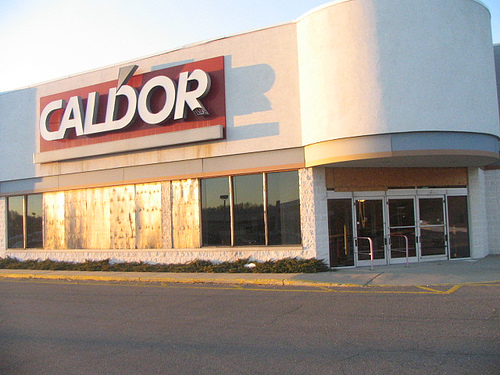
Caldor operated substantial discount department store chain from 1951 through 1999 closure. The chain operated primarily in Northeast and Mid-Atlantic markets with approximately 145 stores at peak. The cumulative positioning was substantially similar to Bradlees — discount-oriented with substantial product variety serving middle-market customers. Various Caldor and Bradlees locations were substantially located in shopping centers that have since substantially transformed.
The chain’s 1999 closure preceded Bradlees by approximately two years but reflected substantially similar factors. Walmart expansion, Target growth, Kmart competition, and various other discount pressures substantially undermined Caldor’s positioning. Various specific operational problems including substantial debt accelerated decline. The cumulative loss of regional discount chains across the Northeast substantially affected substantial American shopping patterns despite mainstream attention focusing on more visible department store closures.
Mervyn’s: The Western Counterpart
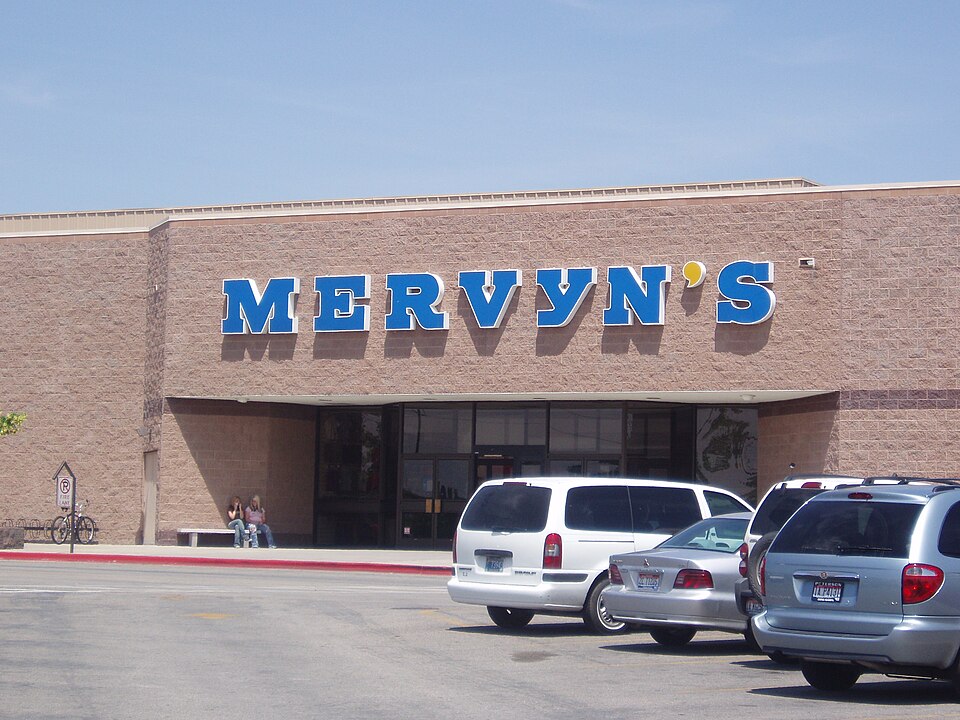
Mervyn’s operated substantial Western American department store chain from 1949 through 2008 closure. The chain operated primarily in California, Nevada, Arizona, and various other Western states with approximately 175 stores at peak. The cumulative format positioned as moderately priced department store serving middle-class families with substantial children’s clothing focus.
The chain’s 2008 closure reflected substantial financial crisis impact combined with longer-term competitive pressures. Various ownership changes during 2004-2008 produced substantial operational disruptions that substantially weakened the chain’s position. The 2008 financial crisis substantially eliminated remaining viable options for restructuring. Approximately 17,500 Mervyn’s employees lost jobs during final closure. The chain represented specific aspect of Western American retail that has substantially disappeared without direct replacement.
Ames: The Rural Discount Chain
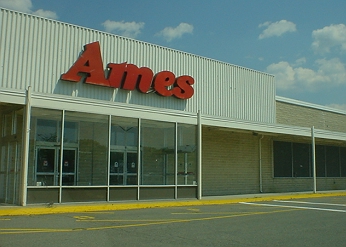
Ames Department Stores operated substantial discount department store chain from 1958 through 2002 closure. At peak, Ames operated approximately 700 stores primarily in rural American markets where larger competitors had limited presence. The cumulative positioning specifically targeted rural communities that mainstream urban-focused discount chains substantially underserved.
The chain’s 2002 closure reflected substantial competitive expansion from Walmart and various other chains into rural markets that Ames had previously dominated. Various financial problems including substantial debt from accumulated acquisitions accelerated decline. The cumulative chain represented specific aspect of rural American retail that has substantially evolved as Walmart and various dollar store chains substantially expanded rural presence. Various former Ames locations have become other operations or simply remain vacant across various American rural communities.
Marshall Field’s: The Chicago Heritage Loss
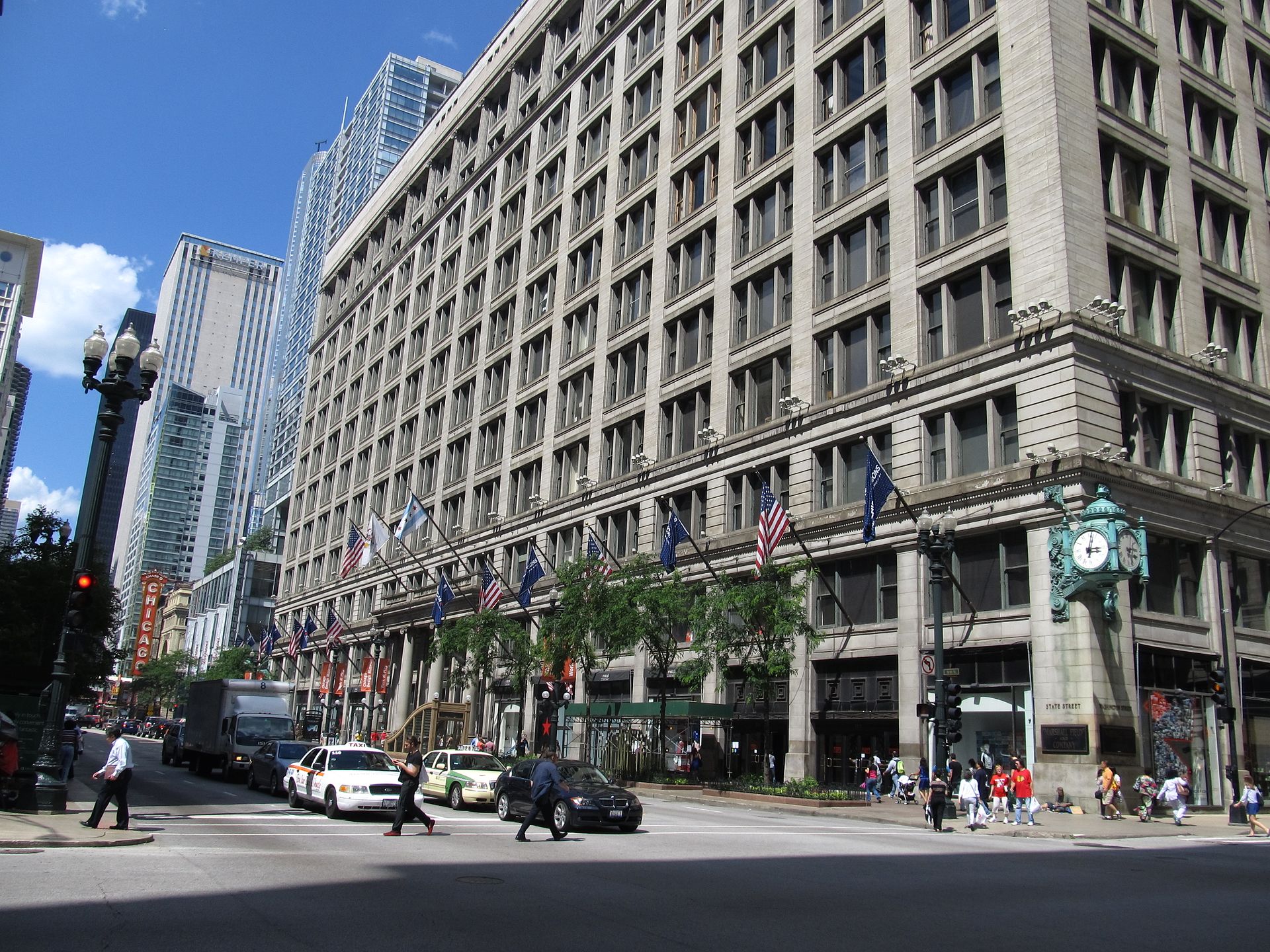
Marshall Field’s operated as substantial Chicago-based department store from 1852 through brand elimination in 2006. The chain operated substantial stores across Midwest American territory including the substantially famous Chicago State Street flagship store. The cumulative brand represented substantial American retail heritage spanning approximately 154 years.
Federated Department Stores’ 2006 conversion of Marshall Field’s locations into Macy’s branding produced substantial Chicago cultural response. Various Chicago residents specifically protested the brand elimination through substantial campaigns to preserve Marshall Field’s identity. The cumulative protests didn’t reverse Federated’s decision. The cumulative brand elimination represented specific aspect of department store consolidation that substantially reduced regional American retail diversity. Various other regional heritage brands faced similar elimination across the cumulative decade.
Filene’s: The Boston Heritage Loss
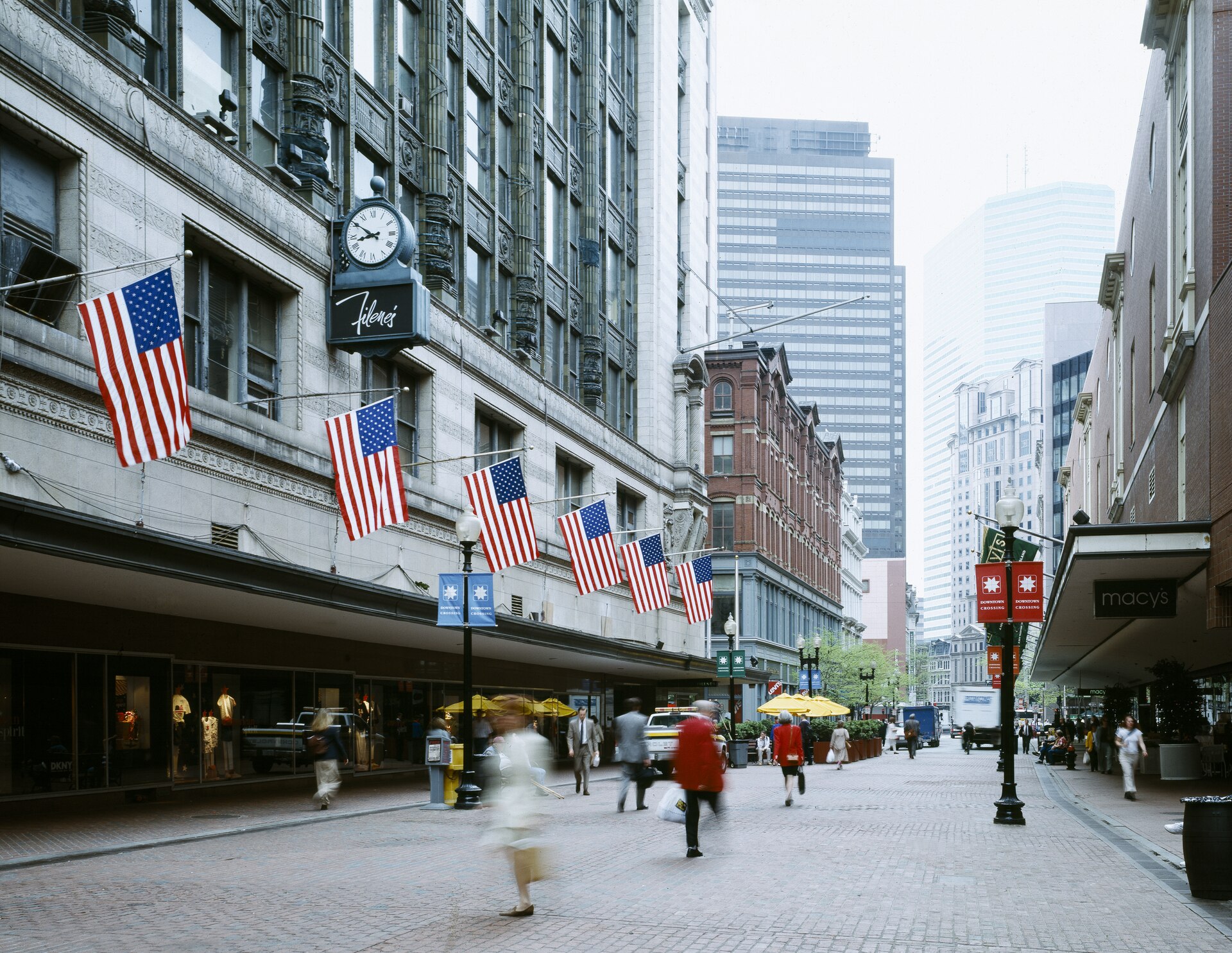
Filene’s operated as substantial Boston-based department store from 1881 through brand elimination in 2006. The chain operated substantial stores throughout New England plus substantial Filene’s Basement discount operations. The cumulative brand represented substantial New England retail heritage spanning approximately 125 years. The Filene’s downtown Boston flagship store was substantial Boston cultural landmark.
Federated Department Stores’ 2006 conversion of Filene’s into Macy’s followed similar pattern to Marshall Field’s elimination. Various Boston residents specifically protested the brand loss. The cumulative consolidation substantially reduced New England retail diversity. The separate Filene’s Basement discount operation continued briefly under different ownership before final 2011 closure. The cumulative double loss (regular Filene’s plus Filene’s Basement) substantially affected Boston shopping culture across cumulative recent decades.
The Specific E-commerce Impact

E-commerce growth substantially accelerated American department store closures across approximately 2010-present. Amazon’s substantial expansion plus various other online operations substantially undermined traditional department store positioning. Various specific chains (Sears, JCPenney, various others) have faced substantial decline that has eliminated thousands of stores even when corporate operations technically continue. The cumulative trend continues affecting essentially every traditional American department store chain.
The cumulative e-commerce impact reflects substantial American shopping pattern transformation. Various consumers substantially shifted from department store visits to online purchasing across cumulative recent decades. The cumulative shift has substantially eliminated traditional mall anchor stores that previously sustained substantial shopping center operations. Various American shopping centers face substantial vacancy challenges as cumulative anchor stores have substantially disappeared. The cumulative future of physical American retail remains substantially uncertain as e-commerce continues evolving.
What This Transformation Reveals

The American department store disappearance represents substantial transformation in American consumer culture across approximately three decades. The cumulative changes reflect specific business factors plus substantial American consumer behavior evolution. Various traditional department store functions have shifted to online operations, specialty retailers, discount chains, and various other alternatives. The cumulative result substantially differs from American retail patterns that existed for generations. Whether the changes represent progress or loss depends on specific values about retail variety, regional identity, community shopping patterns, and various other factors. Various American communities have substantially lost specific retail institutions that defined local shopping identity. Various other communities have gained convenient e-commerce alternatives that previous patterns couldn’t provide. The cumulative net effect varies substantially based on specific community circumstances and individual preferences. The cumulative trend will likely continue across coming decades as American retail continues evolving in response to technology, demographics, economics, and various other factors. The specific 2020s American retail landscape will likely differ substantially from current 2026 patterns just as current patterns differ substantially from 1996 patterns.

