

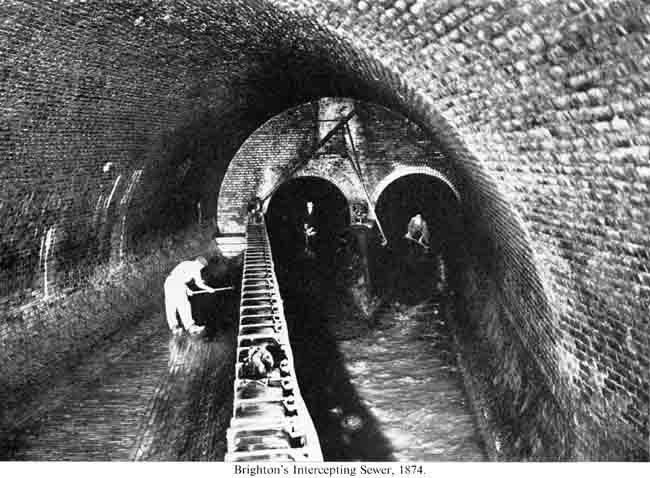
There is a category of historical decision that turns out correct for reasons nobody involved understood, and this is the clearest example in the history of public works.
A very large city in the middle of the nineteenth century had a straightforward problem: everything produced by two and a half million people went into the river, and the river was tidal, so it did not leave. It moved upstream and downstream twice a day.
By the summer of 1858 the situation had become unbearable in the most literal sense. Unusually hot weather concentrated the effect, and the institution unfortunate enough to sit directly on the bank found its business seriously disrupted.
What followed was one of the fastest and largest pieces of infrastructure legislation of the century, undertaken on the basis of a theory of disease that was entirely incorrect. Here is how that happened.
The Theory They Were Working From
To understand the decision you have to understand what educated people believed at the time about how illness spread.
The dominant account was miasma theory: the idea that disease arose from bad air — foul-smelling vapours emanating from decaying matter, filth and stagnant water. Breathe the corrupted air and you contracted the disease.
It was not a stupid theory. It fitted a great deal of observation. Illness was demonstrably worse in crowded, dirty, foul-smelling districts and better in clean, airy, prosperous ones. The correlation between stench and sickness was real and strong.
The theory got the causation backwards. Places that smell of sewage tend to be places where sewage is contaminating the water supply, and it was the water rather than the air doing the damage. But the correlation was reliable enough to make the theory look well supported.
The competing account — that disease travelled through contaminated water — had been argued, notably through a piece of investigative work tracing an outbreak to a single water source. It had not been accepted, and the man who did that work did not live to see it prevail.
So the engineering was undertaken to remove a smell.
Like our content? Follow us for more.
What Was Actually Built
The scale of the response is the part that impresses.
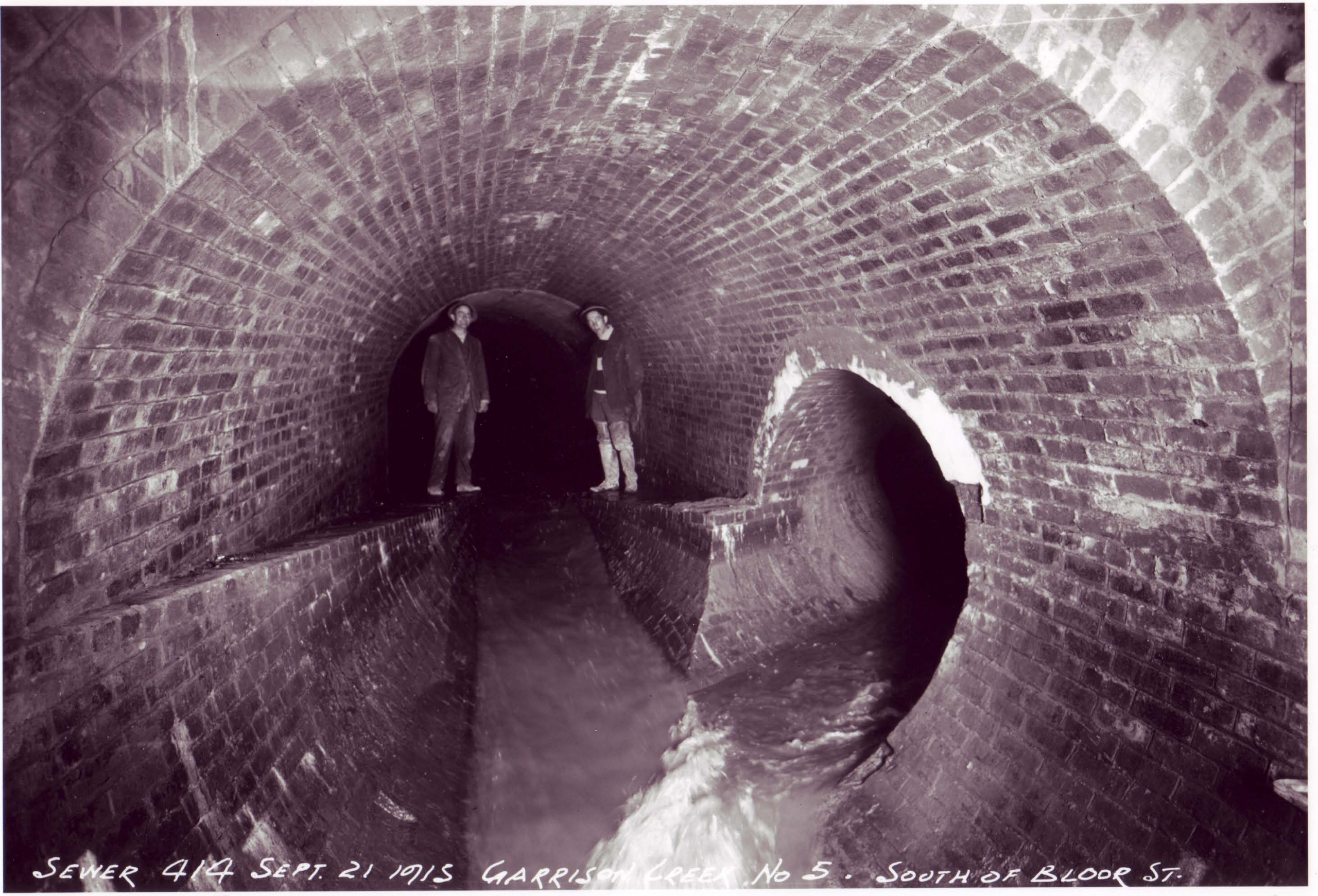
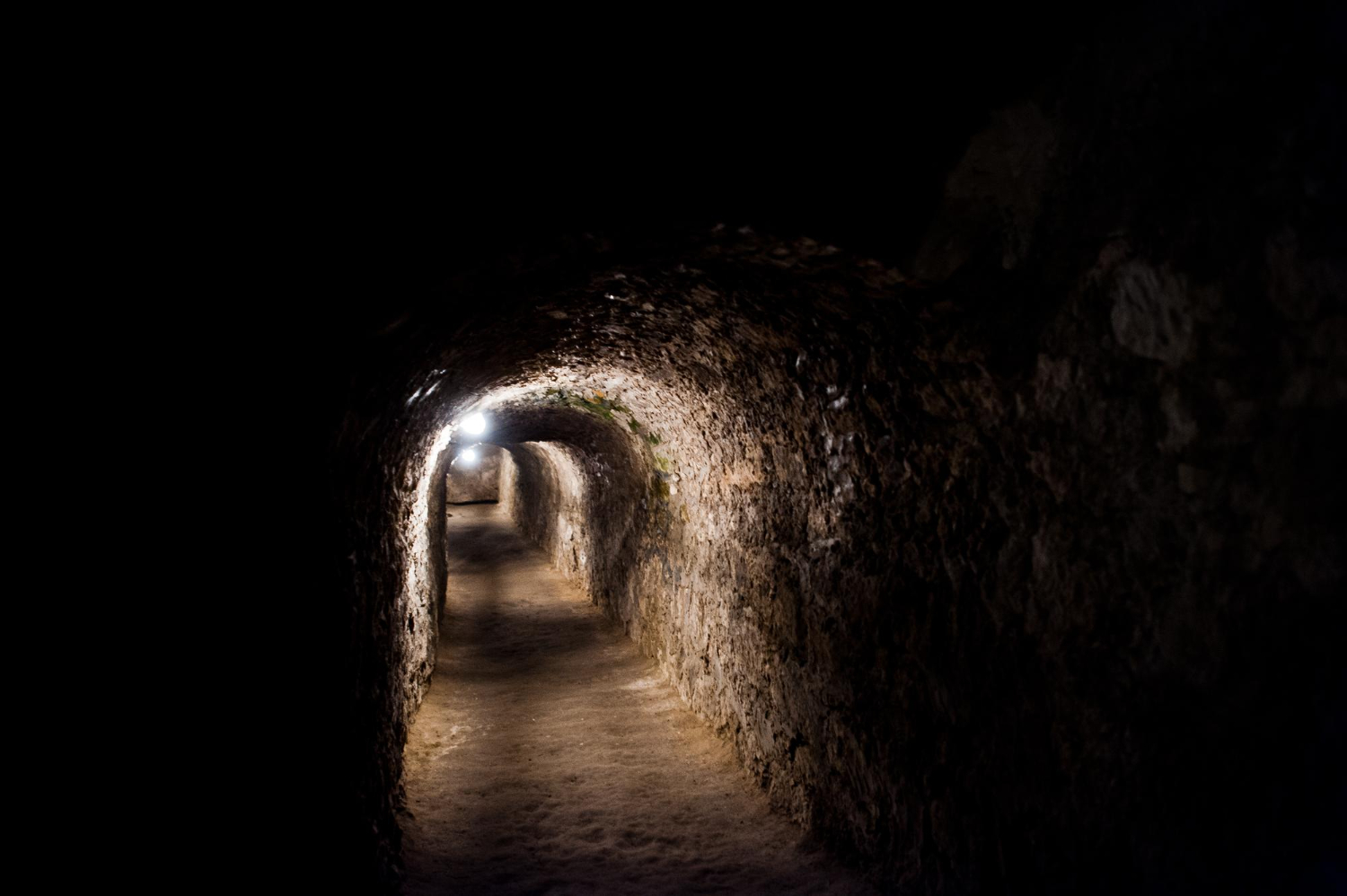
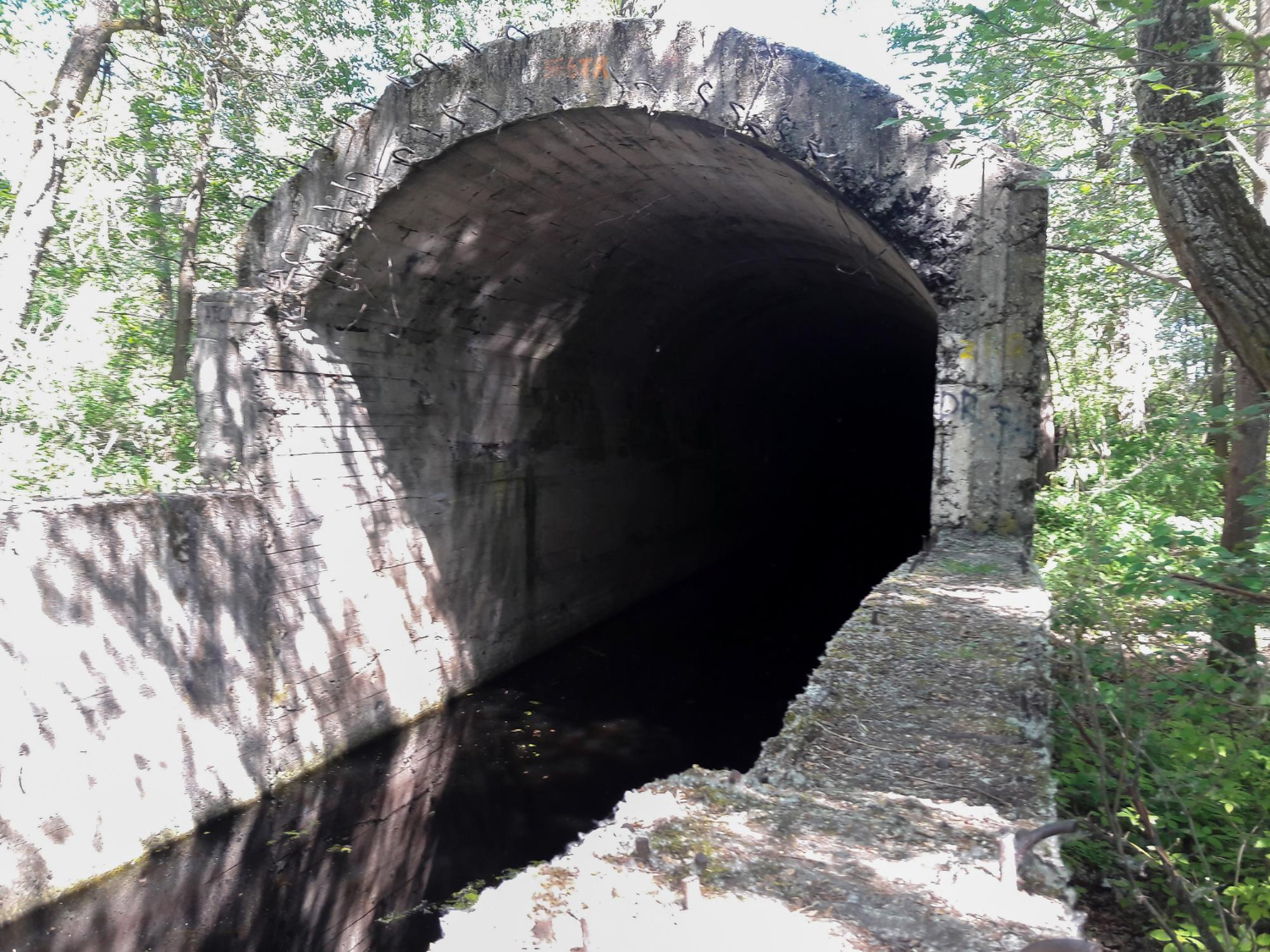
The scheme intercepted the existing sewers, which had all been discharging directly into the river through the middle of the city, and redirected their contents along new tunnels running roughly parallel to the river, carrying everything downstream to a point well below the built-up area for discharge.
The figures are substantial. Something in the region of eighty miles of main intercepting sewers, connecting to over a thousand miles of street sewers, using an enormous quantity of bricks — figures around three hundred million are commonly cited.
Where gravity would not carry the flow, pumping stations were built to lift it, and several of those buildings were constructed to a standard of architectural elaboration that seems extraordinary for machinery handling sewage.
The engineer responsible made a decision that is the reason the system still functions. Having calculated the required diameter for the projected population, he approximately doubled it — reportedly on the reasoning that this was the sort of thing one only does once, and that unforeseen growth was certain.
That single choice bought roughly a century and a half of capacity.
The Cement Decision
There is a second technical choice worth knowing, because it explains the durability.
Traditional lime mortar sets slowly and does not perform well in permanently wet conditions, which is a serious problem for a tunnel that will be full of water forever.
The alternative available was Portland cement, which sets harder, sets under water, and was at that point a relatively new material with an inconsistent reputation.
It was adopted, and — importantly — subjected to systematic testing, with batches checked for strength before use rather than being trusted on the supplier’s word. That testing regime is frequently cited as an early example of industrial quality control.
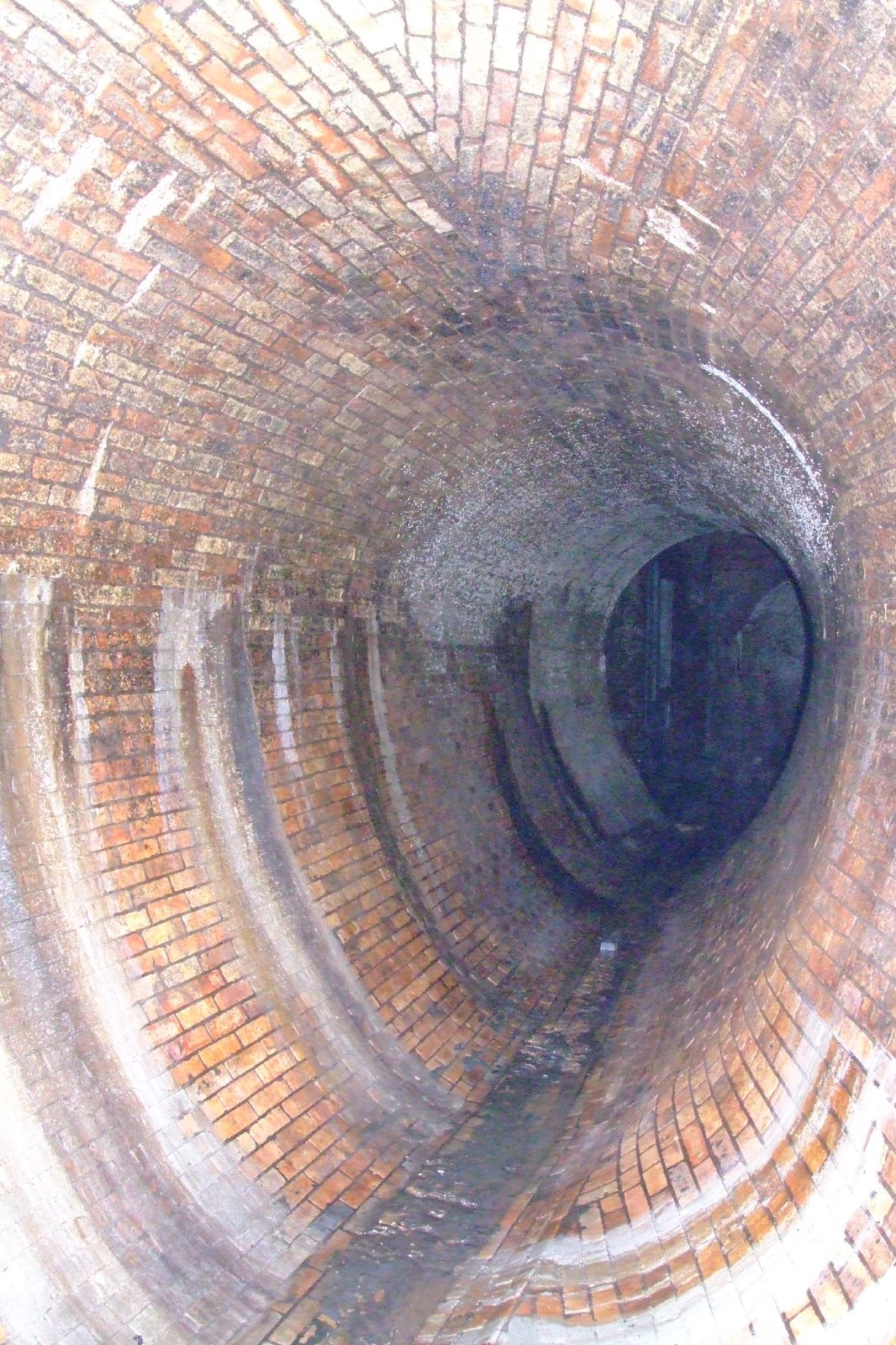
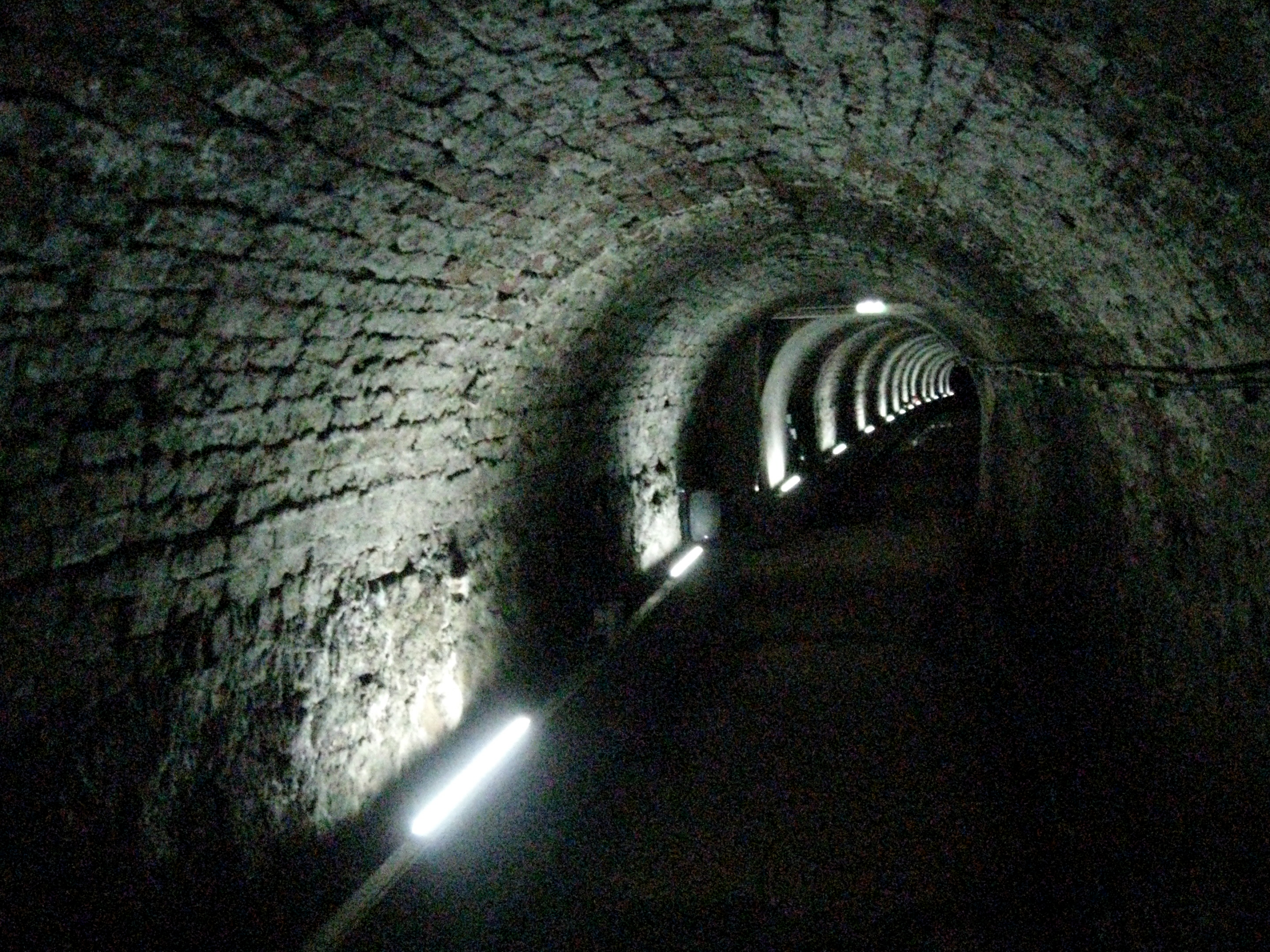
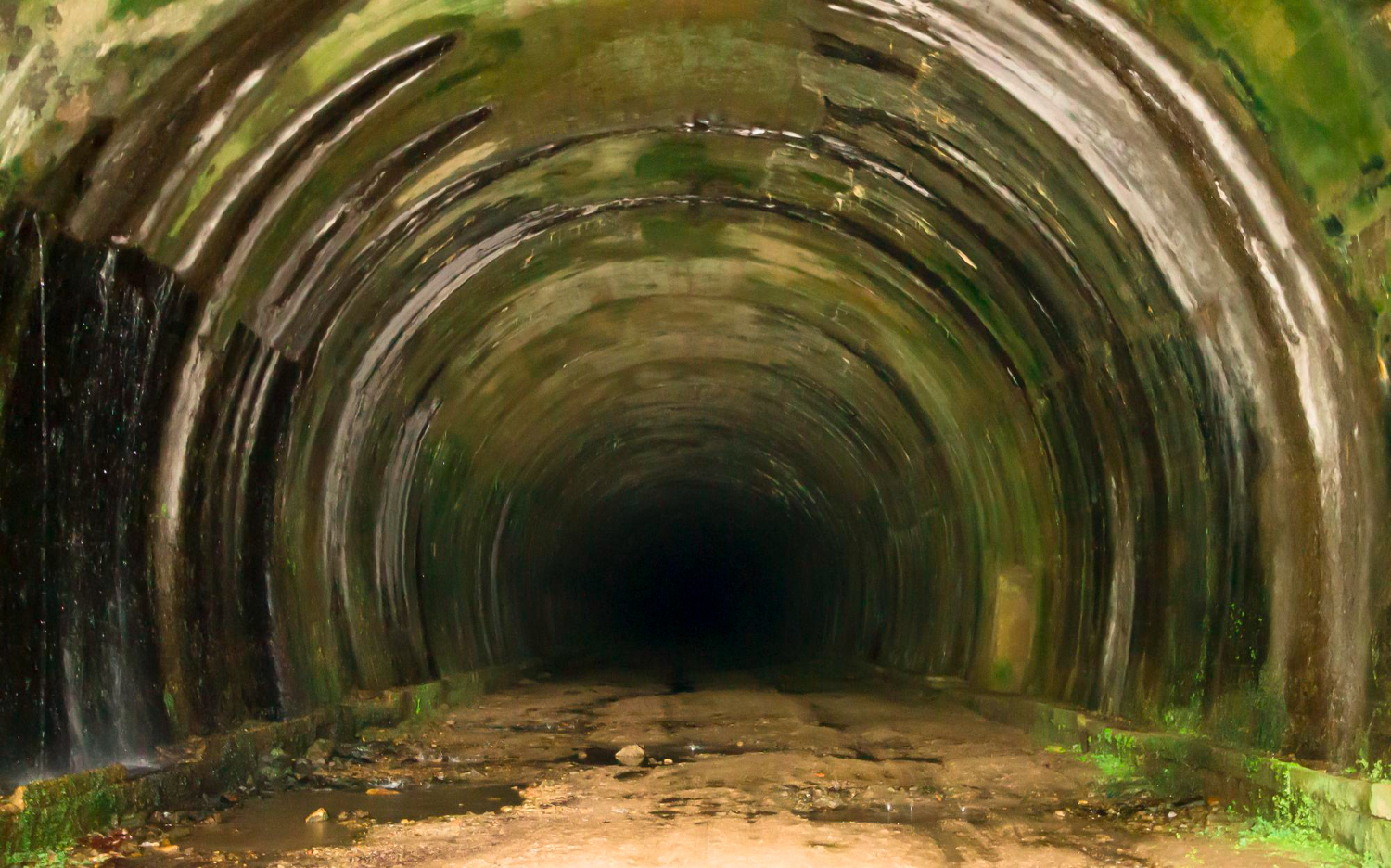
The result is brickwork that has been continuously submerged in an aggressive environment for over a century and a half and is largely intact.
Why It Worked
The reason the scheme succeeded despite the mistaken theory is straightforward once stated.
Miasma theory said the danger was the smell. Removing the sewage from the middle of the city removed the smell.
Water-borne transmission means the danger was contaminated drinking water. Removing the sewage from the middle of the city also removed the contamination from the stretch of river the water supply was drawn from.
Both theories recommended the same action, because both problems had the same cause. The intervention was correct regardless of which account was true.
Outbreaks of water-borne disease declined substantially afterwards, which was taken at the time as confirmation of miasma theory and was in fact confirmation of the other one.
It is worth noting that the scheme was not a complete solution as originally built. The discharge point was moved rather than the material treated, which relocated the problem downstream — and treatment works were required later. The nineteenth-century achievement was interception rather than purification.
It is worth noting how nearly the scheme was not built at all. Proposals had been produced for years, reports commissioned, schemes costed and objections raised on grounds of expense and disruption, and none of it had progressed.
What changed in 1858 was not the evidence, which had been available throughout. It was that the discomfort reached the people with the authority to act, in the building where they worked, in a summer hot enough to make it unavoidable.
What It Cost and What It Bought
The financial and political dimension is instructive.
The proposal had been resisted for years on grounds of cost and disruption. Reports had been produced, schemes proposed and objections raised, and nothing had been built.
What changed was that the problem started affecting the people who made the decisions, directly and unavoidably, in their place of work. The bill passed in a matter of days after years of inaction.
That is not a flattering observation about public decision-making and it is a well-documented one.
The system was expensive, took roughly a decade of construction, and required embanking sections of the river — which incidentally created new roads and public space, since the embankments carried more than sewers.
And it has been running ever since, handling a population several times larger than it was designed for, which is a return on investment that few public works can match.
What the Embankments Also Did
There is a substantial secondary consequence that is frequently treated as a footnote and probably should not be.
Carrying the intercepting sewers along the riverside required building embankments — narrowing the river by reclaiming a strip along each bank and constructing a solid edge where there had previously been mud, wharves and a shifting foreshore.
That produced several things at once. It created new roads along the river where none had existed, which relieved traffic on the streets behind. It provided space for other services beneath, including a railway line and utilities. And it created public walkways and planted space along a frontage that had been industrial and inaccessible.
None of that was the objective. The embankments were a construction requirement for the sewers, and the roads, the railway and the public space were consequences of having to build them.
There was a hydraulic effect as well. Narrowing the channel increased the flow rate through the central section, which assisted in scouring the riverbed rather than allowing material to settle.
So a project undertaken to remove a smell, on the basis of an incorrect theory of disease, also produced major roads, an underground railway route, a utilities corridor and a public riverside — none of which appeared in the original justification.
That is a reasonable illustration of how large infrastructure actually pays for itself. The benefits that make a scheme worthwhile are frequently not the ones used to argue for it.
The Lesson People Take and the One They Should
The usual moral is that the Victorians got lucky, which is only partly fair.
What actually happened is that a correct and specific diagnosis was unavailable, and the response was to remove the entire category of problem rather than to target a mechanism. Getting the sewage out of the city is beneficial under any theory of disease, and under no theory is it harmful.
That is a reasonable strategy under uncertainty, and it is rather different from luck. A narrower intervention aimed precisely at what they believed the mechanism to be — perfuming the air, say — would have failed completely.
The second lesson concerns the oversizing. An engineer doubling his own calculation because the work would not be repeated made a decision whose value was invisible for a century and is now the reason the thing still functions.
Neither of those is a lesson about being right. They are lessons about what to do when you know you might not be — build broadly rather than precisely, and leave more room than the numbers require.
Like our content? Follow us for more.
