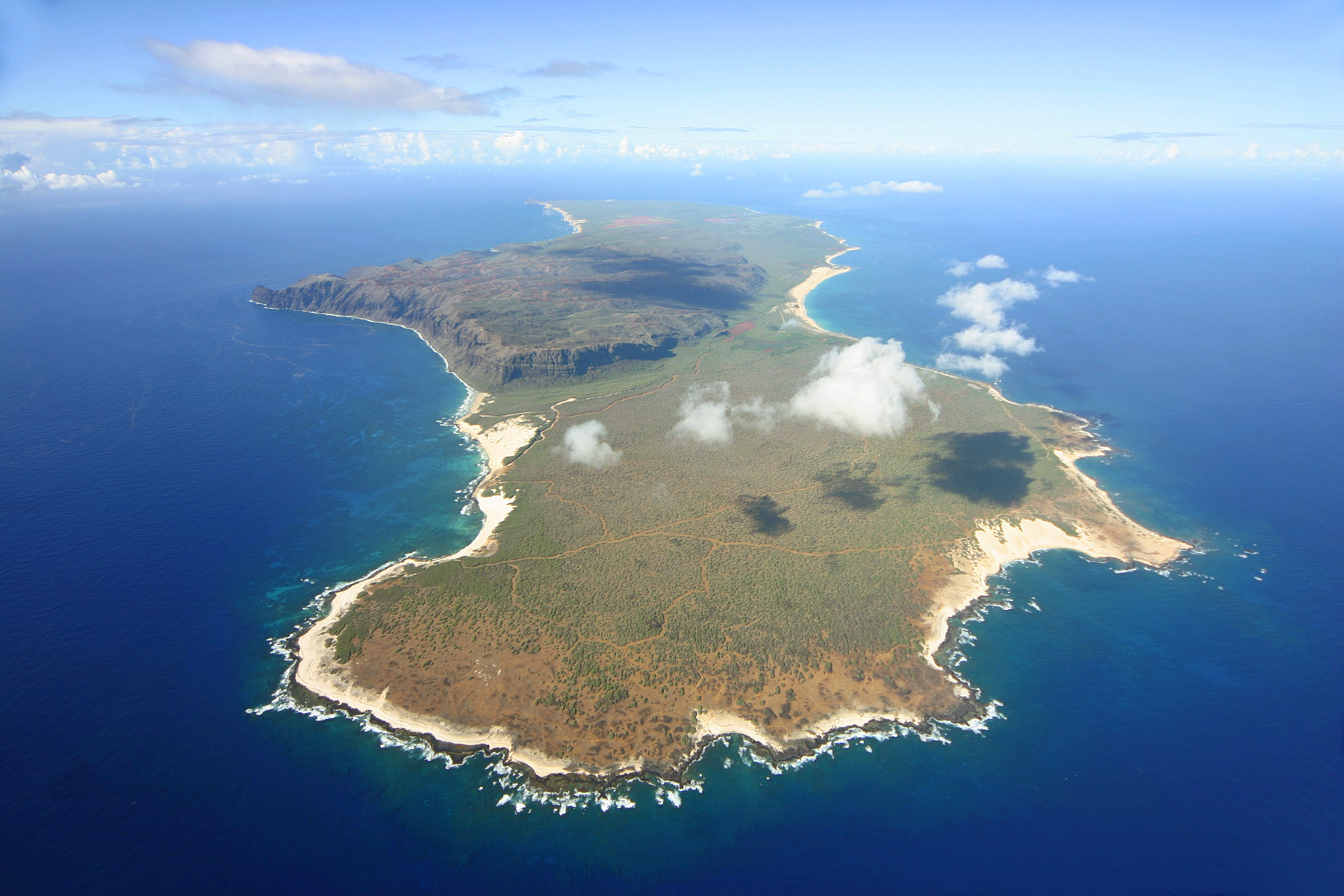
Hawaii conjures images of crowded beaches, resorts, and luaus, but one of its islands has spent more than a century deliberately apart from all of that. Niihau, the westernmost of the main Hawaiian islands, sits just 17 miles from the resort-lined shores of Kauai, yet it might as well be a world away. Known as the “Forbidden Island,” it has been closed to outsiders for generations, privately owned by a single family who have kept it as a refuge for traditional Hawaiian life. Its story is unlike that of anywhere else in the islands.
A Private Island, Sold in 1864
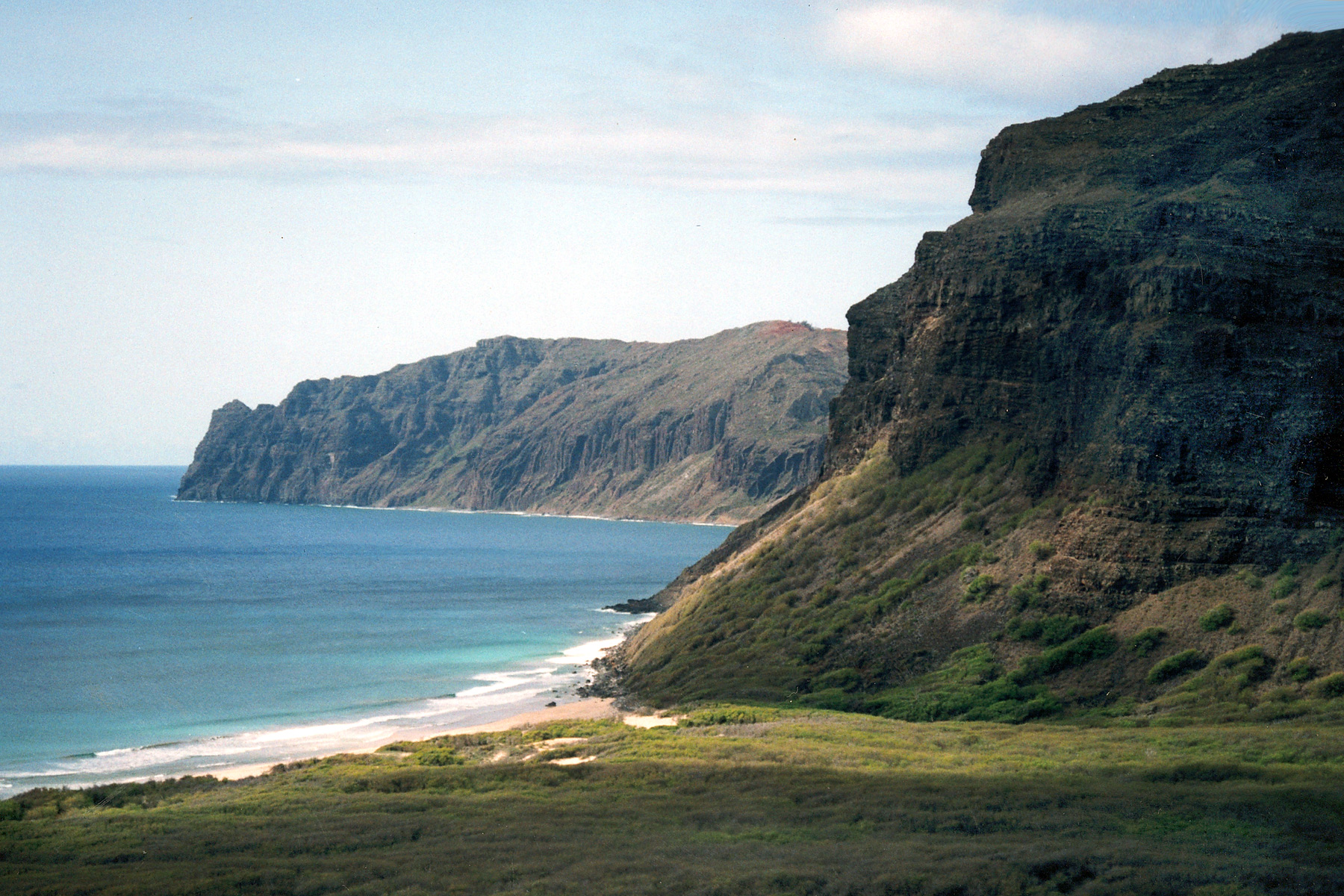
Niihau’s unusual status traces back to 1864, when Elizabeth McHutchison Sinclair, a Scottish widow who had relocated with her large family from New Zealand, purchased the roughly 70-square-mile island from King Kamehameha V for $10,000 in gold. According to accounts of the sale, the king asked the family to help preserve the island and the Hawaiian way of life, a request the family says it has honored ever since.
Ownership passed down through Sinclair’s descendants, the Robinson family, who still own the island today and currently manage it through brothers in the family line. Over more than 150 years, they have kept Niihau remarkably unchanged, resisting the development, tourism, and modernization that transformed the rest of Hawaii. The island remains one of the largest privately held pieces of land in the state, and one of the most fiercely protected.
Like our content? Follow us for more.
Why It’s Called “Forbidden”
It is important to understand what “forbidden” means here. Unlike some off-limits places that are restricted by government law, Niihau is closed to outsiders because it is private property, and its owners have chosen to keep it that way. Access is limited to the island’s residents, the Robinson family, invited guests, and government and military personnel. For everyone else, including most Hawaiians from other islands, Niihau is simply off-limits.
Accounts vary on exactly when the island was closed. By one telling, a member of the Robinson family halted most outside visits around 1915. Restrictions tightened further in the following decades, in part to protect the island’s residents from diseases such as measles and polio, which had devastating effects on Native Hawaiian populations elsewhere. The combination of private ownership and a commitment to preservation turned Niihau into a place sealed off from the modern world.
A Window Into Traditional Hawaiian Life
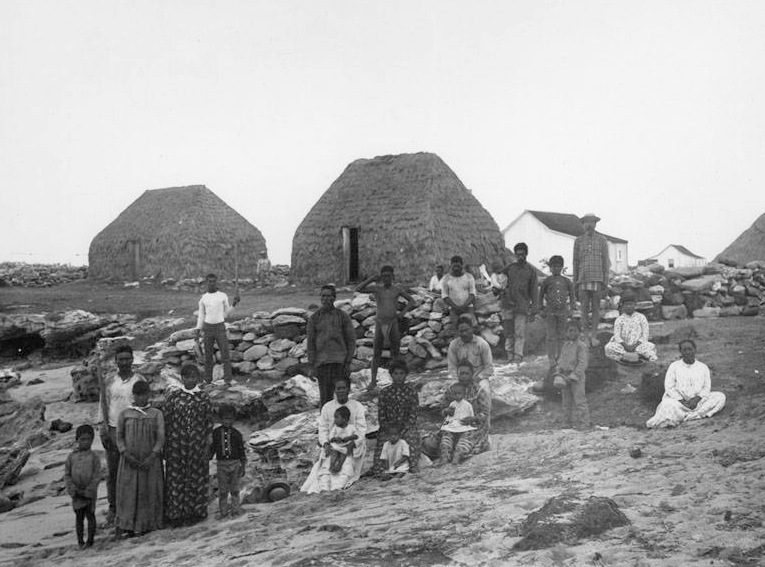
What that isolation has preserved is remarkable. Niihau is the only place in Hawaii where the Hawaiian language, in its distinct Niihau dialect, remains the dominant, everyday tongue, spoken as a first language by residents. In this sense, the island is a living link to a Hawaii that has otherwise largely faded.
Life on Niihau follows a slower, more traditional pattern. The island has no paved roads and essentially no cars; residents travel by horse, bicycle, or on foot. There are no power lines, with solar panels supplying what limited electricity is used, and no municipal plumbing, with fresh water gathered through rainwater catchment. Residents live rent-free, supporting themselves largely through subsistence fishing and farming, ranch work, and the island’s renowned craft of making delicate lei from the tiny, prized Niihau shells. The island’s small school has been noted as among the first in the country to run entirely on solar power.
A Small and Fluctuating Population
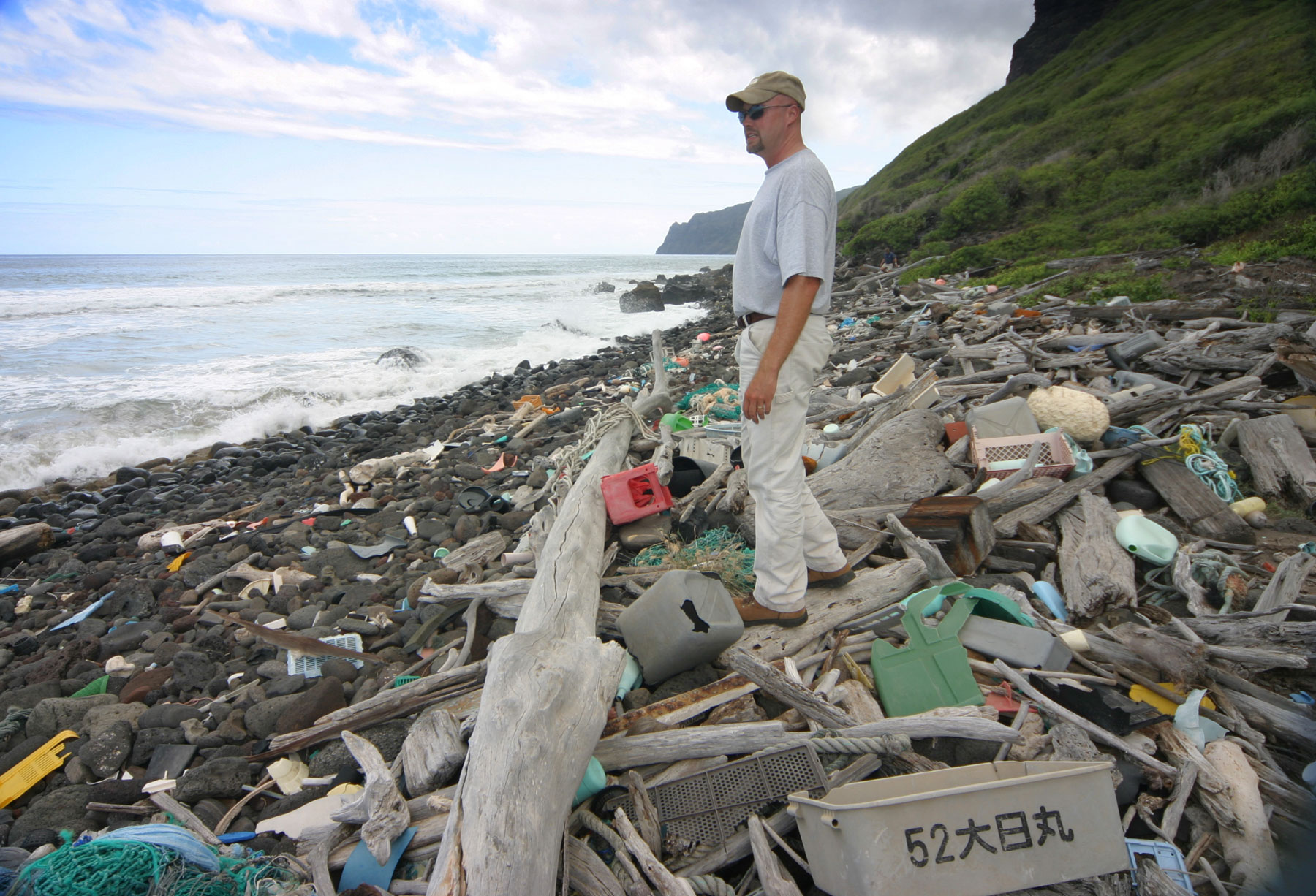
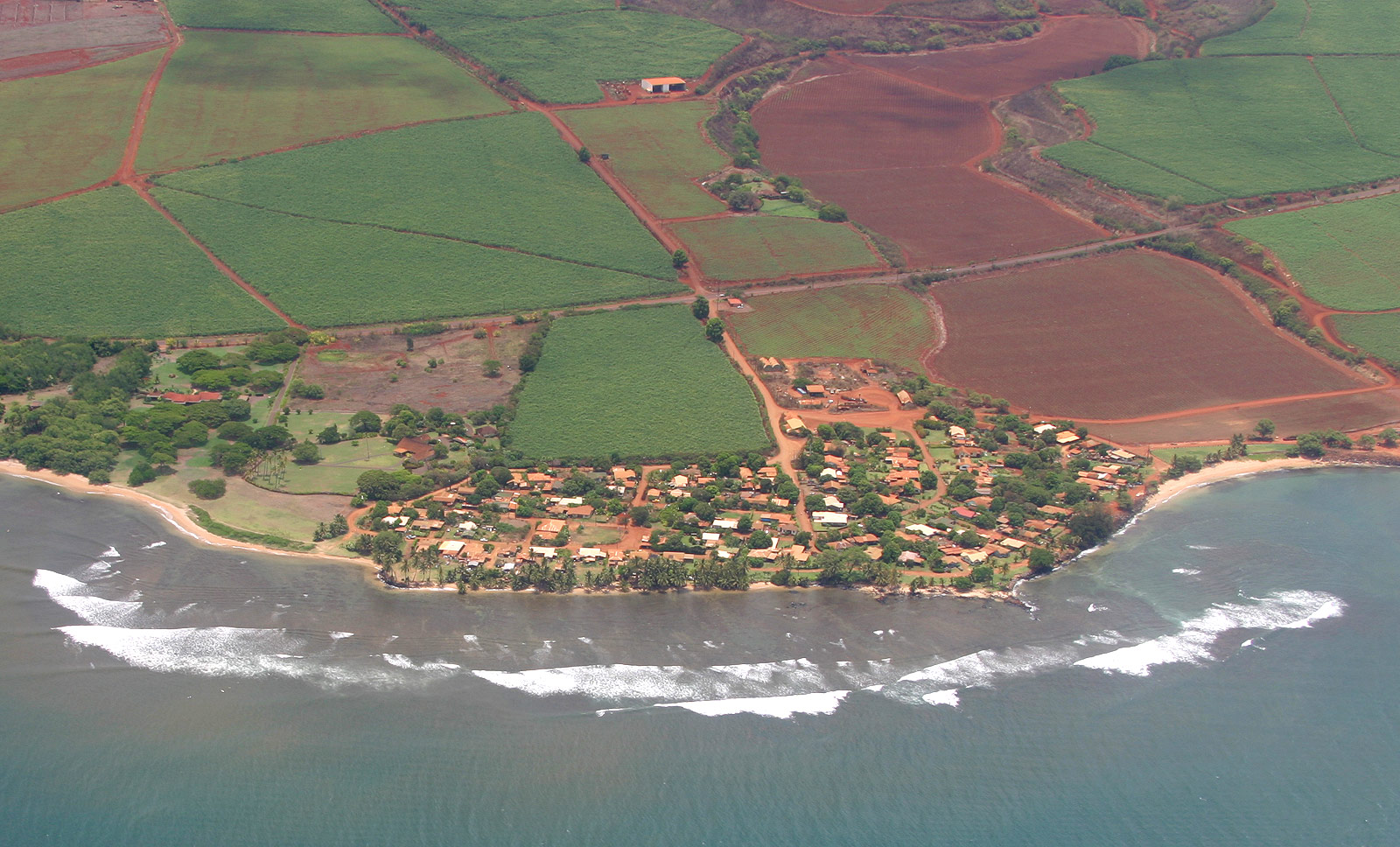
Exactly how many people live on Niihau is hard to pin down, and the number fluctuates as residents move to other islands or return. Census figures have ranged from around 170 in earlier counts to about 84 in the 2020 census, with various estimates falling in between. The residents, known as Niihauans, are predominantly Native Hawaiian, and they live in the island’s main settlement.
The Robinson family maintains that the strict limits on access exist to protect the residents, their culture, and the island’s environment. The dry, arid island is also a haven for wildlife, including endangered Hawaiian monk seals that have found refuge on its secluded shores. For the family, keeping Niihau closed is framed as fulfilling the promise made when the island was purchased: to preserve a traditional Hawaiian way of life.
Can Anyone Visit?
While Niihau remains closed to general tourism, the door is not entirely shut. In recent decades, the Robinson family has offered a small number of carefully limited experiences, such as helicopter tours and hunting safaris, partly to help offset the costs of providing for the island and its residents. These rare visits, however, are kept well away from the island’s village and daily life. The owners have been clear that they will not turn the residents into a tourist attraction, declining to fly over or bring visitors to the settlement out of respect for residents’ privacy.
For the vast majority of people, then, Niihau will only ever be a distant silhouette glimpsed across the water from Kauai at sunset. That, in a way, is the point. In a state synonymous with tourism, Niihau stands as a deliberate exception, a privately guarded refuge where an older, quieter Hawaii endures. Its “forbidden” status is not about exclusion for its own sake, but about a long-held promise to preserve something rare, and increasingly precious, in a rapidly changing world.
Like our content? Follow us for more.