There was a time when arriving in a great city meant stepping off a train into a hall built like a temple. Before airports flattened the experience of travel into fluorescent corridors and security lines, the railway station was where a city showed off. Architects were handed enormous budgets and told to build something that would make a traveler stop and look up. Many of them succeeded so completely that the buildings still take your breath away a hundred years later. Here are some of the most magnificent that have lasted through the ages, and the stories behind why they endure.
Antwerp Central, Belgium
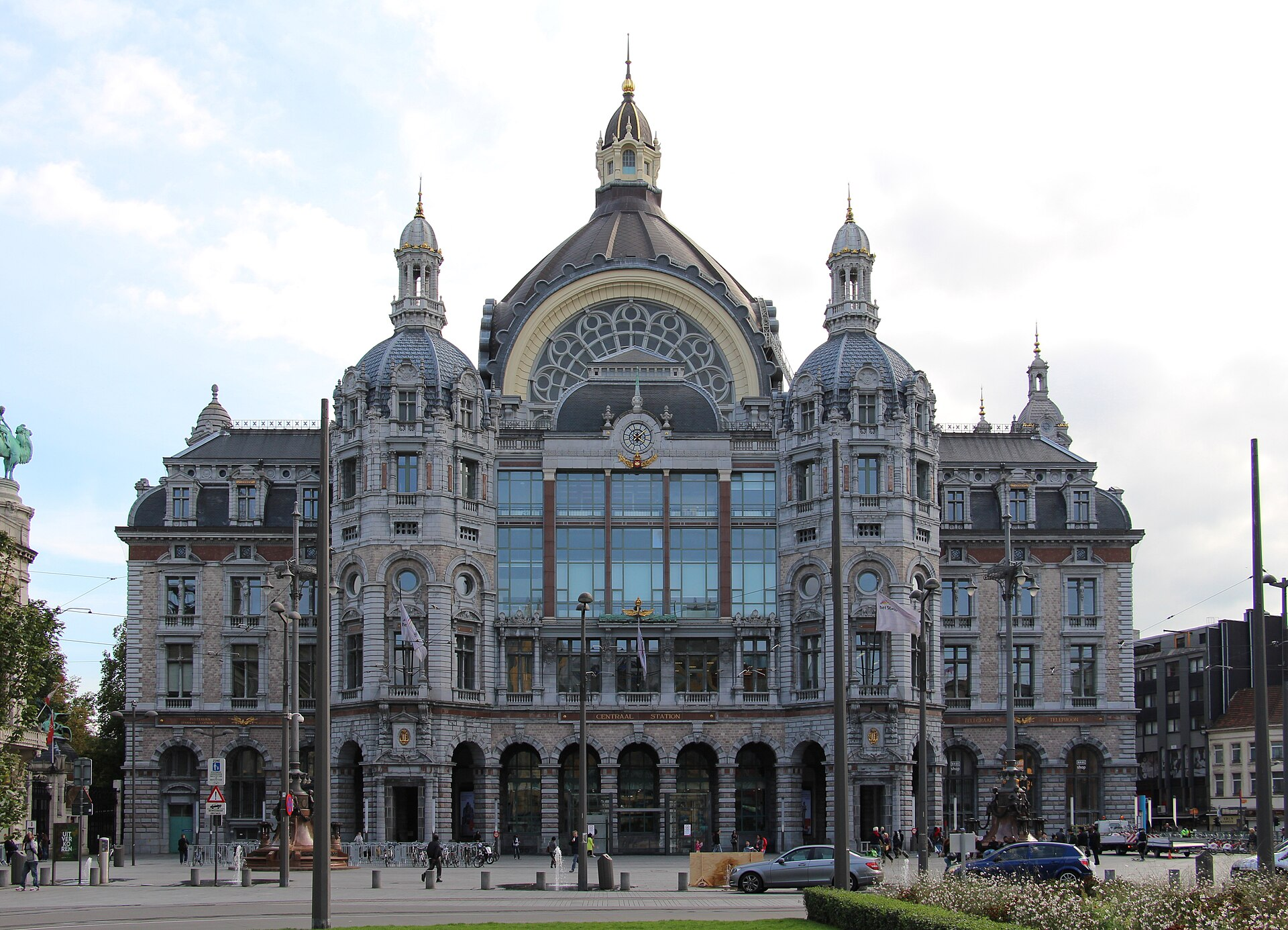
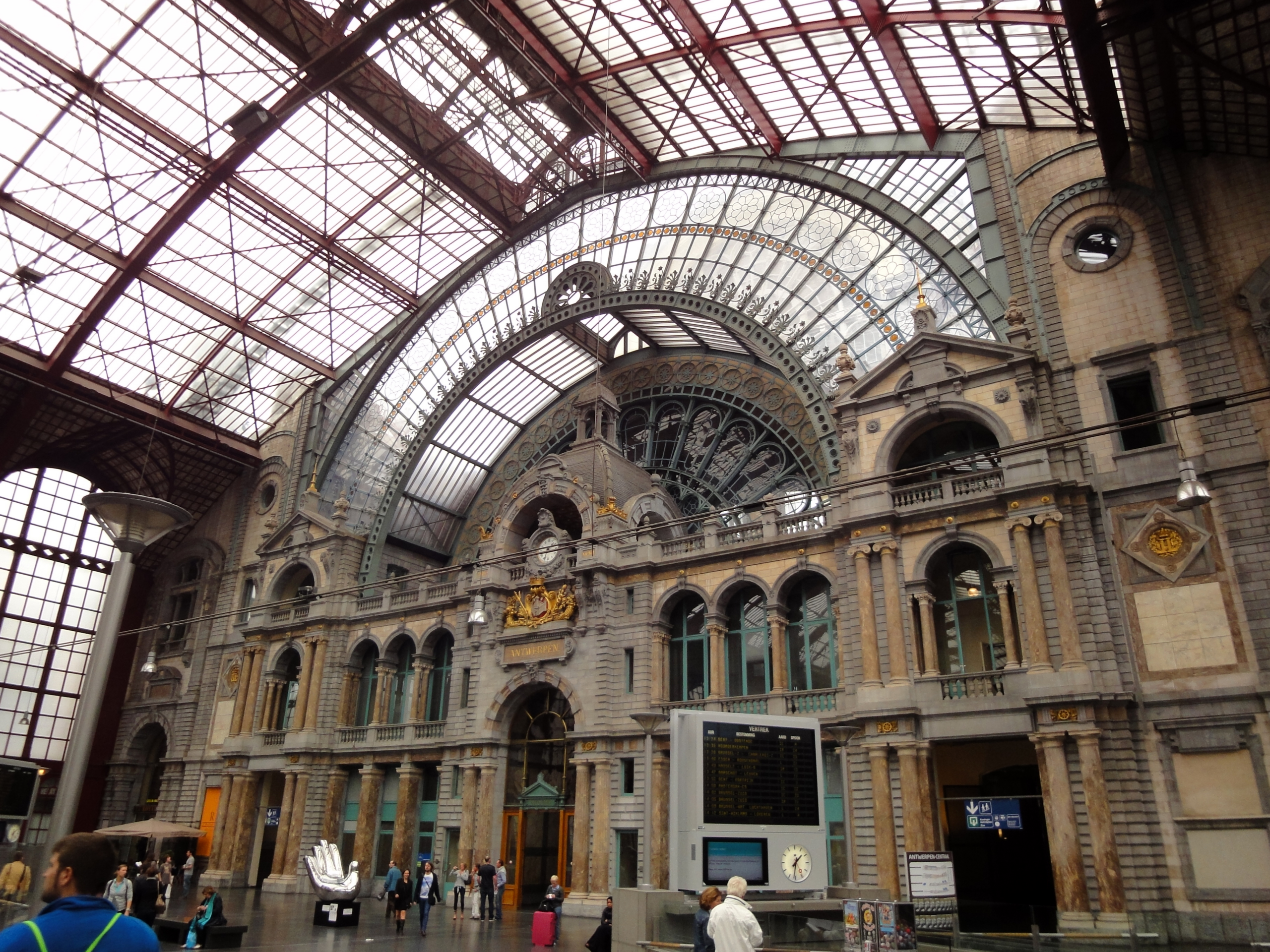
Often called the “Railway Cathedral,” Antwerp Central is regularly named the most beautiful station in the world. Built between 1895 and 1905 to a design by Belgian architect Louis Delacenserie, it crowns its main hall with a vast stone dome that has drawn comparisons to the Pantheon in Rome.
The station blends an eclectic mix of styles, from Neo-Renaissance grandeur to Art Nouveau flourishes, with a soaring glass-and-iron train shed above the platforms. It survived deterioration so severe that demolition was once considered, before a major restoration saved it. Today it stands as a monument to a tiny nation’s outsized role in the early railway age.
St. Pancras International, London, England
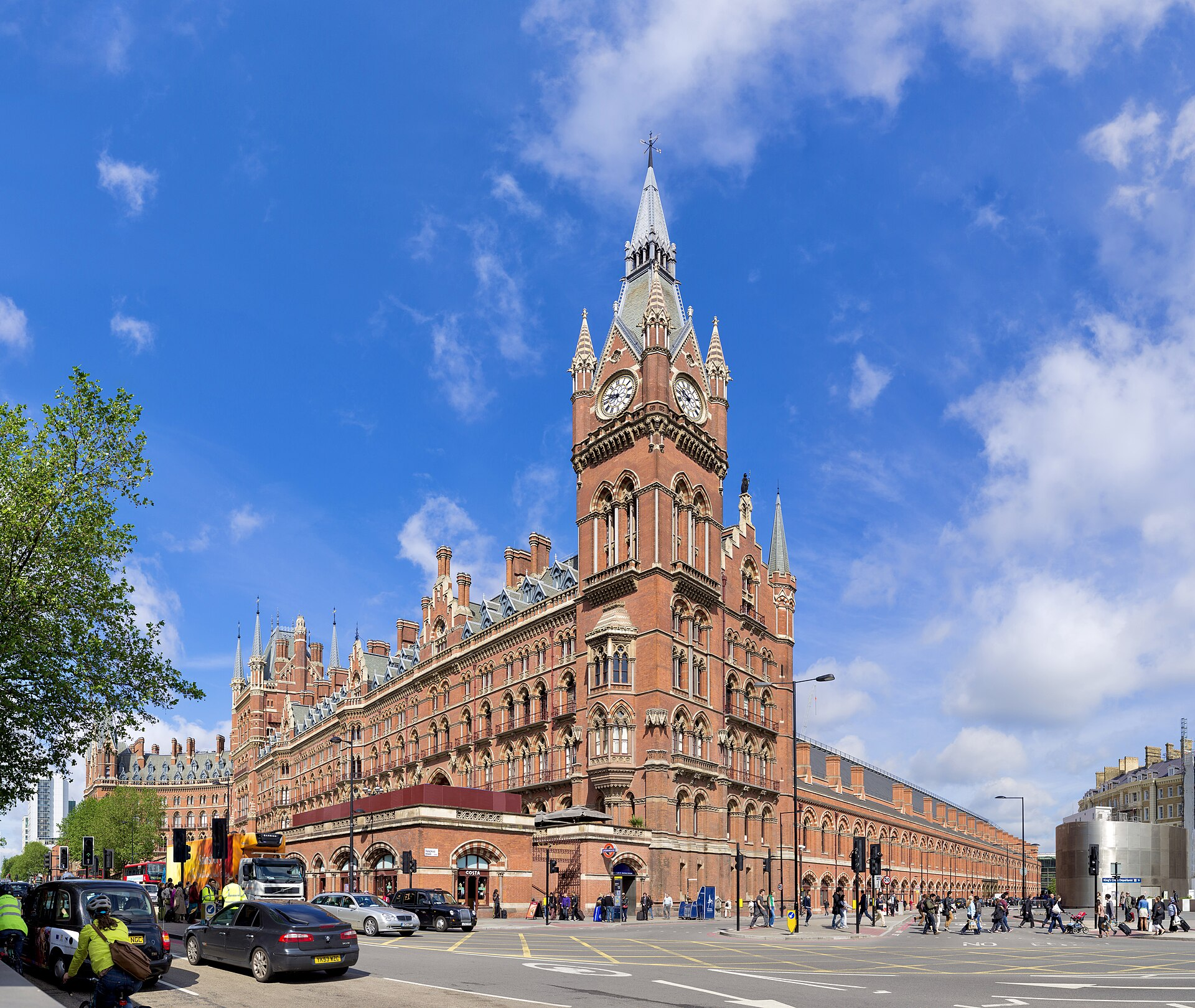
St. Pancras opened in 1868 as one of the wonders of Victorian engineering, and it has aged into one of the most elegant stations anywhere. Its red-brick Gothic façade, attached to the former Midland Grand Hotel, is so ornate that visitors sometimes mistake the whole complex for a palace.
Inside, the single-span arched roof was, at its completion, one of the largest in the world. After a major restoration in the 2000s, the station became the London terminus for high-speed trains to Paris, pairing its preserved Victorian grandeur with sleek modern platforms. More than 150 years on, it remains both a working hub and a destination in its own right.
Chhatrapati Shivaji Maharaj Terminus, Mumbai, India
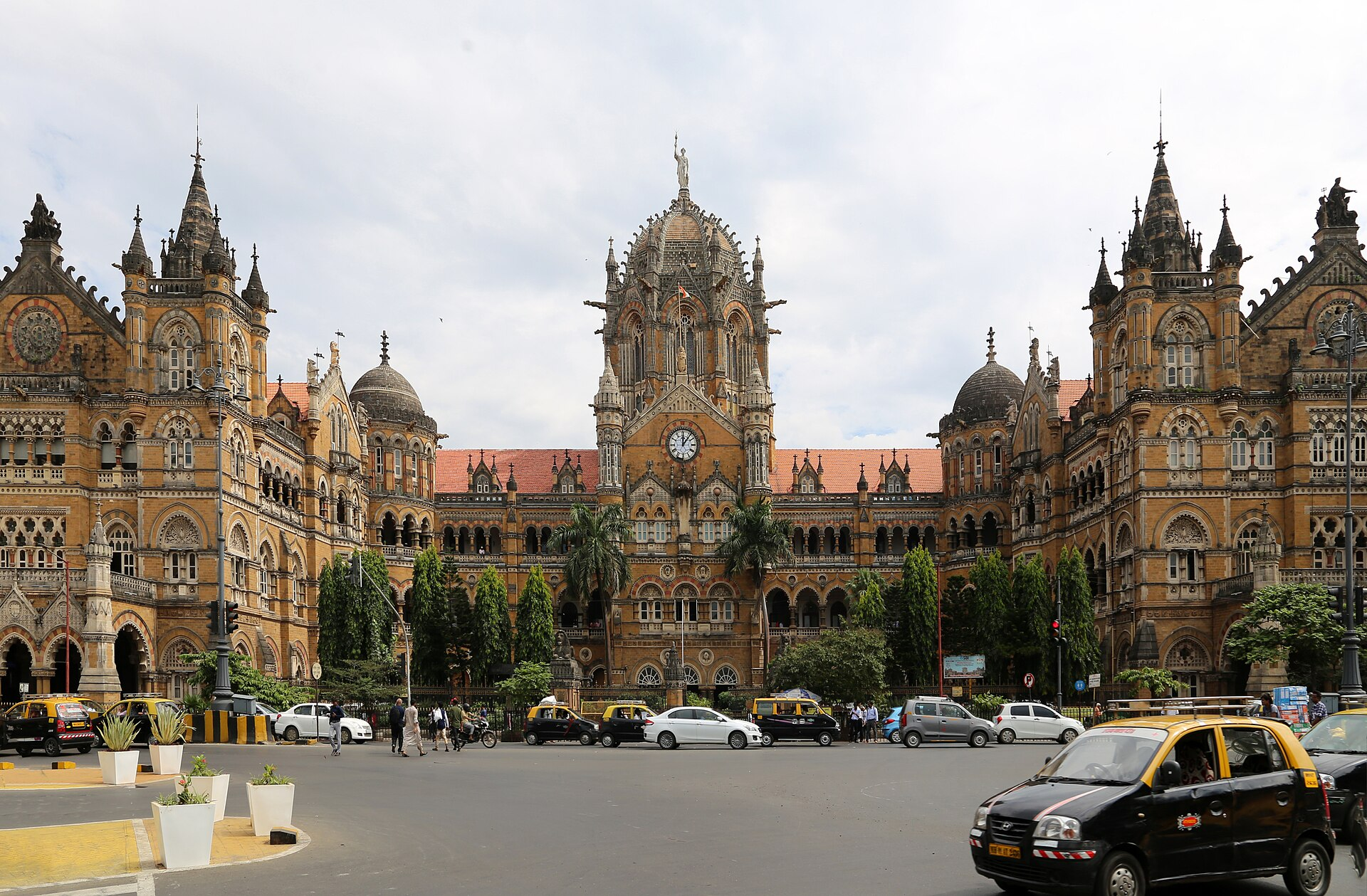
Formerly known as Victoria Terminus, this UNESCO World Heritage site is, for many, the most beautiful railway station in the world if your taste runs to dramatic detail. Completed in 1887, it is a wild and exuberant blend of Gothic Revival architecture and traditional Indian design.
The building bristles with turrets, pointed arches, stained glass, and intricate stone carving. As the headquarters of Central Railway and one of India’s busiest stations, it handles enormous daily crowds while remaining one of the most photographed landmarks in the country. At night, beautifully lit, it looks less like a transit hub than a cathedral.
Gare de Lyon, Paris, France
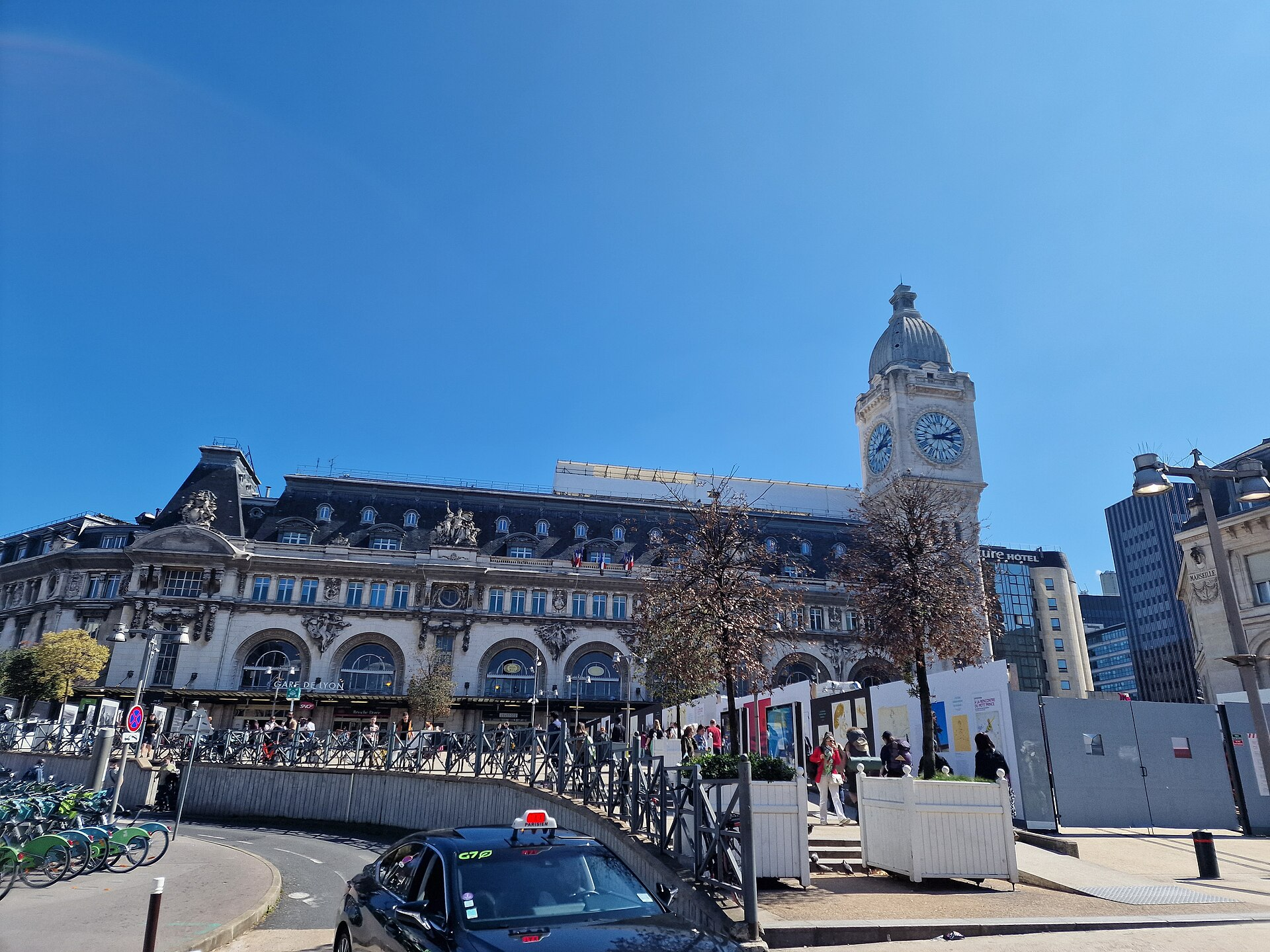
Paris built several grand stations, but the Gare de Lyon stands out for taking a practical piece of infrastructure and turning it into high art. Its most famous feature is not the platforms but a restaurant: Le Train Bleu, a gilded dining room dripping with frescoes and chandeliers that has welcomed travelers since the early 20th century.
The station’s clock tower, a clear nod to a certain famous London landmark, rises over the entrance and has become a Paris fixture in its own right. Generations of travelers have begun journeys toward the Mediterranean from here, and the building still carries the sense of occasion that grand rail travel once promised.
São Bento, Porto, Portugal
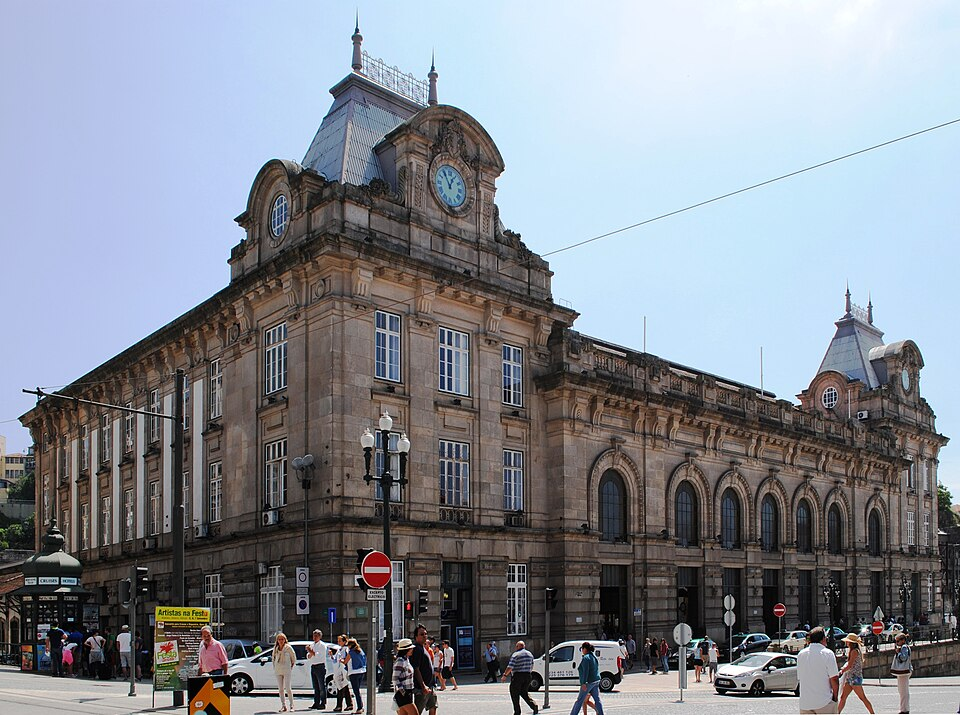
What makes São Bento unforgettable is not its size but its walls. Step into the main hall and you are surrounded by some 20,000 hand-painted ceramic tiles, the blue-and-white azulejos that Portugal is famous for, depicting scenes from the nation’s history.
Opened in the early 20th century on the site of a former monastery, the station turns the everyday act of catching a train into a walk through a public art gallery. It is one of those rare buildings where travelers regularly stop in simply to look, with no train to catch at all.
Kanazawa Station, Japan
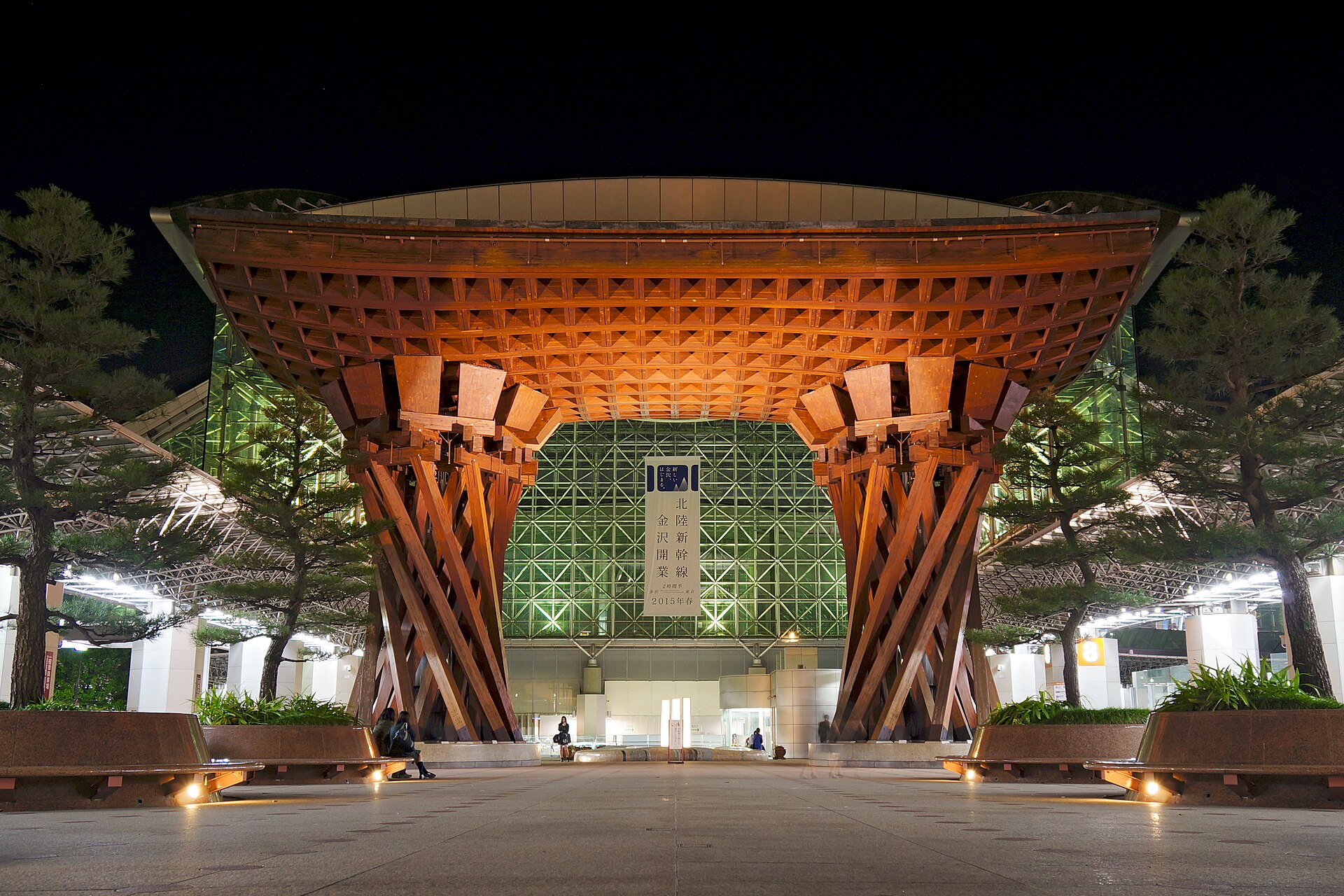
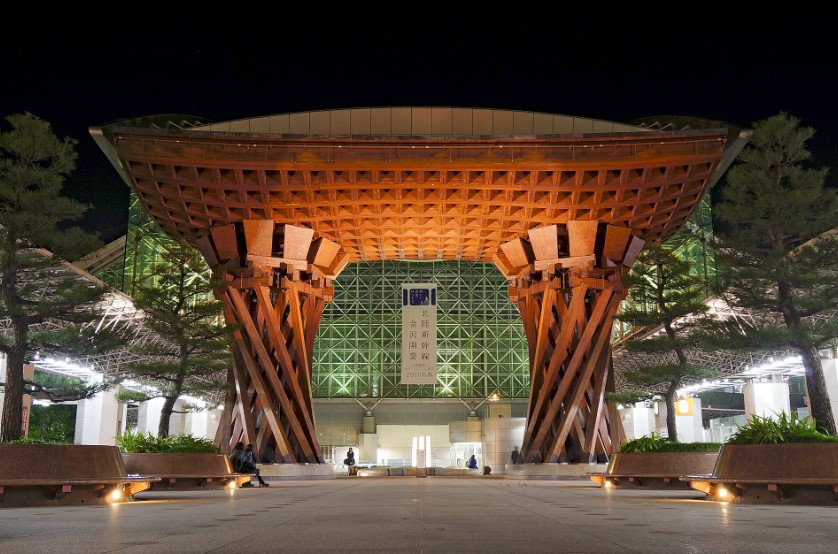
Not every great station is a century old, and Kanazawa proves that the tradition of the station as civic showpiece is still alive. Its dramatic Tsuzumi-mon gate, a vast wooden torii-inspired structure, frames the entrance and pays tribute to the city’s heritage of traditional drumming and performing arts.
Behind the gate, a soaring glass-and-aluminum dome shelters arriving travelers from rain and snow. The contrast of ancient form and modern engineering has earned Kanazawa a reputation as one of the most beautiful stations in the world, and a sign that the impulse to make travel feel grand has not died with the steam age.
Grand Central Terminal, New York City, United States
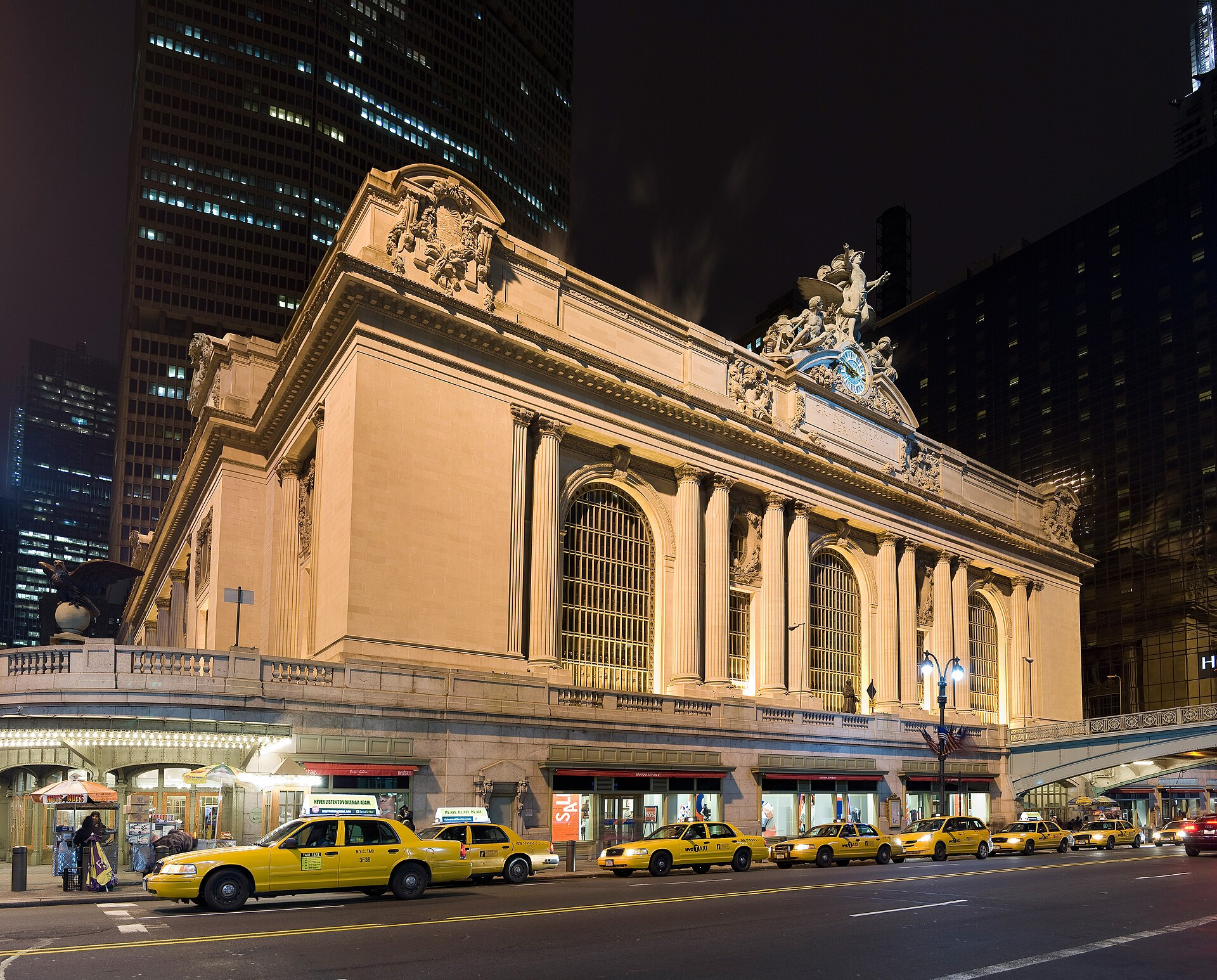
No list would be complete without America’s most famous station. Opened in 1913, Grand Central Terminal is a Beaux-Arts landmark whose main concourse, with its celestial ceiling painted with constellations, is one of the most recognizable interiors in the world.
The terminal was nearly lost to redevelopment in the mid-20th century before a preservation campaign saved it, a fight that helped shape modern landmark protection. Today its marble staircases, four-faced brass clock, and vaulted ceiling draw visitors who never board a train, making it one of the most visited destinations in the city.
Kuala Lumpur Railway Station, Malaysia
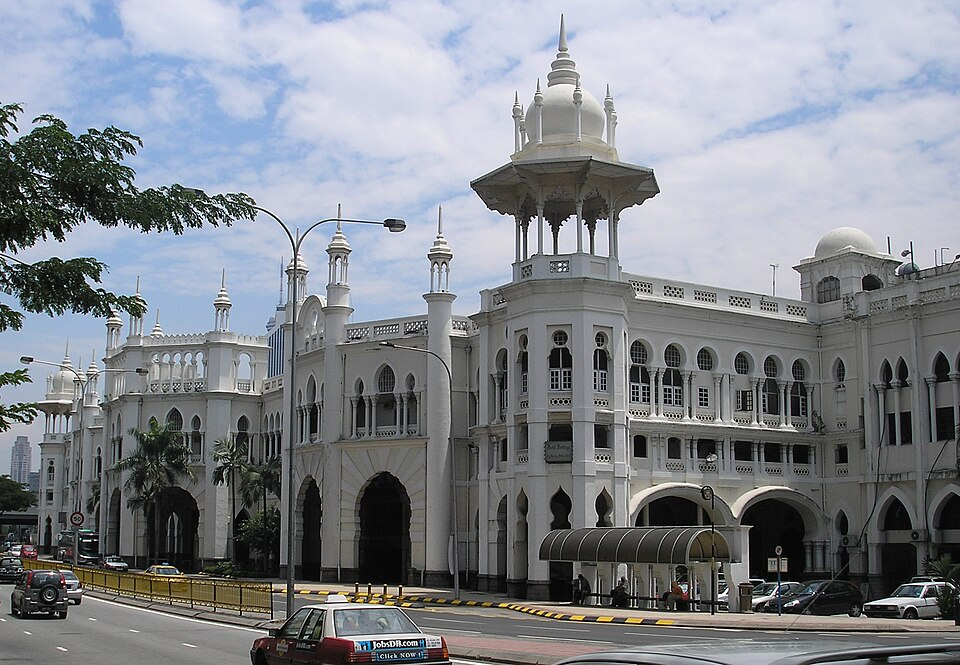
Built in 1910 during the British colonial era, the old Kuala Lumpur Railway Station is one of Southeast Asia’s most striking pieces of railway architecture. Designed by a British architect working in the region, it fuses Victorian and Eastern influences into a brilliant white confection of domes, arches, minaret-like spires, and keyhole openings.
The style is often described as Indo-Saracenic or Moorish revival, a colonial-era blending of Islamic and European forms, and the result looks more like a palace than a transit terminal. Though much of the city’s rail traffic has shifted to a newer central station nearby, the historic building has been preserved as a heritage landmark, its gleaming silhouette a reminder of the romance early planners attached to the railway.
Why These Buildings Have Lasted
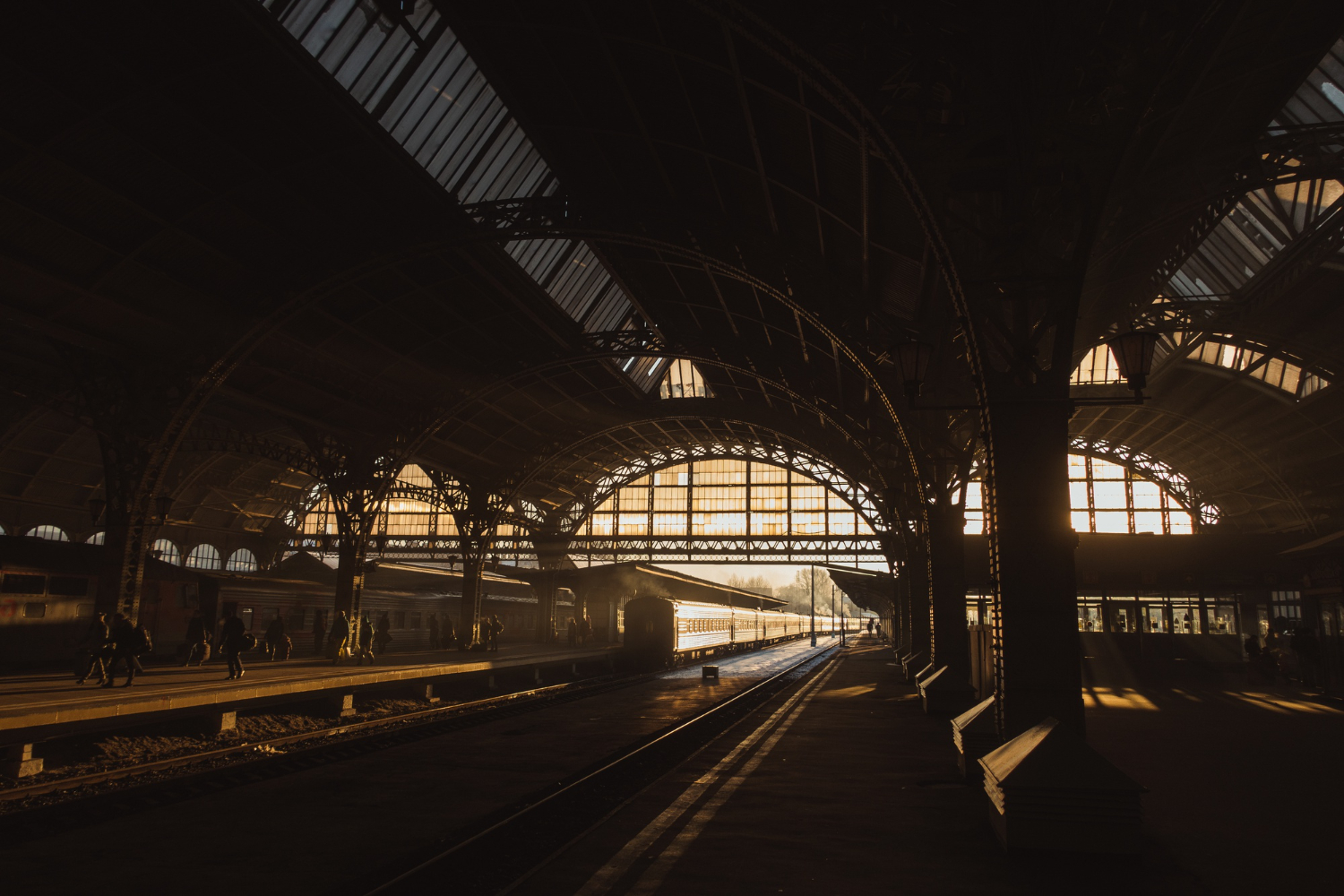
The grand stations that survive share a common thread: each came close, at some point, to being lost. Antwerp Central faced demolition. Grand Central was nearly redeveloped. St. Pancras spent years underused before its rescue. What saved them was a growing recognition that these buildings were never just transit infrastructure. They were civic statements, built to inspire, and worth preserving for that reason alone.
That is the quiet lesson of the world’s great railway stations. In an age of efficient but forgettable travel, they remind us that getting from one place to another was once treated as something worth celebrating. Many remain free to enter and open to anyone, train ticket or not. So the next time you pass through a city with one of these landmarks, it is worth arriving a little early, looking up, and remembering what travel used to feel like.