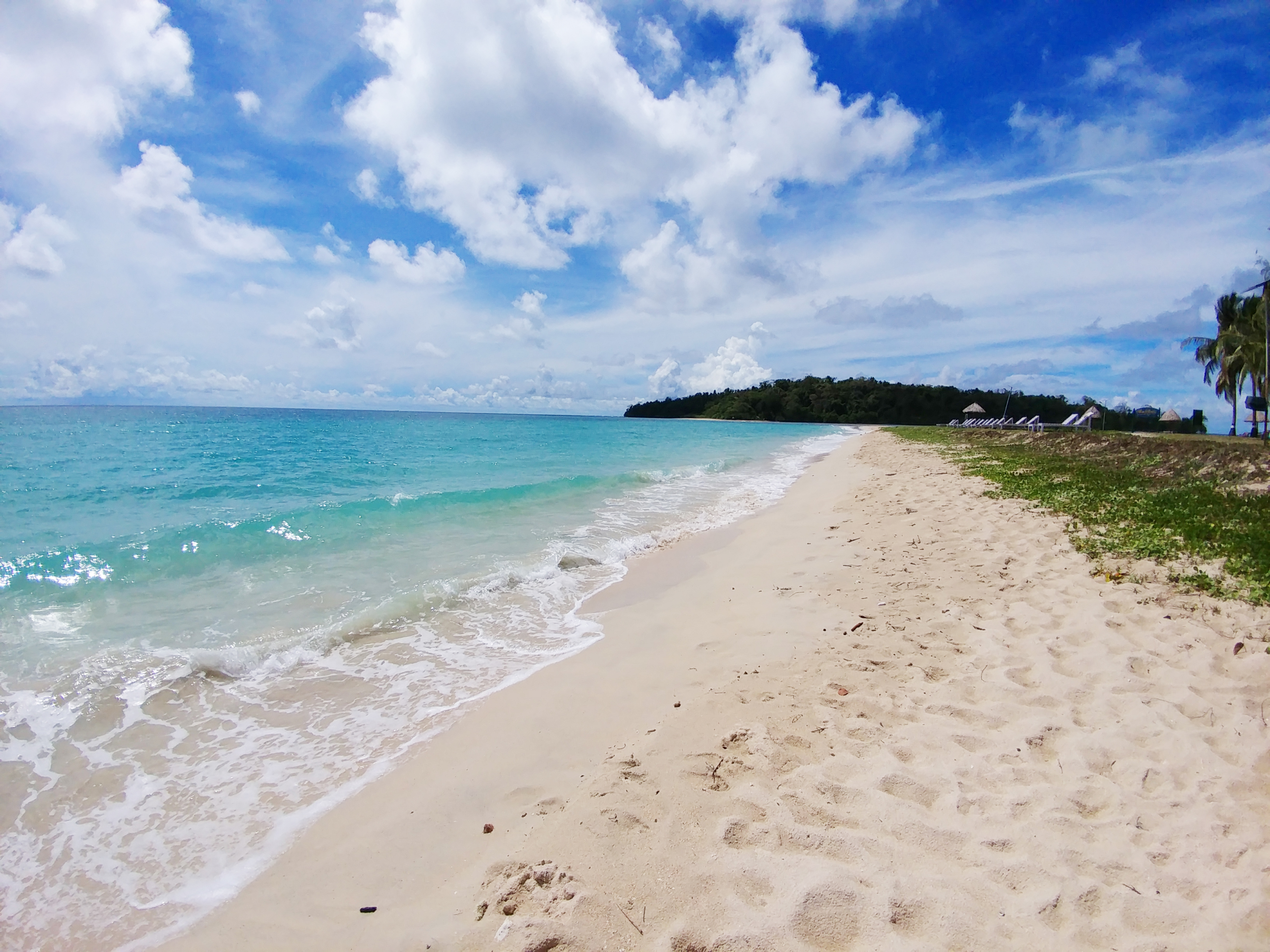
In an age when satellite maps cover the globe and few corners of the world remain truly unknown, one small, forested island in the Bay of Bengal stands apart. North Sentinel Island, part of India’s Andaman and Nicobar Islands, is home to the Sentinelese, a people who have lived in near-total isolation and who have firmly resisted contact with the outside world. Visiting the island is forbidden by Indian law, and that prohibition exists to protect both the islanders and anyone who might approach. It is a rare place that the modern world has agreed to leave alone.
A Remote and Forbidden Island
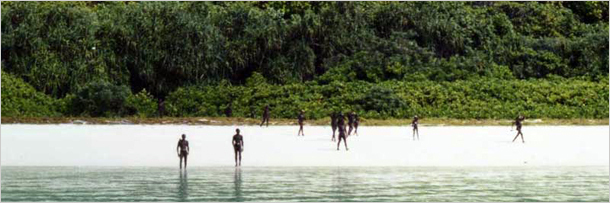
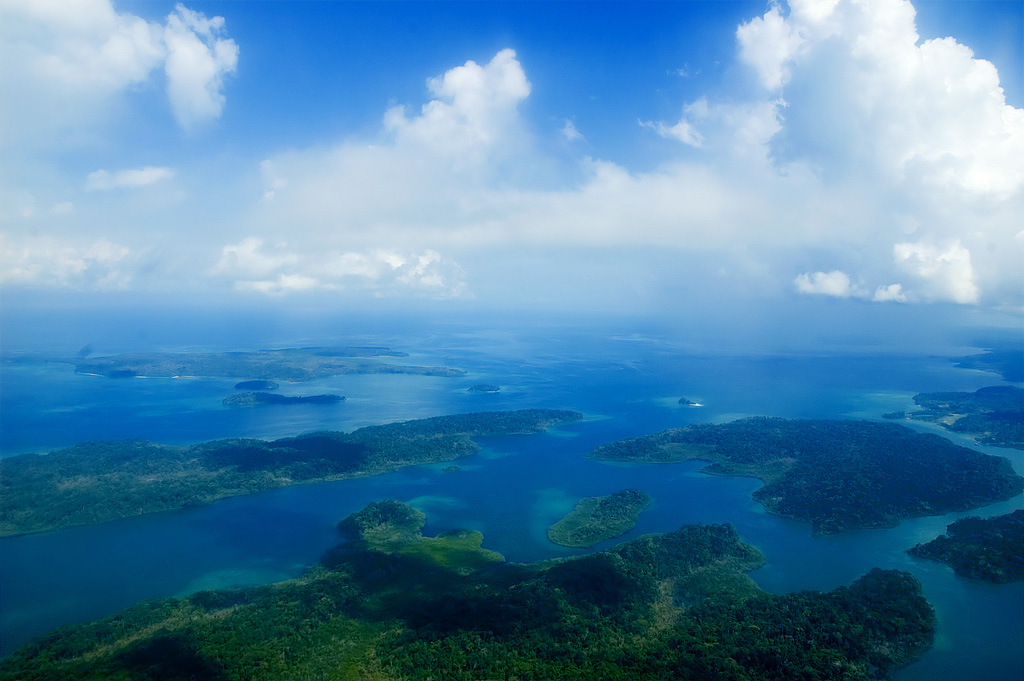
North Sentinel lies in the Andaman and Nicobar Islands, a union territory of India, situated roughly 750 miles from the Indian mainland. Covered in dense forest and ringed by reefs, the island is about the size of Manhattan. It has no roads, ports, or modern infrastructure of any kind, appearing from a distance as an unbroken expanse of green.
What makes North Sentinel extraordinary is not its landscape but its people and their isolation. The Sentinelese are widely regarded as the most isolated Indigenous community on Earth, having rejected sustained contact with the outside world. Estimates of their population vary widely, from as few as several dozen to a few hundred, because no detailed census has ever been possible. They live as hunter-gatherers, fishing in the coastal shallows and foraging in the forest, much as their ancestors have for a very long time.
Like our content? Follow us for more.
A People Who Choose Isolation
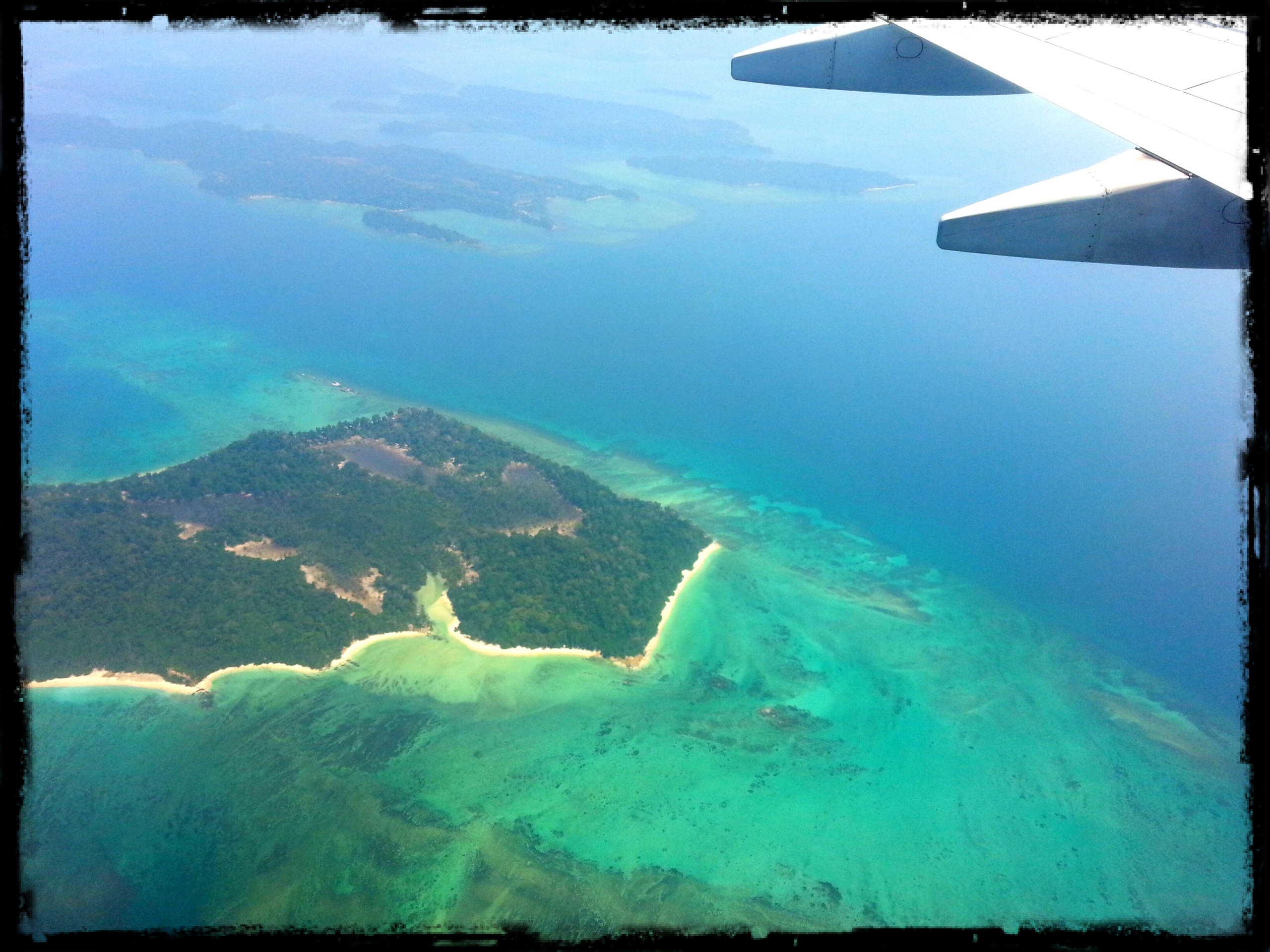
The Sentinelese have made their wishes unmistakably clear over the years: they do not want contact with outsiders. Approaching boats have historically been met with warning gestures and arrows, and the tribe has defended the shores of its island against intrusion for generations. Anthropologists and advocates emphasize that this is not hostility for its own sake but a consistent expression of a people determined to live on their own terms.
Very little is known about Sentinelese language, customs, or beliefs, precisely because they have remained apart. The handful of glimpses the outside world has gathered come mostly from observations made at a distance. What is known is that they are a self-sufficient community that has survived independently for millennia, and that their way of life depends on their continued isolation.
Why Visiting Is Illegal
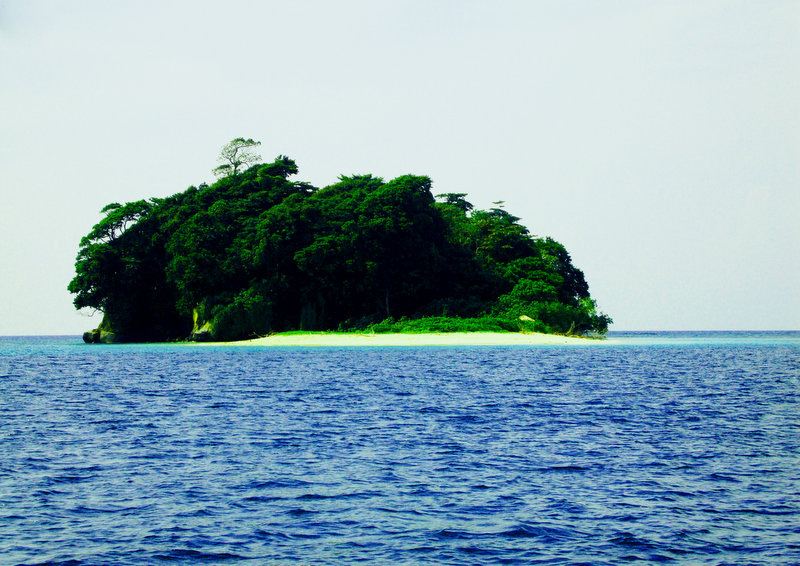
The Indian government has adopted what officials describe as an “eyes-on, hands-off” approach, monitoring the island from a distance while strictly prohibiting anyone from landing. The cornerstone of these protections is the Andaman and Nicobar Islands (Protection of Aboriginal Tribes) Regulation of 1956, which declared North Sentinel a tribal reserve and barred travel within a buffer of several nautical miles of its shores. Photography of the island and its people is also prohibited, and the rules have been reaffirmed in the decades since.
The reasons for this strict protection are twofold, and both are matters of life and death. The first is disease. Isolated peoples like the Sentinelese have no immunity to common illnesses such as influenza or measles, and even brief contact could introduce an infection capable of devastating the entire population. The tragic histories of other Andaman tribes, whose numbers collapsed after sustained contact with outsiders brought disease and disruption, serve as a stark warning. The second reason is the danger to outsiders themselves, given the tribe’s consistent and forceful rejection of intrusion. The Indian Navy and Coast Guard patrol the surrounding waters to enforce the ban and keep both sides safe.
A History of Tragic Encounters
The story of North Sentinel includes a series of encounters that underscore why the island is best left undisturbed. In 1880, during the colonial era, a British naval officer landed and abducted several islanders; the older captives reportedly fell ill and died, a traumatic intrusion that may have shaped the tribe’s deep wariness of outsiders ever since. In 1974, a film crew attempting to document the island was met with arrows.
There were rare moments of seemingly peaceful contact in the early 1990s, when researchers managed to hand over coconuts from the water during brief, cautious encounters, though even these were short-lived and never led to sustained interaction. After the 2004 Indian Ocean tsunami, a helicopter sent to check on the islanders was met with arrows, a sign the community had survived and still wished to be left alone. In 2006, two fishermen who drifted too close were killed. In 2018, an American who illegally traveled to the island in an attempt to make contact was killed by the Sentinelese, a widely reported tragedy that drew global attention. More recently, in 2025, another foreign visitor was arrested after illegally landing on the island and leaving items behind, an act that authorities and advocates condemned as reckless.
Leaving Them Alone
Indigenous-rights organizations, most prominently Survival International, have long argued that the only responsible course is to respect the Sentinelese people’s clear desire for isolation. As one anthropologist who took part in the rare 1990s contacts later put it, the tribes of these islands do not need outsiders to protect them; what they need is to be left alone. Each illegal attempt to reach the island, however well-intentioned or adventurous, endangers not only the visitor but potentially the entire Sentinelese population, who could be wiped out by an introduced disease.
North Sentinel Island stands as a powerful reminder that not every place is meant to be visited, and not every people is waiting to be discovered. In a world that often treats remoteness as a challenge to be conquered, the Sentinelese have, with the backing of Indian law, drawn a clear line. Their island remains one of the last truly forbidden places on Earth, and the most respectful thing the rest of the world can do is honor that boundary and admire it only from afar.
Like our content? Follow us for more.