

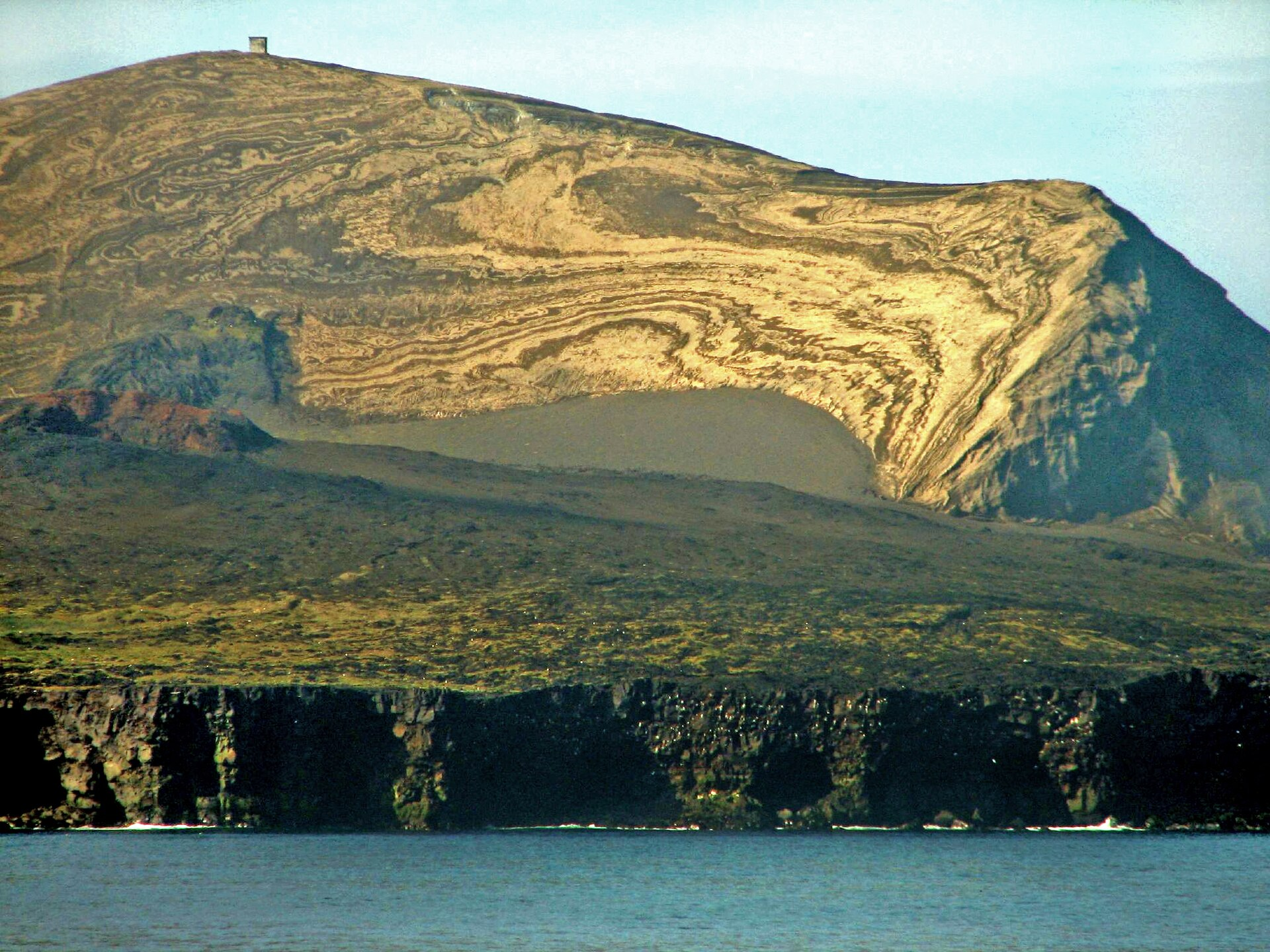
Most islands are unimaginably old, shaped over countless millennia. Surtsey is different. This small island off the coast of Iceland is one of the youngest places on Earth, having risen from the ocean within living memory, in a fiery volcanic eruption that the world watched unfold. From the moment it was born, Surtsey has been treated as something precious and unique: a pristine natural laboratory, sealed off from human interference so that scientists can watch, in real time, how life takes hold on new land. Here is the story of the forbidden island that emerged from the sea.
Born From the Ocean in 1963
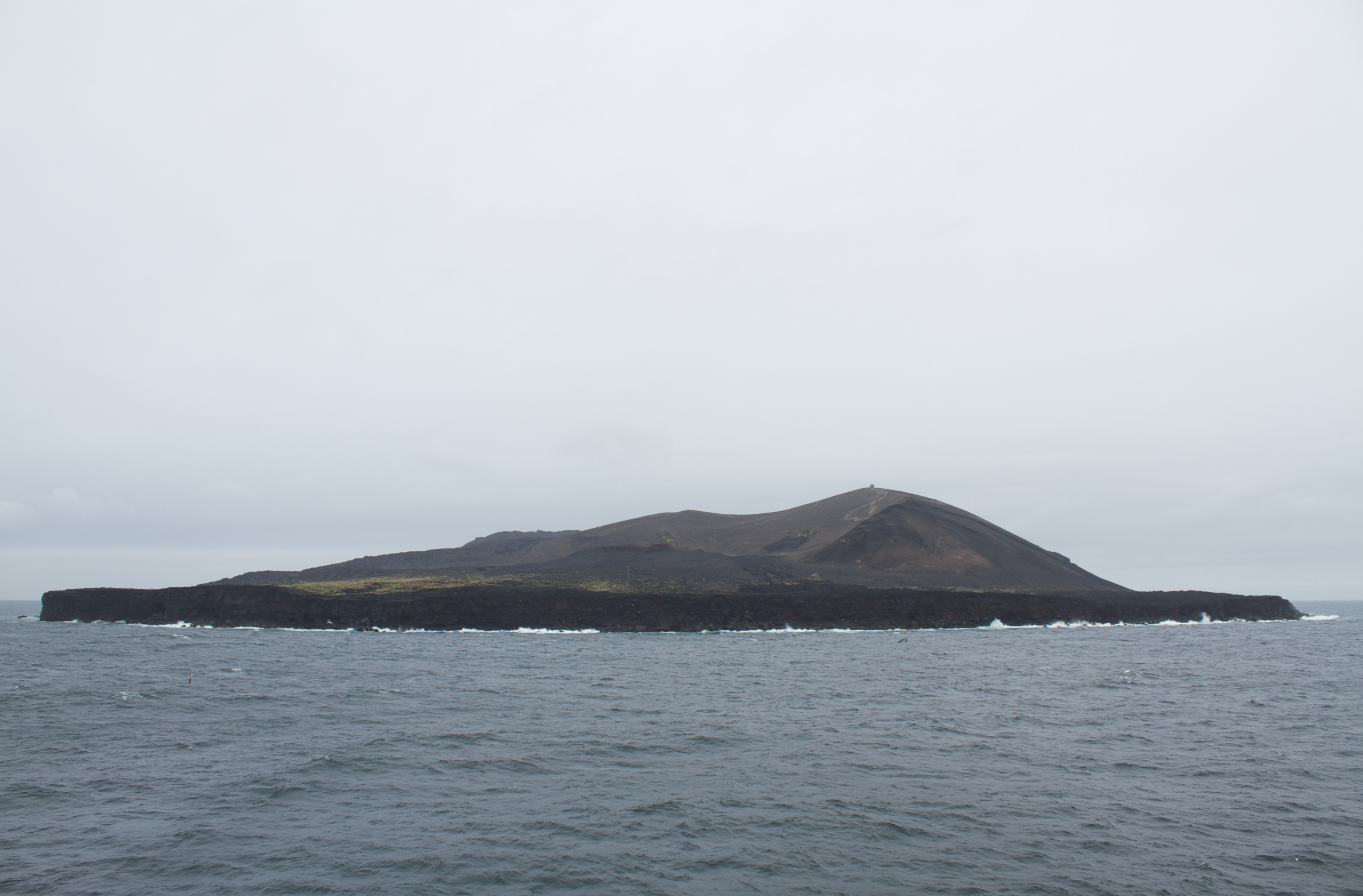
Surtsey lies about 32 kilometers, or 20 miles, off the southern coast of Iceland, southwest of the inhabited Westman Islands. Its birth was dramatic and well documented. On November 14, 1963, the crew of a fishing boat noticed a column of dark smoke rising from the sea. At first they wondered if a vessel was on fire, but they were in fact witnessing the start of an undersea volcanic eruption.
Over the next three and a half years, until June 1967, the eruption piled up lava and volcanic material until a new island stood above the waves. It was named Surtsey, after Surtr, a fire giant of Norse mythology, a fitting name for land forged from fire beneath the sea. The eruptions were so distinctive that they gave their name to a recognized type of volcanic activity, the “Surtseyan” eruption.
Like our content? Follow us for more.
A Pristine Natural Laboratory
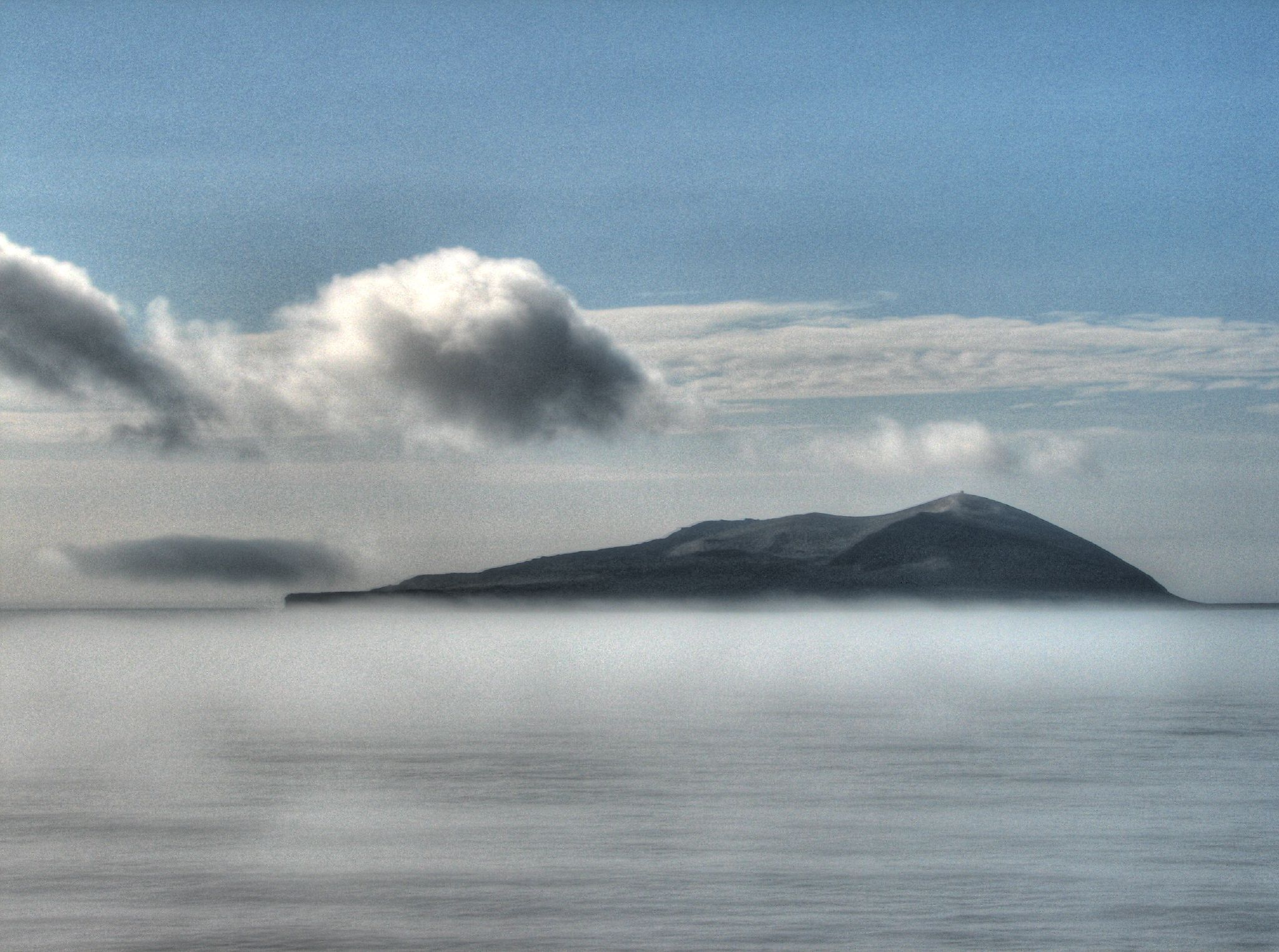
From the very beginning, scientists recognized that Surtsey offered an extraordinarily rare opportunity. Here was a brand-new, lifeless landmass, a blank slate on which researchers could observe exactly how plants, insects, birds, and other life arrive and establish themselves over time. To protect that opportunity, Iceland declared Surtsey a nature reserve in 1965, even before the eruptions had ceased.
The decision was made to keep the island free from human interference, so that the natural process of colonization could unfold without being disturbed or contaminated. The results have been a scientific treasure. The first plant was found growing on the island in 1965, and in the decades since, researchers have documented the steady arrival of life: dozens of vascular plant species, hundreds of types of invertebrates, and many species of birds, whose nesting colonies enrich the soil and accelerate the spread of vegetation. Seals, too, have hauled out on its shores.
Why Almost No One Can Visit
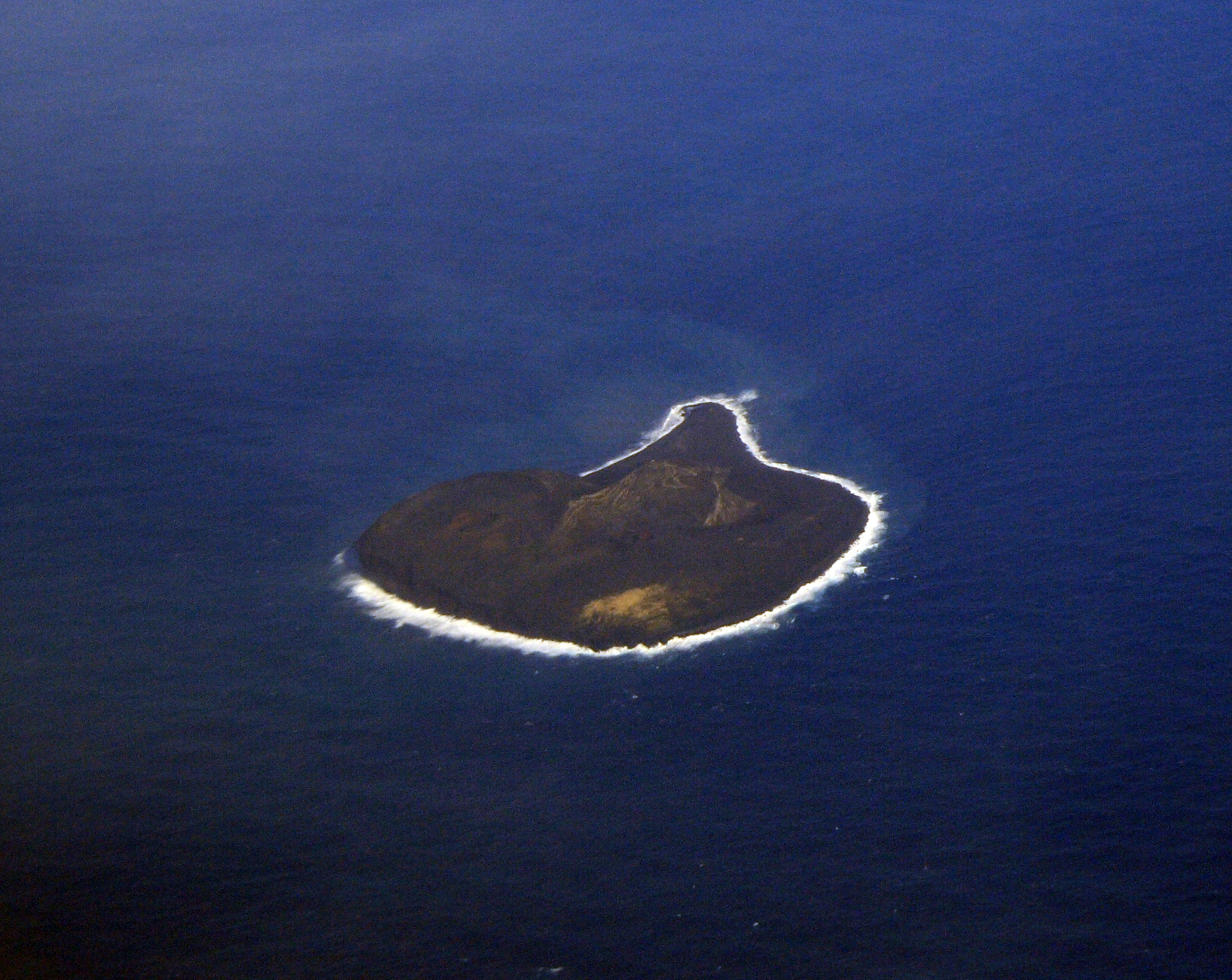
Surtsey is strictly off-limits to the public. The only people permitted to land are a small number of approved scientists, who must obtain special permits, and even their access is carefully controlled to minimize any human impact. The reason is simple and compelling: the island’s entire scientific value depends on keeping it pristine.
If casual visitors were allowed to come and go, they could unintentionally introduce seeds, insects, or other organisms on their clothing or shoes, contaminating the natural experiment and spoiling the very thing that makes Surtsey so valuable. Even the scientists who work there take great care not to bring foreign material onto the island. This careful protection is why Surtsey was designated a UNESCO World Heritage Site in 2008, recognized as an outstanding example of an undisturbed natural process. The restriction is not about secrecy or danger, but about preserving a one-of-a-kind window into how life colonizes new land.
A Shrinking, Living Monument
Even as life flourishes on Surtsey, the island itself is slowly disappearing. At its largest, it covered around 2.5 to 2.7 square kilometers and rose some 170 meters above the sea. But the relentless pounding of the North Atlantic has been eroding it ever since the eruptions stopped, and it has already shrunk to roughly half its peak size, with its highest point lowered as well.
Scientists expect the erosion to continue, gradually wearing the island down over the coming centuries, though a protective cap of hard lava is helping it endure for now. In a sense, Surtsey offers a complete natural story in fast-forward: an island born from fire, colonized by life, and slowly reclaimed by the sea, all within a span that scientists can observe directly.
For everyone else, Surtsey remains a place to admire from a distance. Boat tours from the nearby Westman Islands pass close enough for visitors to glimpse the island and its dramatic volcanic profile, but no one is permitted to land. In an age when so much of the planet has been explored, mapped, and visited, Surtsey stands as a rare and deliberate exception, a pristine island left almost untouched by human hands, where the story of life beginning anew is allowed to unfold on its own. It is forbidden not to hide it, but to protect it, and to learn from it.
Like our content? Follow us for more.

