Every American summer runs on the same dessert lineup — the campfire s’more, the drugstore banana split, the ice cream sandwich melting faster than anyone can eat it — and the lineup feels so eternal that nobody thinks to ask where any of it came from. The answers are better than they have any right to be: pharmacists and pushcart vendors, Girl Scouts and world’s fairs, one Colorado legend involving a thunderstorm, and at least two towns that have turned a dessert dispute into an annual civic event.
So before the season peaks, a proper accounting: the true origin stories of the great American summer desserts, disputed claims and all.
The S’more: Born in a Girl Scout Manual, Named by Committee of Children
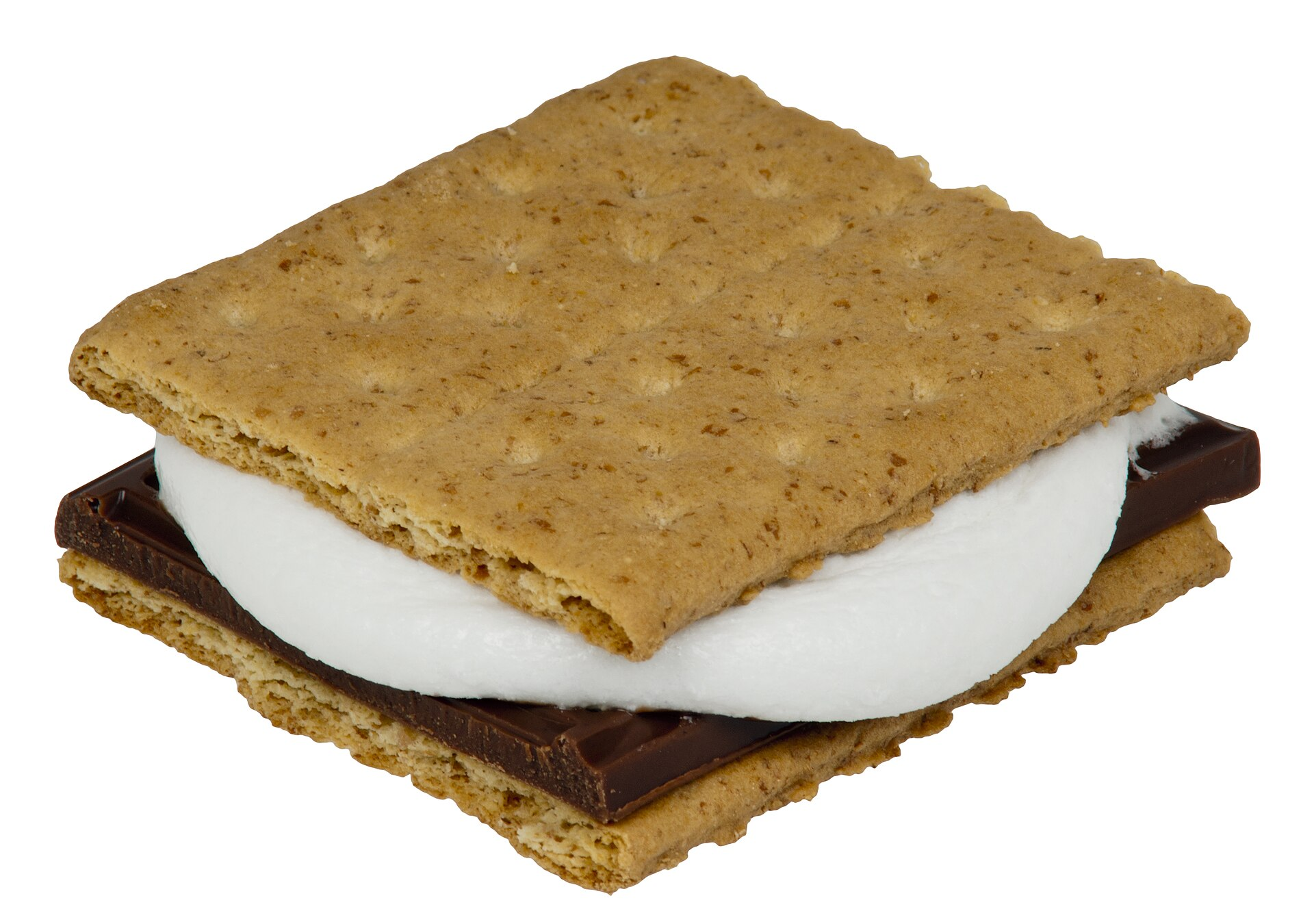
The campfire’s signature dessert has an actual publication date. The recipe for “Some Mores” — roasted marshmallow and a square of chocolate pressed between graham crackers — appeared in the 1927 Girl Scout guide “Tramping and Trailing with the Girl Scouts,” and the organization has enjoyed the credit ever since, though the treat almost certainly circulated at campfires before someone wrote it down. The name’s evolution is the best part: “some mores,” as in the only review the dessert has ever needed, contracted over the decades into “s’more” through the efficient mumbling of children with full mouths.
The ingredients themselves were a fully American convergence — the graham cracker began life in the 1830s as a health reformer’s austerity food, marshmallows had just become cheap through machine production, and milk chocolate bars were newly portable — meaning the s’more was possible for only about a decade before the Scouts canonized it. Some inventions wait for their technology. This one assembled itself the moment the supply chain allowed.
Like our content? Follow us for more.
The Banana Split: A 23-Year-Old’s Masterpiece, and the Feud It Started
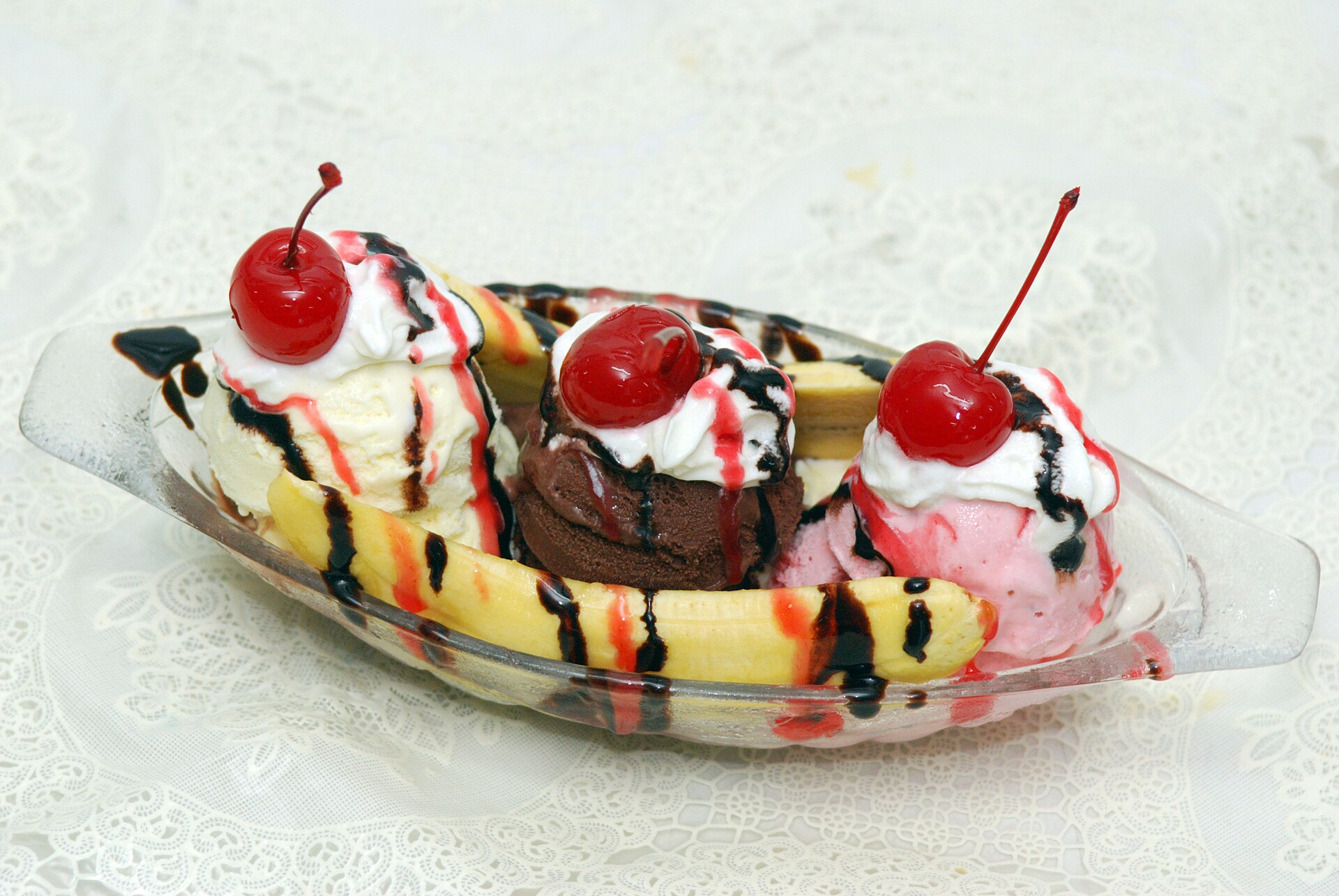
In 1904, in the steel town of Latrobe, Pennsylvania, a 23-year-old apprentice pharmacist named David Strickler started experimenting at his drugstore’s soda fountain and built something new: a banana halved lengthwise, three scoops of ice cream, three sauces, whipped cream, nuts, and cherries, served in a boat-shaped dish he reportedly had made specially because nothing on the shelf could hold his invention. Students from a nearby college spread the word, the dish traveled, and Strickler spent the rest of his life as the acknowledged father of the banana split — Latrobe celebrates him with an annual Great American Banana Split Festival to this day.
Except: Wilmington, Ohio, tells a different story, crediting a local restaurant owner with inventing the dish in 1907, and Wilmington also throws an annual festival saying so. The National Ice Cream Retailers Association eventually weighed in on Latrobe’s side, which settled the matter everywhere except Wilmington, where it settled nothing. Two towns, two festivals, one dessert — a thoroughly American outcome, and both parties are correct that the split tastes best in the town defending it.
The Ice Cream Sandwich: A Penny Invention From the Pushcarts of New York
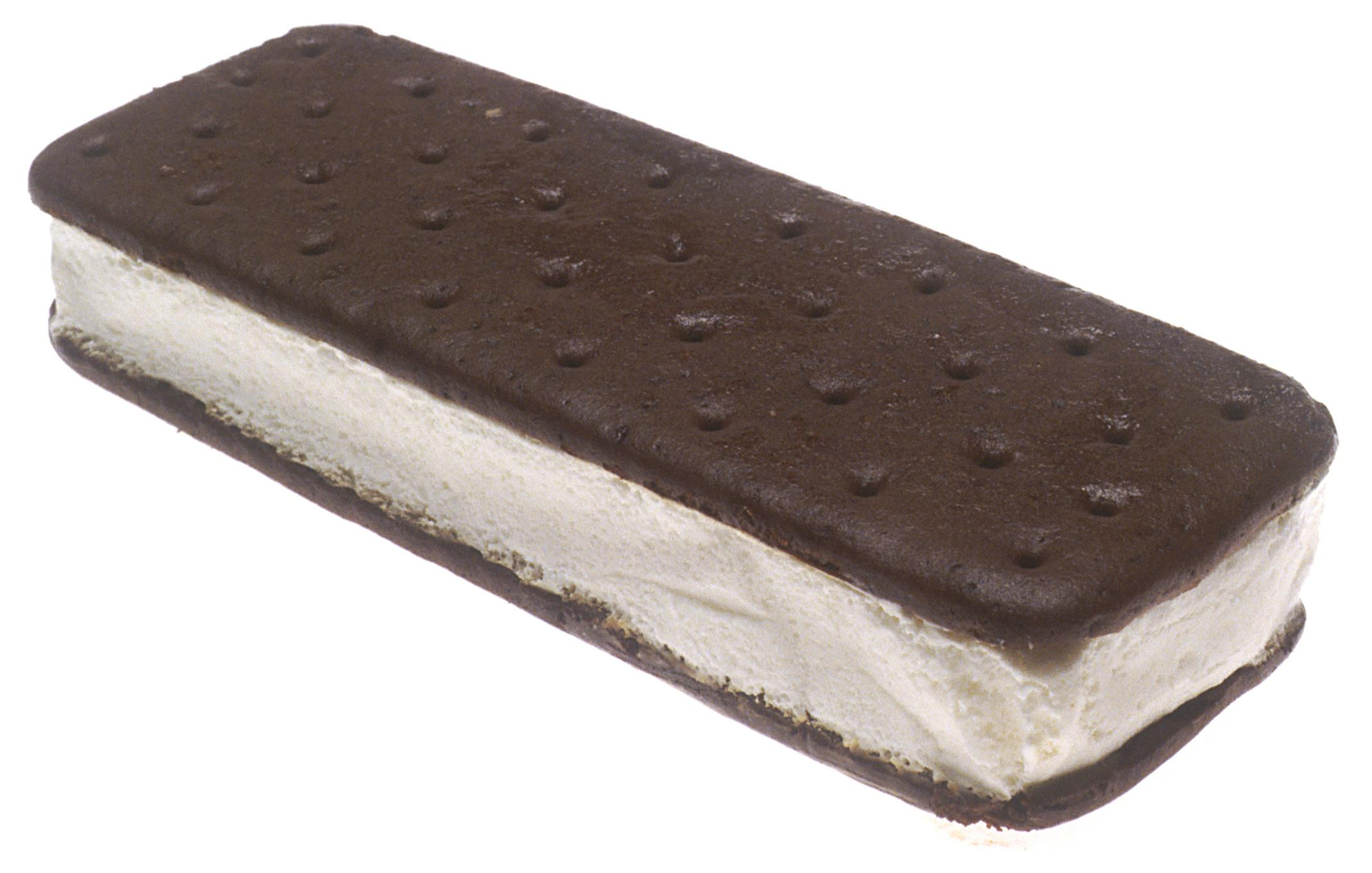
The ice cream sandwich has no plaque, no festival, and no named inventor — and that anonymity is the origin story. Around the turn of the twentieth century, pushcart vendors in New York’s tenement districts began pressing a slab of ice cream between two thin wafers and selling the result for a penny, a format built for the street: no dish, no spoon, no waiting, and the wafers kept fingers clean-ish while the customer raced the sun. Newspaper accounts from the early 1900s describe office workers and newsboys alike mobbing the carts in heat waves.
The chocolate wafer version Americans know from grocery freezers arrived decades later, but the design has never needed improvement, only refrigeration. Food historians like to point out that the ice cream sandwich is among the few great American foods invented entirely by and for the working poor — a penny luxury engineered for a hot city — which is worth remembering the next time one drips down a wrist at a cookout: that’s not a flaw, that’s heritage.
The Root Beer Float: A Colorado Legend With a Mountain in It
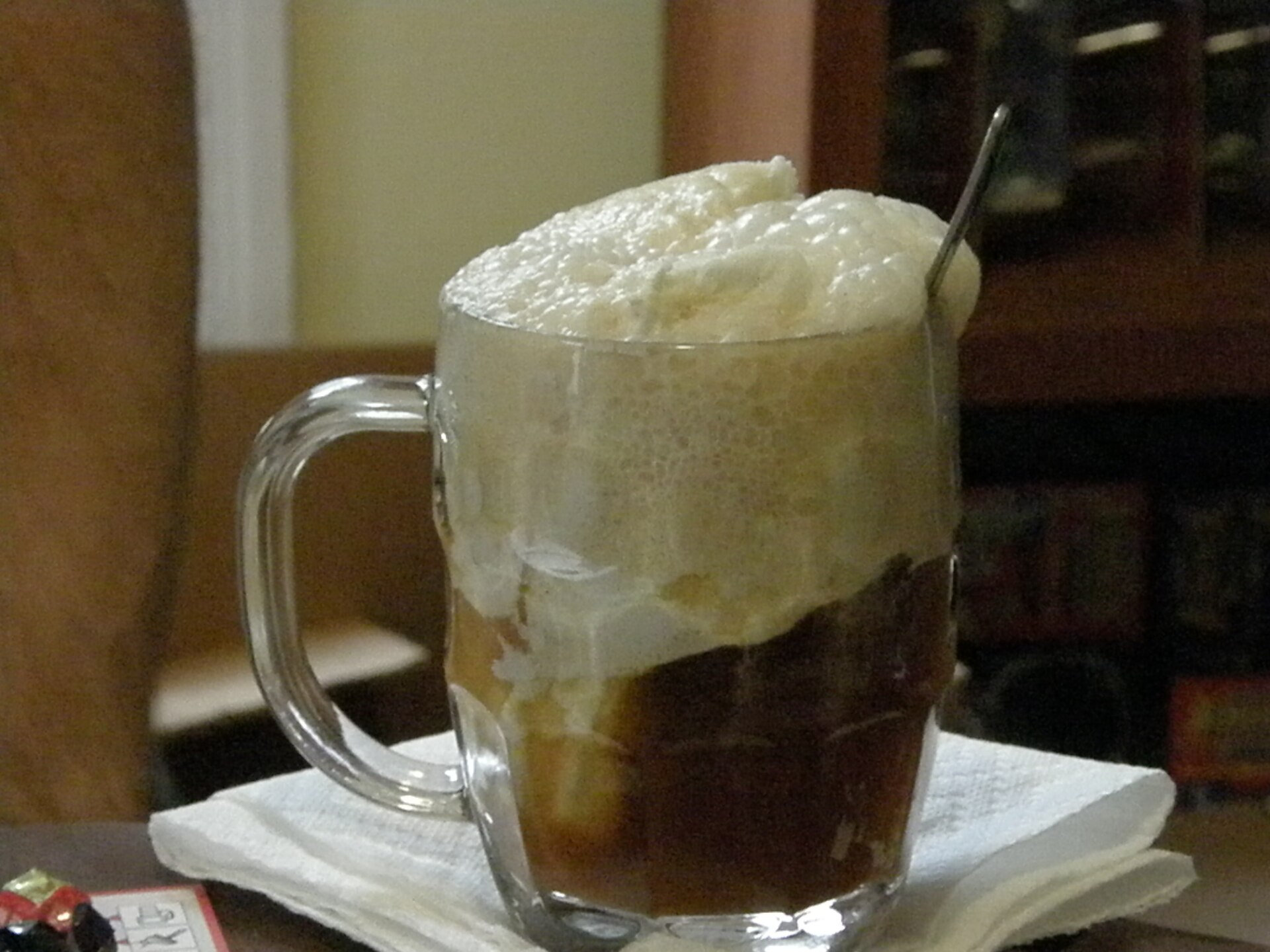
The float’s origin story is the genre’s most cinematic, and honesty requires the word “legend” attached. As the tale runs, Frank Wisner, proprietor of a mining-town soda business in Cripple Creek, Colorado, looked out one night in 1893 at moonlight on the snow-capped peak called Cow Mountain, thought the white summit floating on the dark mountain looked like ice cream on soda, and marched in the next morning to drop a scoop of vanilla into his root beer — naming the result the “Black Cow.” Locals shortened it, the drink spread, and soda fountains nationwide made the float a summer fixture.
Historians note the documentation is thin and ice cream had been meeting soda water in various forms for years — the ice cream soda itself has a competing Philadelphia origin claim from the 1870s — but Cripple Creek stands by its mountain, and the story has earned its place the way good origin stories do: by being told at ten thousand soda fountains for over a century. Print the legend, and pour carefully; the foam surge is part of the ceremony.
Strawberry Shortcake: The Oldest Classic, and the One With Church Roots
The lineup’s elder statesman predates the republic’s fountains and fairs entirely. Shortcake — a rich, biscuit-style cake — appears in English cookbooks by the 1500s, and colonial Americans were splitting it under sugared strawberries by the 1800s, timed to the fleeting June-July strawberry season. That timing built an institution: the strawberry festival, a church-and-grange-hall tradition that swept nineteenth-century America and survives in hundreds of towns today, where the shortcake is assembled by volunteers in production lines that would impress a factory foreman.
The enduring American argument — biscuit versus sponge cake — splits roughly along lines of family tradition rather than geography, and it will never be resolved because both sides are having dessert. The berries settle every debate they’re invited to.
Watermelon: The Summer Dessert Older Than the Country
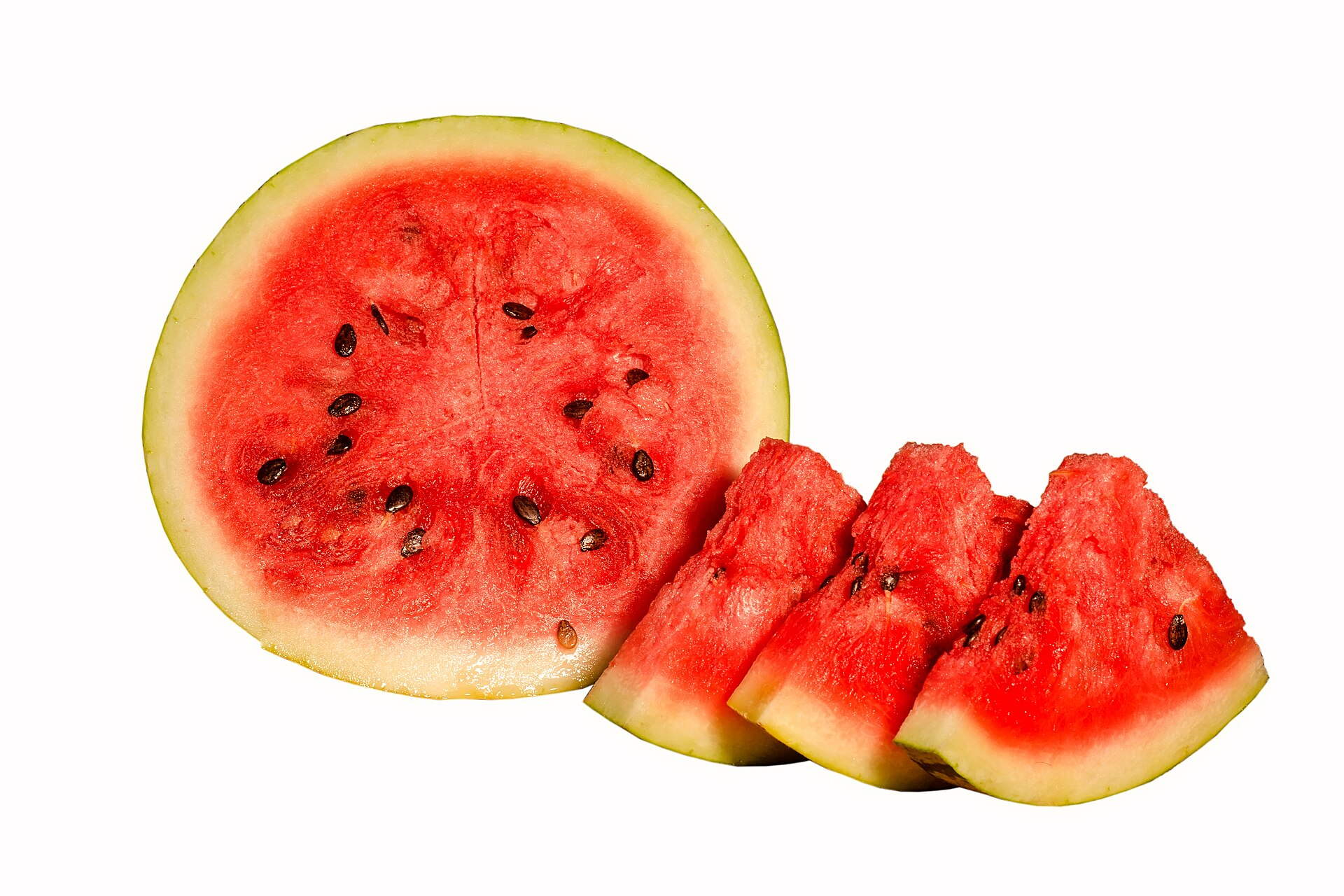
One July classic predates every fountain, fair, and scout manual on this list by several thousand years. Watermelon was domesticated in Africa millennia ago — the pharaohs put it in tombs — and it reached the Americas in the 1500s, spreading so thoroughly that by the 1800s it was the continent’s democratic dessert: no recipe, no oven, no ice required, just a knife, a shady spot, and tolerance for drips. Mark Twain, who assigned superlatives carefully, called it the food the angels eat, and the American summer built institutions around it — the seed-spitting contest, the icehouse-chilled melon of Southern porches, the county-fair biggest-melon competitions that persist wherever county fairs do.
The dessert’s modern chapter contains one twist worth knowing: the seedless watermelon, which conquered the produce aisle within a single generation, was decades of breeding work by agricultural scientists — no seeds means no spitting contest, a trade the culture made with barely a backward glance, though heritage seeded varieties survive at farm stands for traditionalists who insist the flavor rode out with the seeds. Either way, the melon holds its title: the only summer dessert that arrives as its own centerpiece, chills in a cooler, feeds twenty, and has never once been improved by a recipe. Some classics were invented. This one was inherited.
The Cone, the Cobbler, and the Rest of the Table
Two more deserve their citations. The ice cream cone’s fame was minted at the 1904 St. Louis World’s Fair, where — by the most-told account — a waffle vendor rolled his wares into cones for a neighboring ice cream stand that had run out of dishes; at least a half-dozen fair vendors later claimed the innovation, patent filings muddy the water further, and the fair itself remains the agreed-upon birthplace of the cone as a national phenomenon even if the parentage is a pile-up. And peach cobbler earns its seat as the summer dessert of the American South and the wagon trail both — an improvised deep-dish born of settlers cooking fruit under biscuit dough in Dutch ovens, “cobbled” together by definition, perfected over two centuries of July peaches.
Line them up and the pattern shows: America’s summer desserts are almost all improvisations — a pharmacist showing off, a vendor out of dishes, scouts around a fire, a cook with a Dutch oven and no pie plate. Nothing was decreed. Everything was invented at the last minute, in hot weather, by somebody solving a small delicious problem — which may be why the results taste like summer itself: casual, a little messy, and better outdoors. The classics don’t need improving this July. But they’ve earned the toast, so raise a spoon to Strickler, the Scouts, and the anonymous genius of the pushcarts. The season is their monument.
Like our content? Follow us for more.