Before clothes became cheap enough to throw away, every household had a repair department, and it lived in a box. It might have been a wicker basket, a wooden chest with a hinged lid, a tin that had once held something else, or a proper sewing cabinet with trays that folded out. Whatever the container, the contents were remarkably consistent across the country — a standard toolkit for keeping a family’s clothing in service for years. Here are fourteen things that were in essentially every one of them.
1. The Tomato Pincushion With the Little Strawberry
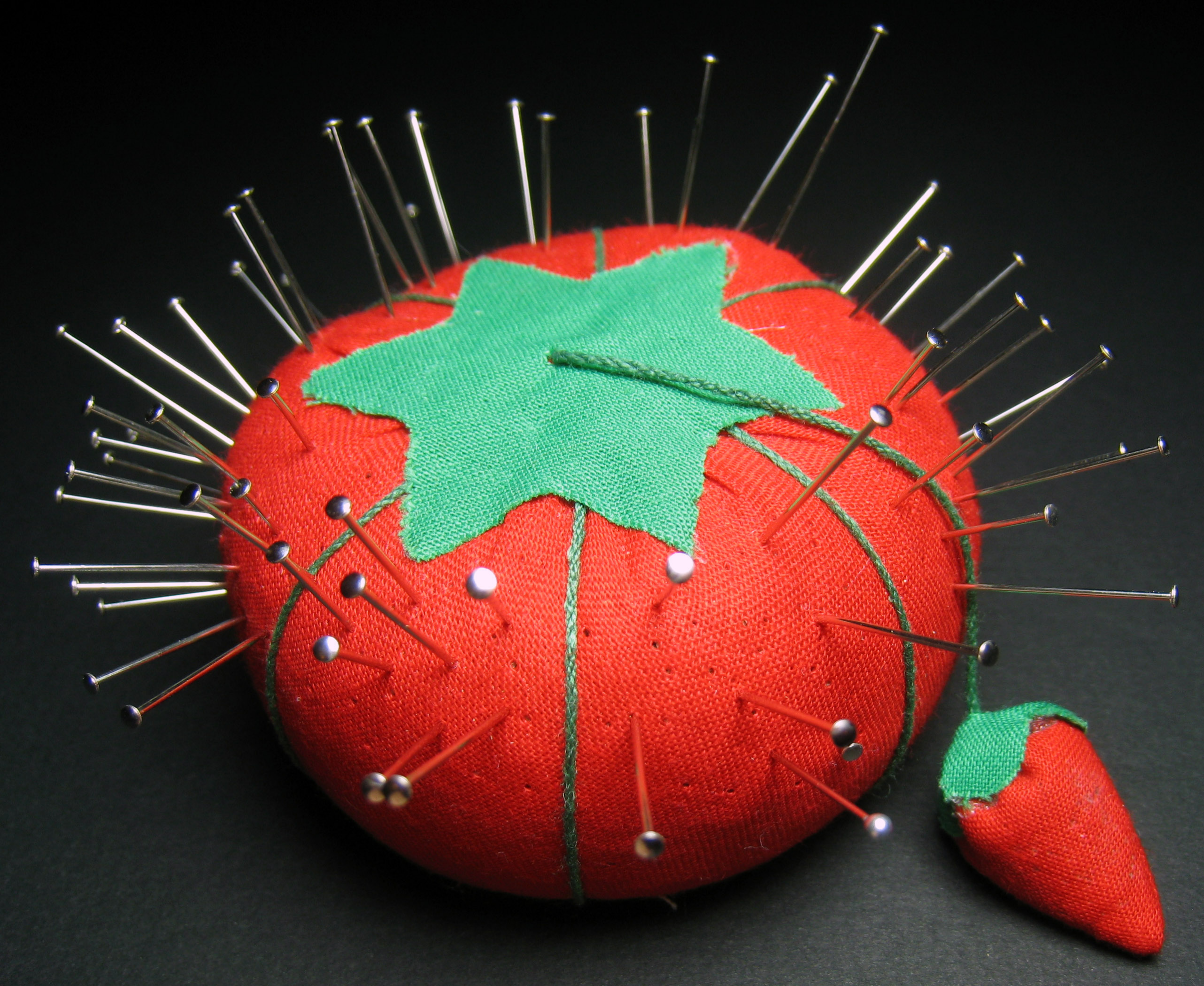
The red tomato held the pins. Nobody knew what the strawberry was for.
The single most recognizable object in American sewing history is the plump red tomato pincushion, usually with green fabric leaves at the top and a small strawberry dangling from it on a string. Generations of children played with these without ever learning that the strawberry has a job: it’s filled with a fine abrasive, and running a needle in and out of it cleans and sharpens the point. The tomato itself was a Victorian-era design that became standard, and it remains one of the most instantly nostalgic objects anyone can put in front of a certain age group.
Like our content? Follow us for more.
2. A Tin Full of Mismatched Buttons
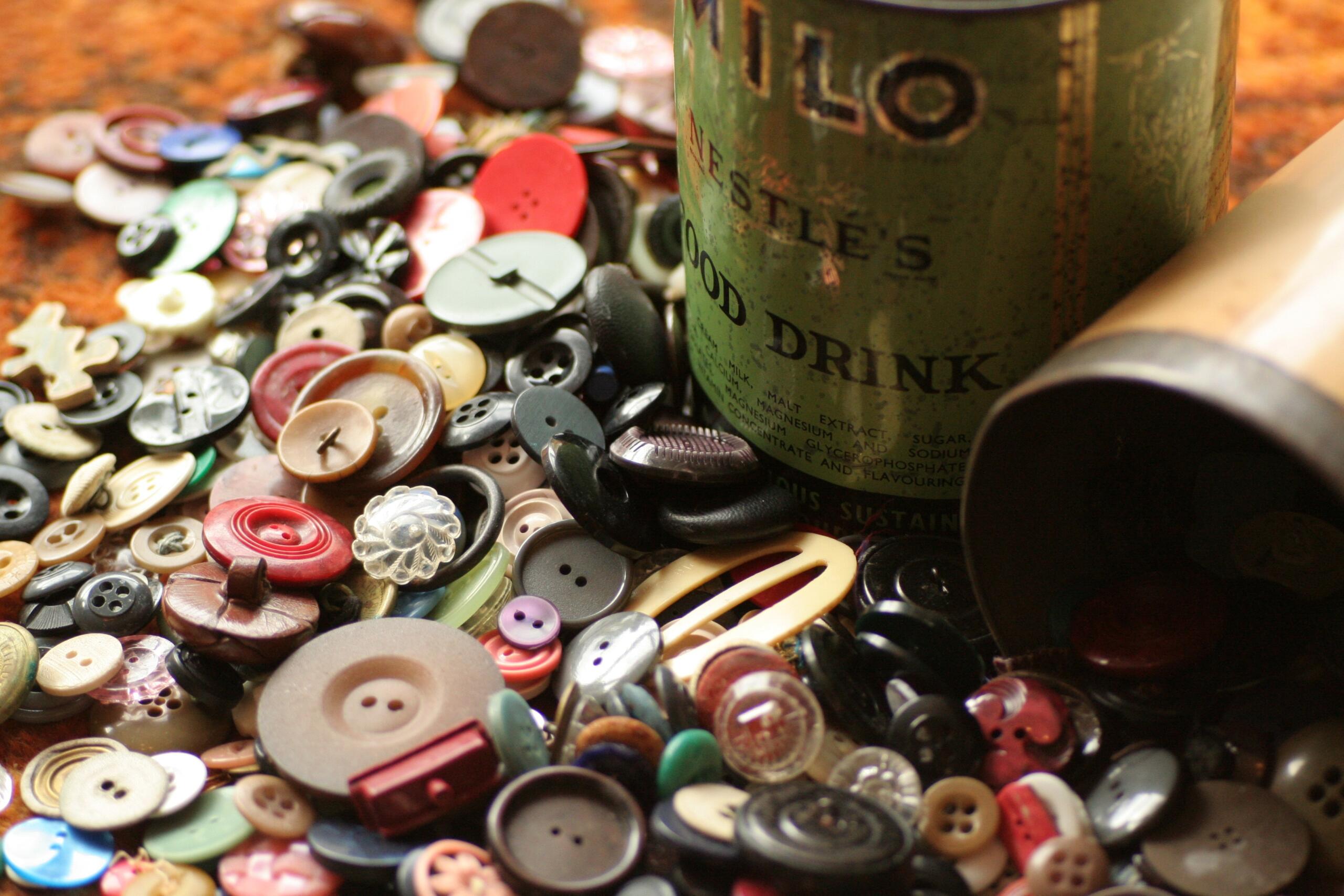
Buttons were salvaged from every garment before it was discarded. The tin was never sorted.
Every sewing box contained a tin — often a repurposed cookie or candy tin — heavy with hundreds of loose buttons in every size, color, and material, accumulated over decades. The logic was pure thrift: before a worn-out garment was cut up for rags, its buttons were removed and added to the collection, so that any future missing button could probably be matched from stock. For children, the button tin was a treasure chest, and pouring it out on the floor to sort by color was a legitimate rainy-afternoon activity. Nearly every family had one, and many still do.
3. The Wooden Darning Egg or Mushroom
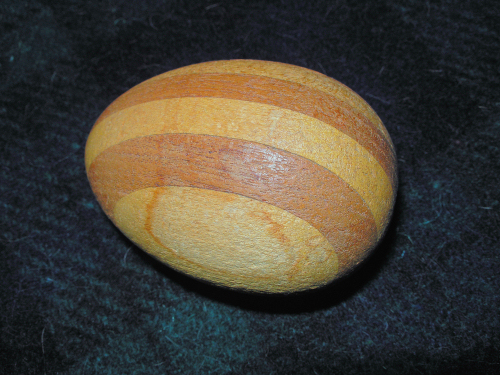
Socks were repaired, not replaced, and this held the fabric taut while you did it.
A smooth wooden egg or mushroom-shaped tool sat in every box, and its purpose is now almost unimaginable: it was slipped inside a sock to stretch the fabric over a curved surface so a hole in the heel or toe could be woven shut. Darning socks was routine household maintenance, done in the evenings, and everyone’s mother or grandmother knew how. The practice has essentially vanished — socks now cost less than the time it takes to repair them — and the darning egg is one of the clearest markers of how completely the economics of clothing have changed.
4. Pinking Shears With Their Zigzag Blades
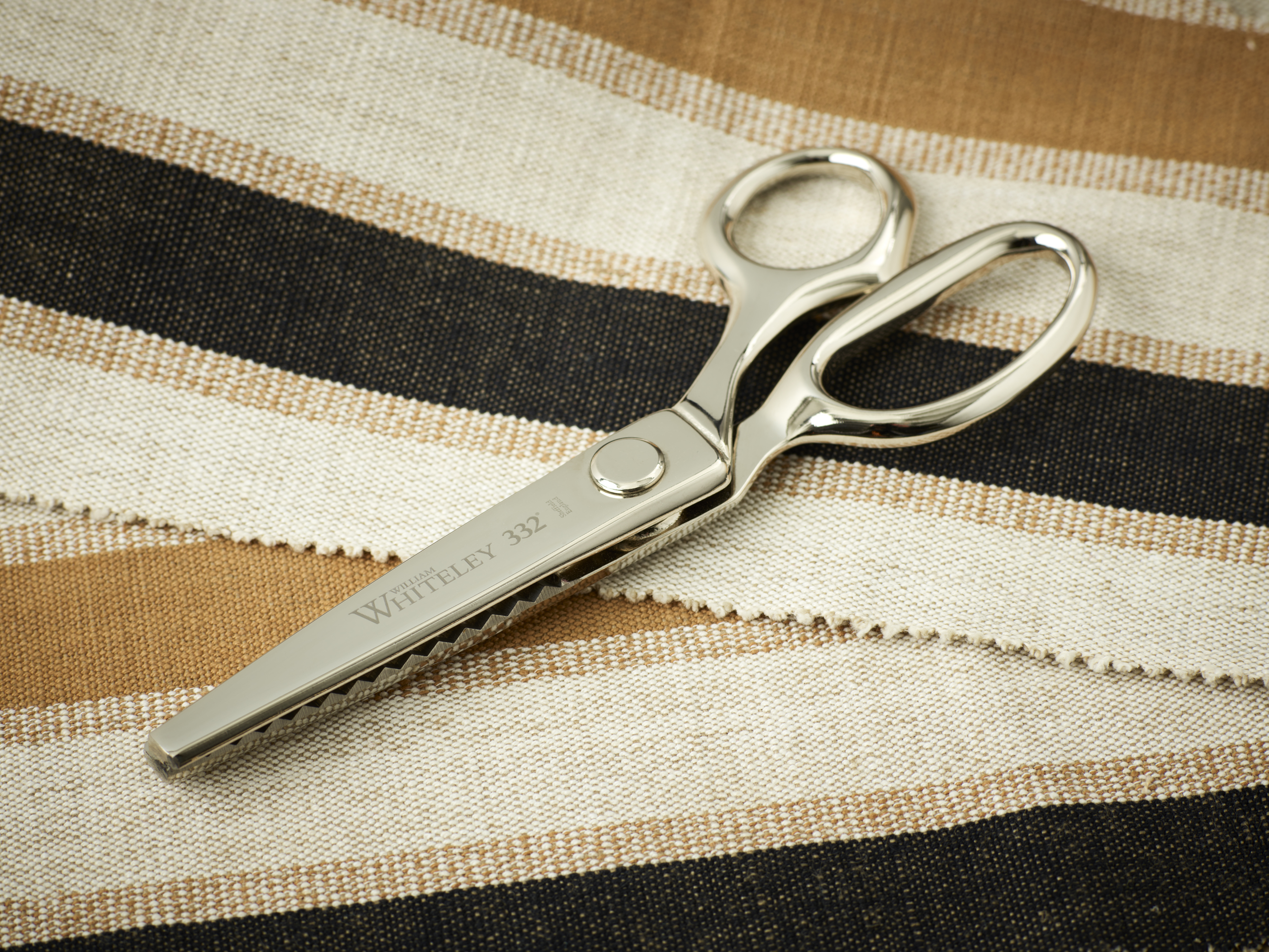
Heavy scissors that cut a sawtooth edge to stop fabric fraying — and nobody was allowed to use them on paper.
Pinking shears — the heavy scissors with serrated blades that cut a zigzag edge — were the most expensive item in most sewing boxes, and they were protected accordingly. The zigzag cut limits fraying on raw fabric edges, a truly useful function before home sewing machines commonly had overlock stitches. The rule attached to them was absolute and enforced in every household: fabric scissors were never, under any circumstances, to be used on paper, because paper dulls the blades. Children who violated this discovered exactly how seriously it was taken.
5. Wooden Thread Spools in Every Color
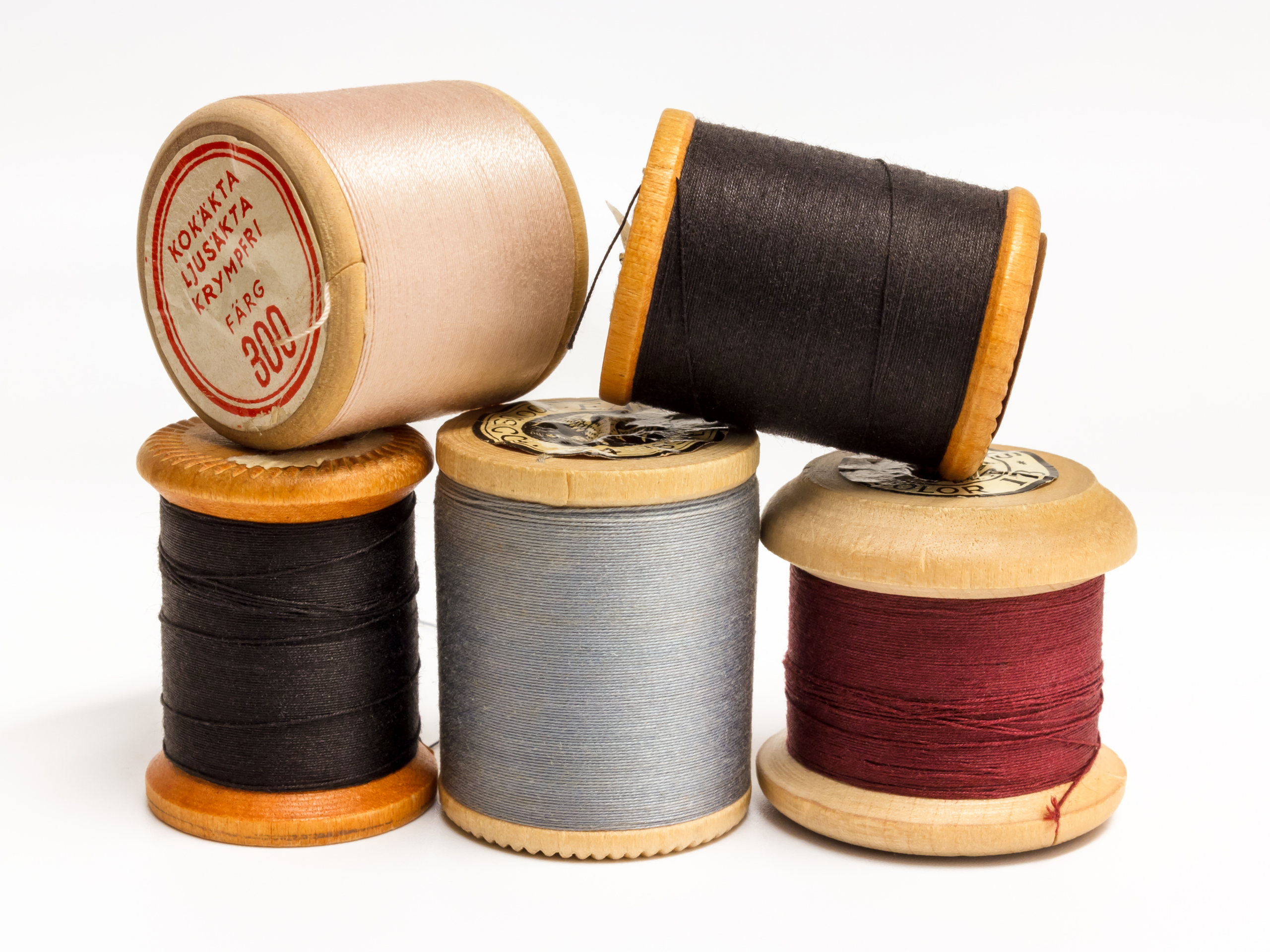
Thread came on wooden spools, and the empties became toys, craft supplies, and household fixes.
Before plastic took over, thread was wound on turned wooden spools, and a sewing box held a jumble of them in dozens of colors, the labels worn and the ends often tucked into a notch. The empties were never thrown out. They became beads, wheels for homemade toys, spacers, candlestick holders, and craft-project material, and they now sell as collectibles and decorative items. The specific look and feel of a wooden spool is one of the most evocative small objects of the era, and its replacement by plastic is a minor but keenly felt loss.
6. A Paper Packet of Needles
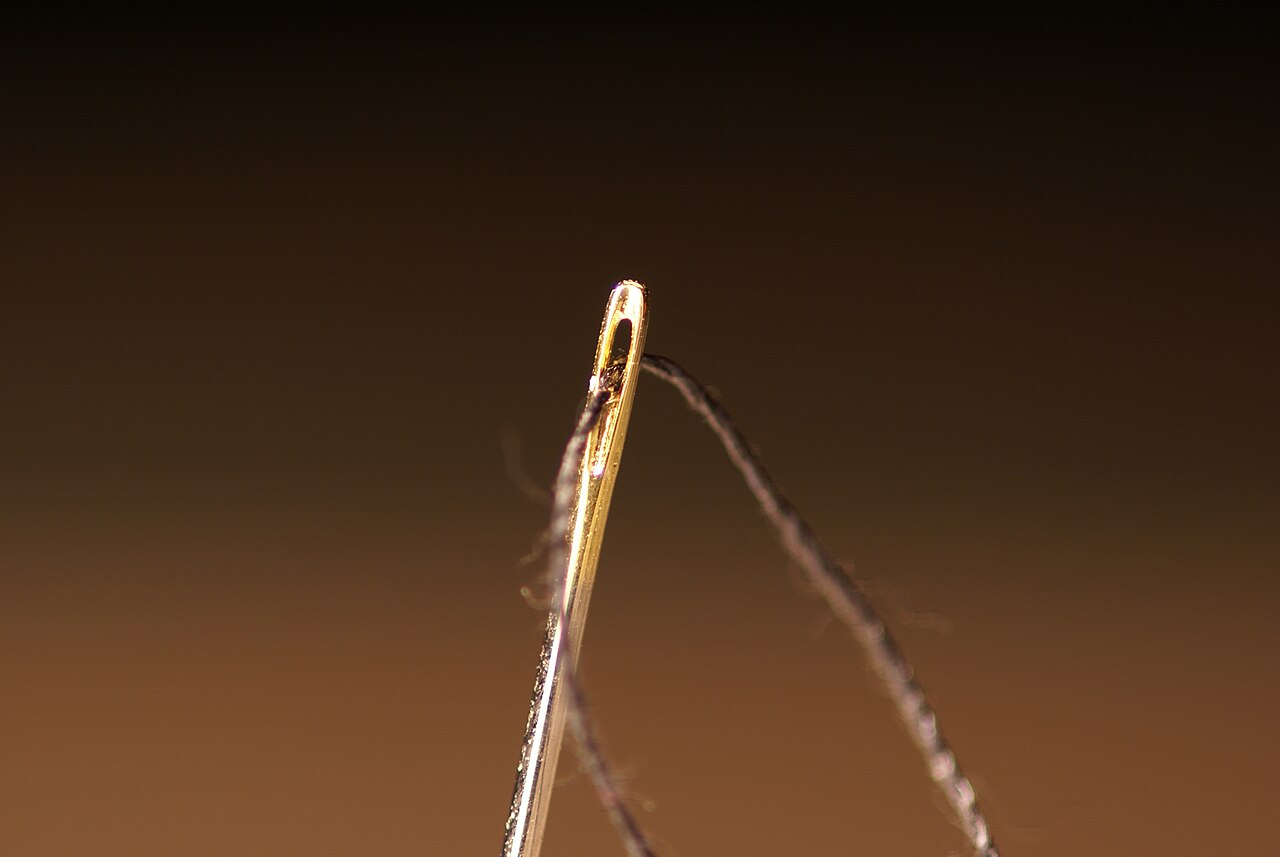
A folded card holding a graduated row of needles, plus a needle threader nobody could operate.
Needles came in a folded paper packet with a foil or paper backing holding them in a graduated row from fine to heavy, and the packet was invariably bent, worn soft, and missing several needles. Tucked alongside was the needle threader — a thin metal disc with a fine wire loop — which was theoretically the solution to threading a small eye and practically a source of frustration, the delicate wire bending or breaking at the crucial moment. Every box had one, and it was usually broken.
7. The Cloth Measuring Tape, Stretched and Faded
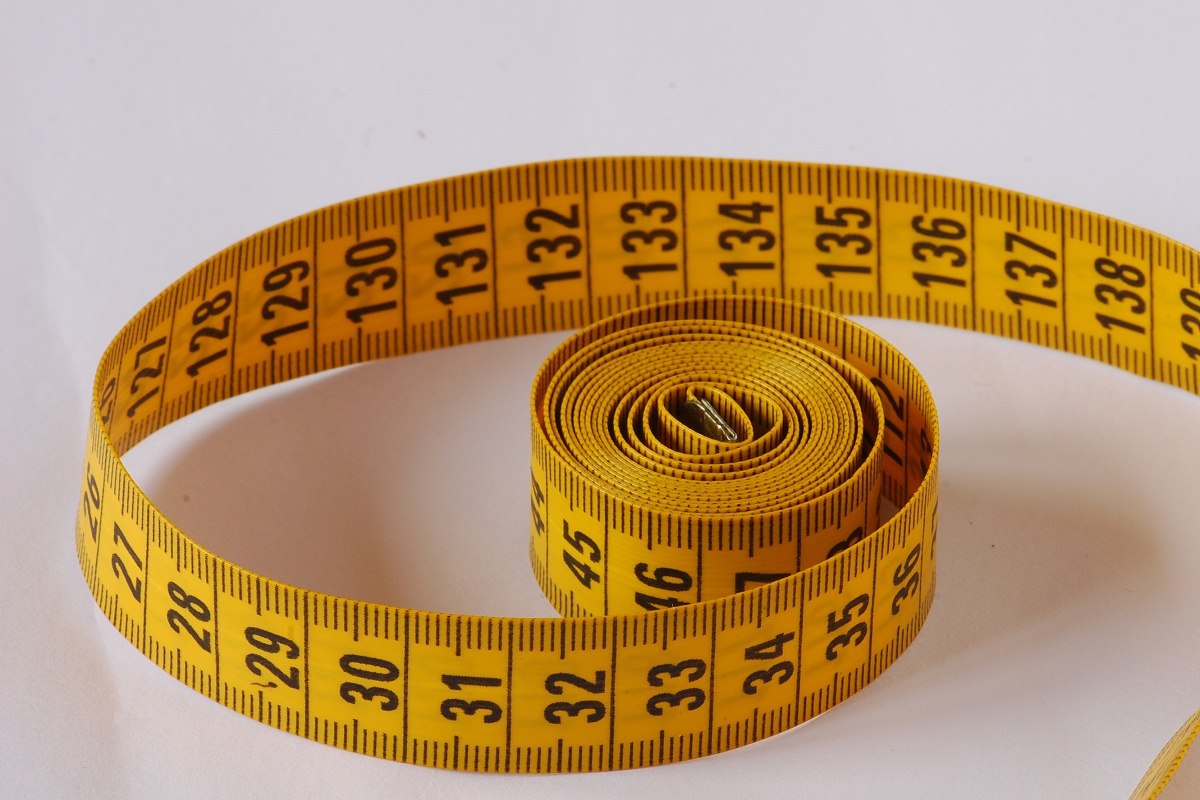
Sixty inches of limp fabric tape that had lost accuracy years ago.
The flexible cloth measuring tape, usually with a metal tip at each end and numbers printed along both sides, was standard equipment and universally worse for wear — soft, curled, faded, and by then noticeably stretched, which meant it was measuring optimistically. It was used for garments, for children’s heights against a doorframe, and for a hundred household purposes it wasn’t designed for. Nobody replaced them, because they still mostly worked, and a tape that had been in the family for twenty years was simply what a measuring tape looked like.
8. Tailor’s Chalk in Flat Triangles
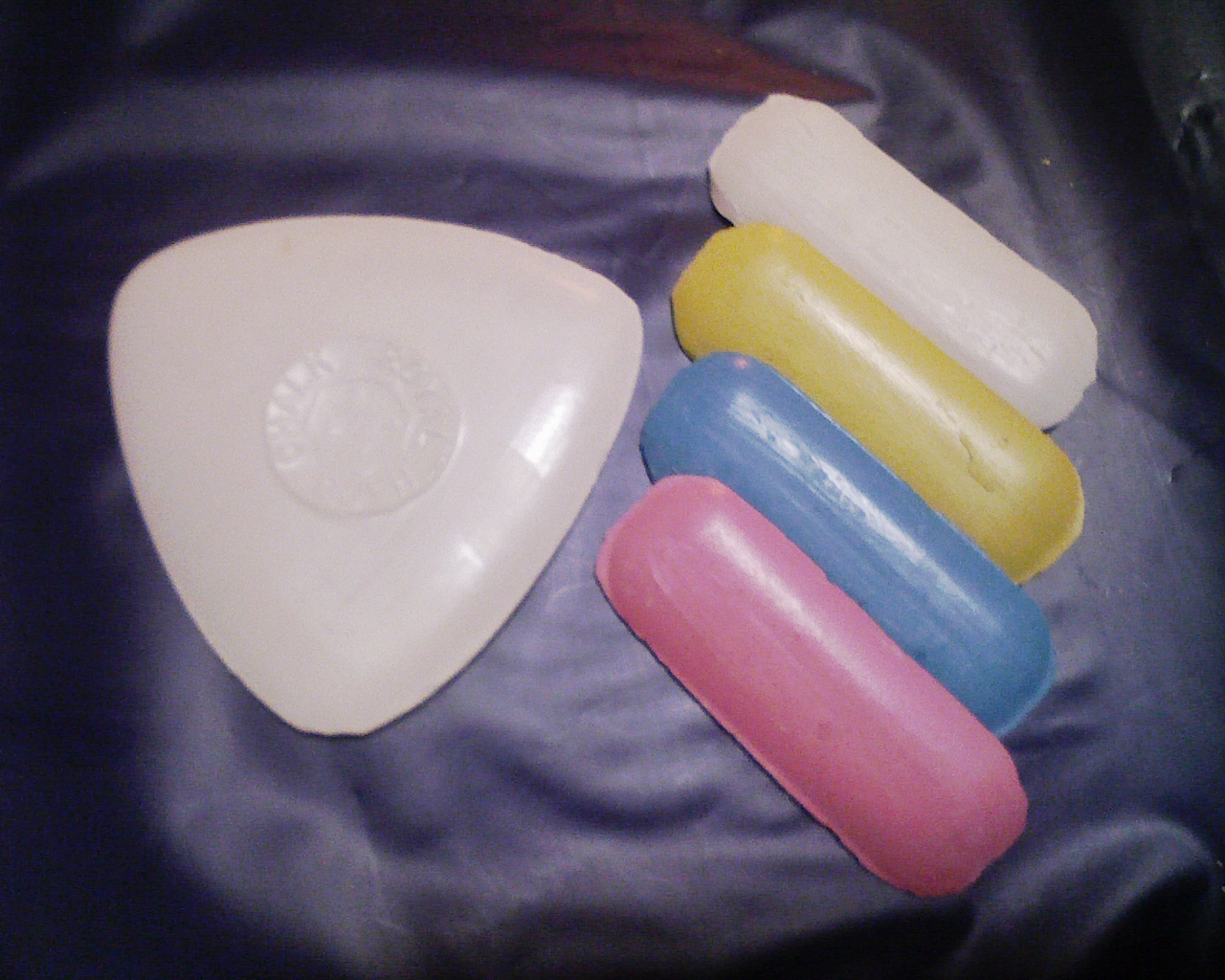
Chalk wedges for marking fabric, worn to nubs and shedding blue and white dust.
Flat triangular wedges of chalk — usually white, sometimes blue or pink — were used to mark cutting lines and hem positions directly onto fabric, brushing off cleanly afterward. They lived loose in the box, wore down to unusable slivers, and left a faint dusting over everything else in the container. The tracing wheel, a small spiked wheel on a handle used with carbon paper to transfer pattern markings, often kept them company. Both were essential to anyone working from a paper pattern, which in 1970 meant a very large number of American women.
9. Tissue-Paper Dress Patterns in Worn Envelopes
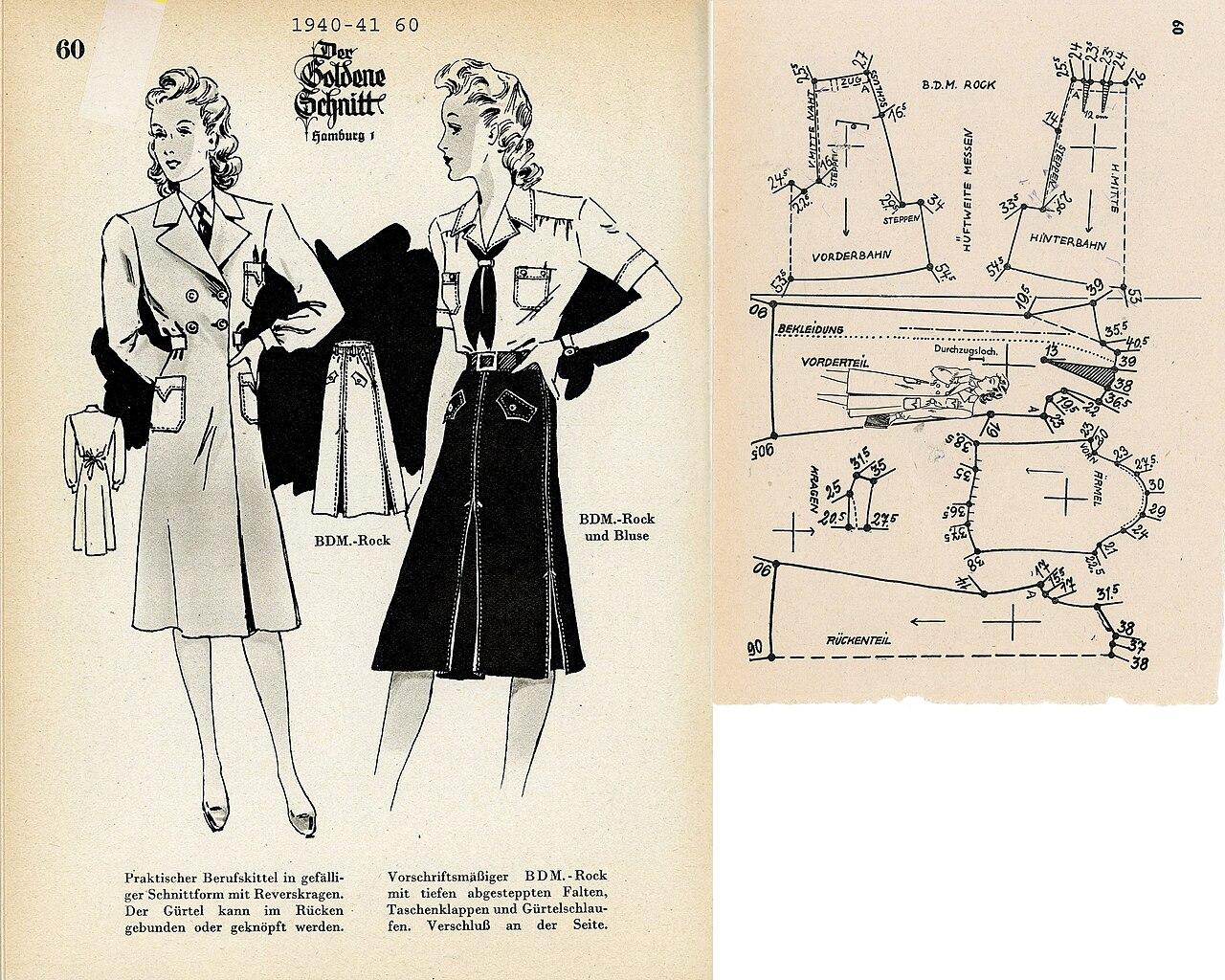
Printed paper patterns, refolded badly, that never went back in the envelope properly.
Home sewing was mainstream, and that meant paper patterns: large sheets of tissue printed with cutting lines, notches, and instructions, sold in illustrated envelopes showing the finished garment on a fashion illustration. Once opened and used, the tissue never refolded to its original dimensions, so the envelope always bulged and split. The illustrations on the envelopes are now collected as period design, and the patterns themselves are a precise record of what ordinary people wore — clothes made at home because making them was cheaper than buying them.
10. The Seam Ripper Everyone Feared
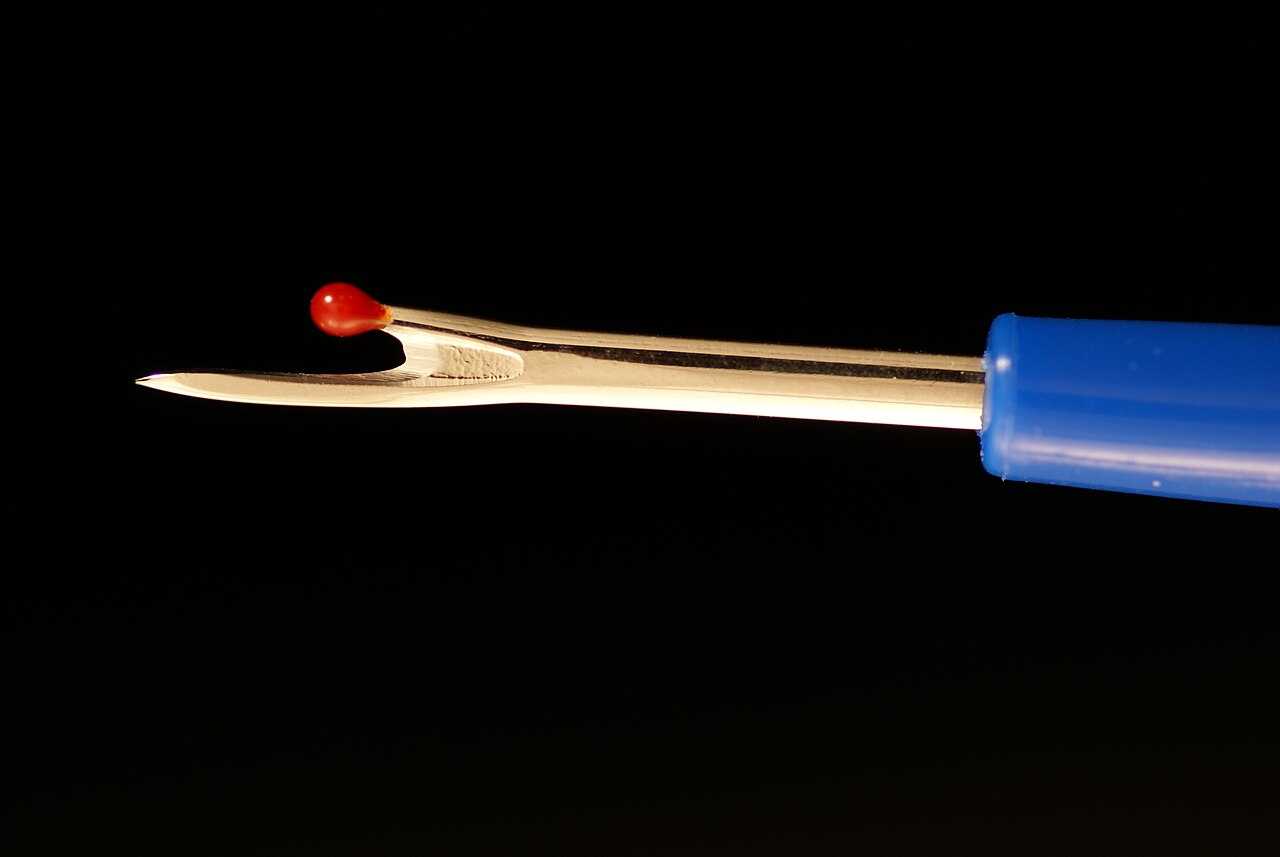
A small hooked blade for undoing stitches — and for the sinking feeling of starting over.
The seam ripper is a small tool with a forked metal head, one prong longer than the other, used to slice through stitching to undo a seam. Functionally it’s indispensable. Emotionally it represents failure — reaching for it means something has gone wrong and a section of work is about to be dismantled and redone. Every sewing box has one, usually with a plastic handle in some period color, and anyone who has sewn seriously has a slightly sour relationship with it.
11. Bias Tape, Rick Rack, and Elastic
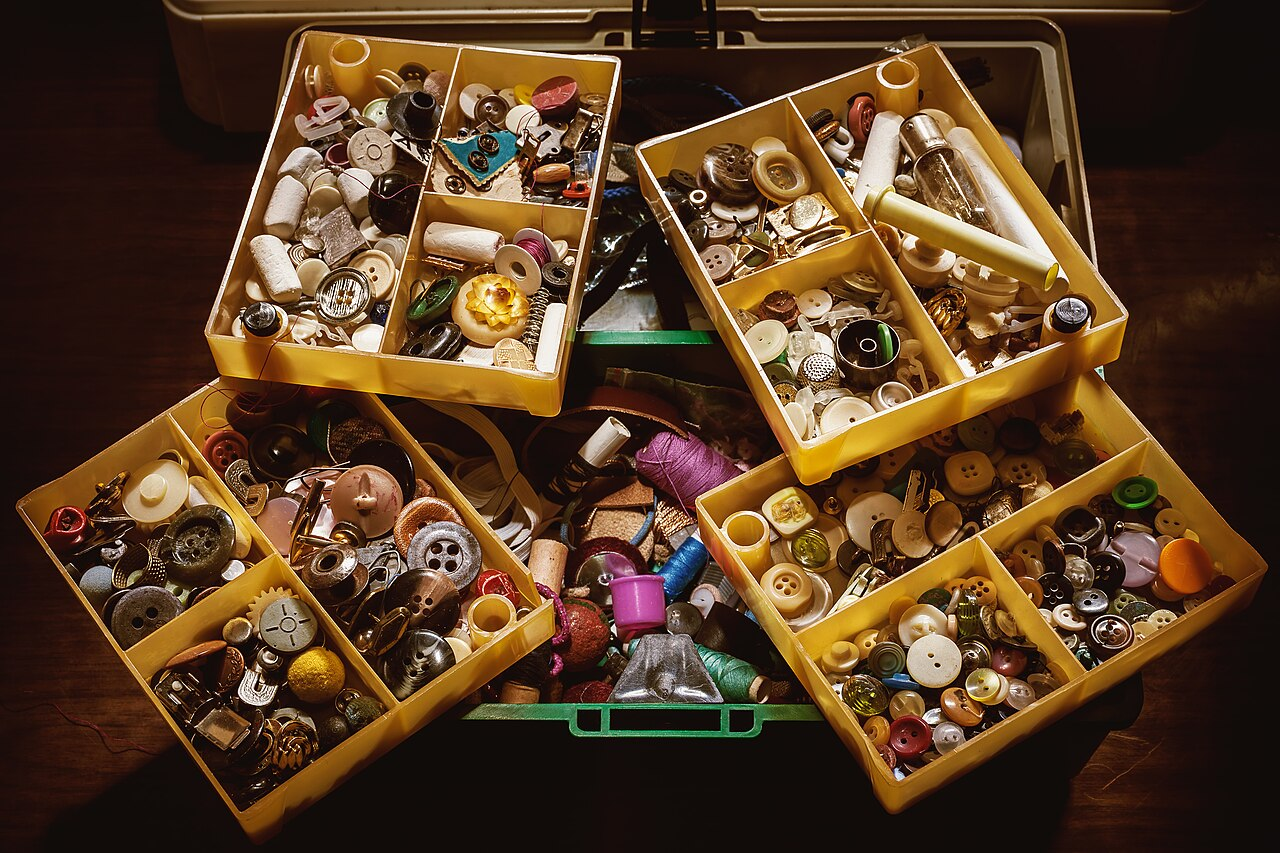
Rolls and cards of trim and binding, kept for projects that might happen someday.
Sewing boxes accumulated notions: folded bias tape for finishing edges, packets of rick rack in the zigzag ribbon that trimmed a generation of children’s clothing and aprons, lengths of elastic in various widths, seam binding, hooks and eyes, snaps on cards, and safety pins in quantity. Most of it was bought for a specific project, partly used, and kept indefinitely on the reasonable theory that it would be needed eventually. The unmistakable wavy trim of rick rack, in particular, is a direct sensory shortcut to the era’s homemade clothing.
12. A Thimble That Nobody in the House Could Use Comfortably
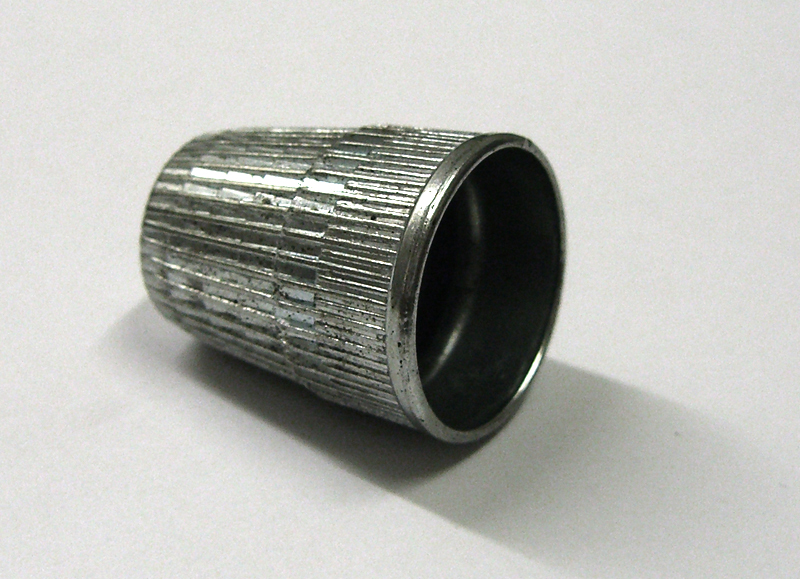
A metal cap for pushing needles through thick fabric, always slightly the wrong size.
The thimble — a dimpled metal cap worn on the fingertip to push a needle through heavy material without stabbing yourself — was standard equipment, and the one in the box rarely fit whoever was using it. Serious sewers had their own; everyone else regarded it as an object that existed mainly to be lost, rolled under furniture, and turned up years later. Decorative thimbles became a popular collectible category, which is why a great many households now have thimbles in a display case and none in a sewing box.
13. Iron-On Patches for the Knees of Boys’ Trousers
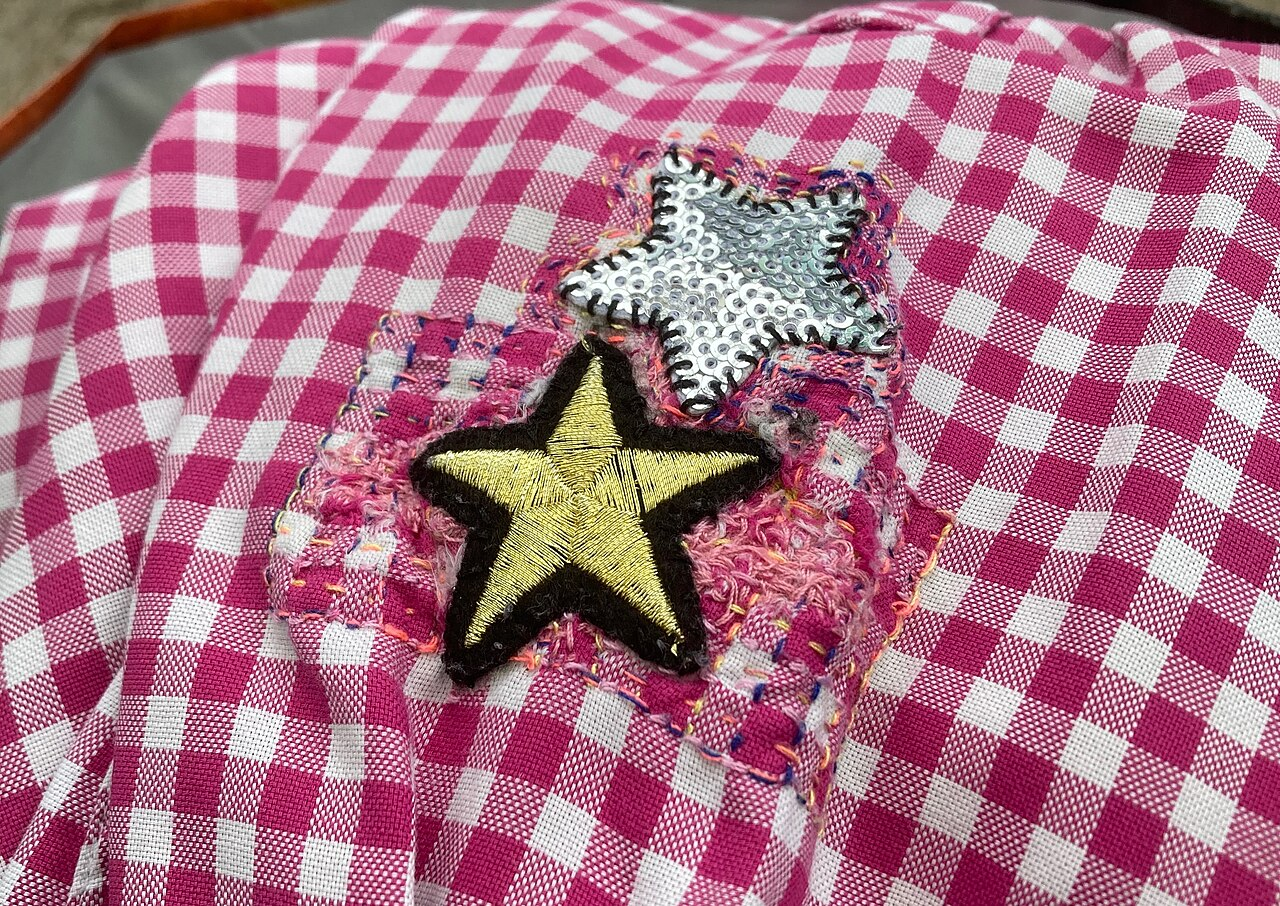
Adhesive fabric patches applied with an iron, because trousers were repaired, not replaced.
Every box held a supply of iron-on patches, most often in denim blue or a serviceable brown, for the inevitable holes in the knees of children’s trousers. Applied with a hot iron and a press cloth, they extended a garment’s life substantially, and a pair of jeans might carry patches on both knees and a reinforced seat before it was finally retired to rags. Visible mending was not a style choice; it was ordinary household economy, practiced in essentially every family with children and an eye on the budget.
14. Straight Pins in a Cardboard Fold or Loose in the Bottom
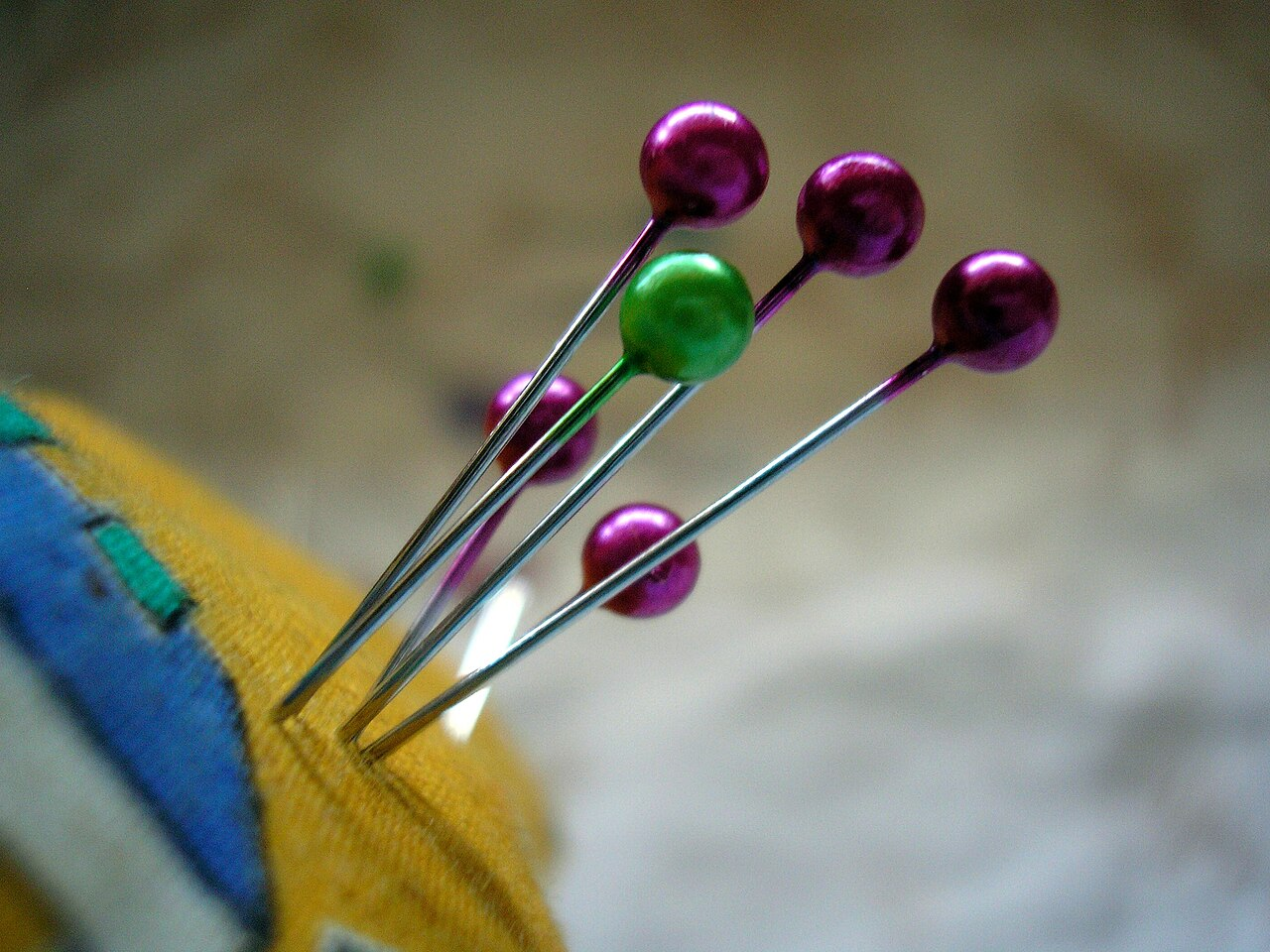
Hundreds of pins, some in the cushion, most scattered through the box waiting to find a finger.
Finally, the pins: bought in folded cardboard packets or small boxes, transferred to the tomato cushion in theory, and in practice migrating to the bottom of the container where they lay in wait. Anyone who rummaged in a family sewing box learned to do it carefully, and everyone who grew up with one has been jabbed at least once. Pins in the carpet were a recurring household hazard, and the sound of a dropped box of them hitting a hard floor is a specific memory shared across a whole generation.
The Household Repair Department
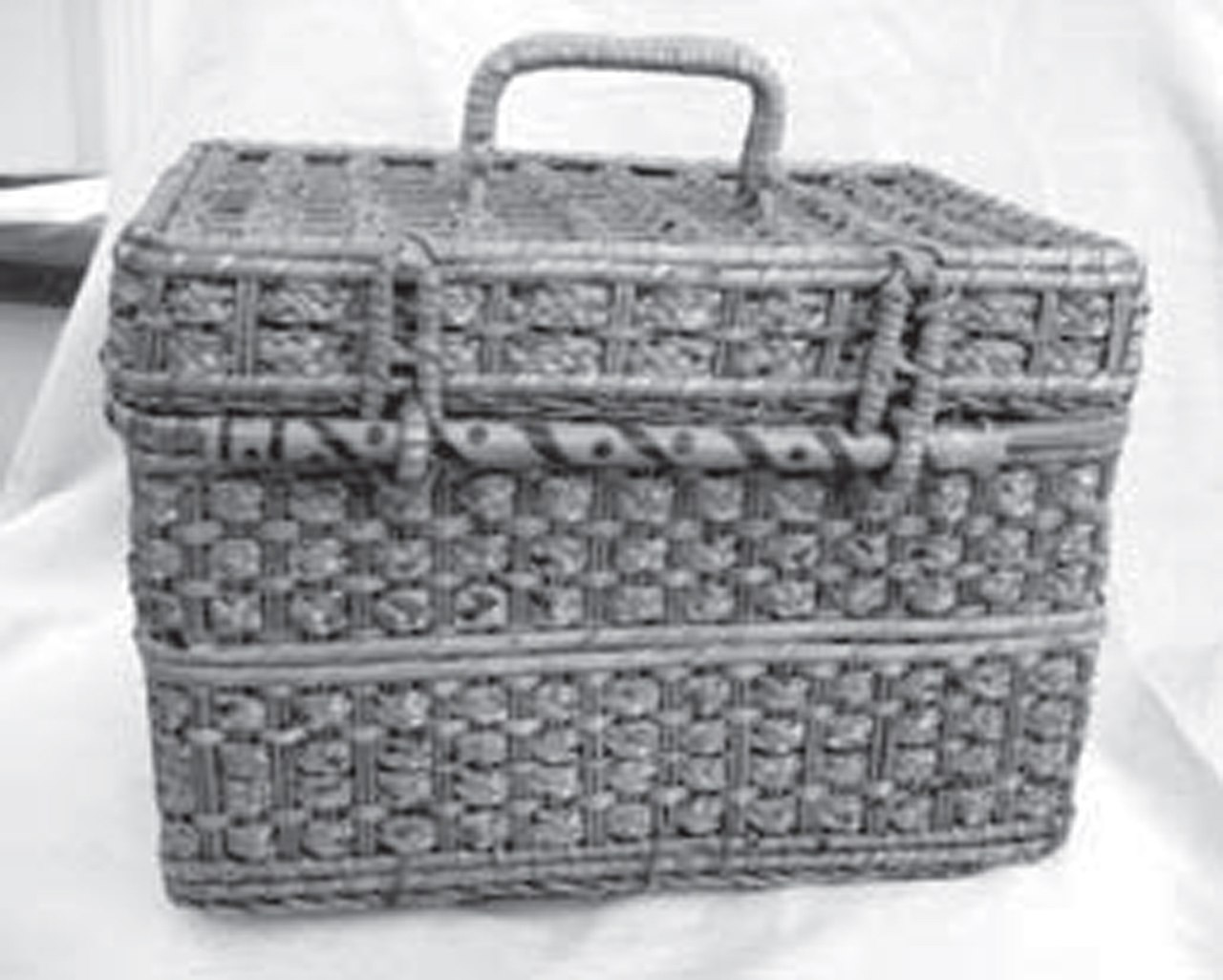
A tomato pincushion with a mystery strawberry, a tin of orphaned buttons, a wooden egg for darning socks, and shears that were never to touch paper — the American sewing box was a complete repair kit for a household that expected its clothes to last, and its contents were nearly identical from coast to coast.
What ended it was not a loss of skill so much as a change in arithmetic. When a new shirt costs less than an hour of anyone’s time, darning the old one stops making sense, and the whole apparatus of household mending becomes a hobby rather than a necessity. Many of these boxes still exist, inherited and rarely opened, sitting in closets with their buttons and their bent needle threaders intact. If you have one, it’s worth opening — and if you’ve ever wondered what the little strawberry was for, now you know.
Like our content? Follow us for more.