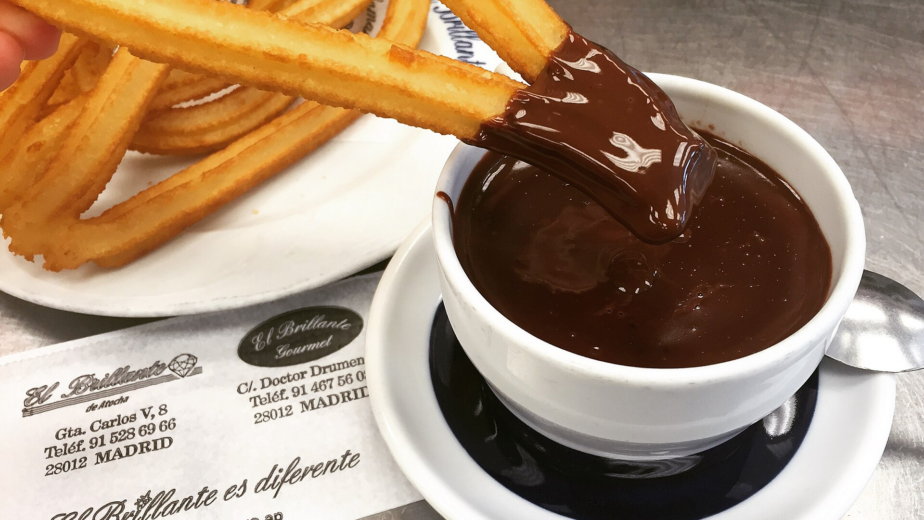
Ketchup is about as familiar and unglamorous as food gets: a sweet, tangy red condiment squeezed onto fries, burgers, and hot dogs by the ton, a fixture of diner tables and kitchen refrigerators around the world. It seems like the last thing on Earth that could have a strange or surprising history. And yet the story of how ketchup came to be is truly bizarre, involving fermented fish sauce, a fruit once feared as deadly poison, a doctor’s outlandish medical claims, and a Victorian-era craze for tomato pills that ended in fraud and scandal.
Long before it was a condiment, ketchup — or at least the tomato-based version we know today — was marketed as a medicine. In the 1830s, tomato ketchup was sold not as something to put on your food but as a cure for a startling range of ailments, and for a few years, Americans eagerly swallowed it, sometimes literally in pill form, believing it could heal their bodies. The medical craze eventually collapsed under the weight of its own dubious claims and outright frauds, but the tomato sauce at its center endured and transformed into the ketchup we squeeze onto our plates today. Here is the wonderfully weird true history of ketchup, from ancient fish sauce to miracle medicine to the king of condiments.
Ketchup Didn’t Start With Tomatoes
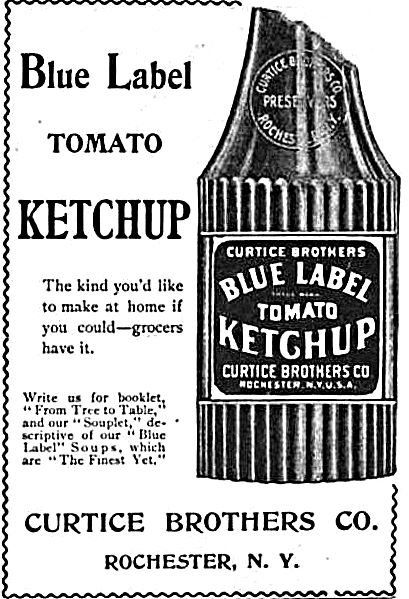
The first surprise in ketchup’s history is that, for most of its existence, ketchup contained no tomatoes at all. The word and the concept trace back to Asia, where a fermented sauce made from fish and other ingredients was used to add a salty, savory punch to food. The name itself is believed to derive from a word for such a fermented sauce, carried into English by traders and travelers who encountered it abroad.
When the idea reached Europe, particularly Britain, cooks began making their own versions of “ketchup,” but these early European ketchups were nothing like the tomato sauce we know. Instead, they were savory brown sauces made from ingredients like mushrooms, anchovies, walnuts, and various seasonings, used to flavor dishes much as we might use a savory condiment or umami-rich sauce today. Mushroom ketchup, in particular, was a popular staple in British kitchens for a long time. These early ketchups were essentially a family of thin, salty, flavor-boosting condiments, defined not by any particular ingredient but by their savory, preserved character. The tomato, which would eventually take over the ketchup name entirely, didn’t enter the picture until relatively late — and when it did, tomatoes carried a reputation that made their culinary future far from certain.
Like our content? Follow us for more.
The Fruit People Feared

For much of their early history in America and Europe, tomatoes were regarded with deep suspicion, even fear. The tomato is a member of the nightshade family, which includes some really poisonous plants, and its resemblance to those toxic relatives led many people to believe that tomatoes themselves were dangerous or even deadly to eat. For a long time, tomatoes were grown as ornamental curiosities rather than food, admired for their appearance but kept off the plate by widespread wariness.
This reputation began to change in the early nineteenth century as tomatoes gradually gained acceptance and their supposed dangers were debunked. Around the early 1800s, tomato-based ketchup began to be developed, as cooks and food enthusiasts started experimenting with adding tomatoes to the ketchup formula, creating something closer to the sauce we recognize today. But tomatoes still had an image problem, lingering doubts about their safety and worth, and were far from the beloved staple they are now. What tomatoes needed was a champion, someone to boldly proclaim not just that they were safe to eat but that they were positively good for you. That champion arrived in the 1830s, and he took the case for the tomato to an extreme that would launch one of the strangest food fads in American history.
The Doctor Who Sold Ketchup as a Cure
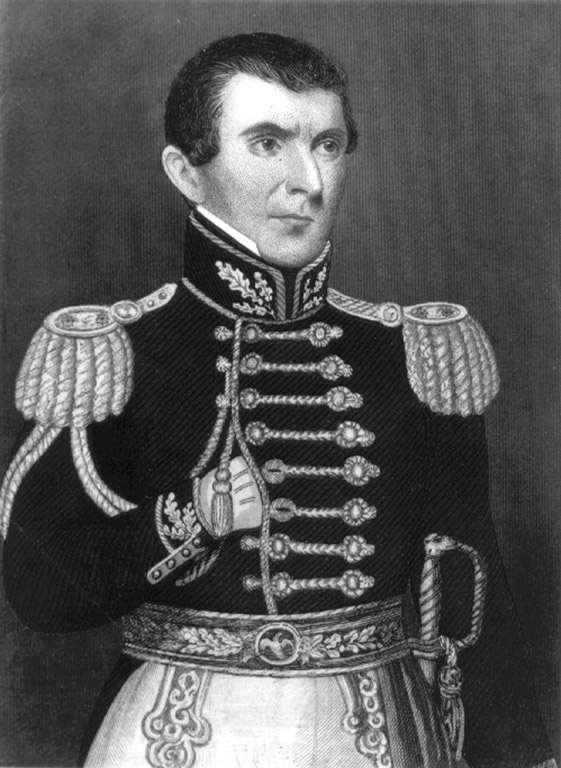
In 1834, an American physician named Dr. John Cook Bennett began making bold public claims about the health benefits of tomatoes. Bennett, a doctor practicing in Ohio, declared that the tomato was not a poison at all but rather a powerful medicine, and he promoted it aggressively as a remedy for a wide array of ailments. According to his claims, tomatoes could treat conditions such as indigestion, diarrhea, and jaundice, and he even suggested they might help protect against more serious diseases.
To make his tomato medicine easy to take and to spread, Bennett publicized recipes for a concentrated tomato extract — essentially, tomato ketchup — as the ideal form in which to consume this healthful tomato. He promoted the idea that people should get their beneficial tomatoes “in ketchup” form, positioning the sauce as a health product. Then he took the concept a step further, partnering with a pill maker to boil the tomato concentrate down into a thick paste that could be rolled into pills and sold in pharmacies as a convenient medicinal supplement. These “tomato pills” put the supposed healing power of the tomato into a form as easy to swallow as any other patent medicine of the day. It was the era of unregulated patent medicines, when all manner of tonics, powders, and pills were sold with bold, unproven health claims, and Bennett’s tomato remedy fit right into that freewheeling marketplace. The public responded with enthusiasm, and a tomato-medicine craze was born.
The Tomato Pill War
Bennett’s tomato pills became a sensation, and as demand for the miracle tomato medicine skyrocketed, the inevitable happened: competitors rushed in to cash in on the craze. Other manufacturers began producing their own tomato pills and tomato-based remedies, each claiming remarkable curative powers, and the market was soon flooded with rival products all promising to heal whatever ailed you.
This competition escalated into what has been colorfully described as a “tomato pill war,” a period of aggressive marketing, competing claims, and mounting fraud. The trouble was that in the unregulated environment of the time, there was nothing to stop unscrupulous sellers from putting whatever they liked into their “tomato” pills. Many of the copycat products reportedly contained little or no actual tomato, and some were essentially just strong laxatives dressed up with tomato branding and grand health claims. As customers bought these pills expecting a gentle miracle cure and instead got harsh purgatives or worthless concoctions, disillusionment set in. The extravagant promises couldn’t be kept, the frauds became apparent, and public trust in tomato medicine began to crumble. What had been a booming health craze curdled into scandal and skepticism, and the whole tomato-pill enterprise, built as it was on exaggerated and unprovable claims, collapsed. By around the middle of the century, the medicinal tomato fad had effectively died out, discredited and abandoned.
How the Sauce Survived
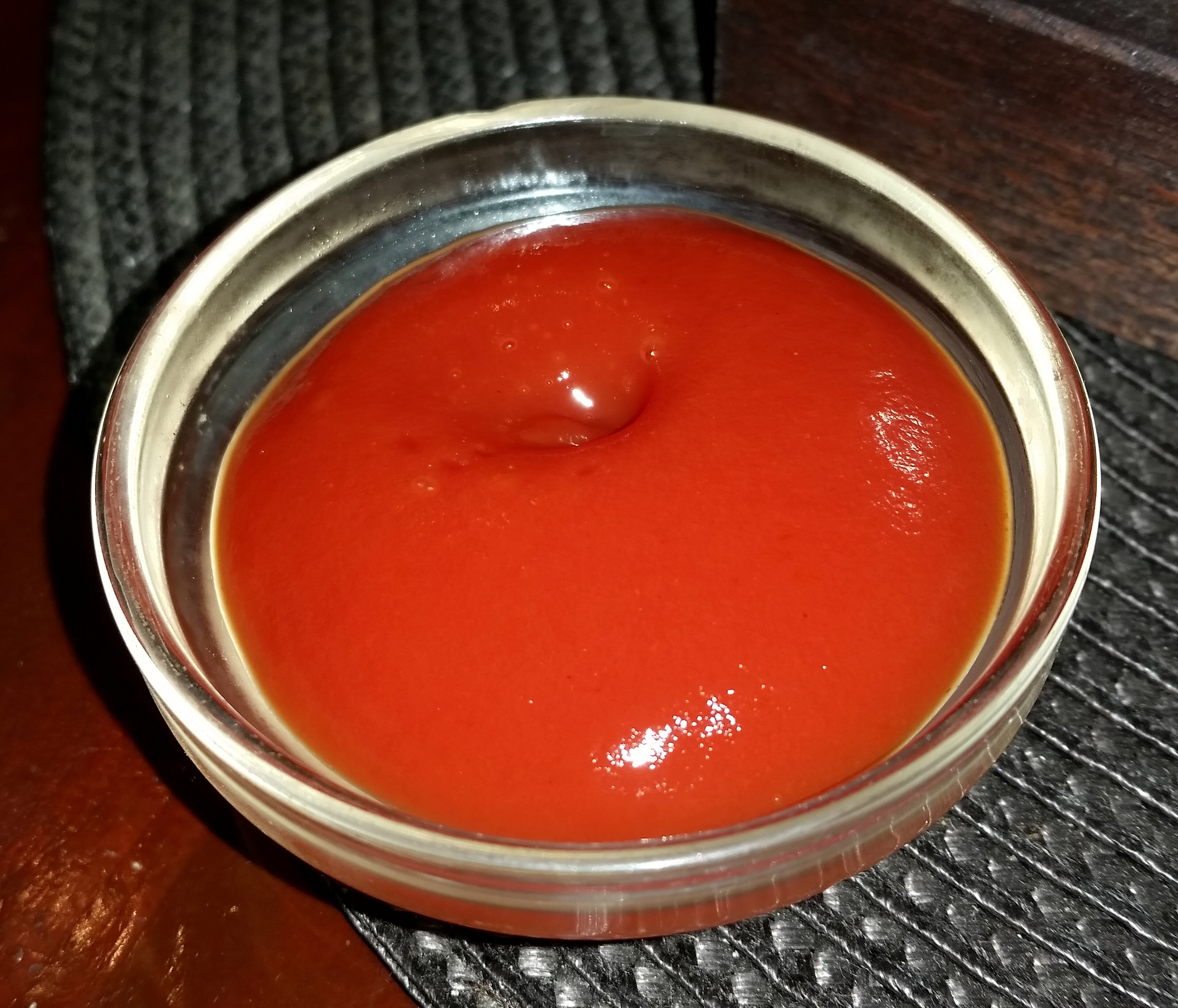
Here is the delightful twist in the story: although the tomato medicine failed, the tomato sauce at its heart did not. The craze had accomplished something important almost by accident — it had thoroughly popularized the tomato and, crucially, tomato ketchup. Whatever people came to think of the exaggerated medical claims, they had discovered along the way that tomato ketchup was delicious, a tasty, tangy addition to food quite apart from any supposed healing powers.
So as the medicine faded, the condiment carried on. Tomato ketchup shed its identity as a health product and simply became what it had, in truth, always been best at being: a flavorful sauce. Over the following decades, ketchup continued to evolve, with makers refining the recipe and eventually producing the thick, sweet-and-tangy, shelf-stable tomato ketchup that became a commercial staple and a household essential. The strange medical chapter was left behind and largely forgotten, but it had helped launch the tomato and its sauce toward the enormous popularity they enjoy today. The tomato, once feared as poison and then oversold as a cure-all, found its true and lasting calling as one of the world’s most beloved foods, and ketchup, once sold in pharmacies as medicine, found its rightful home on the dining table.
A Condiment With a Curious Past
The next time you reach for the ketchup bottle, you can savor not just the familiar tangy-sweet flavor but the honestly strange history packed into that humble red sauce. From its origins as an Asian fermented fish condiment, through its transformation into a savory British sauce of mushrooms and anchovies, to its unlikely reinvention as tomato medicine sold in pill form during a fraud-ridden Victorian craze, ketchup has traveled one of the most surprising roads of any food in your kitchen.
It’s a story that captures something charming about the history of food: how the everyday things we take for granted often have wild and winding pasts, shaped by accident, ambition, fashion, and fraud. Ketchup was feared, then hyped as a miracle, then debunked, and finally embraced for what it simply is — a really good sauce. That a product once marketed as a cure for cholera now spends its days making french fries taste better is exactly the kind of delicious historical irony that makes the story of food so much fun to explore. So squeeze away, and enjoy your medicine — because that, improbably, is what ketchup once was.
Like our content? Follow us for more.