The curse of Tutankhamun is one of the most durable stories in popular history. Nearly everyone knows the shape of it: archaeologists disturbed a pharaoh’s rest, and one after another they were struck down by something that had been waiting three thousand years.
It has everything a legend needs. Ancient Egypt, a sealed tomb, gold, a boy king, and a punishment for hubris. It arrives with its own moral already attached, which is a large part of why it has survived a century of retelling.
It is also, according to the people who have actually gone back and checked, mostly wrong — and the more interesting story is how it was manufactured, by whom, and why the correction has never caught up.
Here is what actually happened in 1923, and what the numbers show.
What Actually Happened
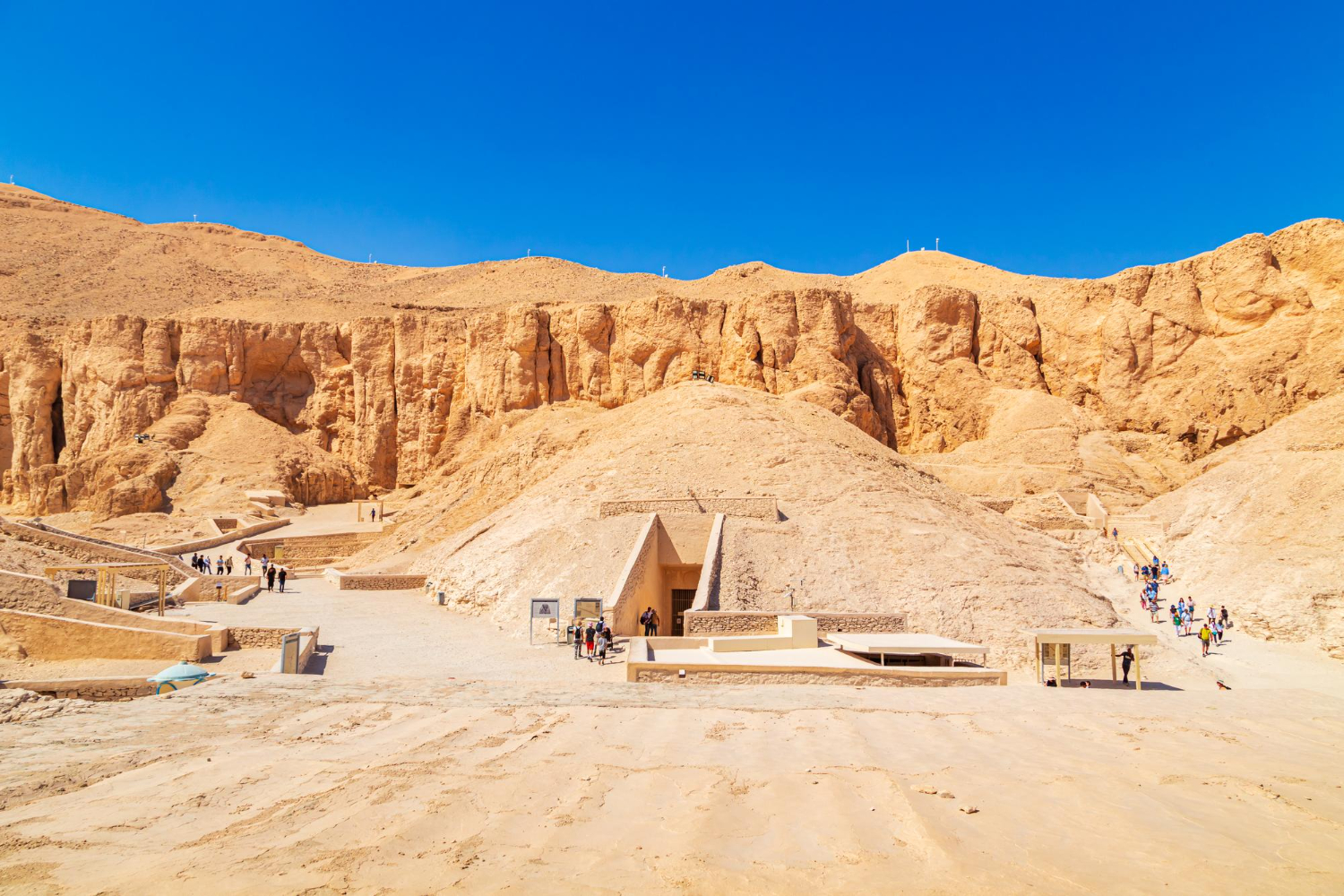
Howard Carter located the entrance to Tutankhamun’s tomb in November 1922, after years of searching funded by George Herbert, Lord Carnarvon. By February 1923 the team had unsealed the door of the burial chamber.
On 5 April 1923, Carnarvon died in his hotel room in Cairo. The medical cause is not disputed and was never mysterious: he had developed erysipelas, a bacterial infection, at the site of a mosquito bite on his cheek, which he had aggravated while shaving. That progressed to septicaemia and pneumonia, in an era before antibiotics existed.
He was 57, at a time when male life expectancy at birth in Britain was roughly that figure, and his health had been severely weakened decades earlier by a near-fatal car crash in Germany in 1901.
That timing — the burial chamber opened in February, the financier gone in April — is the entire foundation the legend was built on.
Like our content? Follow us for more.
How the Press Built It
The curse was not an ancient inscription. It was a media product, and the mechanism is well documented.
The Times had bought exclusive rights to report on the excavation, which left every other newspaper in the world locked out of the biggest story of the year. As the Egyptologist Joyce Tyldesley of the University of Manchester has explained, Carnarvon’s death finally gave the rest of the press something they could publish without deferring to The Times — a human story far more compelling than the slow-moving events at the tomb.
Deprived of access, papers turned to outside commentators, including popular novelists. The most consequential was Marie Corelli, who wrote in The Express on 24 March 1923, while Carnarvon was still ill, that risks were surely run by disturbing a king’s tomb, and asked pointedly whether a mosquito bite could really account for his condition.
Days later he died, Corelli was hailed as clairvoyant, and the legend was born.
The embellishments followed immediately and were entirely invented. It was reported that every light in Cairo went out at the moment of his death — Tyldesley notes that power cuts in Cairo were commonplace at the time, so the coincidence was not remotely unlikely. It was reported that at his English home, his dog let out a great howl and died at the same instant.
As one summary of the period puts it, press reports had the death of every man and his dog associated with the curse, no matter how obscure the connection. In Carnarvon’s case that was literal.
The Study That Checked
In December 2002, Mark Nelson published a historical cohort study in the British Medical Journal doing what nobody had bothered to do for eighty years: applying epidemiological method to the claim.
The design was straightforward. Carter had identified 44 Westerners present in Egypt at the relevant dates between February 1923 and November 1926. Of those, 25 were potentially exposed to the tomb. The remaining 19 formed a comparison group. Nelson measured length of survival after the date of potential exposure.
The results were unambiguous. Mean age at death among the exposed was 70 years, compared with 75 among the unexposed. Survival after exposure averaged 20.8 years versus 28.9. Both differences were statistically insignificant, with p-values of 0.87 and 0.95 respectively — which in plain terms means the pattern is exactly what you would expect from chance.
Nelson’s conclusion was that there was no evidence to support the existence of a mummy’s curse.
The single most telling data point requires no statistics at all. Howard Carter, who spent more time inside that tomb than any other human being, lived another seventeen years. He died in 1939, aged 64, of lymphoma. If anyone should have been affected, it was him.
Of the 44 documented Westerners, only Carnarvon died within the first year, of an entirely natural cause.
The Theory That Also Failed
There is a more respectable version of the curse that circulates among people who reject the supernatural one, and it deserves addressing because it sounds scientific.
The idea is that something in the sealed tomb caused illness — ancient bacteria, fungal spores, or toxins that had been shut in for three thousand years and were released when the chamber was opened.
It is not absurd on its face. Sealed spaces can accumulate mould, and there are documented respiratory risks in some enclosed archaeological environments.
But it does not fit this case. Carnarvon died of a mosquito-borne bacterial infection with a clear entry point on his cheek, not of a respiratory illness. And the epidemiology already answers the broader question: if the tomb were making people ill, the exposed group would show worse outcomes than the unexposed. It does not.
A related theory proposed that the mosquito which bit Carnarvon had itself been contaminated by Tutankhamun’s embalming fluids, an idea first floated by the Daily Mail and boosted when the mummy’s autopsy revealed a scar on the pharaoh’s cheek that was interpreted as a bite.
That one has a decisive problem: there were no mosquitoes in the dry Valley of the Kings before the Aswan dam was built in the 1960s.
Why the Correction Never Won
The Nelson study was not suppressed or hidden. It was published in one of the most prominent medical journals in the world, and it has been widely reported since.
It simply lost the competition. “No significant association between tomb exposure and premature death” does not travel the way “ancient curse” does, and it never will.
There are structural reasons. The curse story is short, vivid, emotionally satisfying, and comes with a built-in lesson about disturbing the dead. The correction requires understanding cohort design, comparison groups and p-values. One fits in a sentence; the other needs a paragraph and some goodwill.
The curse also benefits from selective memory. People remember Carnarvon. Almost nobody remembers that Carter lived to 64, that the majority of those present lived ordinary lifespans, or that the comparison group did marginally better in a sample far too small to mean anything.
And there is the deeper problem that the burden of proof ends up inverted. The interesting question was never whether Carnarvon’s death was mysterious; it plainly was not. It is why a mosquito bite needed to become a curse before anyone found it worth remembering.
The Tomb Itself
Lost in the argument about the curse is why the discovery mattered so much in the first place, and it is worth restating.
Tutankhamun was a minor pharaoh who ruled as a teenager around 1332 BCE and died young, having reigned for roughly a decade. He was not historically significant in the way Ramesses II or Hatshepsut were, and he had been largely forgotten.
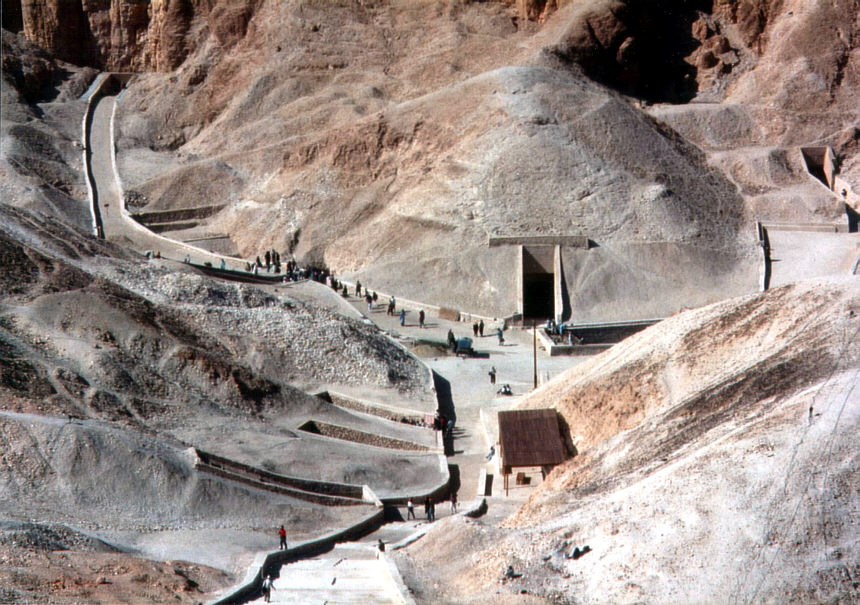
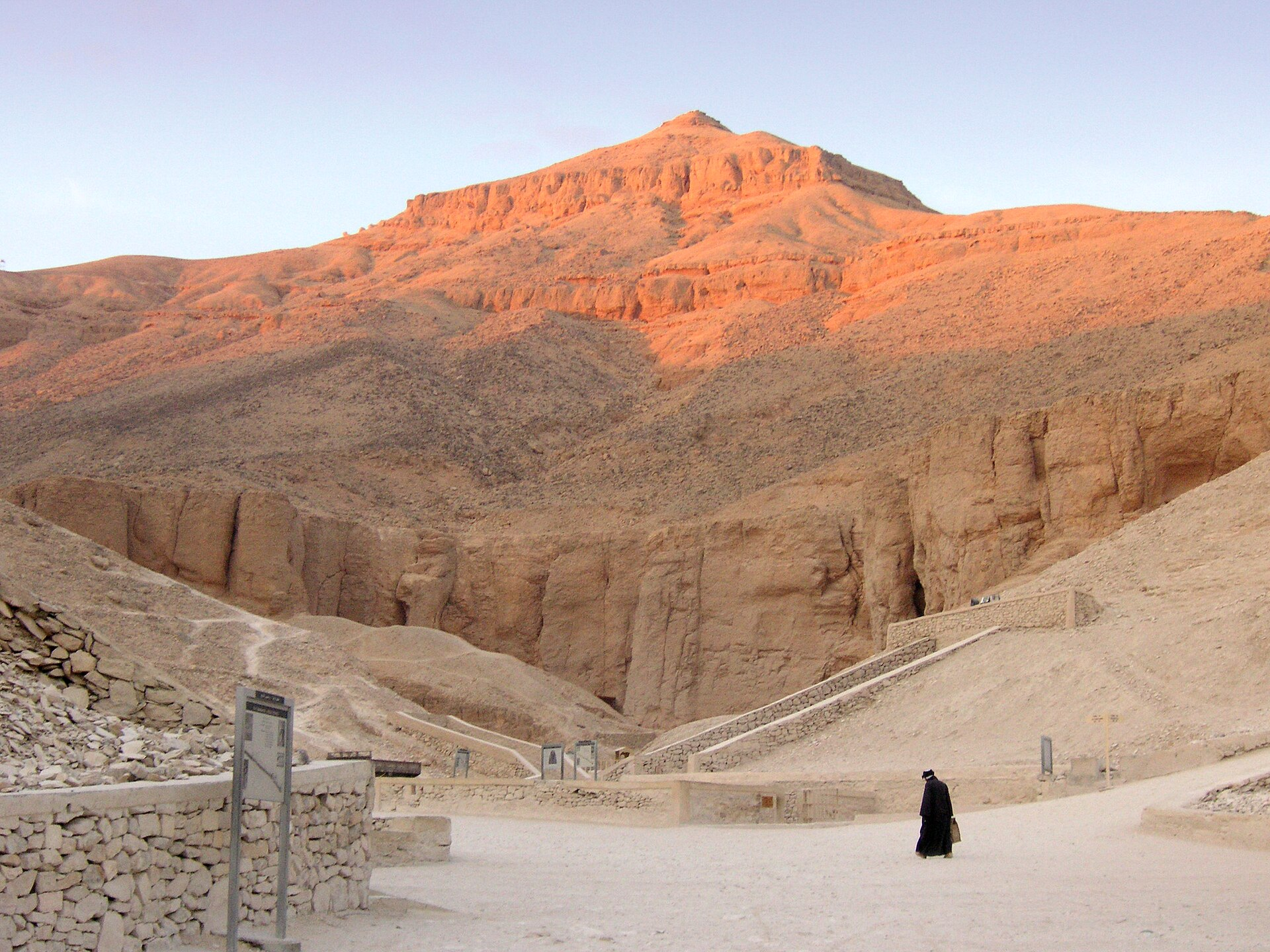
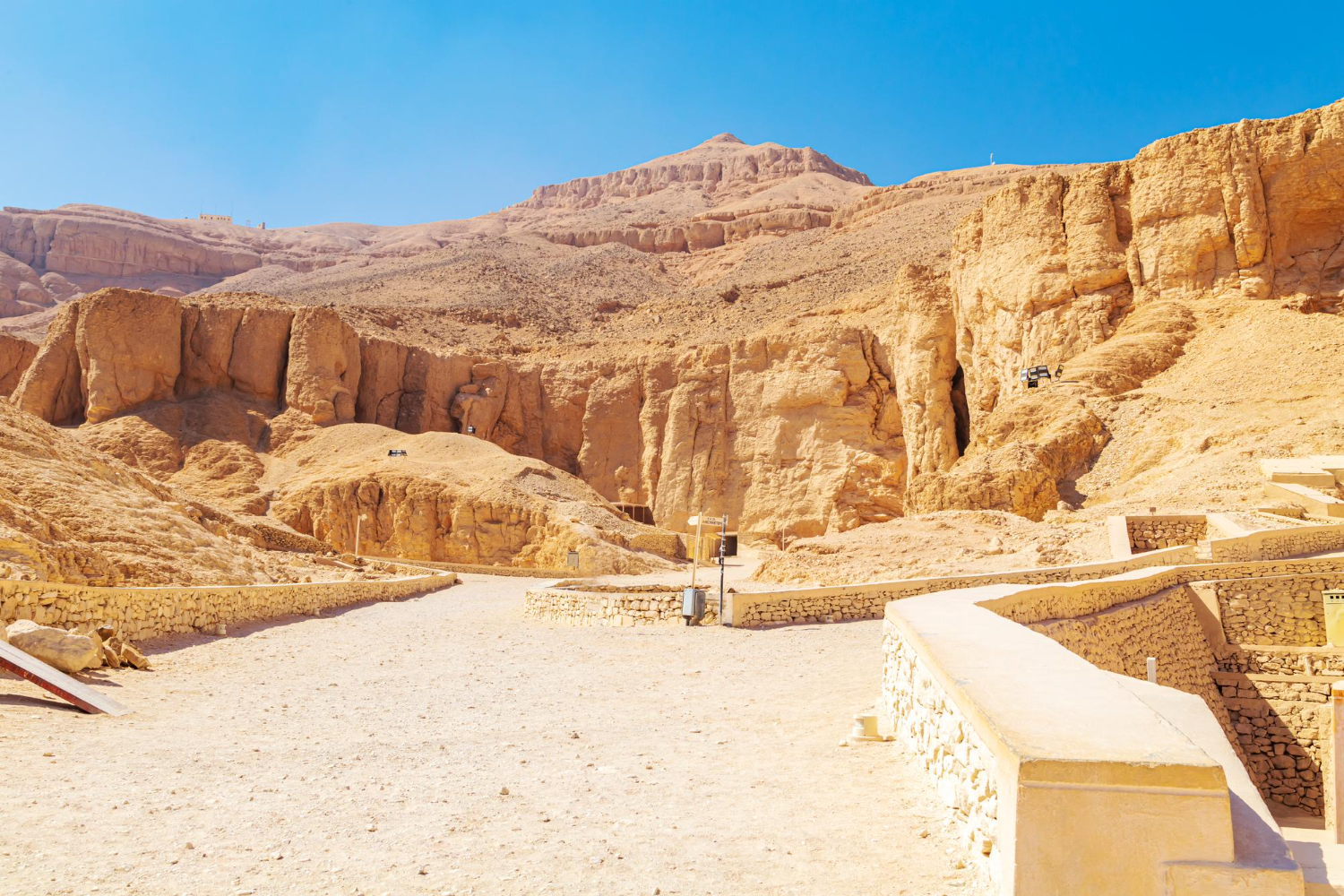
What made his tomb extraordinary was that it had escaped comprehensive robbery. Nearly every other royal burial in the Valley of the Kings had been emptied in antiquity, leaving archaeologists to reconstruct funerary practice from fragments and wall paintings.
Carter found a small tomb packed with thousands of objects — furniture, chariots, jewellery, textiles, food, the famous gold mask — largely as they had been placed. It was, in effect, an intact sample of what a royal burial actually contained, which is the sort of evidence that had never been available.
Clearing and cataloguing it took roughly a decade of painstaking work. That is the real story of the excavation: not two months of drama in 1923, but ten years of methodical recording that transformed what Egyptology could say about the period.
What to Take From It
None of this makes the discovery less extraordinary. Carter’s find remains one of the great archaeological events, and Tutankhamun became the most recognisable symbol of ancient Egypt because of what was in that tomb rather than because of what allegedly came out of it.
Nor does it mean every strange pattern deserves automatic dismissal. Coincidence is not always the full explanation for everything odd.
What it does illustrate is a specific and repeatable failure mode. A dramatic event occurs. A structural incentive exists for someone to sensationalise it — in this case an entire press corps locked out of a story. Details are added that nobody verifies. The narrative hardens. And by the time anyone runs the numbers, eighty years have passed and the numbers are no longer what the story is about.
The mummy’s curse is not a story about ancient Egypt. It is a story about newspapers in 1923, and it has been remarkably successful at concealing that fact for a hundred years.
Like our content? Follow us for more.