
None of these vanished dramatically. They thinned out over a decade or two, until the last practitioners were curiosities rather than colleagues. Here are fifteen.
1. Switchboard Operator
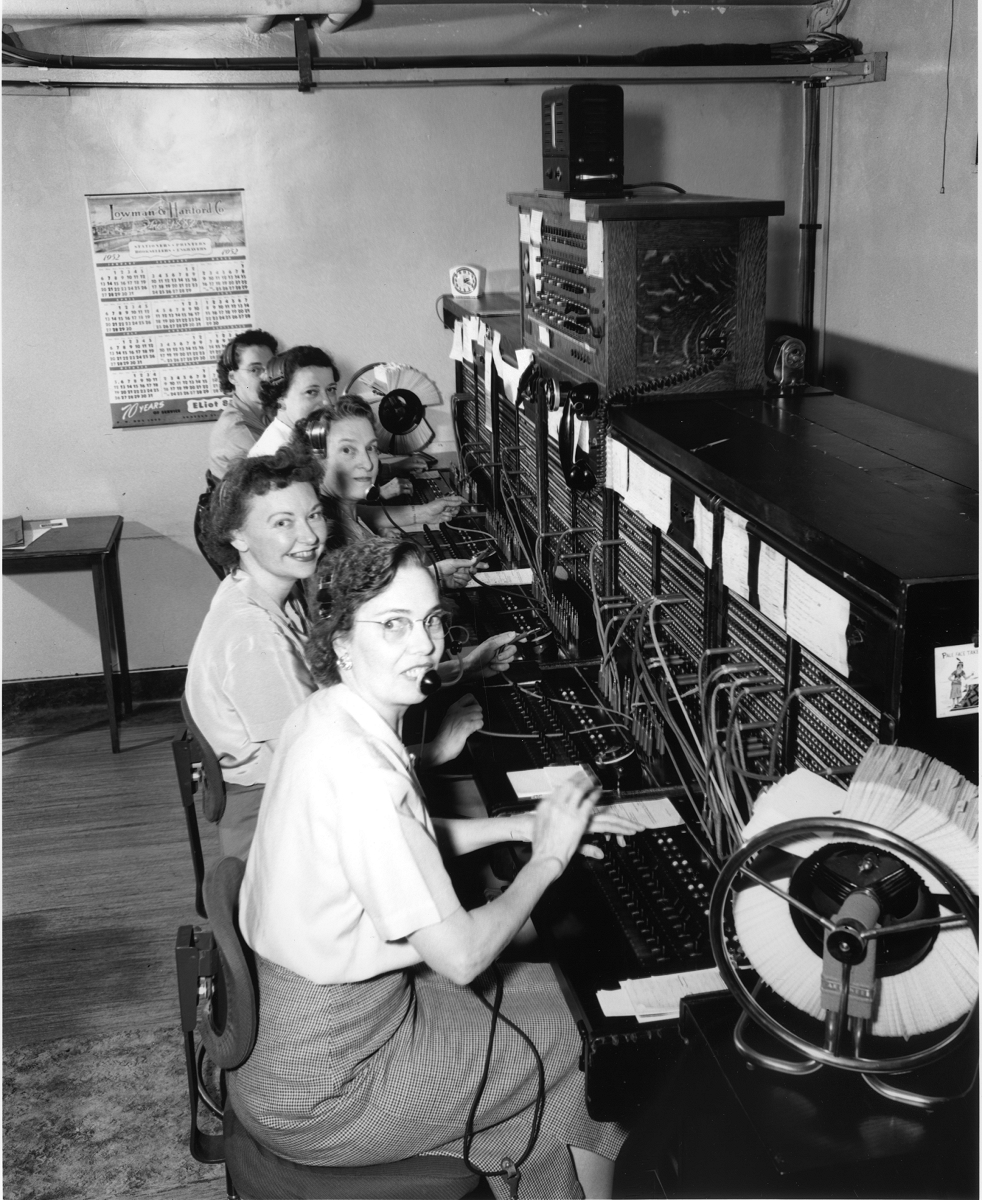
Every telephone call once passed through a person physically connecting one line to another with a cable on a plugboard.
Automatic exchanges removed the need, though operators persisted in hotels and offices for decades afterward. The switchboard operator is the vanished job that once sat between every two people having a conversation.
Like our content? Follow us for more.
2. Lamplighter
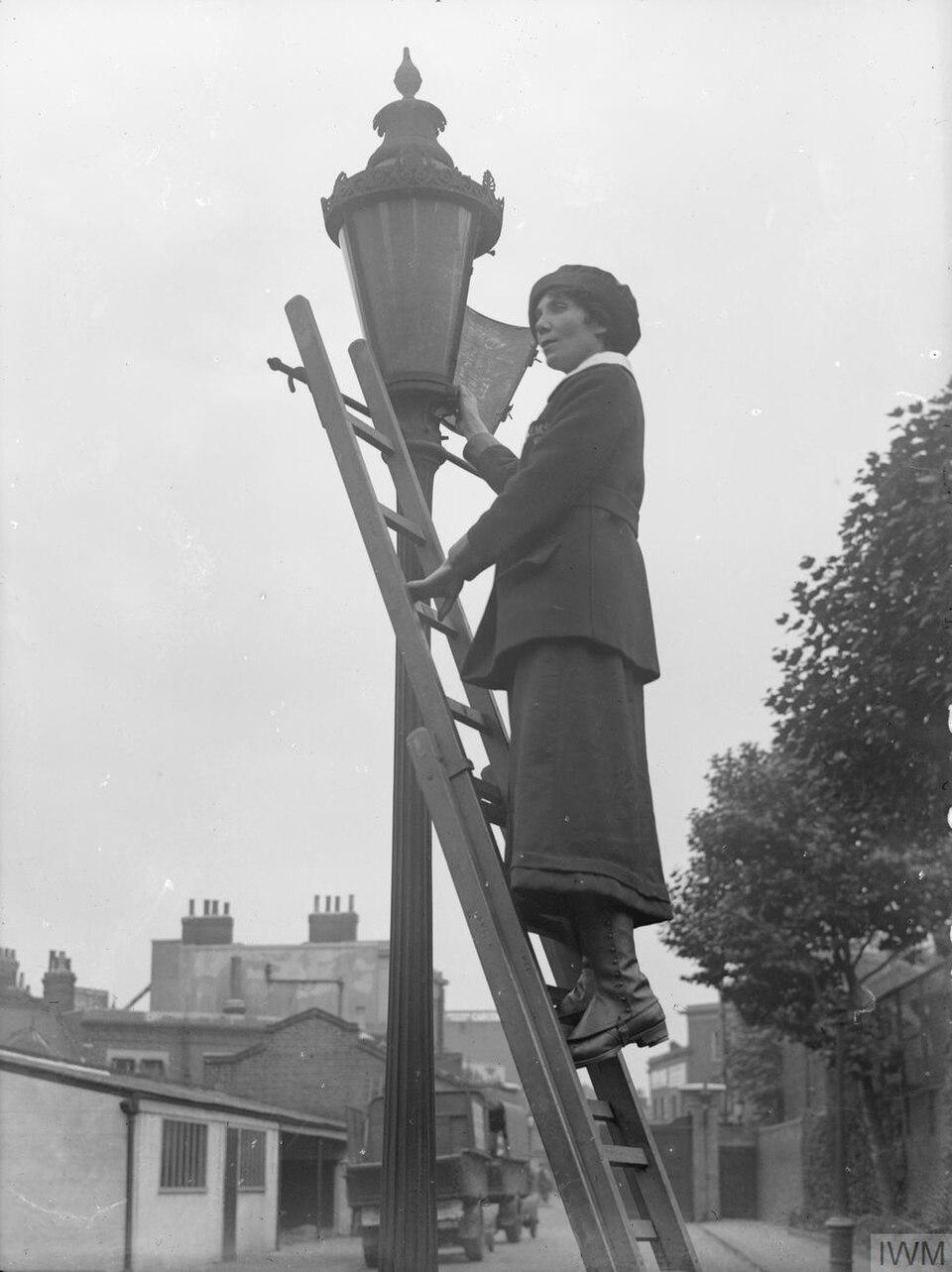
Before electrification, someone walked a fixed route each evening lighting gas street lamps, and again each morning to extinguish them.
A handful of ceremonial gas-lit routes survive with lamplighters still employed. The lamplighter is the vanished job that structured the beginning and end of every urban day.
3. Knocker-Up
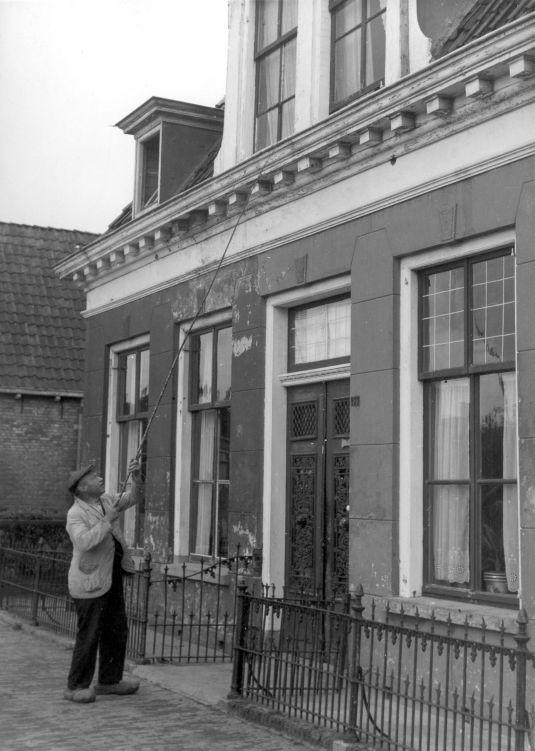
In industrial towns, a person was paid to wake workers by tapping on bedroom windows with a long pole before alarm clocks were affordable and reliable.
They were themselves woken by somebody else, which raises an obvious and much-asked question. The knocker-up is the vanished job that existed purely because clocks were expensive.
4. Typing Pool
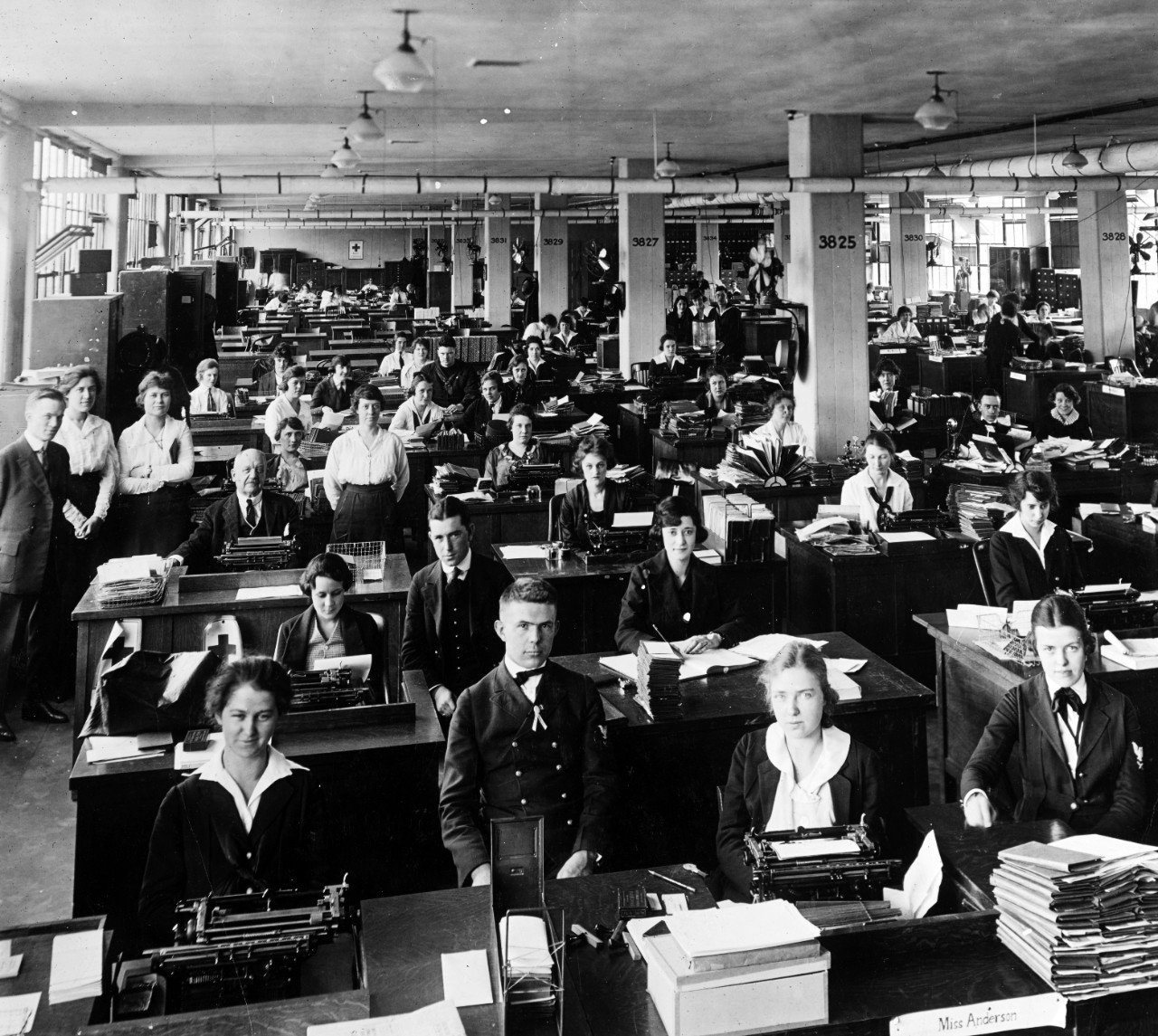
Large organisations employed rooms of typists producing documents from handwritten drafts or dictation, as a permanent department.
Word processing removed the intermediary by letting authors produce their own final copy. The typing pool is the vanished job eliminated by everyone learning to type.
5. Milk Delivery on a Daily Round
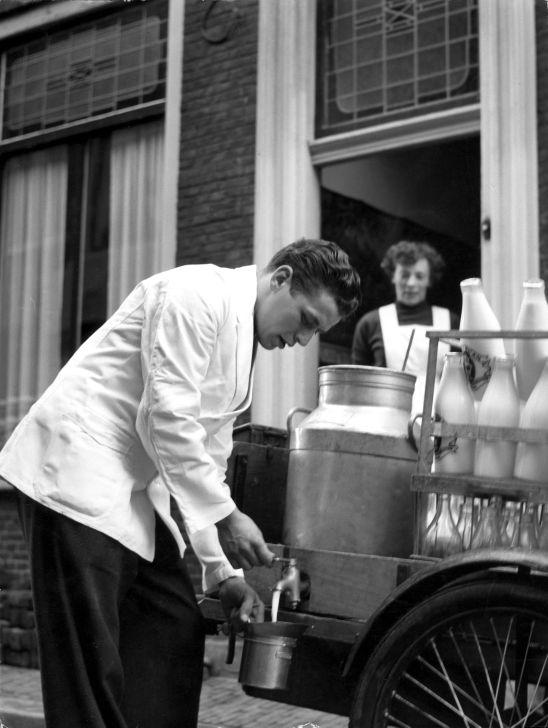
Before home refrigeration was universal, milk was delivered fresh daily and empties collected, on a round covering every house.
It survives in reduced form in some places, but as a service rather than as a necessity. Daily milk delivery is the vanished job that ended when kitchens got cold enough.
6. Film Processing Technician
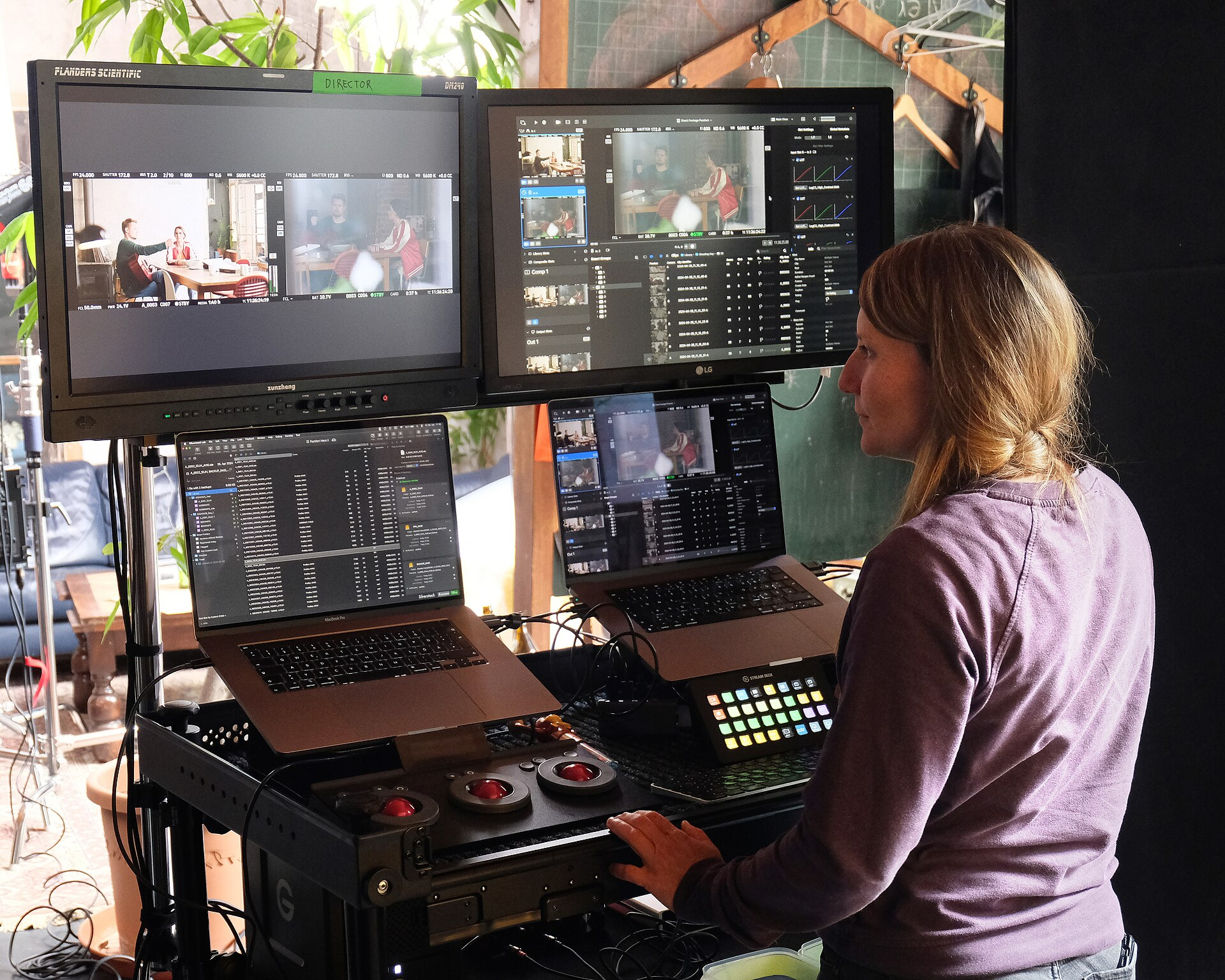
Every photograph passed through a laboratory, and high-street shops employed people to develop, print and cut film to order.
The whole industry contracted within a few years of digital cameras becoming ordinary. The film processing technician is the vanished job that disappeared fastest of any on this list.
7. Human Computer
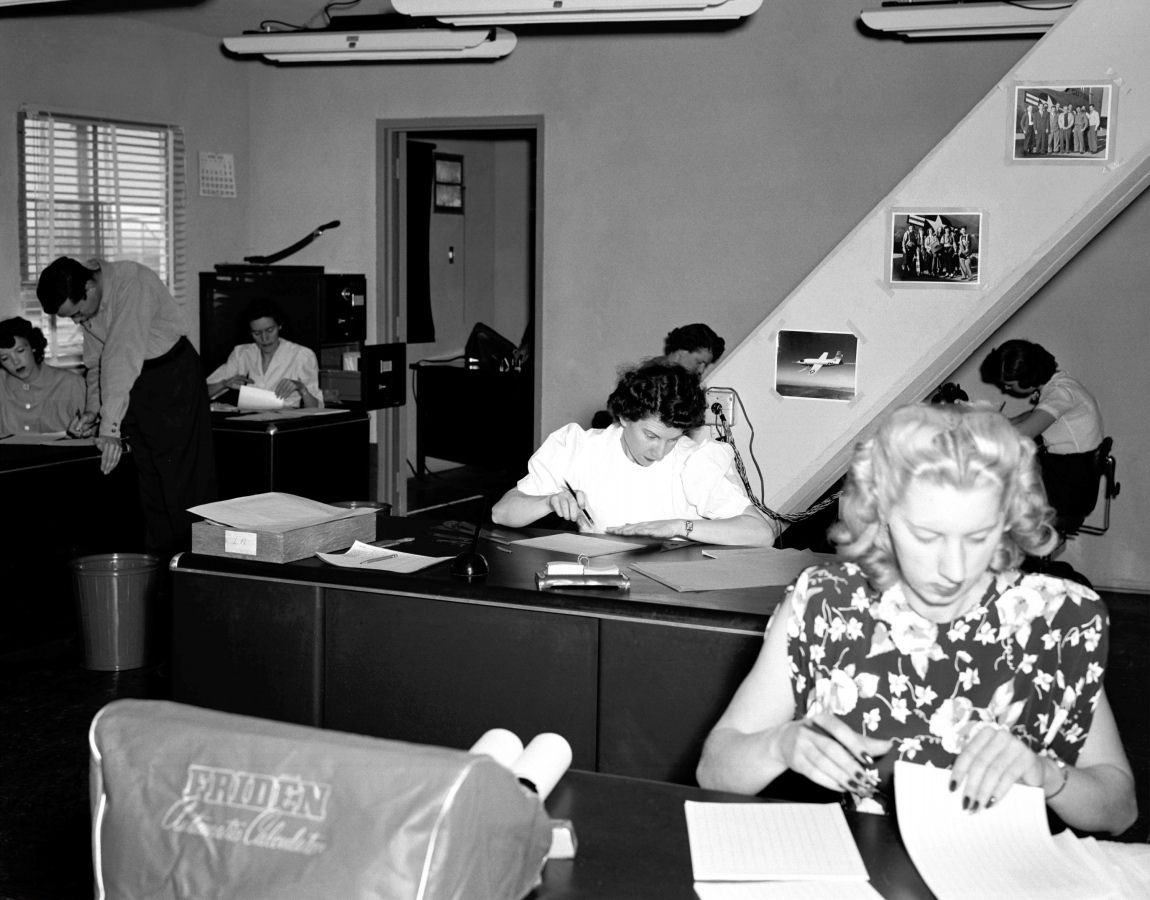
Before electronic computing, teams of people — frequently women — performed long calculations by hand for astronomy, engineering and navigation.
The word computer originally described the person rather than the machine. The human computer is the vanished job whose name was taken over by its replacement.
8. Ice Cutter and Ice Delivery
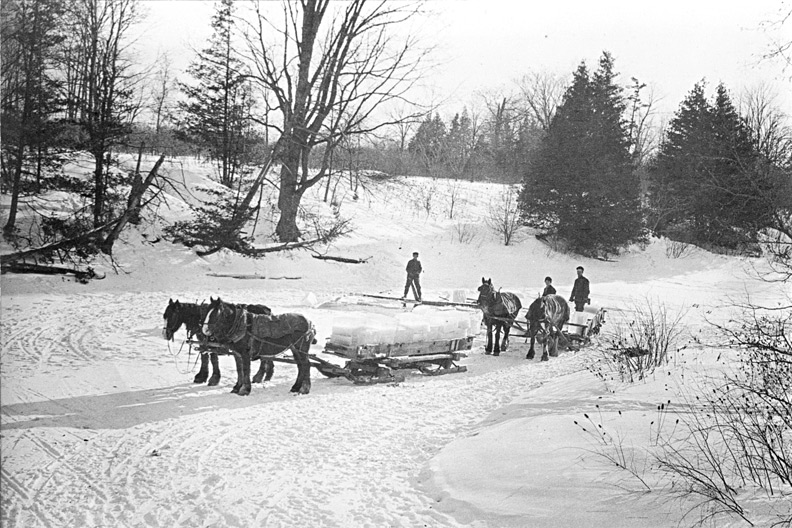
Blocks were cut from frozen lakes in winter, stored in insulated houses and delivered to households through the year for iceboxes.
Mechanical refrigeration ended an entire seasonal industry within a generation. The ice trade is the vanished job that harvested a crop made of weather.
9. Elevator Operator
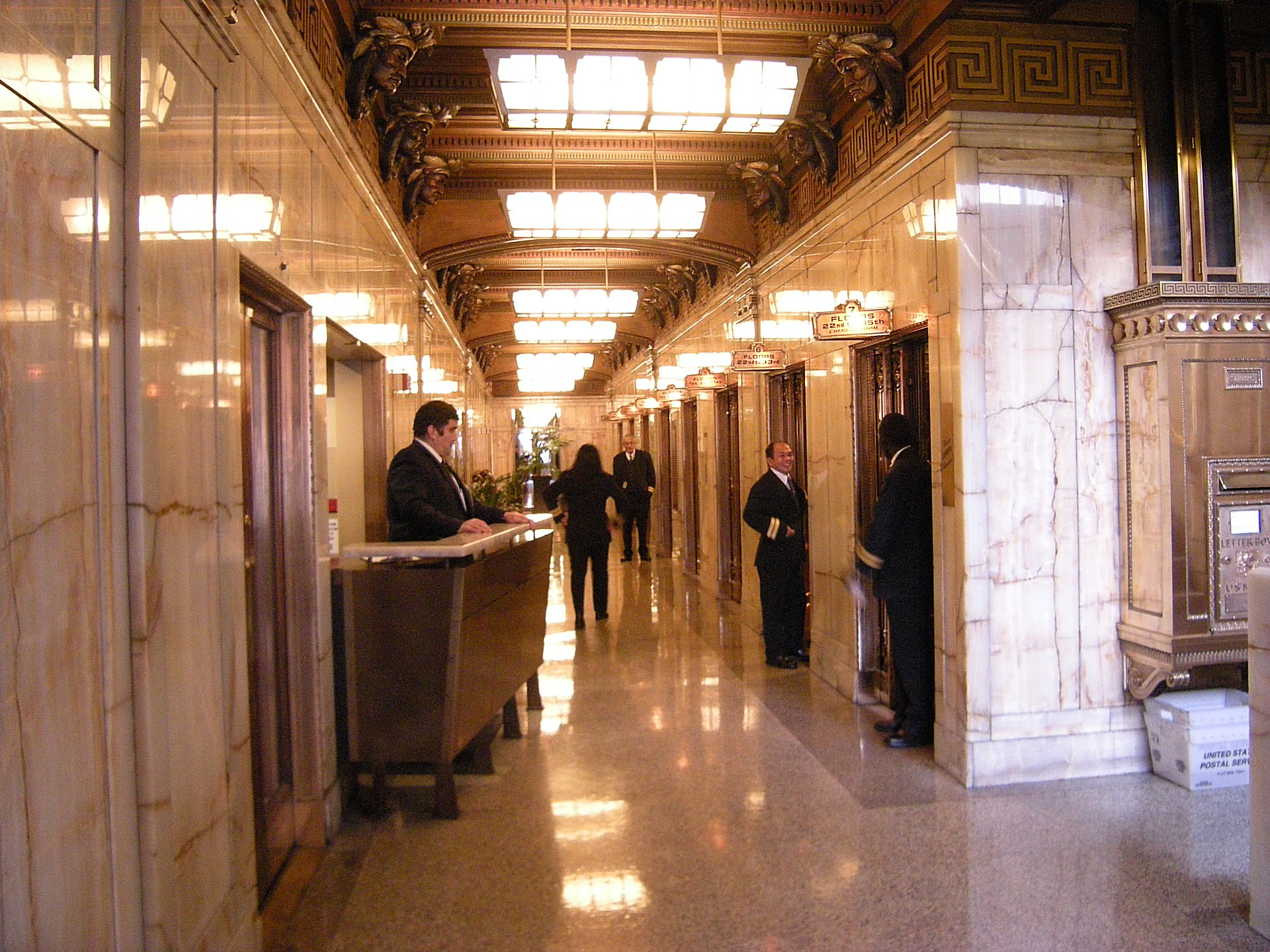
Early lifts required a trained operator to control speed and level the car accurately with each floor.
Automatic levelling removed the technical need, and the role persisted for a while purely as a courtesy. The elevator operator is the vanished job that outlived its own necessity by years.
10. Typesetter

Newspapers and books were assembled from individual pieces of metal type or from hot-metal casting machines, by people who worked reading backwards.
Photographic and then digital typesetting ended a craft with centuries of accumulated technique. The typesetter is the vanished job that required reading everything in mirror image.
11. Video Shop Clerk

An entire retail sector existed to rent films on tape and disc, staffed by people who knew the stock and made recommendations.
Streaming removed the premises, the stock and the conversation in about five years. The video shop clerk is the vanished job most recently lost and most widely missed.
12. Bowling Alley Pinsetter
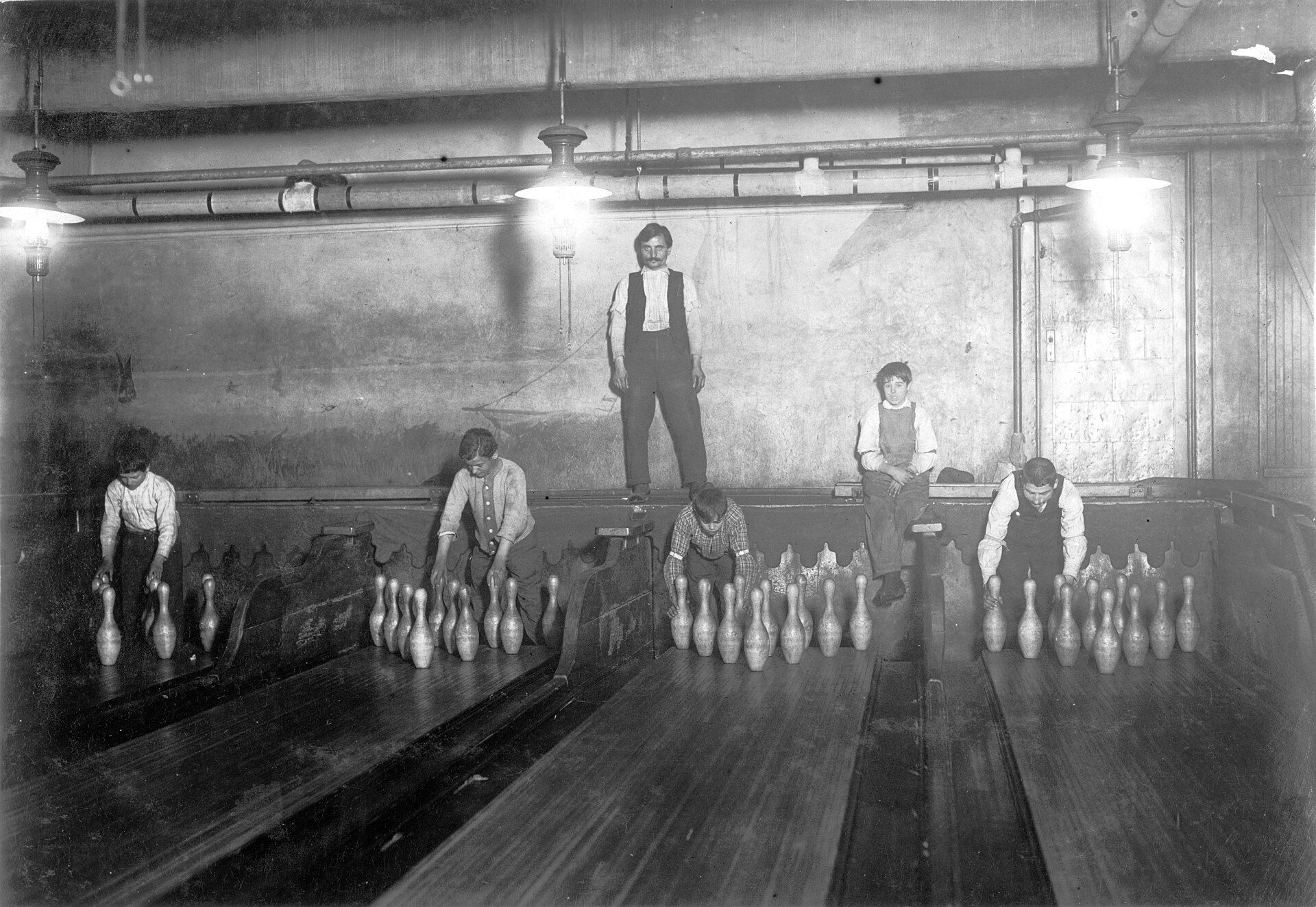
Before automatic machinery, people sat at the end of lanes resetting pins by hand and returning balls, frequently teenagers working evenings.
It was fast, noisy work in an awkward position. The pinsetter is the vanished job that automation improved for everyone involved.
14. Telegraph Operator
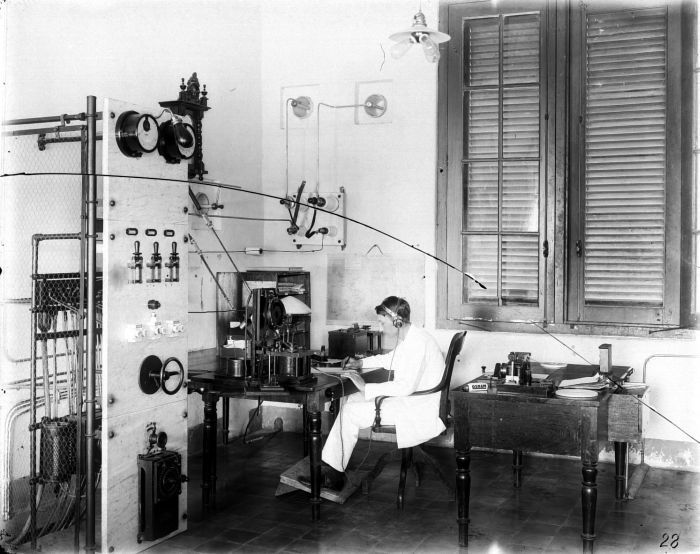
Skilled operators sent and received messages in Morse code, and the speed and accuracy of a good operator was a truly valued professional skill.
Telephone and then digital communication removed the need over several decades. The telegraph operator is the vanished job that required fluency in a language of clicks.
15. Encyclopaedia Salesman

Reference libraries were sold door to door on instalment plans, as a substantial household purchase marketed to parents.
Digital reference removed both the product and the sales model. The encyclopaedia salesman is the vanished job whose entire product category disappeared underneath it.
Absorbed Rather Than Abolished
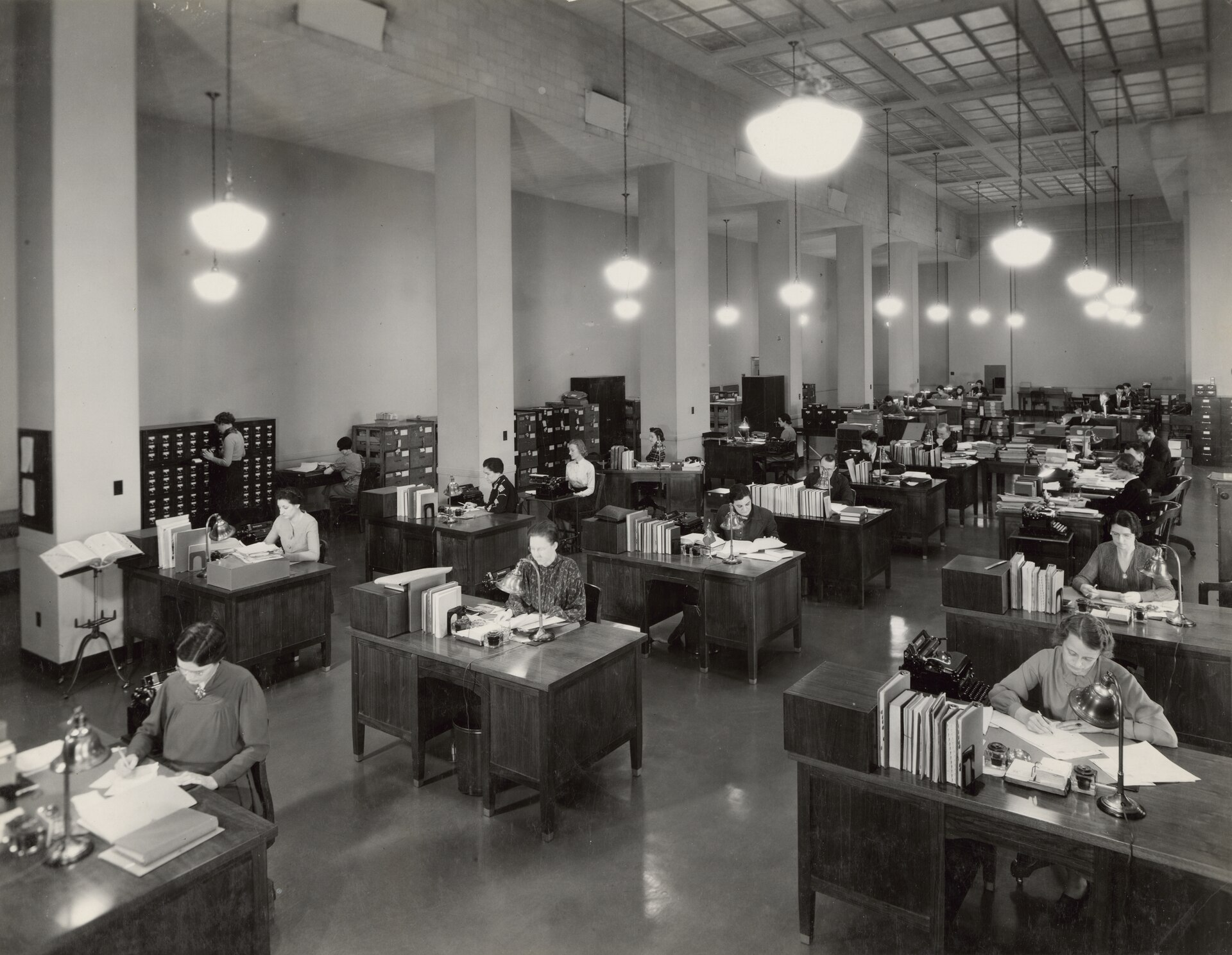
Almost none of these jobs was eliminated by a decision. Each was steadily absorbed by a machine, a format or a habit, and the people doing them moved into whatever came next.
It is worth noticing how recent most of this is. Several of these jobs existed comfortably within living memory, and people who did them are still around to describe the work. Whatever replaced them was faster and usually better, and something specific went with each one — a route walked every evening, a voice on every call, a person who knew what you might like to watch.
Like our content? Follow us for more.