Slow cooking exists because collagen in cheap cuts turns to gelatin given enough time at low temperature, which is why the least expensive meat makes the best braises. Here are fifteen dishes built on that principle.
1. Boeuf Bourguignon — France
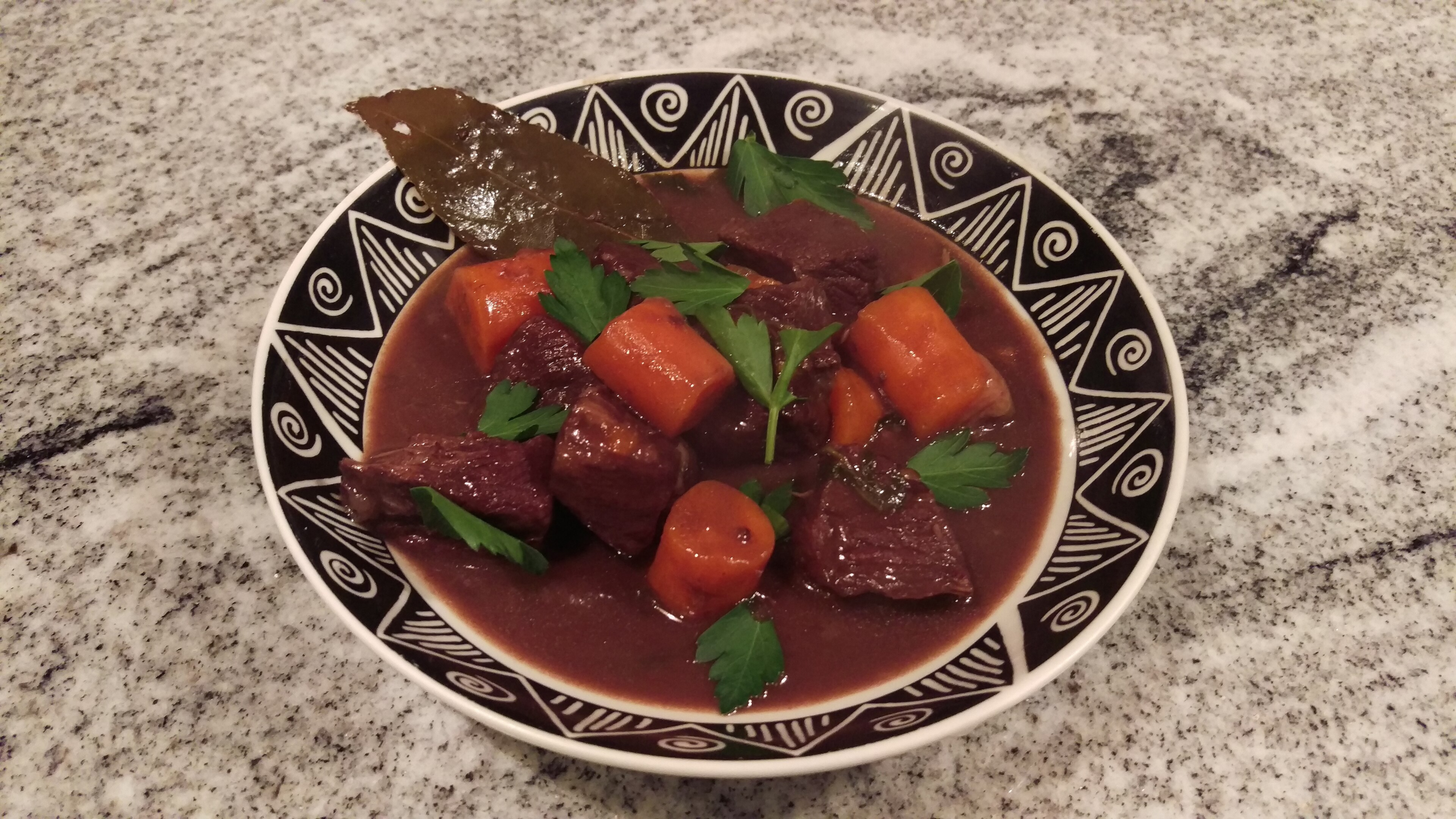
Beef braised in red wine with mushrooms, onions and bacon, cooked long enough that the sauce thickens on its own.
The wine is the cooking liquid rather than a flavouring, which is why the choice of bottle matters more here than in most recipes. Boeuf bourguignon is the slow-cooked dish that taught a generation of home cooks what braising means.
Like our content? Follow us for more.
2. Carbonnade Flamande — Belgium
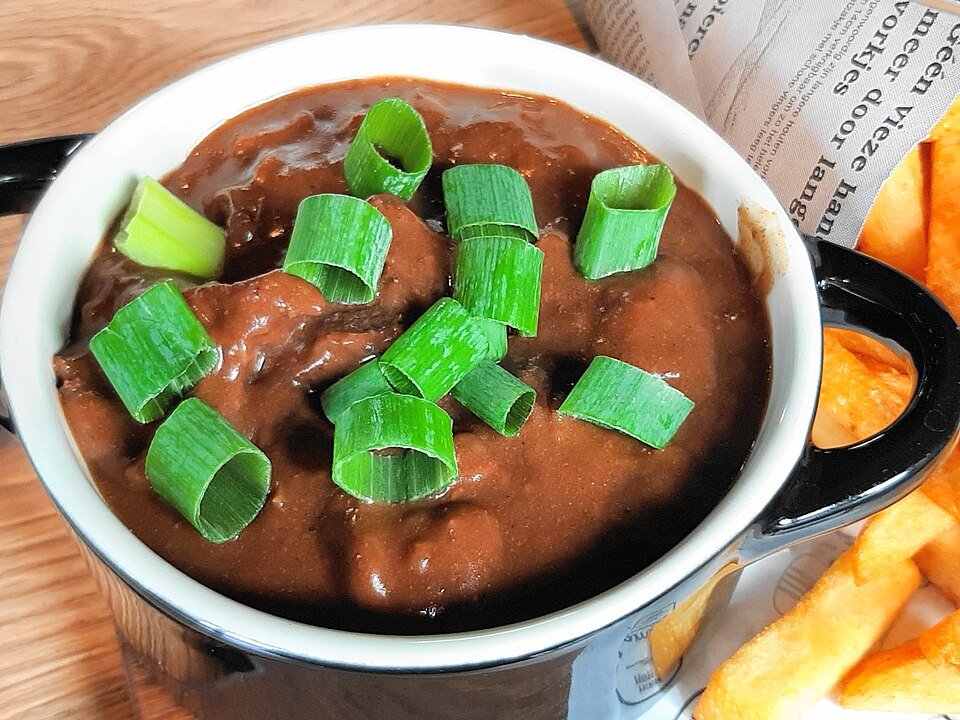
Beef braised in dark beer rather than wine, sweetened slightly and thickened with a slice of mustard-spread bread stirred in toward the end.
The bread dissolving into the sauce is the traditional thickener, and the beer choice determines whether the result is rich or bitter. Carbonnade is the slow-cooked dish that uses a sandwich as a thickening agent.
3. Rendang — Indonesia
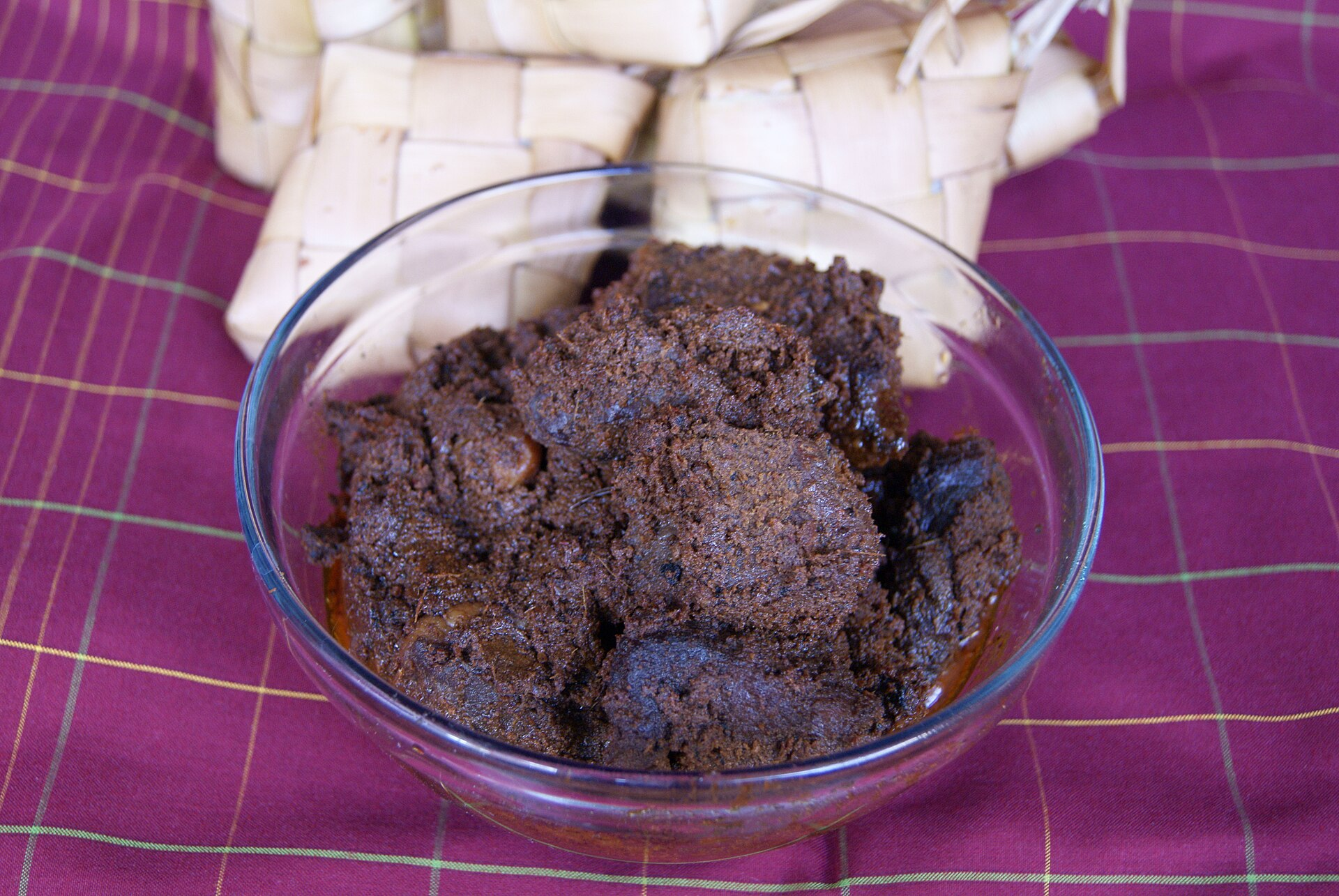
Beef simmered in coconut milk and spice paste for hours until the liquid evaporates entirely and the meat fries in the residual oil.
That final stage — from wet curry to dry, dark, intensely flavoured meat — is what distinguishes it from a curry that was simply cooked for a long time. Rendang is the slow-cooked dish that finishes by cooking itself dry.
4. Cassoulet — France
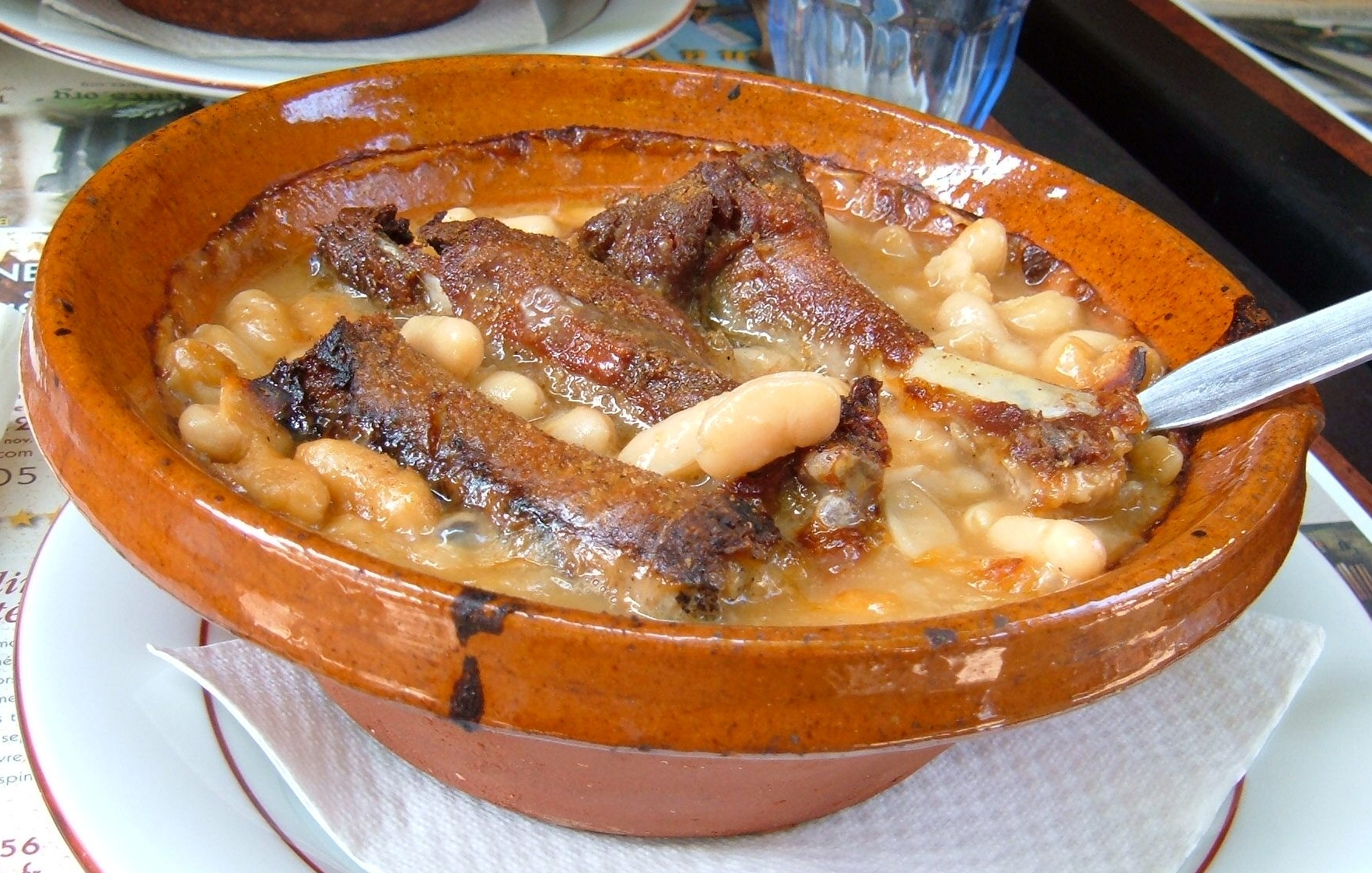
A slow-baked casserole of white beans with preserved duck, sausage and pork, developed over several days in the traditional versions.
The crust that forms on top is broken and stirred back in repeatedly during cooking. Cassoulet is the slow-cooked dish where the surface is deliberately disturbed again and again.
5. Kare-Kare — Philippines
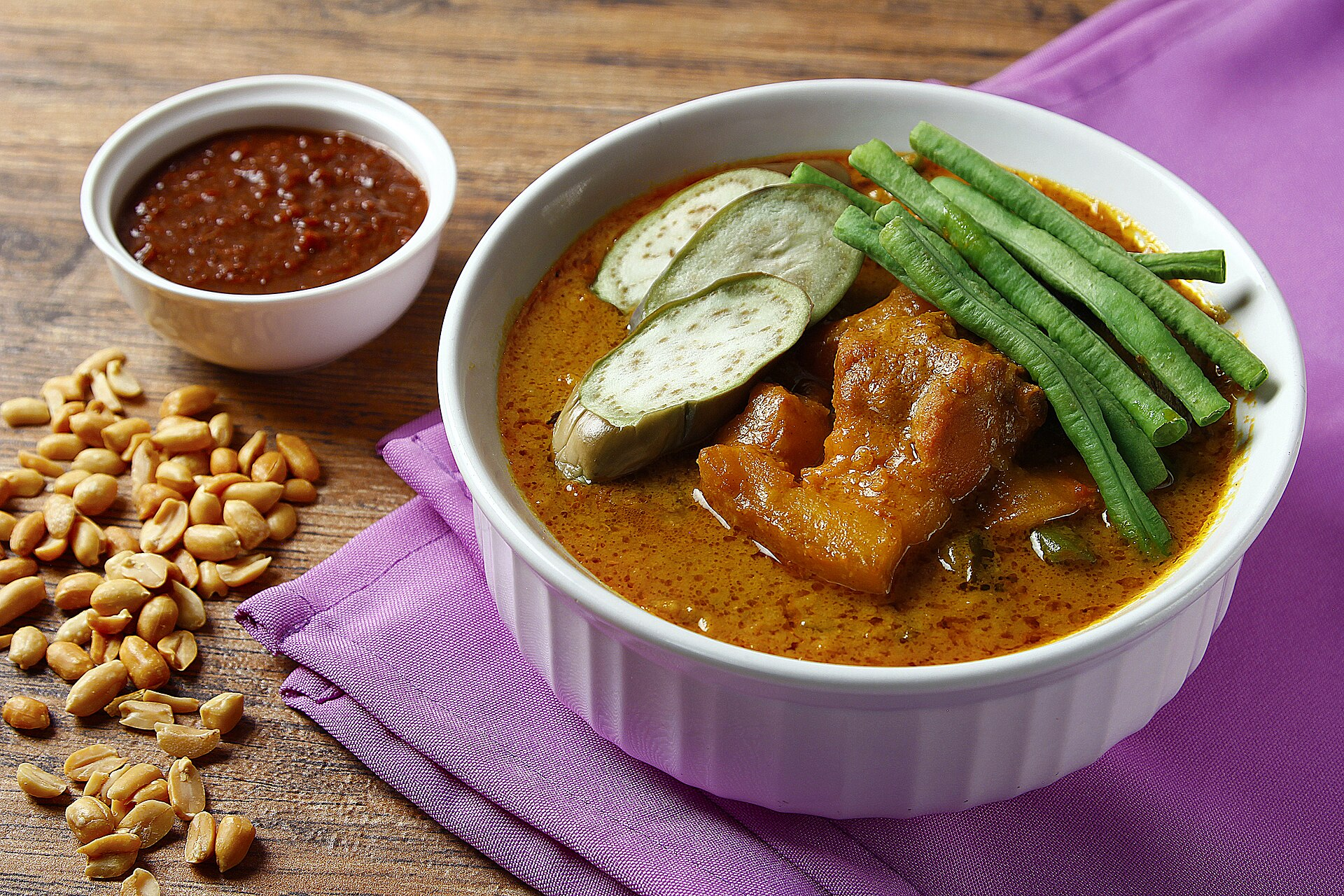
Oxtail and vegetables slow-cooked in a thick sauce of ground peanuts and toasted rice, served with fermented shrimp paste on the side.
The peanut base makes it unlike any other stew on this list, and the shrimp paste is added by each diner rather than cooked in. Kare-kare is the slow-cooked dish where the seasoning arrives separately at the table.
6. Osso Buco — Italy
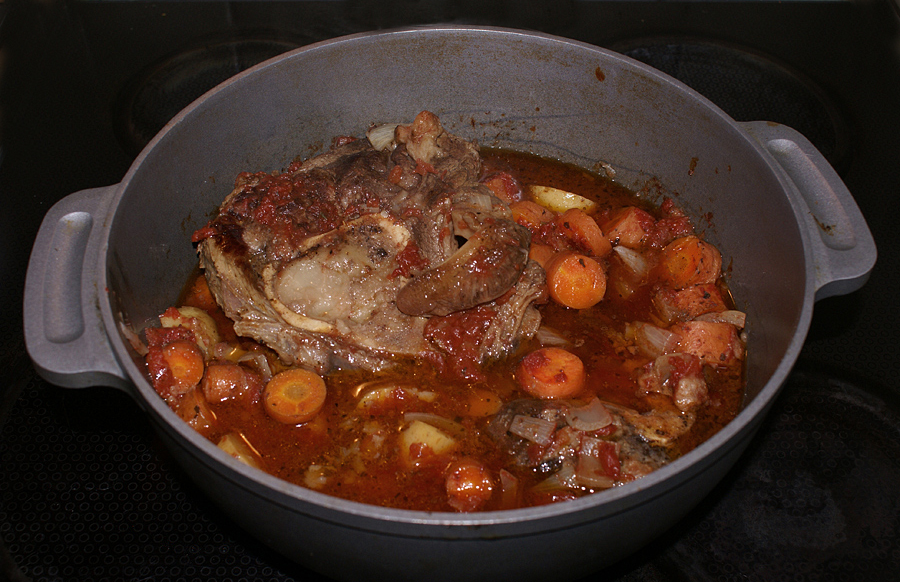
Veal shanks braised with vegetables and wine until the meat gives way and the marrow in the bone becomes the prize.
It is traditionally finished with gremolata, a raw mixture of lemon zest, garlic and parsley, added to cut the richness. Osso buco is the slow-cooked dish where the bone is the point.
7. Nihari — South Asia
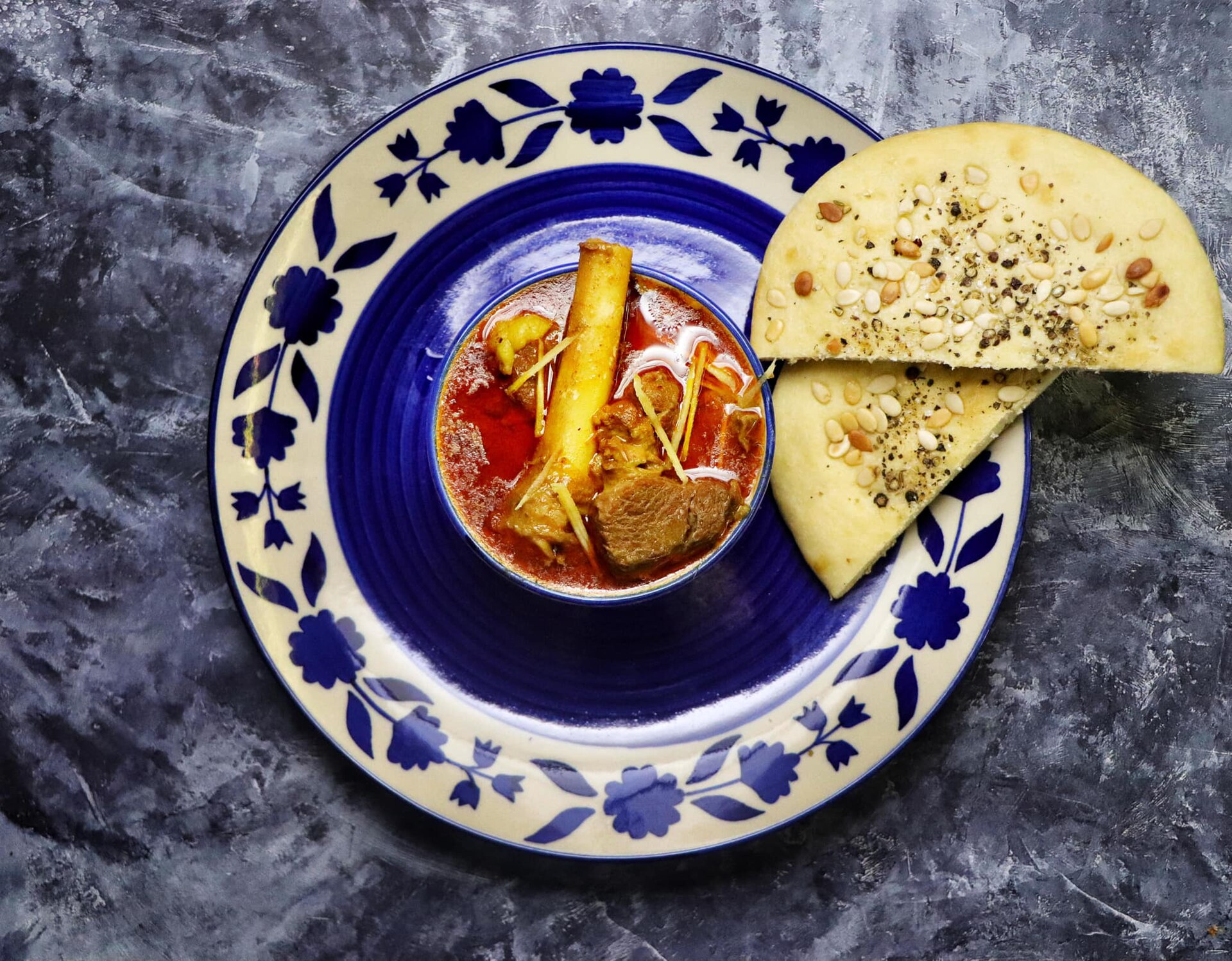
A slow-cooked meat stew, historically eaten at breakfast, simmered overnight with a heavy spice blend until the meat is entirely tender.
The overnight cooking is traditional rather than incidental, and the dish is thickened with flour toward the end. Nihari is the slow-cooked dish designed to be ready first thing in the morning.
8. Bigos — Poland
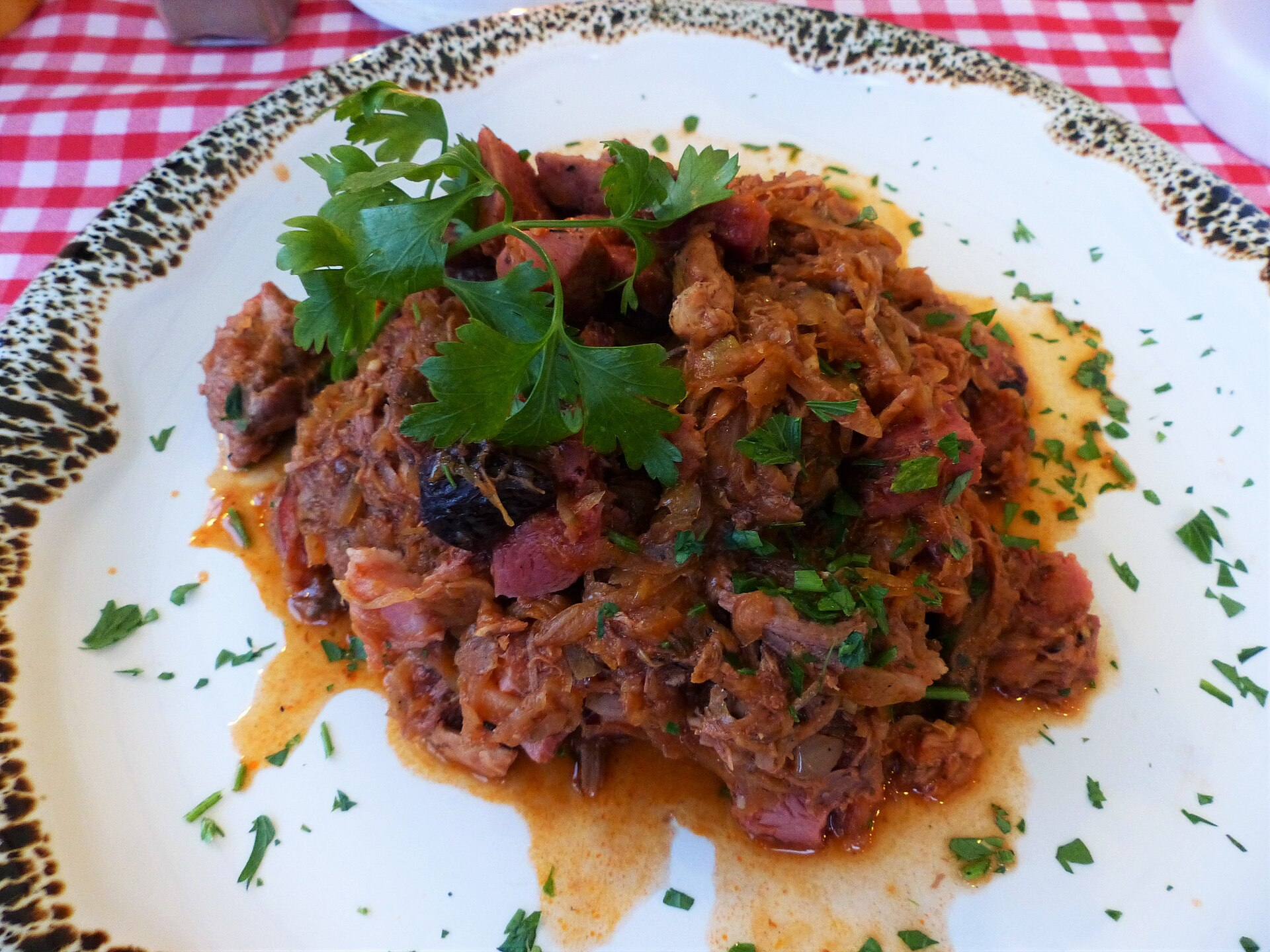
A long-cooked mixture of sauerkraut, fresh cabbage, various meats and dried mushrooms, reheated repeatedly over several days.
It is considered to improve with each reheating, which makes it one of the few dishes where leftovers outrank the original. Bigos is the slow-cooked dish that is meant to be cooked more than once.
9. Birria — Mexico
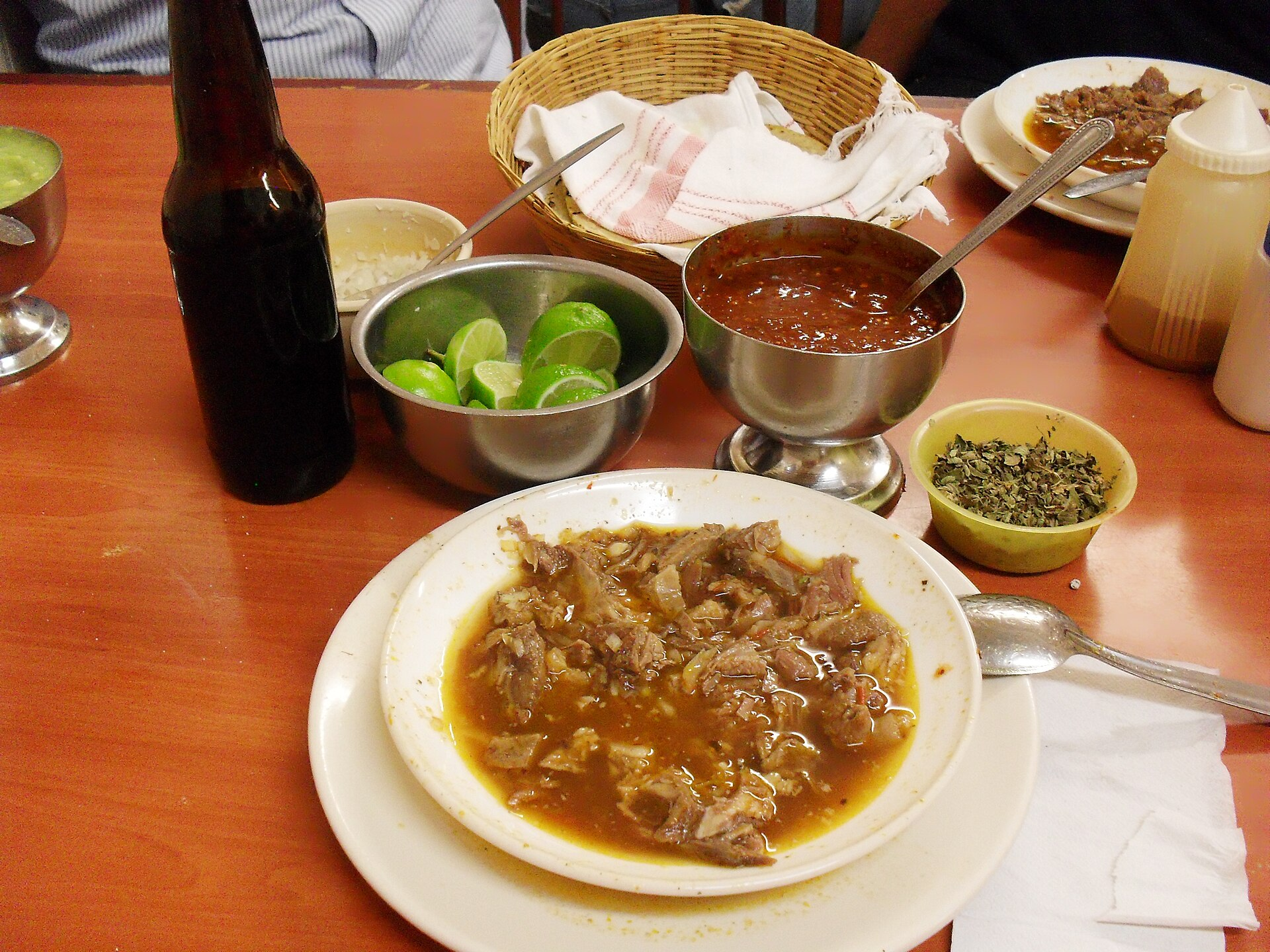
Meat slow-cooked with dried chillies and spices until it shreds, served as a stew or used as a filling with the cooking liquid alongside for dipping.
The consommé served with it is not a garnish but half the dish. Birria is the slow-cooked dish where the cooking liquid is served as a separate course.
10. Irish Stew — Ireland
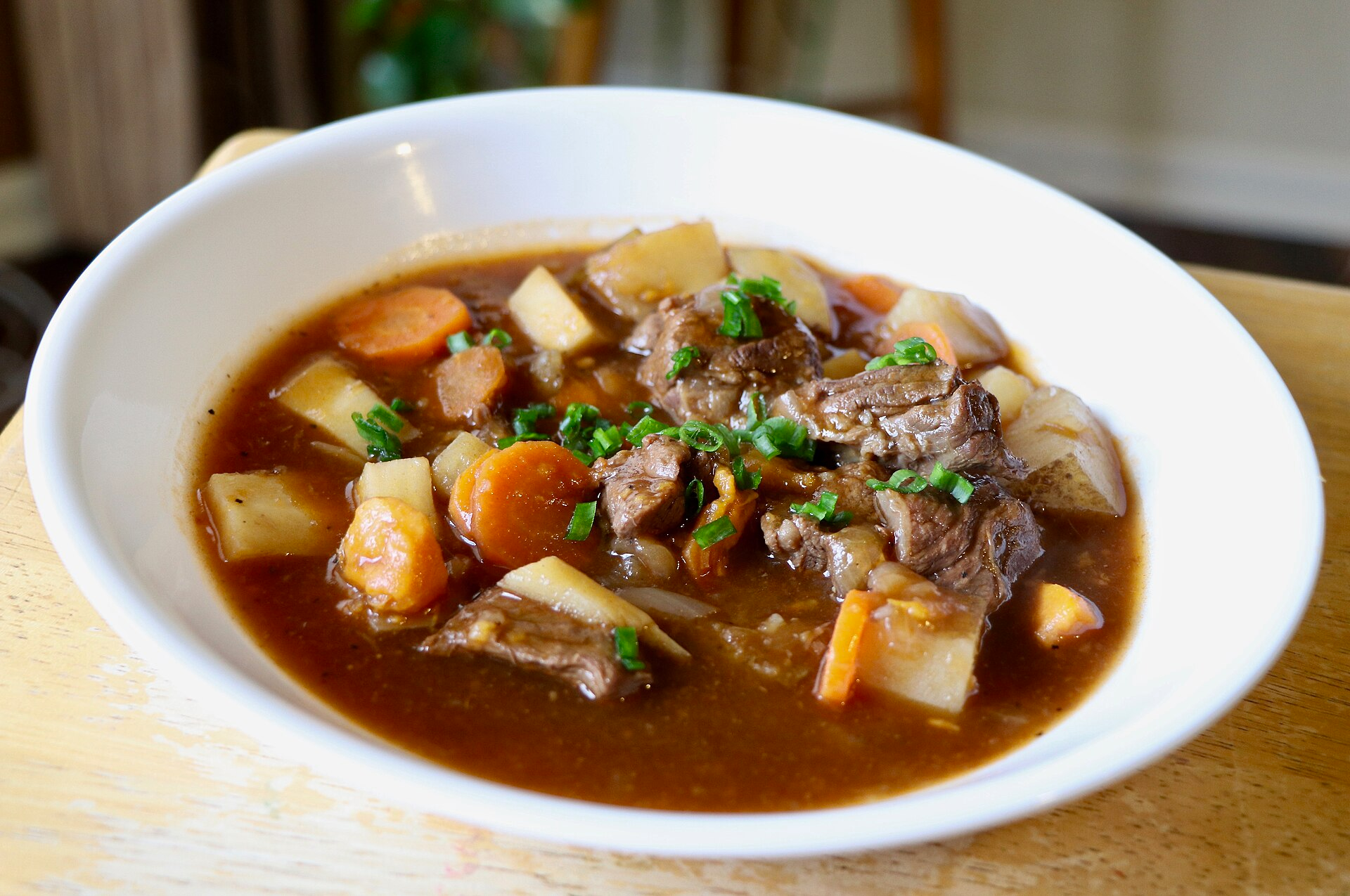
Mutton or lamb with potatoes and onion, cooked simply and slowly, with a short ingredient list that leaves nowhere to hide.
Debate over whether carrots belong is longstanding and truly heated. Irish stew is the slow-cooked dish whose ingredient list people argue about most.
11. Doro Wat — Ethiopia
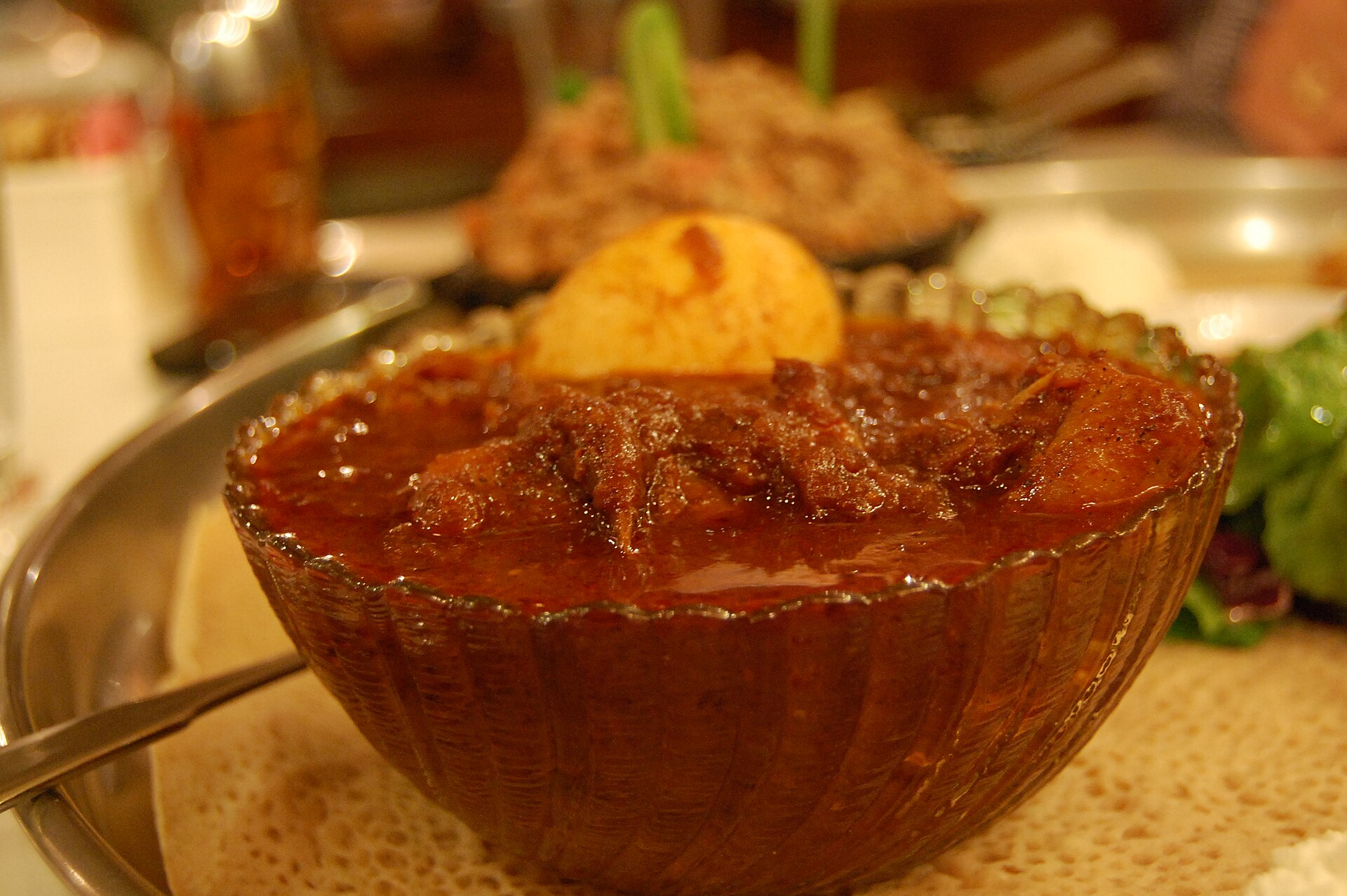
A deeply spiced chicken stew built on an enormous quantity of onions cooked down slowly before anything else is added.
The onion stage alone can take an hour and determines the final texture. Doro wat is the slow-cooked dish where most of the work happens before the main ingredient appears.
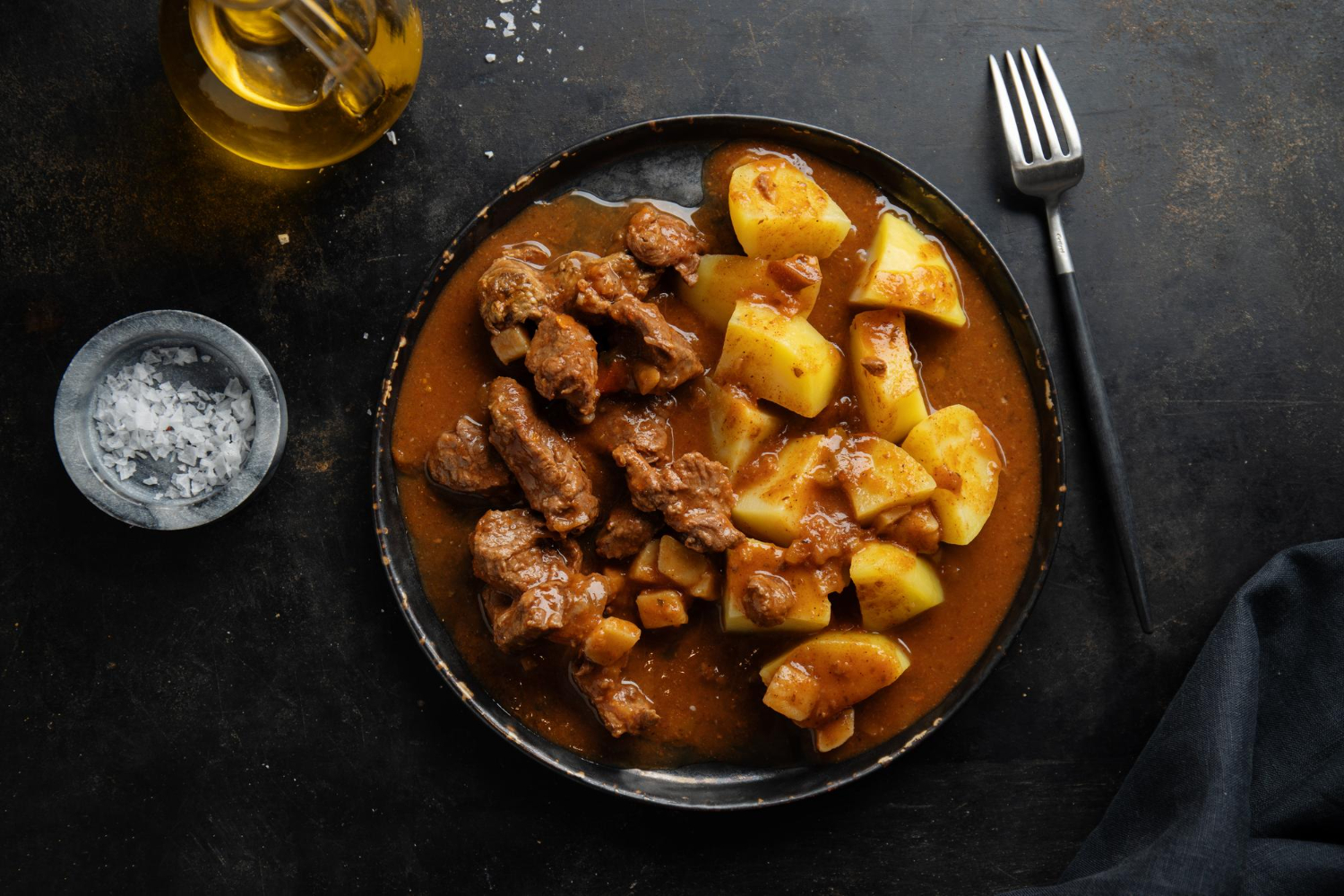
12. Pörkölt — Hungary
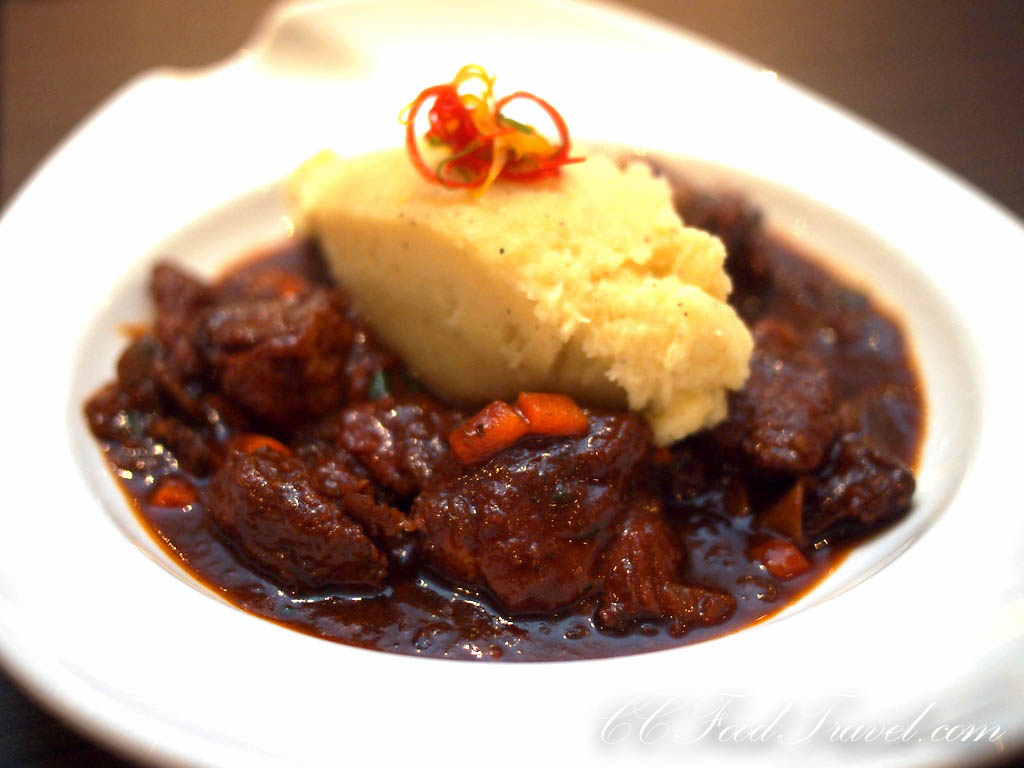
A paprika-based meat stew, thicker than soup and distinct from the more liquid dishes it is often confused with.
The paprika is added off the heat to prevent it turning bitter, which is the step most often got wrong. Pörkölt is the slow-cooked dish ruined by one moment of excessive heat.
14. Adobo — Philippines
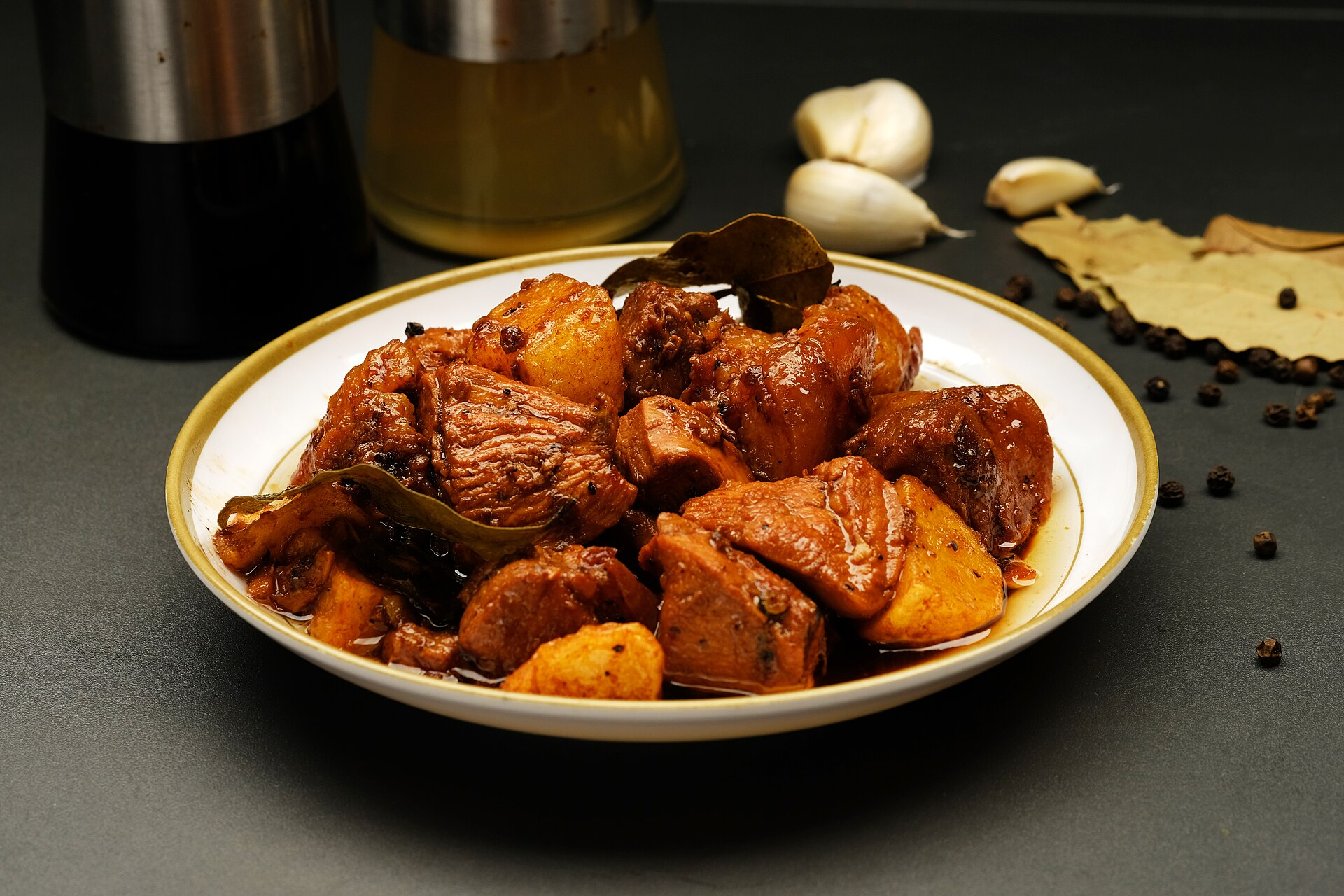
Meat simmered slowly in vinegar, soy sauce, garlic and peppercorns until tender, with the sauce reducing around it.
The vinegar both flavours and preserves, which is why the dish keeps unusually well. Adobo is the slow-cooked dish whose method began as a way of storing food.
15. Pot-au-Feu — France
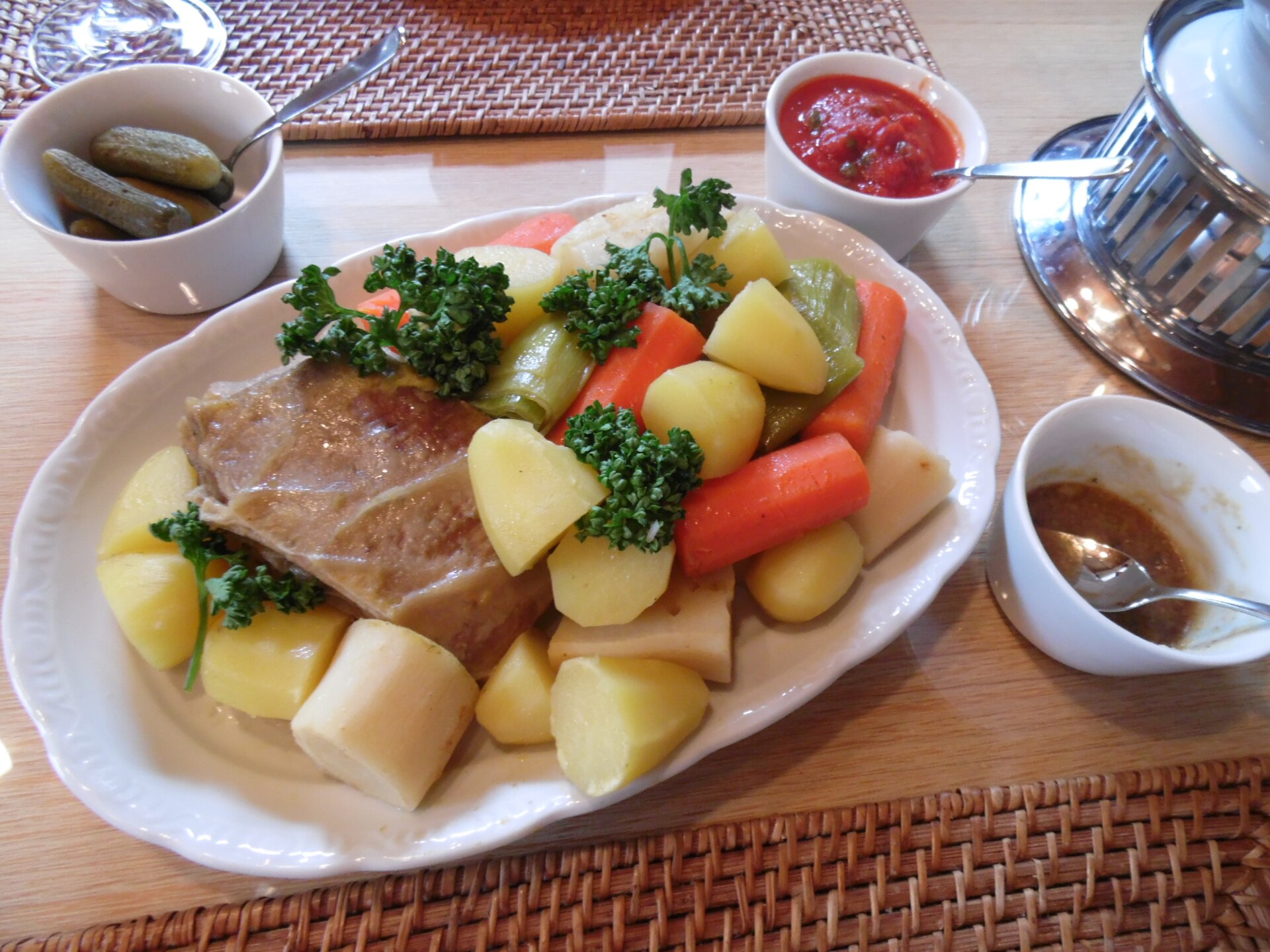
Beef and vegetables simmered gently for hours, with the broth served first as a course and the meat and vegetables afterwards.
Serving it in two stages is traditional and changes how the whole meal is paced. Pot-au-feu is the slow-cooked dish that arrives at the table twice.
Time Instead of Money
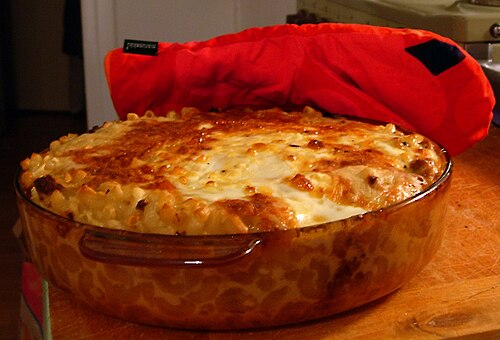
Every dish here takes an inexpensive, difficult ingredient and applies hours instead of expense. That was the original point, and it remains the reason these dishes taste better than faster ones made from better cuts.
None of these is technically difficult and all of them are mostly waiting. Start one on a weekend morning, ignore it for several hours, and make it the day before if you can, because almost every dish on this list is better reheated than it was the first time.
Like our content? Follow us for more.