The rule underneath all of this is simple: the sauce has to stay on the pasta between the bowl and your mouth. Every shape below is a different solution to that problem.
1. Spaghetti
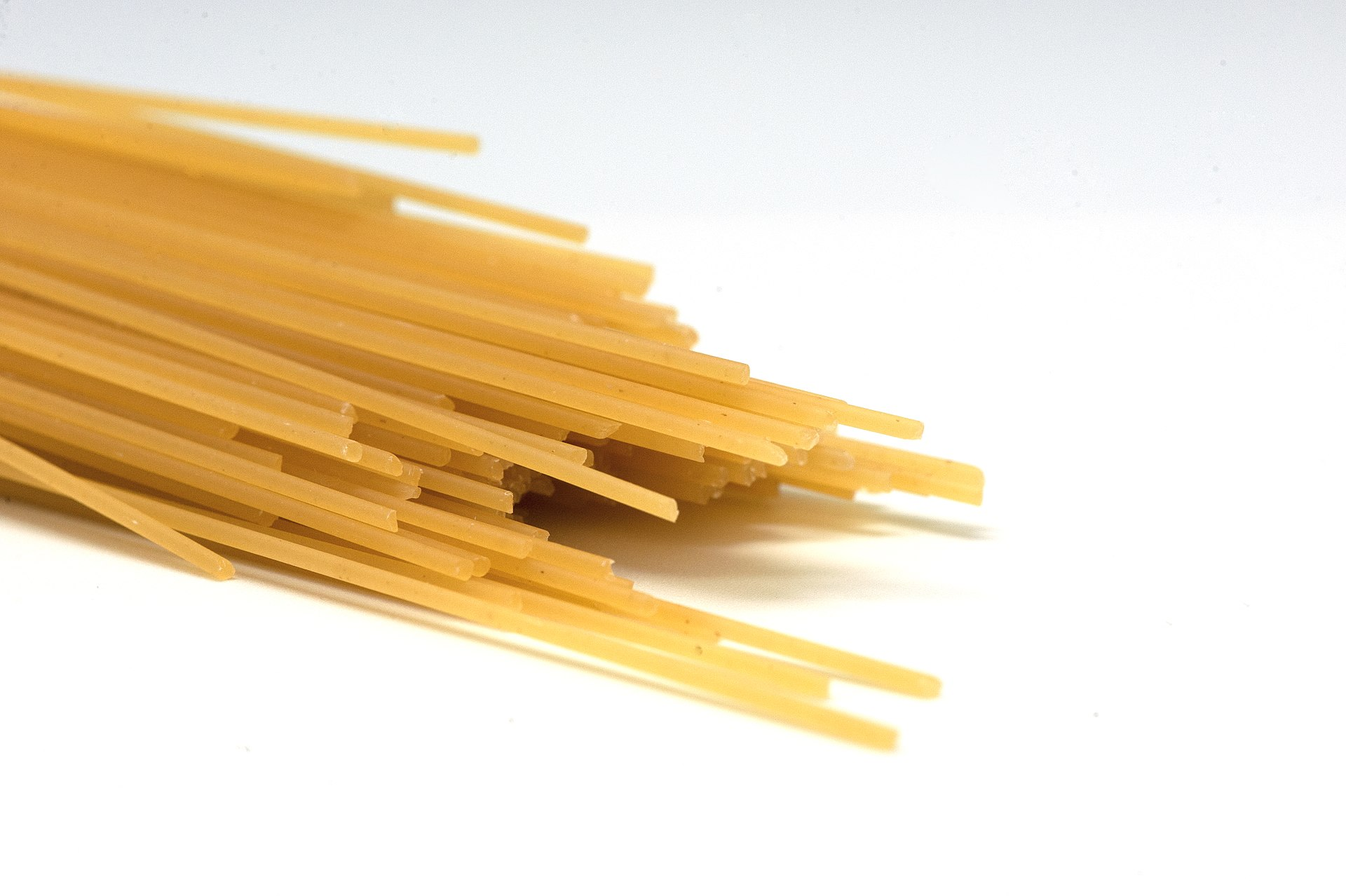
Long, round and smooth, which suits sauces that coat rather than cling — oil-based dressings, light tomato, or emulsions built with starchy cooking water.
Chunky sauces slide off it and collect at the bottom of the bowl, which is why meat ragù traditionally goes elsewhere. Spaghetti is the pasta shape that wants a sauce thin enough to coat a strand.
Like our content? Follow us for more.
2. Tagliatelle
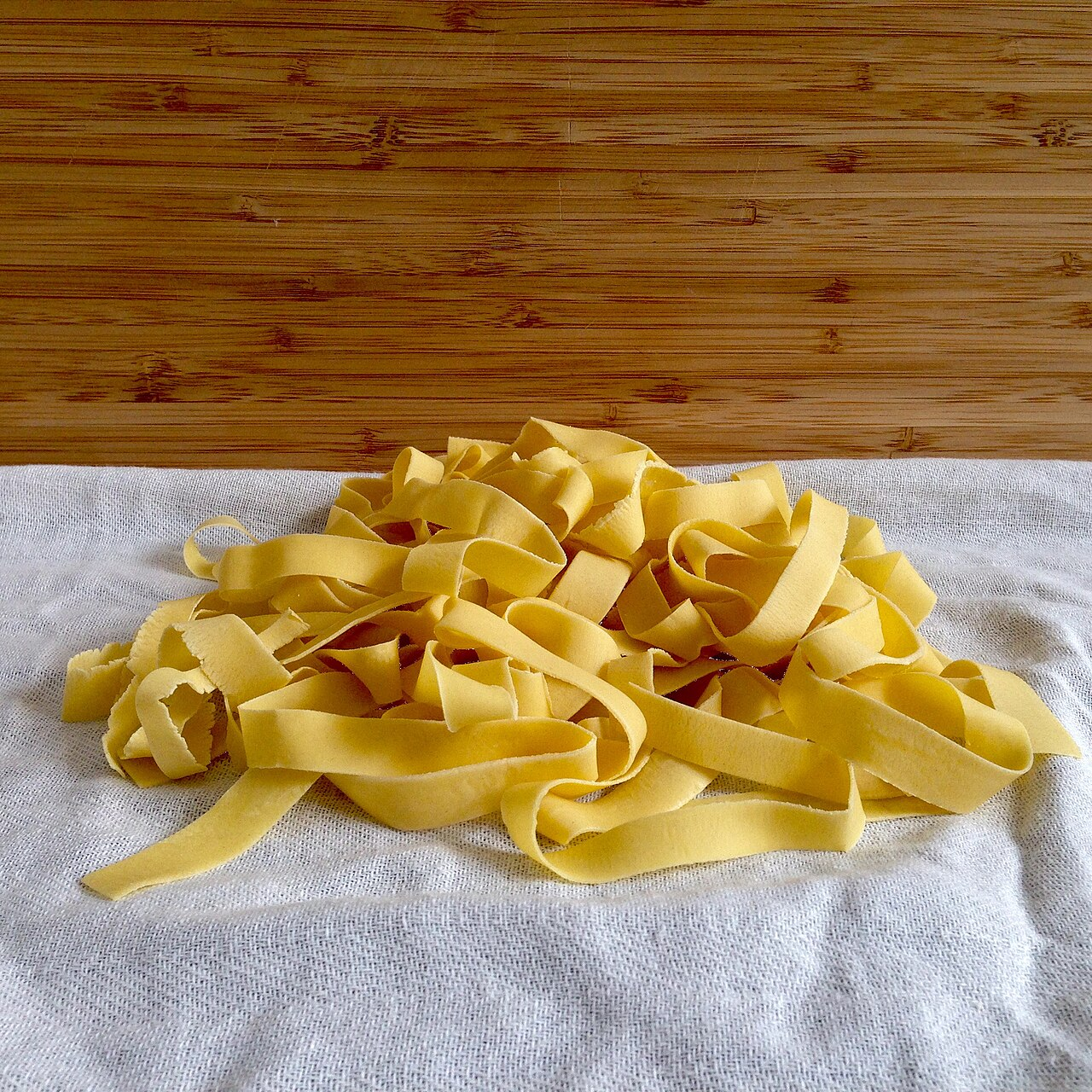
Long flat ribbons with far more surface area than a round strand, and enough width to carry weight.
This is the traditional partner for a slow-cooked meat ragù, which is why the famous Bolognese pairing is with ribbons rather than spaghetti. Tagliatelle is the pasta shape built to carry a heavy sauce along its length.
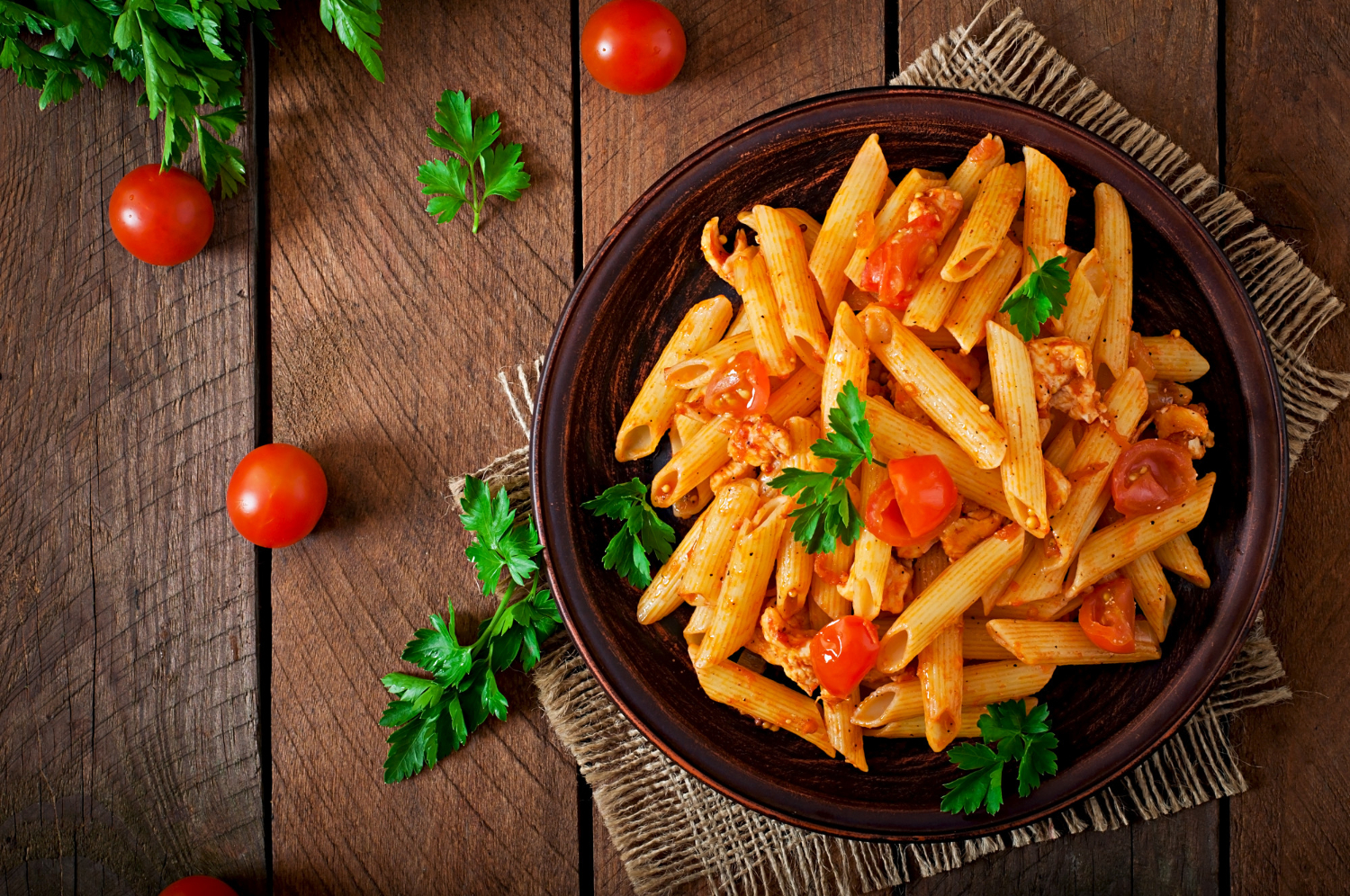
3. Penne Rigate
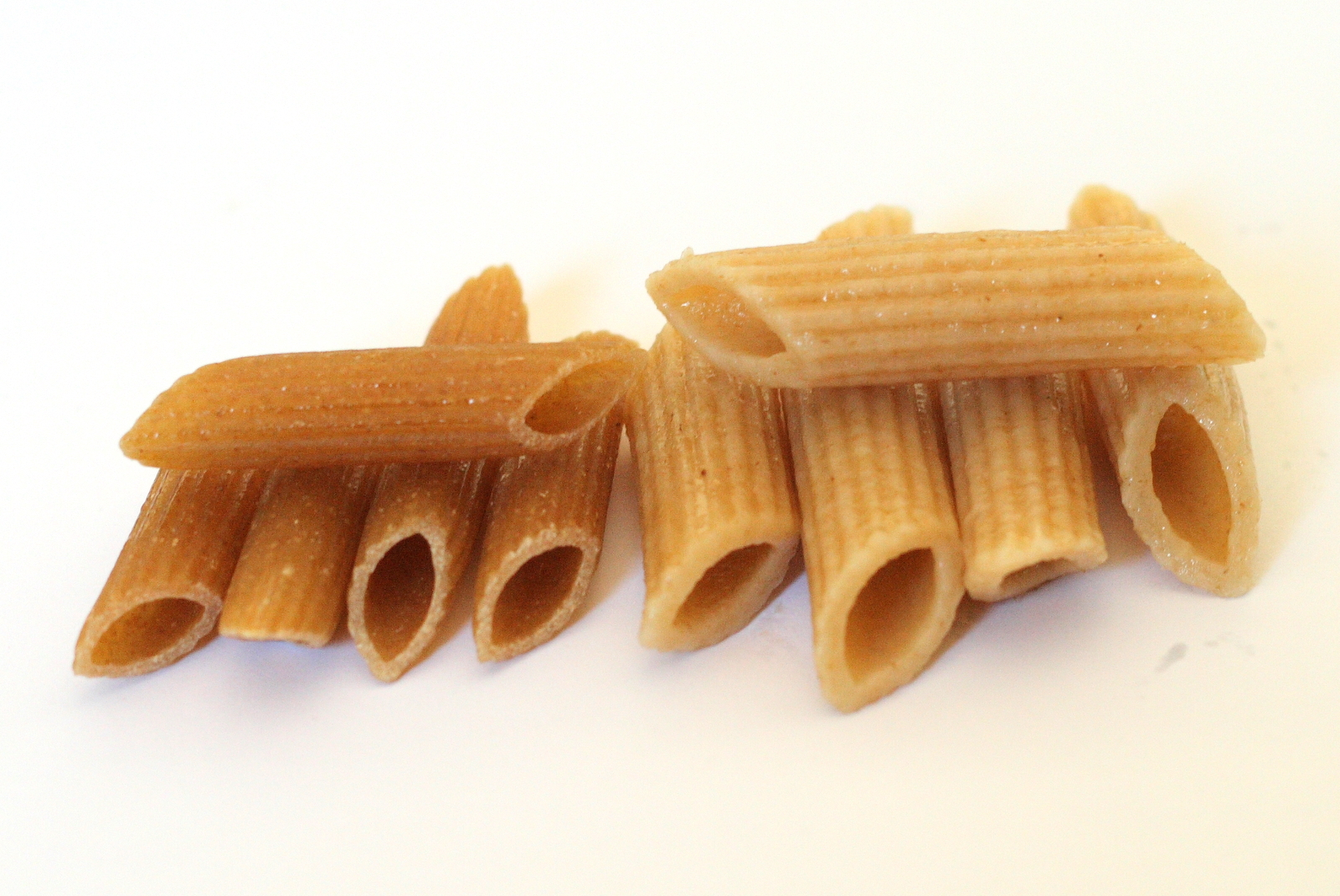
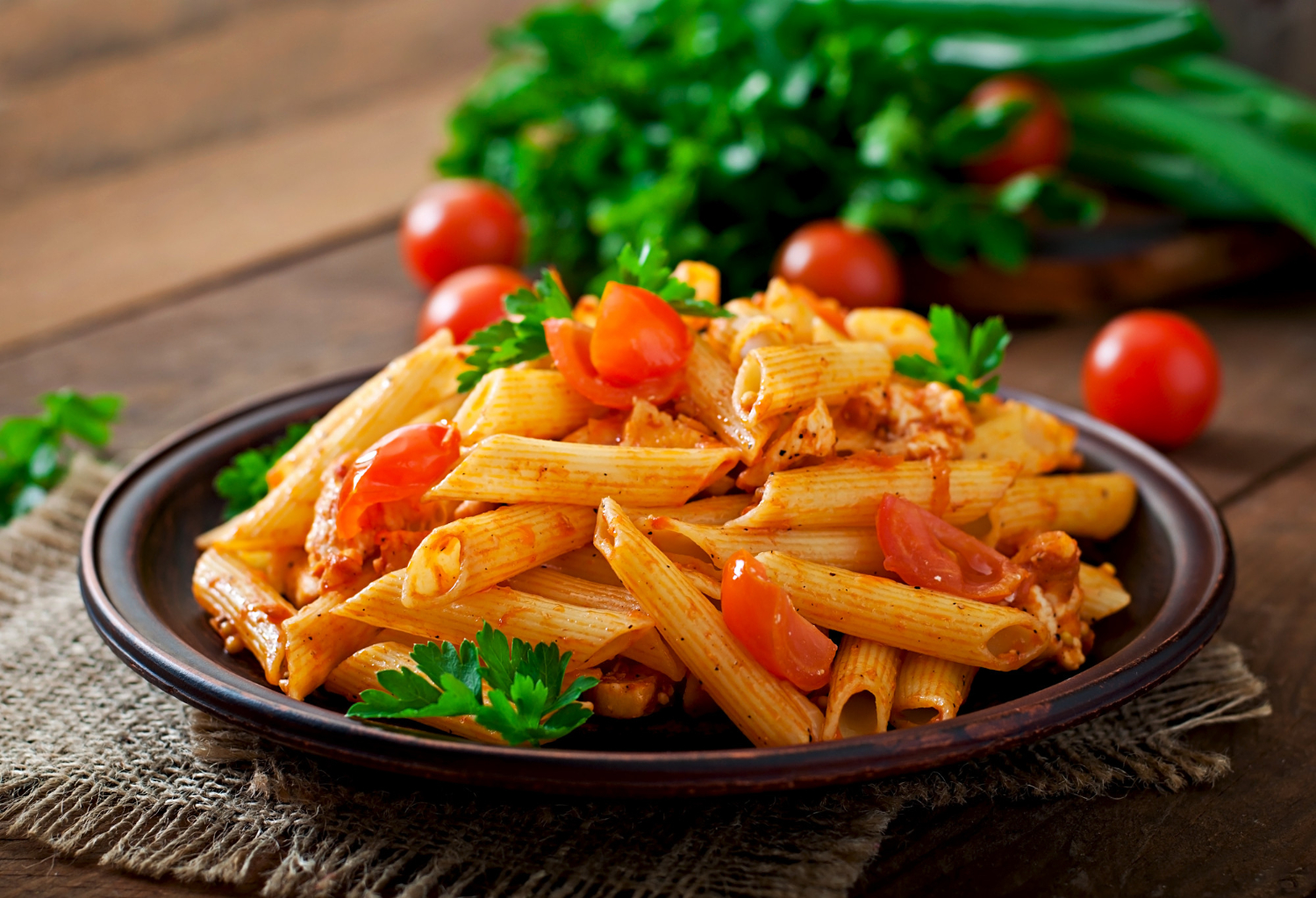
Tubes cut at an angle with ridges along the outside, so sauce goes both inside the tube and into the grooves.
The ridged version holds substantially more than the smooth one, which is why it is the more common choice. Penne is the pasta shape that catches sauce on two surfaces at once.
4. Orecchiette
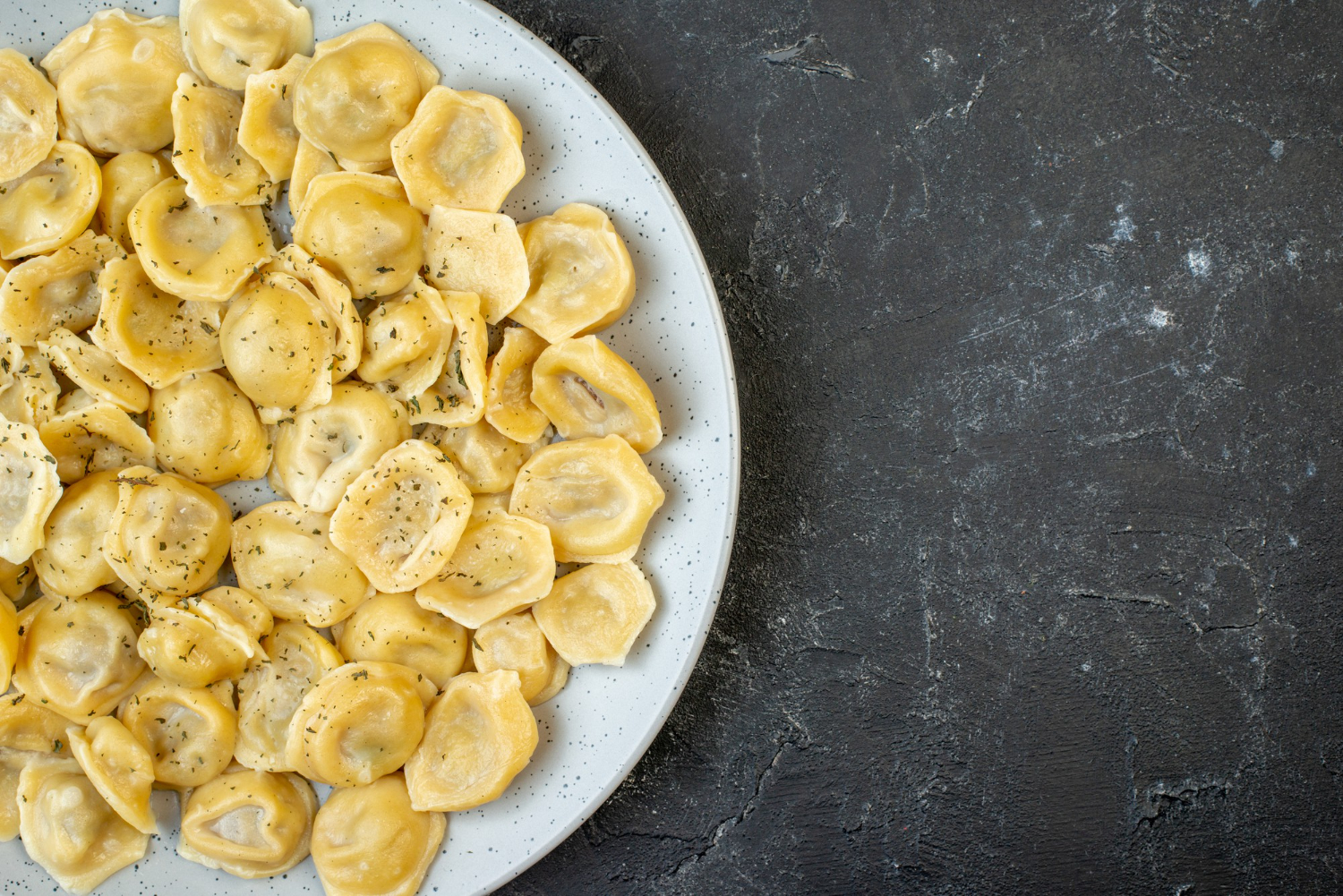
Small ear-shaped discs with a domed centre and a thinner rim, traditionally paired with greens and sausage.
The hollow catches small pieces — breadcrumbs, chopped vegetables, crumbled meat — that a tube would let through. Orecchiette is the pasta shape shaped like a spoon on purpose.
5. Rigatoni
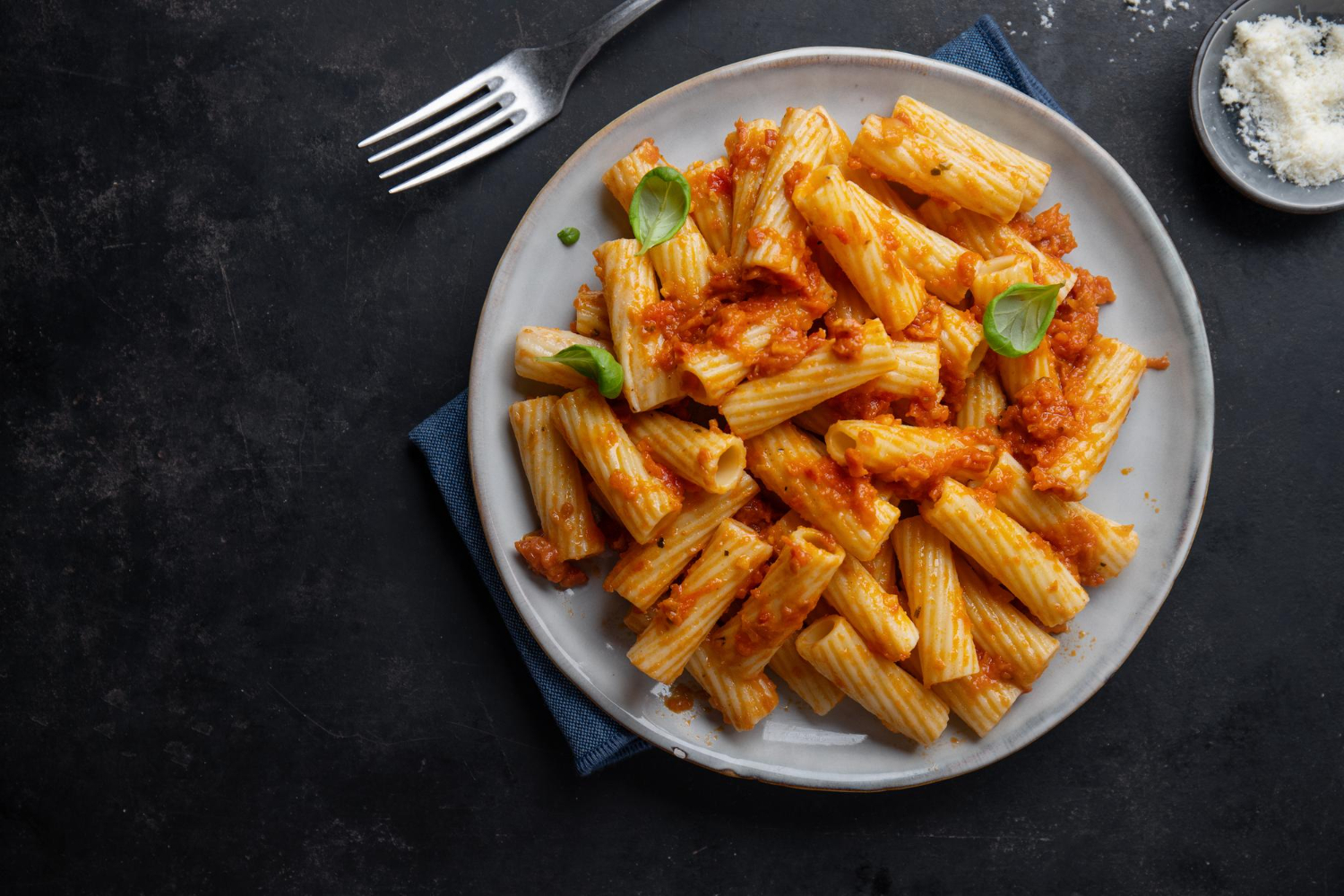
Wide ridged tubes with a large opening, sturdy enough not to collapse under a substantial sauce.
Chunks of meat and vegetable fit inside it rather than around it, which is the whole reason for the diameter. Rigatoni is the pasta shape that lets the sauce get inside the pasta.
6. Fusilli
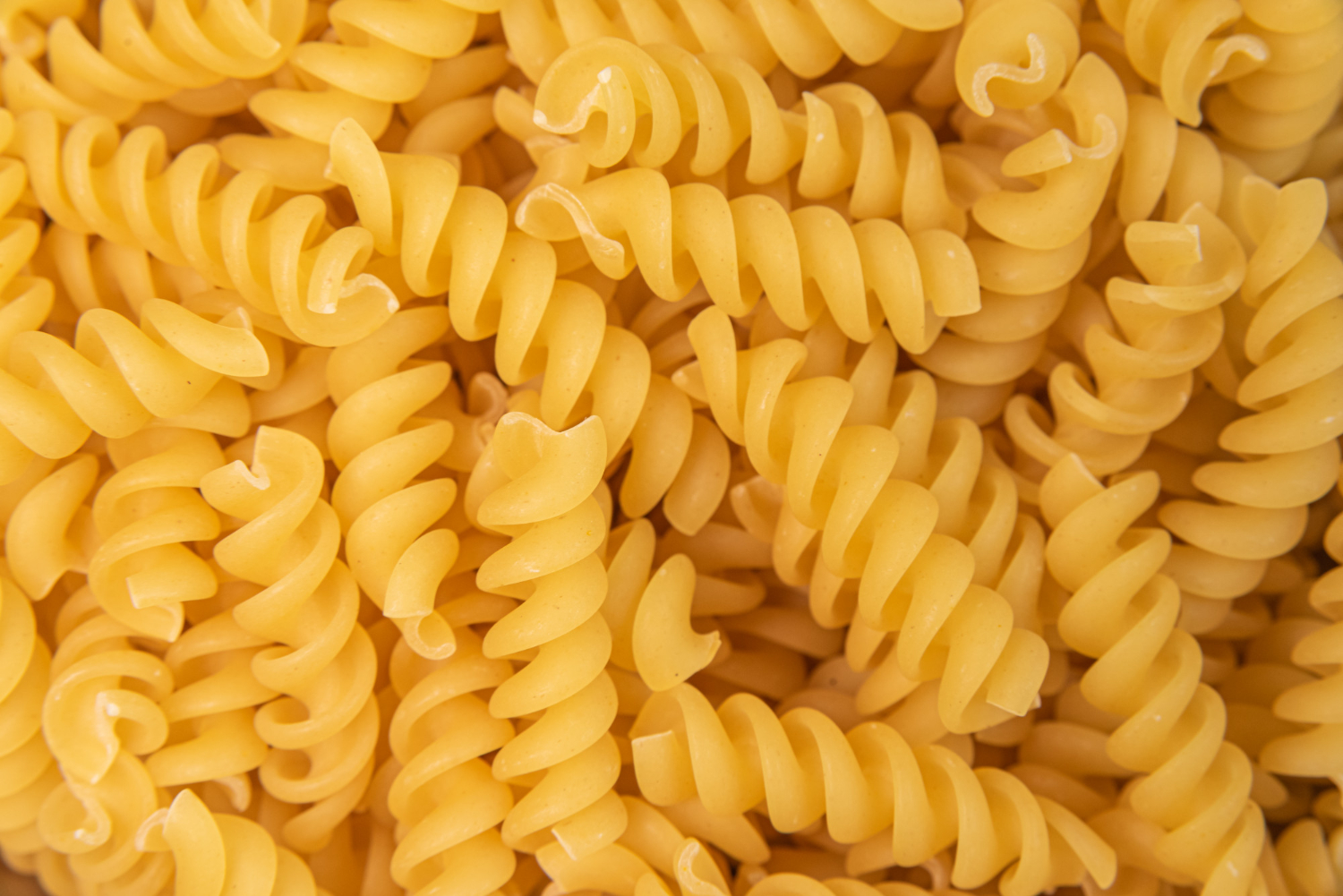
Twisted spirals with grooves running the length, which trap sauce in the corkscrew.
It works well with pesto and with anything containing small particles that need somewhere to lodge. Fusilli is the pasta shape that catches sauce by wrapping around it.
7. Bucatini
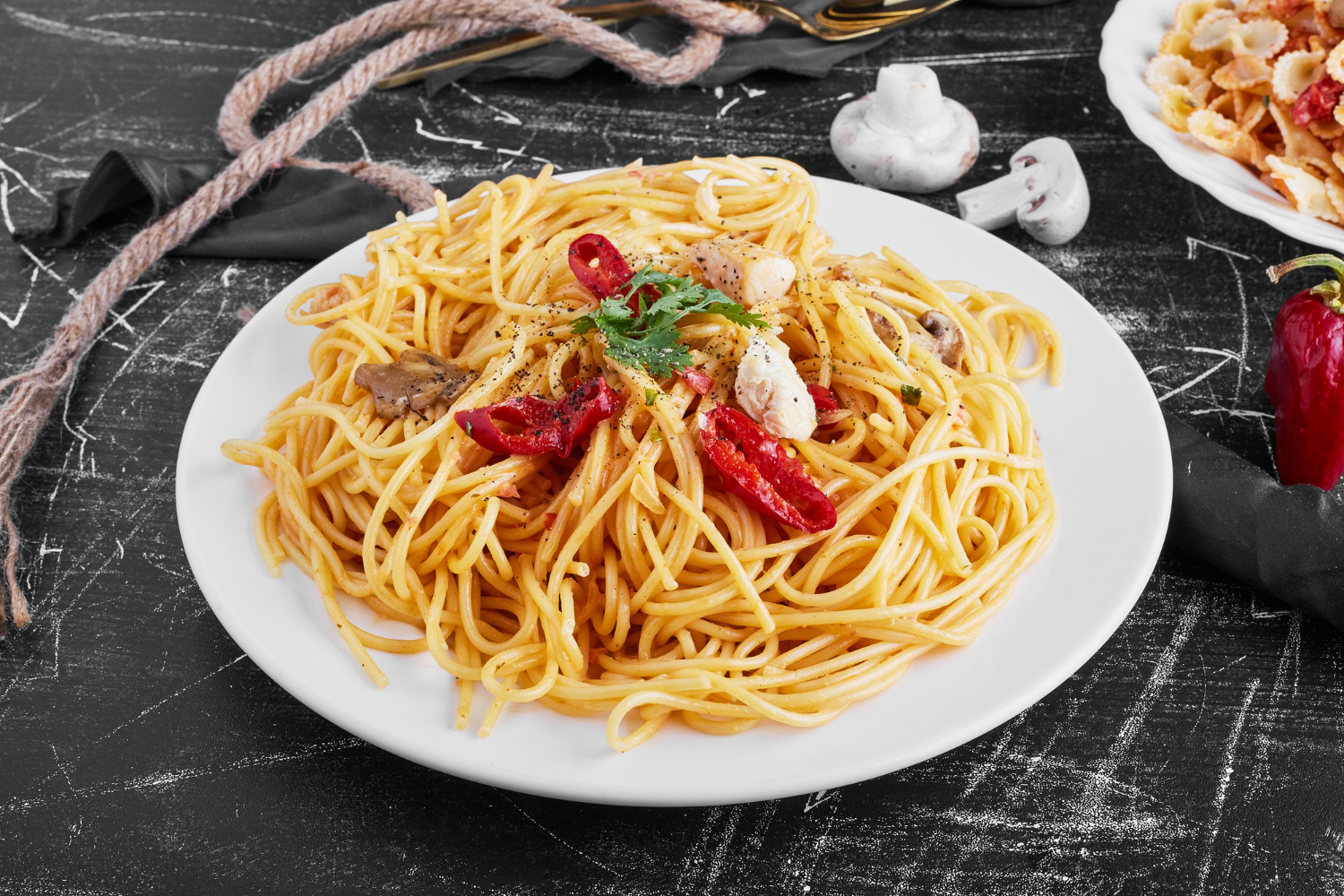
Thick strands with a hole running through the middle, so sauce travels inside as well as outside.
The hole is why it behaves differently from spaghetti of the same thickness, and it is traditionally served with a cured-pork and tomato sauce. Bucatini is the pasta shape with a sauce channel down the centre.
8. Farfalle
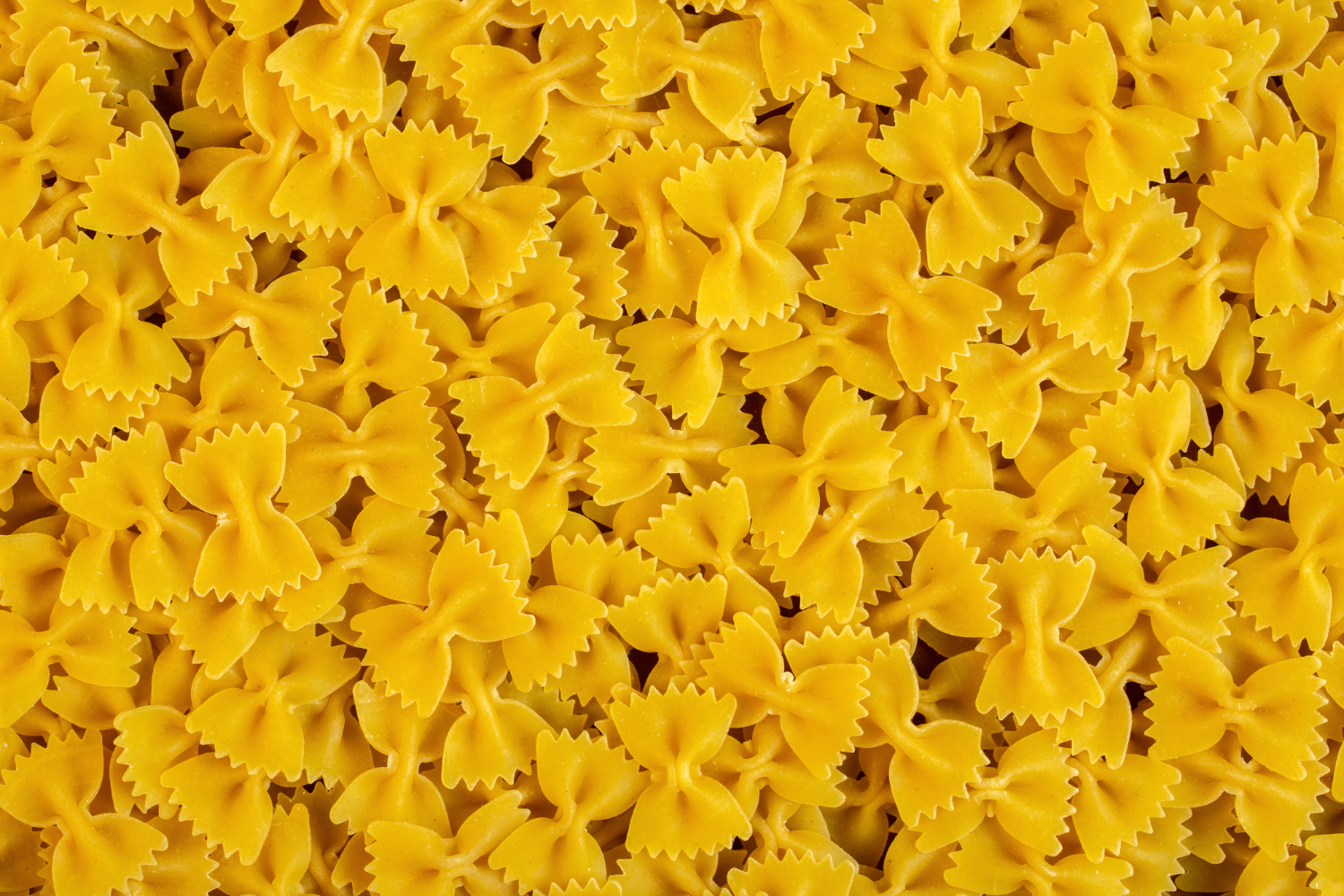
Pinched at the middle and flat at the edges, giving two textures in one piece — firmer in the centre, softer at the wings.
The pinch also catches light sauces and small ingredients. Farfalle is the pasta shape that cooks to two different textures deliberately.
9. Linguine
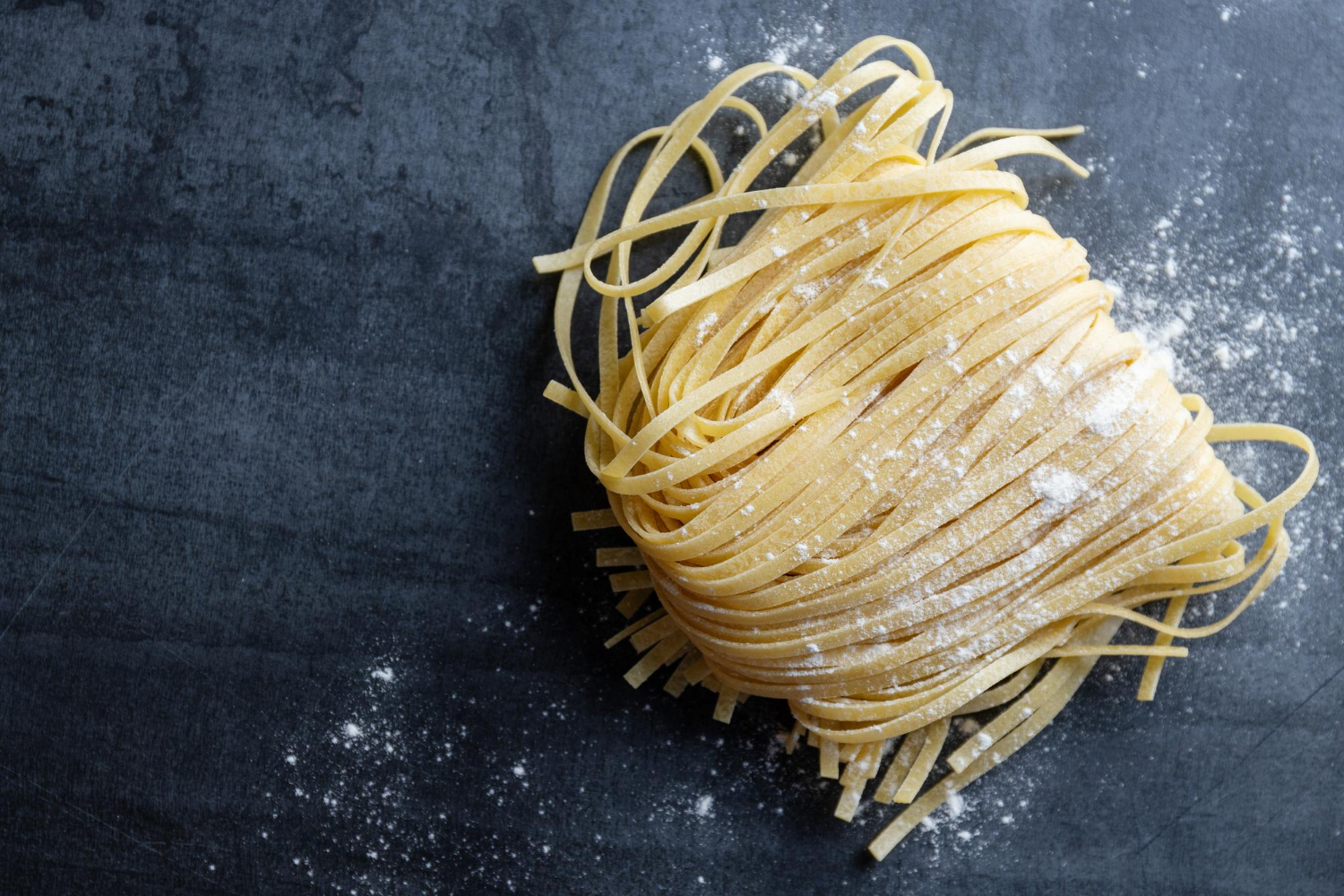
Flattened strands, narrower than tagliatelle and wider than spaghetti, traditional with seafood and with oil-based sauces.
The flat profile gives more contact area without the weight-bearing capacity of a full ribbon. Linguine is the pasta shape that sits precisely between round and flat for a reason.
10. Paccheri
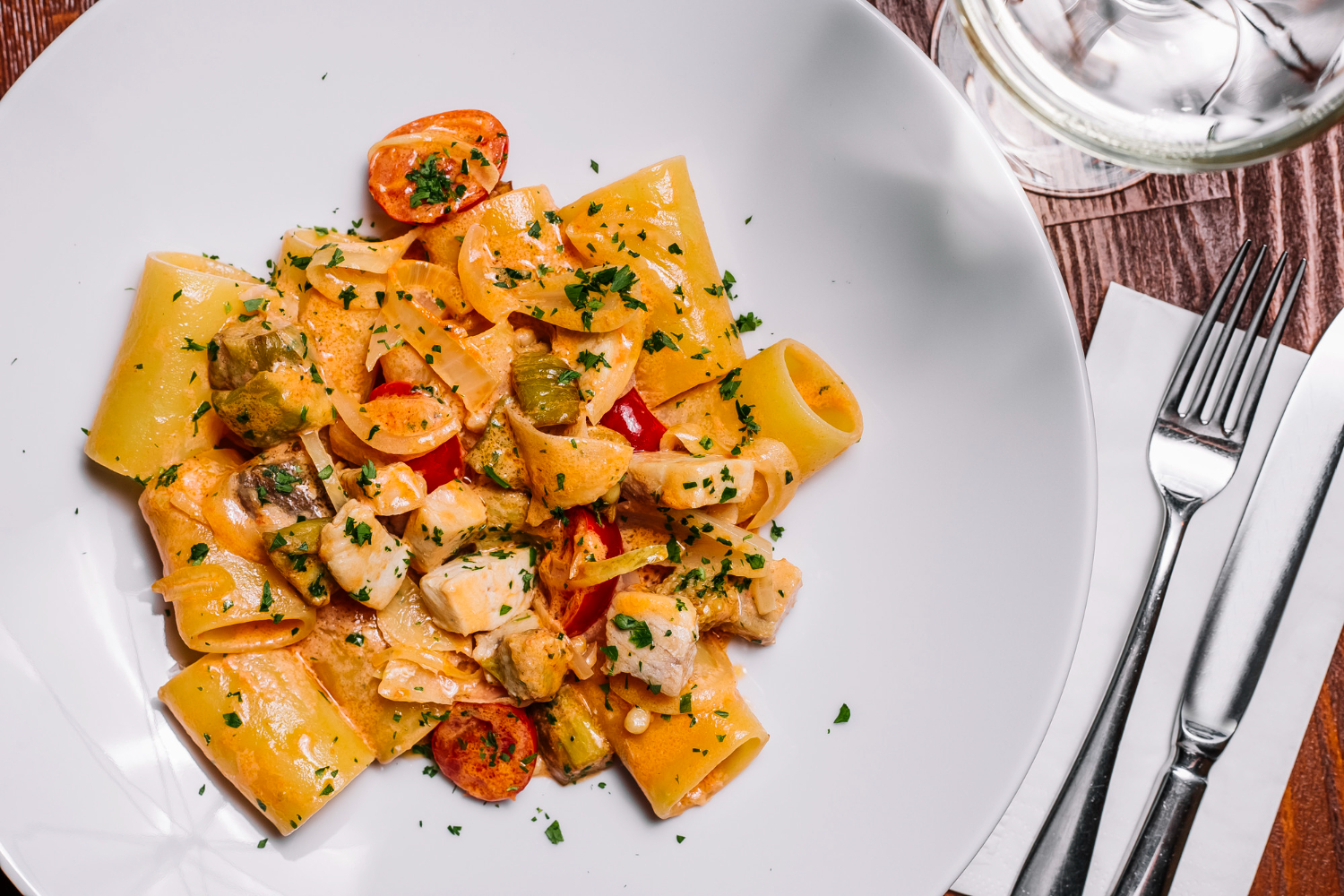
Very large smooth tubes that collapse slightly when cooked, forming pockets that hold sauce and filling.
They are frequently stuffed, or served with seafood and chunky sauces that would overwhelm a smaller shape. Paccheri is the pasta shape big enough to be treated as a container.
11. Trofie
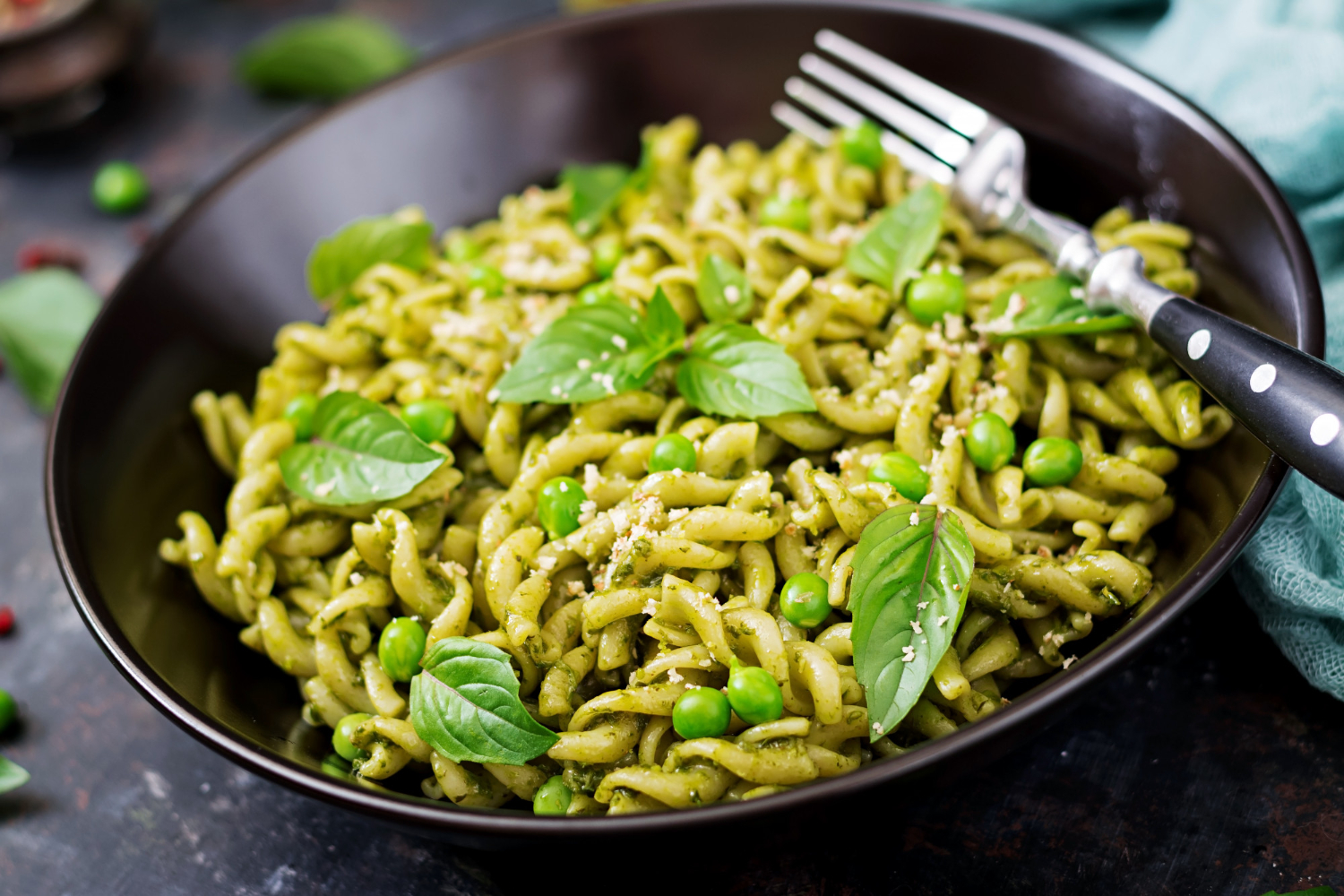
Short hand-rolled twists from Liguria, traditionally served with pesto, potato and green beans.
The dense twist survives being tossed vigorously, which pesto requires. Trofie is the pasta shape developed alongside the sauce it is served with.
12. Cavatelli
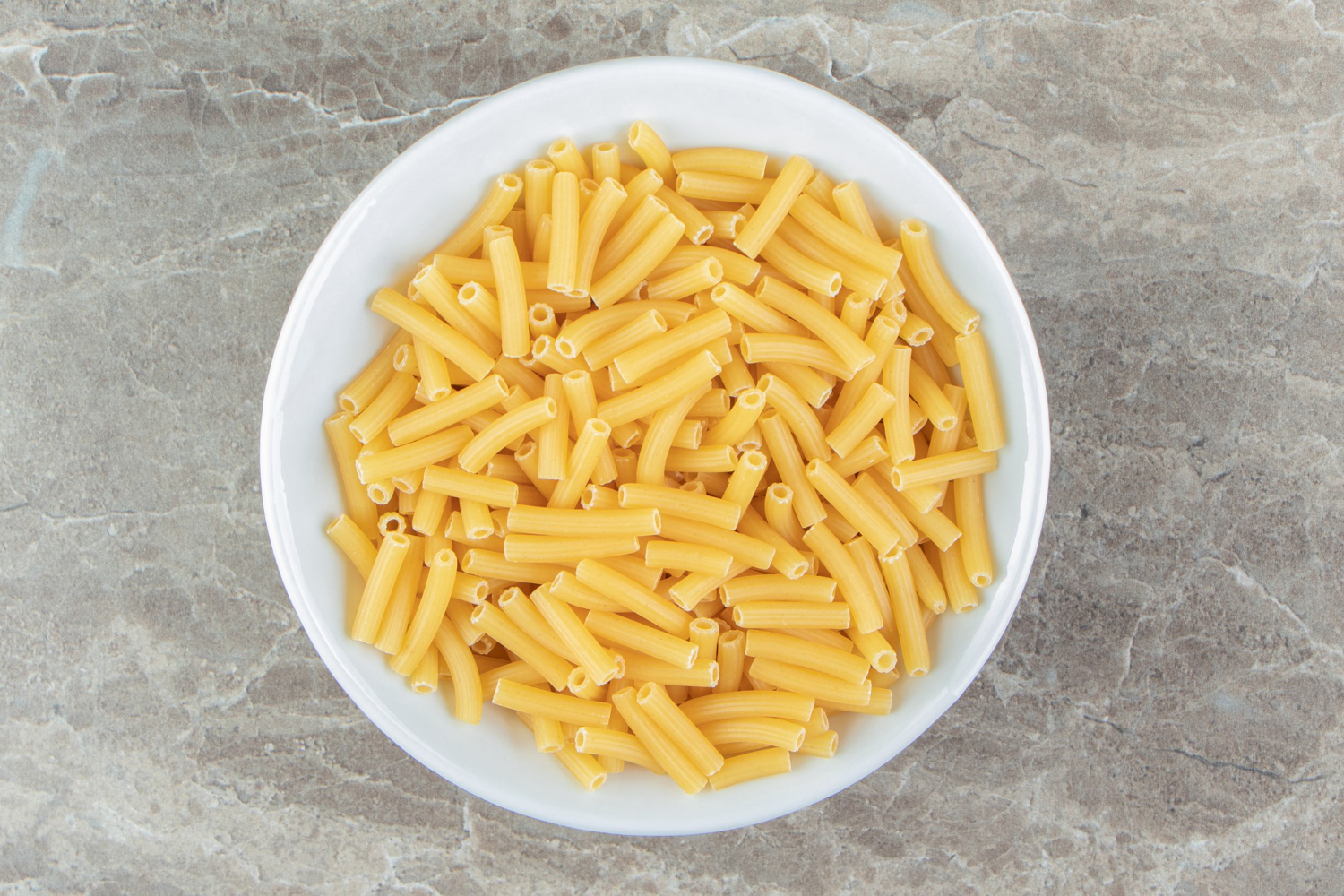
Small rolled shells with a rough surface and a hollow, made from a simple flour-and-water dough without egg.
The roughness comes from being pushed across a board or basket and is what the sauce grips. Cavatelli is the pasta shape whose texture is created by the rolling rather than the mould.
14. Pastina and the Tiny Shapes
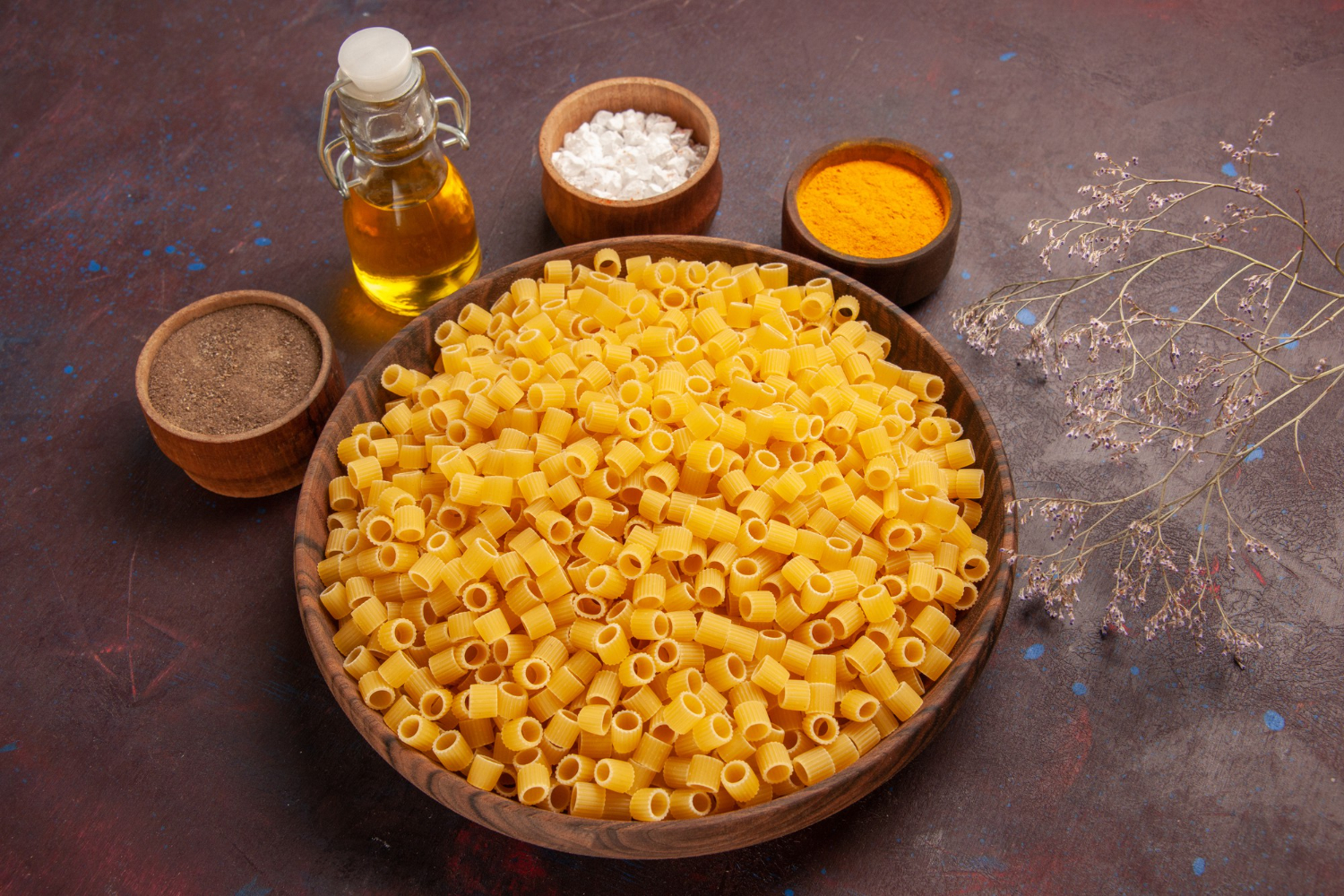
Very small shapes — stars, rings, grains, tubes — intended for broth rather than sauce, where they need to fit on a spoon.
They are the traditional food for children and for anyone unwell, which is a role rather than a recipe. Pastina is the pasta shape designed for a spoon rather than a fork.
15. Lasagne and the Sheet Pastas
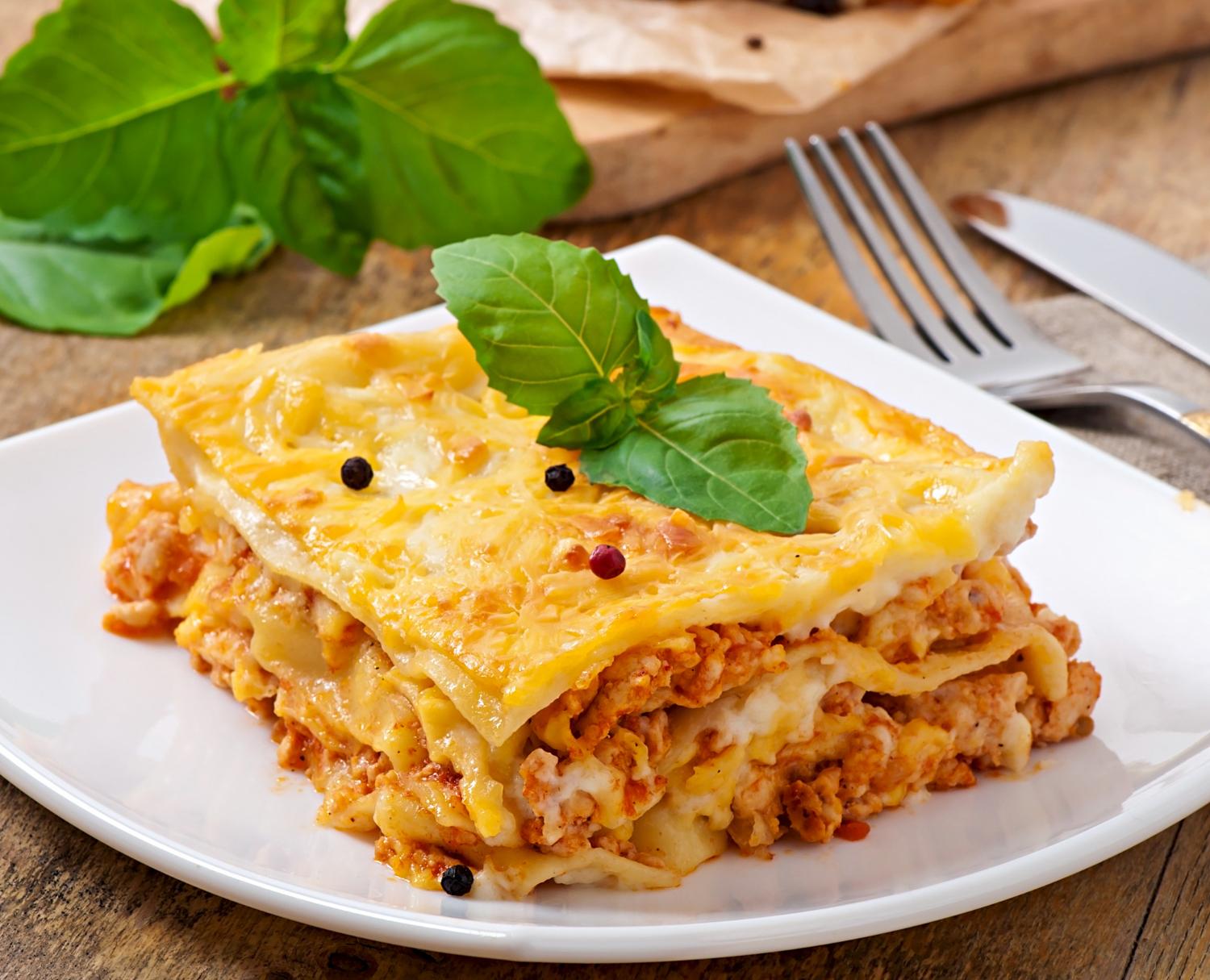
Flat sheets layered rather than tossed, which makes them the only common pasta where the sauce is built into the structure instead of applied to it.
The sheet has to be thin enough to yield and strong enough to hold layers apart. Sheet pasta is the shape that stops being a shape and becomes architecture.
Shape Is Function
Nearly every traditional pairing exists because someone worked out which shape held which sauce, then made it that way for a few hundred years. Swapping them is allowed and frequently disappointing.
Two things matter more than the shape you choose. Finish the pasta in the pan with the sauce rather than pouring sauce over drained pasta, and keep a little of the starchy cooking water to bind the two together. Do that and even a mismatched shape works. Skip it and the correct shape will not save you.
Like our content? Follow us for more.