These are not luxuries. Each one solves a specific and recurring problem, and most cost very little spread across the number of dishes they improve.
1. Anchovies in Oil
A tin dissolves entirely into a hot pan and leaves no fishy taste, contributing savoury depth that reads as richness rather than as fish.
They are the standard background note in a great many Mediterranean dishes where nobody would identify them. Anchovies are the store cupboard ingredient that works hardest while remaining invisible.
Like our content? Follow us for more.
2. A Decent Vinegar
Acid is the correction most often missing from a finished dish, and a bottle of sherry, red wine or cider vinegar lasts indefinitely.
A teaspoon at the end of a stew or a soup does more than additional salt. Vinegar is the store cupboard ingredient that fixes the most dishes for the least money.
3. Tomato Paste
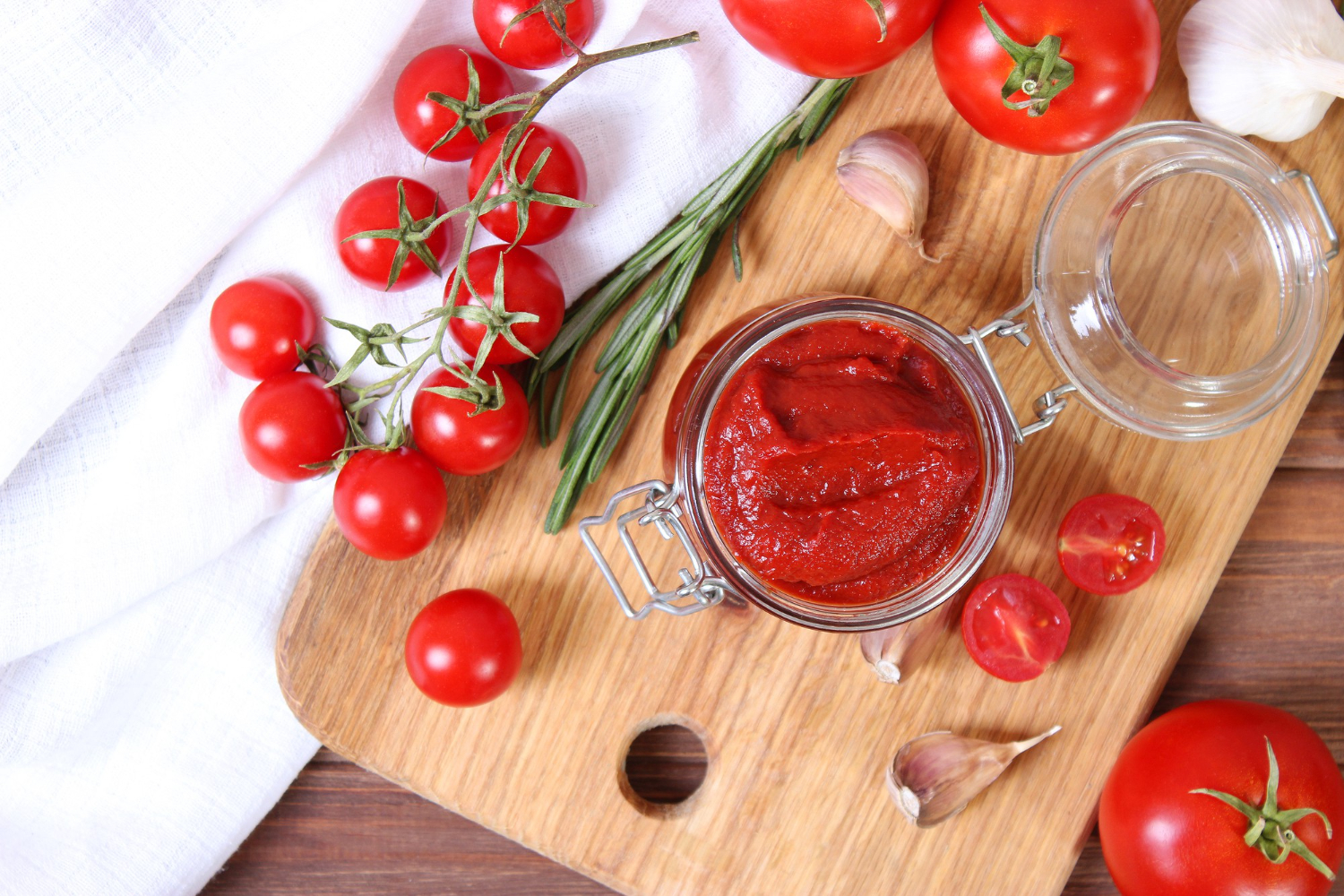
Concentrated and cooked briefly in fat before liquid is added, it contributes depth and colour far beyond what tinned tomatoes provide.
The frying step is what makes the difference and is the one most often skipped. Tomato paste is the store cupboard ingredient whose value depends on when you add it.
4. Dried Chilli in Some Form
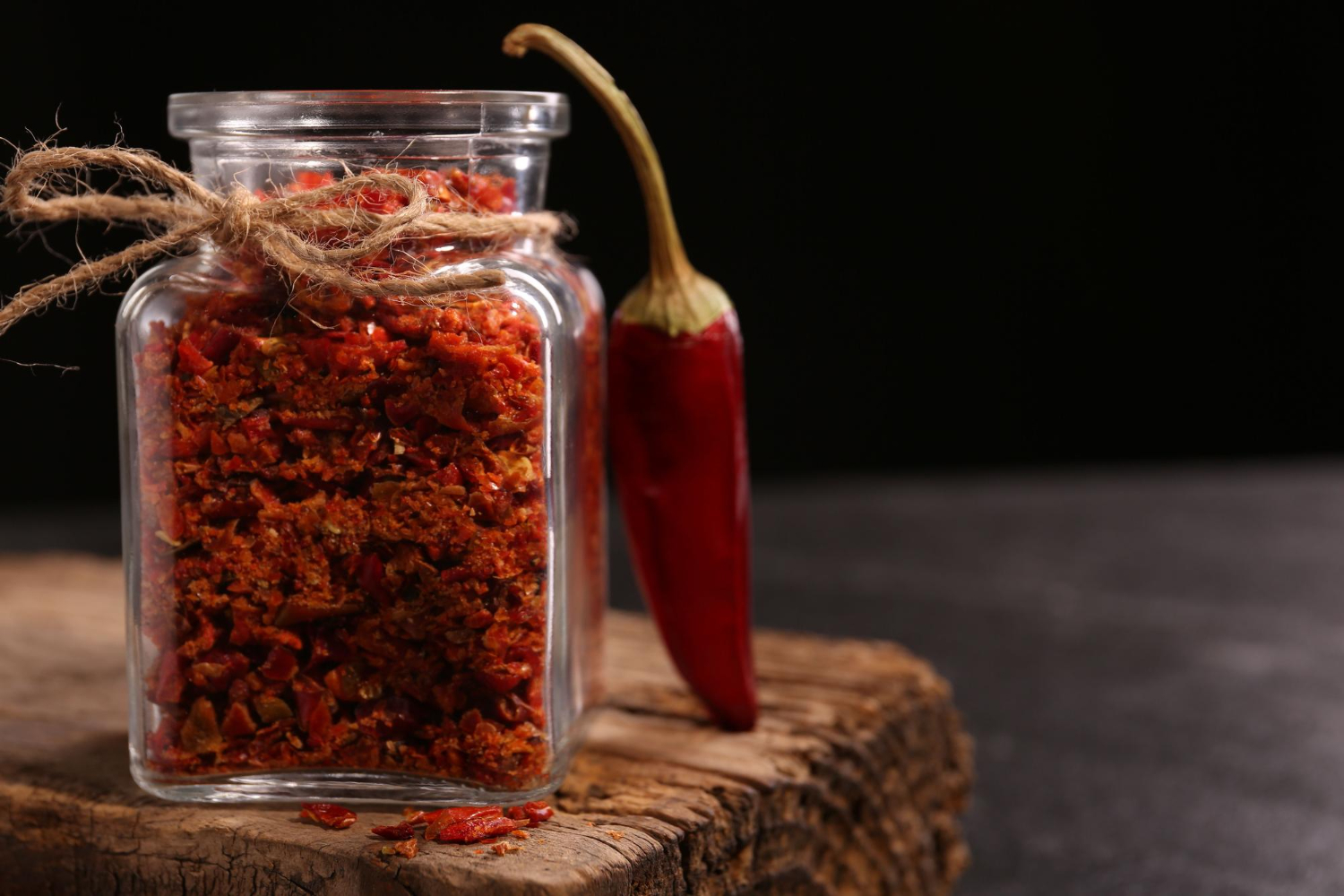
Flakes, whole dried chillies or a mild ground powder give control over heat that fresh chilli does not, and they keep for a long time.
Adding heat early in the fat behaves differently from adding it at the end. Dried chilli is the store cupboard ingredient offering the most control per gram.
5. Soy Sauce
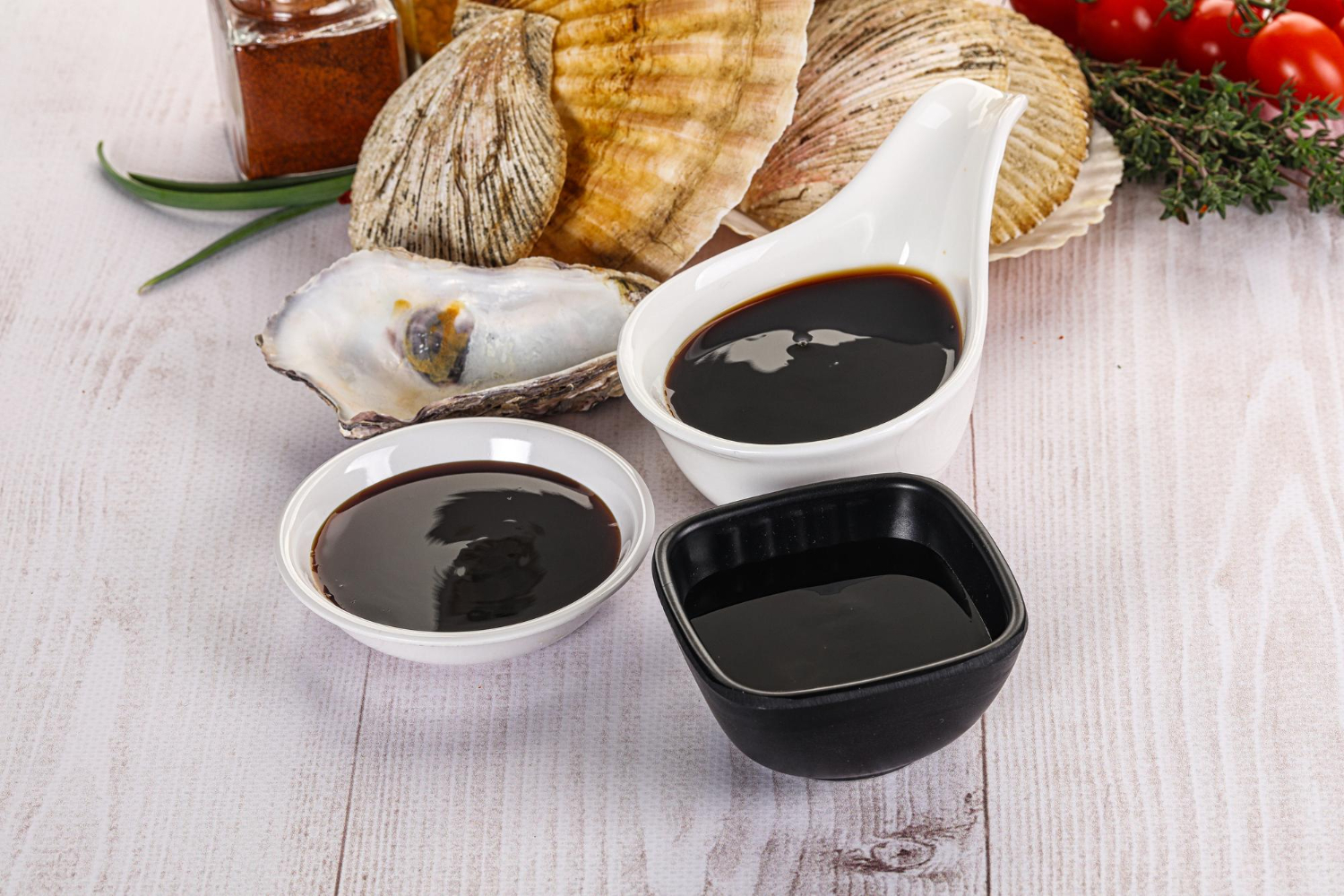
Useful well beyond the cuisines it belongs to, contributing salt and savoury depth to stocks, stews, gravies and marinades.
A small quantity in a beef braise is a common professional trick that nobody tastes as soy. Soy sauce is the store cupboard ingredient most often used outside its own tradition.
6. Whole Spices Rather Than Ground

Whole cumin, coriander, peppercorns and cardamom keep their aromatics for years where ground versions fade within months.
Toasting and grinding them takes two minutes and the difference is immediate. Whole spices are the store cupboard ingredient where the cheaper option is also the better one.
7. Dried Pulses or Good Tinned Ones
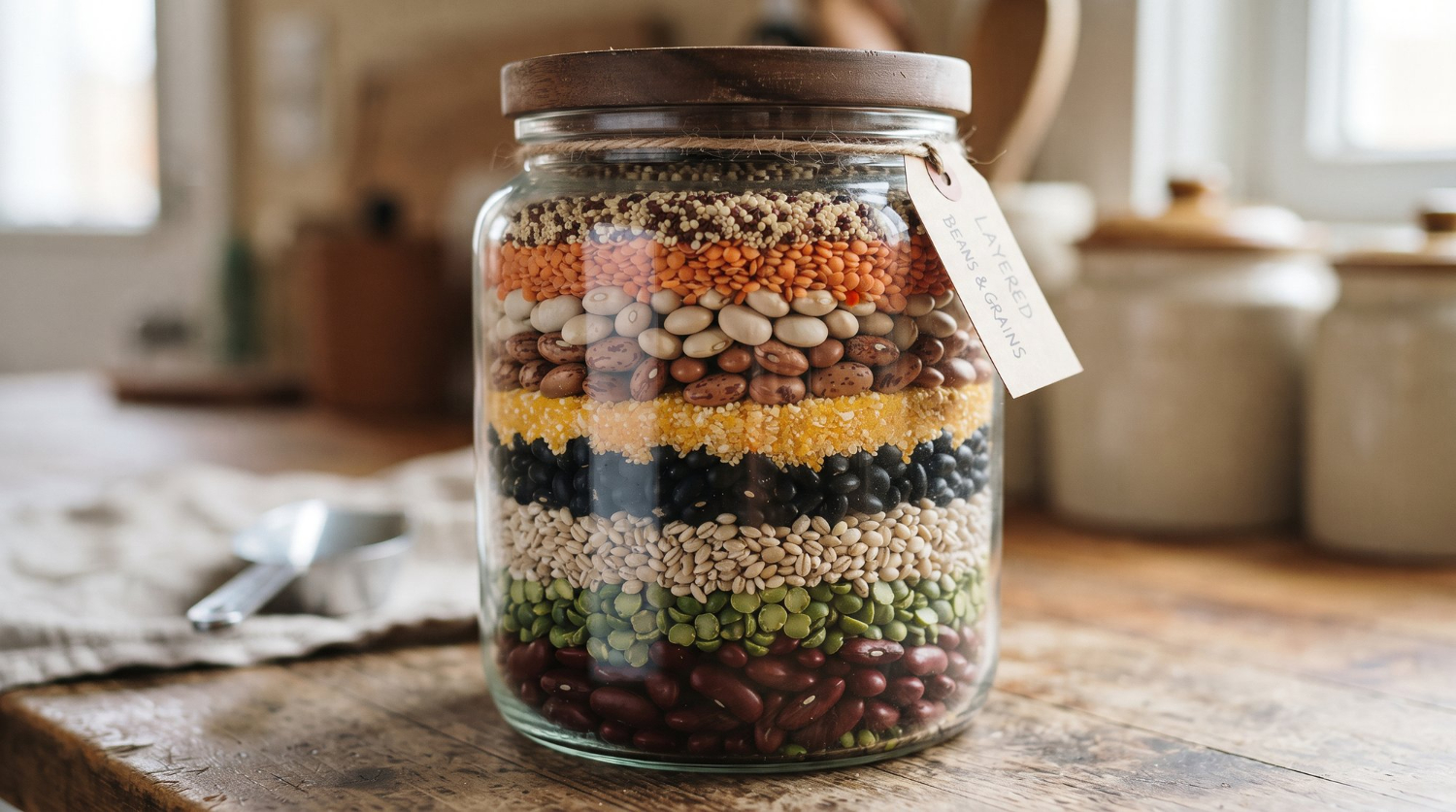
Beans, chickpeas and lentils turn a small amount of other ingredients into a meal, and the tinned versions require no planning at all.
The liquid from a tin of chickpeas has its own uses. Pulses are the store cupboard ingredient that stretches everything else the furthest.
8. Stock in a Usable Form
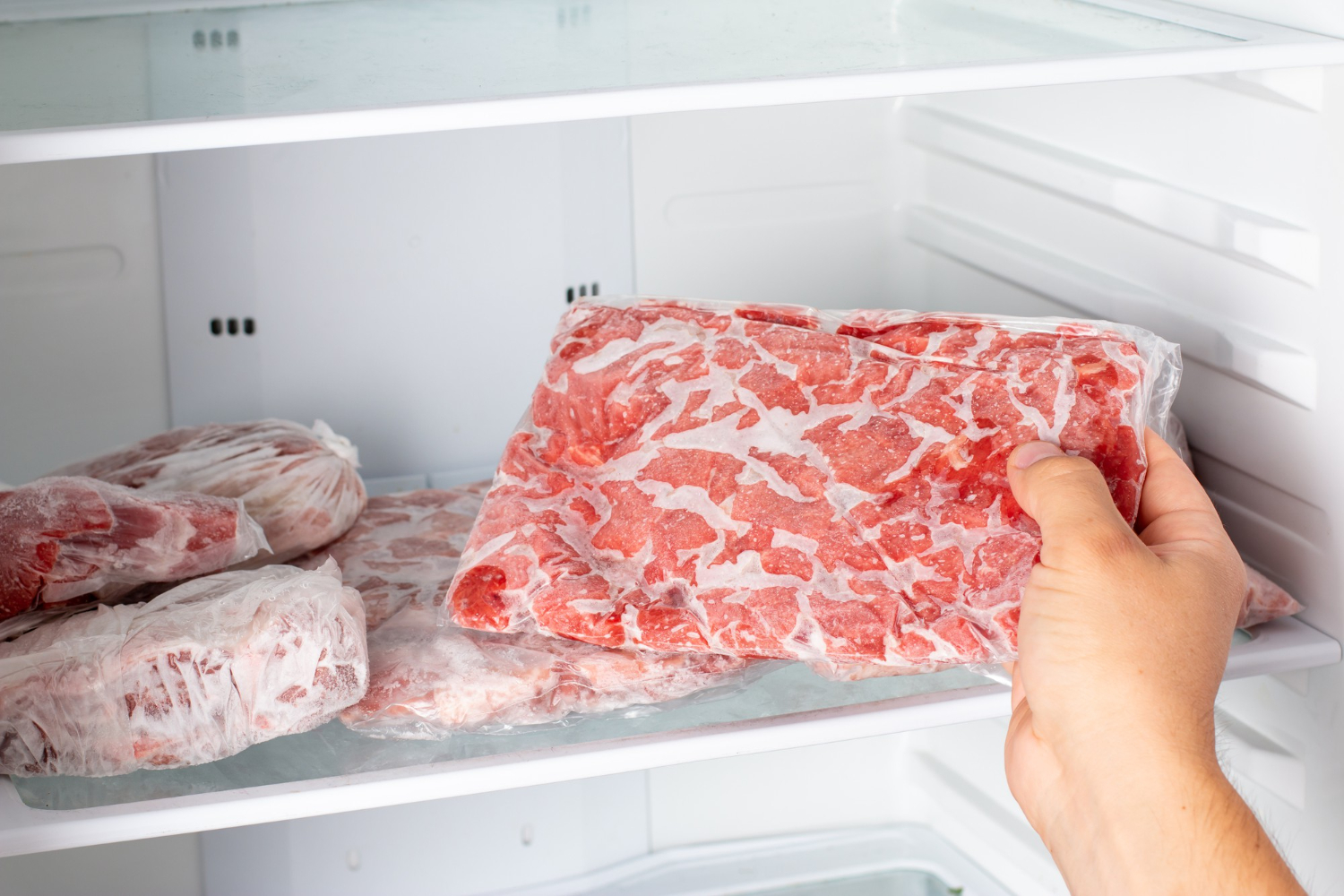
Whether homemade and frozen, or a concentrated paste, having something better than water available changes every braise, soup and risotto.
It is the difference between a dish tasting thin and tasting complete. Stock is the store cupboard ingredient that improves the largest number of dishes.
9. Mustard
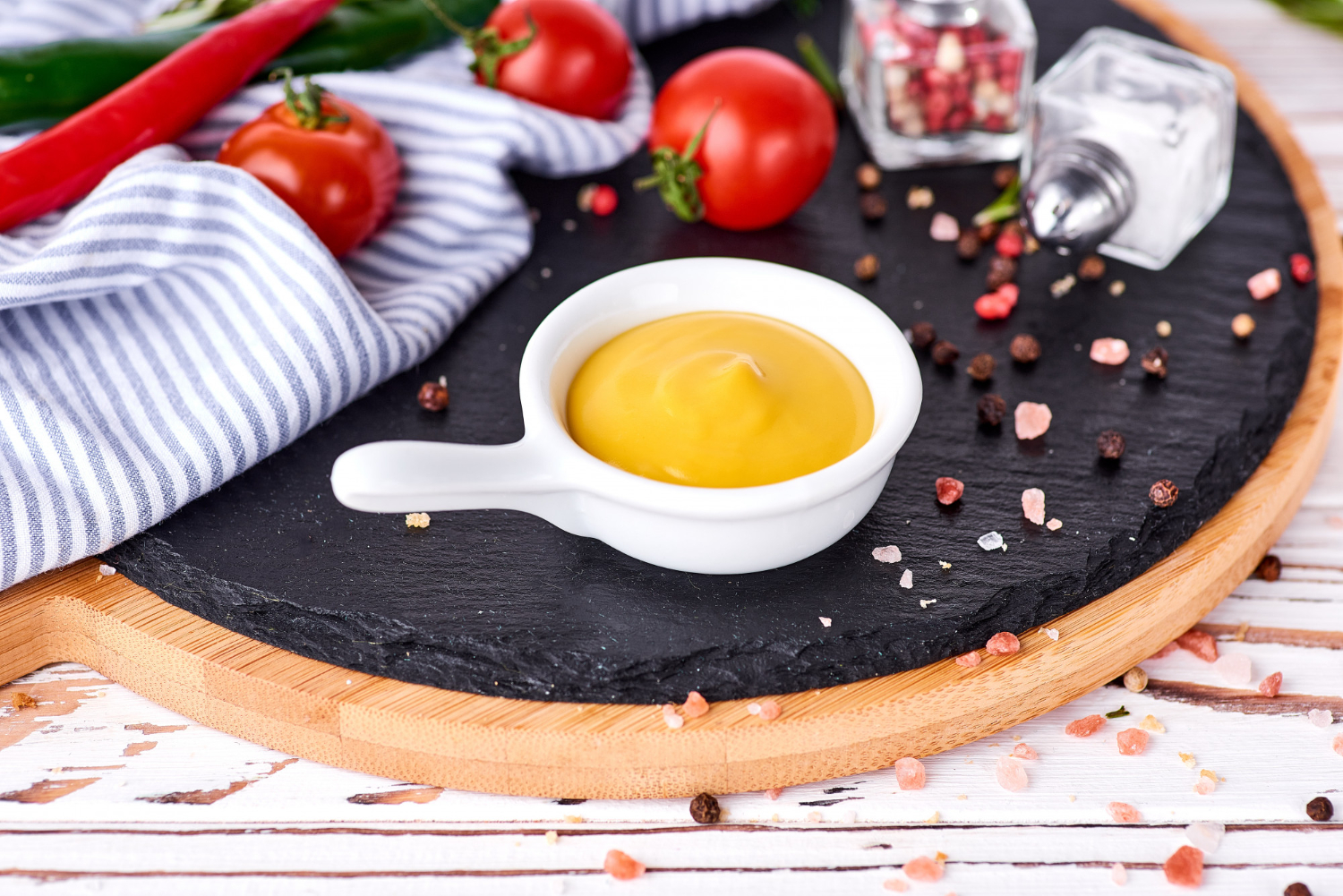
Beyond its obvious uses, mustard emulsifies, which is why it holds a vinaigrette together and stops a sauce splitting.
That function is why it appears in recipes where no mustard flavour is intended. Mustard is the store cupboard ingredient doing chemistry rather than seasoning.
10. Lemons, or Preserved Lemons
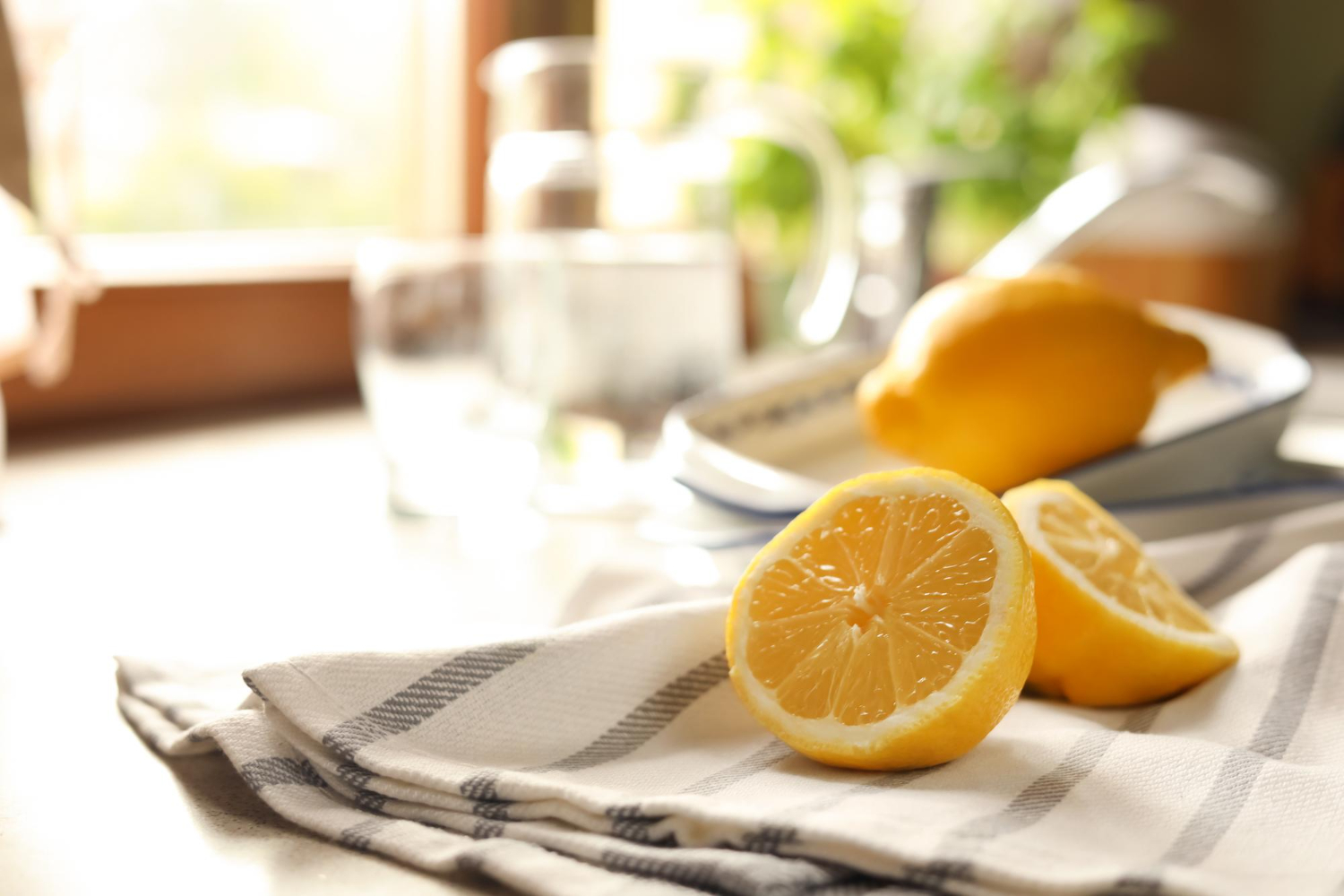
Fresh acidity and aromatic zest do something vinegar cannot, and the zest carries most of the flavour rather than the juice.
Preserved lemons keep for a year and give a deeper, more savoury version of the same effect. Lemons are the store cupboard ingredient where the part people discard is the useful part.
11. Parmesan Rinds
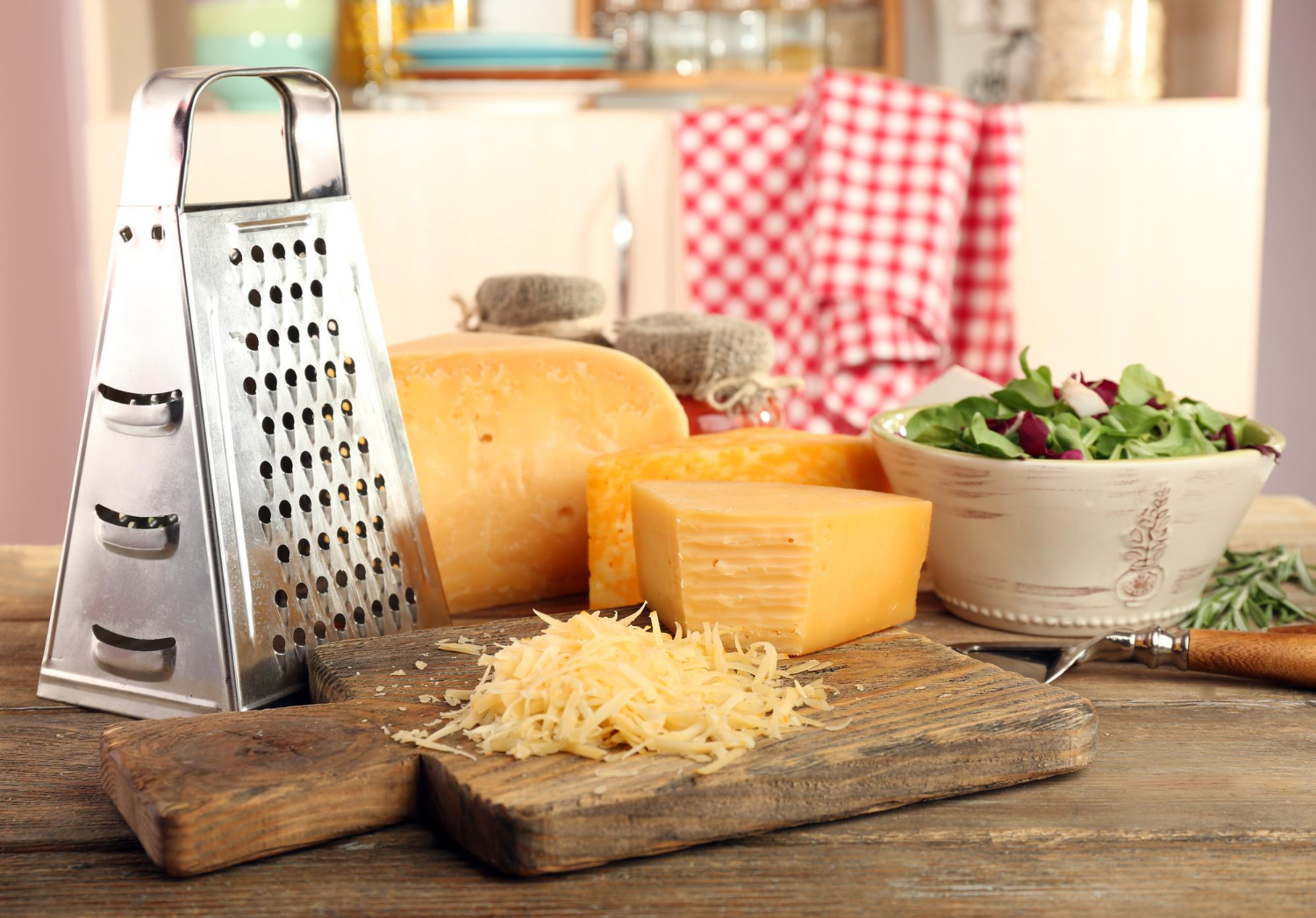
The hard rind left at the end of a piece of hard cheese is not waste. Dropped into a simmering soup or sauce it releases savoury depth over an hour.
It is removed before serving and costs nothing, since it was going in the bin. Cheese rinds are the store cupboard ingredient you already own and were throwing away.
12. Good Salt in Two Forms
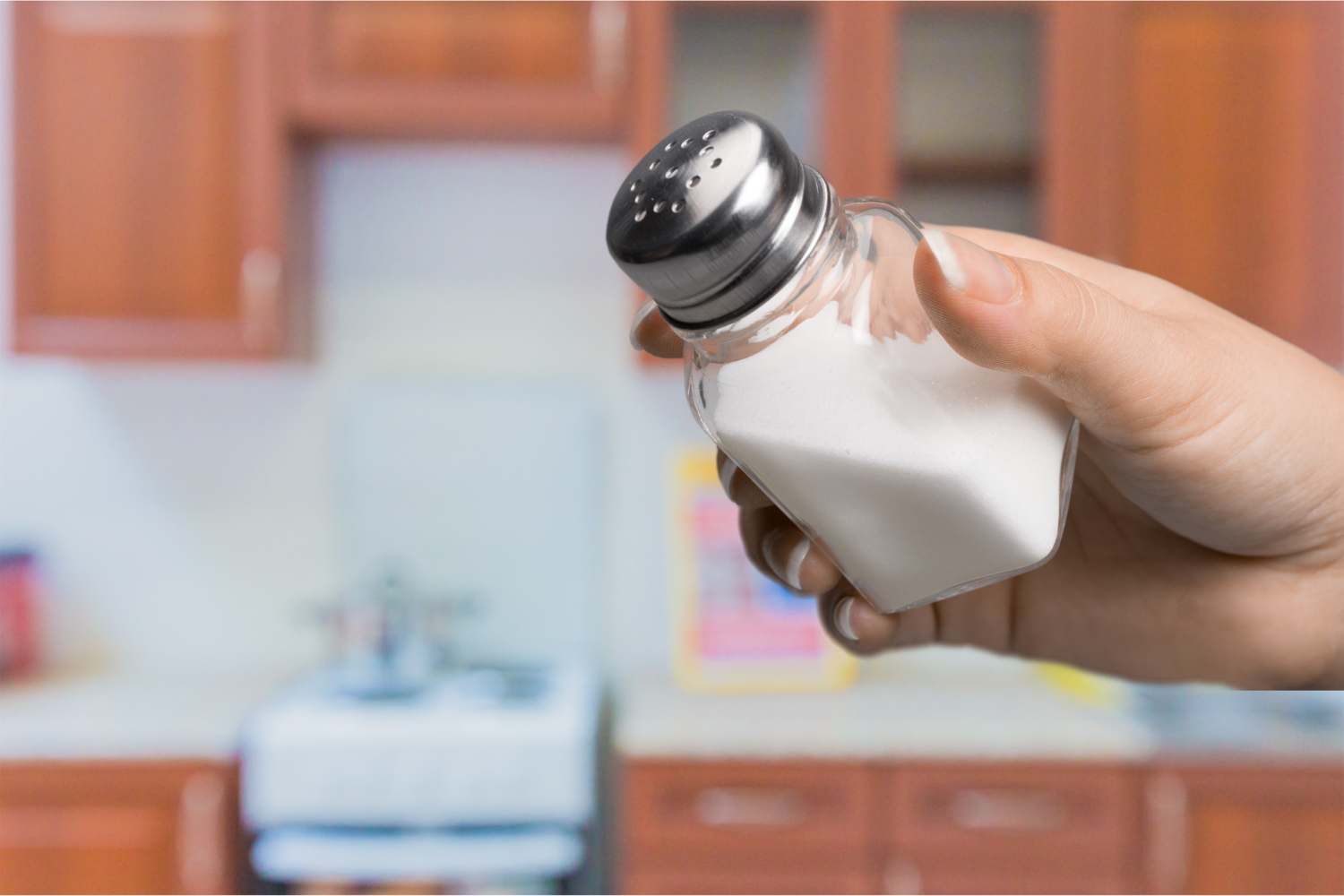
A fine salt for cooking and a flaky one for finishing behave differently, and using the second at the table changes texture as well as taste.
Seasoning in stages rather than once at the end is the actual technique. Salt is the store cupboard ingredient people use most and think about least.
14. Something Fermented and Sharp
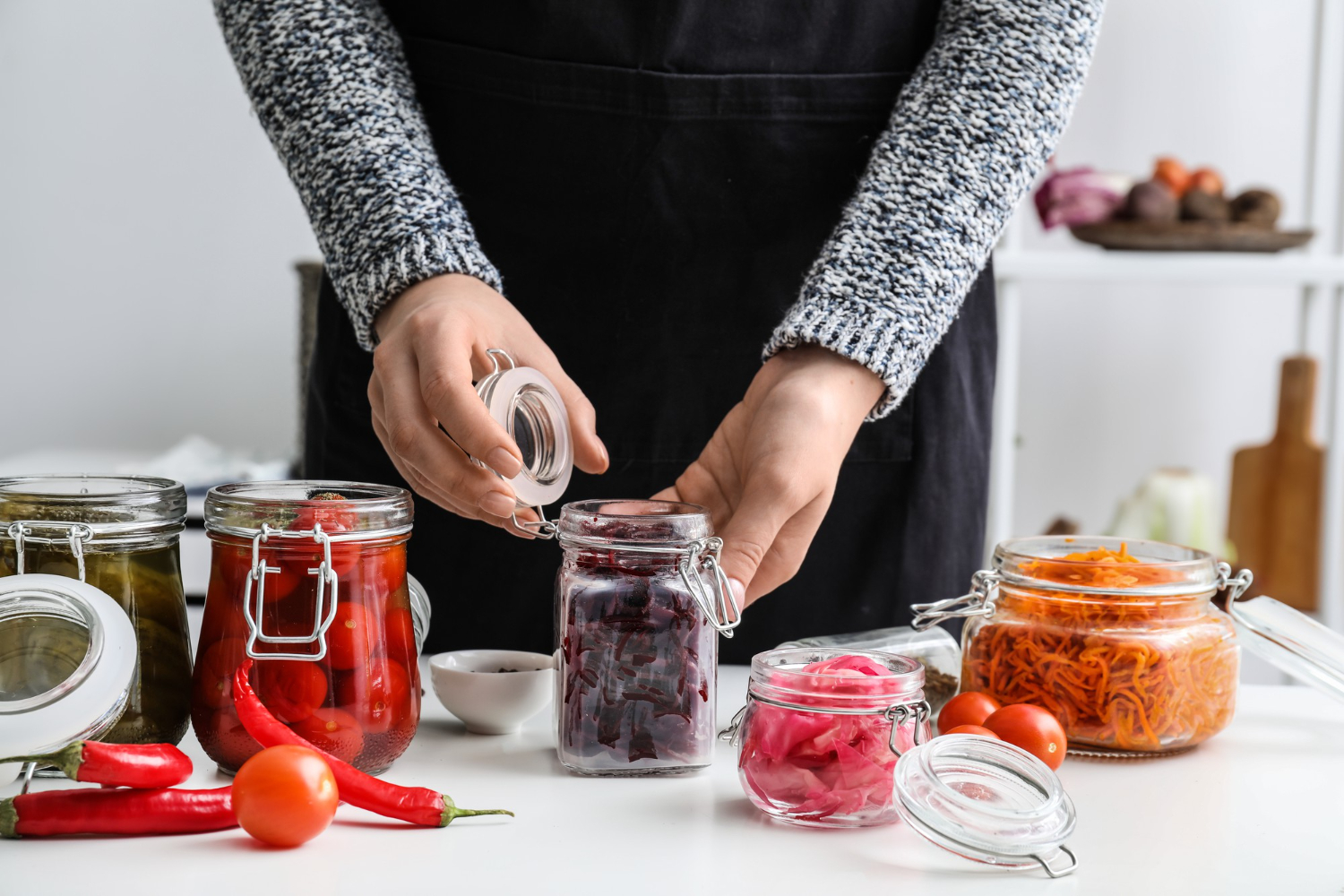
Capers, olives, pickles or preserved vegetables provide a sharp salty note that cuts through richness in a way nothing else does.
A spoonful transforms a heavy dish without adding another cooking step. Sharp preserves are the store cupboard ingredient that rescues anything too rich.
15. Honey or Another Concentrated Sweetener
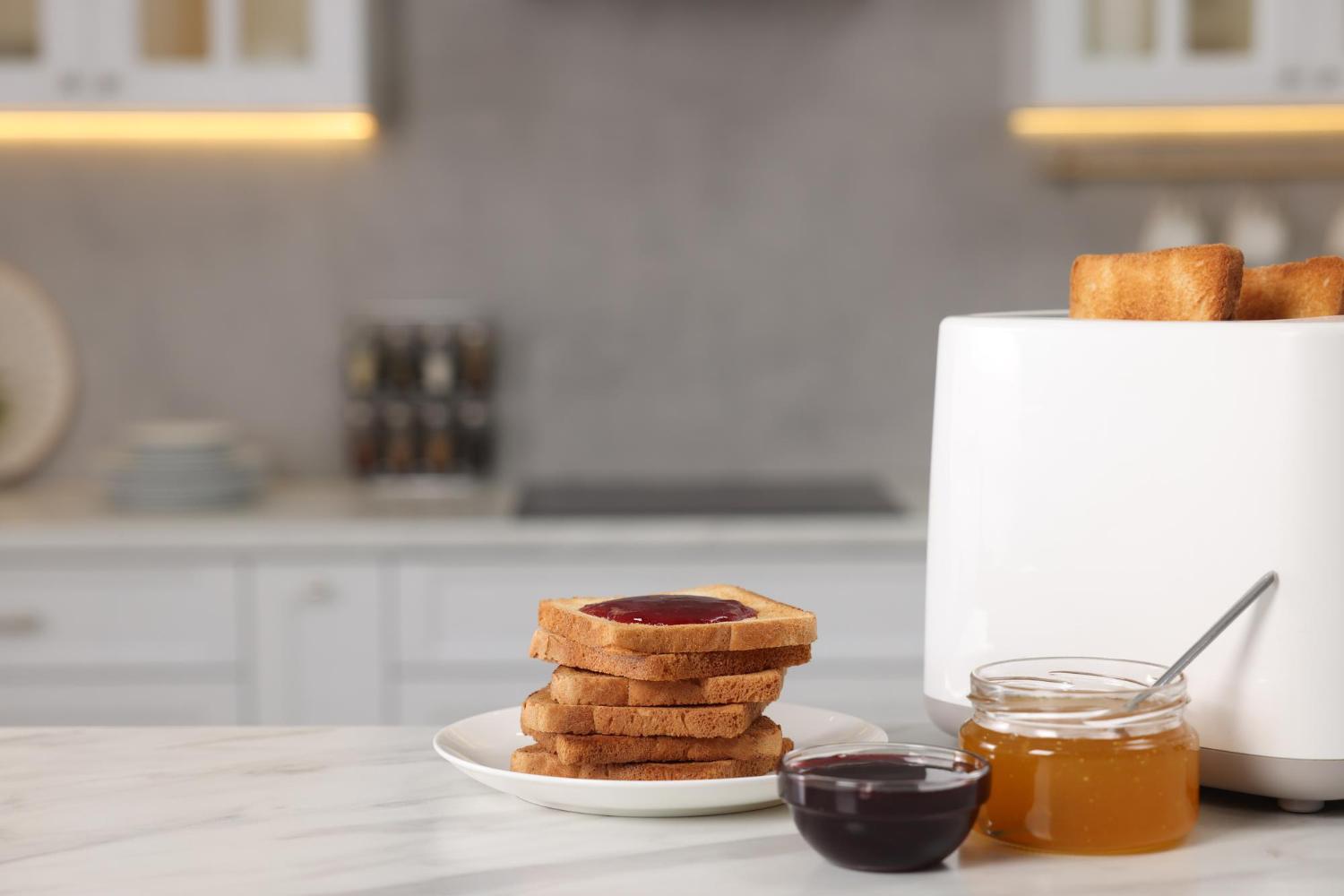
A small quantity balances acidity and bitterness in savoury cooking, which is its most useful role rather than sweetening anything.
It also helps browning where a dish needs colour. Honey is the store cupboard ingredient used most effectively in dishes nobody would call sweet.
Cheap Things That Do a Lot
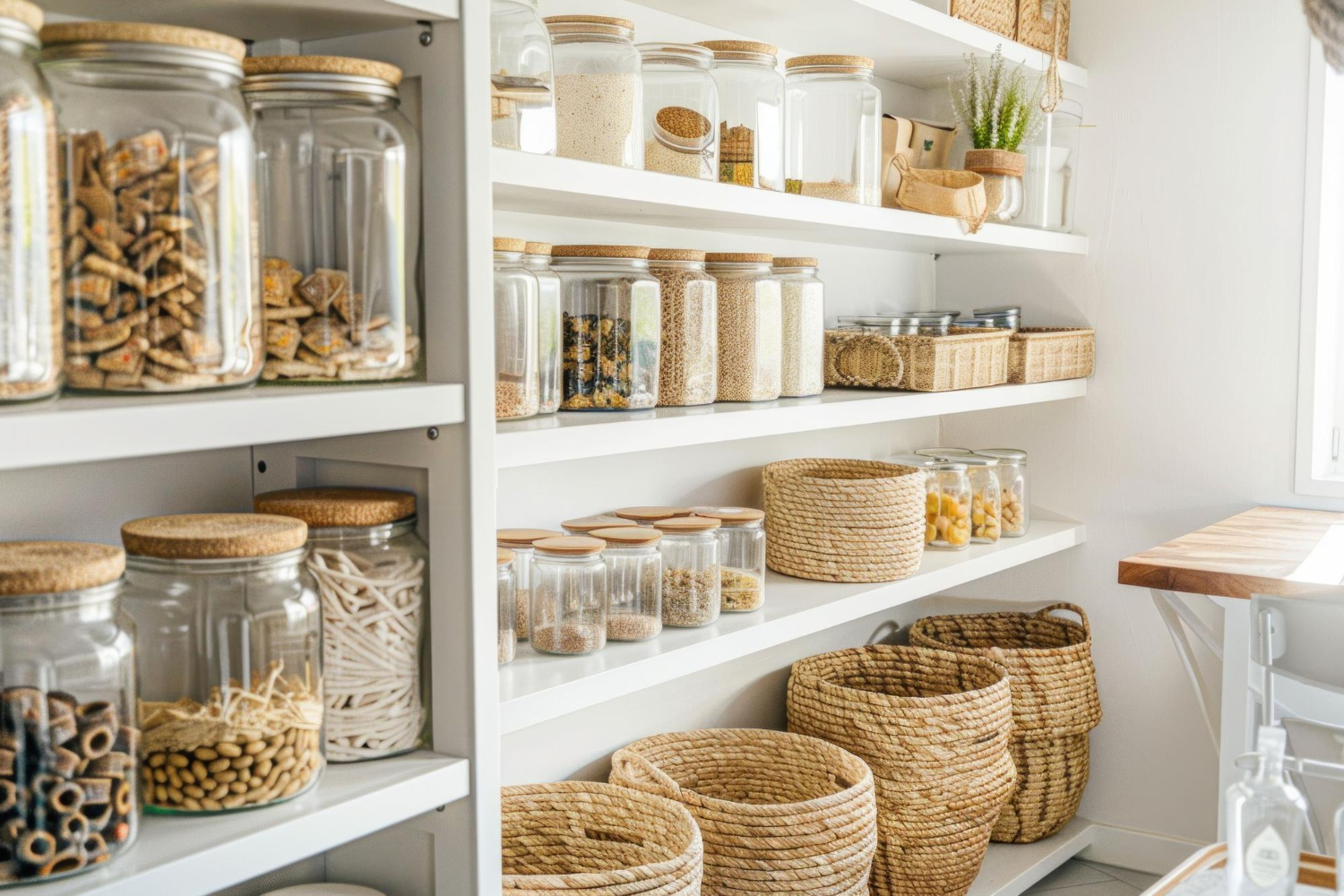
The pattern across all of these is that each solves a recurring problem: not enough savoury depth, not enough acid, not enough salt, too much richness. Recognising which problem a dish has is most of the skill.
If a finished dish tastes flat, the answer is nearly always acid, salt or savoury depth, in that order of likelihood, and everything above is a way of supplying one of the three. None of it requires a shopping trip beyond an ordinary supermarket, and most of it will still be usable in a year.
Like our content? Follow us for more.