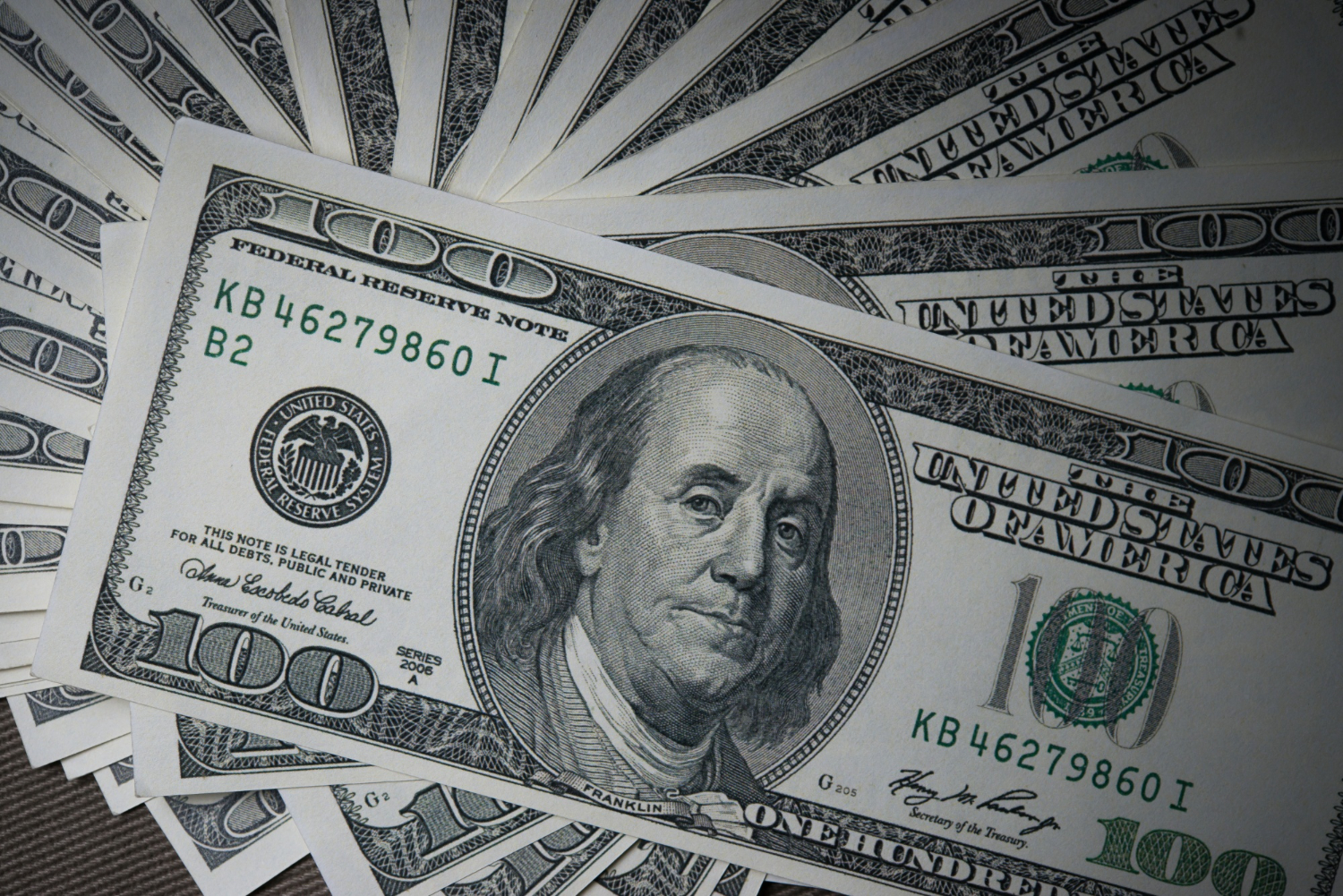
Almost everyone has done it: left a note in a pocket, washed the trousers, and found the money at the bottom of the drum, damp and crumpled but entirely usable.
Do the same with a receipt, a letter or a page from a book and you get pulp.
The difference is not that money is printed on tougher paper. It is that most banknotes are not paper in any meaningful sense. They are textile, and the reasons for that go well beyond durability.
Here is what money is actually made from, and why the industry is now moving to something else entirely.
Rag, Not Wood
Ordinary paper — notebook, newspaper, printer, receipt — is made from cellulose extracted from trees. Wood is chemically broken down into individual fibres, which are formed into thin sheets.
Cellulose fibres are short and are held together largely by hydrogen bonding between them. Water interferes with those bonds directly, which is why wet paper loses its structure almost immediately and why a soaked newspaper tears at a touch.
Banknote substrate is different. It is made from cotton and linen fibres — the same materials as clothing — beaten into a pulp and formed into sheets. The traditional term for this is rag paper, and it long predates its use for currency; fine writing paper was made the same way.
Cotton and linen fibres are substantially longer, stronger and more flexible than wood-derived cellulose. They interlock mechanically rather than depending solely on chemical bonding, and they tolerate wetting and drying without falling apart.
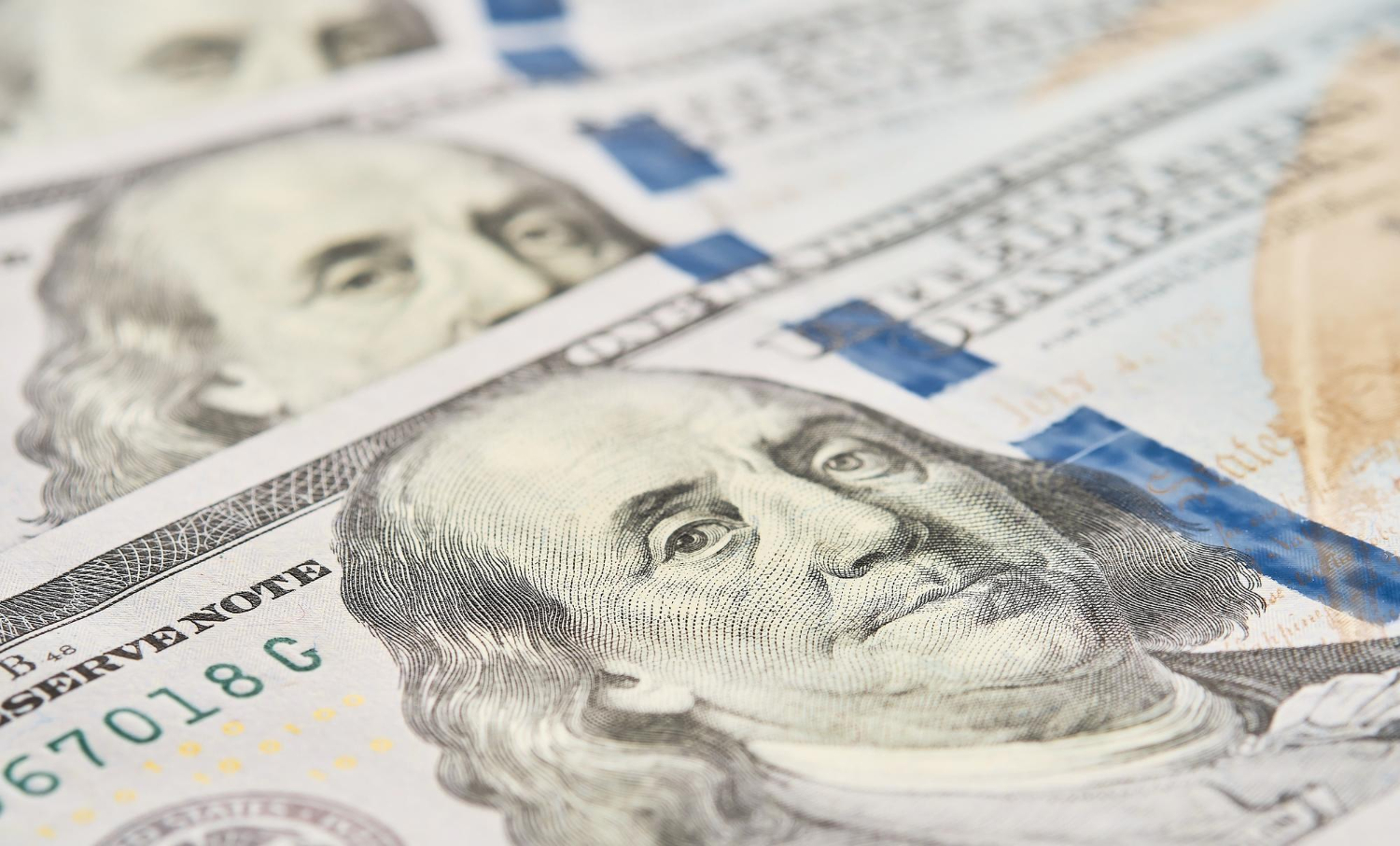
United States currency uses a blend of 75 percent cotton and 25 percent linen. Other countries have used varying formulations, including pulp-based and blended substrates, but the cotton-linen approach is the traditional one.
The practice is old. Introducing a fibre-based banknote substrate in Europe is traced to the seventeenth century, and the basic technology held for roughly 350 years.
Like our content? Follow us for more.
Why It Feels the Way It Does
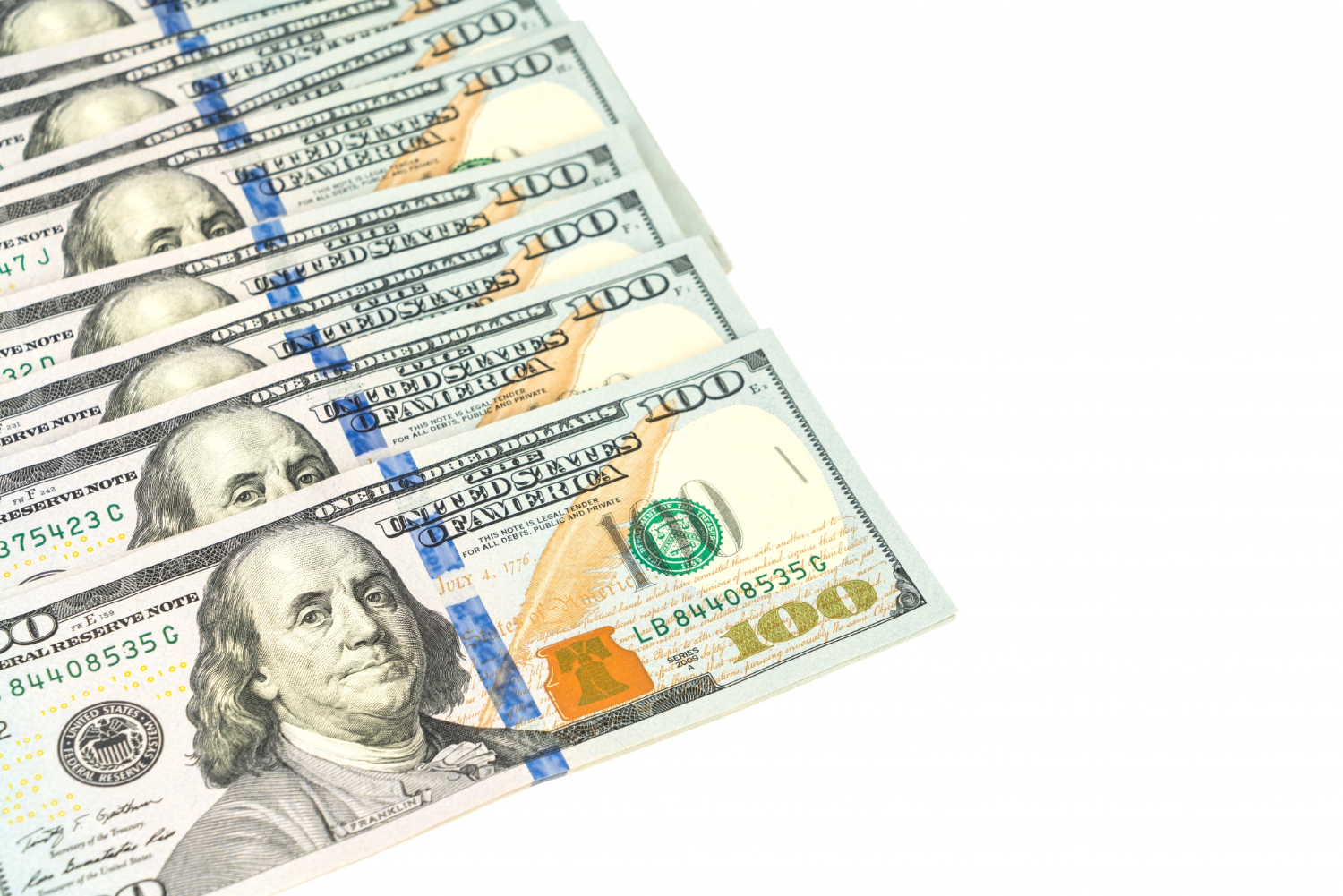
The material also explains something people notice without being able to describe: banknotes have a distinctive feel that is difficult to fake.
That texture is a function of the fibres themselves, and it is a security feature in its own right. Handling money constantly gives people an unconscious sense of what a note should feel like, and a counterfeit printed on ordinary paper is frequently detected by touch before anyone examines it.
The substrate also carries security features that cannot easily be added to standard paper.
Watermarks are formed by varying the density of fibres during sheet formation, so the image is built into the material rather than printed on it. Security threads are embedded within the sheet during manufacture. Coloured fibres are scattered through the substrate — United States notes contain small red and blue fibres distributed throughout.
Intaglio printing then presses heavy ink into the fibres under great pressure, producing the raised texture you can feel with a fingertip. On a porous fibre substrate, the ink is pressed into the material rather than sitting on top of it.
The materials and equipment involved are not part of commercial papermaking at all. Banknote substrate is produced by specialist manufacturers under tightly controlled conditions, and the raw materials do not exist in the ordinary paper trade.
Where It Falls Short
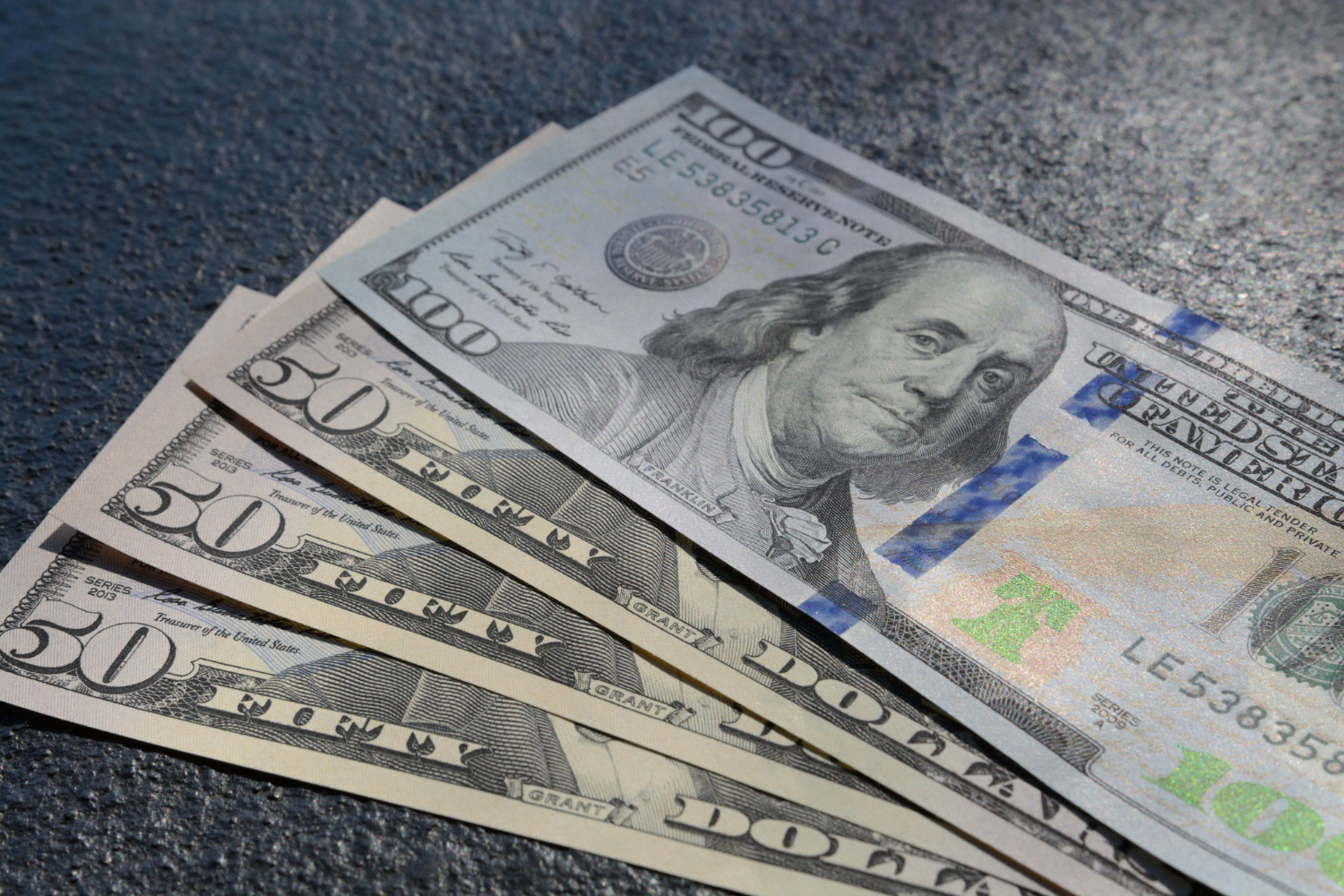
Cotton-linen substrate held up well for three and a half centuries, and it has real limitations.
It is porous and fibrous, which means it absorbs whatever it encounters — moisture, oils, dirt. Notes become limp with handling, lose their crispness, tear along fold lines and eventually fail.
Climate makes an enormous difference. In hot, humid conditions the degradation is much faster, and a note in daily circulation in a tropical city can be unusable within months rather than years.
That has a direct cost. Every note that wears out has to be withdrawn, destroyed and replaced, and the replacement cycle is a significant ongoing expense for any central bank.
There is also the counterfeiting problem. As printing and imaging technology improved through the late twentieth century, the security advantages of a fibre substrate narrowed, and issuers needed features that were harder to reproduce.
The Switch to Plastic
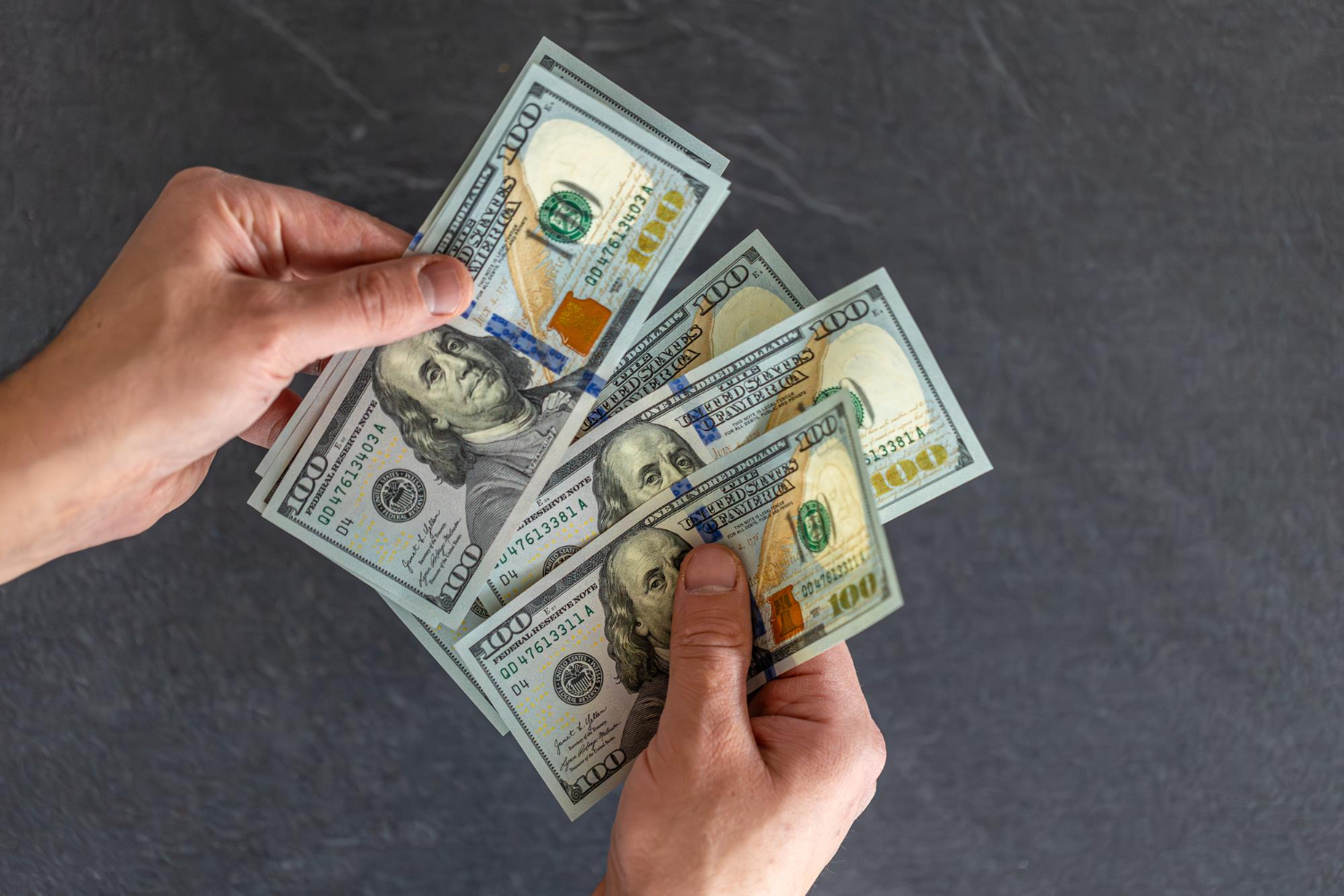
The answer that emerged was to abandon fibre entirely.
Polymer banknotes are printed on a thin, flexible sheet of biaxially oriented polypropylene — a synthetic film engineered for durability, print quality and security features. They are not paper and they are not rigid plastic; the substrate sits between the two, foldable enough for a wallet and resilient enough to survive laundry comfortably.
Australia issued the world’s first polymer note, a commemorative ten-dollar note, in January 1988 to mark its bicentenary, and by 1996 had converted every denomination — the first country to do so completely.
The technology has since spread widely, with figures commonly cited in the region of sixty countries or more, including the United Kingdom, Canada, Singapore, New Zealand and Romania, which completed a full transition in 2003.
The advantages are substantial. Polymer notes last several times longer than fibre ones, resist water, dirt and tearing, and stay in circulation far longer before replacement.
They also permit security features that fibre cannot support. Transparent windows built directly into the note are impossible on an opaque substrate, and optically variable devices — features that change appearance depending on the viewing angle and light source — can be embedded into the polymer during manufacture in a way standard printing cannot replicate.
The drawbacks are real but smaller. Polymer is damaged by high heat, and some users find the slippery feel less intuitive than the familiar texture of cotton-linen. Ink behaves differently too: on porous fibre, intaglio ink is absorbed and bleeds slightly at a microscopic level, softening fine lines, whereas on polymer it cannot soak in.
The United States has continued with its cotton-linen blend and has not announced any plan to change.
There are also hybrid approaches. A Swiss-developed substrate introduced in 2012 layers cotton and polymer together, keeping traditional fibre-based security features such as watermarks and embedded threads while adding the strength of a plastic core, and producing a note that still feels like conventional currency.
What Happens to Worn Notes
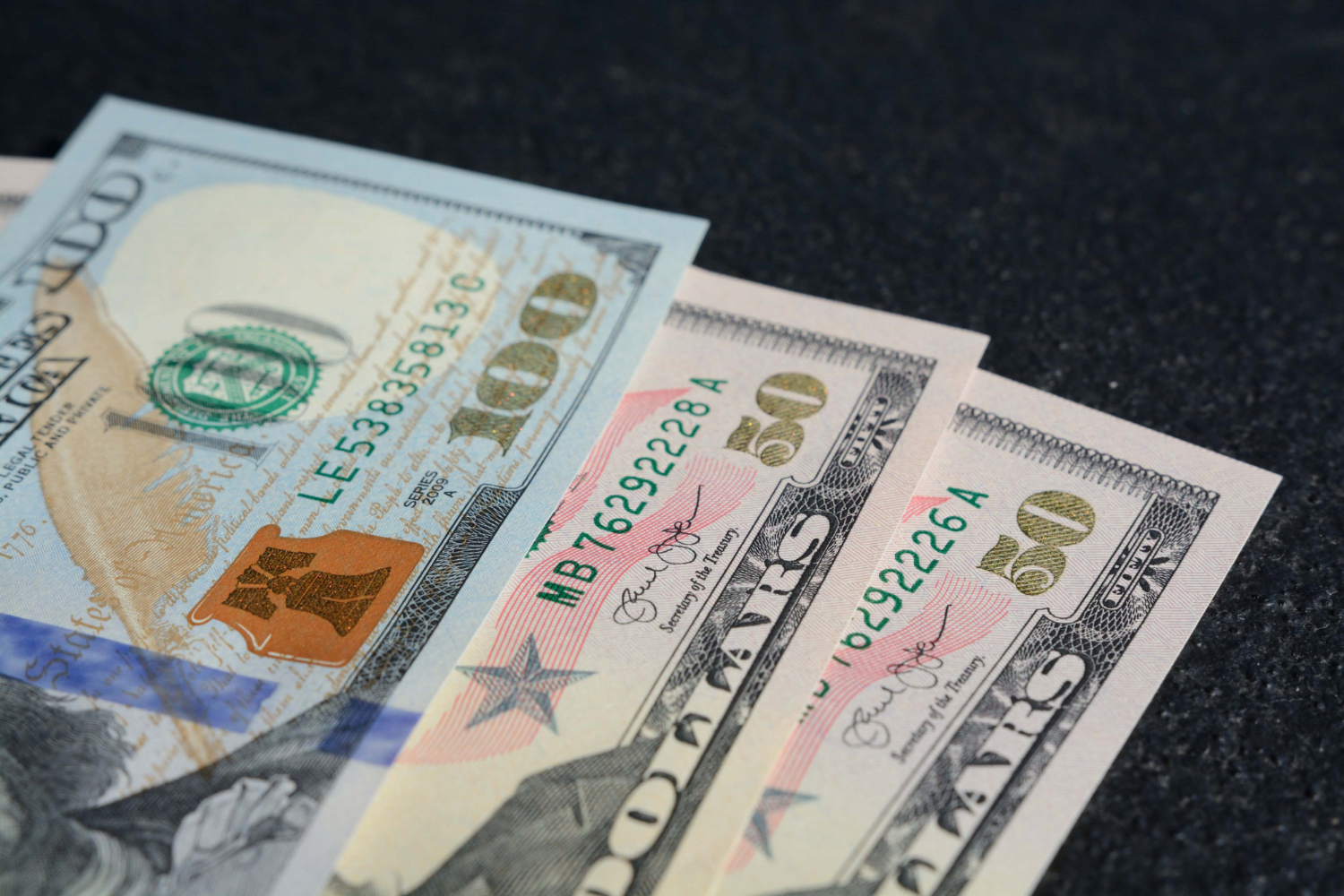
One further detail is worth knowing, because it surprises people.
Withdrawn banknotes are not recycled in any ordinary sense. The combination of ink, security threads and fibre composition means municipal recycling systems cannot process them.
Instead they are shredded, and the shredded material is landfilled or repurposed — into construction materials, compost, or in some cases novelty items sold as souvenirs.
Polymer notes are recycled differently again, since the substrate is a plastic that can be processed into pellets and remanufactured into other products.
What Money Was Made From Before
Cotton and linen were not the first answer, and the earlier attempts show how long the durability problem has been recognised.
The earliest banknotes appeared in China, printed on paper made from mulberry bark rather than from wood pulp — a fibre chosen because it produced a stronger sheet than ordinary papermaking materials of the period.
Other societies used other substrates entirely. Leather has been used for currency, as has silk, and various forms of stamped or marked material have served as money in different places at different times.
What connects these choices is the same requirement that drives the modern ones. Money circulates constantly, passing through many hands, and any material that degrades quickly imposes a continuous replacement cost on whoever issues it.
That is also why the physical properties of a note are treated as a security matter rather than a convenience. A substrate that is difficult to obtain, difficult to imitate and recognisable by touch is doing security work before any ink is applied.
Seen that way, the shift from bark to cloth to plastic is one long attempt to solve a single problem: making an object that carries value, survives being treated carelessly, and cannot easily be reproduced by anyone who is not supposed to.
An Old Answer That Worked
There is something satisfying about the underlying fact.
The problem was straightforward: money passes through an enormous number of hands, gets folded, sat on, rained on and forgotten in pockets, and it needs to survive that better than ordinary paper does.
The solution arrived at centuries ago was to stop using paper and start using cloth, essentially — long, strong, interlocking fibres that tolerate wetting because clothing has to.
That answer held for three hundred and fifty years, which is a remarkable run for any material choice, and it is only now being replaced because plastic film happens to do the same job better and allow a transparent window into the bargain.
The next time a note comes out of the washing machine intact, the reason is that you did not launder paper. You laundered fabric, printed on.
Like our content? Follow us for more.