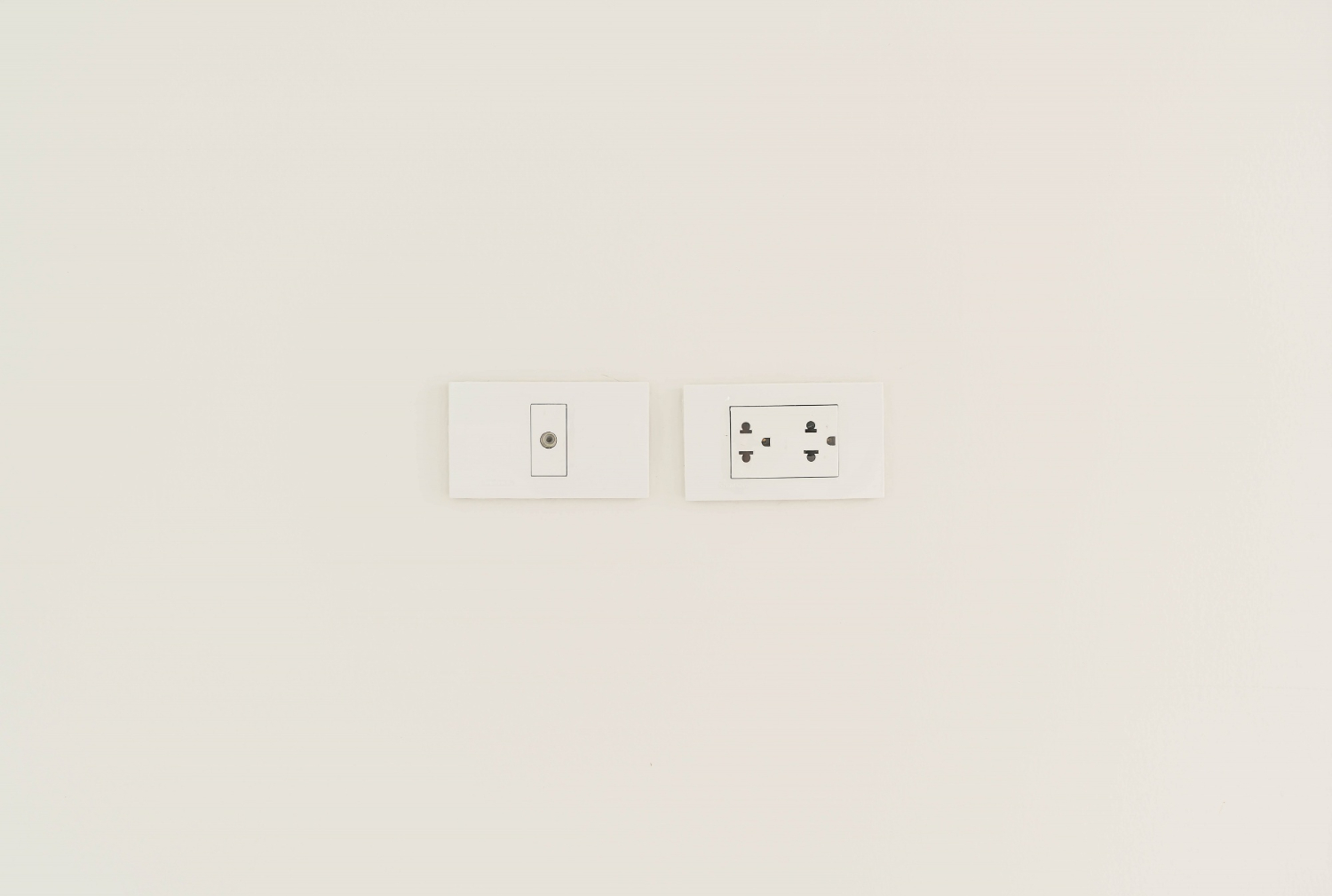
There is a particular kind of double-take that everyone has experienced. A washing machine looks startled. A car in a car park appears smug. A pattern in wood grain resolves, briefly and unmistakably, into somebody’s expression.
The word for it is pareidolia — perceiving a meaningful pattern, usually a face, in something that does not contain one. It is universal, it happens instantly, and it is not something anyone chooses to do.
The interesting part is not that it happens. It is that the phenomenon is a direct window into how a specific piece of neural machinery works, and into a design decision made by evolution about which kind of mistake is worth making.
A Region for Faces Specifically
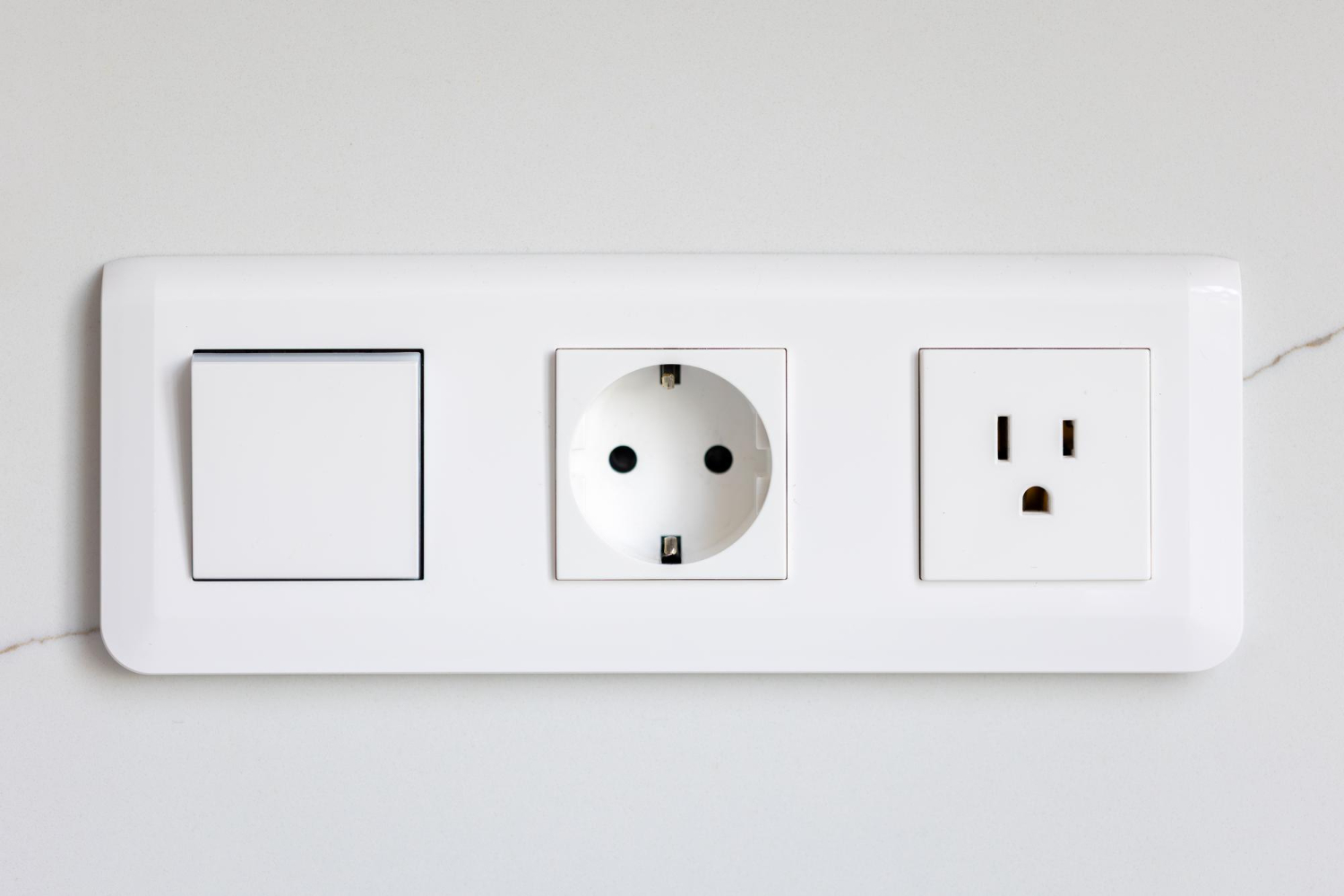
Face recognition is not a general visual skill applied to a particular category. It is handled by dedicated hardware.
An area on the underside of the temporal lobe responds far more strongly to faces than to other objects, and damage in that region can produce a specific and striking condition in which someone retains excellent vision, recognises objects perfectly well, and cannot identify faces — including, in severe cases, their own.
That is a remarkable dissociation. It tells you that face processing is a separate system rather than a subset of ordinary object recognition, because it can be removed while everything else remains.
The speed is equally telling. Face-selective responses appear extremely rapidly — on the order of a tenth of a second — which is faster than any deliberate process. The categorisation has already happened by the time anything reaches conscious attention.
That speed is why you cannot decline to see the face in the plug socket. The system reports before you are consulted.
Like our content? Follow us for more.
Configuration, Not Detail
What the system is actually detecting explains why it is so easily triggered.
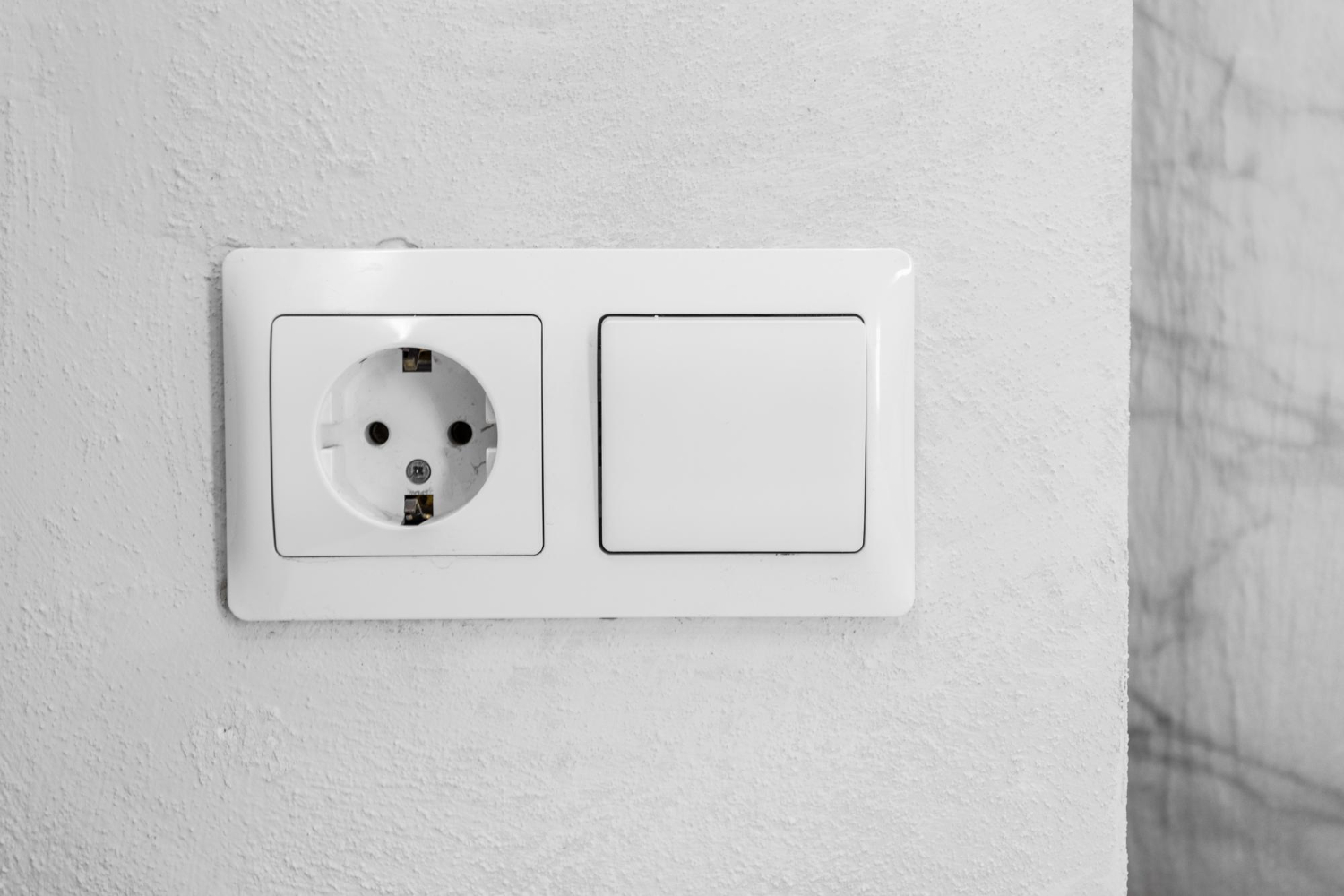
Face recognition depends heavily on configuration — the arrangement of features relative to one another — rather than on the fine detail of any individual feature. Two dark regions above a third, roughly symmetrical about a vertical axis, within an enclosing boundary, is essentially the whole specification.
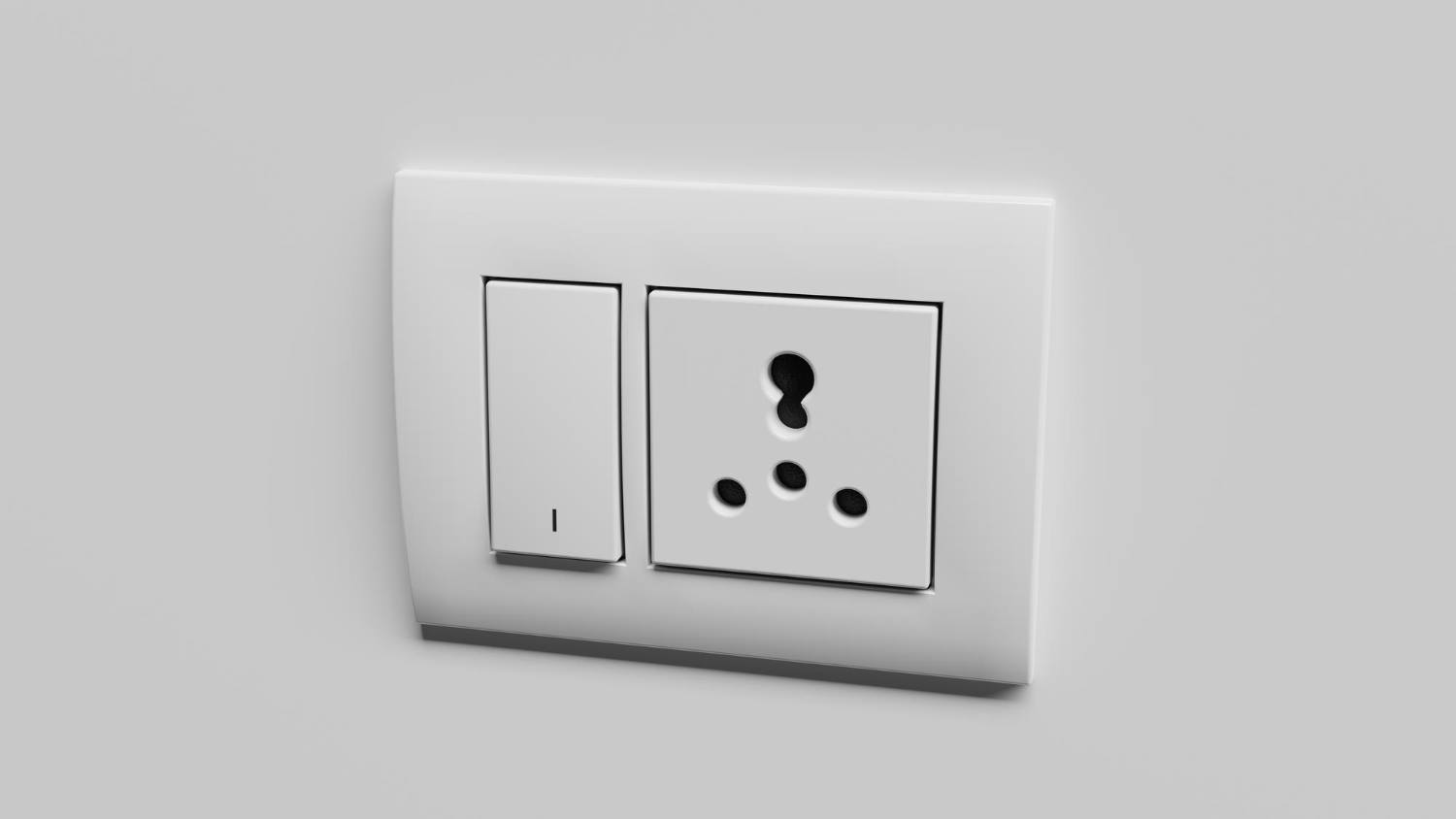
That is an extremely permissive template, and enormous numbers of ordinary objects satisfy it accidentally. Sockets, buttons on appliances, headlights and a grille, two windows above a door, holes in a plank, the pattern of a bell pepper cut in half.
The configural nature of the processing is demonstrated by a familiar effect: an upside-down face is substantially harder to recognise and to read expressions from than the same face the right way up, even though every individual feature is unchanged. Turn a face over and the configural system stops working properly, leaving the slower feature-by-feature route.
The same applies to accidental faces. Rotate the object and the face frequently vanishes entirely.
Why Over-Reporting Is the Right Design
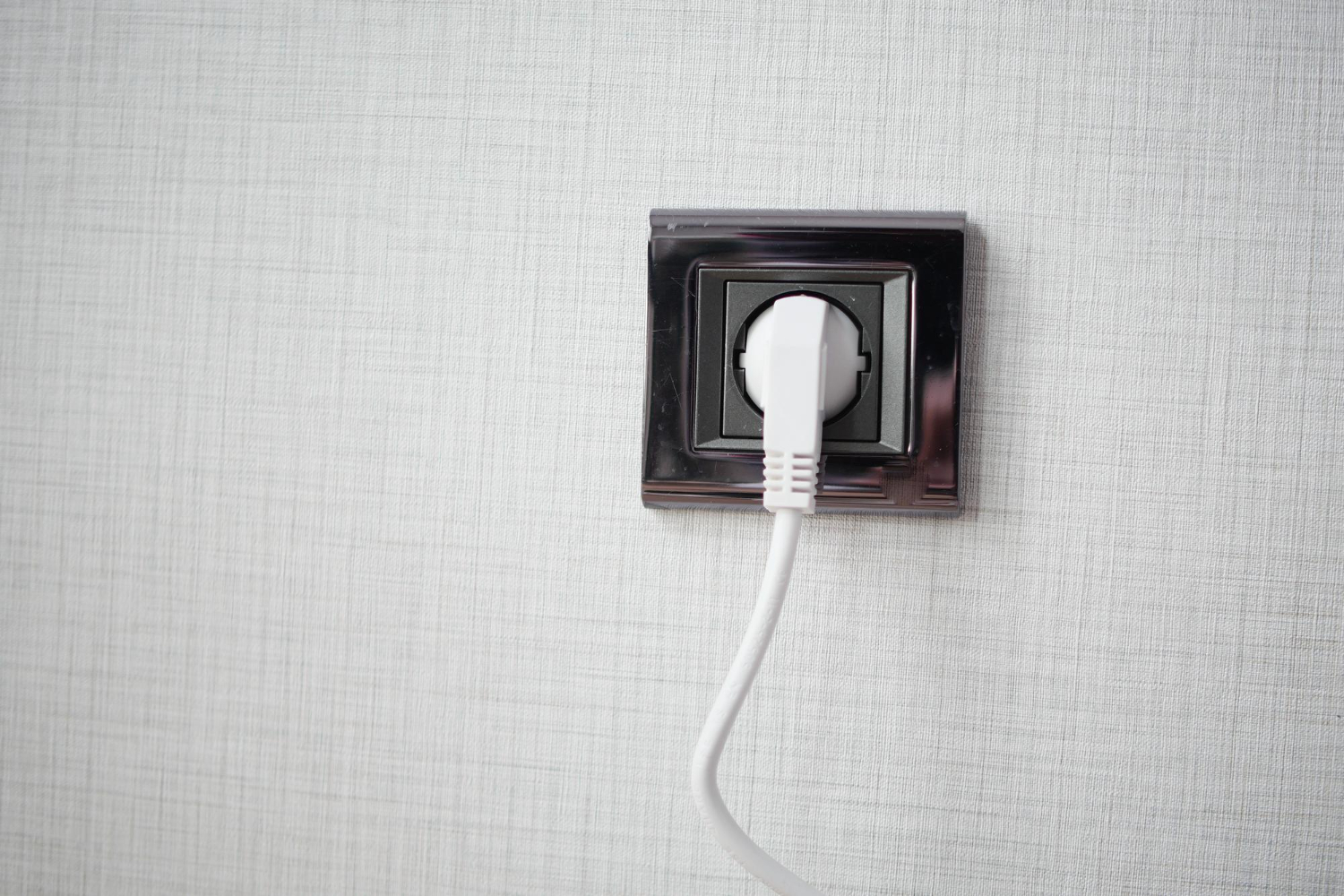
The obvious question is why a detection system would be tuned so loosely, and the answer is a straightforward asymmetry of consequences.
Consider the two possible errors. Failing to notice a face that is present means failing to notice another individual — potentially a threat, potentially somebody who needs attention, certainly information that mattered.
Reporting a face that is not present means looking twice at a rock.
Those costs are not remotely equal, and any detection system operating under uncertainty should be biased toward the cheaper error. A system that never produced false positives would necessarily be missing real faces at the margins, and the margins are where a partially hidden face in poor light sits.
So pareidolia is not a bug. It is the visible edge of a threshold set deliberately low, and the toast is the acceptable cost of never missing a person in the shadows.
Expressions Come Along Too
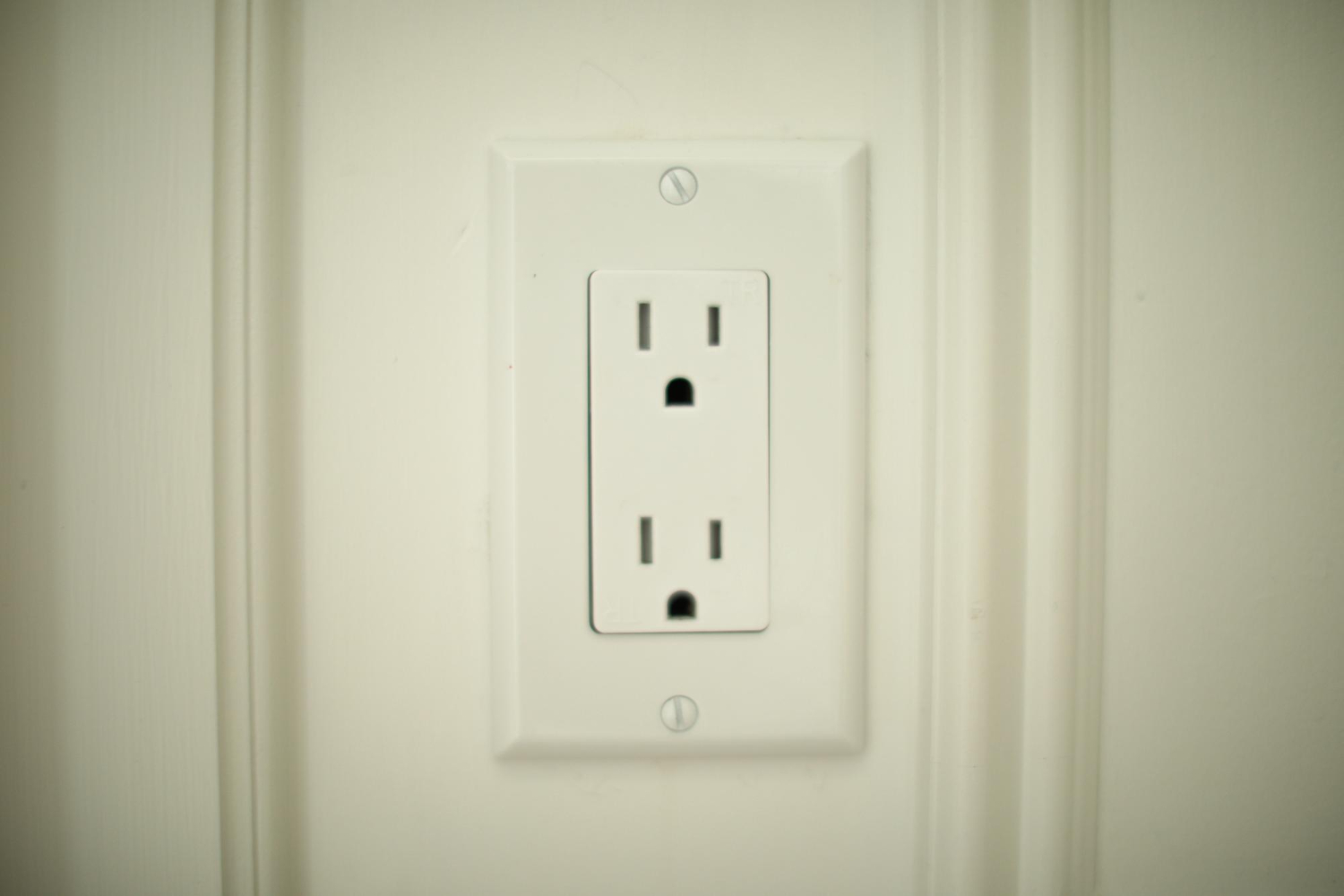
A detail that makes the phenomenon stranger: accidental faces are not merely detected as faces, they are read for expression.
A building does not simply have two windows and a door. It looks surprised, or disapproving, or cheerful. A car has a personality. A tap looks anxious.
That indicates the accidental configuration is being routed through the same machinery that interprets real expressions, and that machinery reports emotional content automatically rather than on request.
Research in this area has produced findings about how those illusory faces are perceived — including work on whether accidental faces are read as having a gender, and how the response adapts with repeated exposure, in ways that parallel the processing of real faces.
The practical upshot is familiar to anyone who designs objects. A product with two round features above a horizontal one will be read as having a face and an attitude, whether or not that was intended, and designers work with this deliberately.
There is a further consequence that designers of machines have run into. Automated systems trained to detect faces inherit a version of the same problem: set the threshold low enough to catch partially obscured or poorly lit faces and the system starts reporting them in patterns on walls and in arrangements of objects.
That is not a coincidence of implementation. It is the same trade-off arriving at the same place, because any detector operating on ambiguous evidence has to choose which error to make and there is no setting that avoids both.
Why It Is Not Evidence of Anything
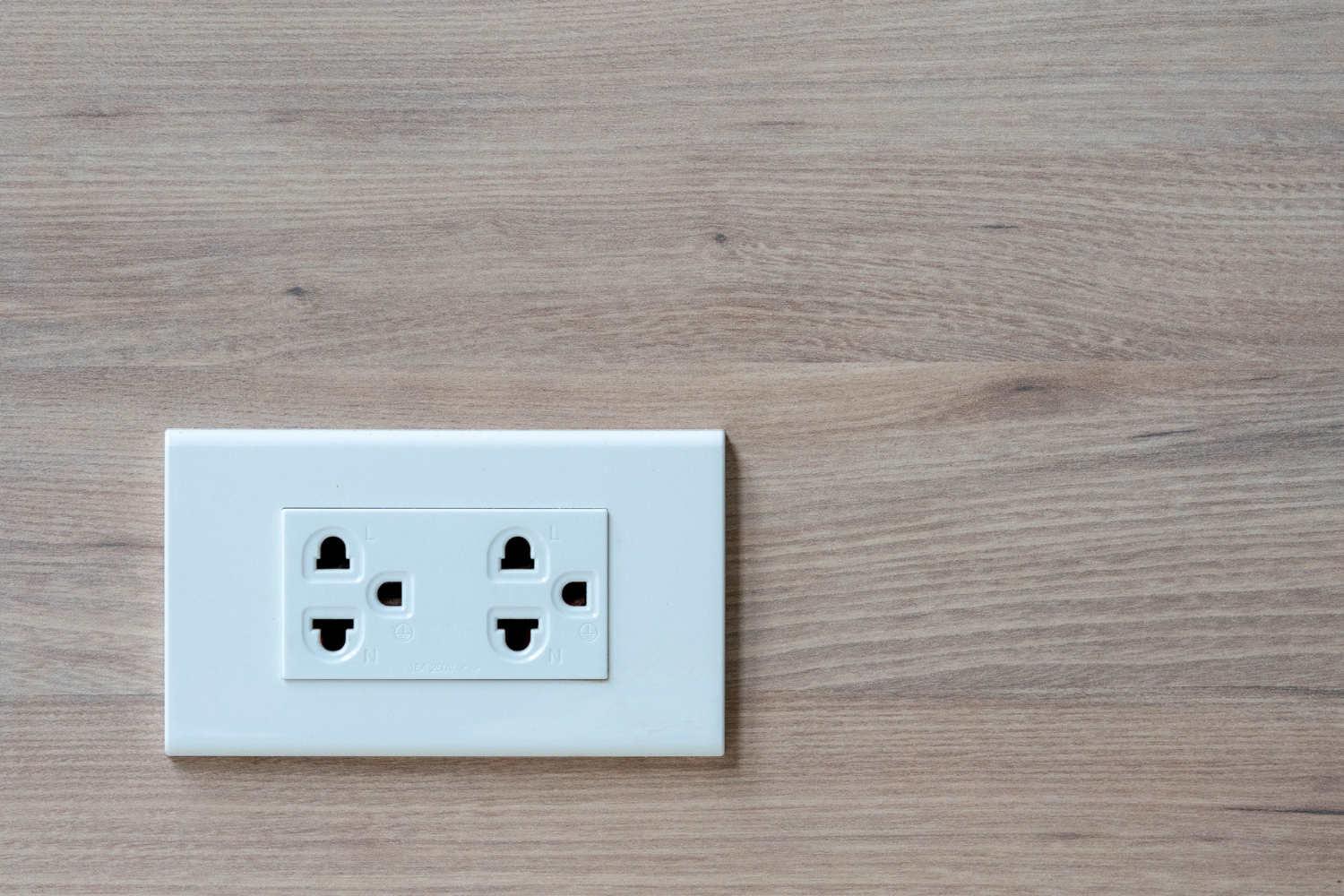
A note is necessary, because pareidolia is regularly offered as proof of things it does not support.
Faces and figures perceived in landscapes, clouds, photographs of distant objects, patterns of light and grain in wood are all reliably produced by this mechanism operating exactly as designed. The perception is real and the interpretation is not evidence.
This is the standard explanation for a long series of claims about features seen in photographs of natural formations, images assembled from noisy data, and patterns in materials — the perception is real, universally shared and produced by the observer rather than by the object.
That is not a dismissal of anyone. The whole point of the mechanism is that it operates below the level of choice, produces a confident percept, and does not feel like an inference. Everyone experiences it identically, which is precisely why it is a poor form of evidence and a very persuasive experience.
It Starts Very Early
The developmental evidence is worth knowing, because it addresses the obvious objection that this might simply be a learned habit.
Newborn infants, within hours of birth, orient preferentially toward face-like patterns over equivalent patterns that are scrambled or inverted. The preference appears before there has been meaningful opportunity to learn what faces look like.
What appears to be present at that stage is not a face recogniser in any sophisticated sense. It is a bias toward a very crude configuration — the top-heavy arrangement of a few dark regions within a bounding shape — which is precisely the loose template that accidental faces satisfy.
That early bias then directs attention toward actual faces, which supplies the enormous quantity of experience needed to develop the fine-grained recognition adults have. The system bootstraps itself: a crude built-in preference generates the training data for a sophisticated learned skill.
Which explains something about the adult phenomenon. The detector operating on plug sockets and toast is closer to the newborn’s crude template than to the refined system that distinguishes one person from another, and it never stopped running underneath.
It also means the trade-off discussed earlier was made before any individual had a say in it. The threshold was set by evolution, is present at birth, and continues reporting faces in the wallpaper for the rest of a life.
Not Only Faces
The face case is the strongest because the hardware is dedicated, and the general principle extends further.
The auditory equivalent is well documented: ambiguous sound is readily heard as speech, which is why people hear voices in running water, fans and radio static, and why an unfamiliar language played steadily can seem to contain words from your own.
Pattern completion of other kinds appears throughout perception. Constellations are the same operation applied to scattered points of light. Recognising animal shapes in clouds is the same tendency without the dedicated machinery.
What unites them is that perception is not a recording. It is an active process of fitting incoming information to templates, and the templates that matter most — faces, voices, bodies — are the ones the system will reach for on the thinnest evidence.
Which means the toast is telling you something accurate about your own equipment. A system that finds faces in inanimate objects several times a day is a system that has never missed one in a crowd, and the trade was made a very long time ago on your behalf.
Like our content? Follow us for more.