One fact explains most of the others: a mushroom is largely water, and everything you do to it is a decision about where that water goes. Here are fifteen.
1. They Are Mostly Water
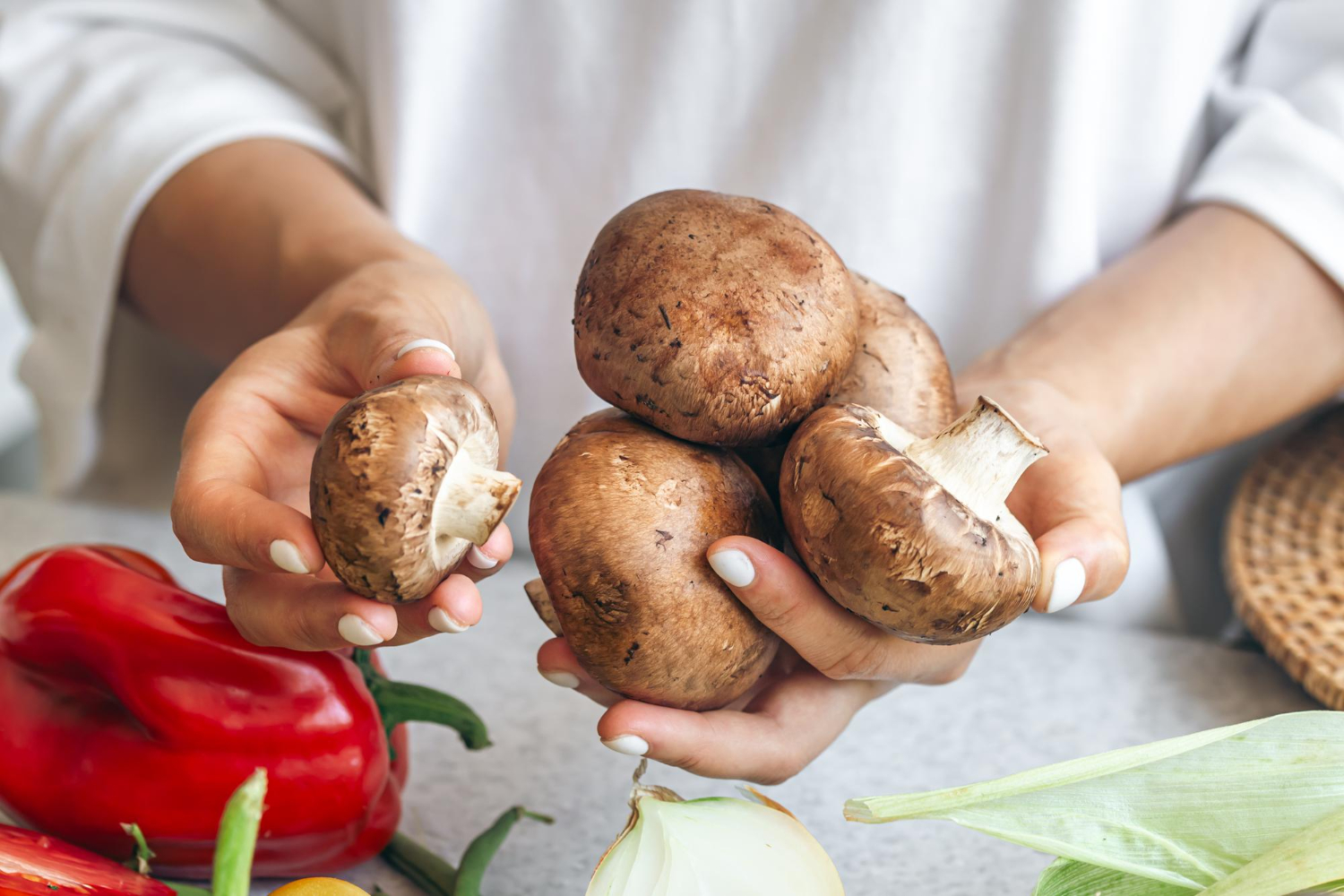
A substantial majority of a fresh mushroom is water, which is why a heaped pan reduces to a fraction of what went in and why the volume is so alarming to anyone cooking them for the first time.
Buy substantially more than looks reasonable. Water content is the mushroom fact that everything else follows from.
Like our content? Follow us for more.
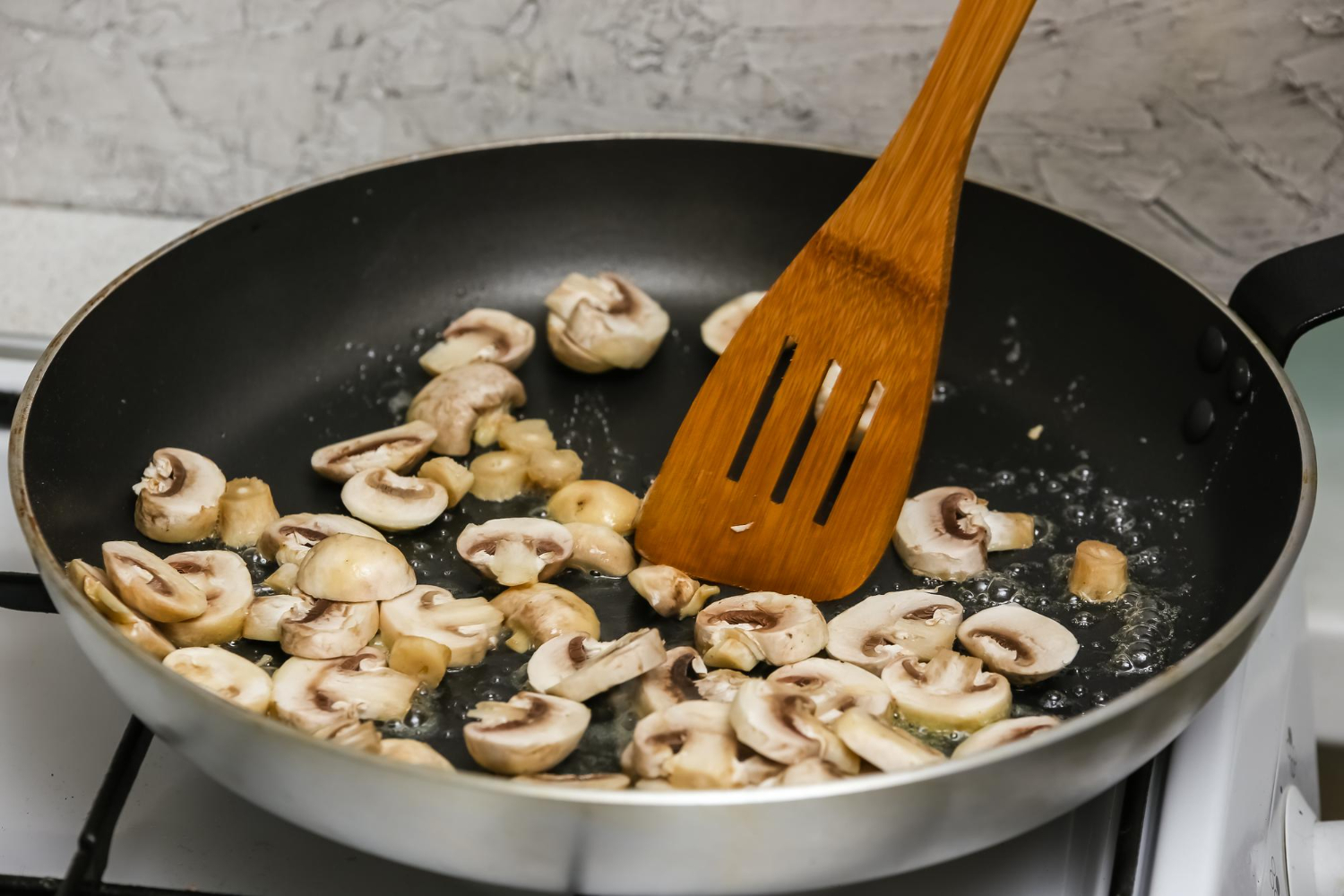
2. Crowding the Pan Steams Them
Water leaving the mushrooms has to go somewhere. In a crowded pan it fills the air above the surface and the mushrooms cook in their own steam instead of browning.
This is the single most common mushroom failure. Pan crowding is the mistake that produces grey mushrooms instead of golden ones.
3. Browning Is Where the Flavour Is
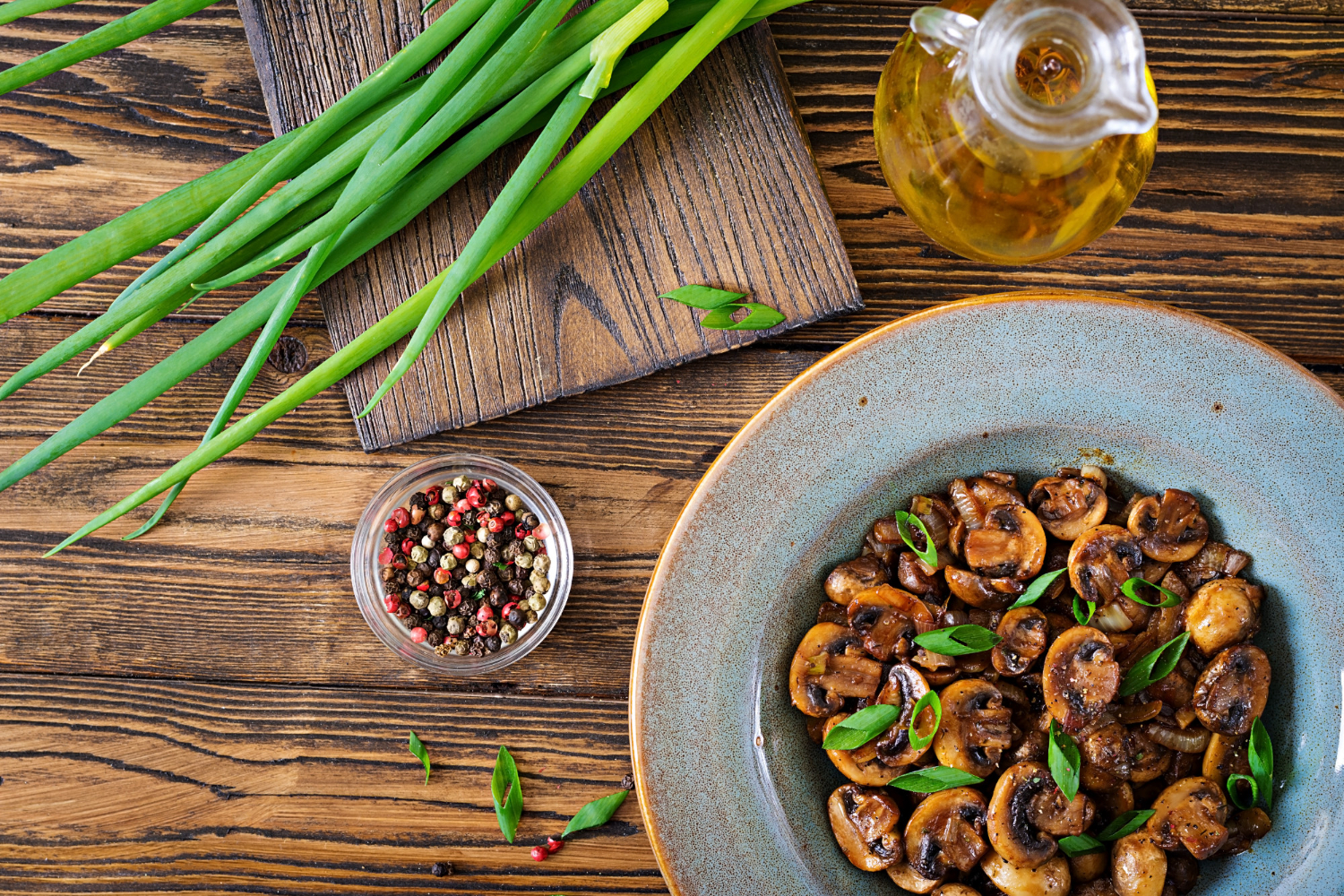
Once the water has gone and the surface can reach a high enough temperature, mushrooms brown deeply and develop flavours that are simply absent in the pale version.
The transformation happens in the last two minutes rather than throughout. Browning is the mushroom stage that most people stop just short of.
4. Salt Timing Changes the Outcome
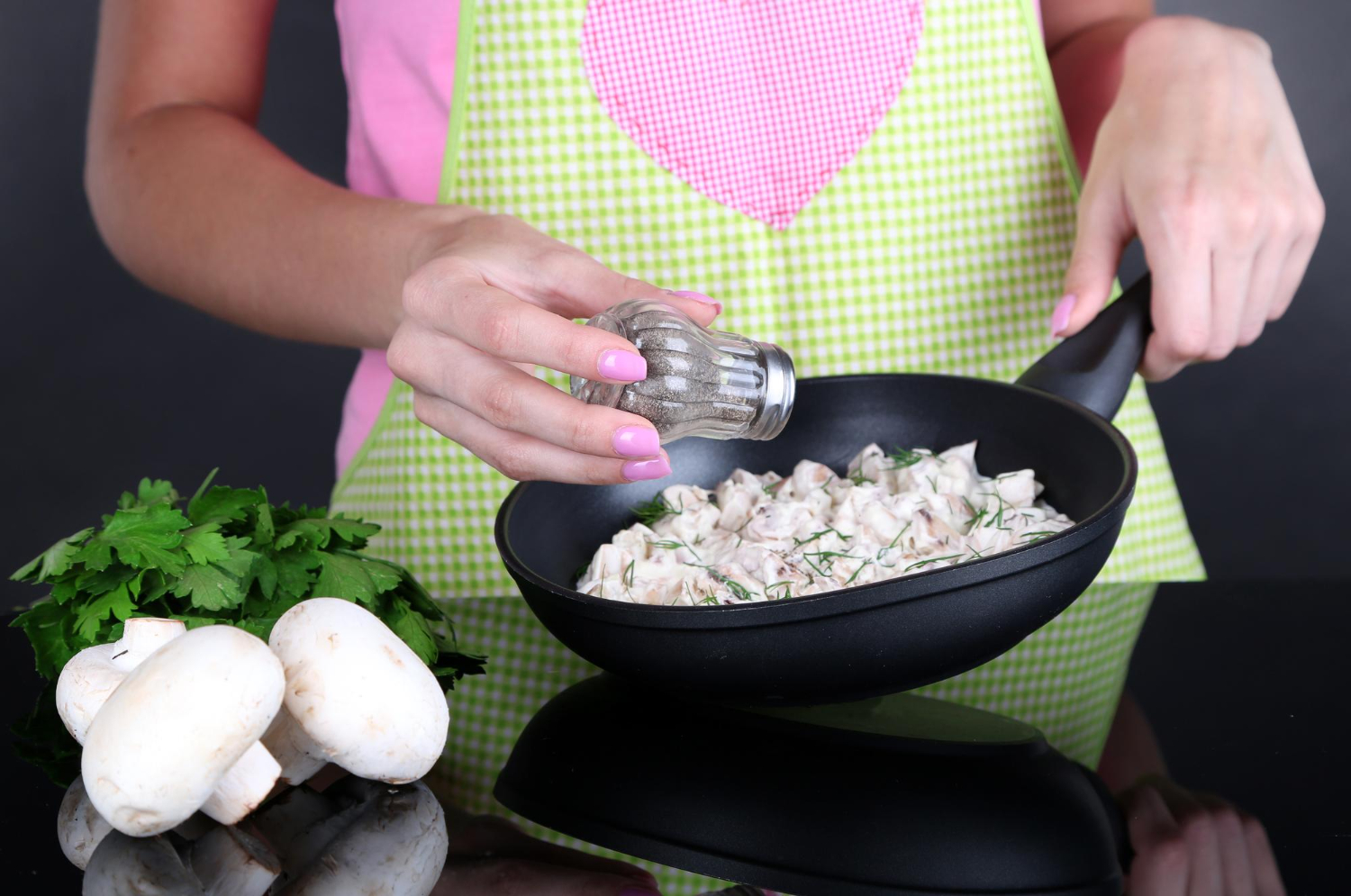
Salt draws water out, so adding it early accelerates the release and keeps the pan wet for longer, while adding it late lets browning begin sooner.
Both approaches are defensible and produce different results. Salt timing is the mushroom decision that determines the texture.
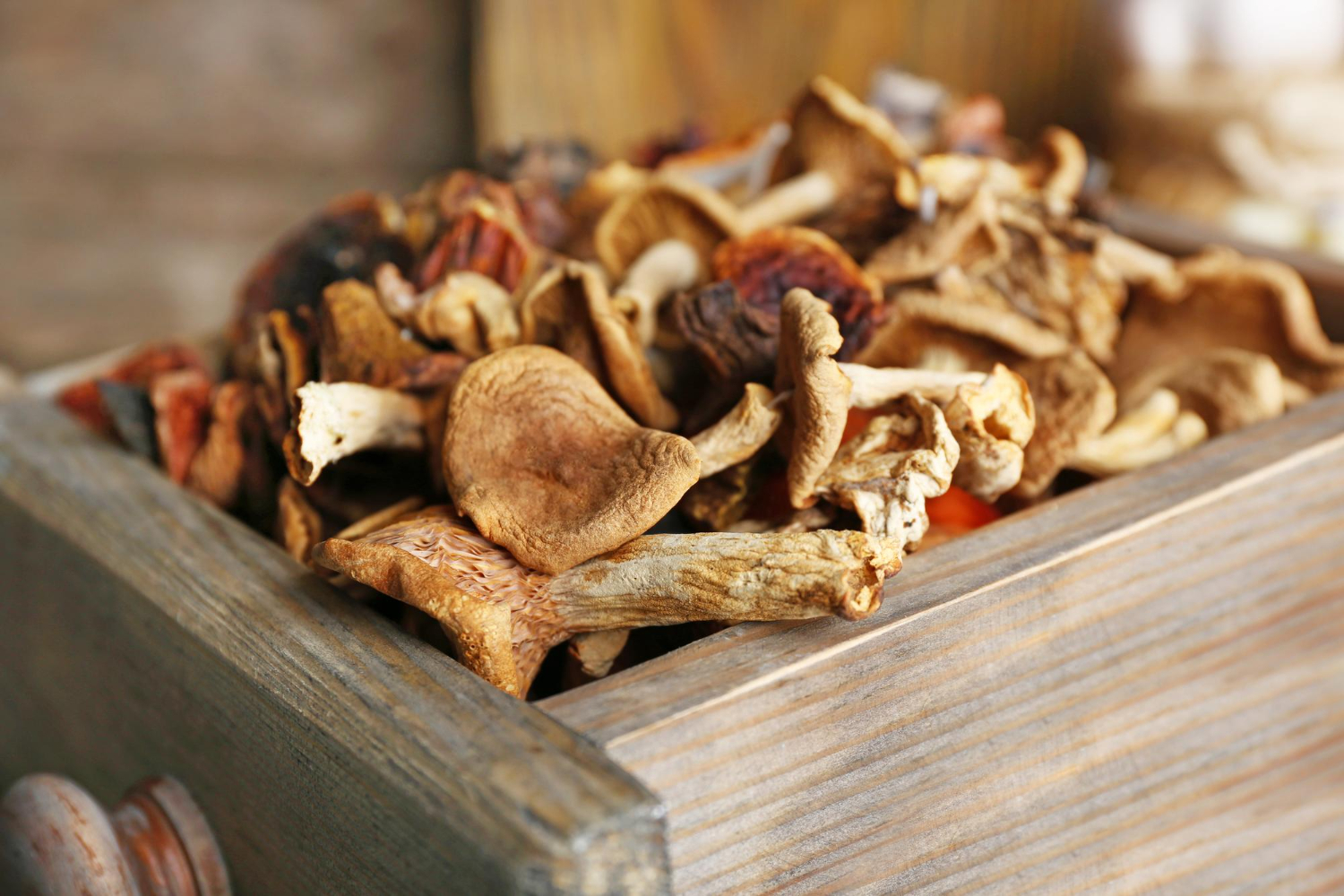
5. Dried Is a Different Ingredient
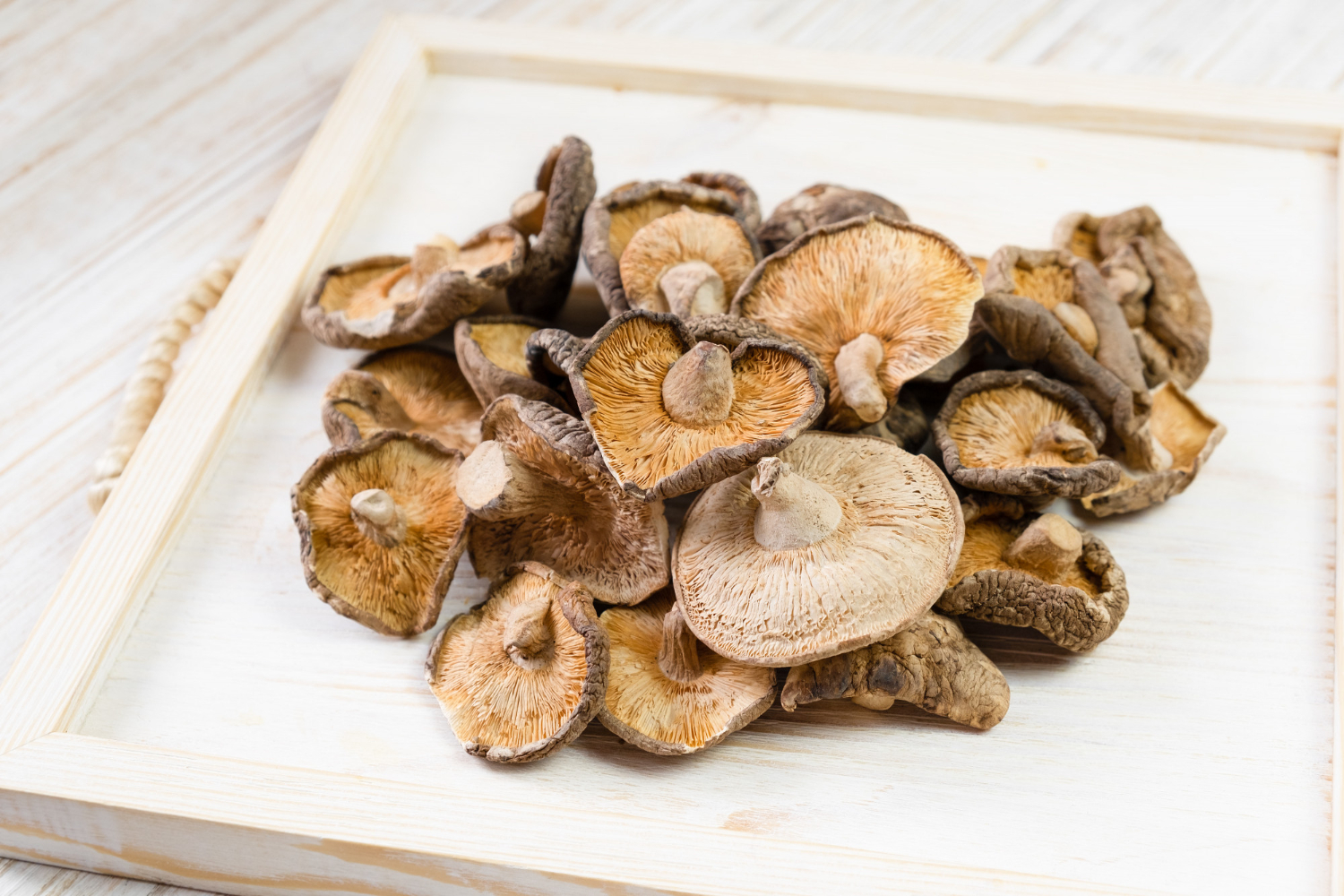
Drying concentrates flavour and generates compounds that are not present in the fresh mushroom, so a dried version of a species tastes substantially unlike the fresh one.
It is not a substitute so much as a relative. Dried mushrooms are the form that is a separate ingredient rather than a preserved one.
6. The Soaking Liquid Is Valuable
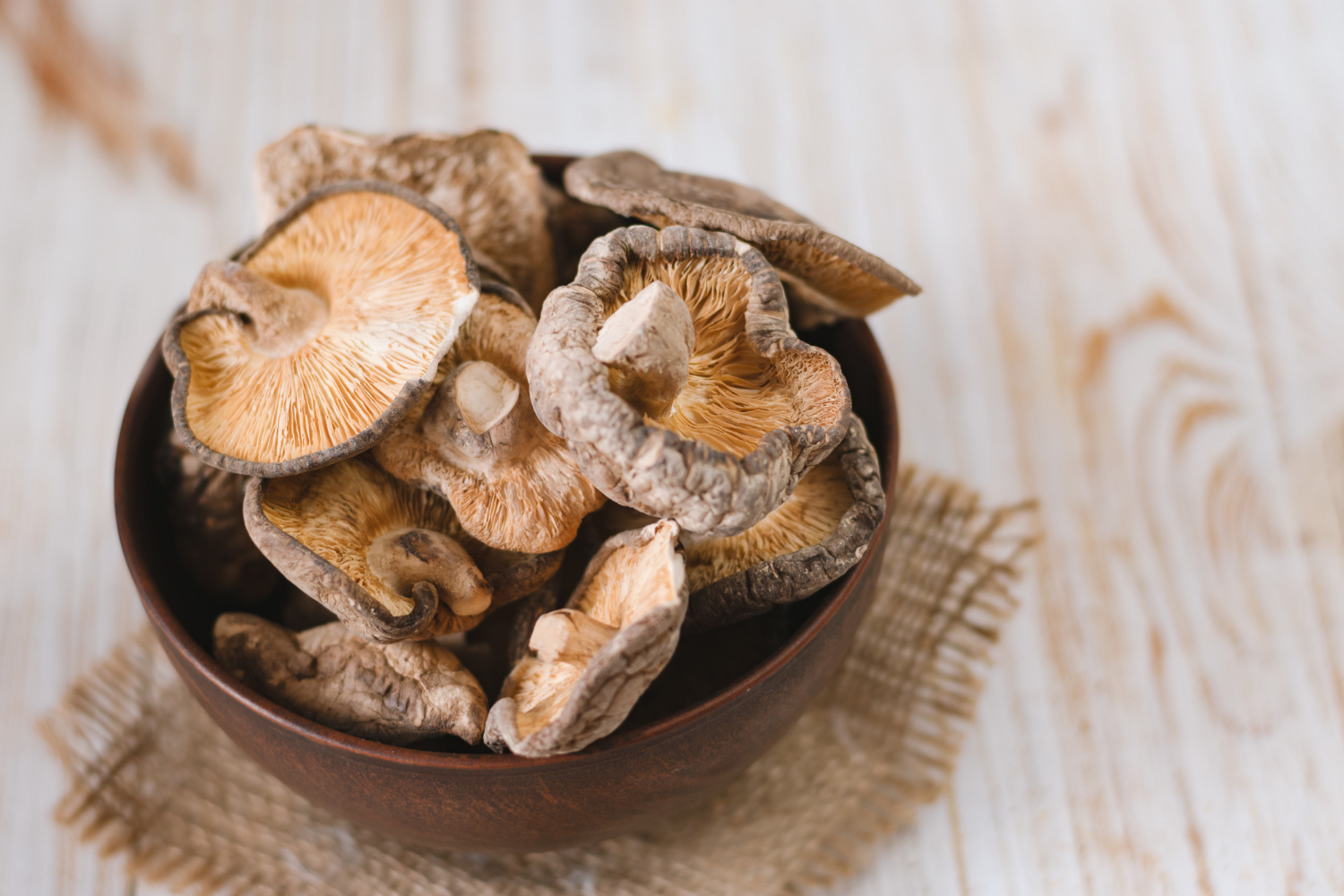
Water used to rehydrate dried mushrooms becomes a concentrated stock, and discarding it throws away a considerable proportion of what you paid for.
Any grit settles, so the liquid is poured off rather than tipped. The soaking liquid is the mushroom by-product worth more than most stocks.
7. They Supply Savoury Depth
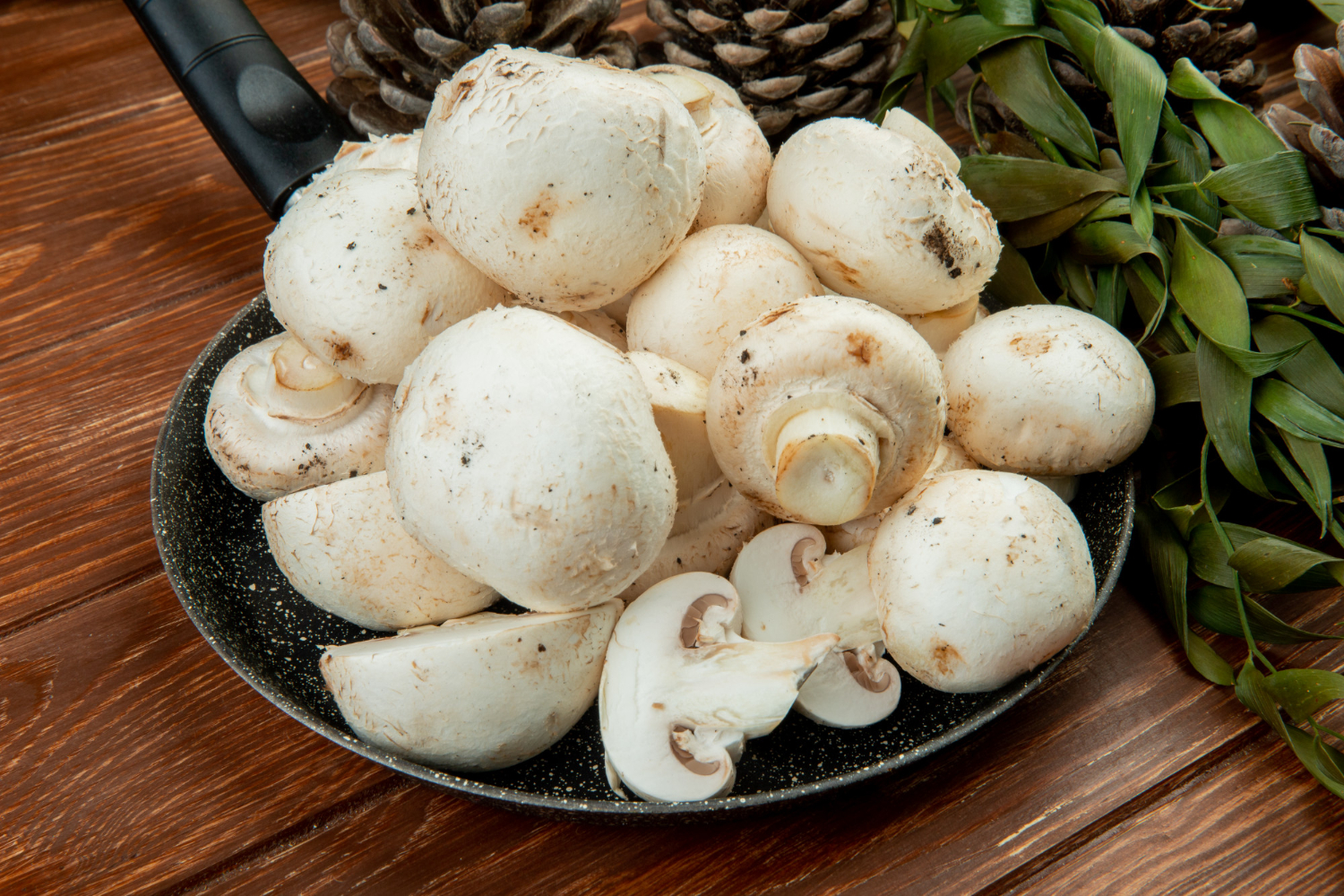
Mushrooms contain compounds that register as savoury depth, which is why a small quantity added to a dish makes everything taste more of itself rather than of mushroom.
A great many cooks use them as a background rather than a feature. Savoury depth is the mushroom contribution that is invisible in the finished dish.
8. Some Cannot Be Farmed
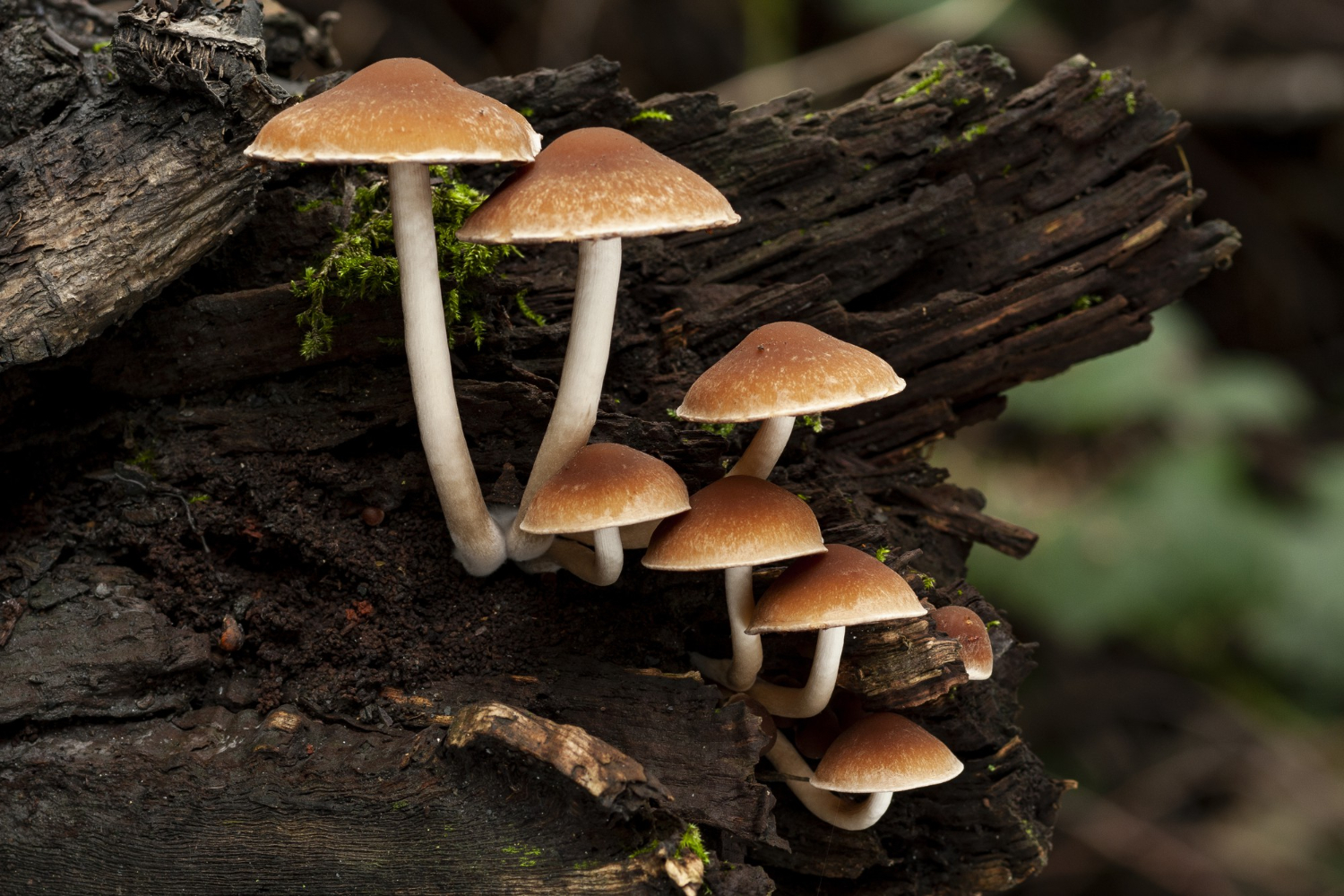
Certain highly prized varieties resist cultivation because they depend on a living relationship with tree roots that nobody has reliably reproduced commercially.
That is why they remain seasonal, regional and expensive while others are available all year at low cost. Uncultivable species are the mushrooms whose price is a biological fact.
9. Texture Varies More Than Flavour
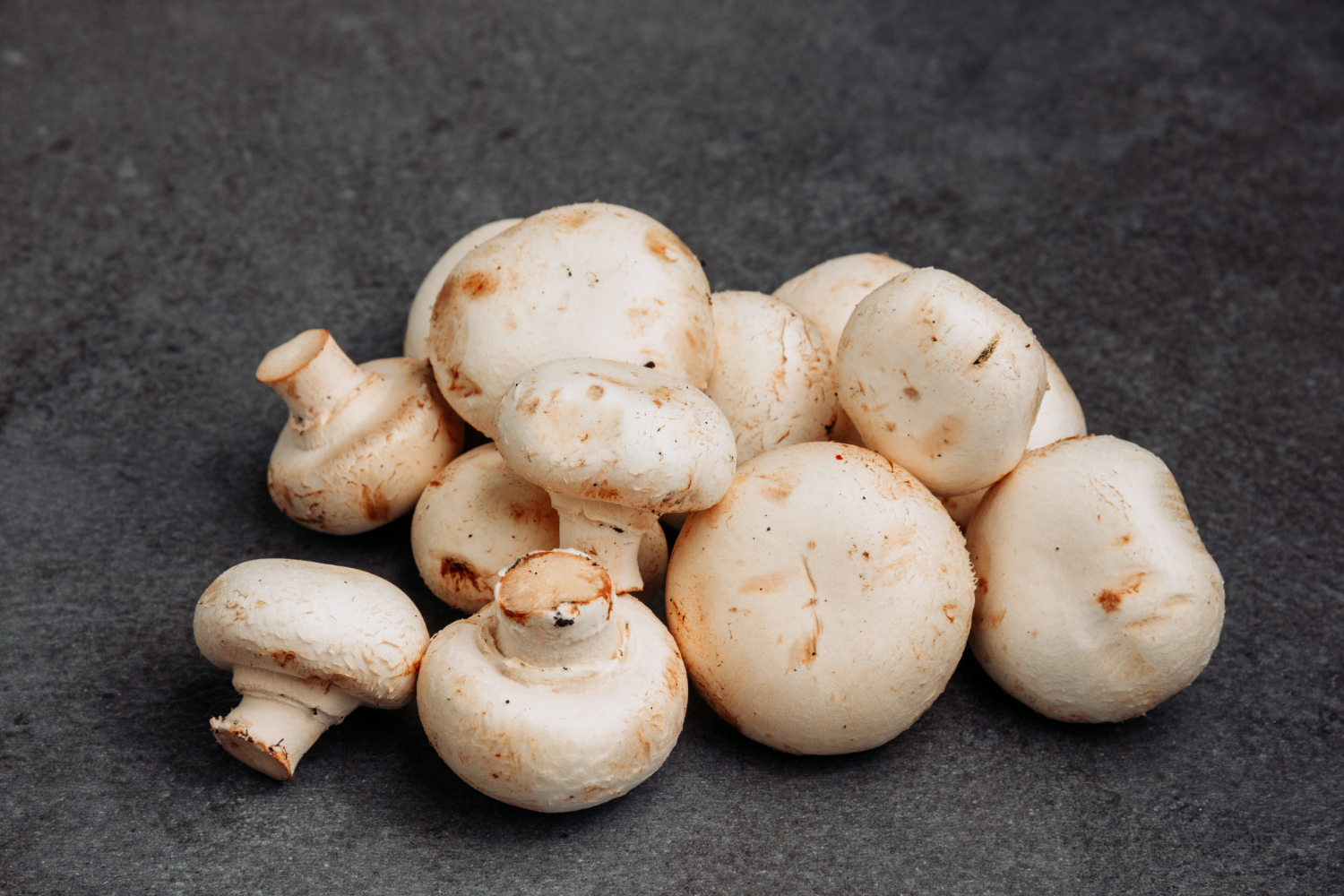
The difference between species is frequently textural rather than aromatic – dense and meaty, thin and delicate, gelatinous, fibrous, crisp – and that determines what each suits.
Substituting on flavour alone produces a dish with the wrong structure. Texture is the mushroom variable that governs which recipe works.
10. Some Are Used for Aroma Alone
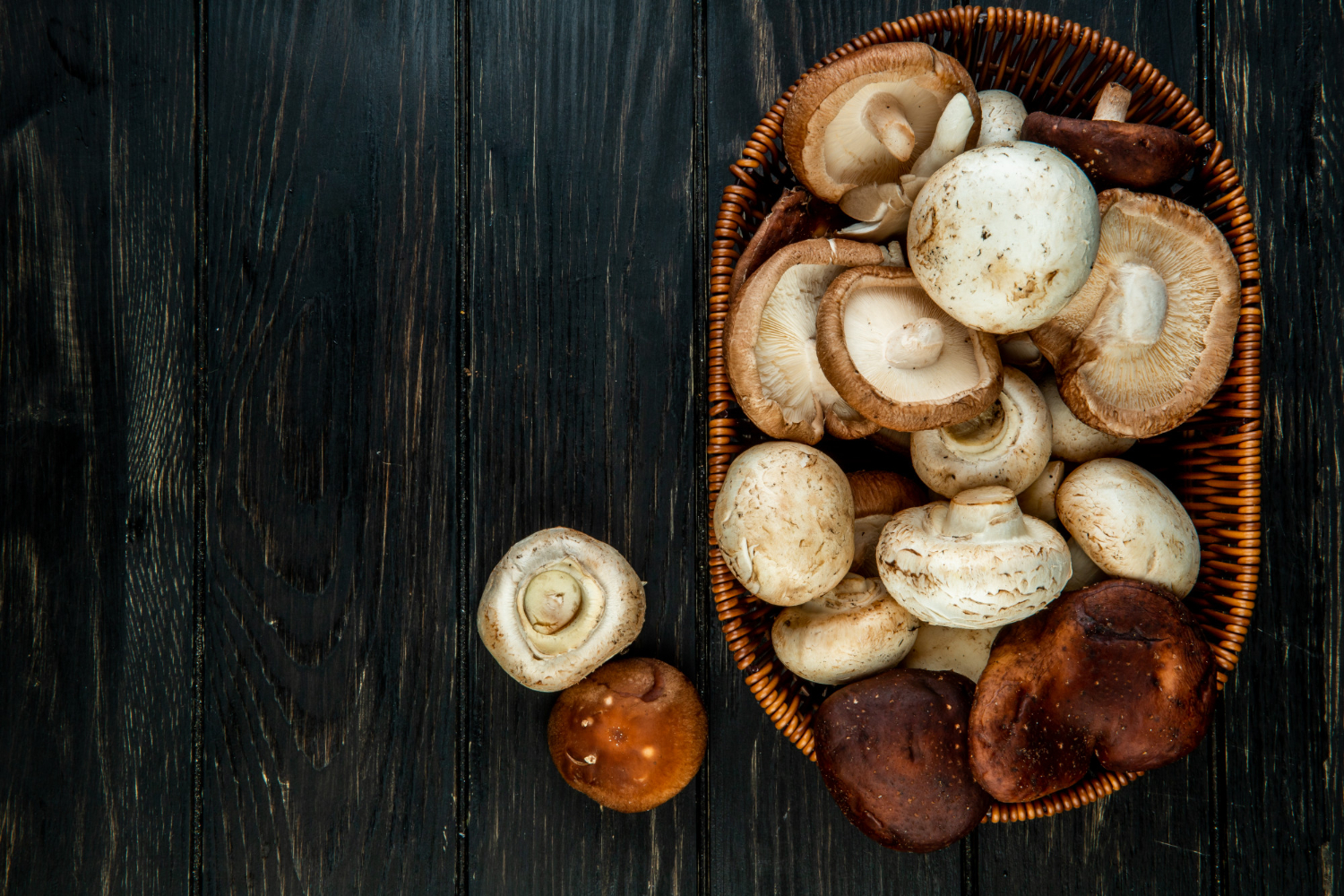
A few varieties are so strongly aromatic that they are used in very small quantities, shaved or grated at the end, and cooking them destroys the thing they were bought for.
Heat is the enemy in those cases. Aromatic mushrooms are the ones added after the cooking has finished.
11. They Take on Fat Readily
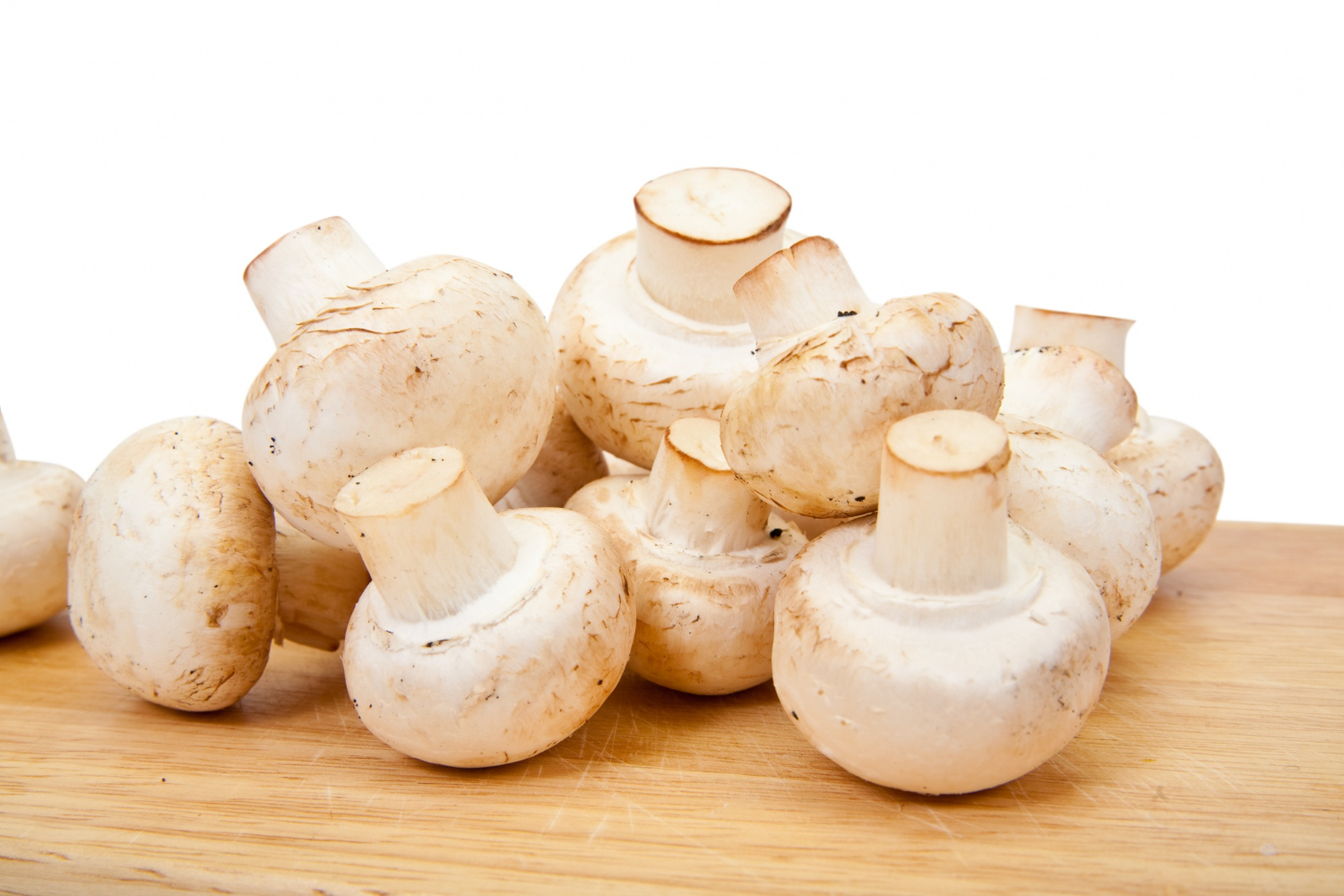
Mushrooms absorb whatever fat they are cooked in and carry it through the dish, which is why the choice of fat matters more with mushrooms than with most vegetables.
Adding fat too early means it disappears before browning begins. Fat absorption is the mushroom property that makes the cooking medium a flavour decision.
12. Salting and Pickling Are Old Solutions
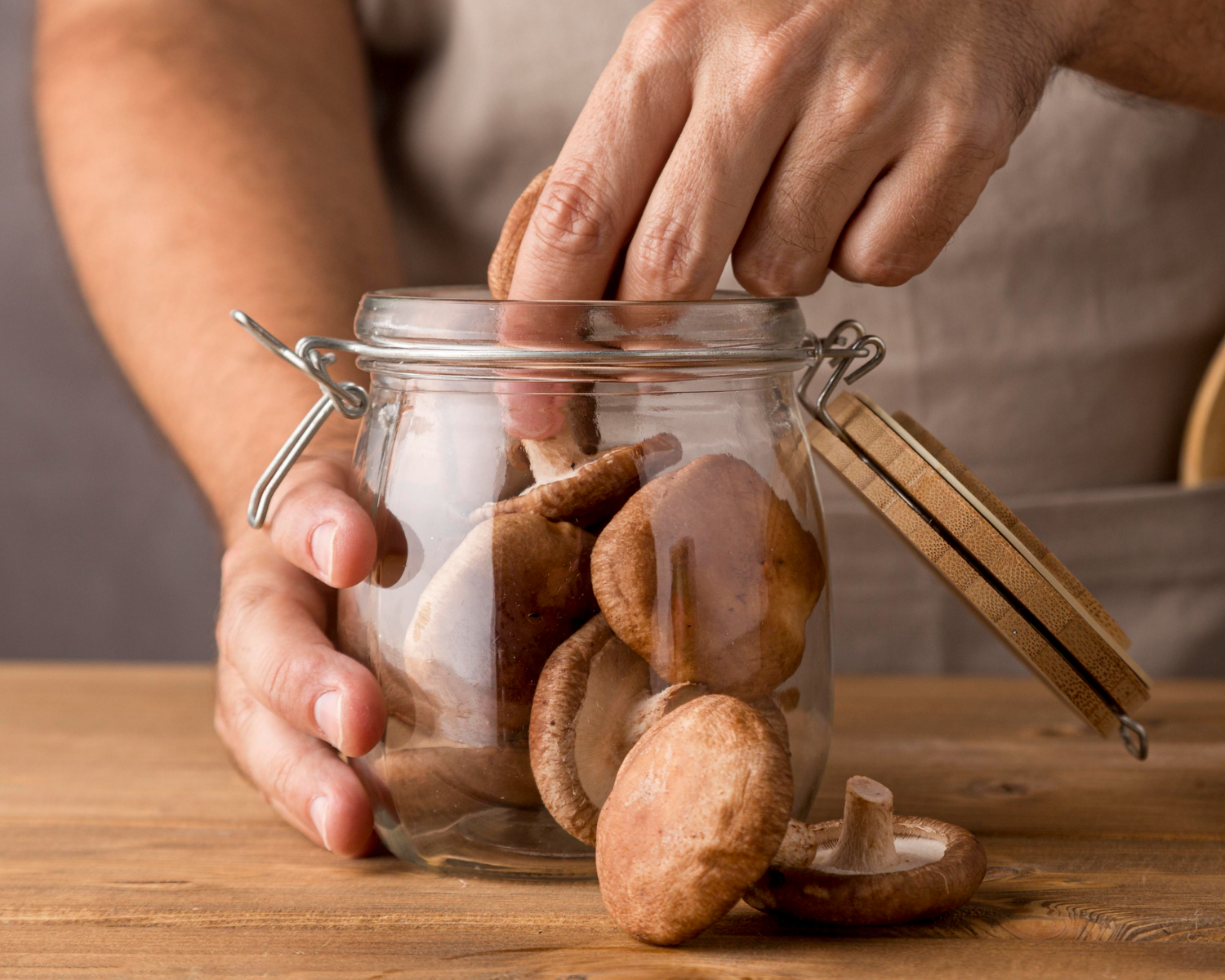
Long before refrigeration, mushrooms were preserved in salt or in acid across many regions, producing ingredients used in small quantities as seasoning.
Those preserves taste nothing like the fresh mushroom. Preserved mushrooms are the form developed to solve a storage problem and kept for the flavour.
14. Washing Is Less Catastrophic Than Claimed
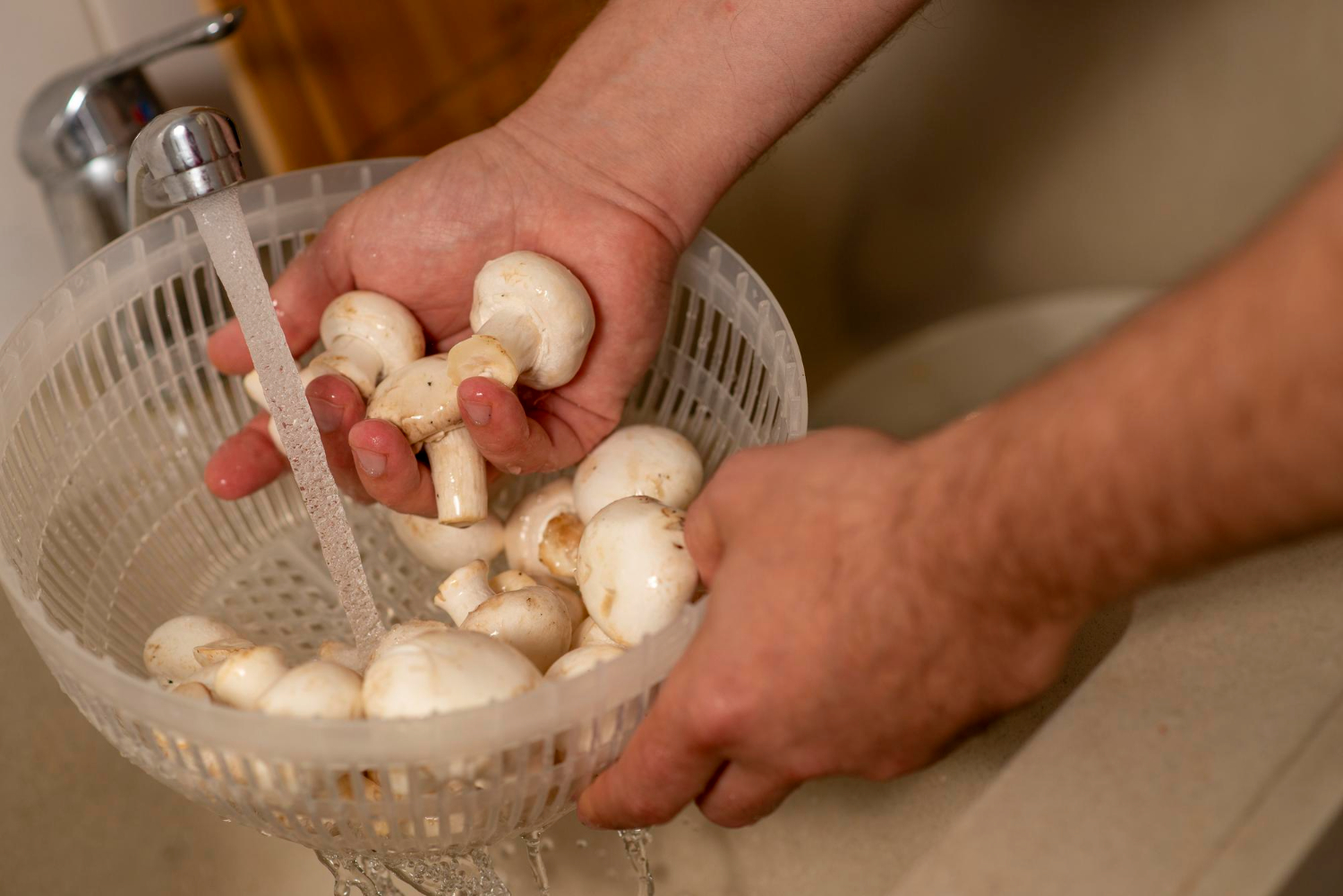
The instruction never to wash mushrooms is widely repeated and substantially overstated – they absorb far less water in brief rinsing than the warning implies.
What matters more is drying them properly before they meet heat. Washing is the mushroom rule that is more nuanced than the received version.
15. Cooking Transforms the Texture Completely
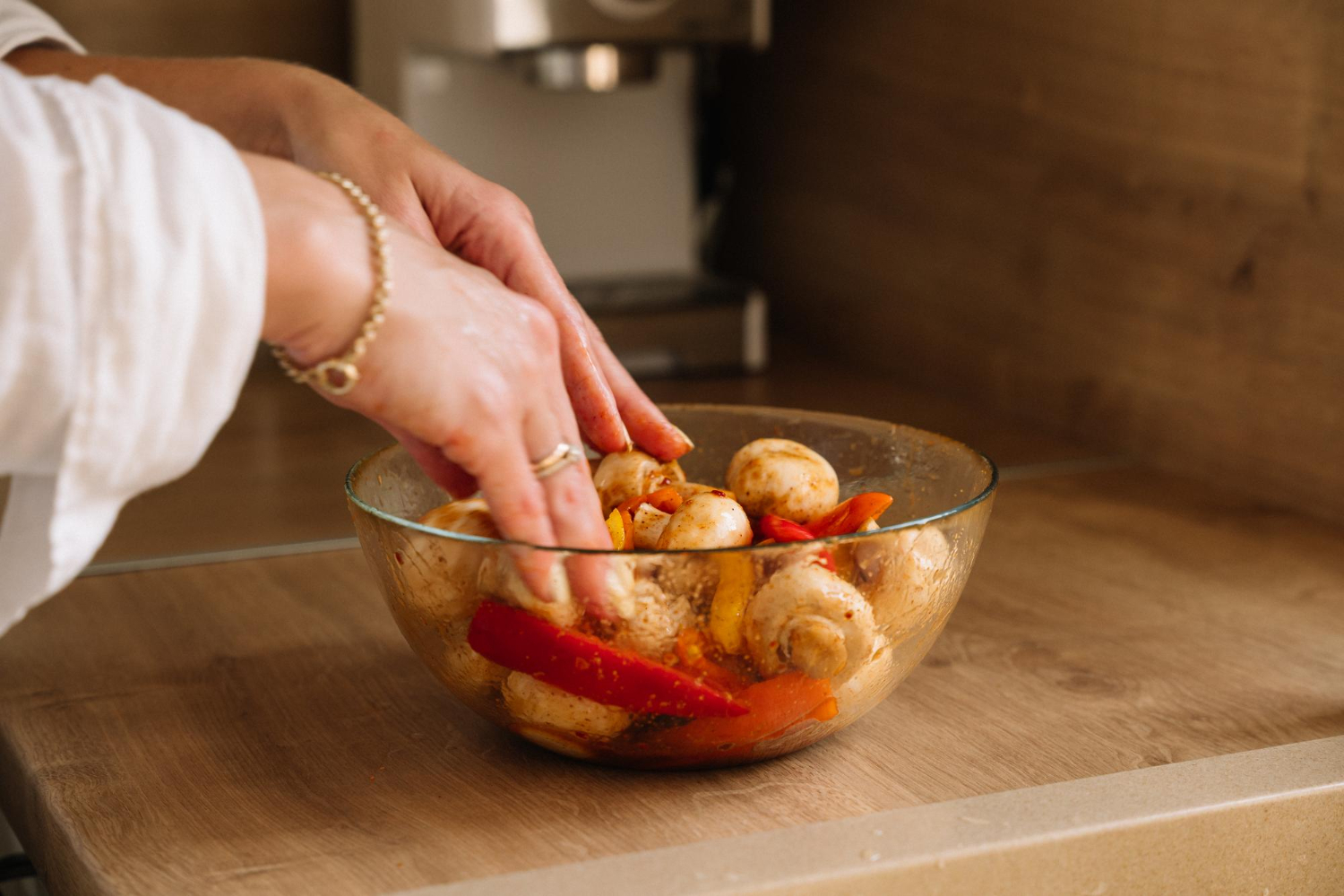
A raw mushroom and a well-cooked one have almost nothing in common structurally, which is why dishes calling for one are not improved by the other.
The change is more dramatic than with almost any vegetable. Cooking transformation is the mushroom property that makes raw and cooked separate ingredients.
Water, Heat and Where the Moisture Goes
Almost every technique here is a decision about moisture – releasing it, evaporating it, concentrating it, or putting it back. Get that right and mushrooms are straightforward; get it wrong and they are grey.
One thing must be said plainly. Everything above concerns mushrooms you have bought. Identifying wild fungi is a specialist skill that takes years to acquire properly, mistakes can be extremely serious, and nothing in this article supplies any of that knowledge or is intended to. Buy them from people whose job it is to know what they are selling.
Like our content? Follow us for more.