

Most archaeological finds are objects. Something survives, it is recovered, and it can be examined, measured and displayed.
Occasionally the significant find is not an object at all but a shape in the ground — a place where something used to be, recorded in the surrounding soil after the thing itself has decayed completely.
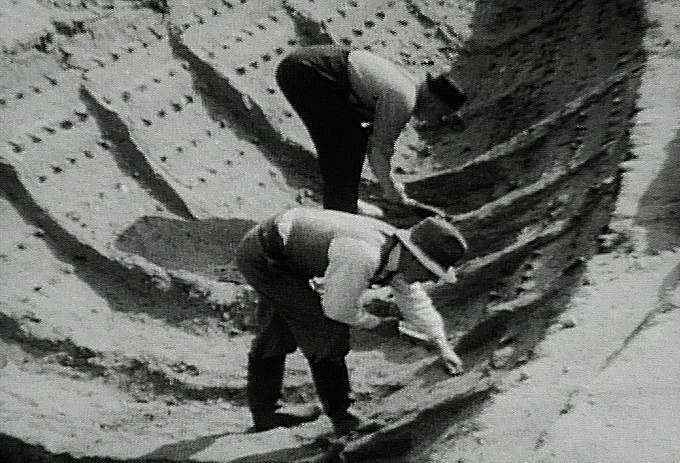
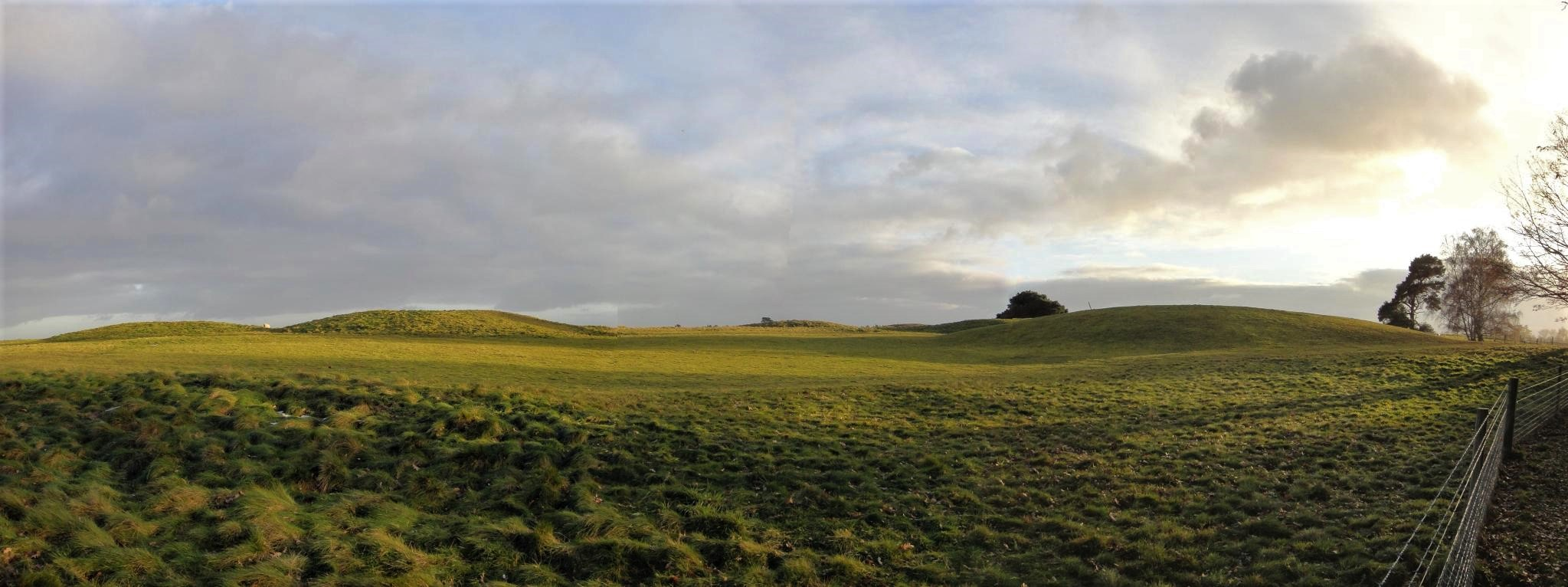
That is what was found in a field in eastern England in the summer of 1939. A ship of substantial size had been dragged from a river, placed in a trench and buried under a mound, and over roughly thirteen centuries the acidic sandy soil had consumed every part of it.
What remained was the hull as a discoloration in the sand, holding its shape, with lines of corroded iron rivets marking where the planks had overlapped. The excavators were digging out a hole in the ground that happened to be ship-shaped.
Why Nothing Survived and the Shape Did
The chemistry explains both halves of the situation.
The soil in that area is sandy, free-draining and acidic. Those conditions destroy organic material efficiently — timber, textile, leather and bone all decay, and in strongly acidic sand even bone can vanish entirely.
But decay is not disappearance. As the wood broke down it stained the surrounding sand, leaving a dark compacted layer following exactly the surface the timber had occupied. The sand around it retained the compression of the buried hull.
The iron rivets that had held the overlapping planks corroded and did not dissolve, so they remained in position, marking the seams of a vessel that no longer existed.
The result was a negative impression, structurally fragile, held together by nothing but the packing of the sand and the discipline of whoever was removing the soil around it.
Excavating that required a technique closer to sculpture than to digging. Material had to be taken away from around a shape that would collapse if disturbed, with the shape itself being the find.
Like our content? Follow us for more.
What Was in It
At the centre of the vessel had been a chamber, and its contents are the reason the site is famous.
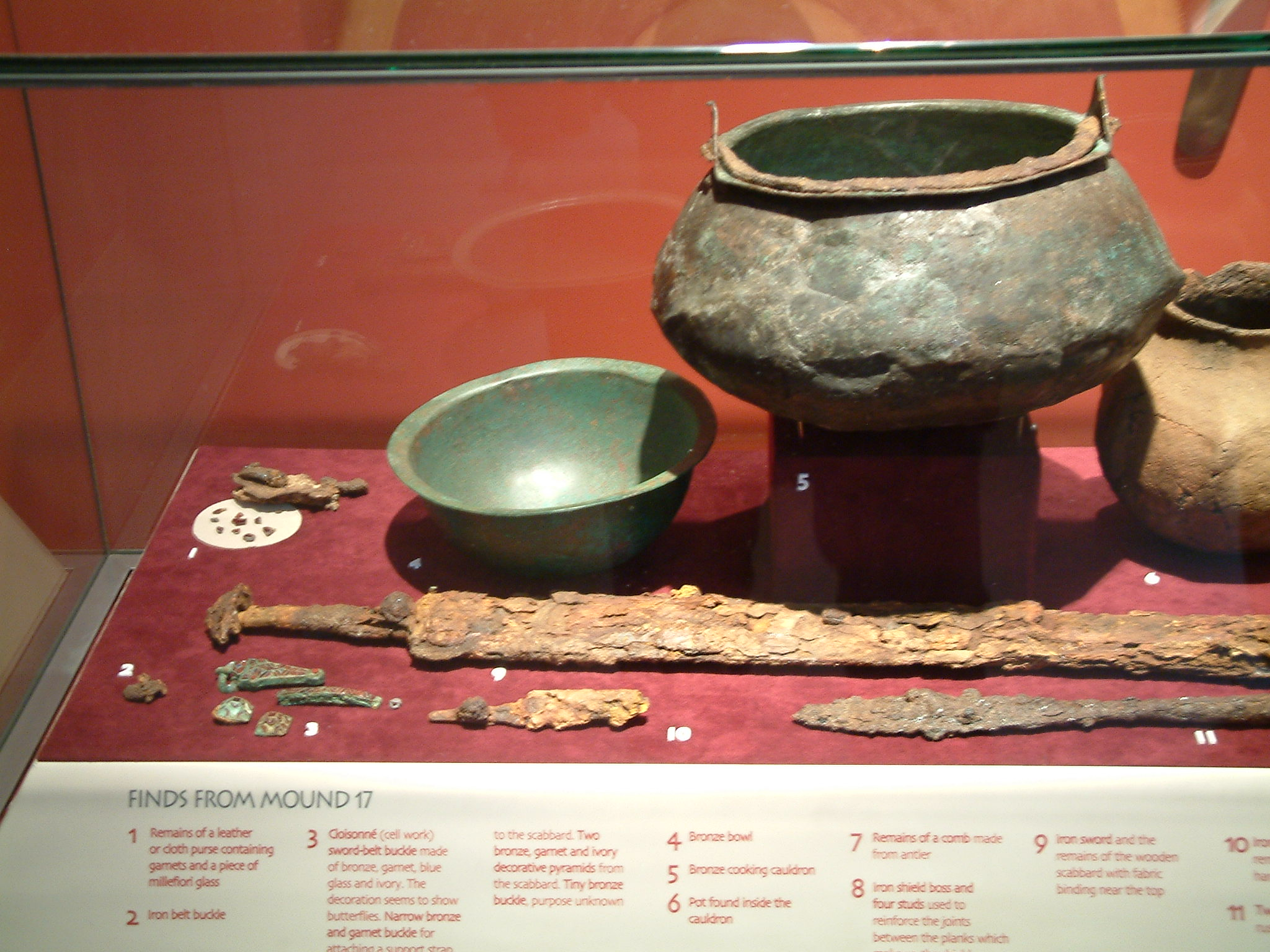
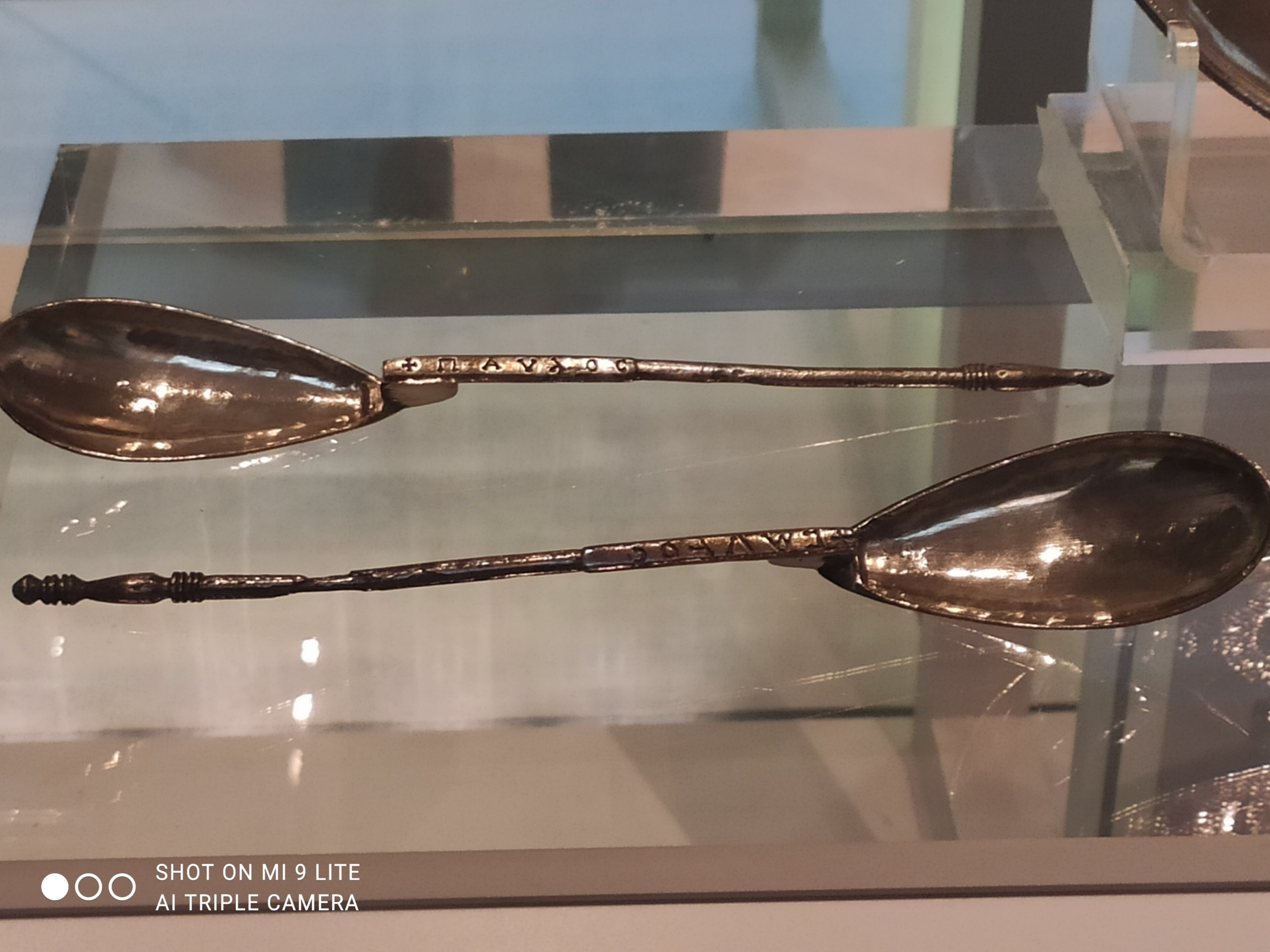
The assemblage is exceptional in quality and in range: weapons and armour, vessels of precious metal, drinking equipment, decorative fittings, coins, and objects of gold and garnet worked to a standard that changed how the period was understood.
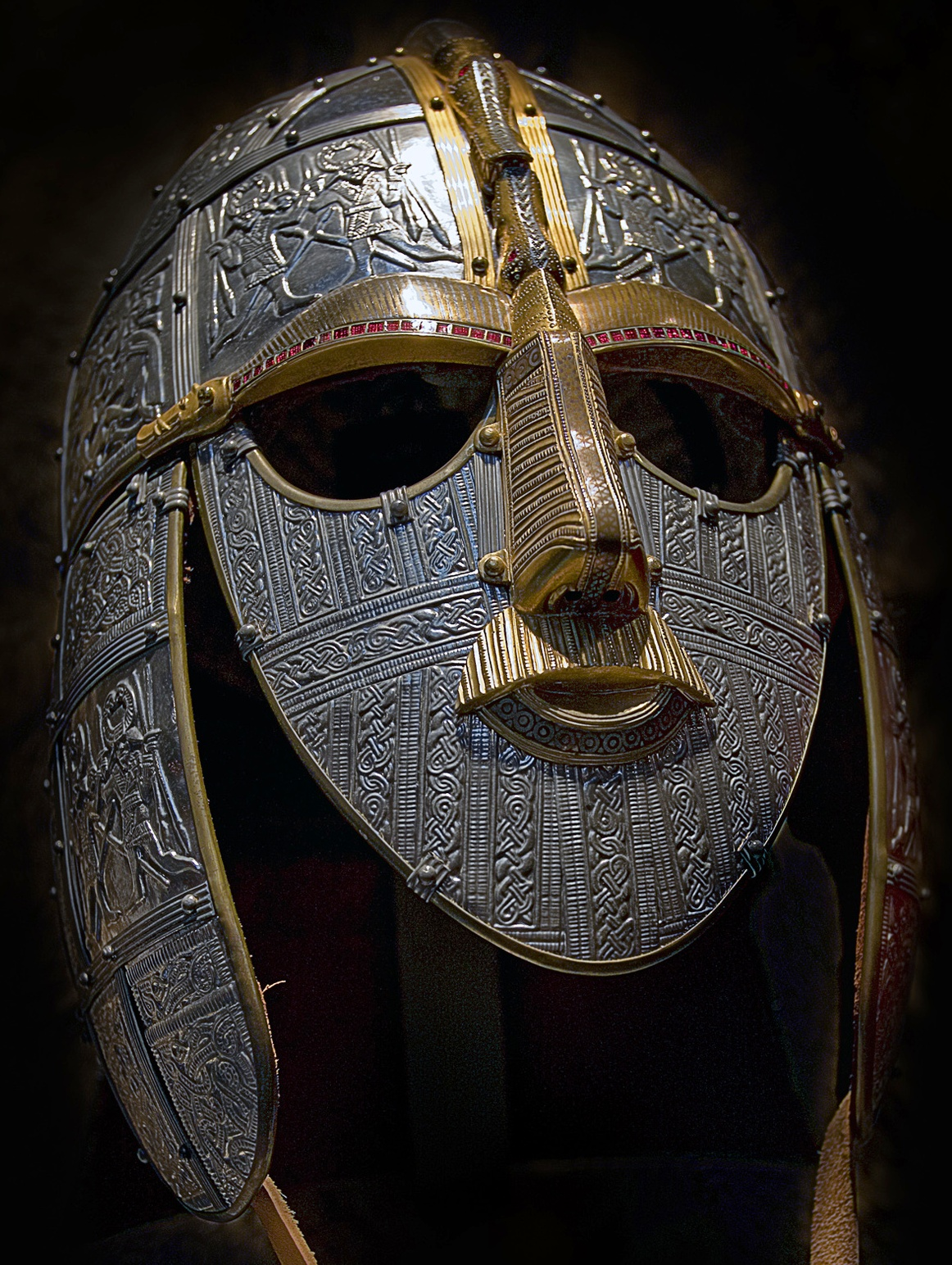
The most reproduced object is a helmet, which was recovered as hundreds of fragments and has been reconstructed twice, the second reconstruction correcting the first.
Coins in the assemblage allowed dating, and the range of origins represented — objects and materials from widely separated regions — demonstrated trade and contact across distances that had not been credited.
The significance was interpretive rather than only material. The period had been characterised as impoverished and isolated, largely because so little survived from it. A burial of this quality made that characterisation untenable.
Whose burial it was is not established. Candidates have been proposed on the basis of date, wealth and location, and no name is recorded anywhere on the site.
There is a second consequence of the soil chemistry that shaped what could be learned. Objects of iron, gold, silver, garnet and bronze survived because they are mineral; anything of wood, leather, textile or horn is known only from traces, staining and impressions, or from the corroded metal fittings that once attached to it.
That means the assemblage is systematically biased toward the durable. Whatever was buried in organic materials – and in a burial of that scale it would have been substantial – is simply absent from the record, and the surviving objects are the subset that happened to be made of things acid does not dissolve.
The Body That Was Not There
One of the more discussed features is the absence of human remains.
No body was found in the chamber. Two explanations have been argued: that the burial was a memorial without a body, or that a body was present and the acidic soil destroyed it entirely.
Later chemical analysis of the soil in the chamber has been read as supporting the second, with elevated phosphate levels consistent with a body having decayed there, though the interpretation is not universally accepted.
The uncertainty is itself informative about the site. In conditions that dissolve a ship, the absence of something is weak evidence that it was never there.
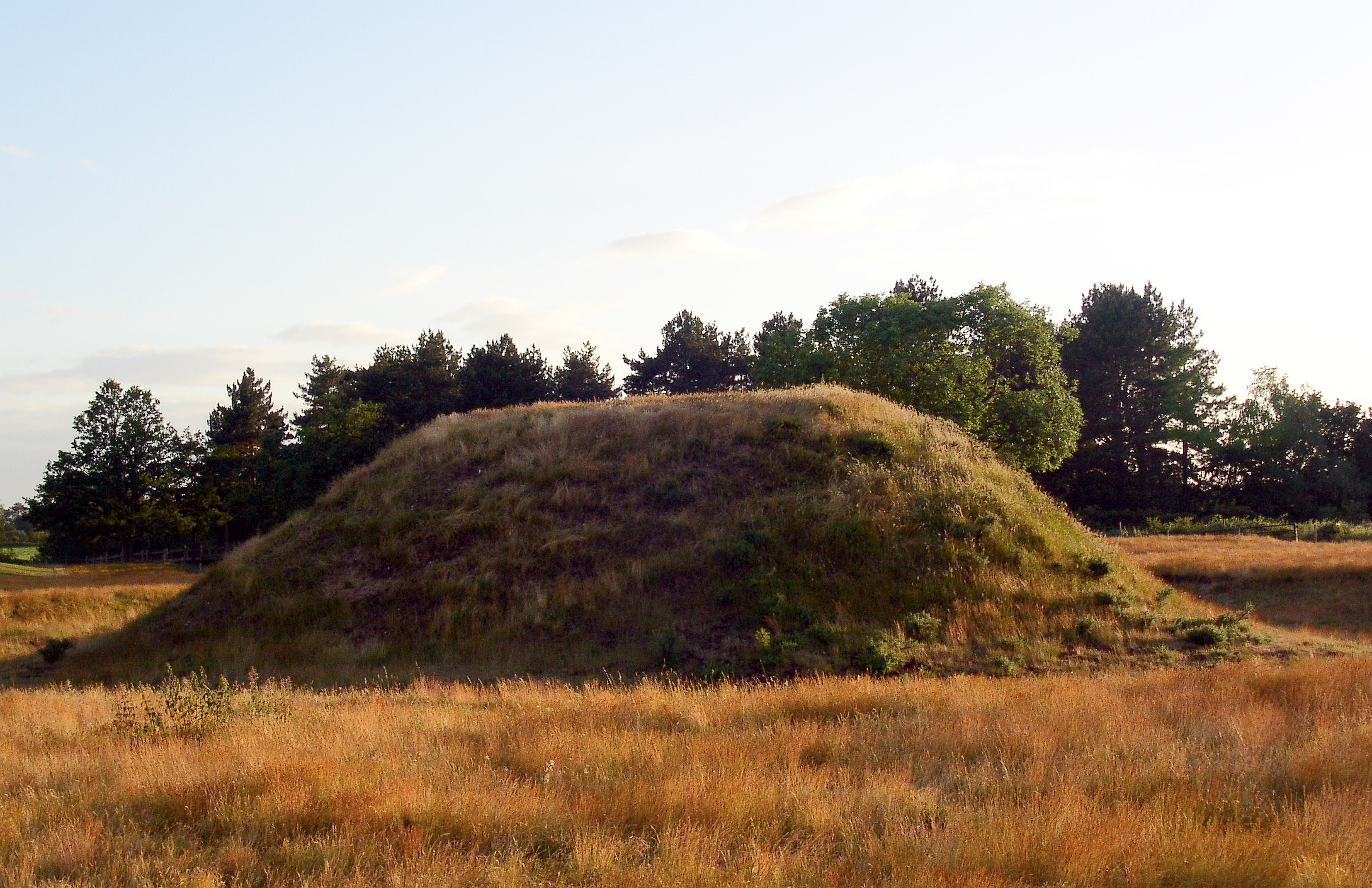
There is one further category of evidence worth noting. Mound burials attract later attention, and several mounds at the site show signs of having been entered at some earlier period, with material removed.
The mound containing the ship burial had not been successfully reached, apparently because an earlier attempt was dug in the wrong place and missed the chamber by a small margin. Whether that was chance or a misjudged calculation is not recoverable.
Everything known about the burial therefore depends on somebody, centuries ago, digging a shaft that stopped short.
The Timing
The excavation happened in the summer of 1939, which is the detail everybody who knows the story remembers.
Work concluded in August. The material was assessed, an inquest determined ownership, and the finds were then packed away and stored for the duration of what followed.
Detailed study and publication were consequently delayed by years. The site was backfilled, and parts of the excavation record were lost or damaged in the interval.
There is a second-order consequence. The 1939 excavation was conducted quickly, by a small team, under pressure, using the methods of the time. Later work at the site has been able to apply techniques that did not then exist, and has recovered information the original excavation could not.
That is not a criticism of the excavators, who did remarkable work in the circumstances and whose recording of the ship impression was the achievement of the project. It is a reminder that an excavation is destructive and unrepeatable, and that whatever is not recorded is gone.
What a Ship Burial Meant
The practice itself deserves explanation, because it is not intuitive.
Burying a functional vessel, complete, along with substantial wealth, is an enormous expenditure. The ship had to be built or acquired, brought from the water, hauled uphill, placed in a prepared trench and covered with a mound — a project requiring organised labour and a decision to remove a valuable object from use permanently.
Ship burials are known from several regions and periods and are consistently associated with high status. Interpretations connect them to voyage, to display, or to a claim about lineage and authority made through conspicuous expenditure.
The consumption is arguably the point. Placing wealth in the ground where it cannot be recovered is a demonstration that the group can afford to do so, which is a message directed at the living rather than at the buried.
What the Objects Were Made Of
The assemblage rewards attention to materials rather than only to appearance, because the materials carry the argument.
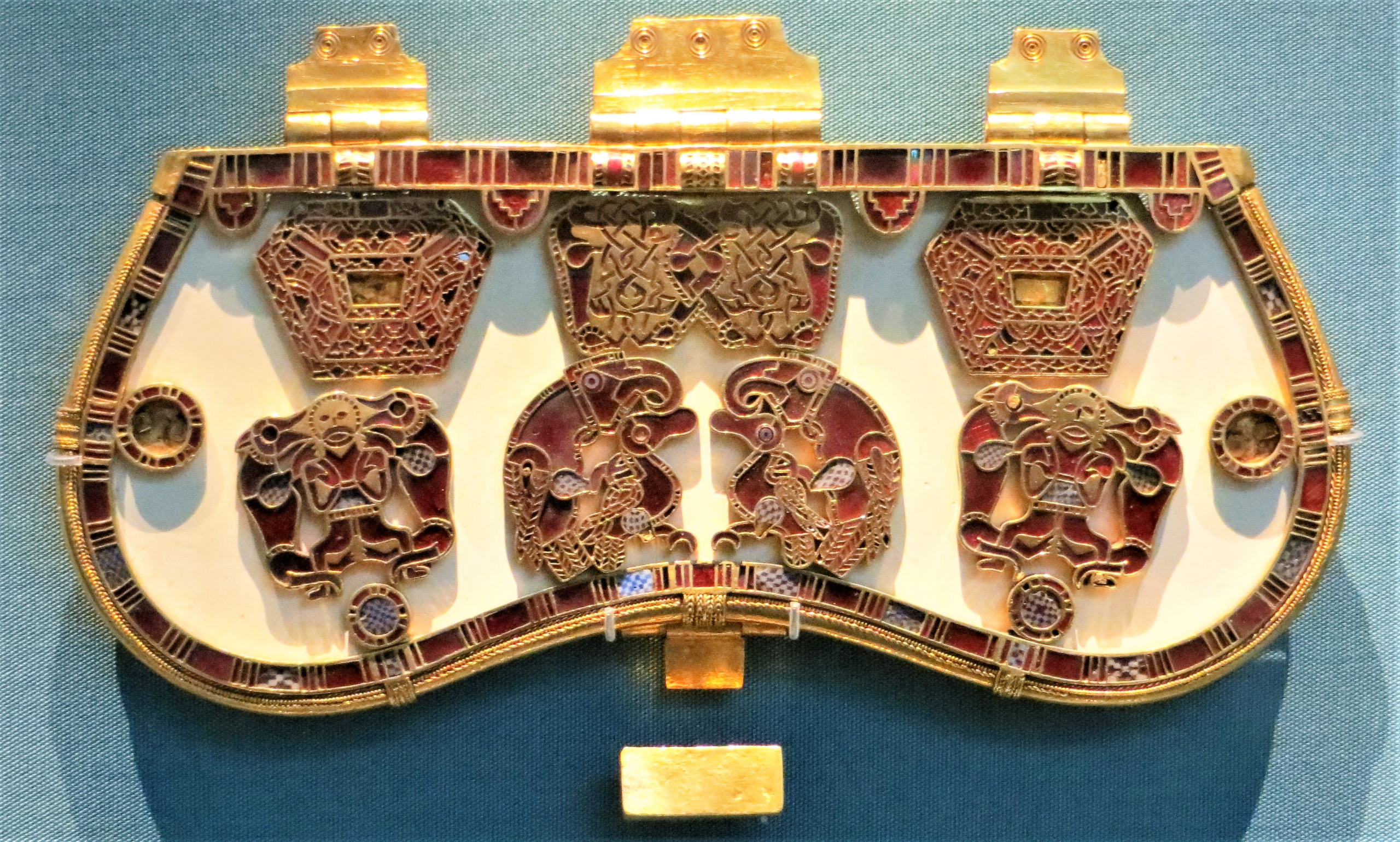
Garnet was used extensively in the finest metalwork, cut into thin plates and set into gold cells over patterned foil so that light returns through the stone. The technique requires precision at a very small scale and considerable quantities of a stone that does not occur locally.
The gold itself had to be obtained, worked and alloyed. Silver vessels in the assemblage came from a considerable distance. Coins in the burial originated elsewhere again.
That distribution of origins is the point. A burial containing garnet from one region, silver from another and coins from a third is evidence of exchange networks operating over long distances and functioning reliably enough for a single individual to accumulate the results.
There is a manufacturing implication as well. The quality of the metalwork indicates specialists working to a very high standard, which requires patronage capable of supporting them, materials capable of reaching them and a market for the output.
None of that is compatible with a picture of an isolated subsistence society, which is what the period had been assumed to be — largely on the evidence of what usually survives from it, which is very little.
That is the wider methodological point. Absence of evidence had been read as evidence of absence, and one burial that happened to survive corrected it.
An Excavation of Nothing
What makes the site worth understanding is the inversion at the centre of it.
The most important thing found there was not recovered, not conserved, not displayed and no longer exists. The ship was a shape in sand, recorded in photographs, drawings and measurements, and then covered over again.
Everything known about that vessel comes from documentation of an absence, produced by people working carefully around a form that would have vanished on contact.
The objects from the chamber are magnificent and they are, in a sense, the smaller part of it. The ship is why the site changed the understanding of a period, and the ship was already gone before anybody arrived.
Which is an unusual definition of a find: not an object, but the evidence that an object had been there, preserved by the same conditions that destroyed it.
Like our content? Follow us for more.
