Thickening means making a liquid resist flowing, and there are only a few ways to do that. Everything below is one of them, and every failure is that mechanism being pushed past what it tolerates. Here are fifteen.
1. Starch Granules Swell and Then Burst
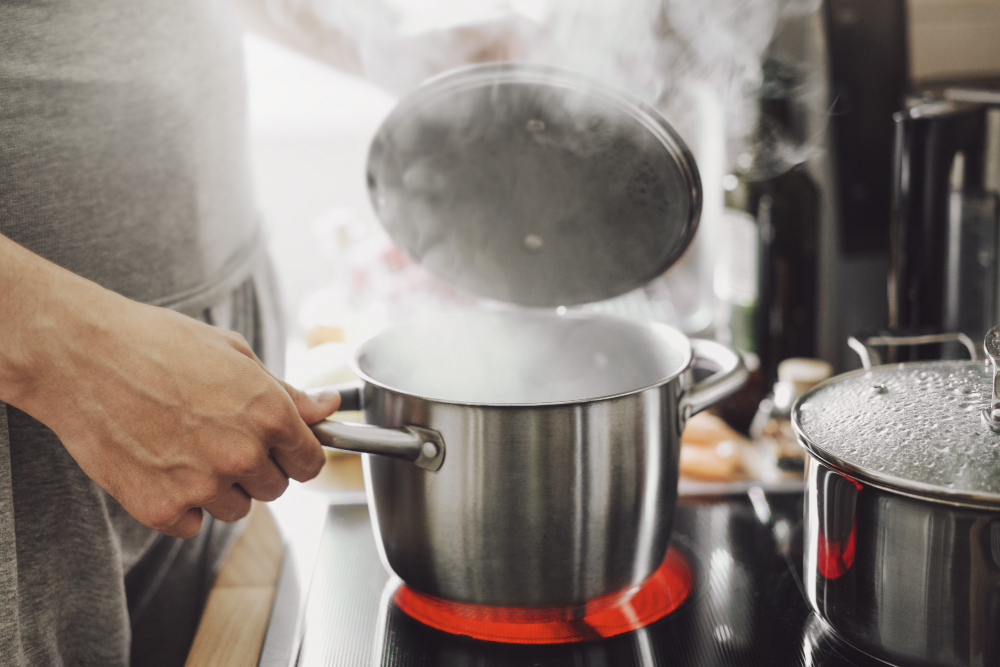
Heated in water, starch granules absorb liquid and expand enormously, then rupture and release long molecules that tangle together and impede flow.
That tangling is the thickening. Gelatinisation is the mechanism behind most thickened liquids anywhere.
Like our content? Follow us for more.
2. Which Is Why Boiling It Too Long Thins It
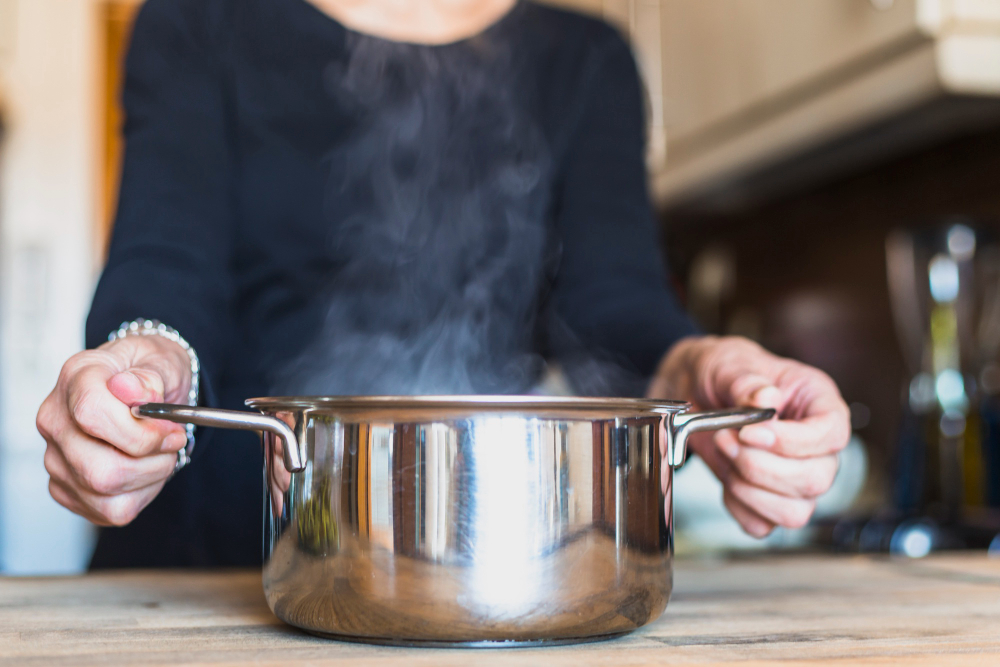
Continued heat and agitation break those released molecules into shorter fragments that tangle less, so an over-boiled starch-thickened sauce becomes thinner rather than thicker.
More cooking is not more thickening. Molecular breakdown is the failure that looks like the opposite of what should happen.
3. Lumps Form Because the Outside Wets First
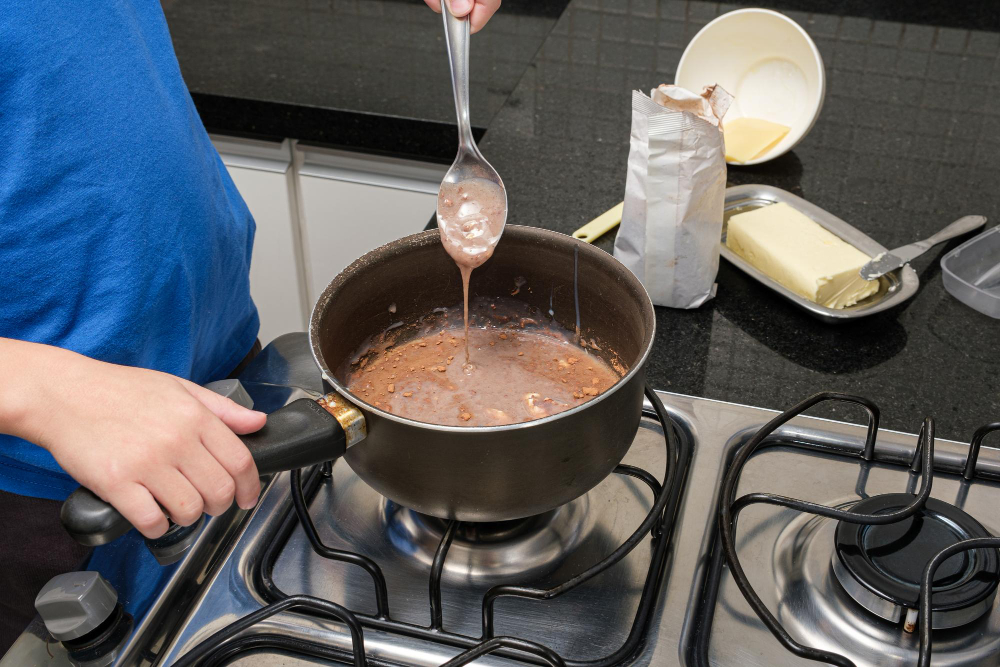
Starch added directly to hot liquid gelatinises on the surface of each clump, sealing the dry interior inside a gel skin that water cannot penetrate.
The lump is dry powder in a jacket. Surface sealing is why lumps cannot be whisked out afterwards.
4. So It Has to Be Dispersed Cold
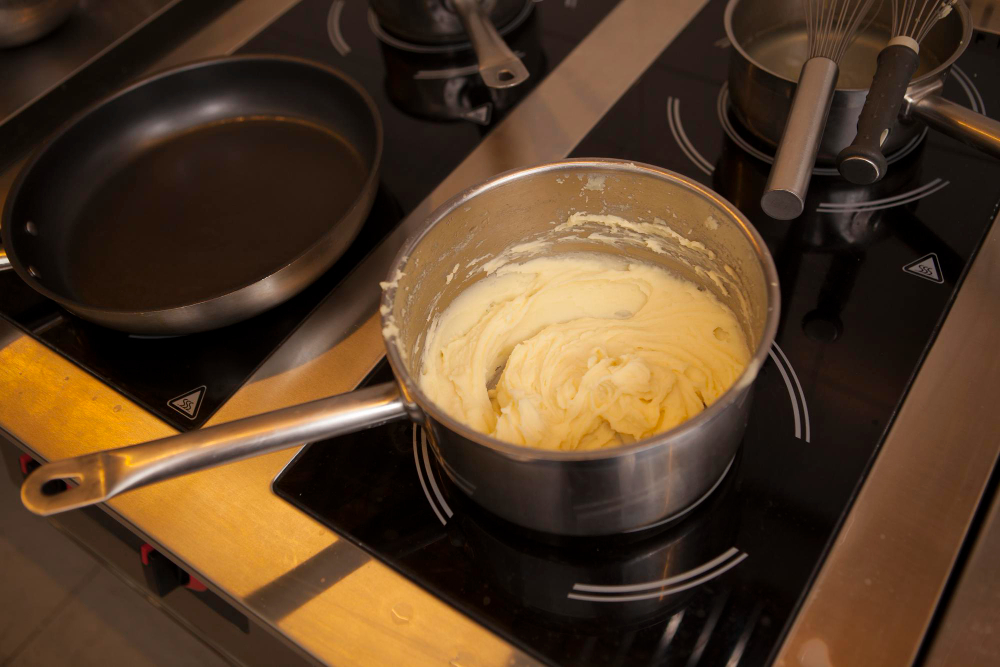
Mixing starch with cold liquid separates the granules before any of them can gelatinise, so they swell individually when heat arrives.
Any cold liquid works. Cold dispersion is the step that prevents the previous item entirely.
5. Or Dispersed in Fat
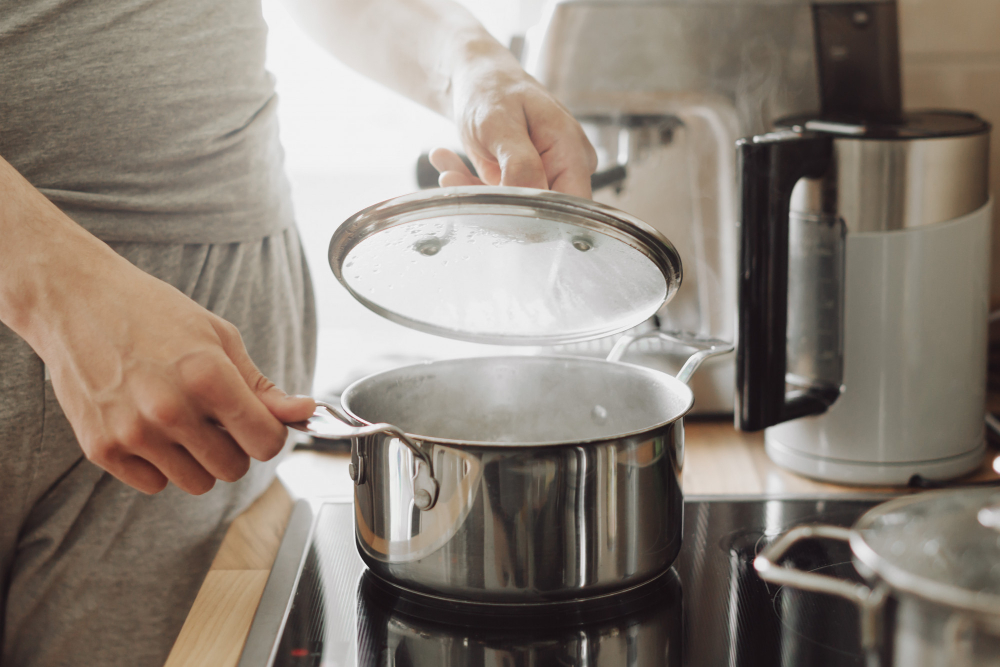
Cooking flour in fat coats each starch granule so they stay apart when liquid is added, which achieves the same separation by a different route and also cooks out the raw flavour.
The two methods solve one problem. Fat dispersion is the traditional version of the same principle.
6. How Long You Cook the Fat and Flour Changes Everything
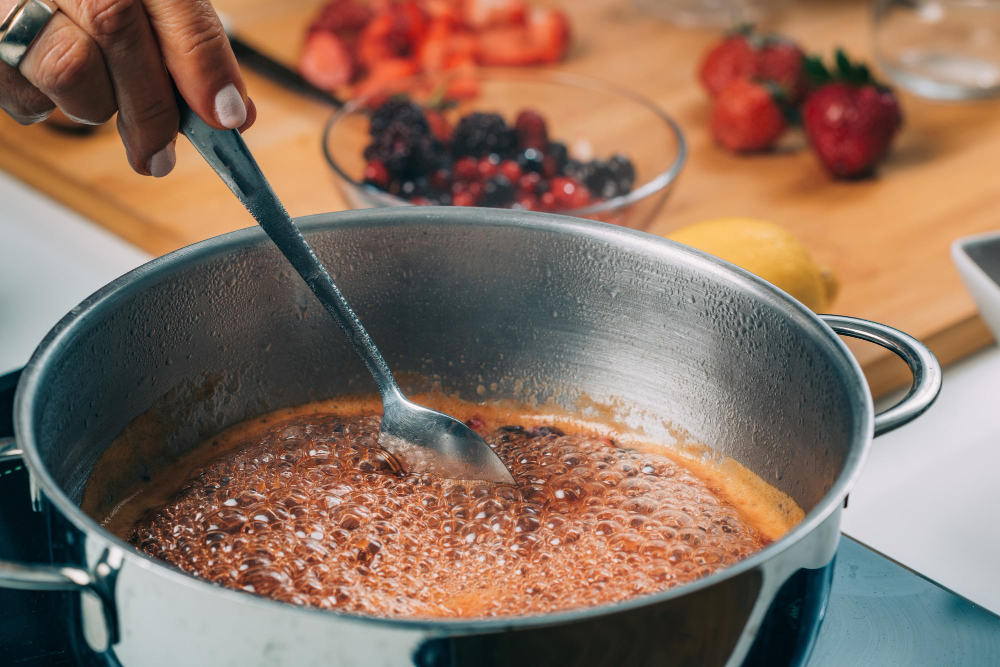
Extended cooking browns the flour, which develops flavour and simultaneously reduces its thickening power because the starch is being broken down.
A dark base thickens substantially less than a pale one. Cooking duration is the trade between flavour and thickening.
7. Different Starches Behave Differently
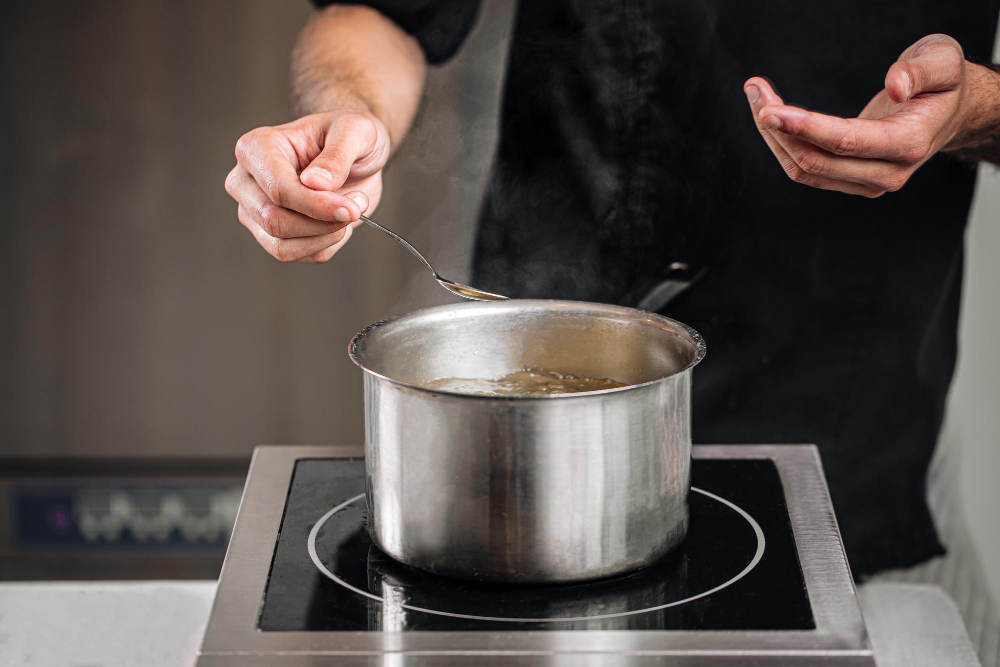
Starches from different plants gelatinise at different temperatures, tolerate acid and freezing differently, and produce results ranging from cloudy to almost clear.
They are not interchangeable by weight or by result. Starch source is the variable that determines clarity and stability.
8. Acid Interferes
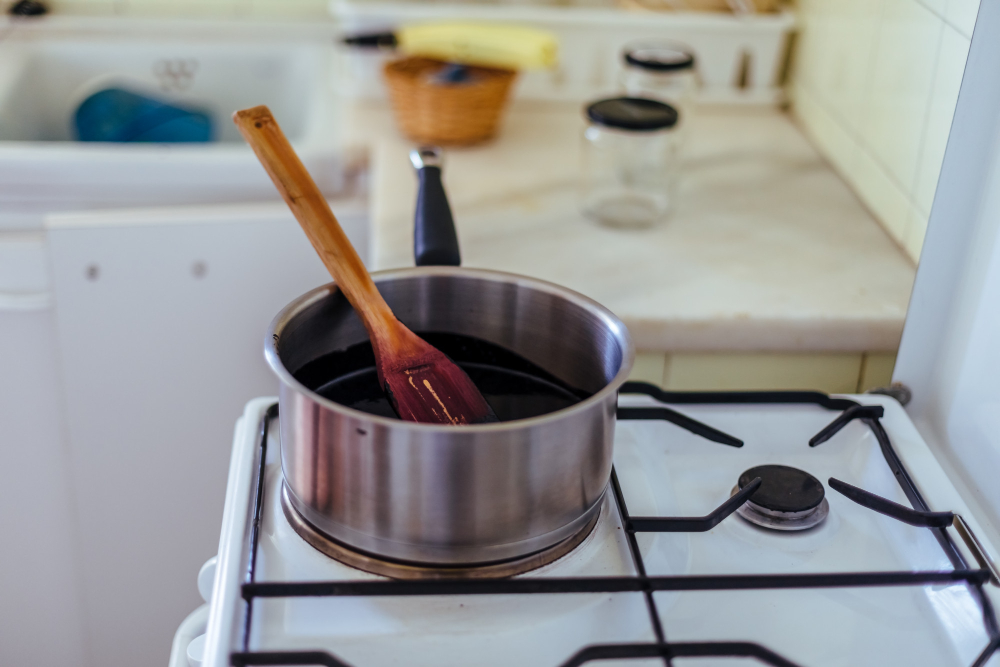
Acidic conditions break starch molecules down, which is why a sauce thickened and then acidified may thin, and why acid is generally added after thickening.
Some starches tolerate it far better than others. Acid sensitivity is the reason order of addition matters.
9. Egg Yolk Thickens by Setting
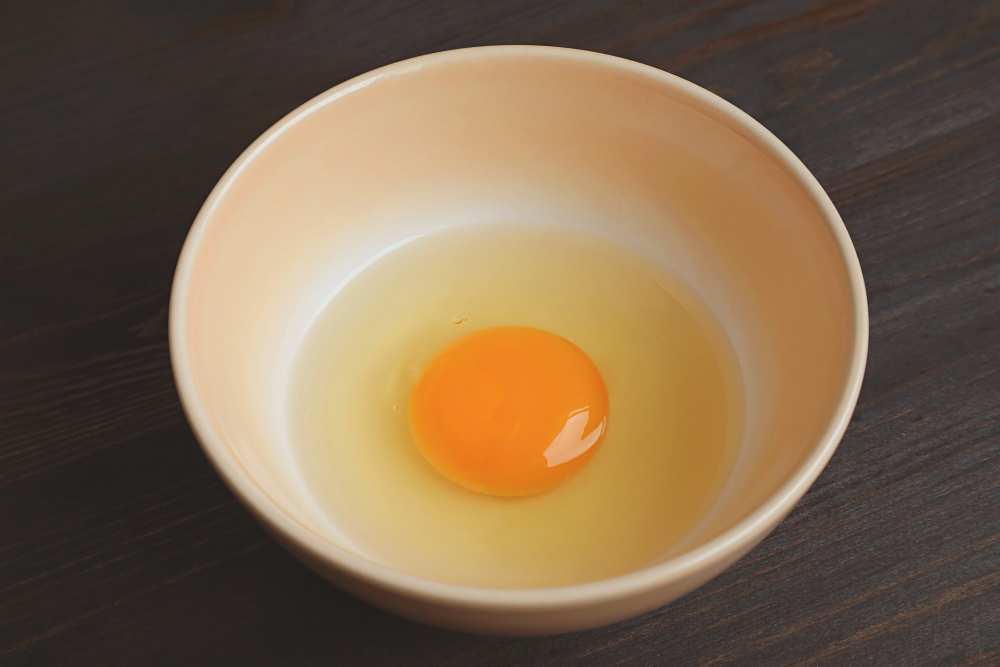
Yolk proteins unfold and link together with gentle heat, forming a network that thickens the liquid – and above a narrow temperature range they contract and curdle instead.
The window is small and unforgiving. Protein coagulation is thickening with a much sharper failure point than starch.
10. Droplets Crowd Each Other
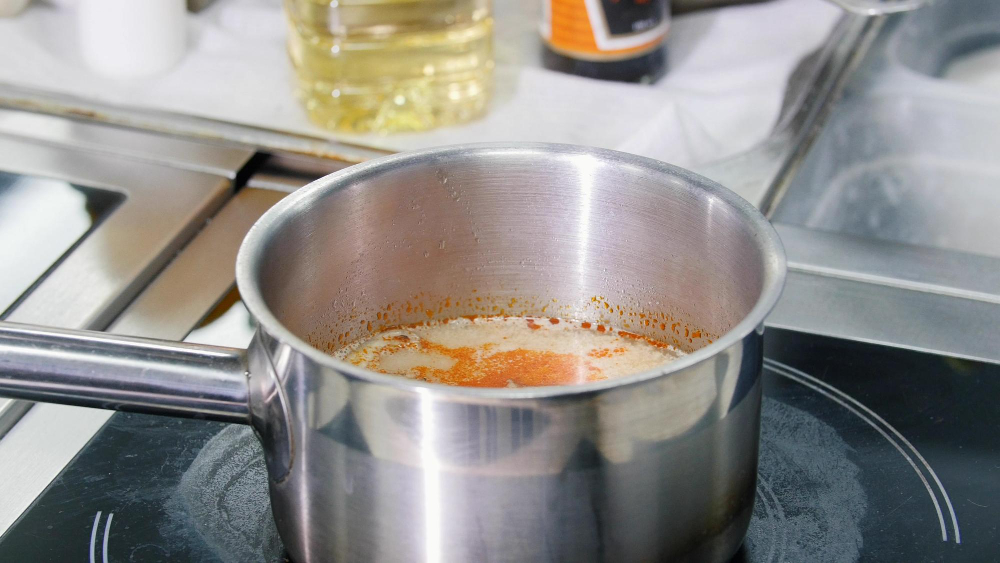
An emulsion thickens because dispersed droplets of one liquid fill the space and cannot move past one another freely, which resists flow without anything dissolving.
The more droplets and the smaller they are, the thicker it becomes. Droplet crowding is thickening by geometry rather than chemistry.
11. Which Is Why It Breaks
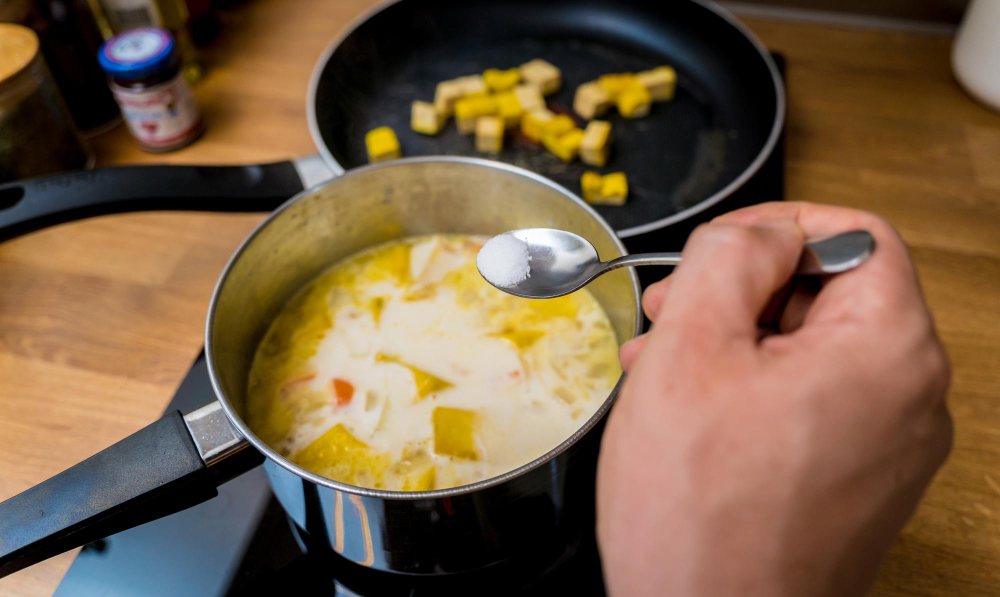
If the droplets merge back together, the crowding disappears and the mixture separates into layers, losing all the thickness at once.
Heat, agitation and imbalance all cause it. Emulsion failure is the collapse that happens suddenly rather than gradually.
12. Reduction Removes Rather Than Adds
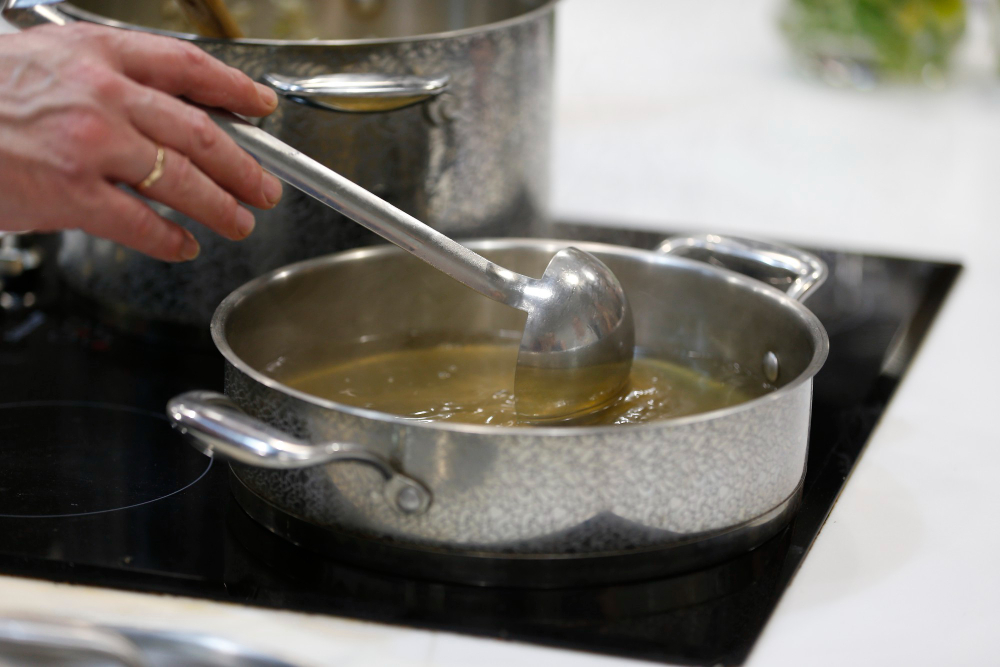
Boiling away water concentrates everything already present – gelatin, sugars, solids and flavour – which thickens the liquid without introducing anything new.
It also concentrates salt and anything wrong with it. Concentration is the method that changes proportion rather than composition.
13. Purée Thickens With Solids
Blended vegetables, pulses or fruit suspend fine particles throughout a liquid, which impedes flow in the same way as any suspension.
The thickening is physical and the flavour is inseparable from it. Suspended solids are thickening you can taste.
14. Gels Set on Cooling
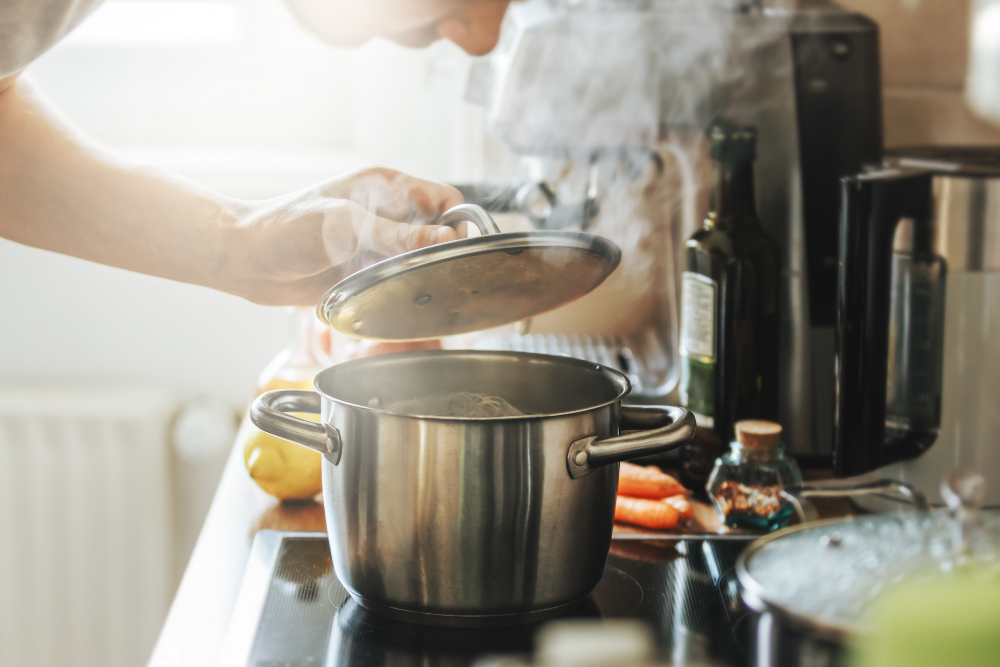
Gelatin and pectin form networks that trap liquid, but they do it as the mixture cools rather than as it heats, so nothing appears to be happening while it is hot.
Judging one warm is meaningless. Cooling-set gels are the method whose result arrives after the cooking.
15. Everything Thickens Further as It Cools
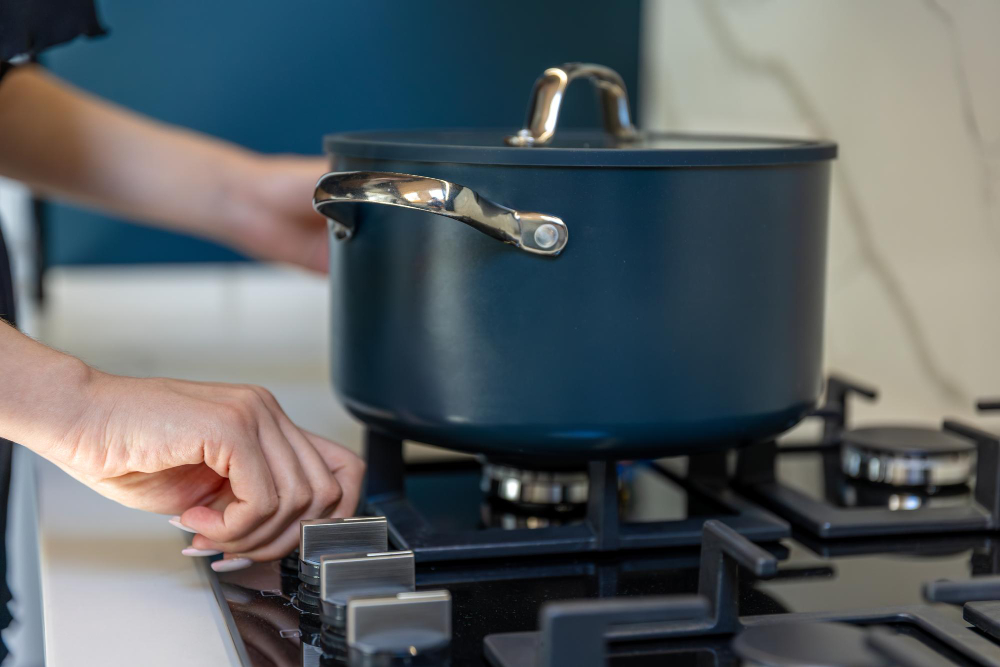
Nearly all thickened liquids are thinner hot than they will be cold, which means a sauce adjusted to the right consistency in the pan will be too thick on the plate.
Aiming slightly thin is the standard correction. Cooling thickening is the reason sauces are judged at serving temperature.
Swelling, Setting, Crowding or Concentrating
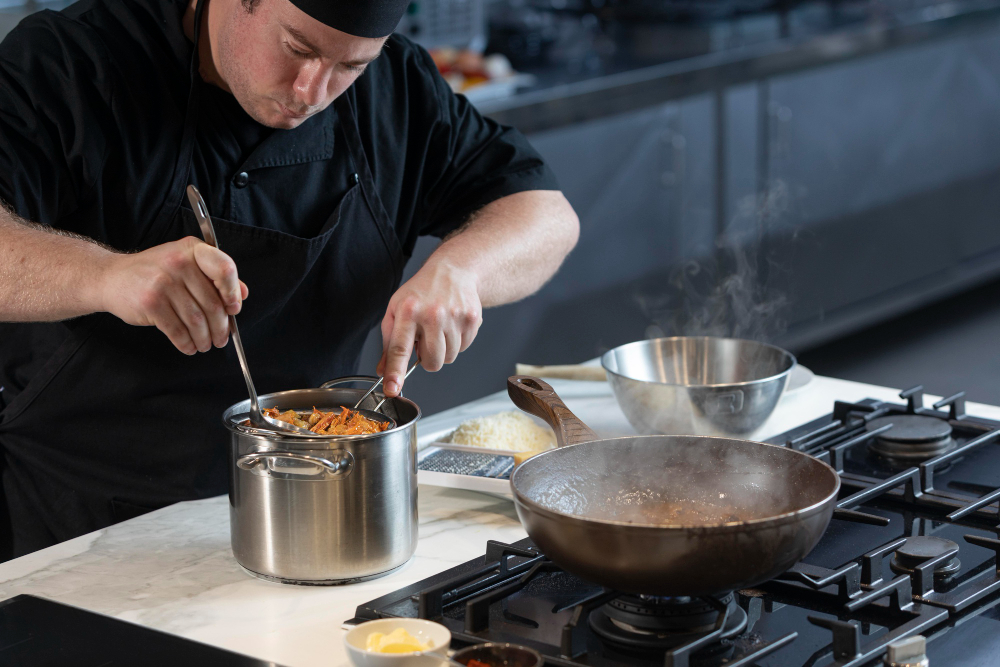
Starch tangling, protein setting, droplets crowding, water leaving, solids suspending or a gel network forming – five mechanisms that account for every thickened liquid there is.
The last item is the practical one and it explains a great many disappointing sauces. Nearly everything thickens further as it cools, so a sauce that is exactly right in the pan will be heavy on the plate – and the correction is to stop slightly early rather than to adjust afterwards.
Like our content? Follow us for more.