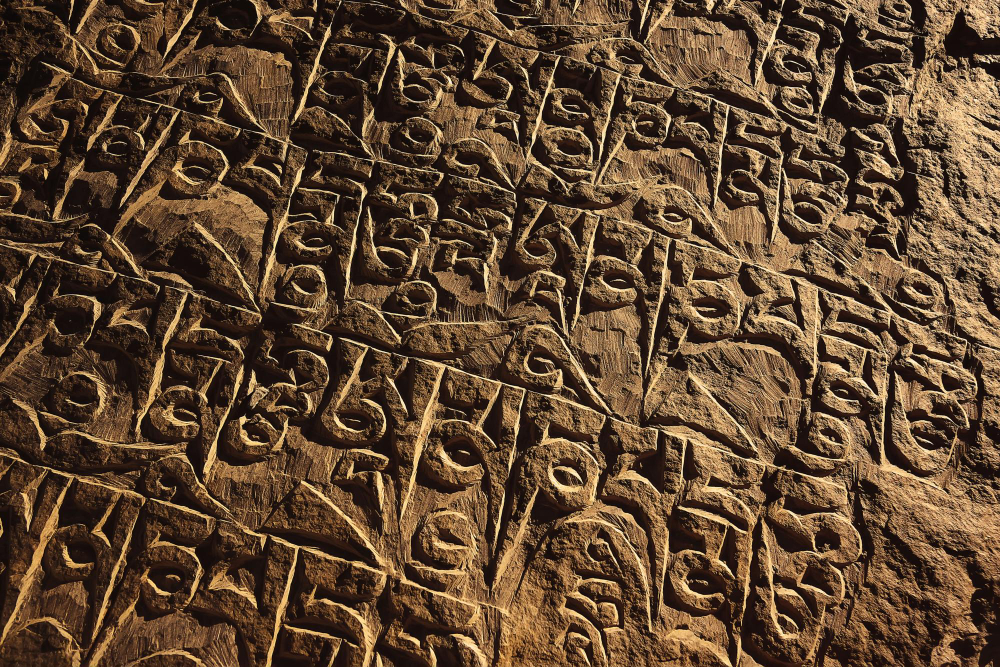
The shape of a letter is usually treated as a matter of convention, and to a large extent it is. But writing systems designed for a specific material carry that material in their forms, and two northern European scripts are unusually clear examples.
Both are angular to a degree that looks deliberate and slightly severe. Neither has the rounded forms that seem natural to a pen. Both are frequently described as mysterious, and the mystery evaporates the moment you consider what was doing the cutting.
They are not decorative alphabets. They are alphabets optimised for a knife, a chisel and a piece of wood, and the optimisation is visible in every character.
Why No Horizontal Lines
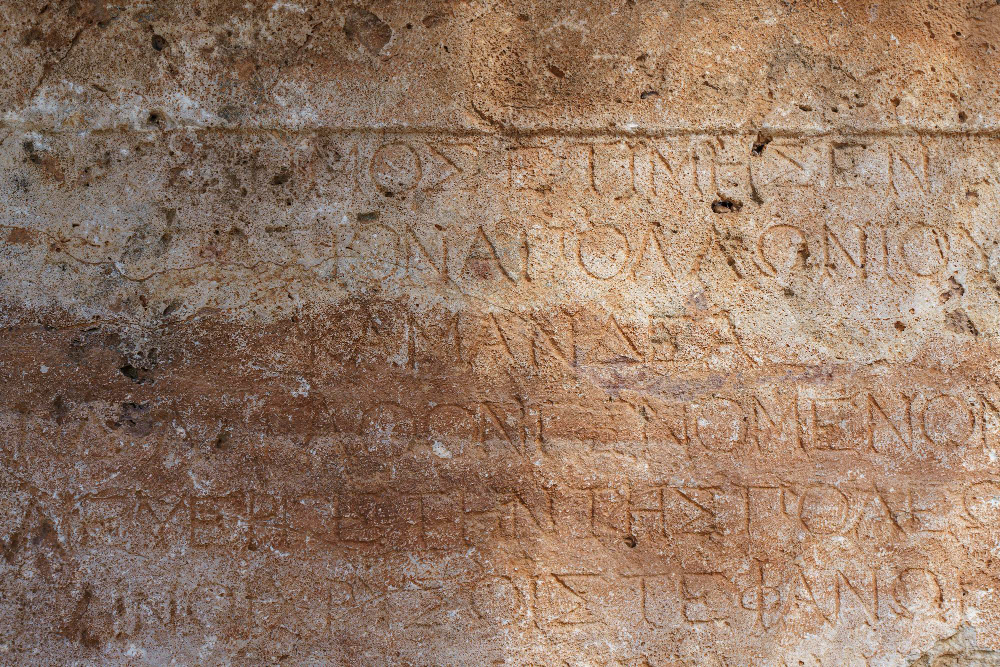
The first script is built from vertical strokes with diagonals attached, and horizontal lines are conspicuously rare.
Wood has a grain running along its length. A cut made across the grain is clean and controlled. A cut made along the grain follows the fibres, wanders, splits and produces an unreliable line.
If you are carving letters into a plank or a stick with the grain running horizontally, every horizontal stroke is a cut along the grain and every vertical stroke is a cut across it.
So the script uses verticals and diagonals, both of which cross the grain, and avoids horizontals almost entirely.
The absence of curves has the same explanation. A curve cut with a straight-edged blade requires a series of short cuts and looks poor; a straight line requires one stroke and looks clean.
That is a script designed by the constraint rather than around it, which is why the forms are so consistent across an enormous geographical range and a long period.
Like our content? Follow us for more.
The One That Uses an Edge
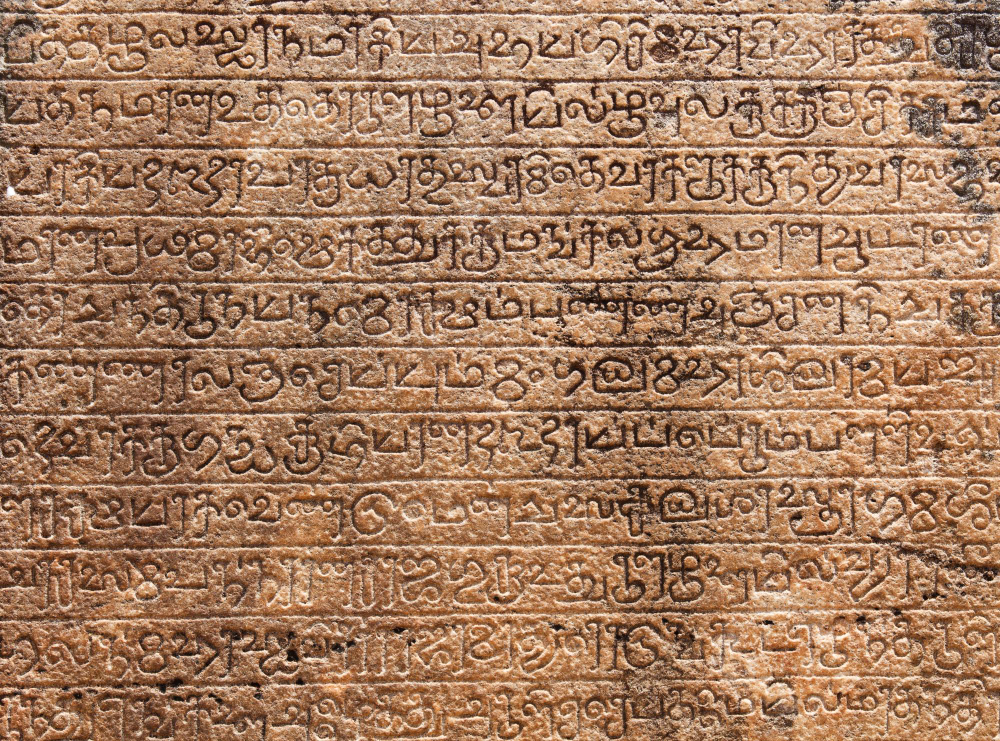
The second script is stranger and the logic is equally direct.
It consists of groups of straight strokes arranged relative to a single line — cut across it, or to one side, or the other, in groups of one to five.
That line is generally the corner of the stone or timber itself. The edge is the writing line, and the strokes are cut across or beside it.
Reading runs upward along the edge and continues over the top, which is a natural sequence for somebody working with a chisel on a standing stone.
The system is essentially a tally in structure — count the strokes and note which side of the edge they fall — which makes it extremely easy to cut and extremely easy to read at close range, and correspondingly poor at any distance.
Both scripts, in other words, are shaped by the intersection of a tool, a material and a surface, and neither would have taken those forms if somebody had been writing with ink on a flat sheet.
What They Were Actually Used For
The popular association is with magic and secrecy, and the evidence points somewhere much more ordinary.
Surviving inscriptions include memorials, ownership marks, maker’s signatures, boundary markers, and in the case of material recovered from settlement sites, a substantial quantity of everyday messages, notes, labels, trade records and personal correspondence.
The everyday material is the more informative. Where waterlogged conditions have preserved wooden objects in quantity, the finds indicate ordinary literacy being used for ordinary purposes rather than a restricted ceremonial practice.
Some inscriptions are formulaic, some are memorial, some are practical, and some are the kind of thing anybody might write on a piece of wood.
The magical association derives partly from later literary sources, partly from a handful of inscriptions with ritual content, and substantially from a nineteenth and twentieth-century enthusiasm that has nothing to do with the original use.
That last strand requires handling carefully and is addressed below.
There is a practical detail worth adding about the carving itself. Cutting into wood or stone with a blade produces a V-shaped groove rather than a line of uniform width, and the depth varies with the pressure applied.
That means the letters have a physical quality no written script has – they catch light on one side, they can be read by touch, and they can be filled with pigment to make them legible at a distance.
Why the Letter Order Is Strange
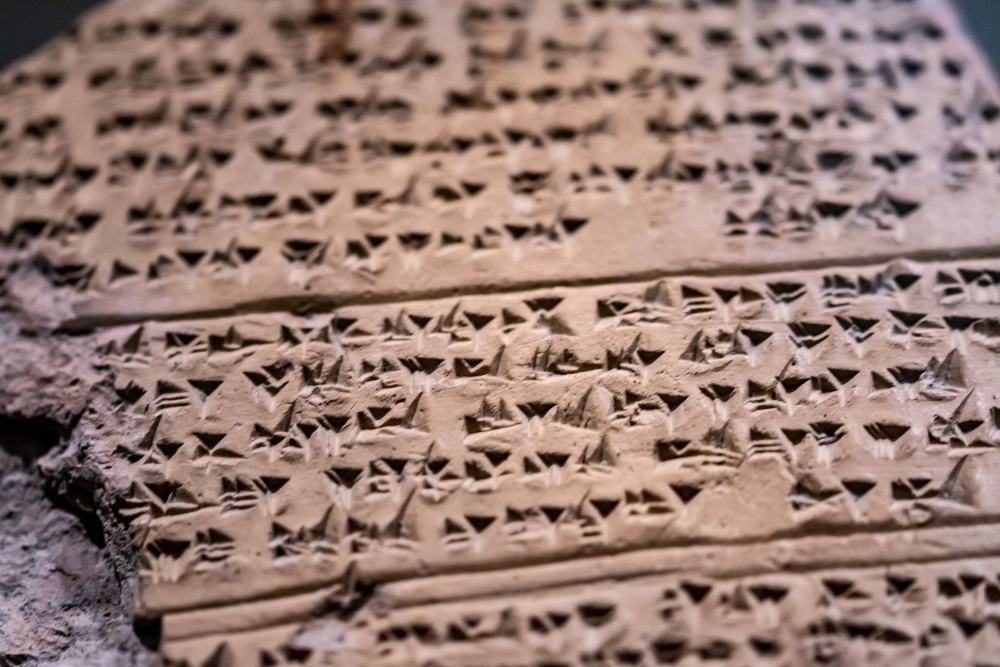
One detail worth knowing is that the first script does not follow the order familiar from other alphabets.
It has its own sequence, which is attested on inscriptions listing the characters in order, and that sequence gives the script its name — taken from the sounds of the first several letters, in the same way that the word alphabet comes from the first two Greek letters.
Why that particular order was chosen is not established. It does not appear to derive from the order of any parent system, and proposals connecting it to sound groupings or to mnemonic structure are speculative.
The characters themselves are generally agreed to derive from a Mediterranean alphabet transmitted northward, adapted in form for the carving constraints described above and in inventory for the sounds of the languages concerned.
Which makes it an adaptation rather than an invention — and the adaptation is precisely where the material constraint did its work.
It is worth noting the geographical and chronological spread. These scripts were in use across a very large area over a very long period, with regional variants differing in character inventory and form as the languages they recorded changed.
That variation is itself useful, since the specific forms used can indicate roughly where and when an inscription was made.
What Happened to Them
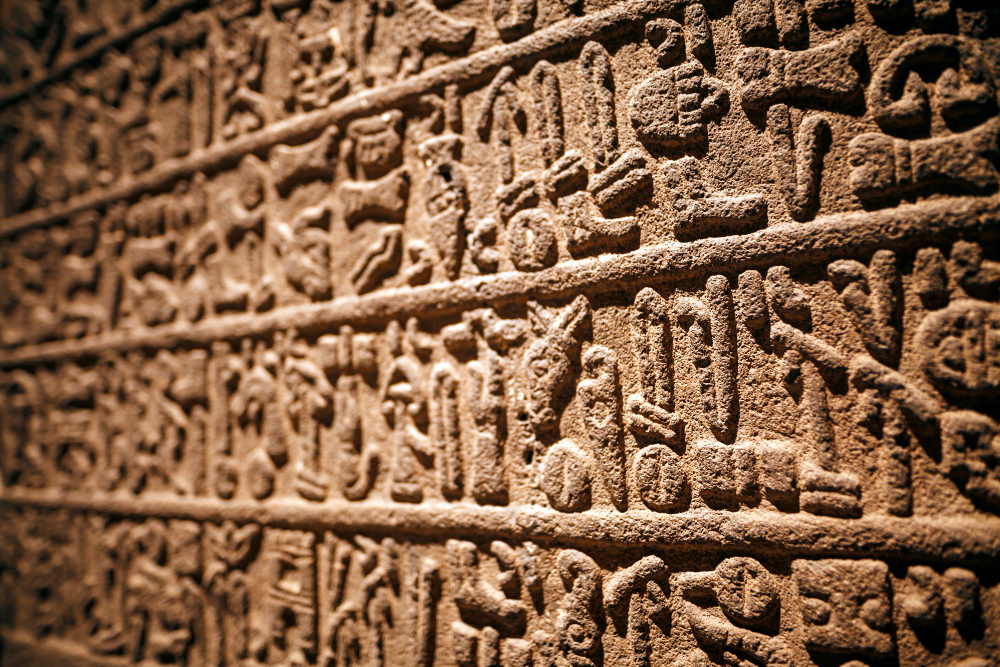
Both scripts declined rather than being abolished, and the reasons are practical.
The arrival of parchment, ink and the Latin alphabet through religious institutions introduced a writing technology suited to different purposes — long texts, books, documents — for which an angular carving script has no advantage.
The two coexisted for a substantial period. Inscriptions using both systems exist, and the older scripts continued in use for the things they were good at while the newer system took over everything else.
Eventual disuse followed from the older scripts being confined to a narrowing set of applications rather than from any prohibition.
The knowledge persisted regionally in some places for a very long time, in specialised or traditional use, well after general literacy had moved to the Latin alphabet.
What They Were Written On
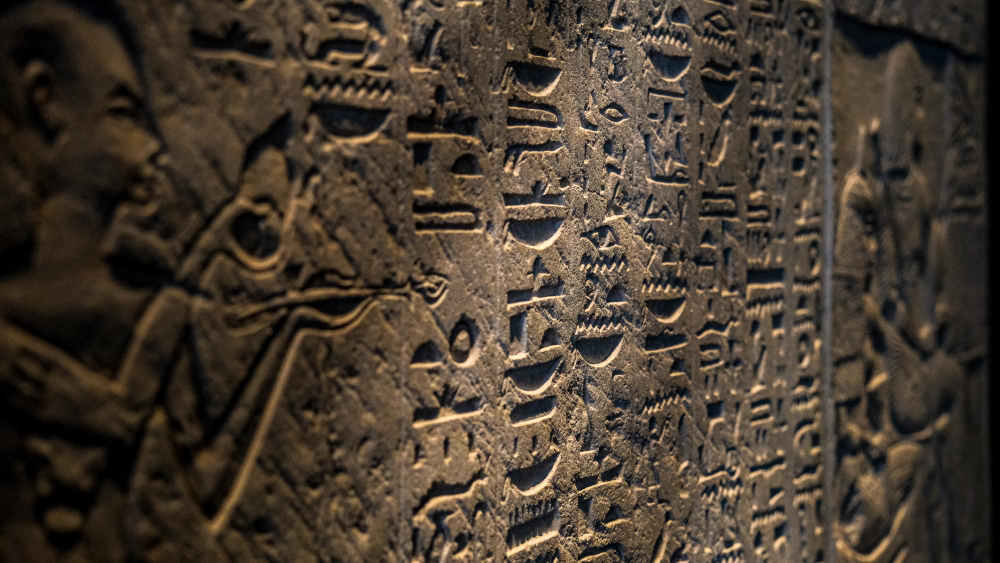
The materials are worth setting out, because they determine what survives and therefore what is known.
Stone inscriptions survive in quantity and are consequently what most people have seen. They are monumental, generally formal, and represent a specific and unusual category of use — the things somebody thought worth carving permanently.
Wood does not survive except under particular conditions. Waterlogged, oxygen-free ground preserves it, and where such conditions occur near settlements, excavation has recovered large quantities of everyday inscribed material.
That produces a strong survival bias, and the correction it required was substantial. For a long period the surviving corpus was overwhelmingly monumental, which supported the impression of a script reserved for formal and ceremonial purposes.
The waterlogged finds changed that picture, because they show the same script used for notes, labels, ownership marks, messages and the sort of thing nobody would carve in stone.
There are also inscriptions on bone, metal, weapons and personal objects, which sit between the two categories — durable enough to survive, ordinary enough to indicate everyday use.
The general lesson applies well beyond these scripts. What survives from any period is determined by material and conditions rather than by significance, and a corpus that looks formal may simply be the part made of stone.
Reading Them Now
A note on interpretation is necessary, because this subject has a complication.
Both scripts have been appropriated in the modern period — by nineteenth-century nationalist movements, by twentieth-century political groups whose use of certain characters is well documented, and by contemporary movements that continue that association.
That appropriation is entirely separate from the historical scripts, has no basis in their original use, and has resulted in specific characters carrying meanings that their original users would not recognise.
Anybody encountering these scripts in a museum, on a monument or on a stone in a field is looking at an ordinary writing system used by ordinary people for ordinary purposes, and the modern associations are a modern imposition.
Which is worth stating plainly, because the historical material is truly interesting and deserves not to be read through a lens applied to it a thousand years afterwards.
What it actually shows is a piece of practical design. Somebody needed to write on wood with a knife, worked out which strokes a blade makes cleanly across a grain, and built an alphabet out of exactly those — which is a more impressive achievement than any of the things it has since been claimed to be.
Like our content? Follow us for more.