The temperature is fixed by the liquid rather than by the heat applied, which means turning the heat up past a certain point adds agitation and nothing else. Here are fifteen consequences.
1. Boiling Is Not Hotter
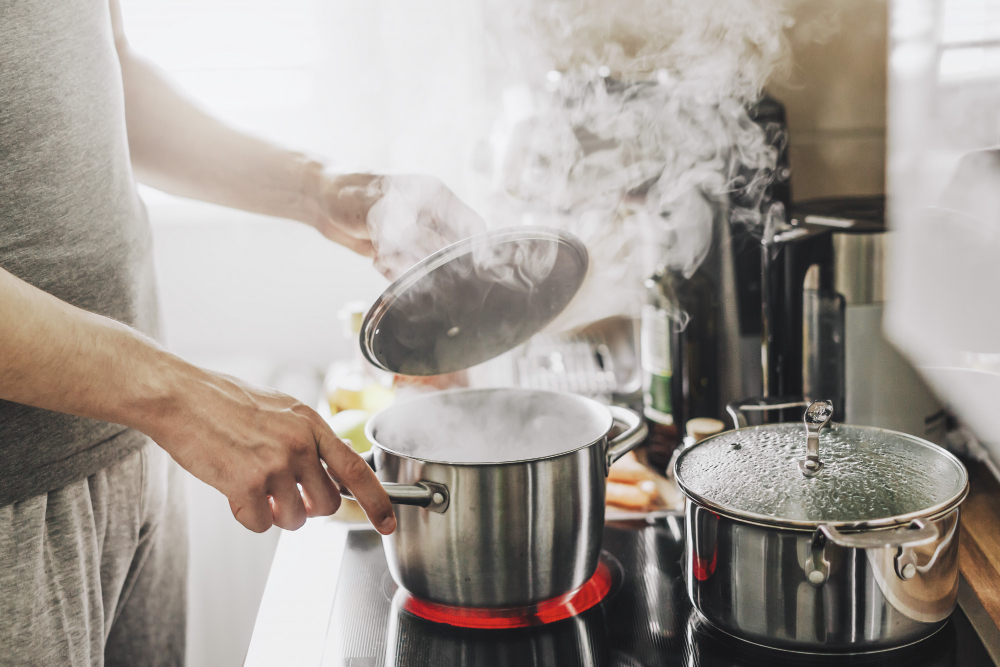
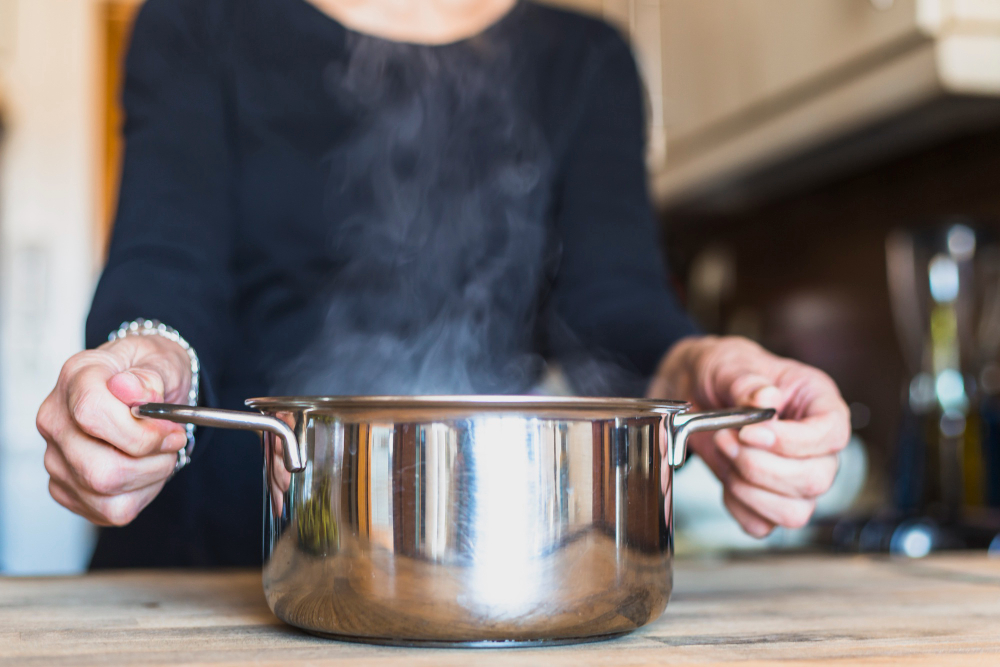
Water reaches its boiling point and stops rising, converting further heat into steam rather than into temperature – so a violent boil and a bare simmer are within a degree or two of each other.
More heat produces more steam. Fixed temperature is the fact everything below depends on.
Like our content? Follow us for more.
2. So the Difference Is Entirely Agitation
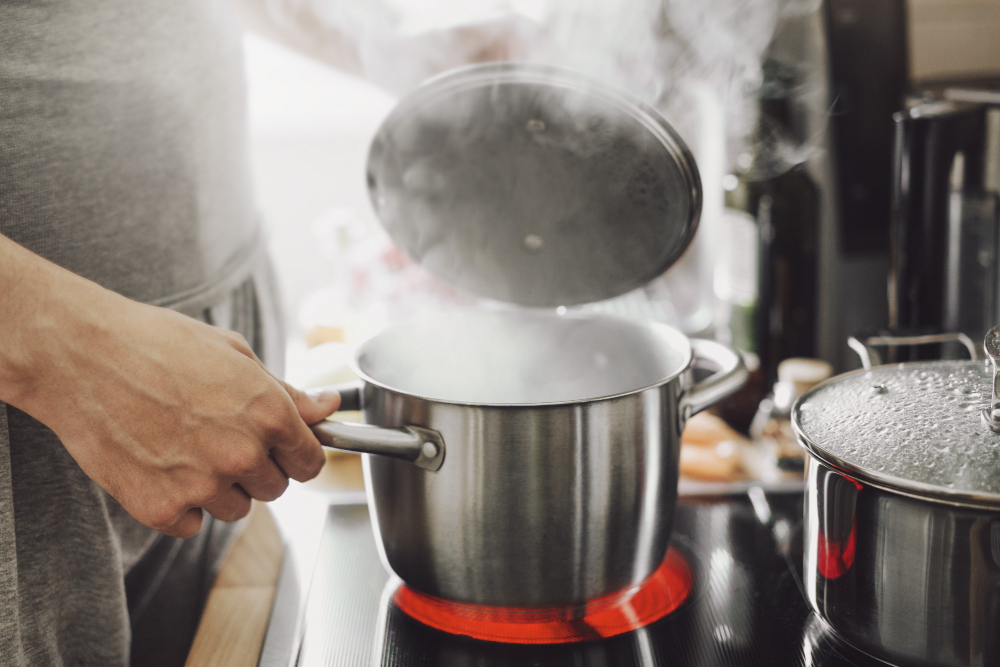
What separates the two is how much the liquid is moving, which affects the food mechanically rather than thermally.
Nothing cooks faster in a rolling boil. Mechanical action is the only variable being changed.
3. Agitation Breaks Things Apart
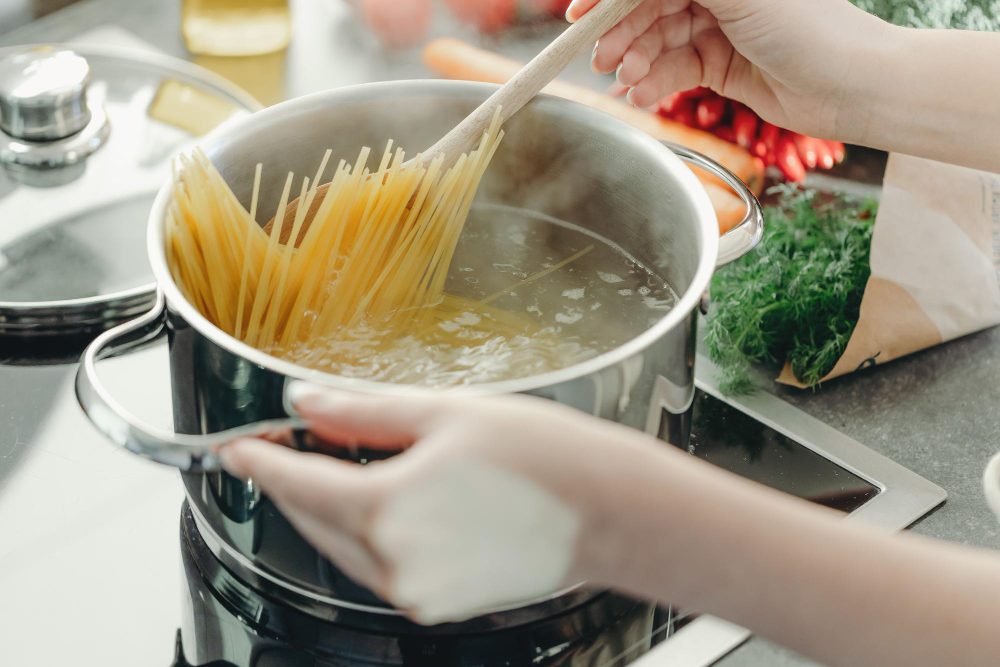
Delicate items knock against each other and against the pan, and anything held together loosely comes apart – which is why fish, filled items and soft vegetables are cooked barely moving.
The damage is physical. Structural disintegration is what a hard boil costs.
4. And It Clouds the Liquid
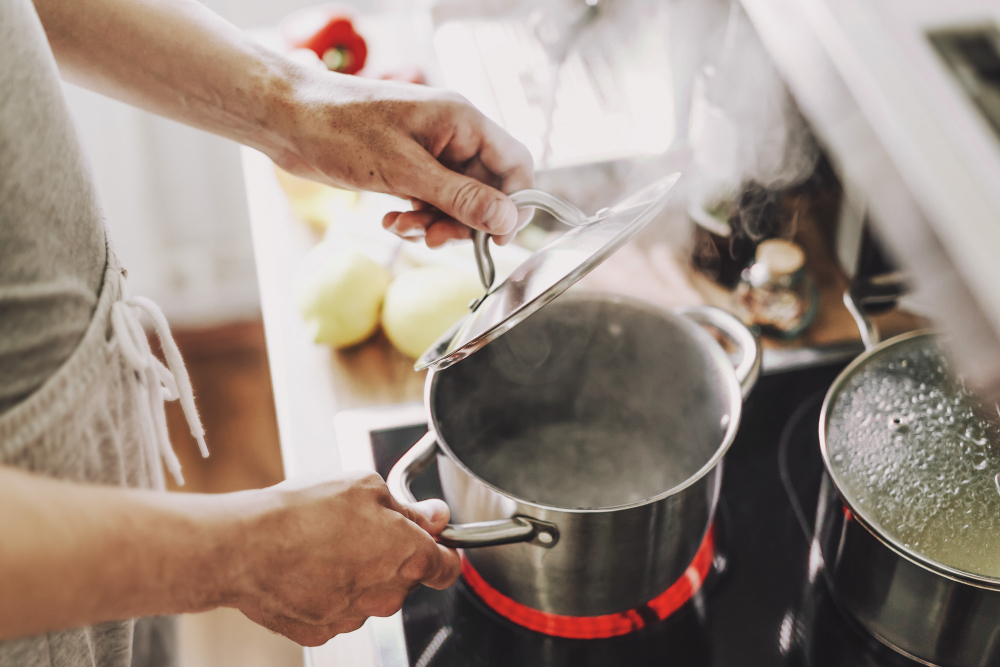
Violent movement breaks fat into droplets that disperse through the liquid and lifts fine particles into suspension, neither of which settles out afterwards.
Straining does not undo it. Permanent emulsification is why clarity is a heat decision.
5. Tough Cuts Need Time, Not Heat
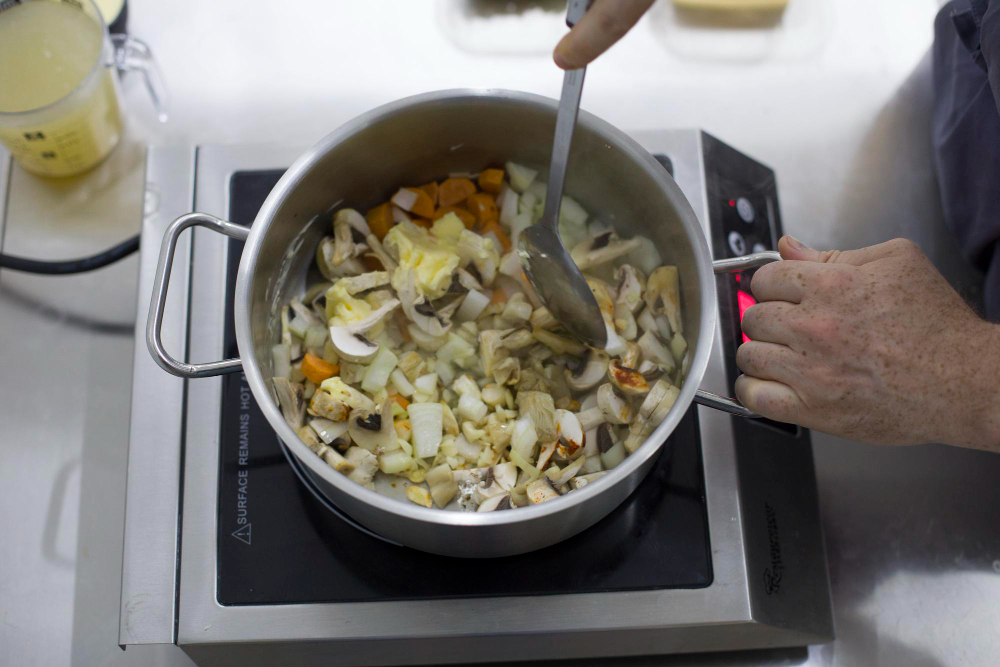
Connective tissue converts to gelatine slowly at temperatures below boiling, and no amount of extra heat speeds that conversion – it is a matter of duration.
Boiling harder achieves nothing. Slow conversion is why long cooking cannot be shortened.
6. While the Muscle Itself Tightens
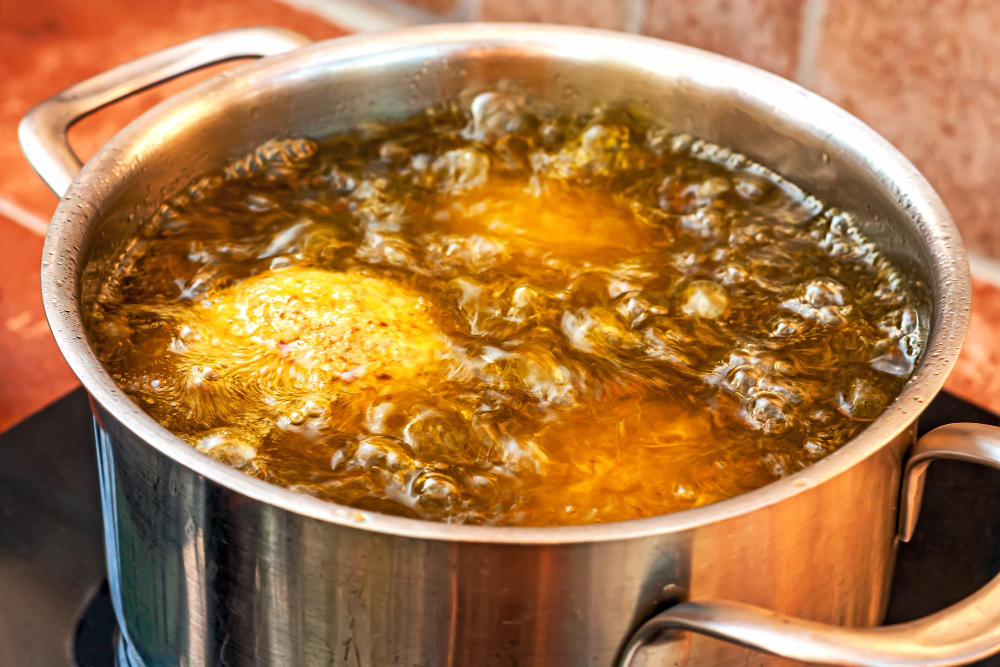
Proteins in the meat contract as temperature rises and squeeze moisture out, which means higher temperatures produce drier results even as the connective tissue softens.
The two processes pull in opposite directions. Competing changes are why gentle heat suits tough cuts.
7. Which Is Why Lower Is Better for Long Cooking
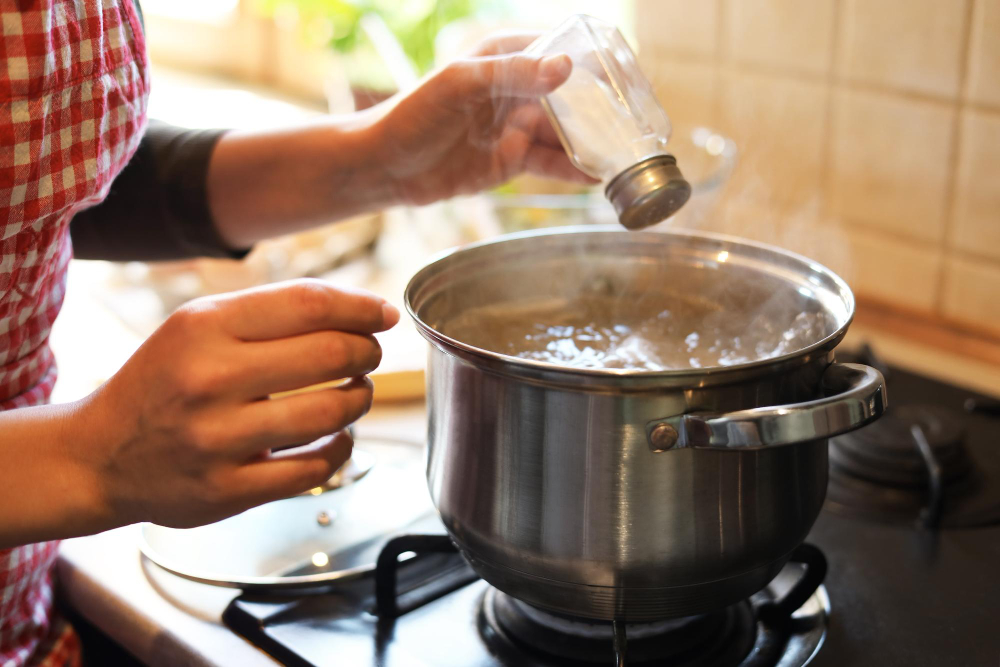
Holding just below a simmer gives the connective tissue the time it needs while limiting how far the muscle proteins contract, producing something tender rather than merely soft.
It is a compromise found by temperature rather than time. Low and slow is the resolution of the conflict.
8. A Lid Changes More Than Evaporation
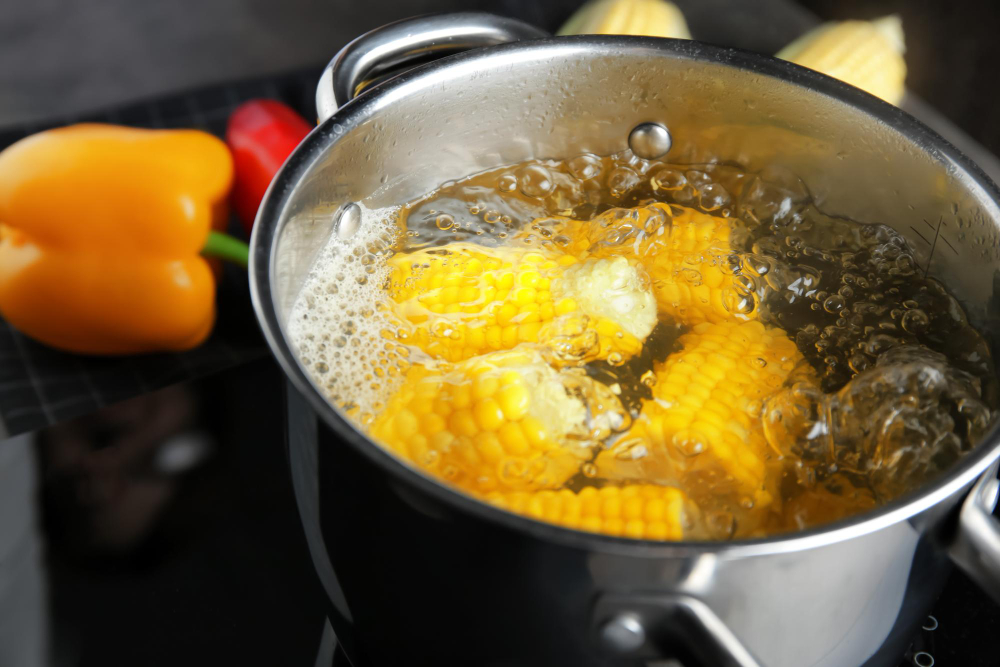
Covering traps steam, which raises the temperature at the surface slightly, stops liquid escaping and prevents the concentration increasing as it otherwise would.
It affects the result as well as the volume. Lid presence is a decision about concentration.
9. Uncovered Means Reducing
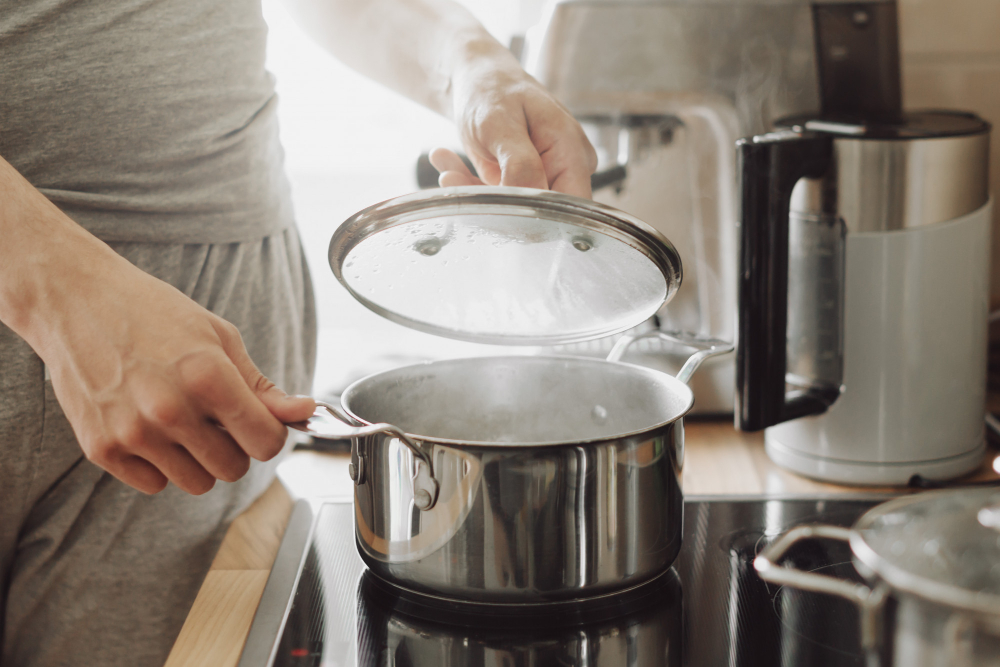
Without a lid, water leaves continuously, which concentrates everything dissolved in the liquid and thickens it – so an uncovered pot is producing a different dish from a covered one.
The flavour intensifies as it goes. Deliberate reduction is what an open pot is doing.
10. Salt Does Almost Nothing to the Temperature
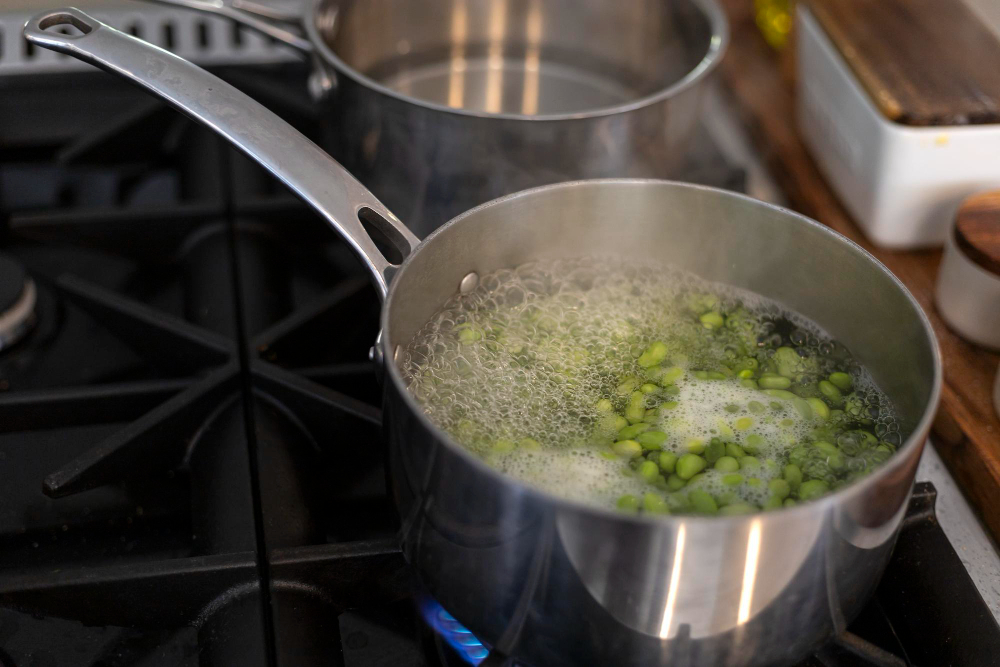
Adding salt raises the boiling point by a negligible amount at any quantity used in cooking, so the common explanation for salting water is essentially wrong.
It is there for seasoning. Negligible elevation is the correction worth making.
11. Altitude Does a Great Deal
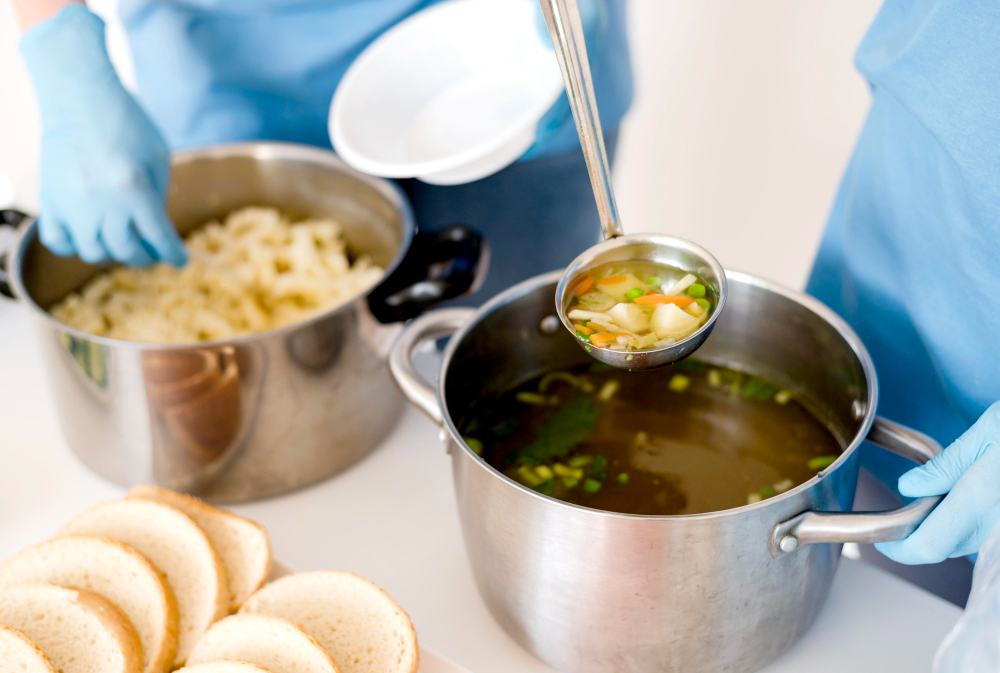
Lower air pressure means water boils at a lower temperature, so at height everything cooked in liquid takes substantially longer and some things never become tender.
The effect is large rather than marginal. Pressure dependence is why mountain cooking is truly different.
12. Acid Keeps Plant Tissue Firm
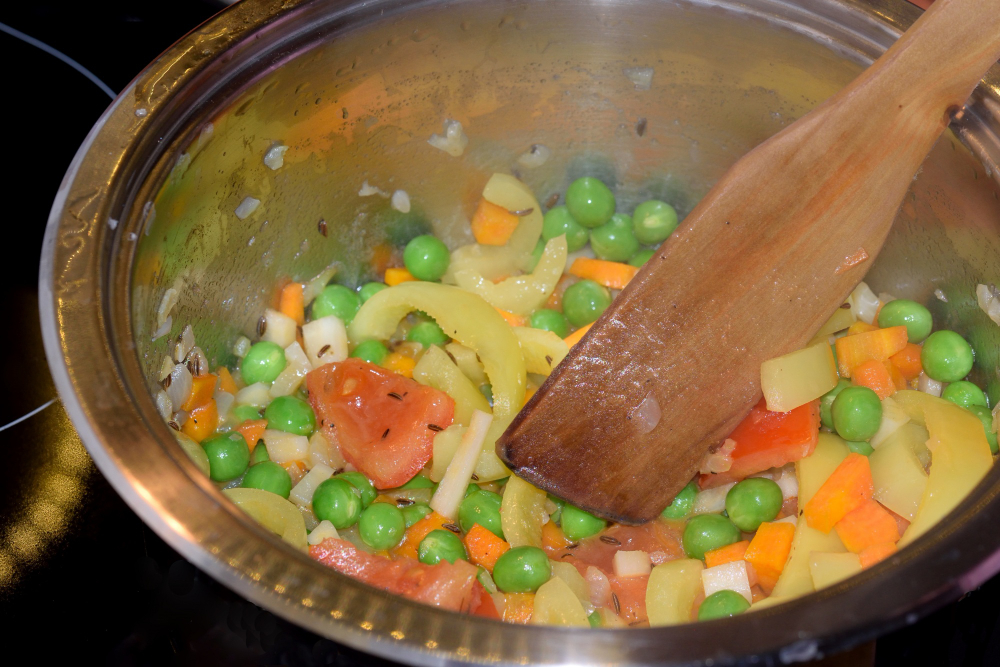
Acidic liquid slows the breakdown of the material holding plant cells together, so anything cooked with tomatoes, wine or vinegar softens far more slowly.
It can prevent softening entirely. Acid resistance is why the order of adding matters.
13. Starch Leaves the Food and Thickens the Liquid
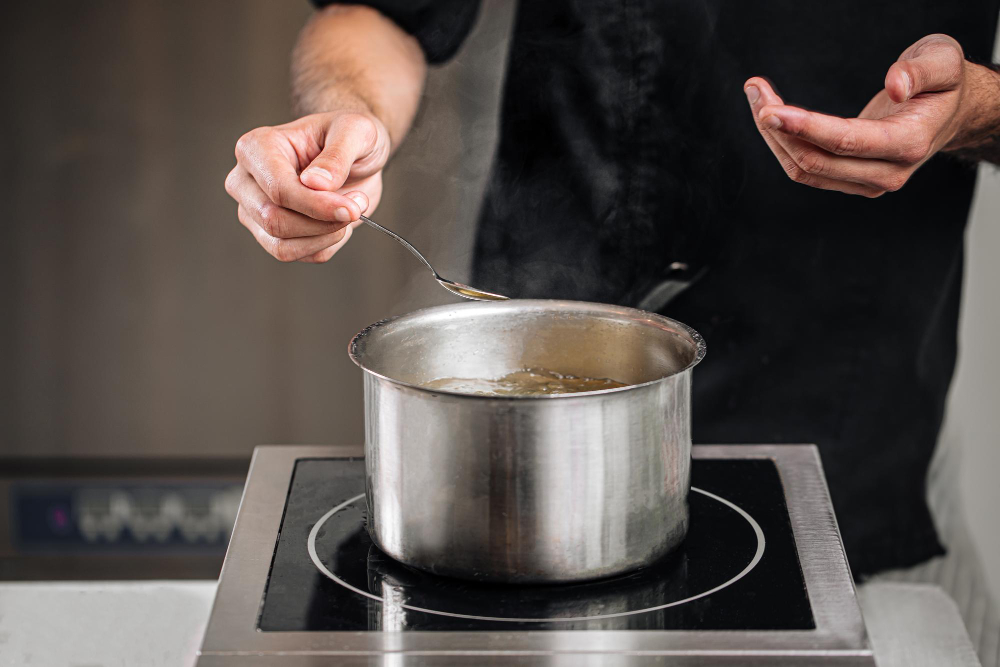
Anything starchy releases material into the liquid, which thickens it, changes how heat moves through it and makes the base far more likely to catch.
A thickened liquid transfers heat unevenly. Starch release is why long-cooked dishes need stirring.
14. Flavour Moves in Both Directions
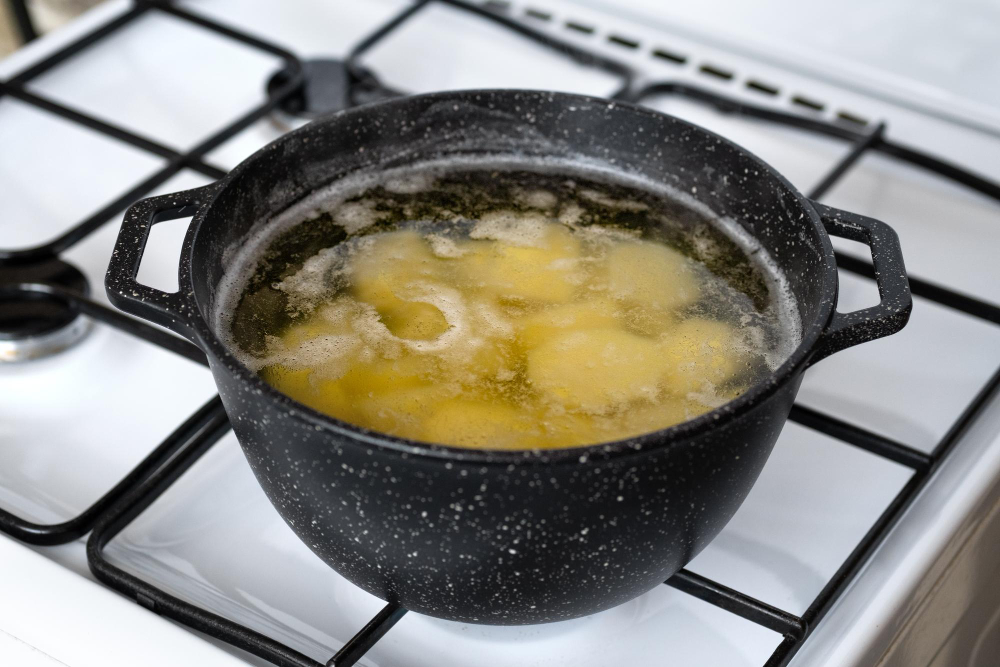
Compounds pass from the food into the liquid and from the liquid into the food, with the direction depending on concentration – so a well-flavoured liquid gives as much as it takes.
That is why cooking liquid matters. Two-way exchange is what distinguishes cooking in liquid from cooking in air.
15. The Liquid Is Part of the Dish
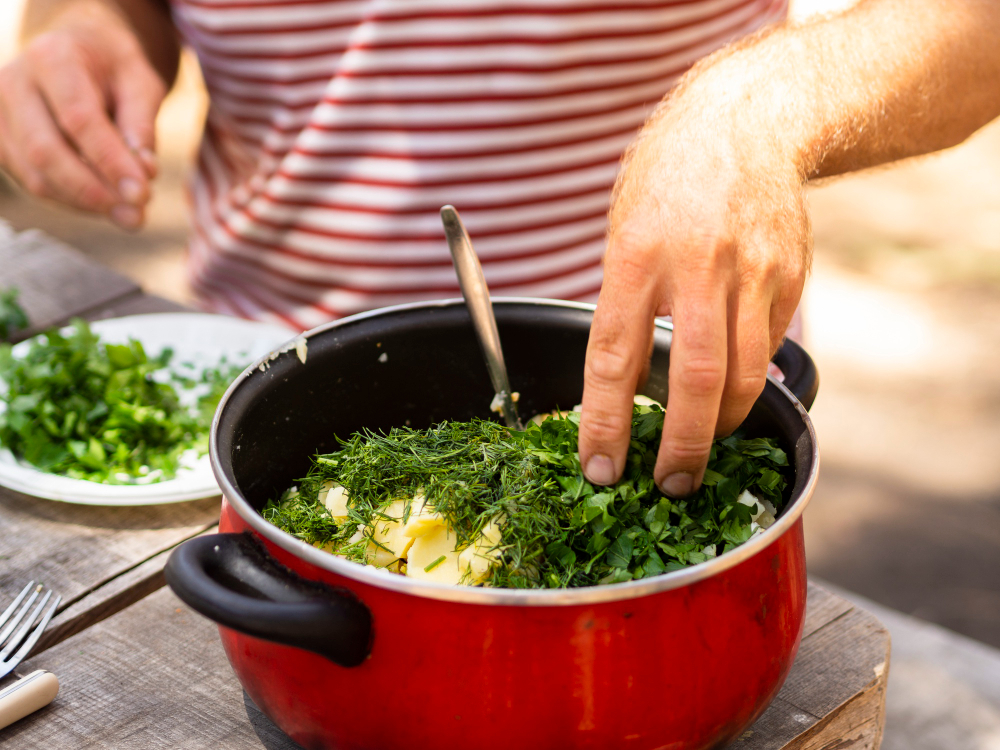
Because so much has moved into it, discarding the cooking liquid throws away a substantial proportion of what was there – which is a decision rather than a step.
It is frequently the most flavoured component. Retained liquid is the difference between two versions of the same dish.
Same Temperature, Different Result
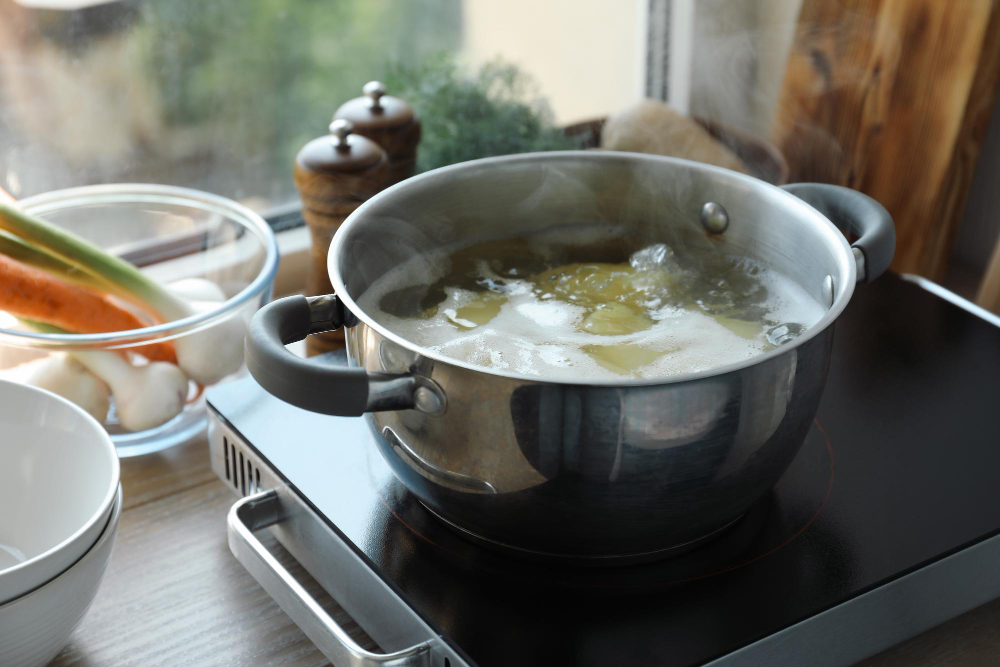
A temperature fixed by the liquid, a difference that is entirely agitation, connective tissue needing time rather than heat, and a cooking liquid that has taken as much as it gave.
One necessary note: nothing above concerns whether anything is cooked through. Safe internal temperatures and how to judge them are food-safety matters with real consequences, guidance differs by jurisdiction and by food, and the appropriate source is current food-safety advice rather than an article about agitation.
Like our content? Follow us for more.