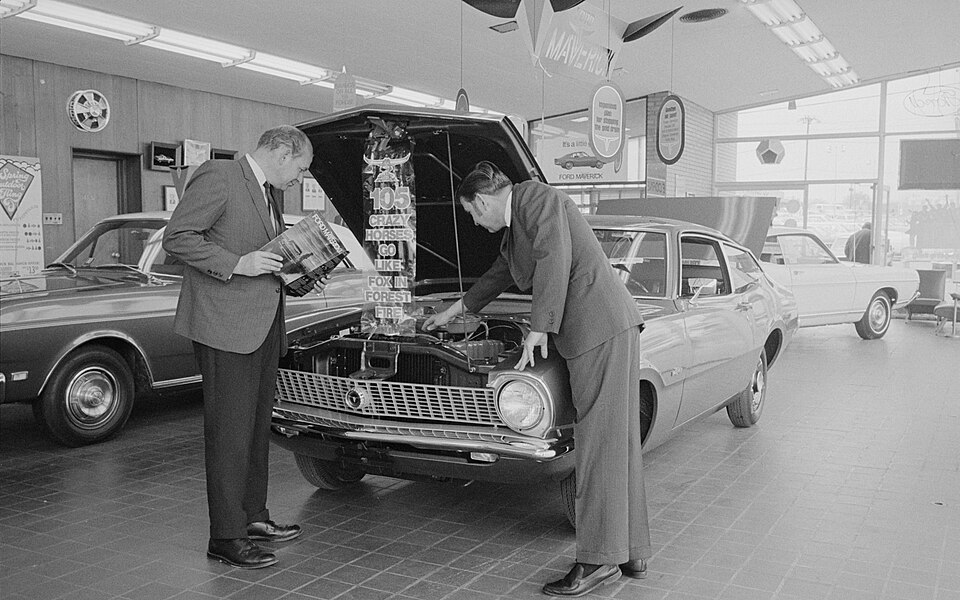
No price label, a hidden trade-in figure, and four variables in play. Here are twelve.
1. There Was No Sticker on the Window Telling You the Price
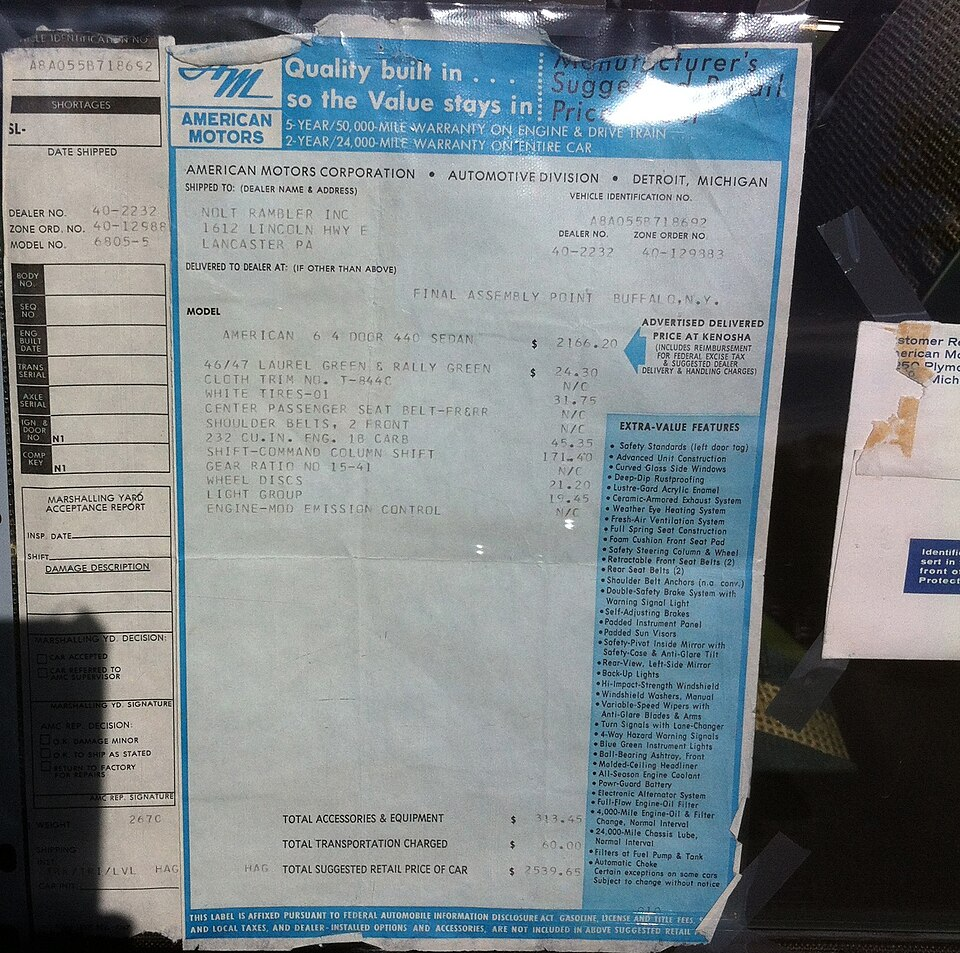
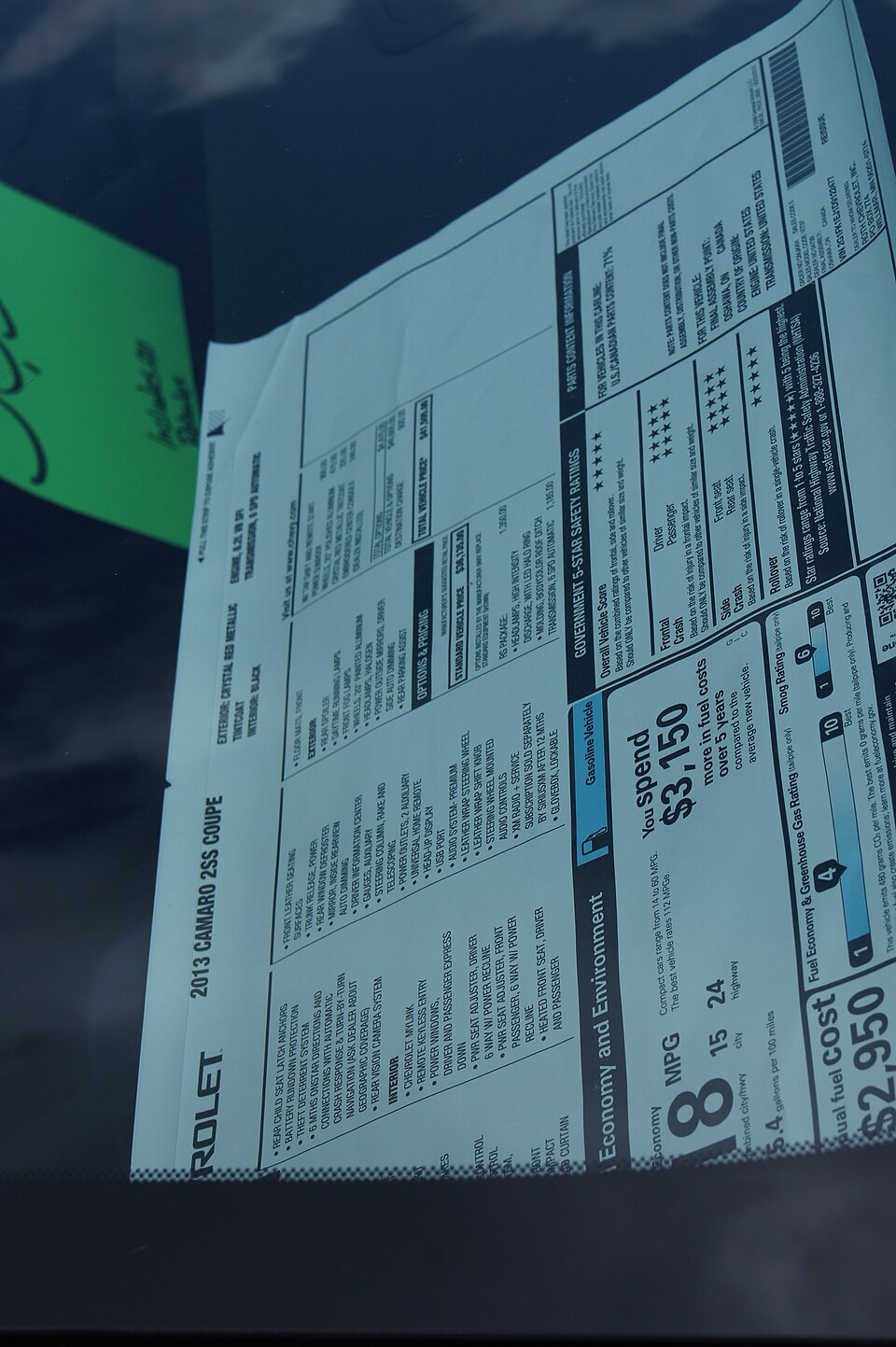
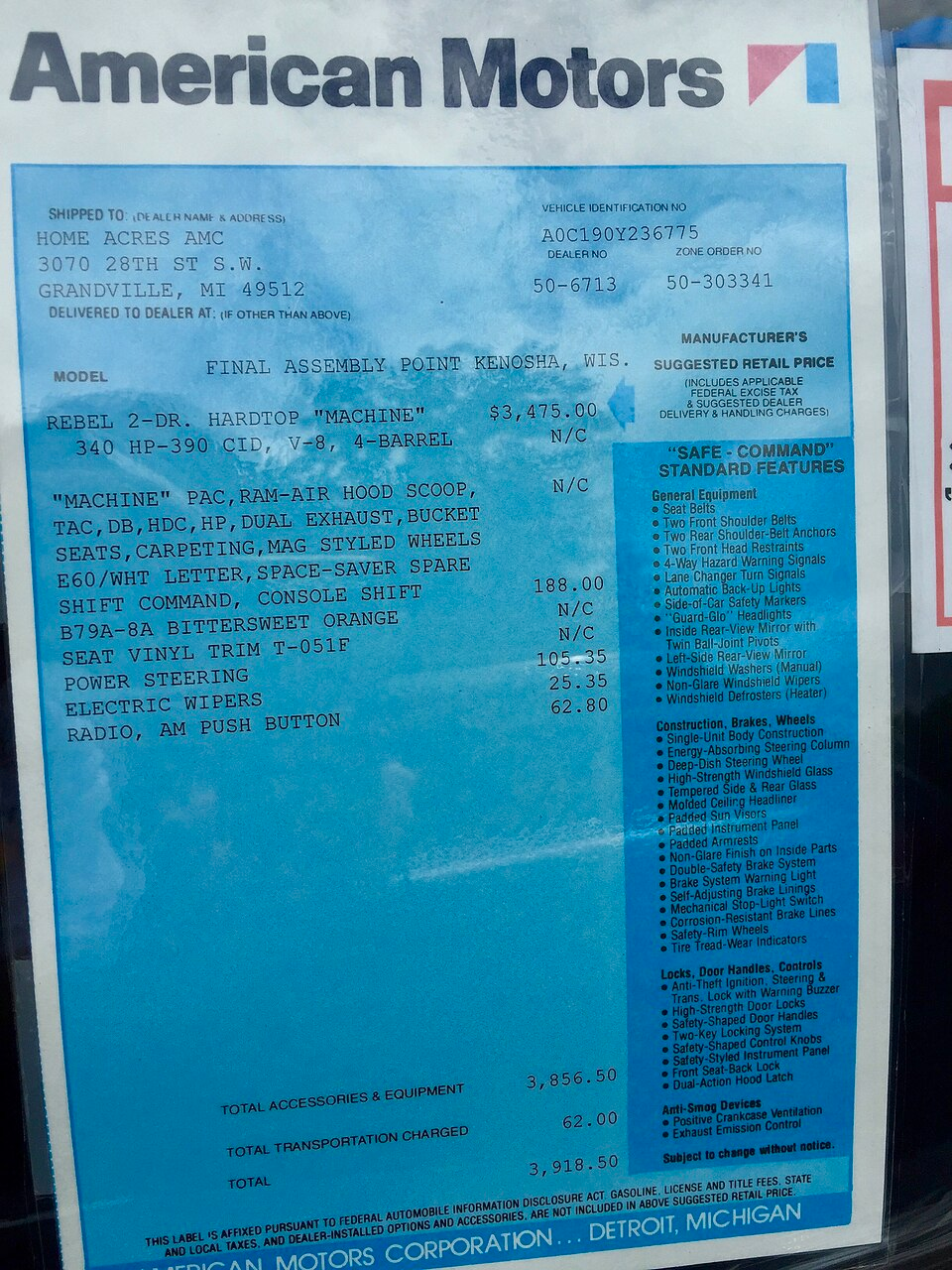
A new car carried no standardised price disclosure for much of the postwar period, and what you were told it cost depended on who you were and who was telling you.
A federal requirement for a posted price label on every new car changed that permanently, and it is the single most consequential consumer protection in the history of American car buying. Before it, there was no fixed reference point in the negotiation at all – which is precisely why the negotiation worked the way it did.
Like our content? Follow us for more.
2. The Price Depended Entirely on How Well You Negotiated
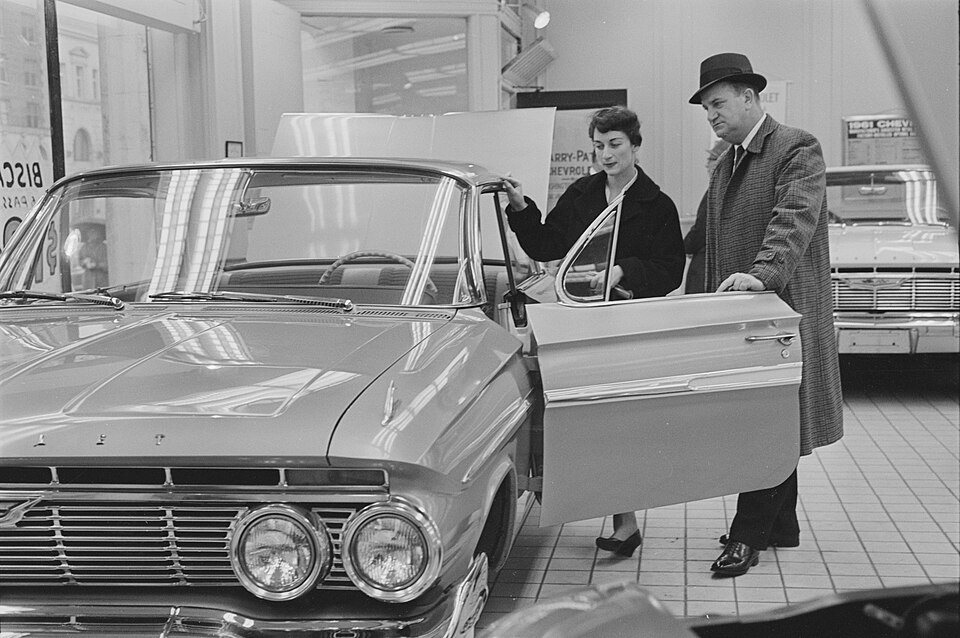
Every element was movable – the car, the trade-in, the finance rate, the extras – and the salesman’s job was to find which of the four you were paying attention to.
Moving the discussion between four variables is the central technique and it is why people left not knowing whether they had done well. A buyer focused on the monthly payment can be given a good payment and a bad price, and the two cannot be compared without arithmetic nobody did at a desk.
3. Your Trade-In Was Appraised While You Waited and You Never Saw the Figure
The car you arrived in was taken away, assessed out of sight, and returned as a number in a deal rather than as a price you could compare to anything.
Published used-car valuations existed but were not in the buyer’s hands, which meant the trade-in was the easiest place to recover anything given away elsewhere. It is the variable modern buyers are most often advised to separate from the purchase, and the advice exists because of exactly this.
4. The Salesman Had to Go and Ask the Manager, Every Time
No figure was final until it had been taken to a sales manager in a glass-walled office, who approved, refused or countered, in a visible performance of authority.
The structure is deliberate and well documented. A salesman with no authority cannot be argued with, can be sympathetic to the buyer while declining to help, and can return with a worse number as somebody else’s decision. The glass wall exists so the buyer can see the conversation happening.
5. Finance Was Arranged in the Building and the Rate Was a Profit Centre
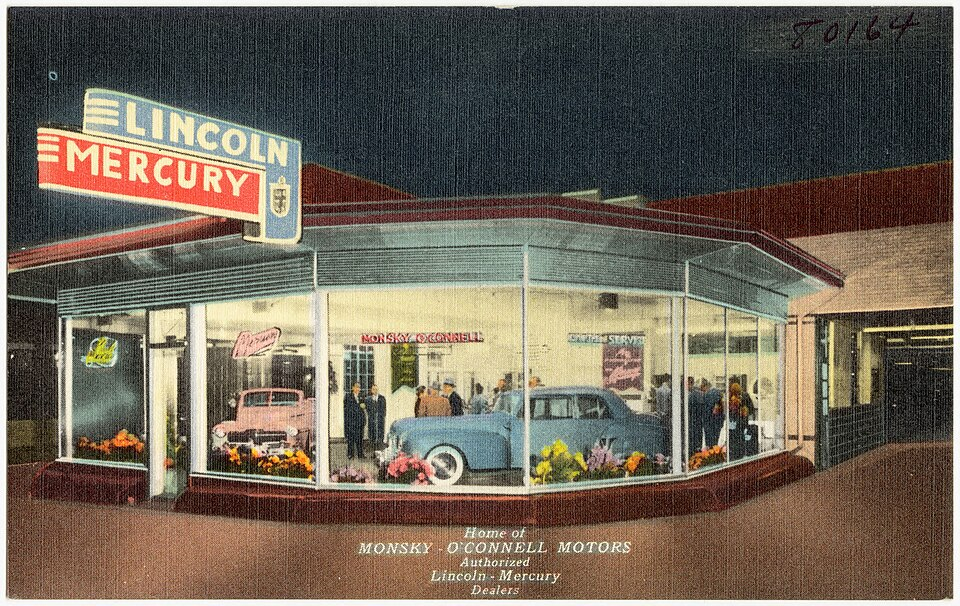
The dealership placed the loan, and the rate presented to the buyer could be higher than the rate the lender had approved, with the difference retained.
That spread is a real and documented practice, and disclosure requirements and buyer awareness have narrowed it considerably since. It is why the finance office was frequently more profitable than the showroom floor, and why the last stage of a purchase was the longest.
6. The Extras Were Sold Last, Separately, and at Enormous Margin
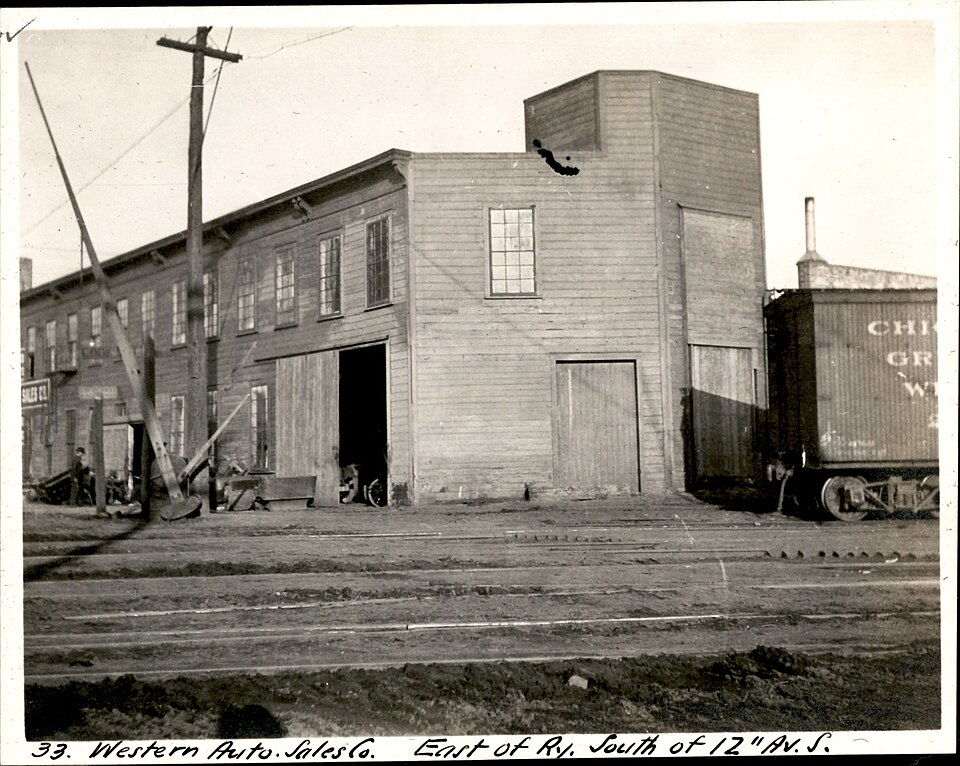
Undercoating, fabric protection, paint sealant, pinstriping, rustproofing and extended coverage were presented after the price was agreed, as small additions to a large number.
Selling at the end against an already-large figure is the oldest technique in retail and it was perfected here. Several of the specific products were of highly questionable value, and the ones that persist have mostly been folded into the manufacturer’s own warranty.
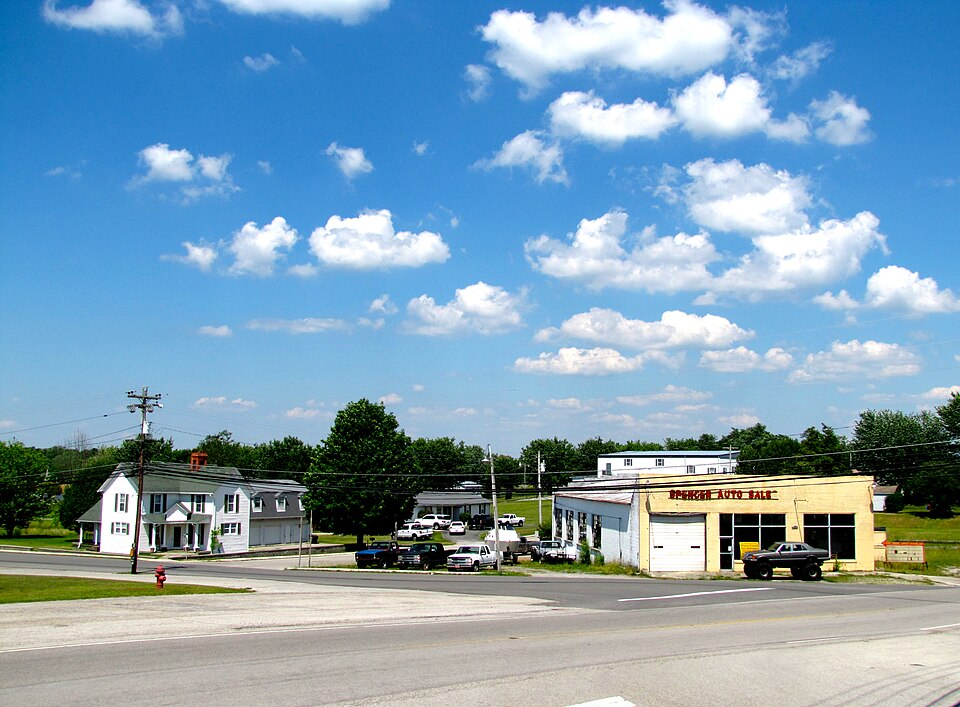
7. The Showroom Had Two Cars In It and the Rest Were Outside in Rows
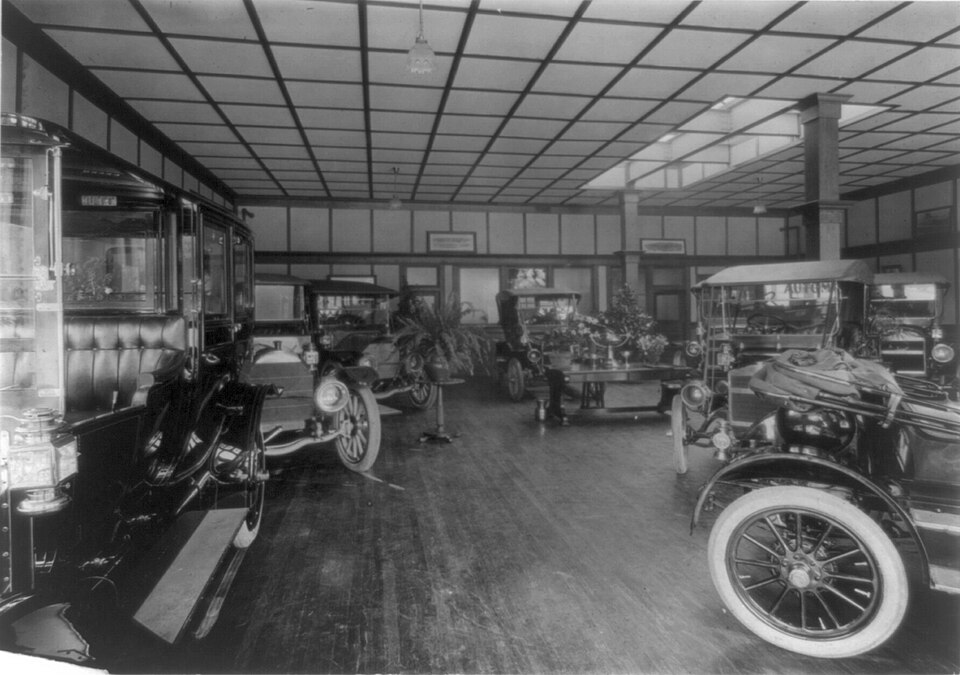
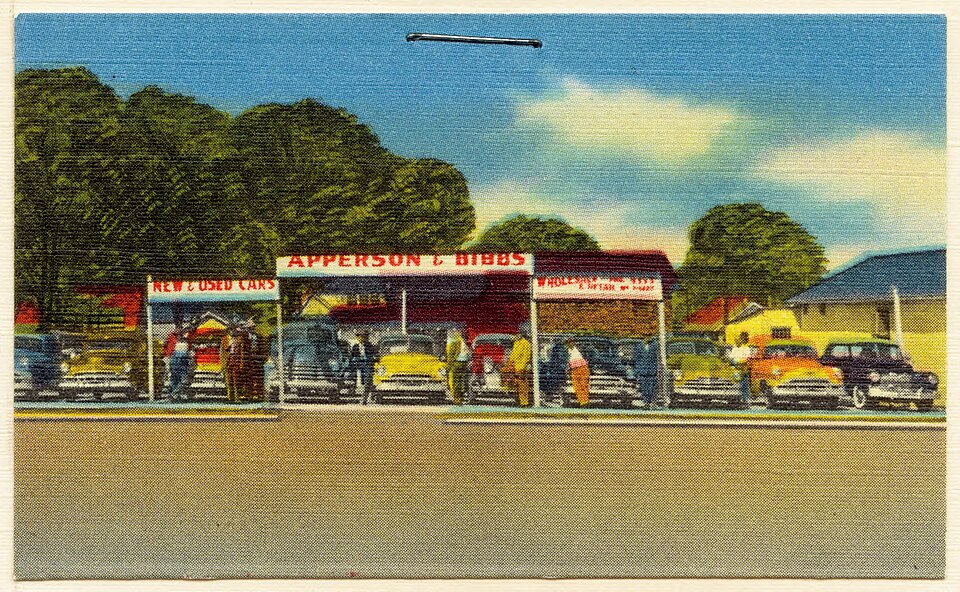
A polished example or two stood on carpet under lights indoors, and the actual stock sat on a paved lot, in rank order, with a number on the windscreen in wax crayon.
The indoor car is a display object and the lot is the inventory, and the division is purely psychological. A car on carpet under directed light looks like an object of desire, and a car in row nine looks like a thing with a price on it.
8. A Pennant Line Ran Across the Whole Lot
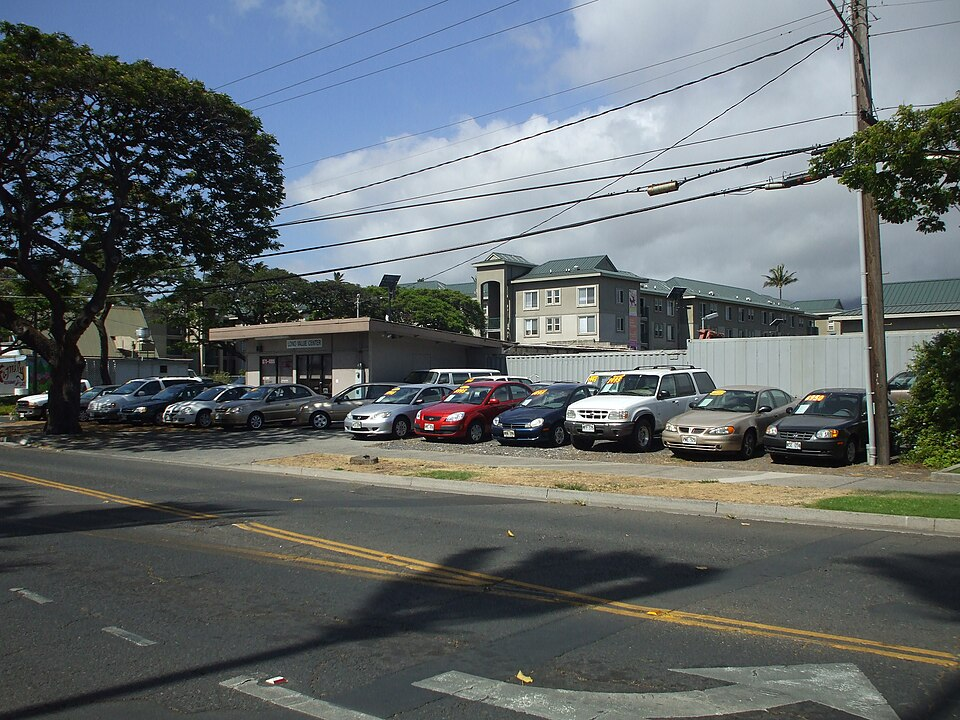
Triangular plastic flags on a string, a rotating searchlight at weekends, inflatable figures and a man in a costume at the roadside were standard marketing.
All of it was aimed at a passing driver with a few seconds of attention, which is the same constraint that produced the enormous illuminated signs of American roadside commerce generally. The pennant line costs almost nothing and makes a flat lot read as an event.
9. The Service Department Was Round the Back and Was the Real Business
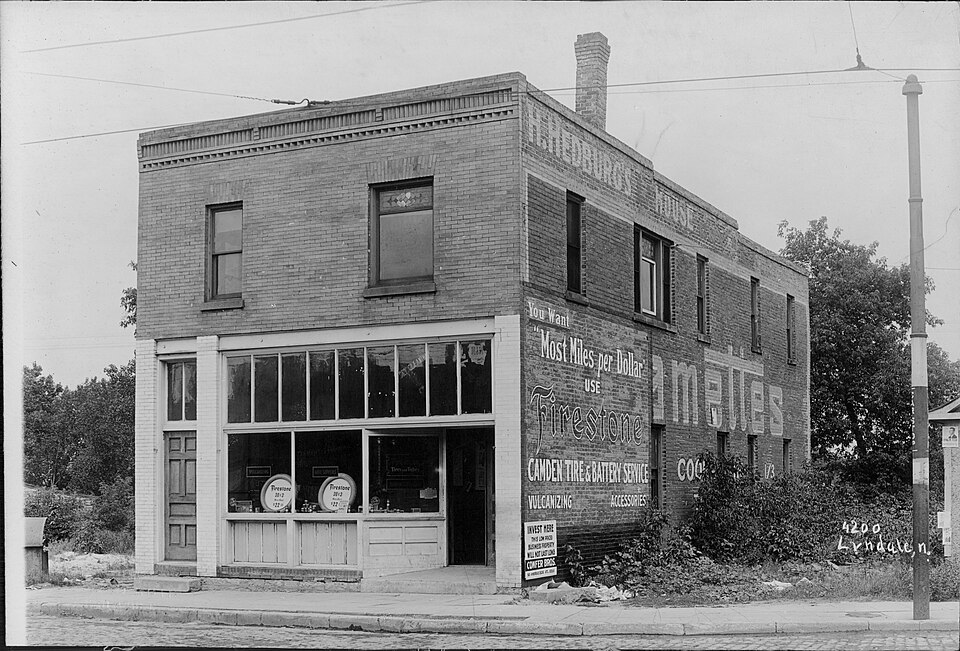
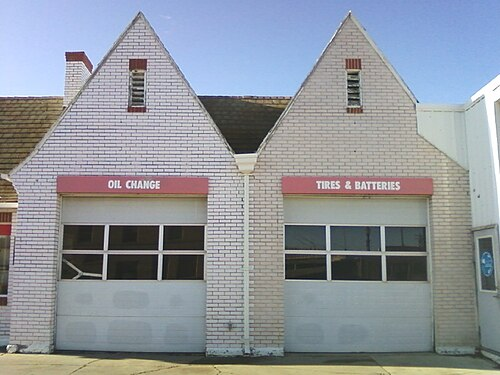
Workshop bays, a parts counter and a service writer occupied more of the site than the showroom, and generated a larger and far steadier share of the profit.
This has always been true and is still true, and it is the thing least understood about the business. A dealership sells a car once and services it for a decade, and the economics of the whole operation rest on the second half rather than the first.
10. The Model Year Was Announced in the Autumn and It Was an Event
New models were introduced on a fixed annual cycle, were kept secret beforehand, were revealed on an announced day with covered windows and a party, and were visibly different from the previous year.
The annual reveal was a real cultural occasion in American towns and it depended on two things that have gone: visible annual styling change, and a shared public moment before the information could leak. Both were deliberate, and the second is simply no longer possible.
11. Nobody Mentioned Fuel Consumption Because Nobody Asked
Economy was not a published figure, not a selling point and not generally a consideration, and the cars were specified accordingly.
Standardised published fuel economy figures and the whole category of efficiency as a purchase criterion arrived within a few years of 1972, driven by fuel supply shocks and then by regulation. It is the fastest change in what an American car buyer cared about in the industry’s history.
12. Almost Every Change Since Has Been the Buyer Getting Information
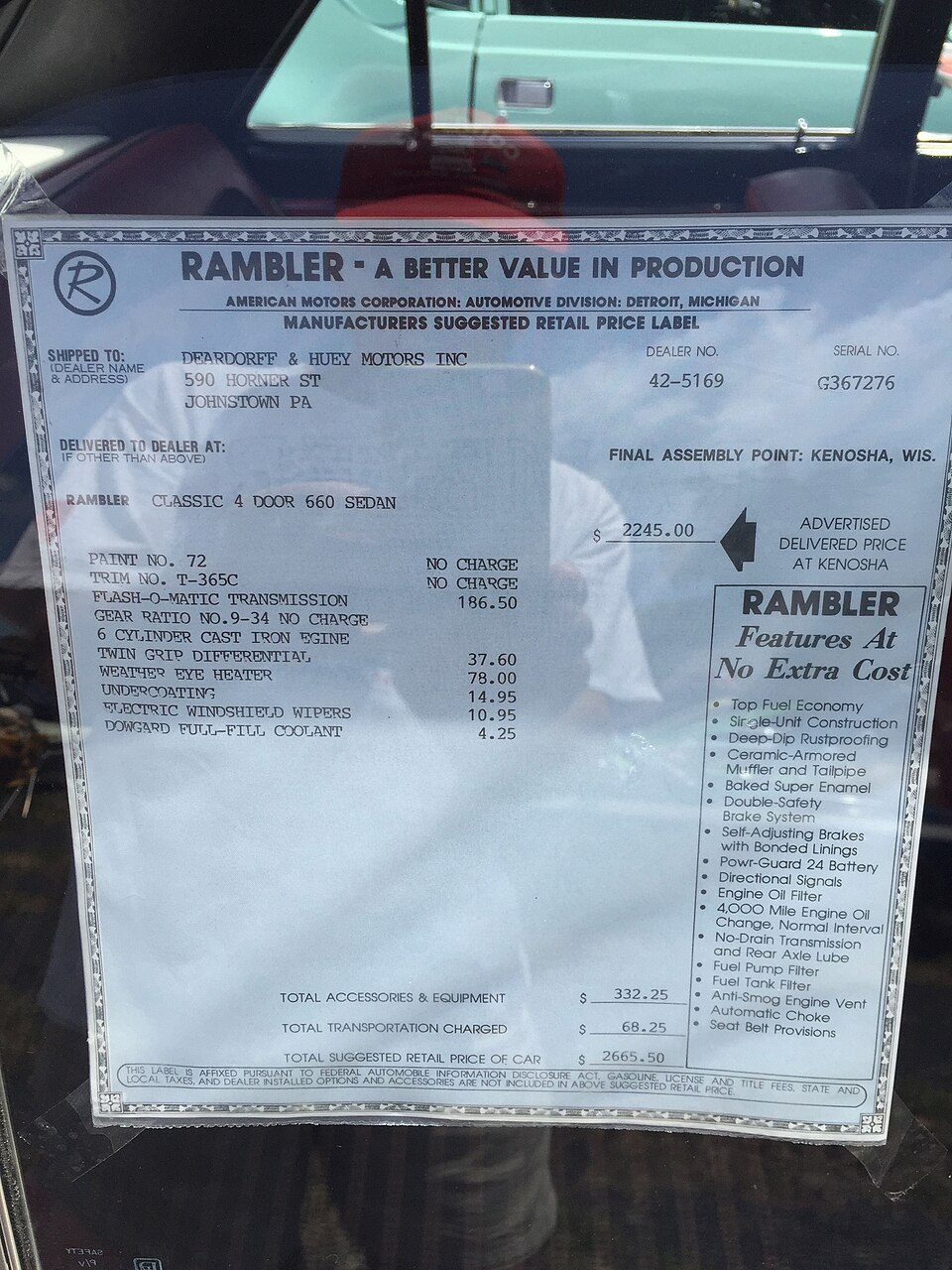
Read the list again. The missing window sticker, the hidden trade-in figure, the four movable variables, the undisclosed finance spread and the unpublished fuel consumption.
Every one of them is an information asymmetry, and every one has been narrowed – by a mandatory price label, by published valuations, by disclosure rules, by standardised economy figures and finally by a buyer arriving with the invoice price on a phone. The negotiation did not become fairer because anybody in the business wanted it to. It became fairer because the buyer stopped being the only person at the desk without the numbers.
The Buyer Was the Only One Without the Numbers
Every item on this list is a version of the same thing: in 1972 the dealership knew what the car cost, what the trade-in was worth, what the finance rate had been approved at and what the extras were really worth, and the buyer knew none of it.
That is not a moral observation about anybody in the business. It is the structure of the transaction. A negotiation in which one side has all the figures and the other has none will produce a particular kind of technique, and the four-variable shuffle, the trip to the manager, the out-of-sight appraisal and the extras presented at the end are all rational responses to having that advantage.
What has changed since is not the people. It is the information. A mandatory posted price label gave the buyer a fixed reference point. Published used-car valuations gave them a trade-in figure. Disclosure requirements narrowed the finance spread. Standardised economy figures created a comparable metric where there had been none. And finally a buyer began arriving with the invoice price and the local transaction data already in their hand.
Two things on the list were never asymmetries and have not changed. The service department is still where the money is, and it is still round the back. And the lot still has a pennant line on it, because a flat paved rectangle on an arterial road still has about four seconds to make a passing driver look.
The window sticker is the thing to be grateful for. Before it there was no number in the room that anybody had to stand behind.
Like our content? Follow us for more.