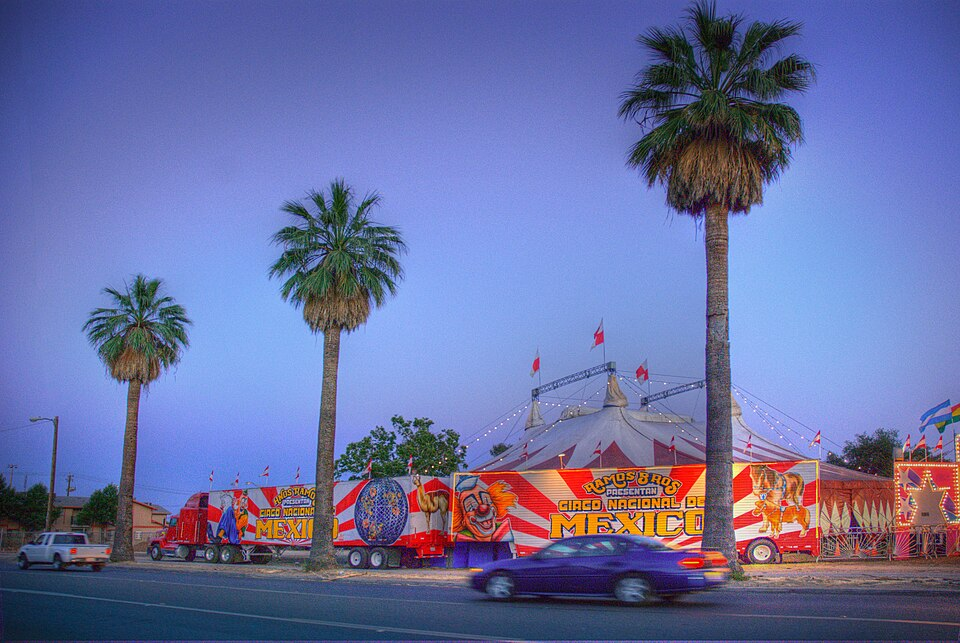
By 1962 the great era of the American tented circus was ending but had not ended. Shows still travelled, still raised canvas in a field on the edge of town, still advertised with posters pasted on every available wall, and still arrived as a genuine event in places where very little happened.
The operation behind it was extraordinary and almost entirely invisible to the audience: a self-contained travelling town that put up and took down a large temporary structure every day, fed and moved its own people and animals, and depended on a labour and animal-keeping model that has since been dismantled from several directions at once.
Here are eleven things the American travelling circus did in 1962. Six of them could not happen today.
1. It Travelled With Large Wild Animals and Performed Them
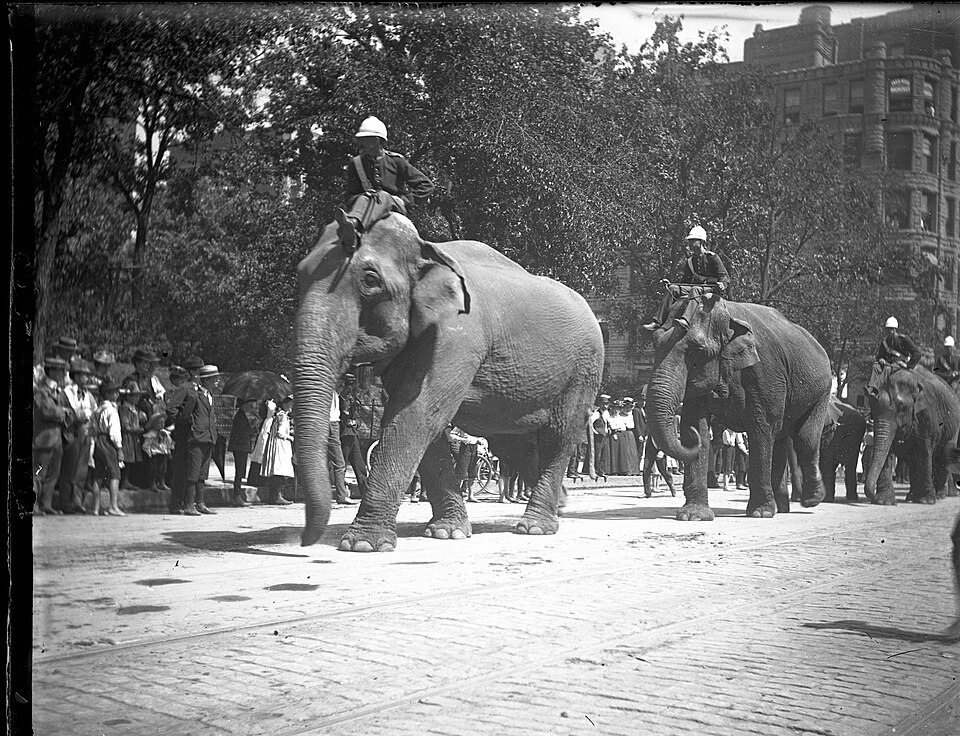
The show moved elephants, big cats, bears and other large animals by rail or road, housed them in transport and temporary quarters at each site, and performed them nightly in a ring a few feet from a seated audience.
The animals were the principal draw and the whole economics of a large show rested on them. Performing wild animals in travelling shows is now prohibited or heavily restricted across a great many American states and municipalities, federal animal welfare requirements govern their transport, housing and handling, and the large travelling wild-animal circus has effectively ceased to exist in the United States.
Like our content? Follow us for more.
2. The Big Top Went Up and Came Down in One Day, Every Day
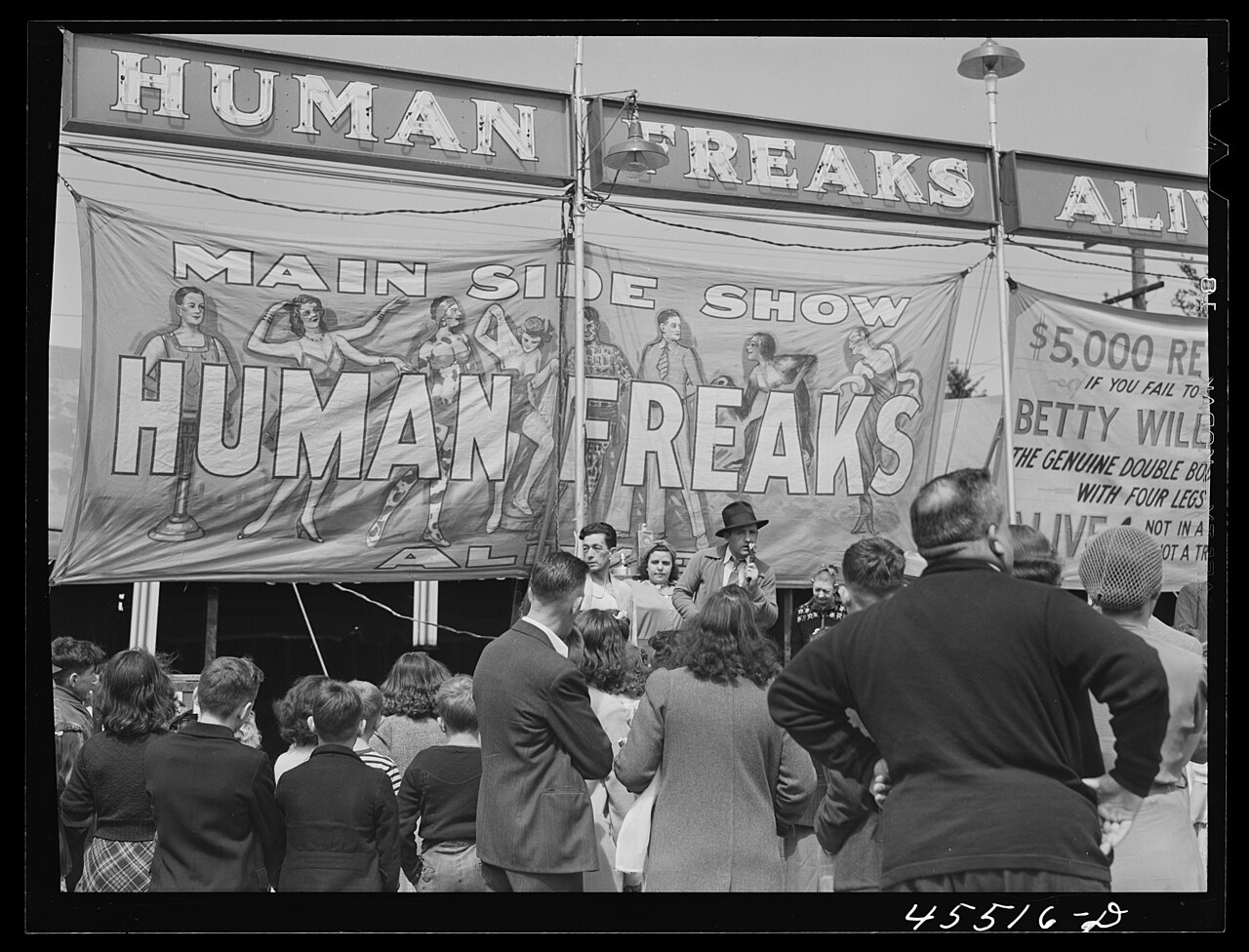
A canvas tent seating several thousand was raised in a morning by a crew driving stakes, hauling poles and heaving canvas, performed under that evening, and struck and loaded overnight for a move before dawn.
It was one of the genuine industrial feats of American entertainment and it was done almost entirely by hand and muscle. A temporary structure of that size assembled daily would now require engineering certification, wind-loading calculation, inspection and a permit in every jurisdiction it entered, and the daily cycle that made the touring model work is what those requirements make impossible.
3. The Workforce Lived on the Train and Had No Protections
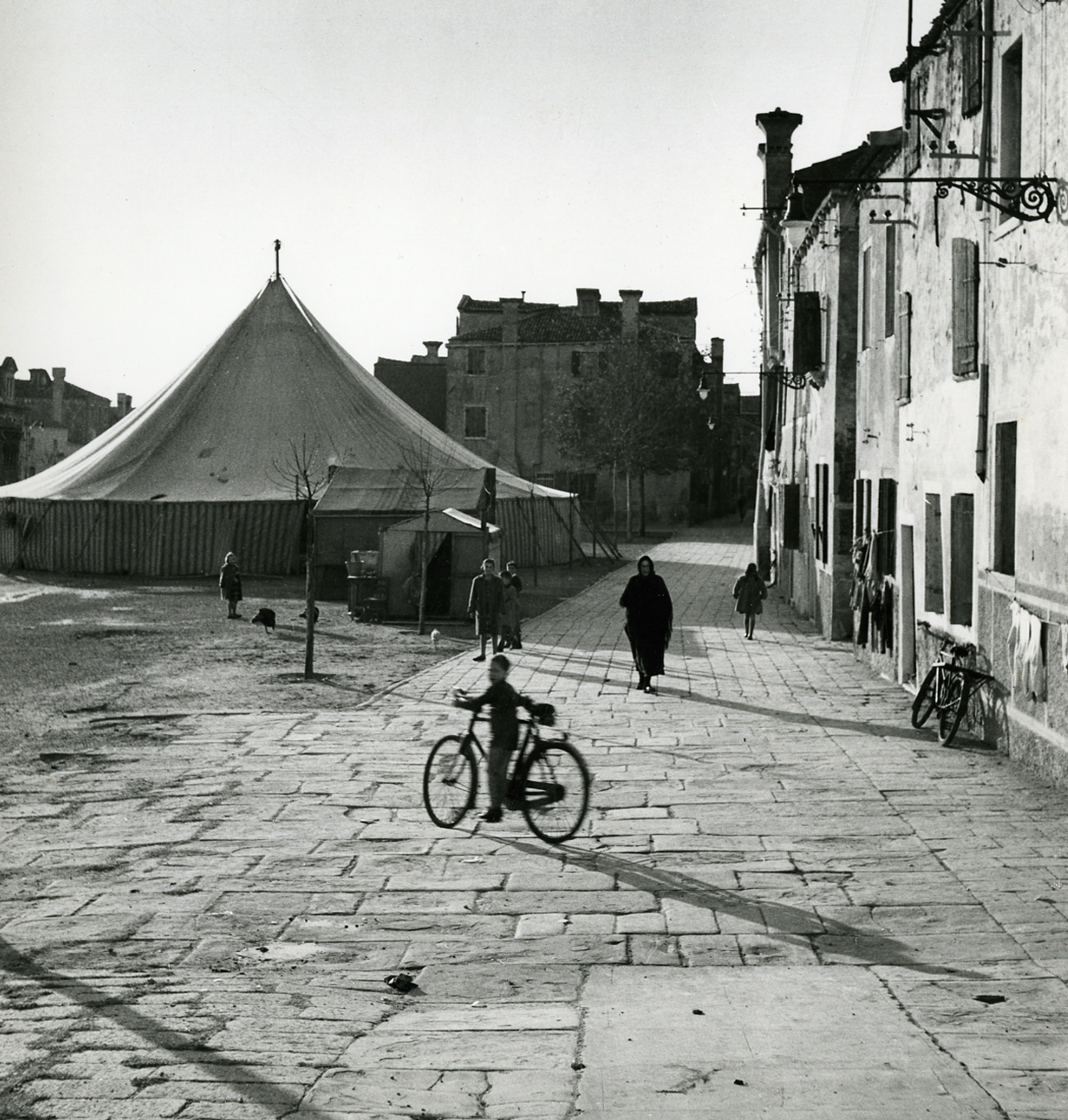
The crew that raised the tent, fed the animals and moved the show lived aboard, were hired and discharged on the road, worked from before dawn until after midnight on move days, and had no hours limit, no overtime, no compensation scheme and frequently no written terms.
The work was genuinely gruelling and genuinely dangerous. Hours, wage, overtime, workers’ compensation and housing standards now reach travelling entertainment workforces in the United States, and the period’s engagement model would breach several of them at once.
4. Children Worked in the Show and in the Crew
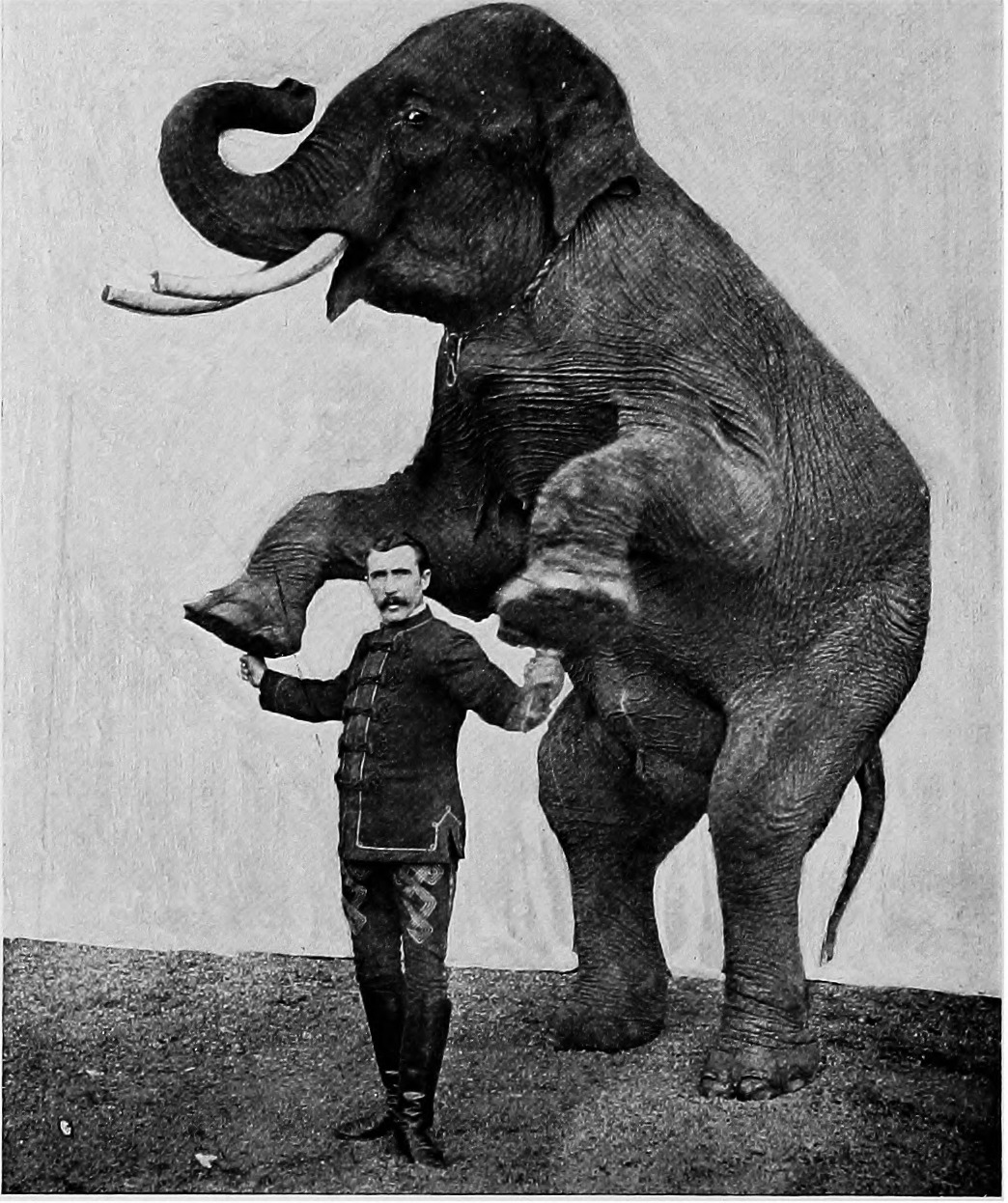
Circus families performed together across generations, children appeared in the ring, and children also worked around the lot – handling animals, running errands and assisting the crew.
Performing families regarded this as apprenticeship and in a real sense it was. American child labour and child performer law now governs minors in entertainment through hours restrictions, permits, educational requirements and trust arrangements for earnings, and children working around animals and rigging would not be permitted.
5. The Aerial Acts Worked Without Nets
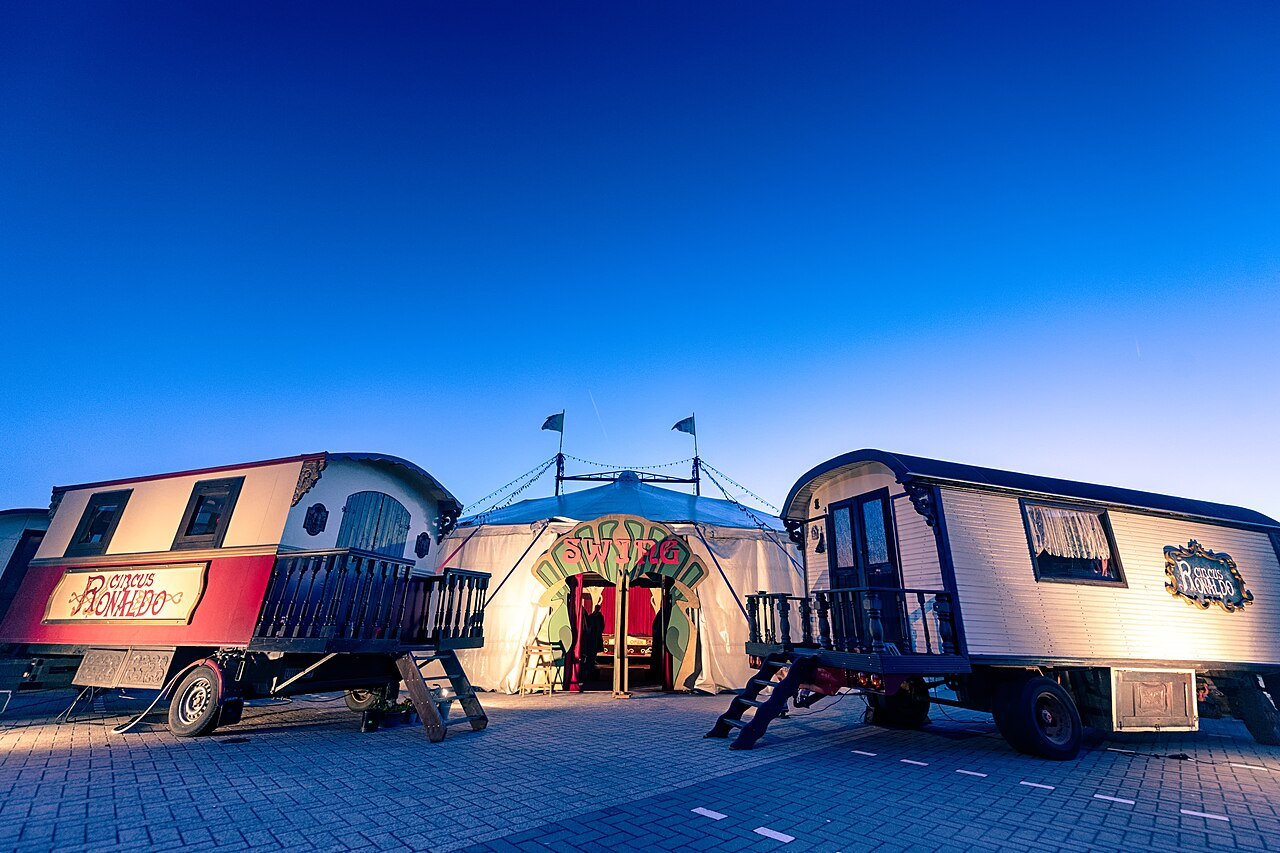
High wire, trapeze and aerial acts were frequently performed without a net and almost always without any secondary safety line, because the visible absence of protection was the point of the act.
Falls happened and were sometimes fatal, and the industry treated the risk as the performer’s own to take. Rigging inspection, fall protection requirements and insurance conditions now govern aerial performance in the United States, and a net-free high act is either prohibited or requires an engineered and inspected alternative.
6. The Sideshow Displayed People
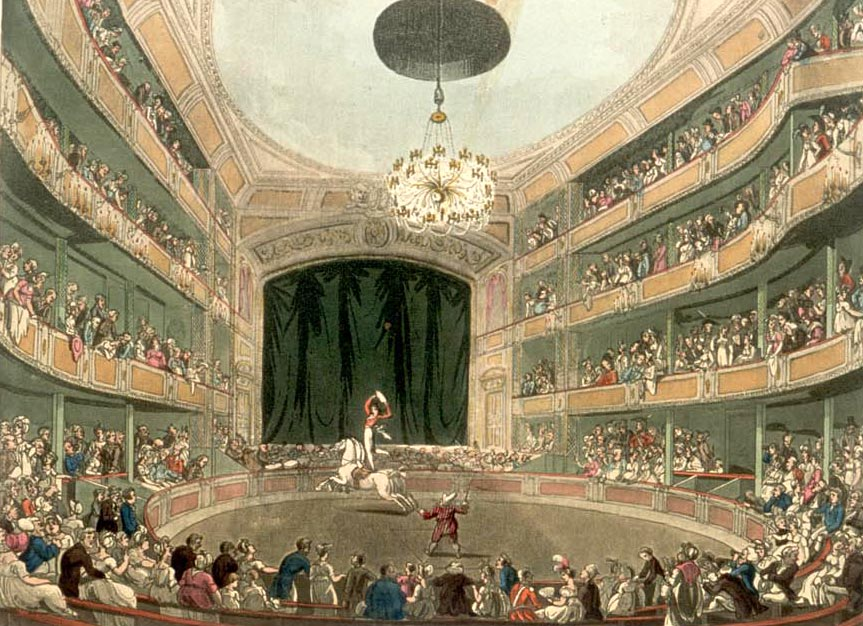
Alongside the main performance a separate attraction charged admission to see exhibited people, presented as curiosities under invented titles.
This was the circus’s most indefensible practice. Its performers were frequently people for whom few other livelihoods were available and some made a living and a community in it, which complicates the account without redeeming the arrangement. The practice ended through changing public attitudes, disability civil rights law and the simple fact that it became commercially impossible, and nothing resembling it could operate today.
7. The Advance Men Pasted the Town Weeks Ahead
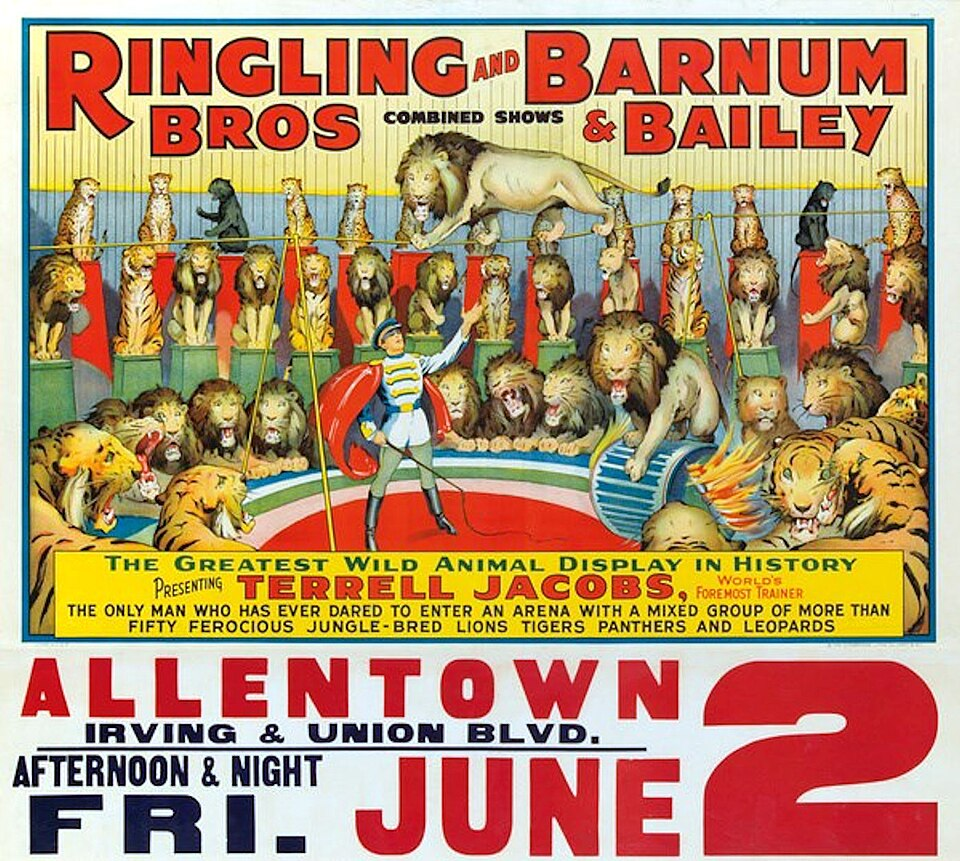
A crew went ahead of the show by weeks, negotiating the lot, obtaining the local licence, placing newspaper advertising and pasting lithographed posters on barns, fences and walls in enormous quantity.
Billposting was a skilled trade with its own territorial conventions, and rival shows pasted over each other. The posters are now collected as graphic art, and the practice ended with outdoor advertising regulation and the loss of the small-town newspaper.
8. The Lot Was Chosen, Rented and Licensed in a Morning
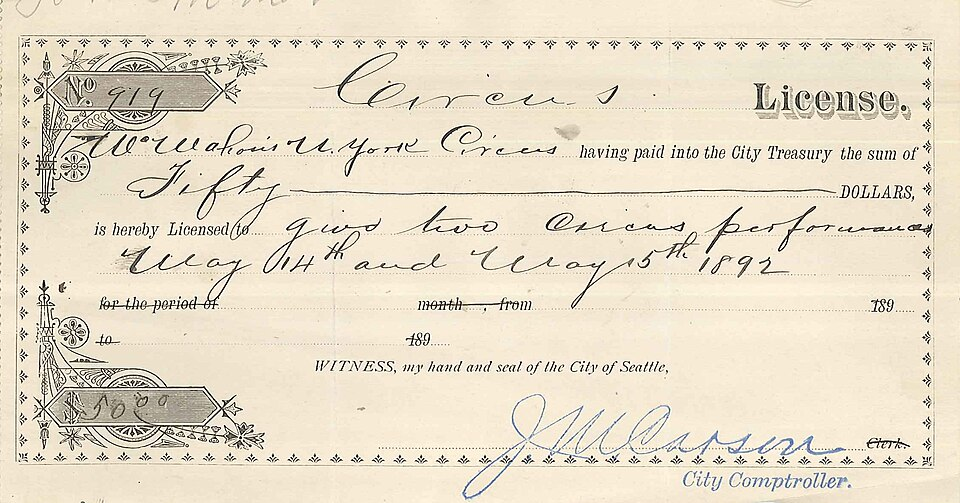
Arrival meant a field, a handshake with a landowner, a local licence bought at the clerk’s office and a show that evening. There was no site assessment, no traffic plan, no sanitation provision beyond what the show carried and no public safety review.
The whole model depended on being able to set up in a day in a place nobody had surveyed. Modern event permitting – site plans, crowd management, sanitation, parking, emergency access and insurance – is the single largest practical obstacle to the touring tented show.
9. The Money Was Cash and the Show Counted It Itself
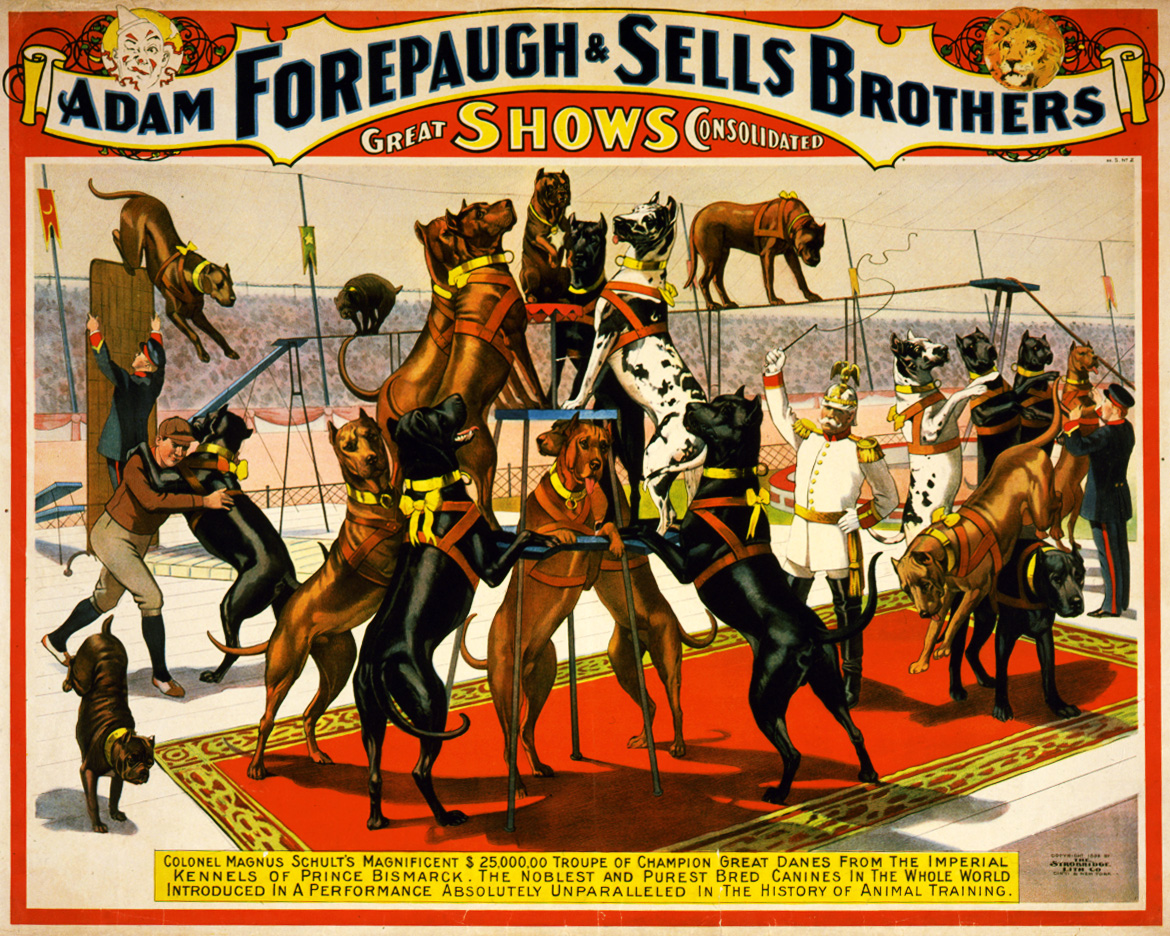
Admission, concessions, the sideshow and the souvenir trade were all cash, counted by the show’s own people, with the local authority’s share settled by agreement rather than by audit.
It made the operation fast and it made it opaque, and the trade’s reputation for sharp practice at the ticket wagon was not invented. Modern ticketing, tax reporting and venue contracts have removed both the speed and the opacity.
10. Everybody Smoked Under a Canvas Tent
The audience smoked in a tent made of treated canvas, seated on wooden stands, in a structure with limited exits and no detection or suppression of any kind.
The fire risk in a large canvas tent full of people was understood and had been demonstrated catastrophically in American circus history. Indoor and tent smoking is now prohibited at American public events, and tent flame-retardancy certification, exit provision, capacity limits and fire-watch requirements are permit conditions everywhere.
11. Then Television, Insurance, Animal Law and the Interstate Finished It
The decline had several causes arriving together. Television gave small-town America spectacle at home for nothing. Liability insurance for a daily-assembled tent, aerial acts and wild animals became ruinous or unobtainable. Animal welfare law and public opinion closed the main attraction. Event permitting made the one-day stand impractical. And the interstate highway that made the convoy possible also let audiences drive to permanent attractions instead.
Most American shows moved indoors into arenas, dropped the animals, and became a different kind of production. The tented one-day stand – a canvas building, a town, and a show that was gone by morning – is the thing that actually ended, and nothing has replaced the particular event it was.
What Closed It, and in What Order
Six of these could not happen today: travelling with and performing large wild animals, raising an uncertified tent of that size daily, the engagement and housing of the workforce, children working around animals and rigging, net-free aerial acts, and the exhibition of people in a sideshow. Smoking under canvas belongs with them.
The order matters, because the circus is usually said to have been killed by animal welfare alone and that is not what happened.
Insurance went first in practical terms. A show performing aerial acts without nets, raising a large temporary structure daily and travelling with big cats became an unacceptable risk to underwrite, and the cost of cover reached the point where the economics stopped working regardless of attendance.
Event permitting went next and did the quiet damage. A touring model built on arriving in a field and performing that evening cannot survive a requirement for site plans, engineering certification, crowd management and emergency access, because those take weeks and the show was there for a day.
Animal law and public opinion closed the main attraction last, and by then it was closing a business that had already lost its structure.
And television had removed the reason the show was an event at all, which is the cause nobody legislated and nobody could have stopped.
People who saw a tented circus arrive describe the same things: waking to find a town assembled in a field, the size of the tent from inside, and the completeness of its disappearance the next morning. As a piece of theatre the arrival was better than the show.
It was also built on animals in railway cars, a crew with no protections, performers working above a bare floor, and a tent where people were exhibited for money. The circus is the clearest case in this whole series of something genuinely magnificent that was constructed out of arrangements nobody would now defend – and both halves of that are true at once.
Like our content? Follow us for more.