

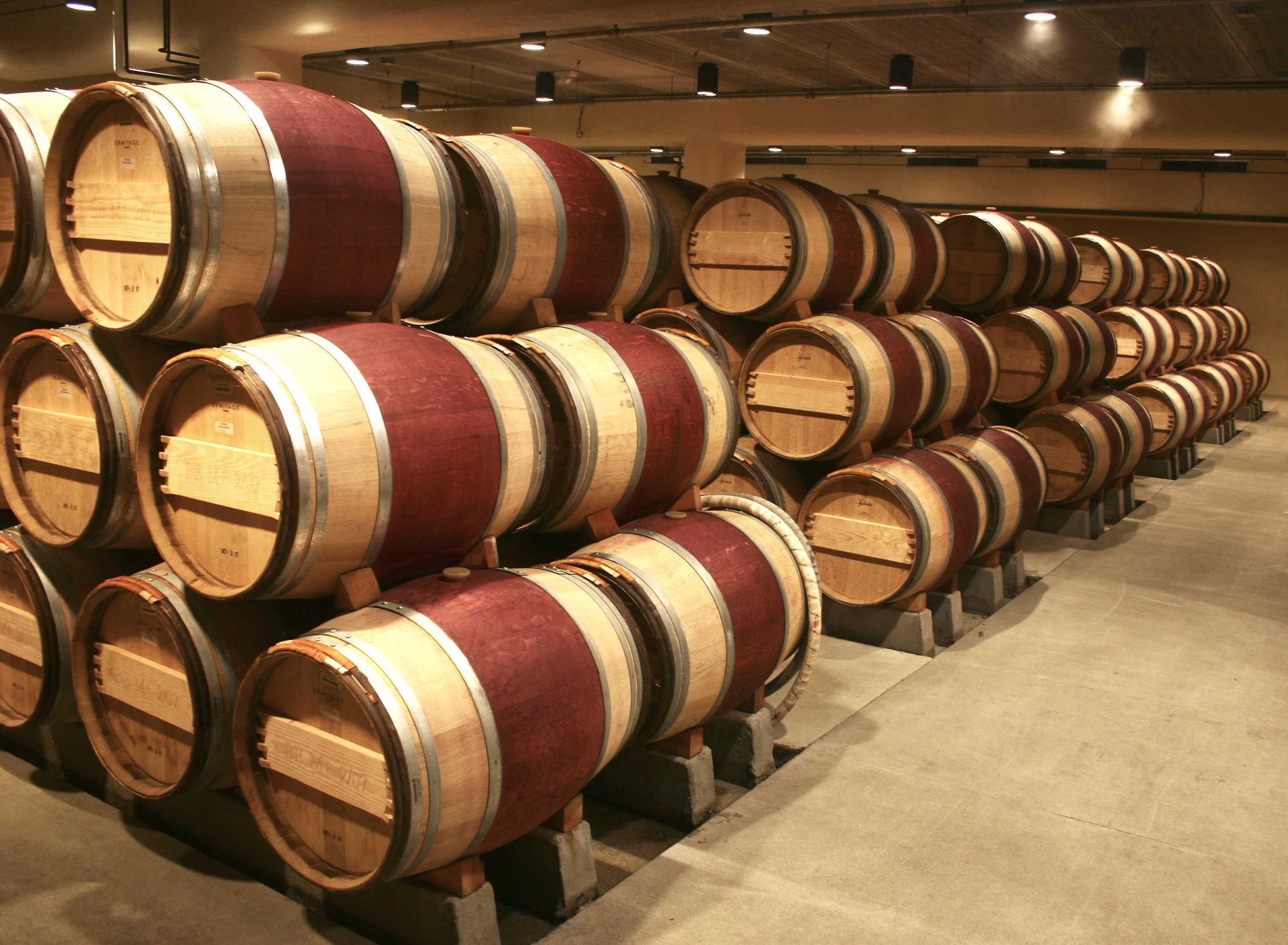
There is a specific moment, four years after this one, when American wine stopped being a joke – a blind tasting in Paris in 1976 in which French judges placed California wines above celebrated French ones and the result was reported around the world.
This piece is about the four years before that, which is a far more interesting period, because nobody involved knew it was coming.
An American winery in 1972 was a small, undercapitalised, technically improvised operation run by people who had mostly come from somewhere else and were making a product their own country did not respect. Here are eleven things about what that was actually like.
1. There Were Almost No Wineries
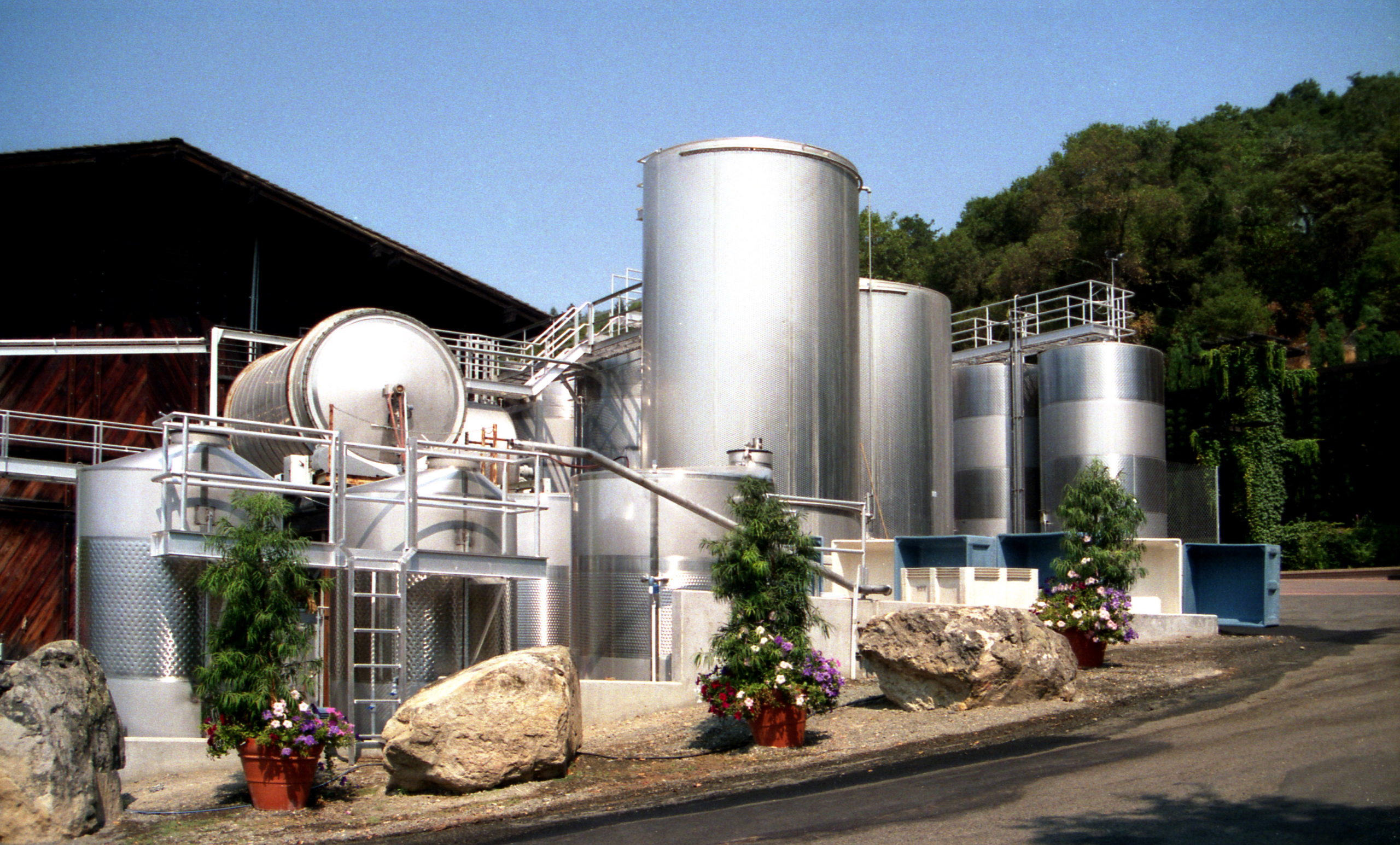
The number of bonded wineries in California in the early seventies was a few hundred, and the number making serious table wine was a fraction of that. A great many American counties that now have a wine industry had none at all.
The scale is the thing people underestimate. This was not an established industry having a quality problem – it was a very small number of operations, many of them new, in a country that had largely forgotten it had ever made wine.
Like our content? Follow us for more.
2. Prohibition Had Destroyed the Whole Thing and It Had Not Recovered
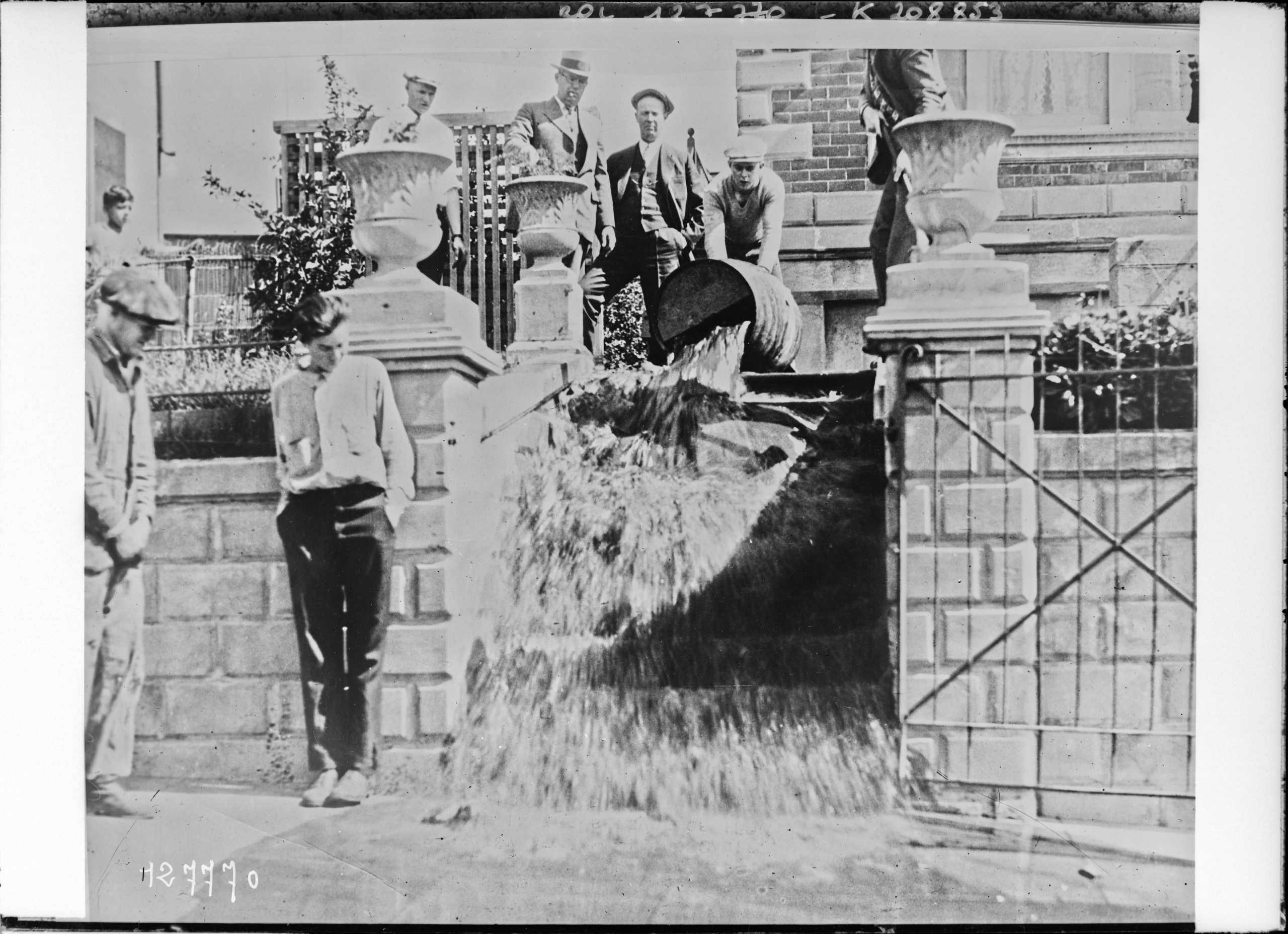
National prohibition closed the American wine industry almost completely, and what survived did so by making sacramental wine, grape concentrate for home production, or by pulling out the vines entirely and planting something else.
The damage was not just commercial. Vineyards of good varieties were replanted with thick-skinned grapes that shipped well and made poor wine, skilled people left, institutional knowledge was lost, and the market was retrained on sweet fortified products. Four decades later the industry was still working out of that hole, which is the single most important fact about American wine in 1972.
3. Most American Wine Was Sweet, Fortified and Sold by the Gallon
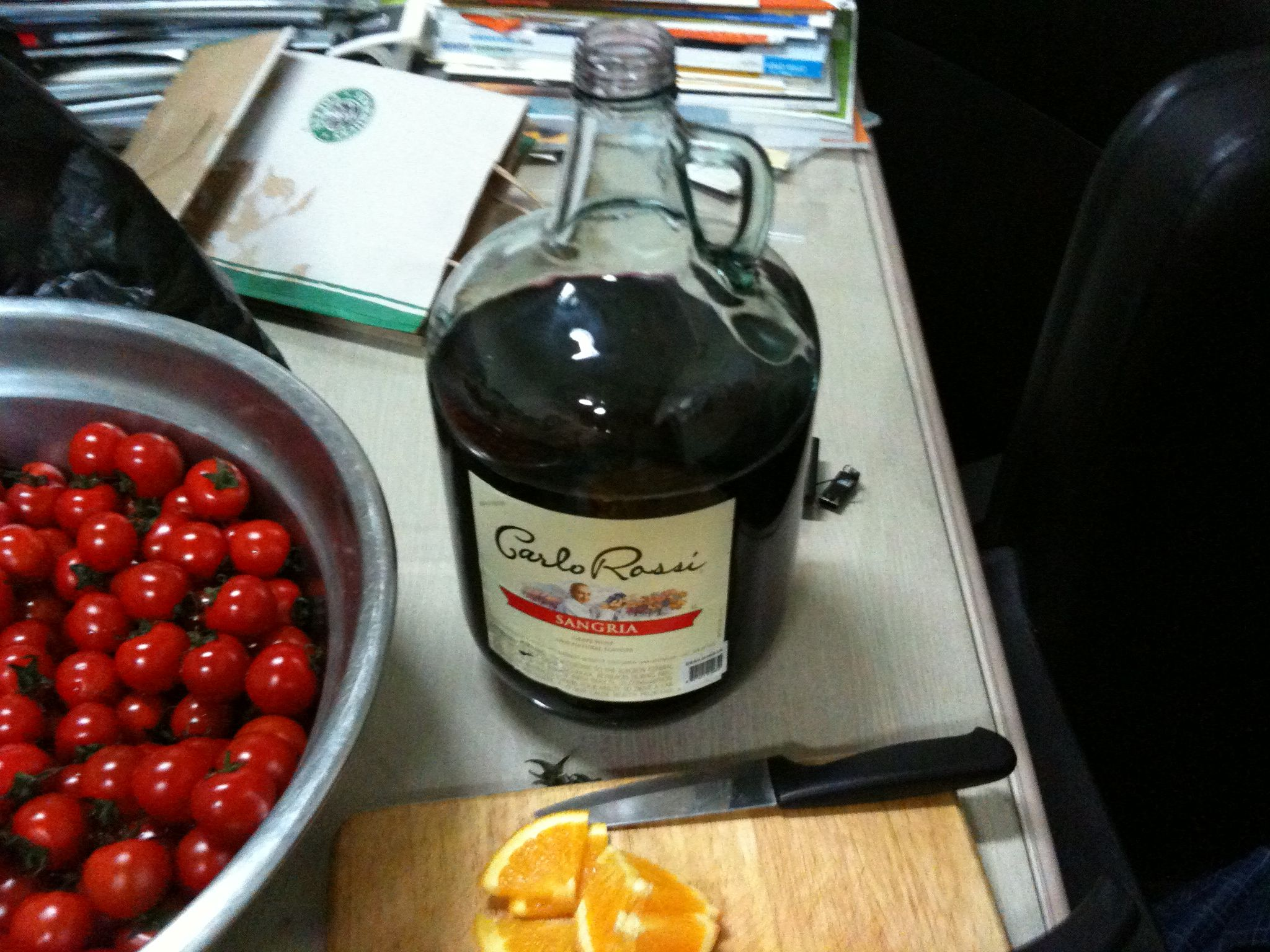
The commercial bulk of American production was high-alcohol fortified wine in large bottles, sold cheaply, and the dry table wine that now defines the industry was a minority product.
This is why the category had no standing. A customer’s experience of American wine was overwhelmingly of something industrial and sweet, and the small producers making dry table wine were fighting that association rather than any French competition.
4. The Equipment Was Second-Hand, Improvised or Borrowed
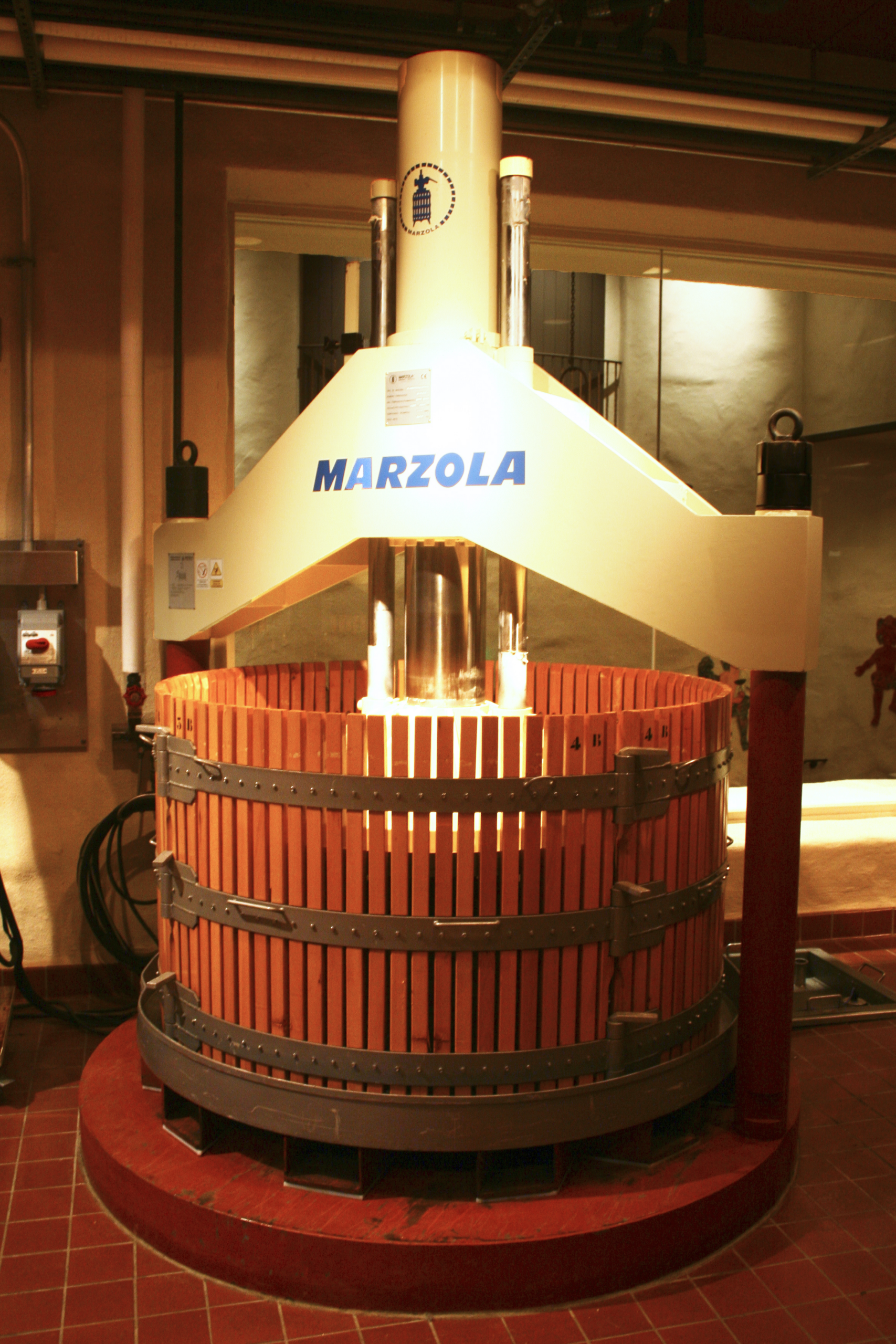
Small producers worked with dairy tanks, converted equipment, hand-built presses, borrowed bottling lines and barrels bought used. Buildings were sheds, barns and whatever had a concrete floor and a water supply.
The improvisation was universal and it is remembered fondly, because it was also the period in which a very great deal was learned by people who had to understand their process rather than buy it.
5. The Science Was New and It Came From a University
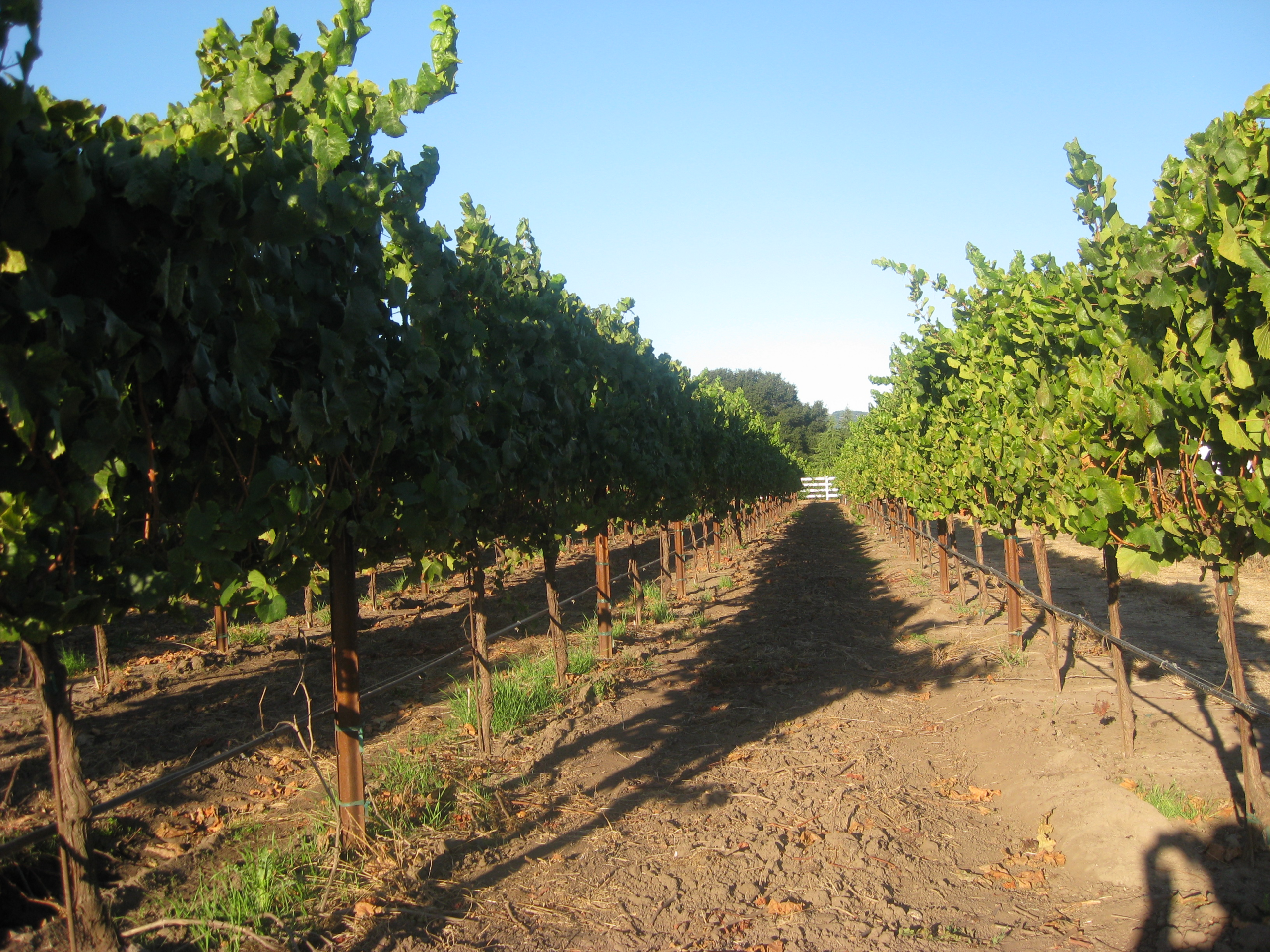
The technical foundation of modern American winemaking – temperature-controlled fermentation, understanding of malolactic conversion, clonal and rootstock selection, sanitation practice and the matching of variety to site – was being developed and taught at an American agricultural university and transmitted directly to the people making the wine.
This is the genuinely distinctive thing about the American industry’s rise and it is frequently left out of the story. The transformation was not a tradition reasserting itself – it was an explicit programme of applied science reaching a new industry that had no tradition left to defend.
6. A Great Many Owners Had Come From Somewhere Else Entirely

The people starting wineries in this period were disproportionately career changers – engineers, academics, doctors, lawyers and businesspeople who had decided to do something else and had capital from a previous life.
It gave the industry an unusual character: curious, analytical, willing to try things, and not bound by inherited practice because nobody had inherited any. It also meant a great deal of money was lost by people who could afford to lose it, which is itself a form of research funding.
7. The Land Was Cheap and Nobody Was Competing for It
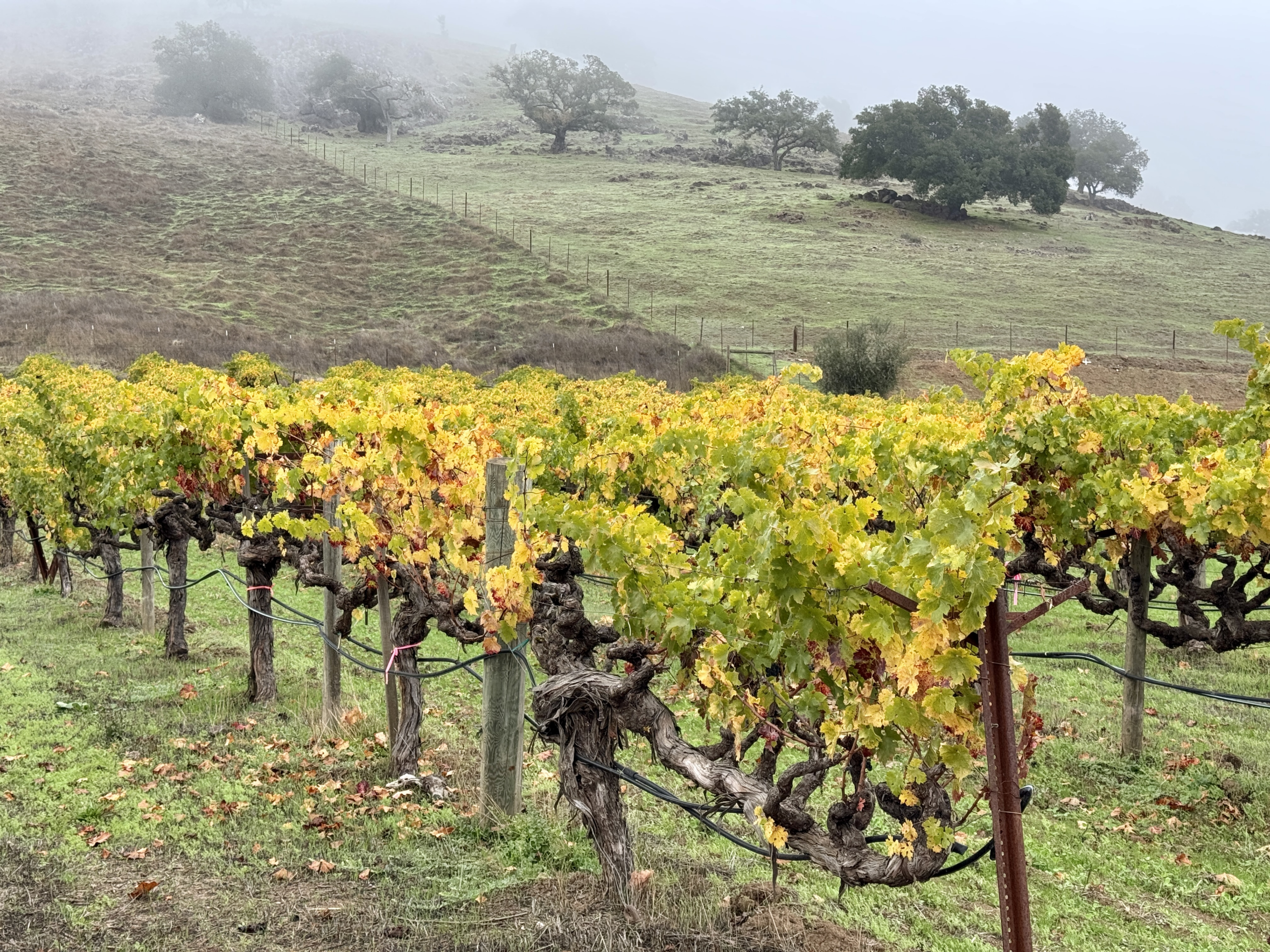
Vineyard land in the regions that are now the most expensive agricultural ground in the United States was affordable farmland, bought by people with ordinary resources, frequently alongside orchards and grazing.
The appreciation since is extraordinary and it closed the door behind the people who came through it. A career changer with a modest amount of capital cannot now do what a career changer with a modest amount of capital did in 1972, and that is the most consequential change in the whole industry.
8. You Could Walk In and Somebody Would Pour You Something
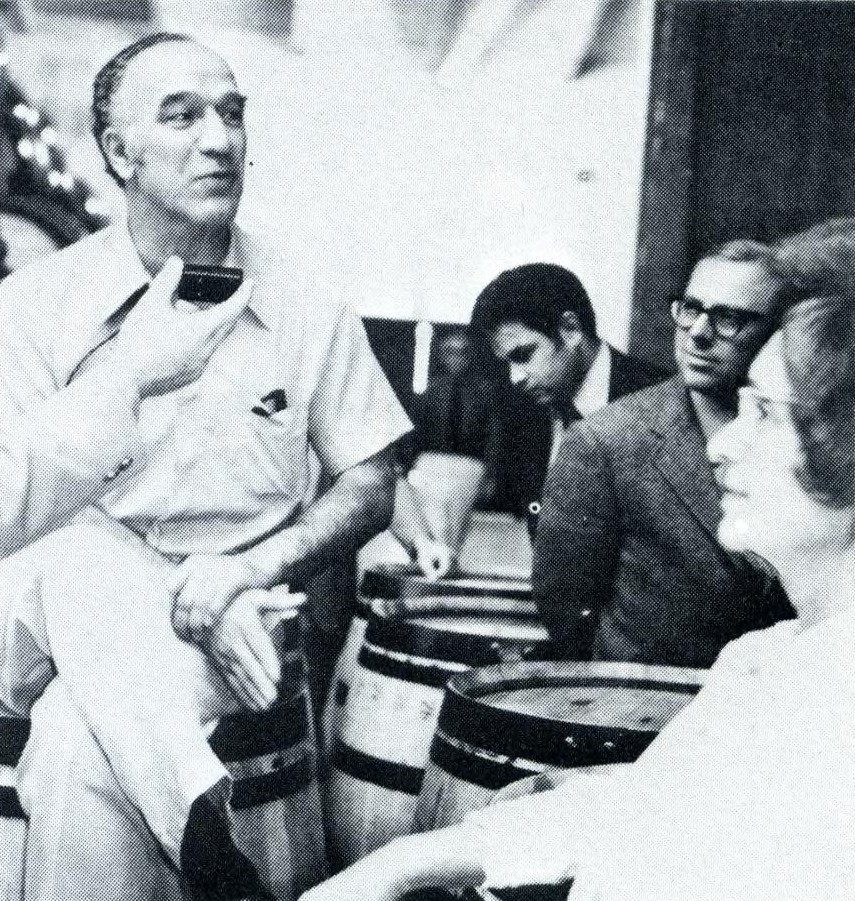
Tasting was informal, free, unstructured and frequently conducted by whoever was there, including the owner, in the working part of the building among the tanks.
There was no appointment, no fee, no tasting room as a designed space and no hospitality operation. The modern visitor experience – reservations, structured flights, charges, purpose-built rooms – is a different product entirely, and it exists because the visitor numbers made the informal version impossible.
9. The Labelling Rules Were Loose
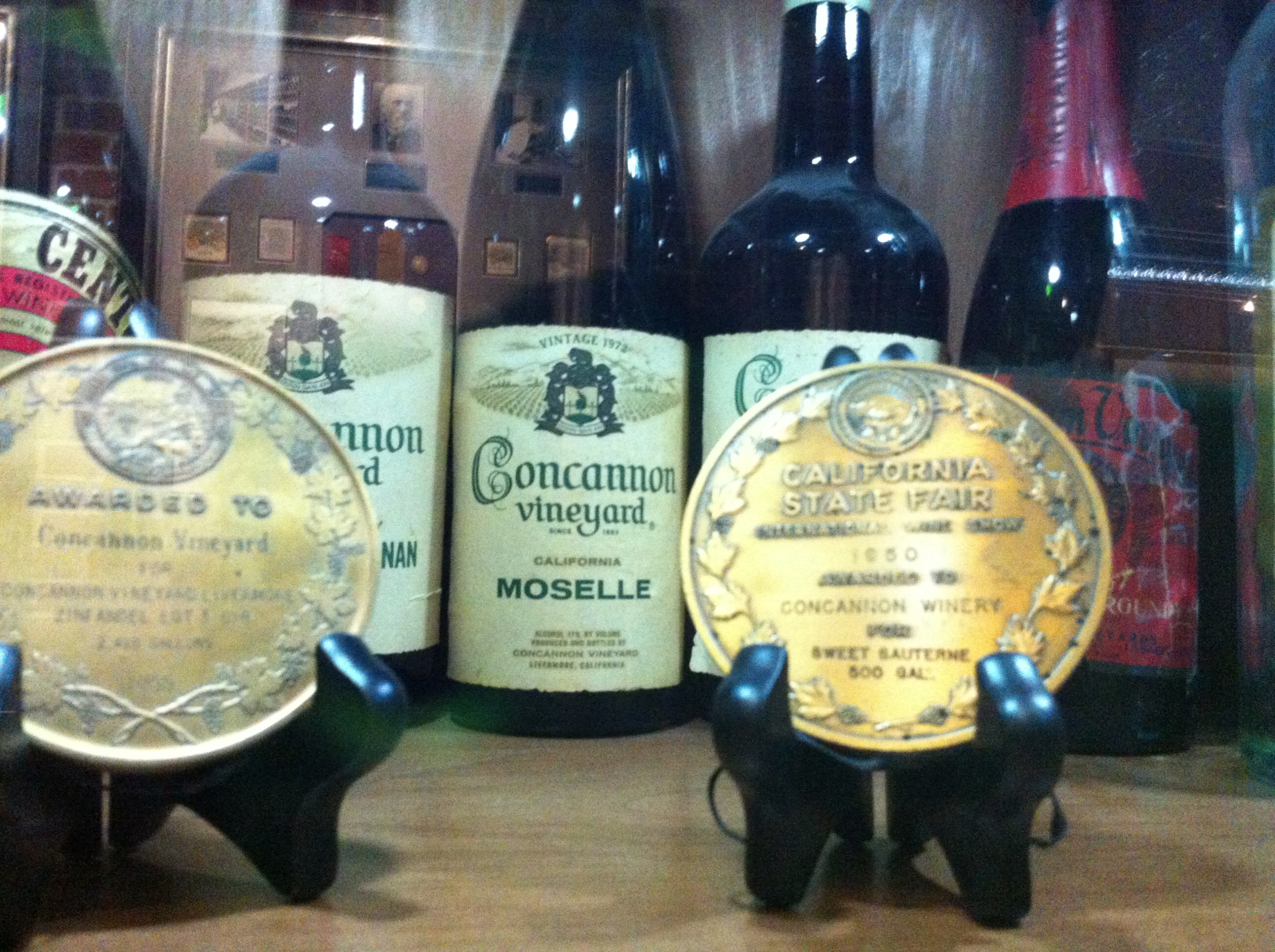
American labelling requirements of the period permitted a wine to be named for a variety or a region while containing substantially less of either than the name implied, and generic European place names were used freely on American wines.
American labelling regulation has since tightened considerably on varietal and appellation content, the American Viticultural Area system was established to define origin properly, and the use of European place names on American wine has been progressively restricted under international agreement. The looseness of the period labelling is a large part of why the category had no credibility.
10. Nobody Was Buying It for Investment and Nothing Was Scarce
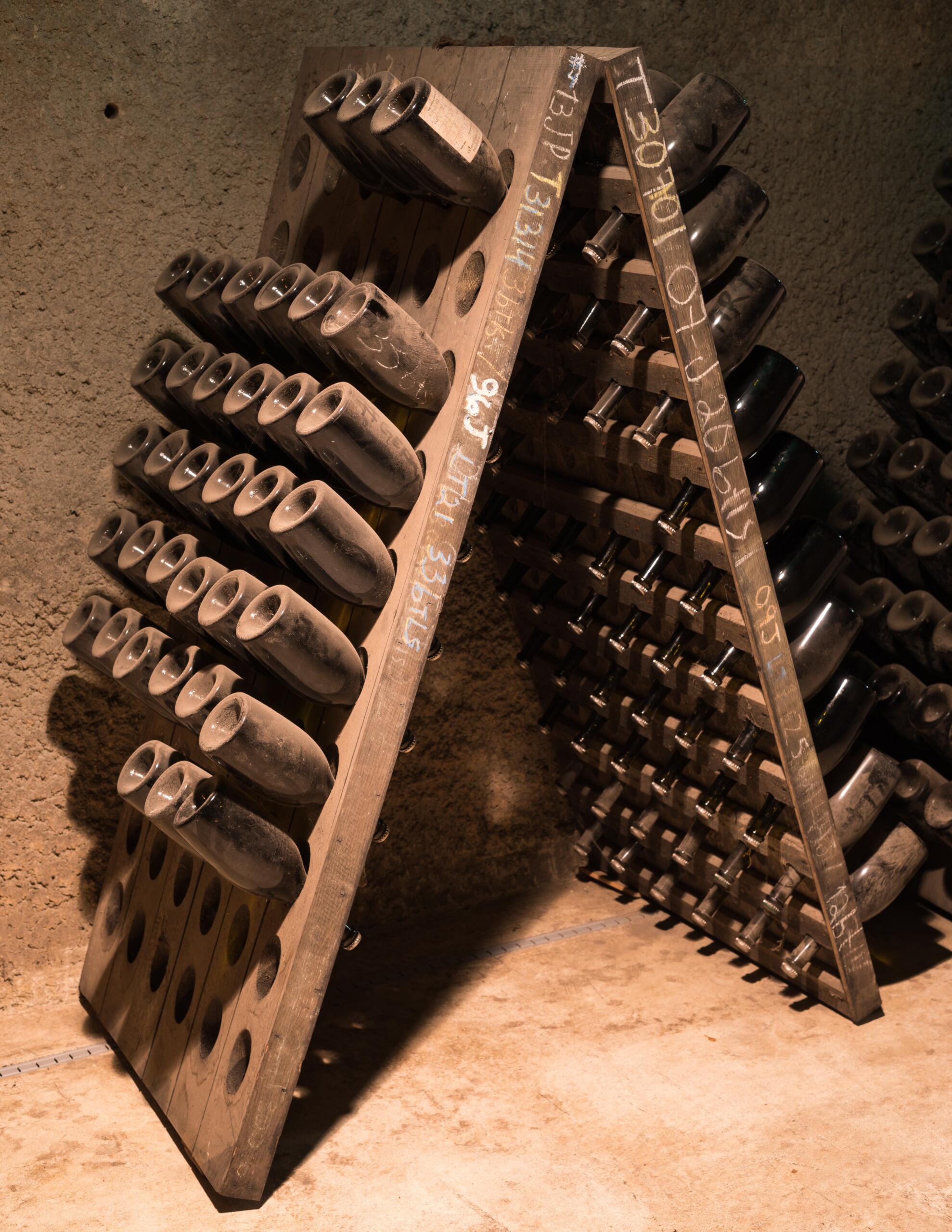
American wines of this period were sold to be drunk, at prices reflecting an unproven category, with no secondary market, no allocation lists, no scores and no scarcity.
Bottles from these years that survive are now valuable and were sold for very little. The entire apparatus of ratings, allocation, collecting and speculation arrived after the reputation did, and the people making the wine in 1972 had no expectation of any of it.
11. And Then One Tasting Changed the Category Overnight
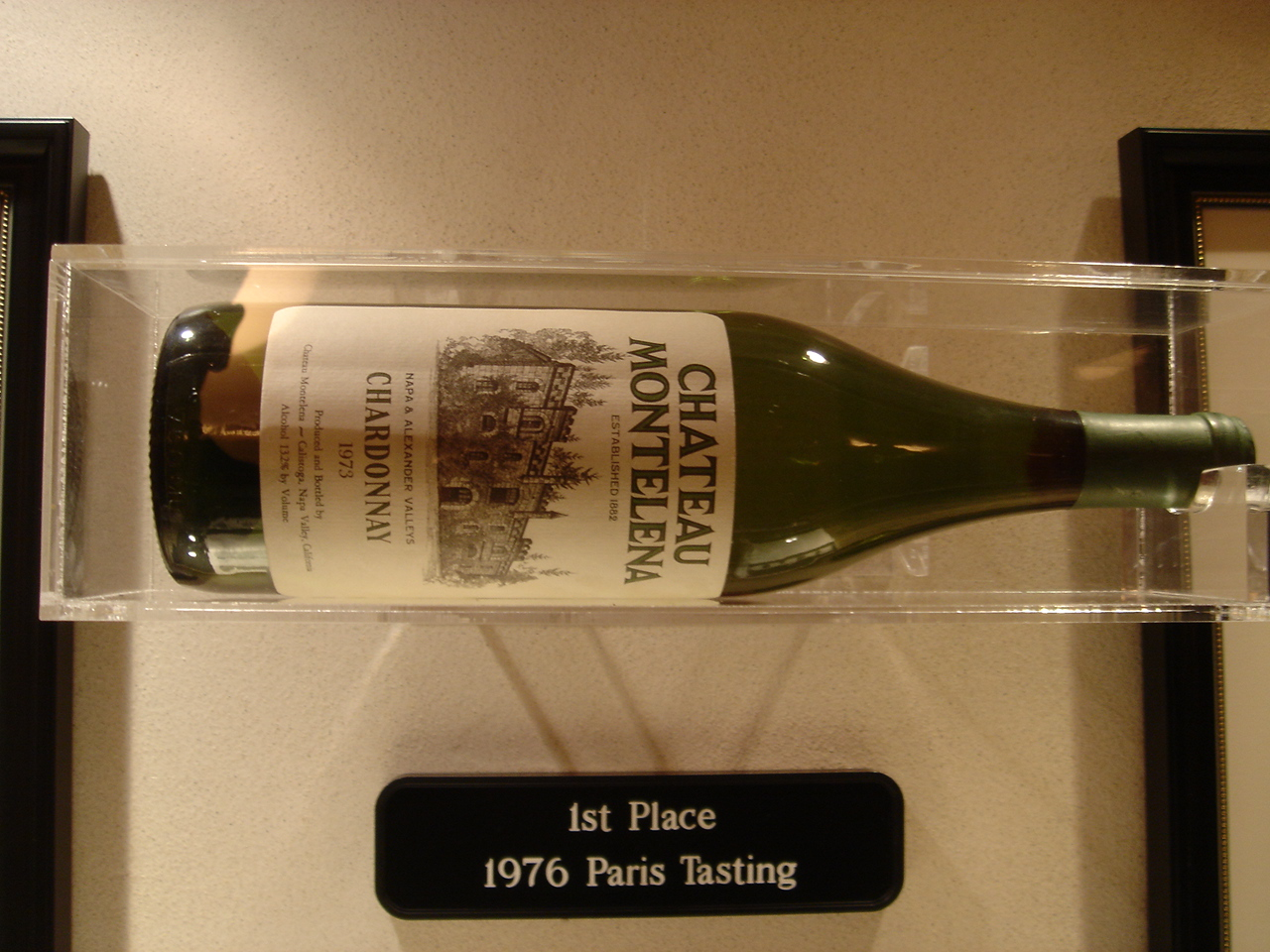
The 1976 Paris result did not improve the wine – the wine had already improved, which is why it won. What it changed was permission. A French panel placing California above France, reported internationally, made it respectable for a merchant to stock American wine, for a restaurant to list it and for a consumer to buy it without apology.
What followed was capital, planting, land appreciation, consolidation and the modern industry. The small improvised winery run by a former engineer in a shed with dairy tanks did not survive that in most cases, and the ones that did are now large businesses. The four years before the tasting are the last period in which American wine was made by people with nothing to lose.
Why 1972 Is the Interesting Year
One of these is now substantially regulated away: the labelling, which permitted varietal and regional names with little behind them and allowed European place names on American bottles, and which has since been tightened through content requirements, a proper appellation system and international agreement.
Everything else changed without anybody legislating.
The American wine industry of 1972 was the product of a specific sequence: prohibition destroyed it, the recovery retrained the market on sweet fortified wine, and the small number of people trying to make serious table wine were doing so with no tradition, no capital, no reputation and no reason for confidence.
What they had instead was applied science from a university programme, cheap land, capital from previous careers and no inherited practice telling them what could not be done. That combination is unusual and it is why the improvement was so fast.
The Paris tasting in 1976 is remembered as the turning point, and it was – but it was a turning point in permission rather than in quality. The wine that won had been made by people working in 1972 conditions, which is exactly why the four years before it are the more interesting period.
The people who were there describe a period with no pressure in it. Nobody was watching, nothing was expected, the wine was cheap, the land was cheap, and the work was done by a small number of people who all knew each other and shared equipment and information freely because there was no advantage in not doing.
That ended with the recognition, as it was always going to. The industry that followed is vastly larger, considerably better and makes wine the 1972 producers would have been astonished by. It is also an industry nobody could now enter the way they did, on a career change and a modest sum, into farmland nobody else wanted.
Like our content? Follow us for more.
