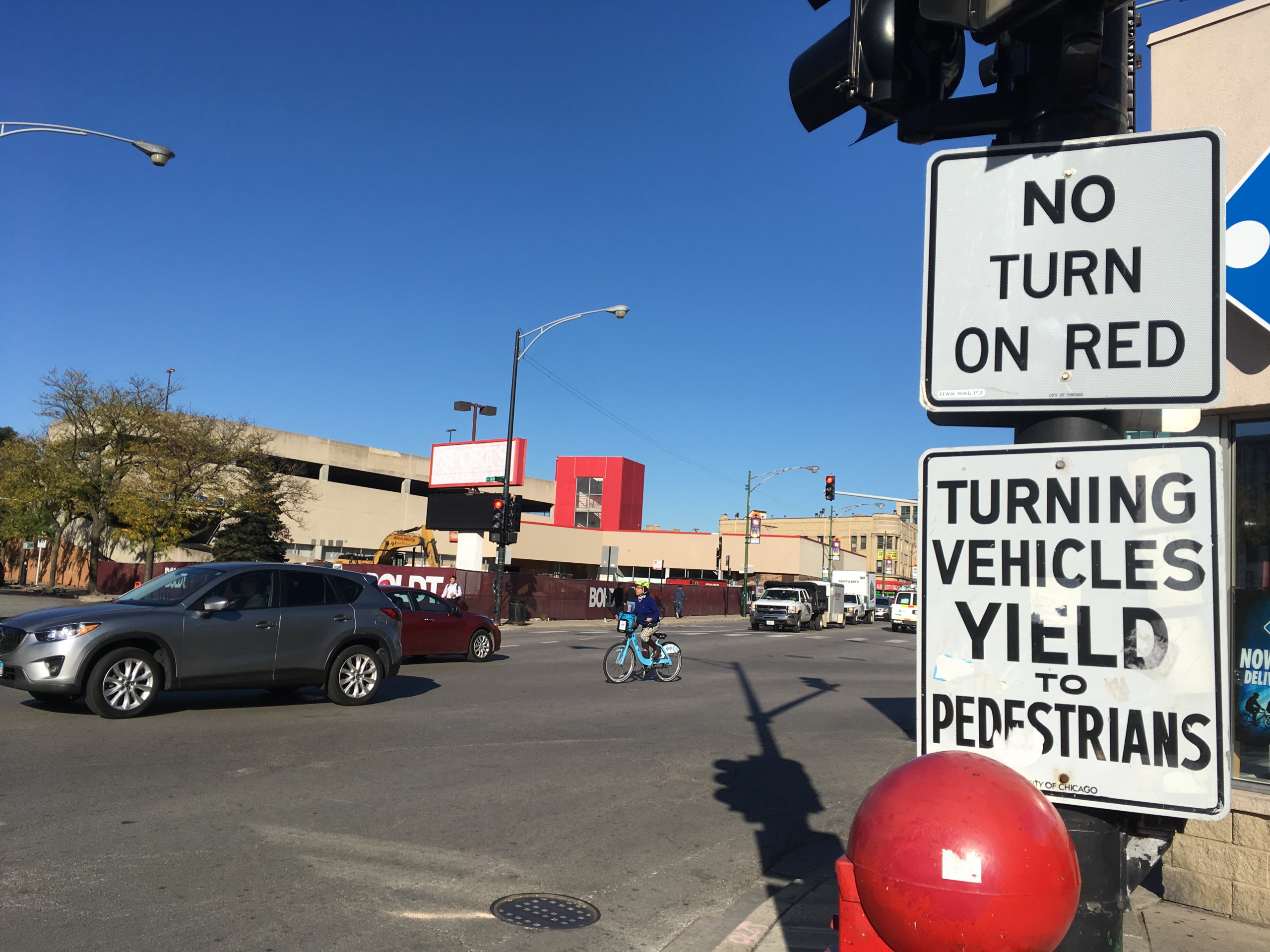
A driver from almost anywhere else in the world, sitting in an American car for the first time, experiences a specific moment of alarm when the person driving them rolls up to a red light and turns right through it.
To the American this is unremarkable. The light is red, you stop, you look, and if nothing is coming you go. To the visitor it looks like running a red light, because in their country that is exactly what it would be.
The interesting part is that it is not an ancient American practice either. For most of the twentieth century the majority of the United States prohibited it, exactly as most of the world still does. It became the national default in a single short period in the nineteen-seventies, and it got there not through traffic research but through an energy crisis and a condition attached to federal money.
The Country Was Split
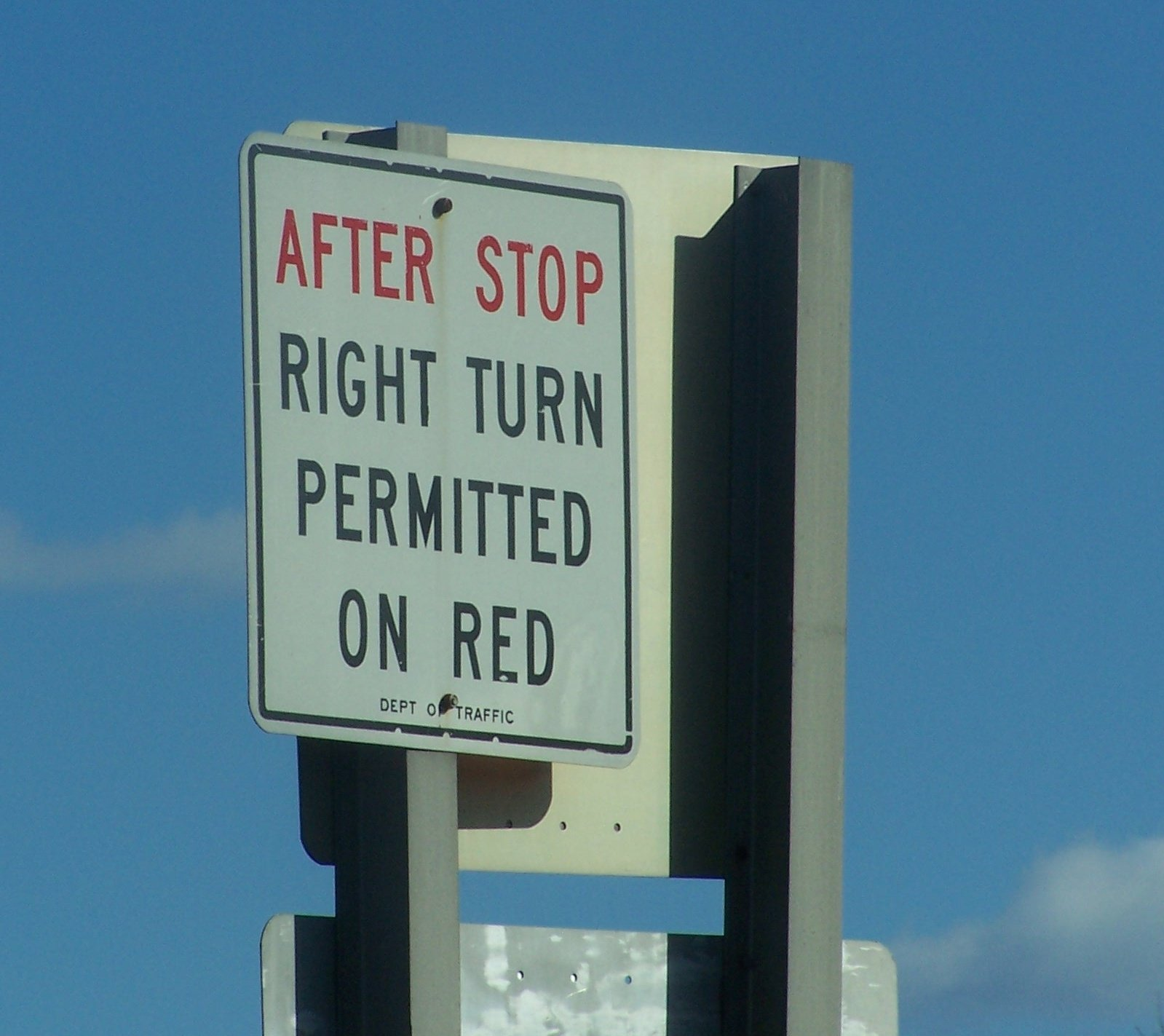
Before the mid-seventies, American practice divided roughly along geographic lines.
A number of western states had permitted right turn on red for decades. The usual explanation is the one that fits the geography: long distances, lower traffic densities, wide intersections with good visibility, and a general regulatory culture less inclined to prohibit something that an attentive driver could do safely.
The eastern states, and the dense older cities in particular, prohibited it. Their intersections were tighter, the sightlines worse, the pedestrian volumes far higher, and the streets had been laid out long before motor traffic. In that environment a turning vehicle crossing a crossing on a red signal is a materially different proposition.
Both positions were defensible and both were held for sensible local reasons. What changed was not the evidence about either.
Like our content? Follow us for more.
The Oil Embargo
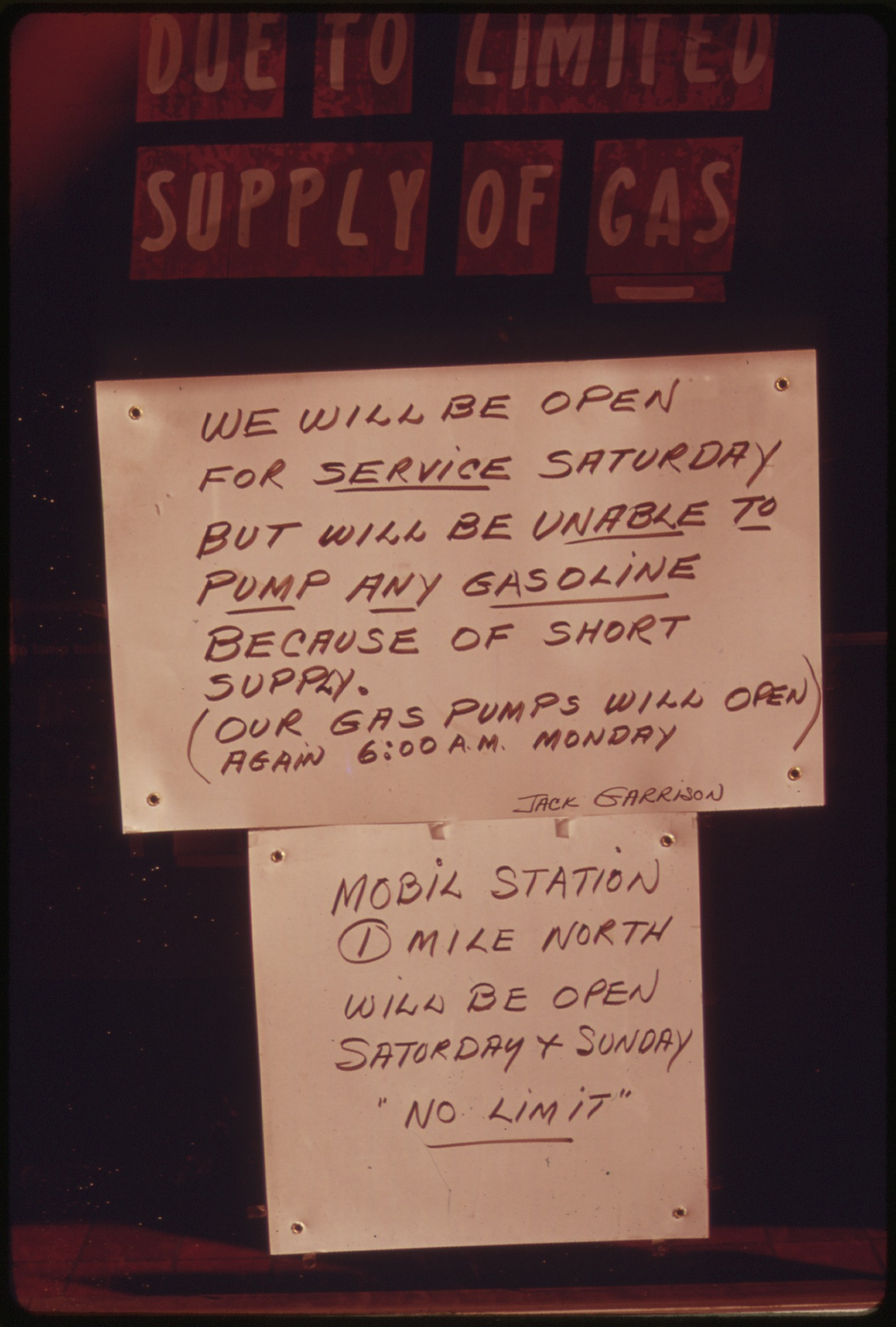
In late 1973 an oil embargo produced a sudden and severe fuel supply problem in the United States. Prices rose sharply, supply was rationed in practice by queues at filling stations, and the federal government moved quickly to find savings wherever it could.
The response touched a great many things – a national maximum speed limit, year-round daylight saving for a period, thermostat guidance, restrictions on lighting – and the common feature was that measures were adopted fast, on the basis of estimated savings, with limited time for study.
Right turn on red entered that list for a straightforward reason. A car stopped at a red light with its engine running, waiting to make a turn it could have made safely, is burning fuel for nothing. Multiply that by a very large number of intersections and a very large number of vehicles, and the estimated national saving was significant enough to act on.
Whether the real-world saving matched the estimate is a question that has been argued about ever since, and the honest answer is that the figure was always an estimate built on assumptions about idling, queue lengths and traffic patterns that were hard to verify.
How Congress Made It Happen Without Passing a Traffic Law
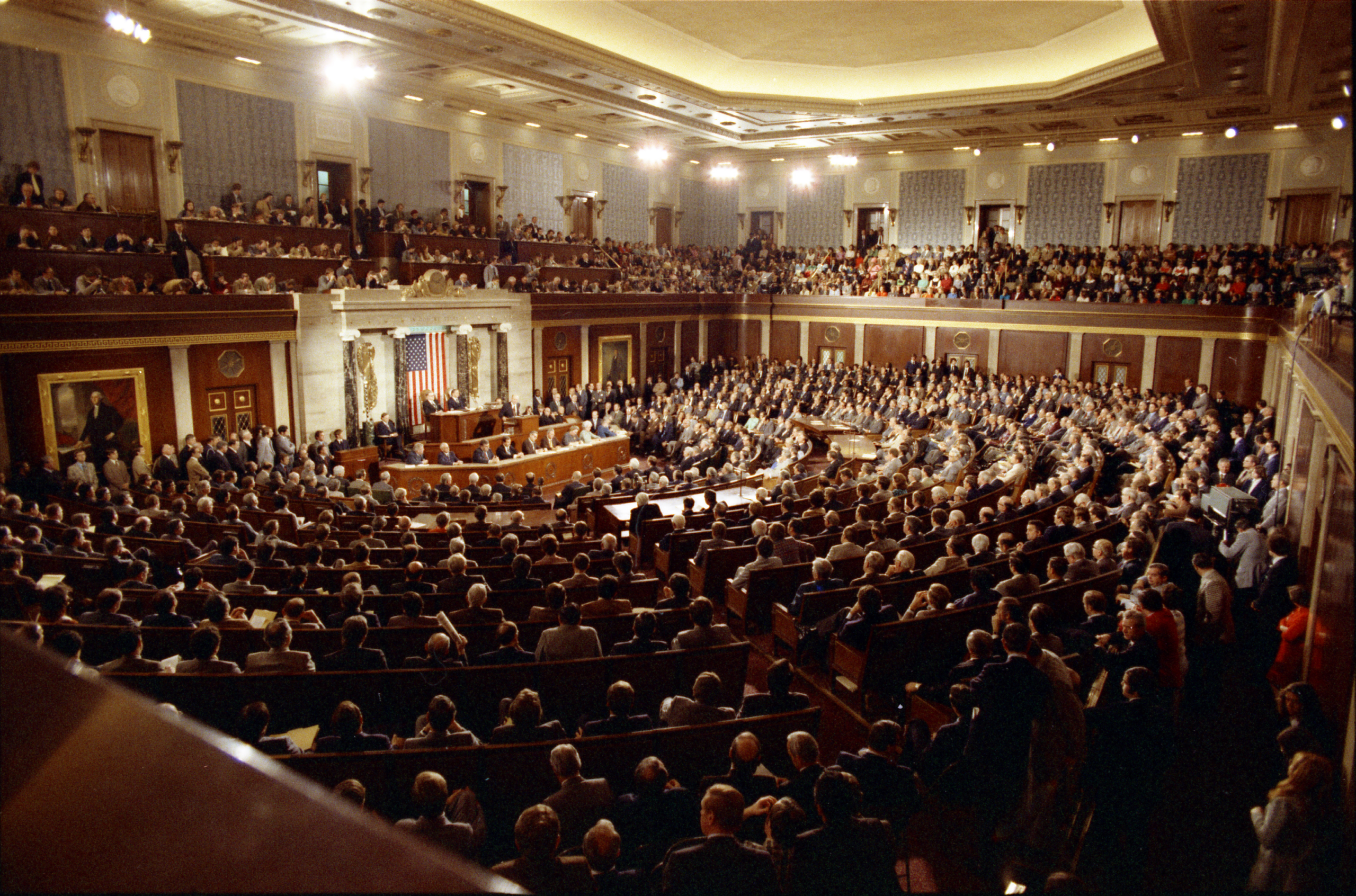
Traffic law in the United States is state law. The federal government does not write a state’s rules of the road and cannot simply mandate a turning rule.
What it can do is attach conditions to money, and that is what happened. Federal energy legislation in the mid-seventies required states, as a condition of receiving certain federal funds, to adopt right turn on red after stopping as the standard rule – permitting exceptions at individual intersections where a specific hazard justified a sign, but reversing the default from prohibited to permitted.
This is the same mechanism that has been used repeatedly in American policy, most famously for the national speed limit and later for the drinking age, and it is worth understanding because it explains a great deal about why American rules are simultaneously state-made and nationally uniform. The states were not ordered. They were offered a choice that was not much of a choice.
Within a few years essentially every state had adopted it, and the practice that had been a regional western habit became the American norm.
What the Safety Evidence Actually Showed
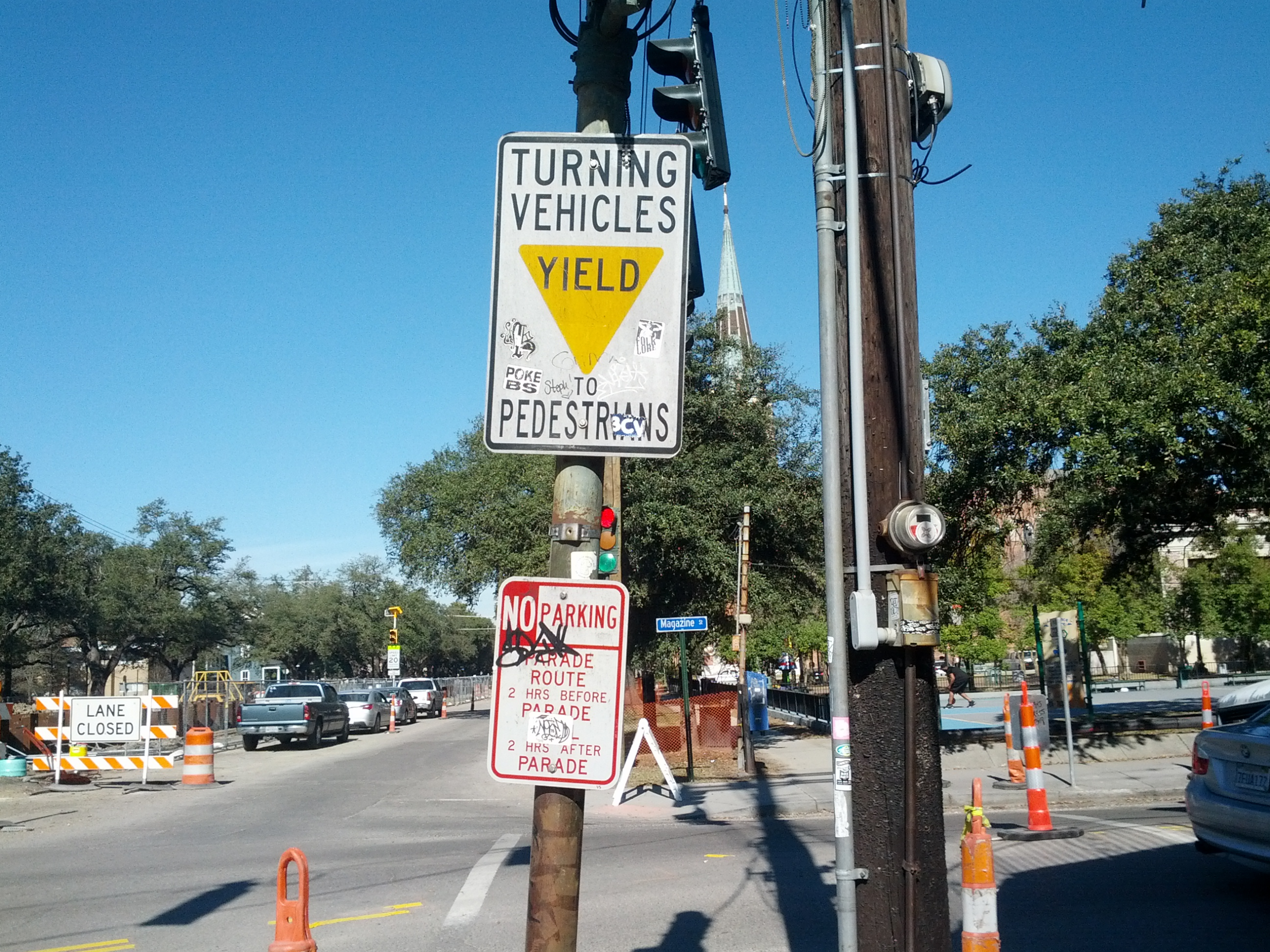
Studies followed the change rather than preceding it, which is the unusual feature of this story, and their findings were reasonably consistent.
Right turn on red produced a measurable increase in collisions involving turning vehicles at signalised intersections, concentrated in collisions with pedestrians and cyclists rather than with other vehicles. The increase was real and statistically detectable.
It was also, in absolute terms, small relative to the total number of such collisions, because turning movements on red are a modest fraction of all intersection conflicts. That combination – a real increase in a small category – is why the question has never been settled to anybody’s satisfaction. Depending on which half of the sentence is emphasised, the rule is either a demonstrated harm or a negligible one.
The mechanism behind the increase is well understood and is a matter of where a driver is looking. A driver turning right on red is scanning left for a gap in approaching traffic, and the pedestrian they are most likely to hit is approaching from the right, in the crossing they are about to roll across. The conflict is not created by carelessness so much as by the geometry of the manoeuvre.
Which Is Why It Is Now Being Rolled Back in Places
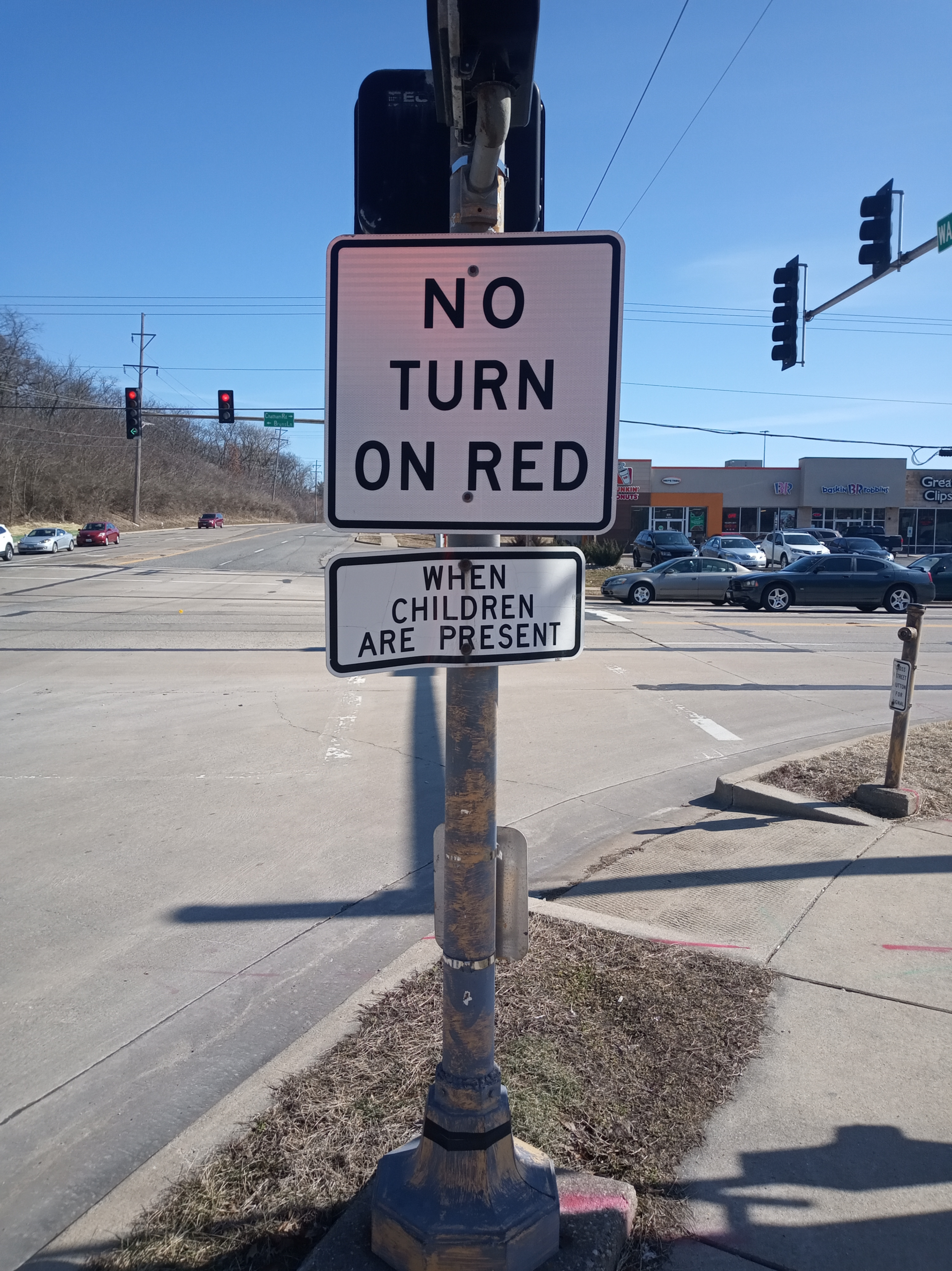
Several American cities have in recent years restricted or banned right turn on red across their downtown areas, and the reasoning follows directly from the paragraph above.
The argument is that the measure was adopted for a fuel saving that no longer applies in the same form, that the collision pattern falls on the least protected road users, and that the places where pedestrian volumes are highest are precisely the places where the saving is smallest and the conflict most frequent – a dense downtown intersection with a constant stream of people crossing offers very few gaps in which a turn on red could be made anyway.
The counter-argument is also made and is not frivolous: a blanket restriction removes a manoeuvre that is harmless at the great majority of American intersections, increases delay and idling in the places it applies, and substitutes a general rule for the existing system of signing individual intersections where a hazard actually exists.
Both sides are arguing about the same small number, which is why the dispute is mostly about which users should absorb the residual risk rather than about the facts.
What Other Countries Do
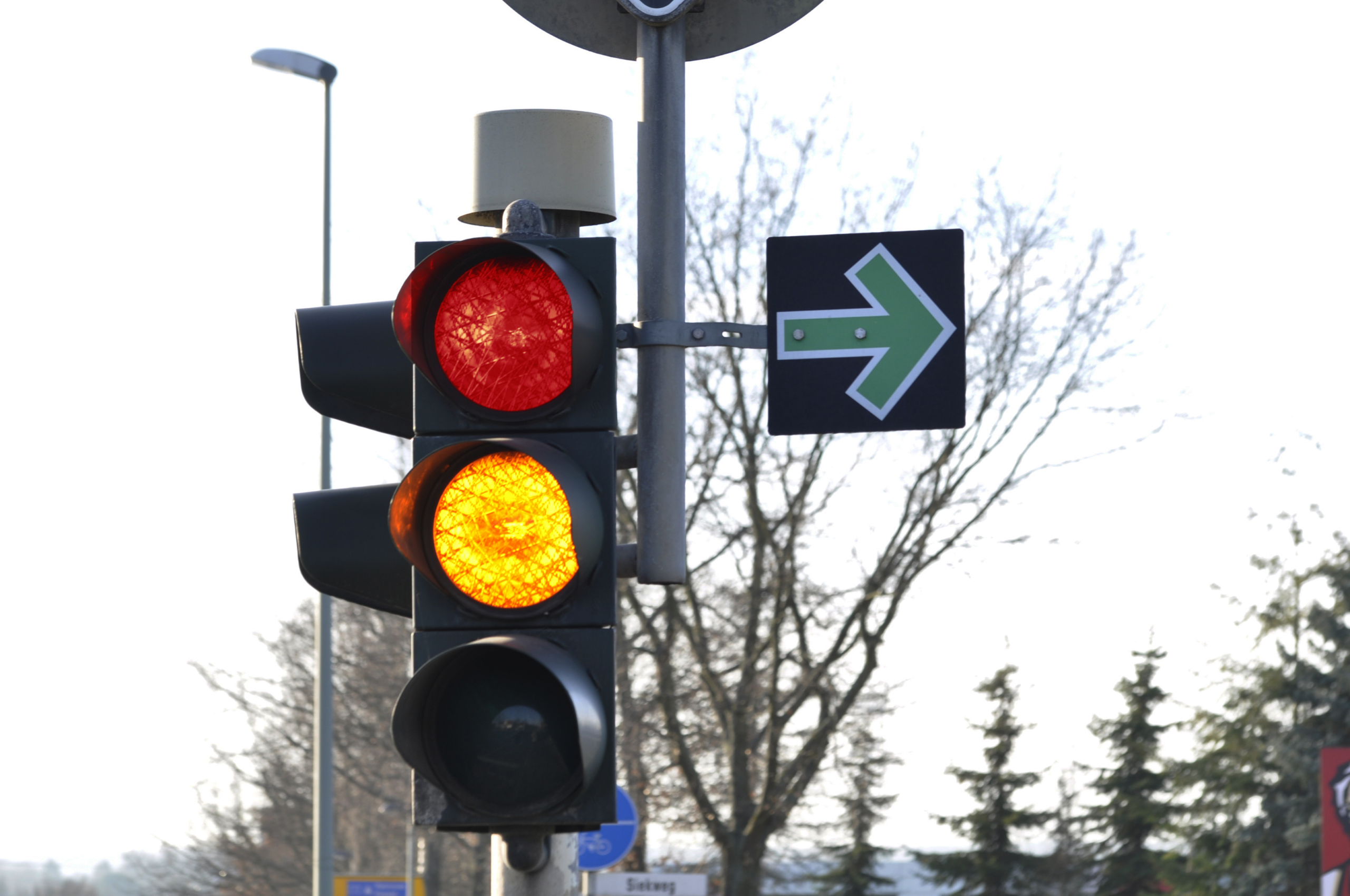
The near-universal position elsewhere is that a red signal means stop and nothing else, and that turning across a crossing on red is not permitted.
Where exceptions exist they are explicit and marked rather than general. Several European countries permit a turn on red only where a specific green arrow or supplementary signal authorises it at that particular junction, which inverts the American arrangement: the manoeuvre is prohibited by default and allowed by sign, rather than allowed by default and prohibited by sign.
That inversion is the whole difference, and it reflects a different starting assumption about who should bear the cost of an ambiguous situation. The American default asks the driver to judge; the European default declines to let them.
Neither approach is obviously correct and both have defenders, but the American rule is the outlier, and visitors are not wrong to find it strange.
The Left-Turn Version Nobody Talks About
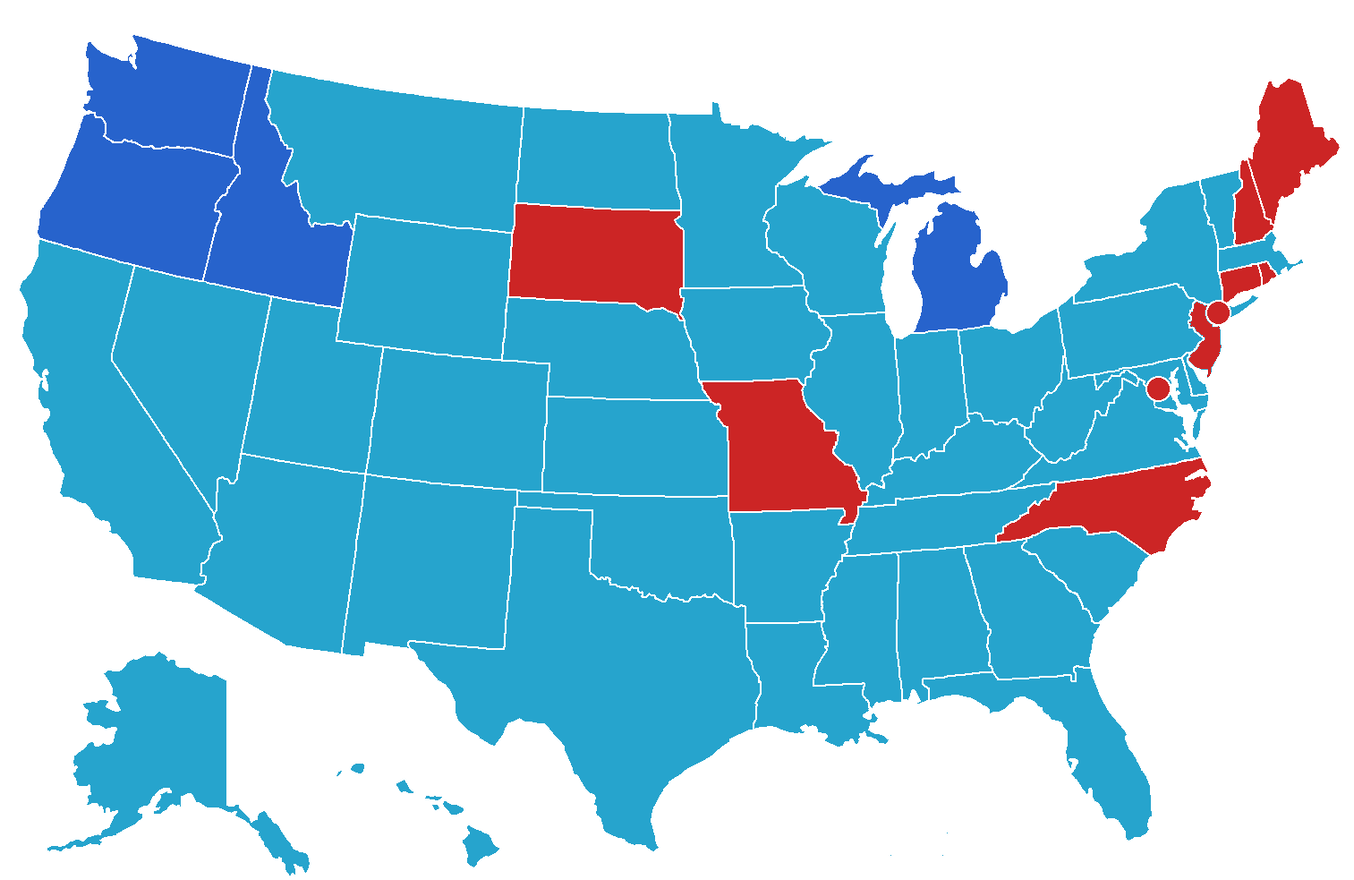
There is a second American turning rule that almost nobody notices, including most Americans, and it follows the same logic to a stranger place.
In a number of American states a driver may also turn left on a red light, in one specific circumstance: when turning from a one-way street onto another one-way street. The reasoning is that such a turn crosses no opposing traffic stream, which makes it structurally the same manoeuvre as a right turn on red in a country that drives on the right.
It is permitted in many states, prohibited in some, and the inconsistency is a problem in itself, because a rule that exists in one state and not the next is exactly the kind of rule a driver cannot rely on. A visitor from a state that allows it, turning left on red in a state that does not, is committing an offence they have no reason to suspect exists.
That inconsistency is the part worth noting, and it is the price of the funding-condition mechanism described above. The federal condition specified the right turn and said nothing about the left, so the left-turn rule was left to each state and never converged. Where Washington attached money, the states moved together. Where it did not, they did not – which is a reasonably precise illustration of how uniform American road rules actually get made.
The Honest Summary
Right turn on red was permitted in parts of the American west for decades and prohibited in most of the rest of the country, for reasons that suited each region’s roads.
The 1973 oil embargo changed that. Federal energy legislation in the mid-seventies made adoption of right turn on red a condition of certain federal funding, and within a few years every state had reversed its default from prohibited to permitted.
It was an energy measure, adopted quickly on an estimated saving, and the safety research came afterwards. That research found a real but numerically small increase in collisions, falling disproportionately on pedestrians and cyclists, caused by the fact that a driver turning right on red is looking left.
Several American cities have since restricted it in their densest areas, where the fuel saving is smallest and the conflict most common.
So the most ordinary thing an American driver does at a junction is the residue of a fuel shortage fifty years ago, imposed through a funding condition rather than a traffic argument, and it is being quietly unwound in exactly the places where the original justification never really applied.
Like our content? Follow us for more.