Walk into any shop in the world and a startling proportion of the prices end in a nine. Nine ninety-nine, four ninety-five, nineteen ninety-nine, ninety-nine pence, and so on through every currency and every category.
Everybody knows the explanation. The brain anchors on the leftmost digit, so nine ninety-nine registers as nine-something rather than as one penny short of ten, and the apparent saving is far larger than the actual one.
That is true, it is well studied, and it is not why the practice started. The psychology arrived decades after the habit did, as a justification for something retailers were already doing for a completely different and much more mundane reason – they thought their staff were stealing.
The Problem With a Round Price
Consider a shop in the late nineteenth century. Goods are priced, a customer brings something to the counter, and an assistant takes the money.
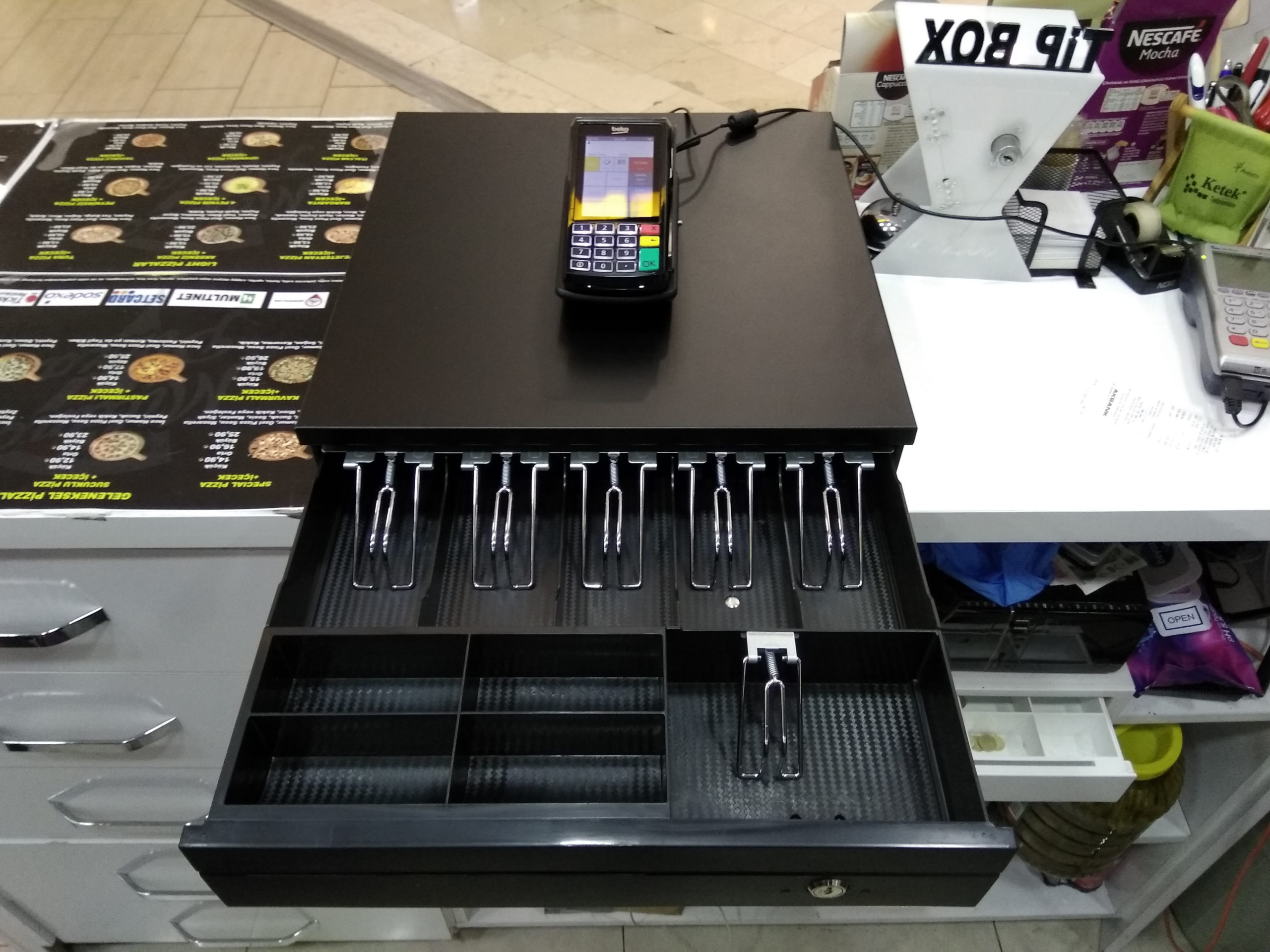
If the item costs exactly one dollar and the customer hands over a dollar, nothing has to happen. No change is required, so the assistant has no reason to open the cash drawer. He can put the coin in his pocket, or in a drawer under the counter, or anywhere else, and there is no record whatsoever that a transaction occurred. The stock is gone, the money is not in the till, and the owner has no way of knowing.
Now price the same item at ninety-nine cents. The customer hands over a dollar, and the assistant must produce a cent in change. To produce it he must open the till, and opening the till is the thing that creates the record – the drawer is rung, the amount is registered, the sale exists on the machine’s tape.
That single mechanical consequence is the origin of the convention. The price was set one unit below a round number specifically to force the drawer open.
Like our content? Follow us for more.
The Cash Register Is the Other Half of the Story
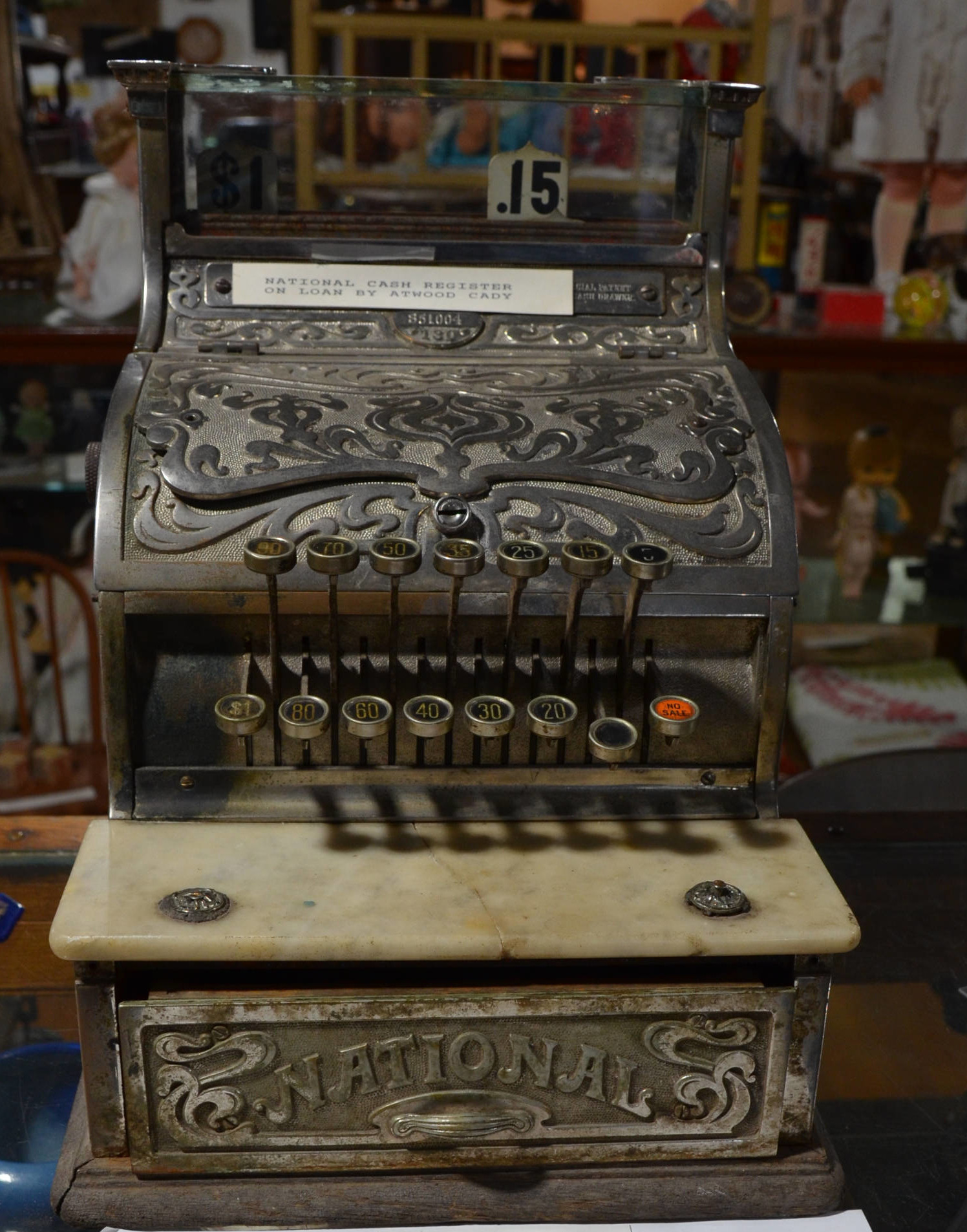
This only works because of a machine, and the timing of the two developments is not a coincidence.
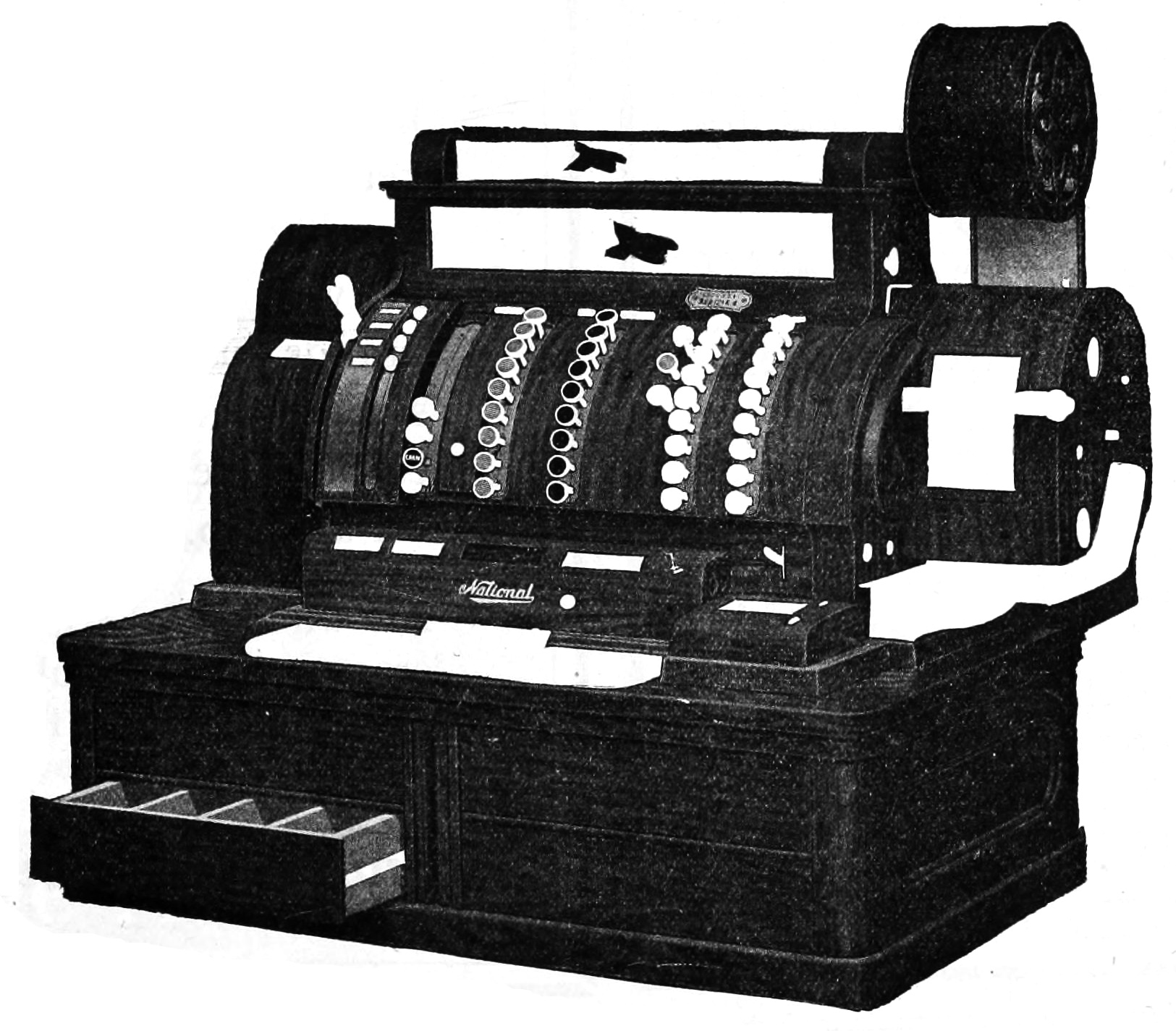
The mechanical cash register was invented in the late nineteenth century and sold explicitly on the theft problem. Its selling proposition to shopkeepers was never primarily about arithmetic – it was that a machine which rings, records and totals every transaction removes the opportunity for an assistant to pocket money, and removes the suspicion that poisons the relationship even when nobody is stealing.
The register and the odd price are complementary. The register creates the record, and the odd price forces the register to be used. Either alone is weaker: a register that an assistant can simply decline to open is not much of a control, and a price that forces change in a shop with no register achieves nothing.
Put together, they turn every sale into an entry. The nine at the end of the price is a mechanism for compelling the use of an audit trail, which is a remarkably unglamorous origin for the most recognisable convention in retail.
The Evidence That the Theft Story Is the Right One
It is worth pausing on why the anti-theft explanation should be believed, because the psychological account is so much more widely repeated that the older one can sound like a contrarian flourish.
Three things support it.
The first is timing. Odd pricing spreads in the same decades as the mechanical cash register, in the same kinds of business, and in the same markets. A convention that appears alongside a machine sold explicitly on theft control, and which only works if that machine is present, is unlikely to have arrived independently of it.
The second is that the mechanism is airtight in a way the psychological one is not. There is no interpretation required: a price requiring change requires the drawer, and the drawer makes the record. That is simply how the equipment behaves. The psychological account, by contrast, depends on an effect that had not been described, measured or articulated by anybody at the time the practice began.
The third is where the convention did not appear. Trades where the assistant was the owner, where every sale was negotiated individually, or where goods were weighed and totalled rather than carrying a fixed ticket price did not adopt odd pricing in the same way, because there was no fixed price to shade and no employee to control. The practice tracks the structure of the business rather than the psychology of the customer, which is exactly what you would expect if the structure is what caused it.
None of this makes the psychological effect false. It makes it the reason the convention survived rather than the reason it started, which is a distinction the usual telling collapses entirely.
Then the Psychology Caught Up
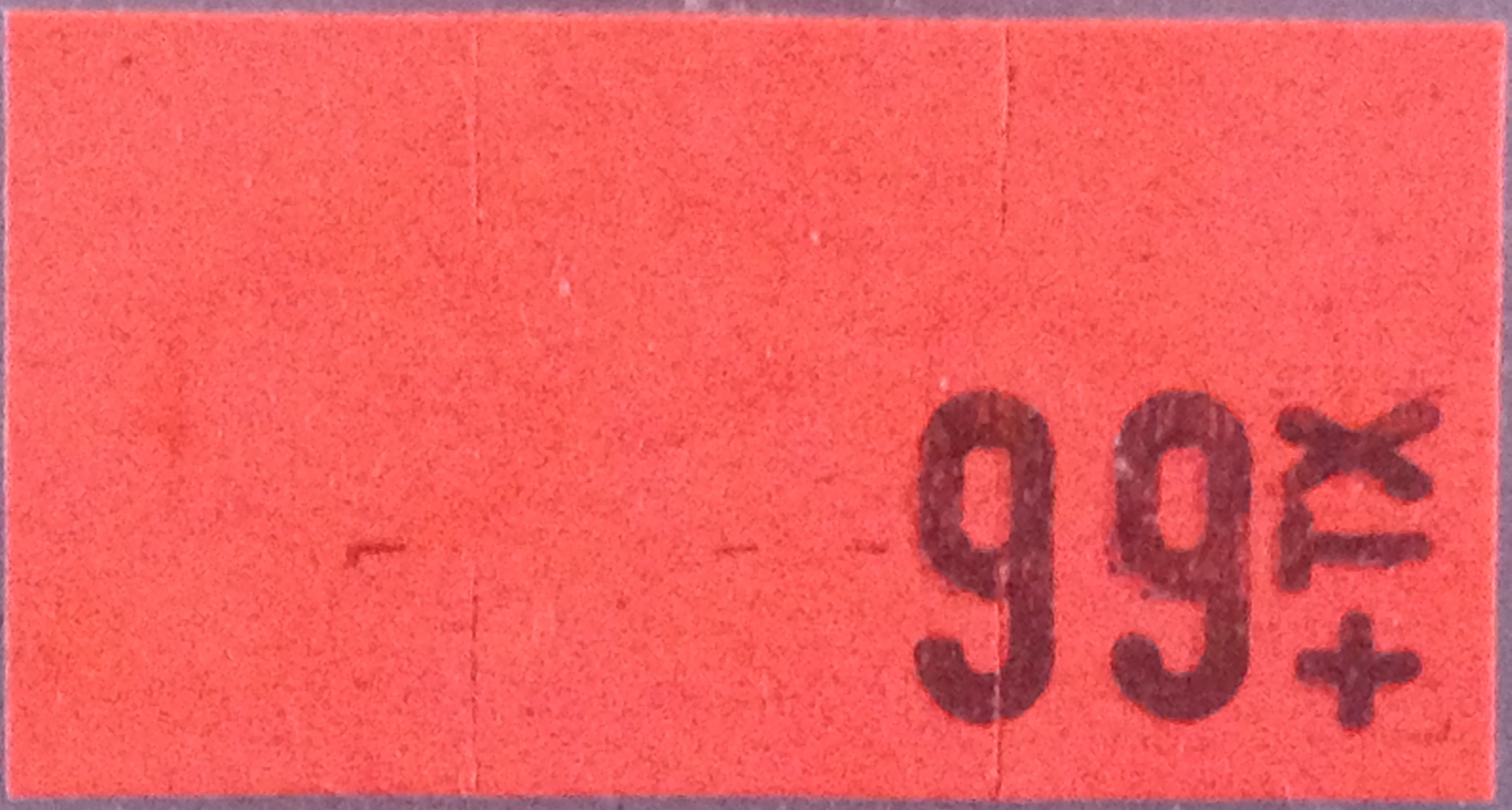
What happened next is the part that explains why the practice survived long after the original reason stopped mattering.
Retailers using odd prices noticed that they sold well, and the explanation that emerged was the one everybody now knows. The leftmost digit does most of the work in a quick reading of a price, the difference between nine and ten is a different order of magnitude in the mind in a way that one cent is not in the pocket, and a price ending in nine signals discount and value in a way a round price does not.
All of this has since been studied extensively and the effect is real, though it is smaller and more context-dependent than retail folklore suggests. It varies by category, by culture and by what is being sold, and in some settings it reverses entirely.
The sequence is what matters. The practice came first as an anti-theft measure, the psychological benefit was discovered afterwards, and the benefit is what kept it going once registers, receipts and electronic systems had made the original purpose obsolete.
Which Is Why Expensive Things Do Not Do It
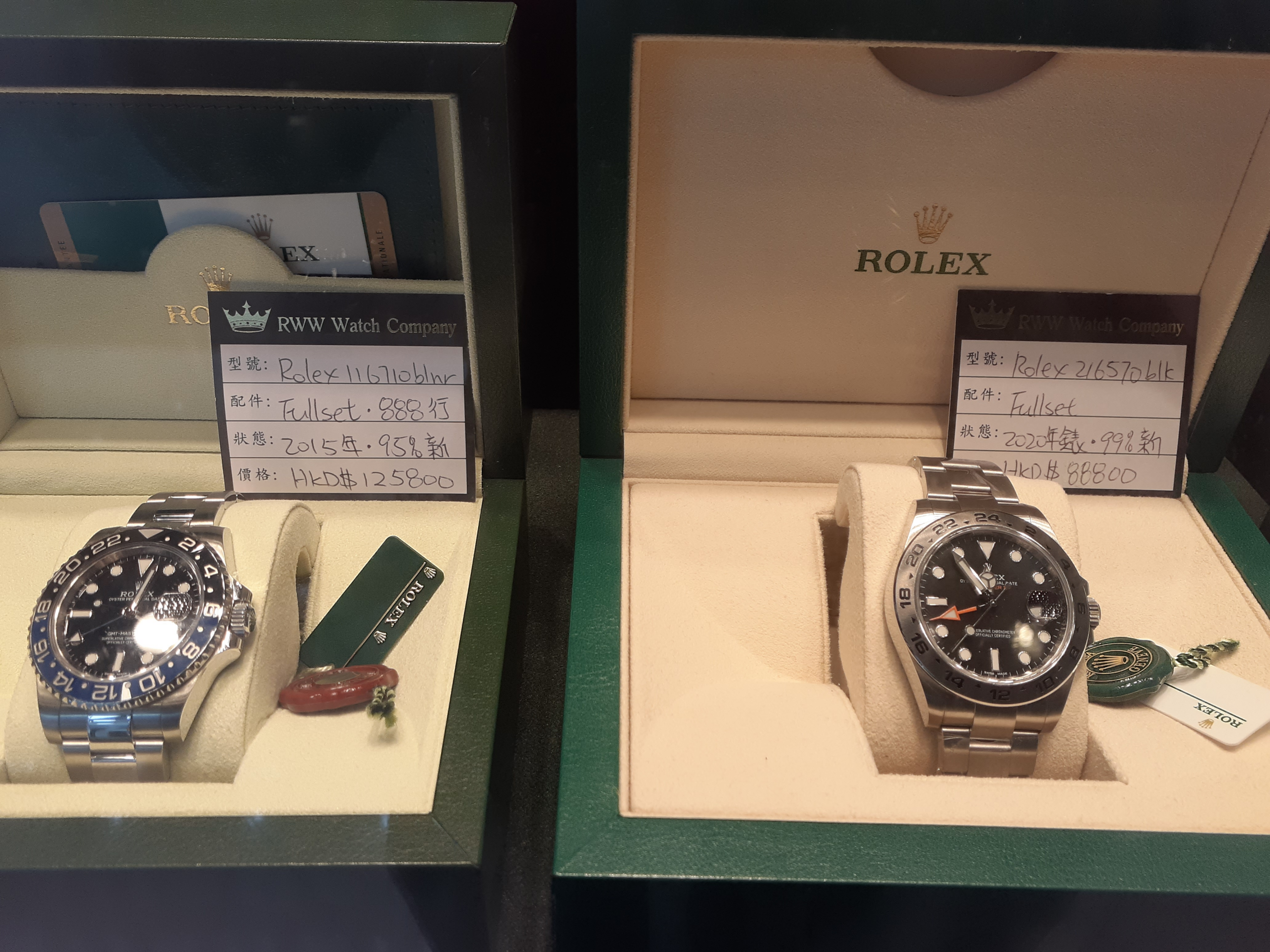
The clearest evidence that the psychology is now in charge is where the convention stops.
A luxury watch, a premium car, a designer handbag, an expensive restaurant’s set menu and a piece of fine art are priced in round numbers, and conspicuously so. Nobody sells a prestige item at nine thousand nine hundred and ninety-nine.
The reason is that the nine has acquired a meaning. It signals that a price has been sharpened, that the seller is competing on cost, and that the buyer is the kind of person for whom a unit of currency matters. Everything a luxury seller is trying to communicate runs against that, so they price in round numbers to say the opposite – that this is not about the money.
The same signal operates in the other direction in discount retail, where the nine is used relentlessly because the message is precisely the one the nine carries.
So a convention that began as a mechanical anti-theft device has become a semantic one. The last digit of a price is now a statement about what kind of shop you are standing in.
The Variations Around the World

The pattern is near-universal but the specific ending varies, which is itself instructive.
Many markets favour a different terminal digit. Prices ending in five are common where the smallest circulating coin makes a single unit impractical, and some countries that have withdrawn their smallest coin have had to abandon the ninety-nine ending for cash transactions entirely, rounding at the till instead – which separates the displayed price from the paid price in a way that echoes the subject of tax display.
In several Asian markets the terminal digit is chosen for cultural associations with particular numbers, favouring eights and avoiding fours, which overrides the arithmetic logic entirely.
And in markets where a currency has large denominations, the convention shifts up a decimal place and operates on hundreds or thousands rather than on the smallest unit.
What survives everywhere is the underlying move: price just below a threshold where the leading digit changes. The specific digit is local and the principle is not.
The Honest Summary
Prices end in nine because of a theft problem in nineteenth-century shops.
A round price lets an assistant take a customer’s money without opening the cash drawer, which leaves no record that the sale happened. A price one unit below a round number forces change to be given, which forces the drawer open, which creates the entry. The mechanical cash register, invented and sold in the same period explicitly as a solution to employee theft, is the other half of the mechanism: the odd price compels the use of the machine that makes the record.
The psychological explanation everybody knows – that the leftmost digit dominates and nine ninety-nine reads as nine-something – is real, is well studied, and arrived afterwards as a discovered benefit rather than as the original purpose. It is what kept the convention alive once electronic systems had made the theft control redundant.
And the proof that the meaning has shifted is where the nine disappears. Luxury goods are priced in round numbers precisely because the nine now signals that a price has been sharpened for somebody counting their money – which is the one thing an expensive thing cannot afford to say.
Like our content? Follow us for more.