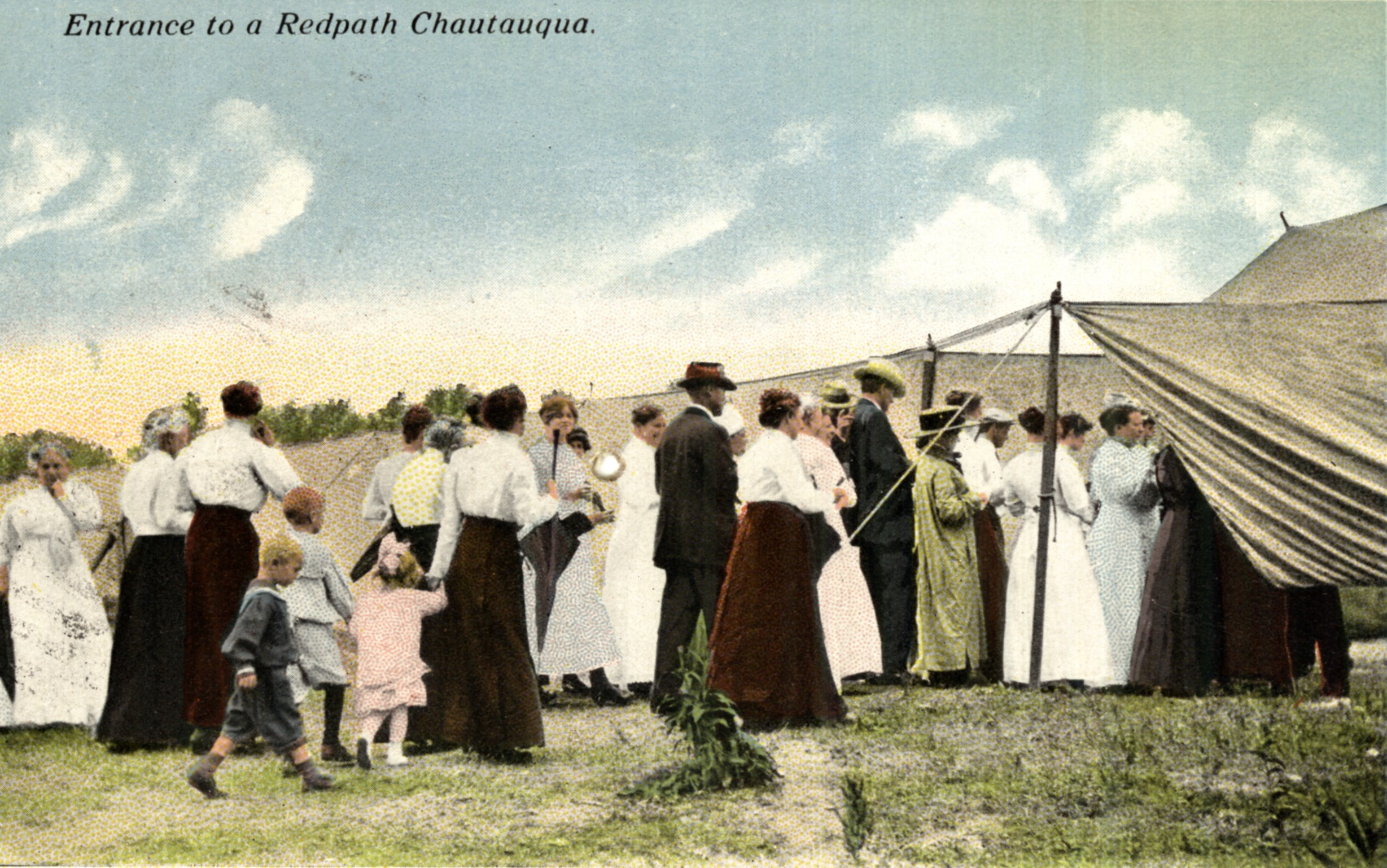
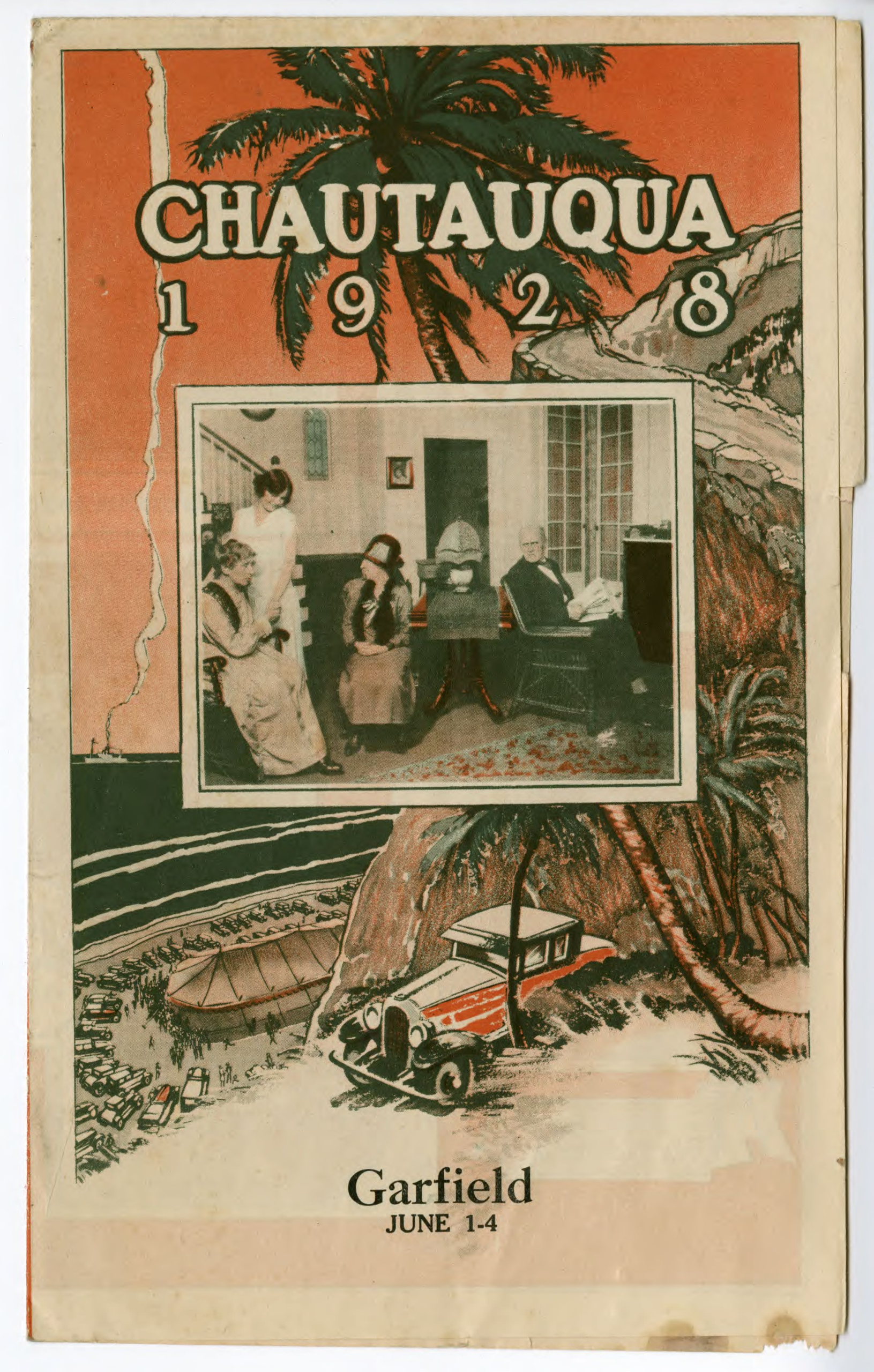
Every summer, for several decades, a brown tent went up on a vacant lot in thousands of American towns and the town got a week of lectures.
Not a circus. A circuit – lecturers, musicians, readers and demonstrators travelling by rail with their own portable auditorium, delivering a programme of talks on politics, science, travel and public questions mixed with concerts and readings. It was sold as self-improvement, and it was bought that way: a committee of local people signed a contract guaranteeing the circuit a minimum sum, then went door to door selling season tickets to cover it, and paid the shortfall out of their own pockets if sales fell short.
At its height it reached a substantial share of the entire rural population. Here are sixteen things every American town knew.
1. A Tent Went Up and a Town Got a Week of Lectures
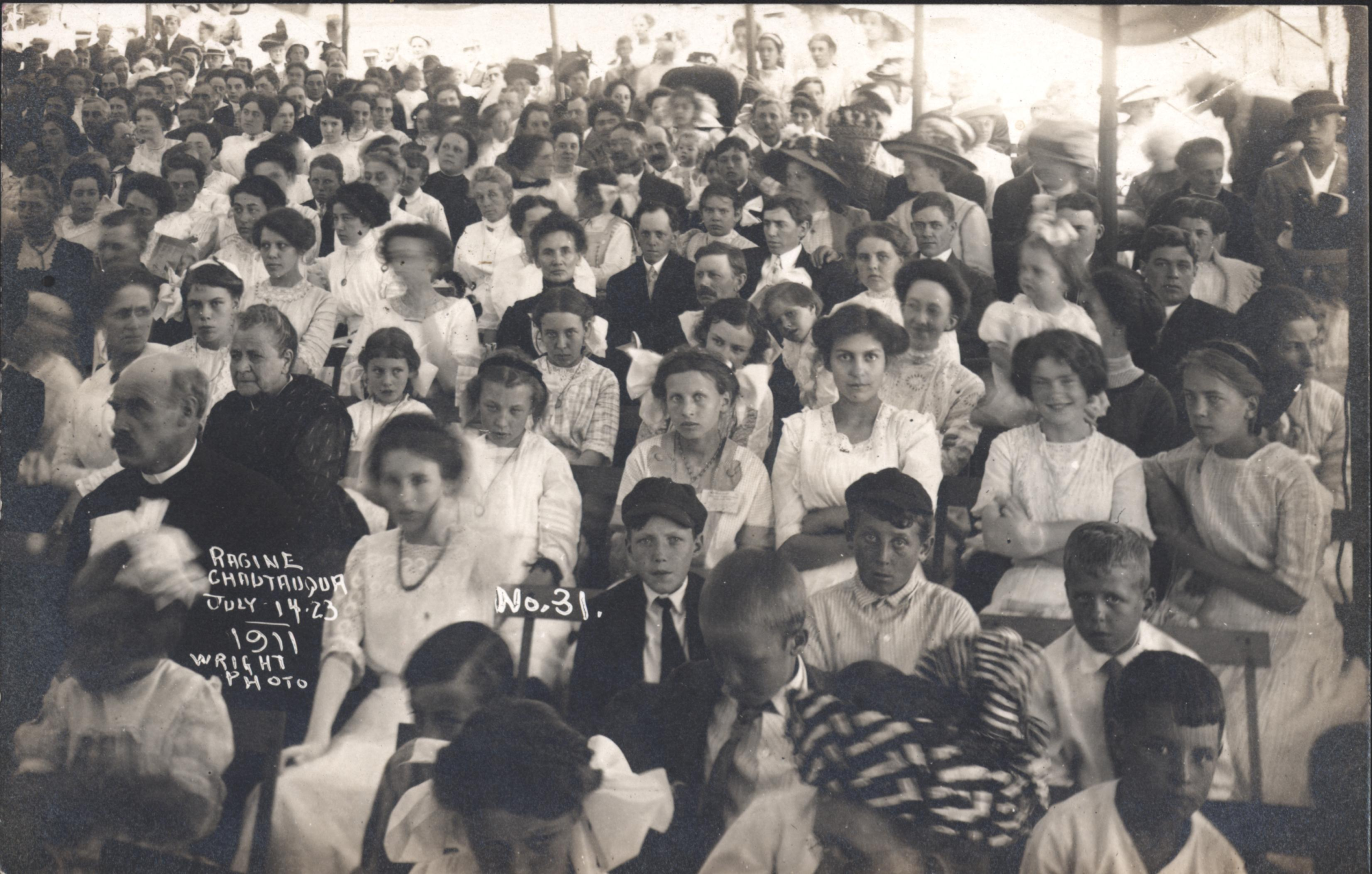
Travelling circuits brought lecturers, musicians, readers and demonstrators to small towns for several days at a time, performing in a large brown tent pitched on a vacant lot or a fairground.
Streaming, podcasts, online courses and recorded everything, available continuously and free.
The scale of this is the part people do not know. At its height the circuit system reached thousands of American towns a year, and a very large fraction of the rural population attended – which makes it one of the biggest cultural institutions the country has ever had and one of the most completely forgotten.
Like our content? Follow us for more.
2. It Was Educational on Purpose
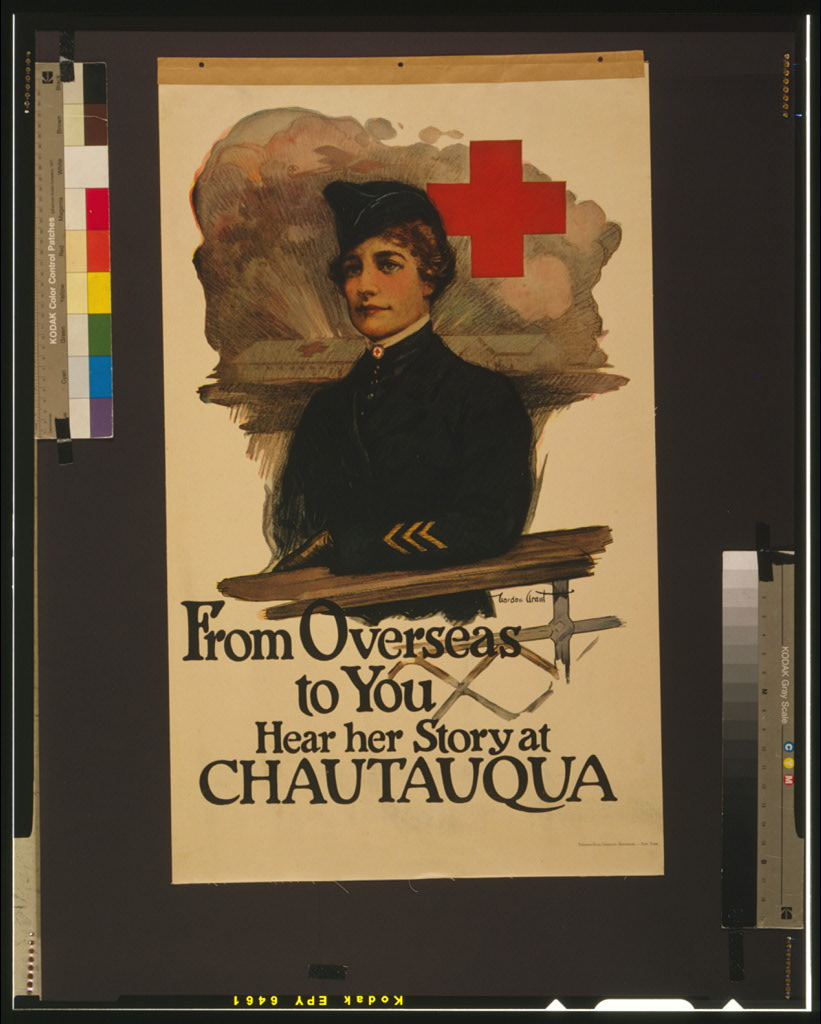
The programme was built around lectures on politics, science, travel, history and public questions, mixed with music and readings, and it was sold explicitly as self-improvement.
Entertainment and education are separate products, and nobody sells a week of lectures as a popular evening out.
Taking the educational claim seriously is essential to understanding why people came. These were adults, in a town with no college and frequently no high school, choosing to spend several evenings listening to somebody explain the world – and paying for a season ticket in advance to do it.
3. Season Tickets Were Sold in Advance by Local Guarantors
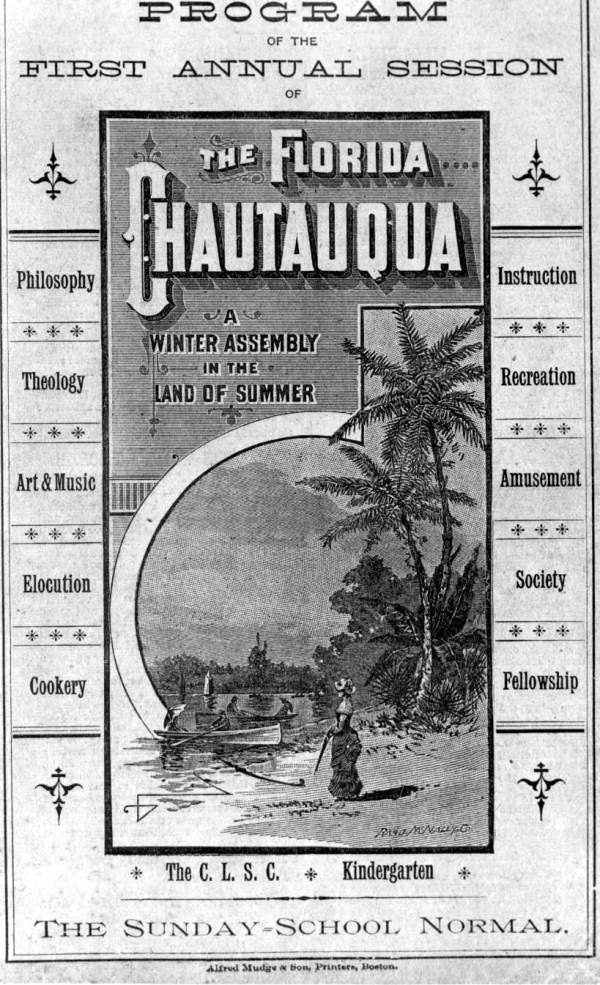
A committee of townspeople signed a contract guaranteeing the circuit a minimum sum, then sold season tickets door to door to cover it – and bore the loss personally if sales fell short.
Not applicable. Promoters carry their own risk.
The guarantee system is the commercial engine and it is genuinely clever. It transferred the financial risk from the circuit to the town, which meant the circuit could schedule a whole summer with its revenue secured – and it also meant the local committee had every possible motive to make the week succeed.
4. The Whole Town Was Recruited Into Selling It
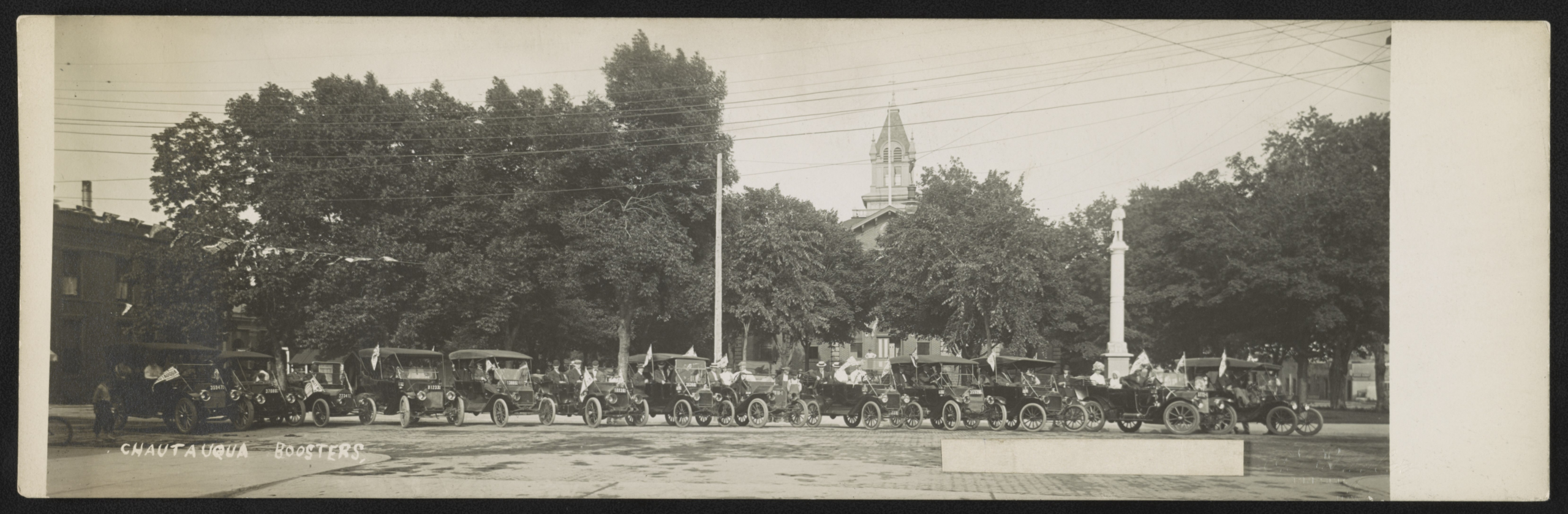
Businesses, churches, clubs and schools were enlisted, tickets were a civic duty as much as a purchase, and not subscribing was noticed.
Not applicable.
Social pressure was part of the design rather than a side effect. A guarantee signed by prominent citizens becomes a matter of local pride, and once the committee’s own money is at stake the campaign stops being advertising and becomes something closer to a collection.
5. The Tent Was the Technology
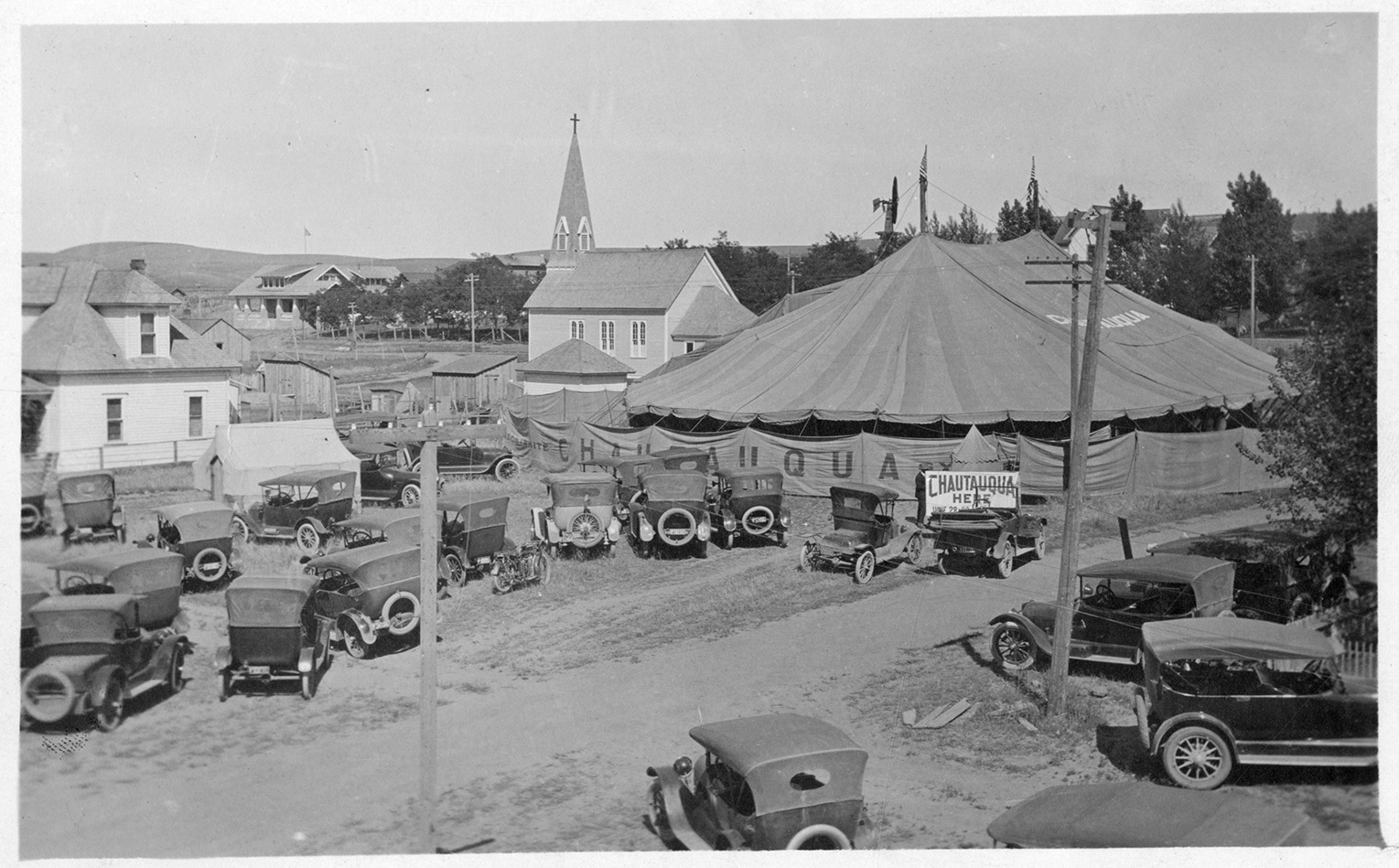
A large tent could be put up and taken down in a day, held a very large audience, and could be erected in a town with no hall big enough for the purpose.
Not applicable. Venues are permanent and audiences come to them.
The tent is what made the whole thing possible and it should be treated as the key invention here. Thousands of American towns had no auditorium, so a portable one that travelled with the programme turned every vacant lot in the country into a potential venue.
6. Crews Leapfrogged Ahead Down the Line
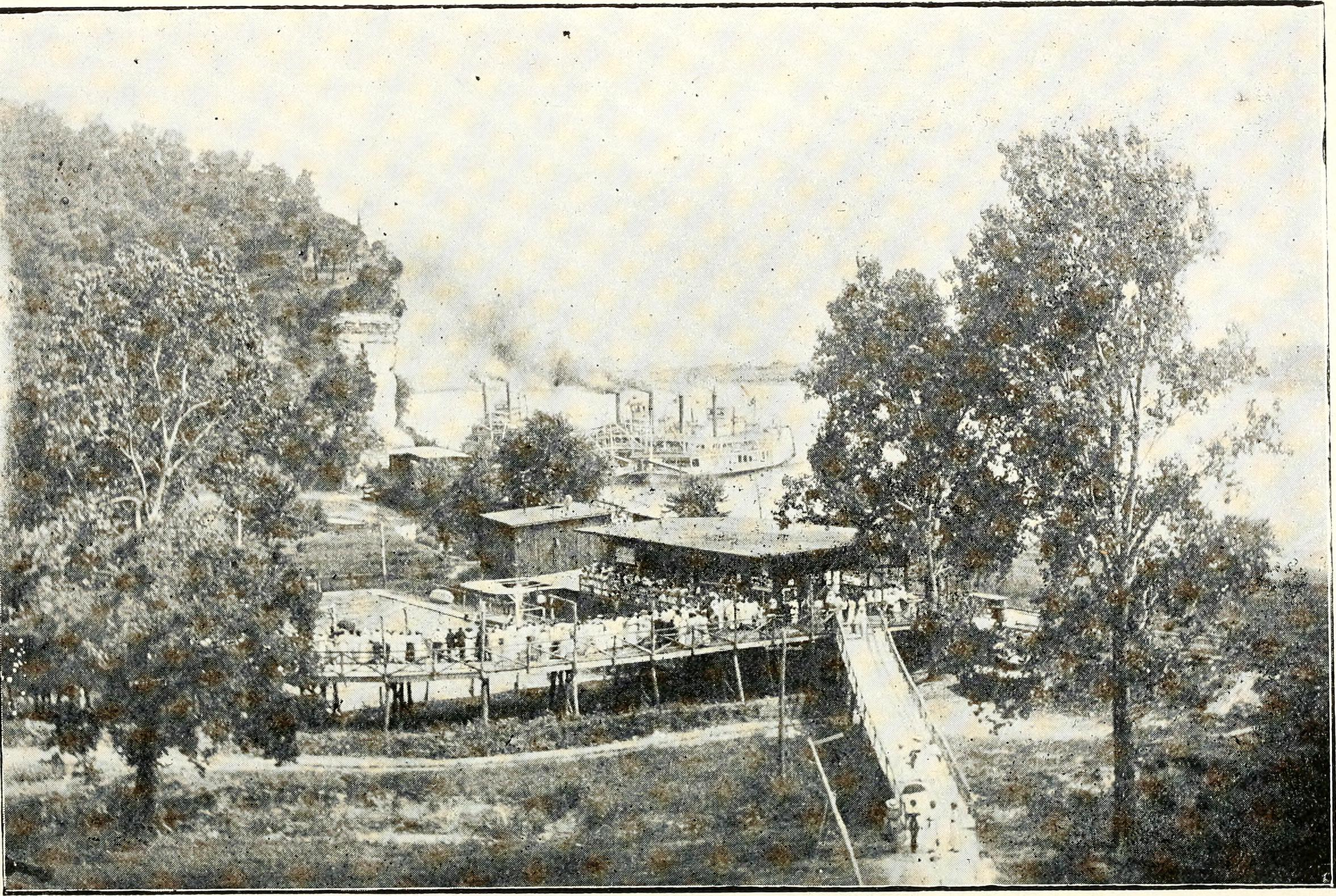
Multiple tents and crews worked a circuit simultaneously, so that while one town was hearing day three, the next town’s tent was already up and the previous town’s was coming down.
Not applicable.
The logistics were industrial and that is the thing that gets missed in the folksy retelling. Running a circuit meant moving tents, crews, performers and equipment on a precise schedule across a whole region by rail, with everybody arriving in the right town on the right day.
7. Performers Did the Same Programme All Summer
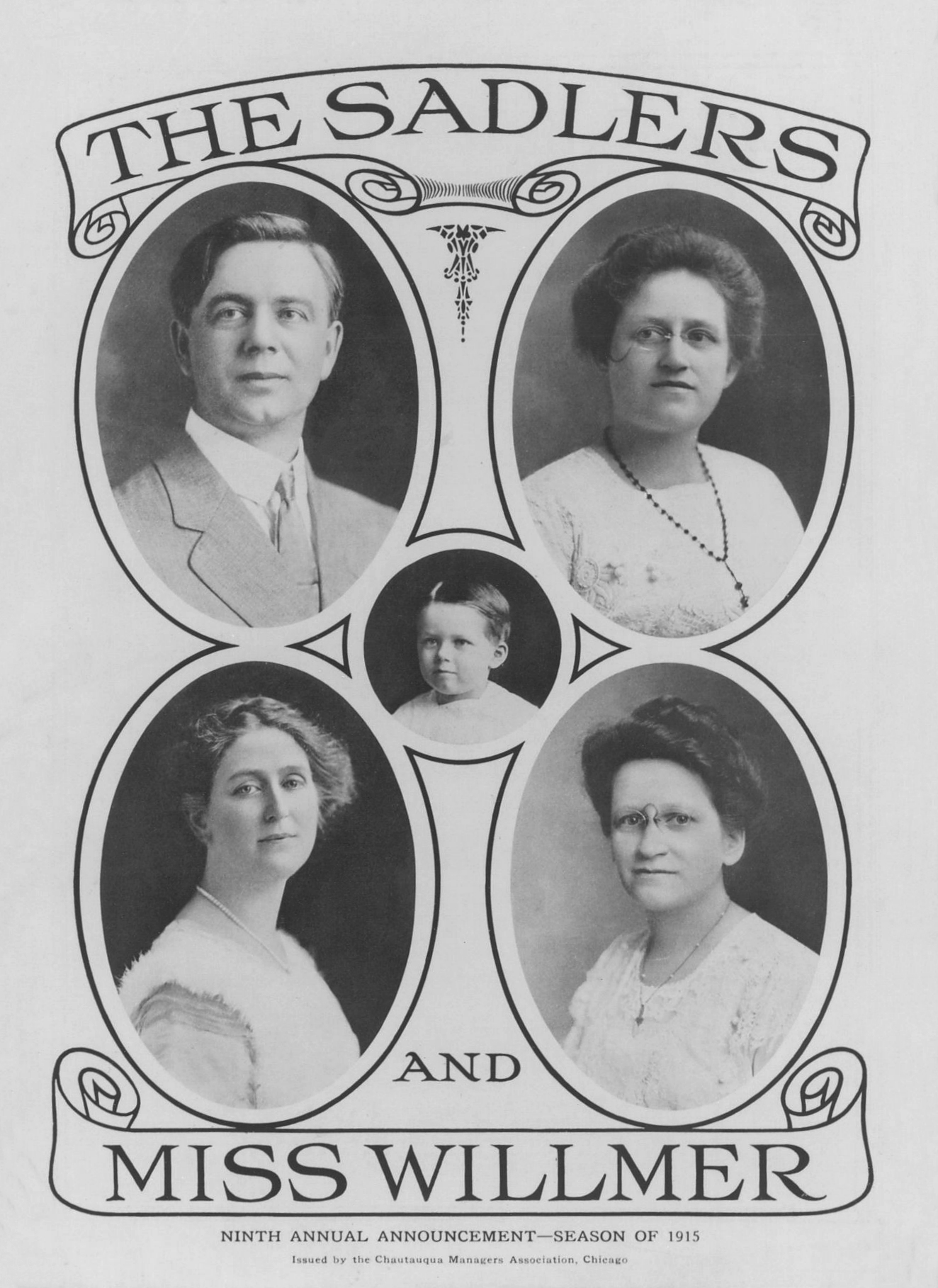
A speaker or ensemble travelled the circuit delivering the same lecture or concert night after night in town after town, for an entire season.
Not applicable in that form, though touring obviously persists.
Repeating one lecture a hundred times produces a particular kind of polish, and the best circuit speakers were formidably good at their single piece. It also produced a specific professional type – the career platform lecturer, who made a living entirely from one well-honed talk.
8. Children Had Their Own Programme
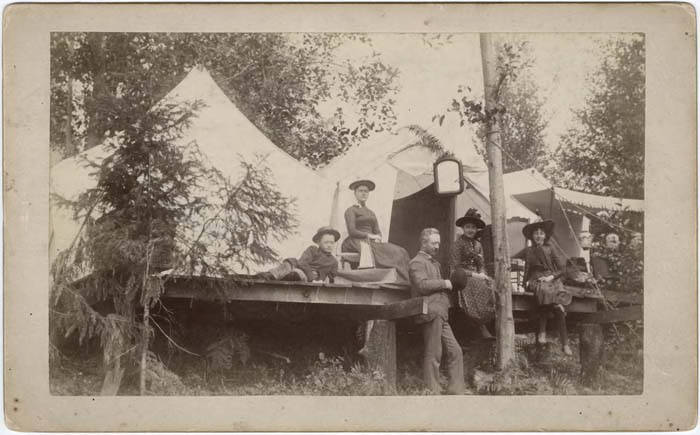
Junior sessions ran during the day, with stories, crafts, games, pageants and instruction, supervised by staff who travelled with the circuit.
Not applicable in that form.
The children’s programme was a shrewd piece of business as well as a genuine service. It occupied the children, it let the parents attend the main sessions, and it made the week something a whole family bought into rather than an adult evening out.
9. It Brought Music Nobody Would Otherwise Hear
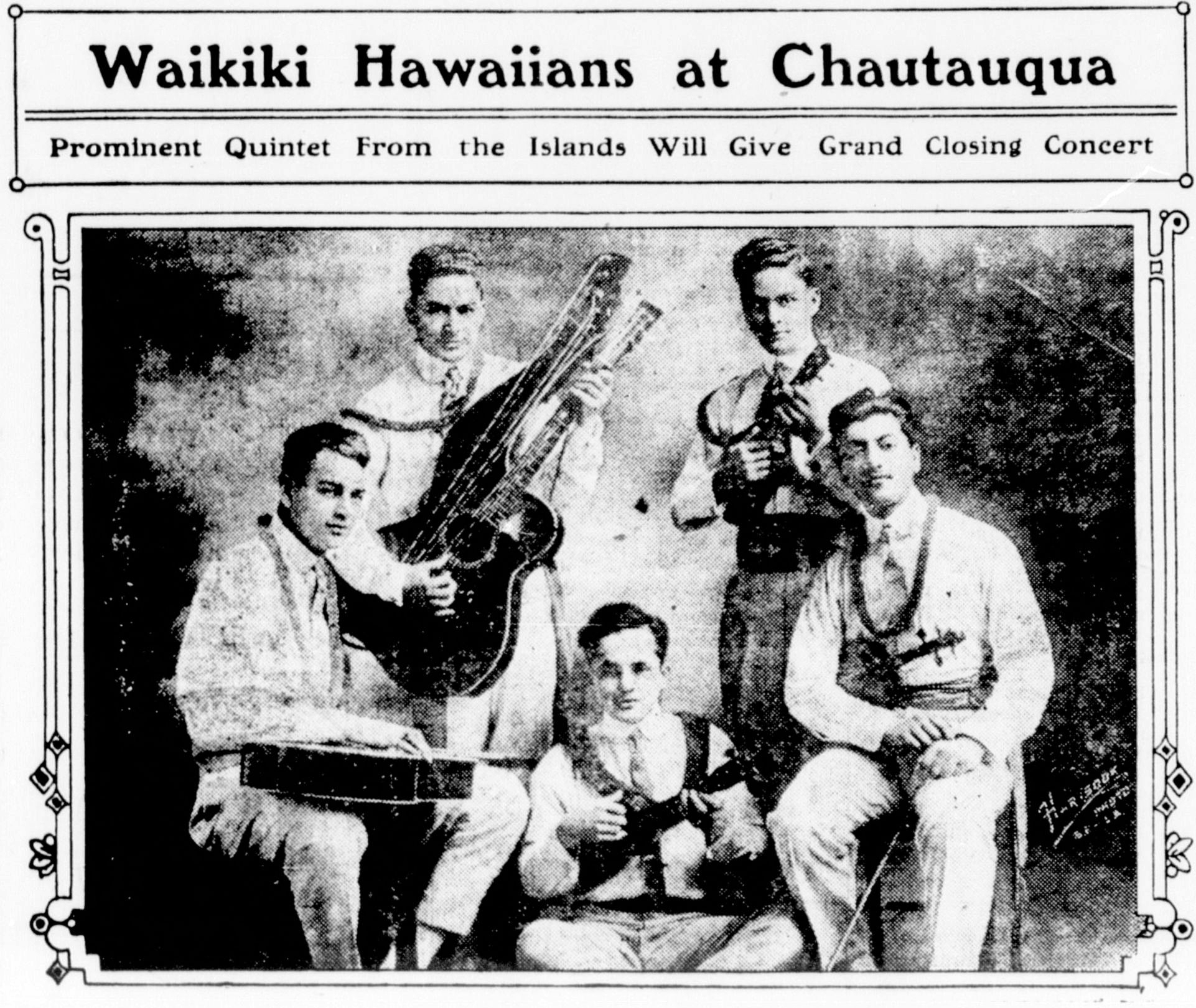
Ensembles, soloists, bands and singers travelled the circuits, which meant live performance of a standard far above anything locally available reached very small places.
Recorded music of every kind, instantly, everywhere.
This is the part the phonograph made redundant and it was the most valuable thing on offer. Before recording, hearing a trained musician meant somebody travelling to where you were, and for a town of eight hundred the circuit was the only realistic way that happened.
10. Public Questions Were Argued From the Platform
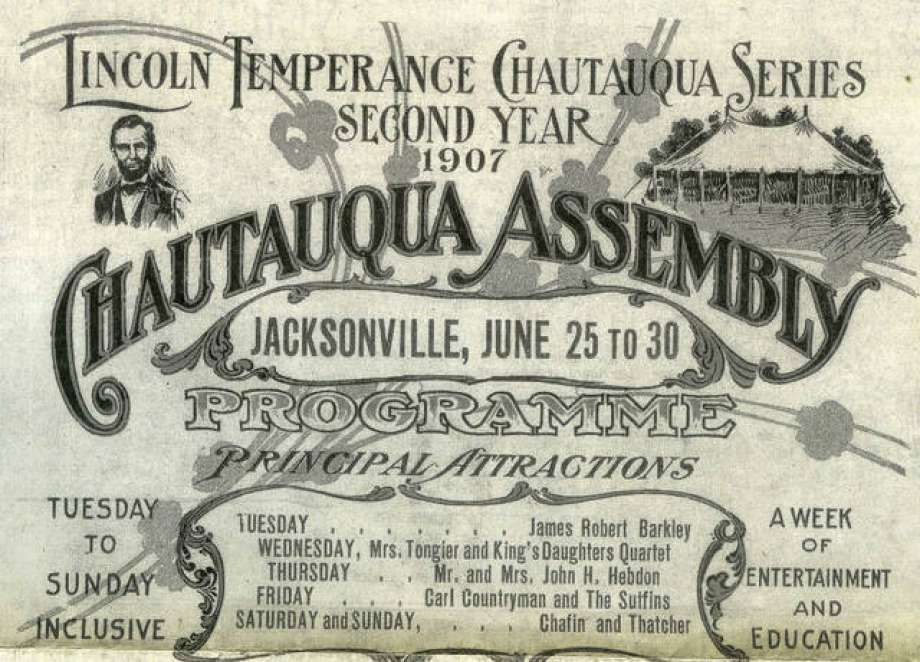
Speakers addressed the political and social controversies of the day, and audiences came specifically to hear positions argued.
Broadcast and online argument, continuous and unavoidable.
Treating this as a genuine forum is fair, and it is also worth noting what it was not. The platform was commercial, the circuit chose speakers who would sell tickets, and nothing obliged it to present opposing views in the same week – so it was a marketplace of argument rather than a balanced one.
11. It Had a Serious Civic Reputation
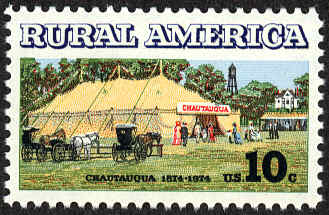
The movement was praised in its day as a force for public education and taken seriously by figures in national life, and towns competed to be on a circuit.
Not applicable.
The reputation was earned and also oversold, which is normal for anything with a publicity department. It did bring real speakers and real music to places that had neither, and it also sold tickets with claims about self-improvement that were considerably grander than a week in a tent could deliver.
12. The Programme Was Mixed, Not Pure
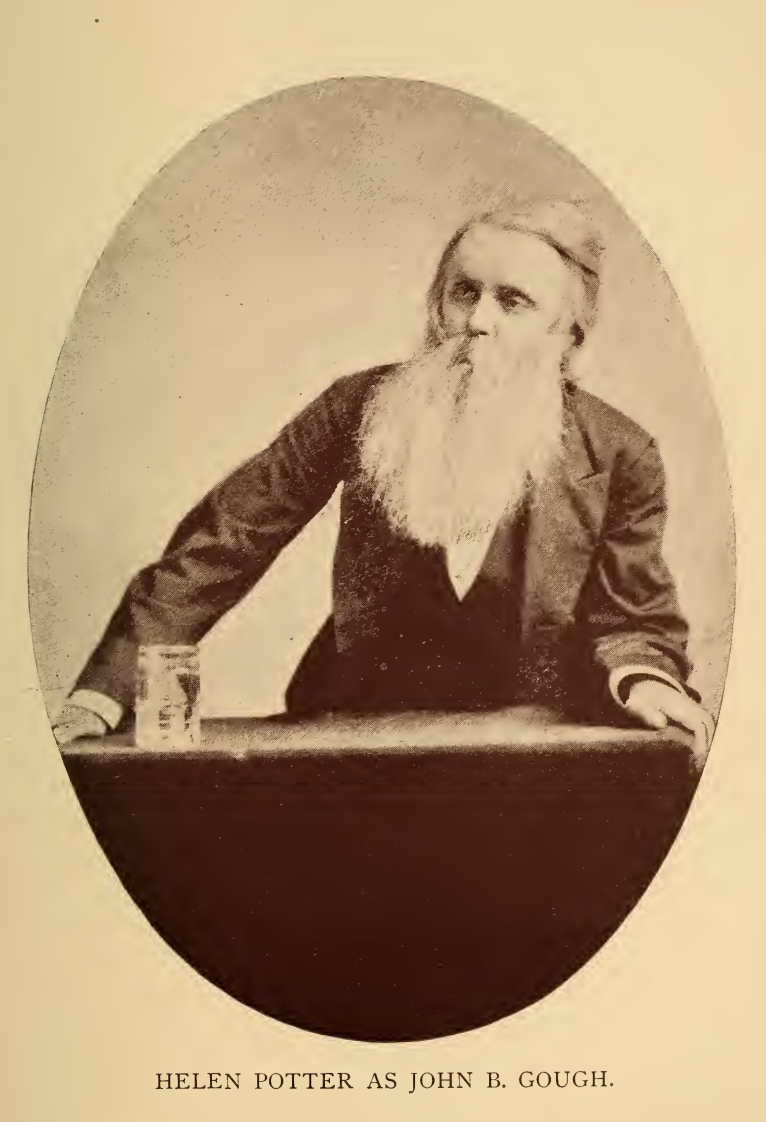
Alongside the lectures came magicians, impersonators, bell ringers, yodellers, cartoonists, elocutionists and novelty acts, because a week of straight lectures would not have sold.
Entertainment is unmixed and unapologetic.
The mixture is the honest heart of the thing. The educational framing was sincere and the variety acts were necessary, and the circuits ran on exactly that tension between what people were willing to pay for and what they wanted to be seen paying for.
13. Then the Automobile Took the Audience Away
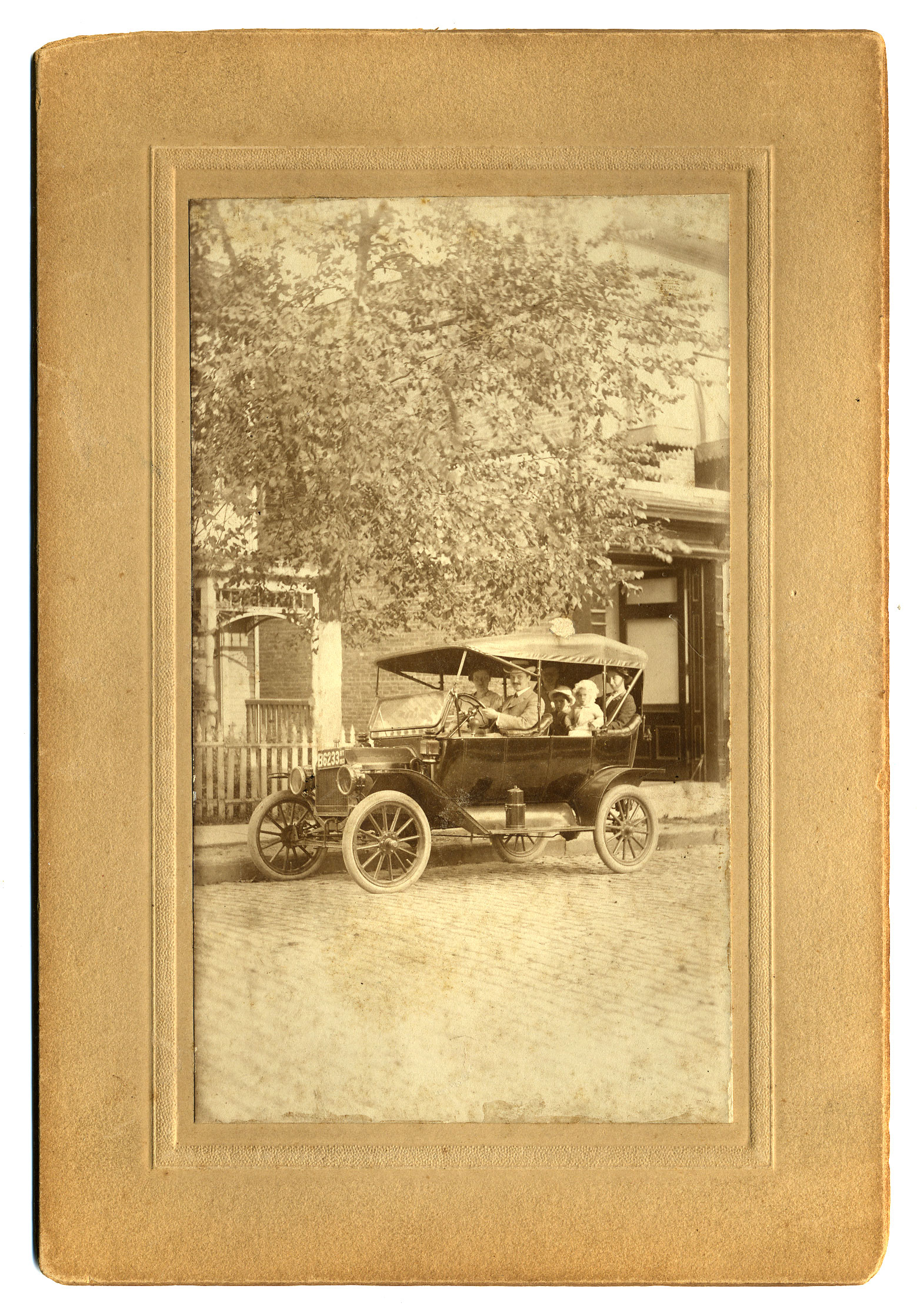
Cars let people reach larger towns with permanent theatres, so a tent on a vacant lot was no longer the only show available within reach.
Universal.
Mobility removes the circuit’s basic advantage, which was coming to places that could not go anywhere. Once a family could drive thirty miles on an evening, the local tent was competing with everything in the region rather than with nothing.
14. Then Radio Made Lectures Free
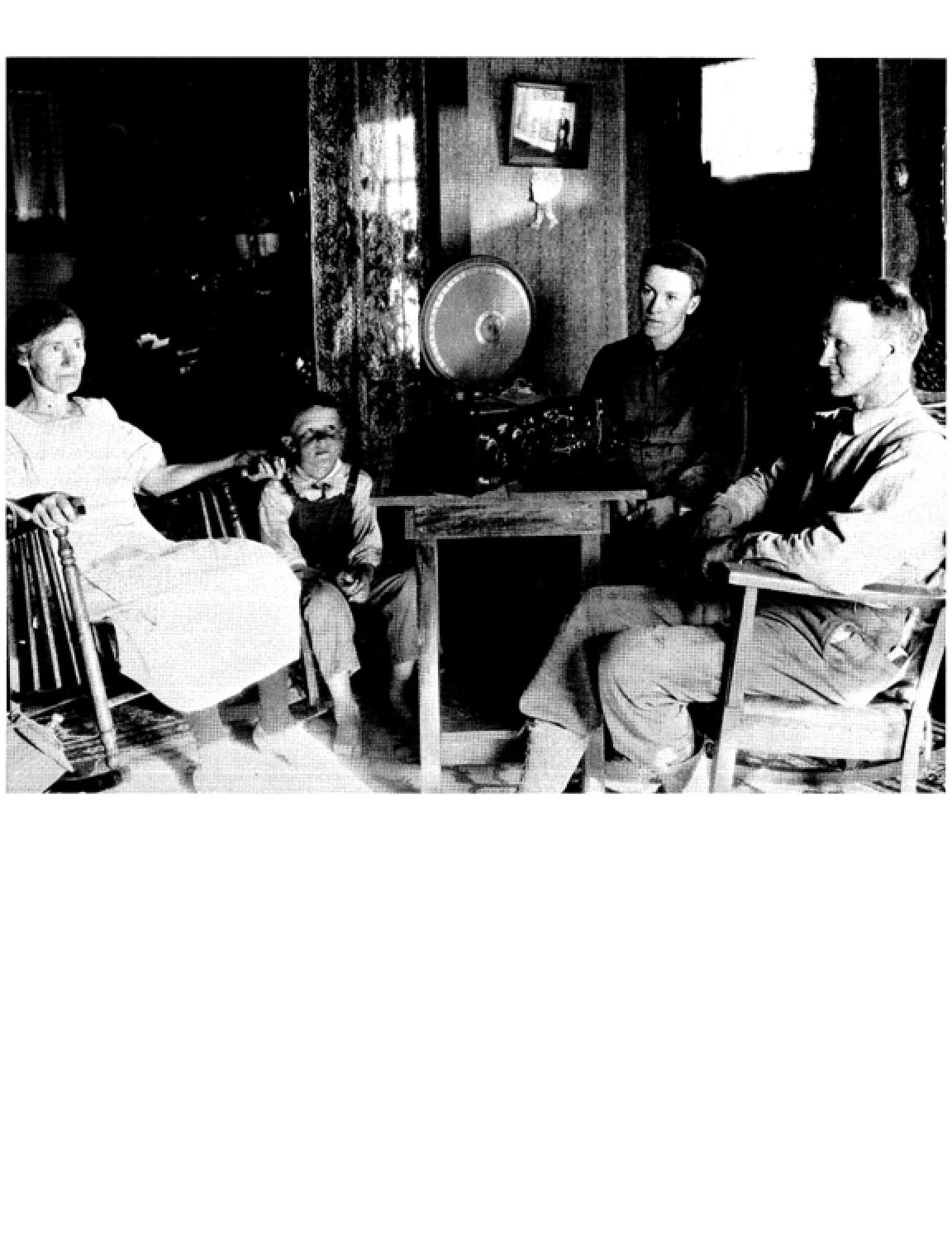
Broadcasting delivered speakers, music, drama and information into the house at no marginal cost and with no ticket, no tent and no committee.
The same principle, enormously extended.
Radio is the decisive blow and the comparison is brutal. The circuit’s product was access to voices from outside the town, delivered once a year for a price, and radio delivered the same category of thing nightly for nothing – which leaves a tent with no proposition at all.
15. Then the Guarantors Stopped Signing
As audiences fell, local committees found themselves personally liable for shortfalls, and towns that had lost money once would not guarantee again.
Not applicable.
The financing mechanism that built the system is what dismantled it, which is a neat and unforgiving piece of business logic. A guarantee works beautifully while the tent fills and becomes a personal debt when it does not, and no committee signs twice.
16. Then the Whole Thing Was Forgotten
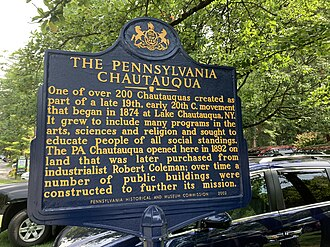
In 1964 the tent circuits were two generations gone, remembered by the oldest people in town and almost nowhere else, with the lots they used built over.
Lectures, music and argument arrive continuously and free, and almost nobody has heard of the system that once brought them by rail in a brown tent.
And what is genuinely strange is how completely it vanished given how large it was. At its peak this reached thousands of American towns every year and a substantial share of the entire rural population – a bigger cultural institution, in reach, than most of what we remember from the same period. It left almost no trace because it was built out of nothing permanent. No buildings, because the venue was a tent. No recordings, because the product was a person talking in a field. No archives in most towns, because the organisation was a committee that disbanded. And no successor institution, because its two functions were absorbed by different technologies: the music and the voices went to radio, and the civic self-improvement went nowhere in particular. What is worth holding onto is the demand it proves. Several thousand people in a county would pay in advance, in summer, to sit in a hot tent for a week and listen to somebody explain the tariff, or Egypt, or the nervous system. That appetite was real, and it was not satisfied by anything the towns had. The circuits did not create it. They found it, charged for it, and then lost it to a box in the parlour that did the same thing for free.
It Was Enormous, and It Left Almost Nothing Behind
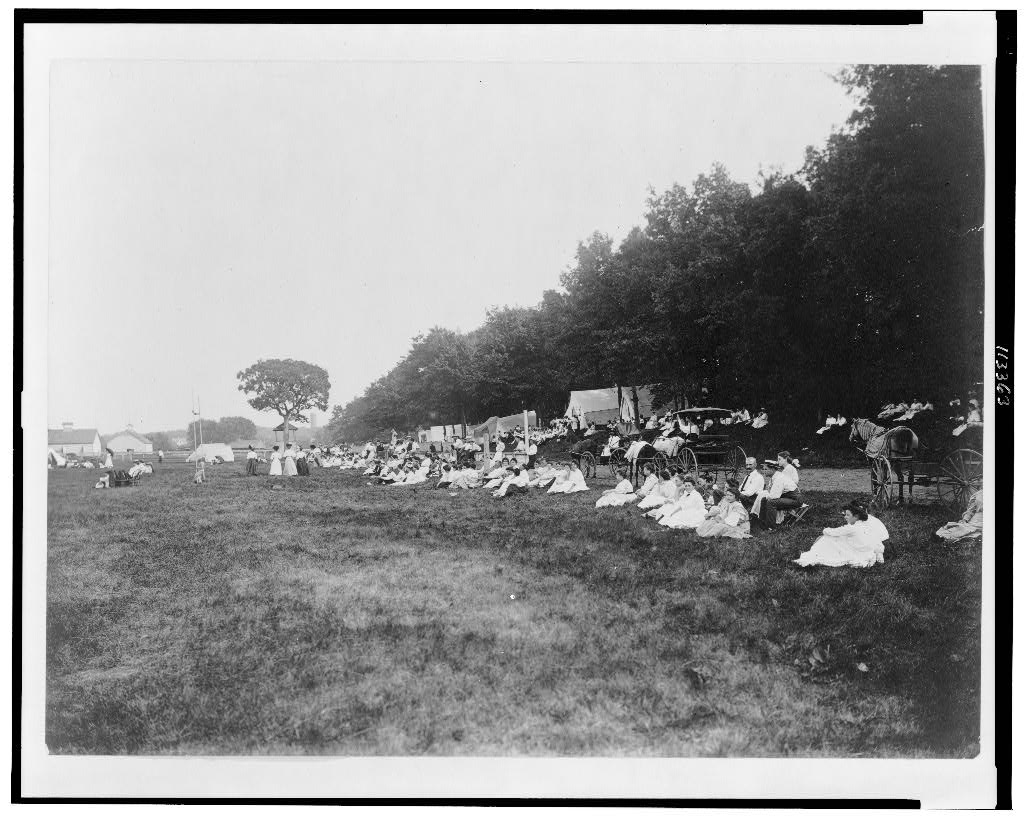
The strangest thing about the tent circuits is the gap between how big they were and how completely they have been forgotten.
At their peak they reached thousands of American towns every year and a very large fraction of the rural population attended. In terms of sheer reach that makes this a bigger cultural institution than most of what we do remember from the same period, and almost nobody now knows it existed.
The reason it disappeared so cleanly is that it was built out of nothing permanent.
No buildings, because the venue was a tent – and the tent was the key invention. Thousands of American towns had no auditorium of any kind, so a portable one that travelled with the programme turned every vacant lot in the country into a venue, could be raised and struck in a day, and held an audience no local hall could.
No recordings, because the product was a person talking in a field.
No archives in most towns, because the organisation was a committee that disbanded afterwards.
And no successor, because its two functions were absorbed by two different things.
The commercial design deserves attention, because it is the cleverest part. The circuit did not carry the risk – the town did. A committee of prominent local people signed a guarantee for a minimum sum and then sold season tickets door to door to cover it, personally liable for any shortfall. That secured the circuit’s revenue for a whole summer in advance, and it gave the committee every conceivable motive to fill the tent. Businesses, churches, clubs and schools were recruited, buying a ticket became a civic duty, and not subscribing was noticed.
Behind it ran industrial logistics. Multiple tents and crews leapfrogged down a line by rail, so that while one town heard day three, the next town’s tent was already standing and the last town’s was coming down. Performers delivered the same lecture or concert night after night for an entire season, which produced both a formidable polish and a distinct professional type – the career platform lecturer who made a living from one well-honed talk.
The programme itself was mixed, and that is the honest heart of it. The lectures on public questions were real and people genuinely came for them. So were the magicians, impersonators, bell ringers, yodellers and elocutionists, because a week of straight lectures would not have sold. The circuits ran on the tension between what audiences would pay for and what they wanted to be seen paying for.
The music was probably the most valuable thing on offer, and it is the part that dates the whole enterprise. Before recording, hearing a trained musician required somebody to travel to where you were, and for a town of eight hundred people the circuit was the only realistic way that happened.
Which is exactly why radio killed it.
The circuit’s product was access to voices from outside the town, delivered once a year for a price. Radio delivered the same category of thing nightly, for nothing, in the parlour, with no committee and no tent. That leaves a travelling auditorium with no proposition whatsoever.
The car had already weakened it by letting people reach larger towns with permanent theatres, so the tent was suddenly competing with a whole region instead of with nothing.
And then the financing mechanism that built the system dismantled it. A guarantee is a wonderful arrangement while the tent fills and a personal debt when it does not, and a committee that lost money once did not sign again.
What survives is the evidence of an appetite. Several thousand people in a county, paying in advance, in summer, to sit in a hot tent for a week and listen to somebody explain the tariff, or Egypt, or the nervous system.
That demand was real. The circuits did not invent it – they found it, charged for it, and lost it to a box in the corner of the room.
If your great-grandparents were in a small town in that era, they almost certainly bought season tickets.
And somebody in the family signed the guarantee.
Like our content? Follow us for more.