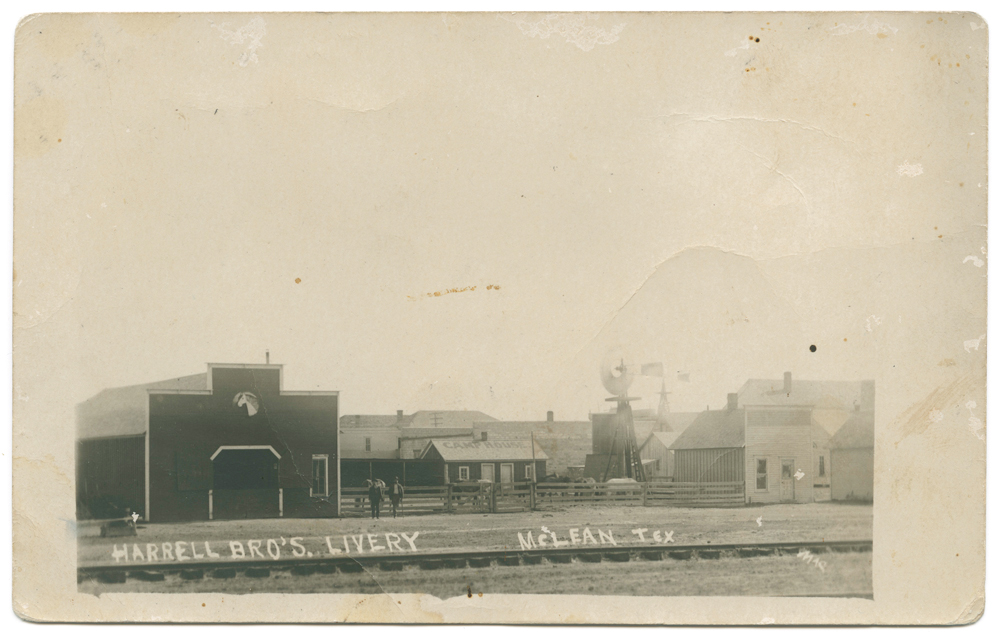
Every American town of any size had a livery stable near its middle, and it was a paid service business rather than a barn somebody let people use.
A hitching post at the curb handled a visit of an hour. A whole day in town, an overnight stay, or an arrival in bad weather needed something else – and the stable supplied it: men unhitched the rig, unharnessed and rubbed down the animal, fed it, watered it, bedded it, and then reversed every step of that hours later for a customer who would notice immediately if it had been done badly.
It also hired out horses and buggies by the hour, boarded the doctor’s horse ready to go at any hour, sat next to the hotel, traded horses in the yard, and served as the place the town’s men sat and talked. Here are sixteen things every American town knew.
1. It Was the Parking Garage, and It Was a Business
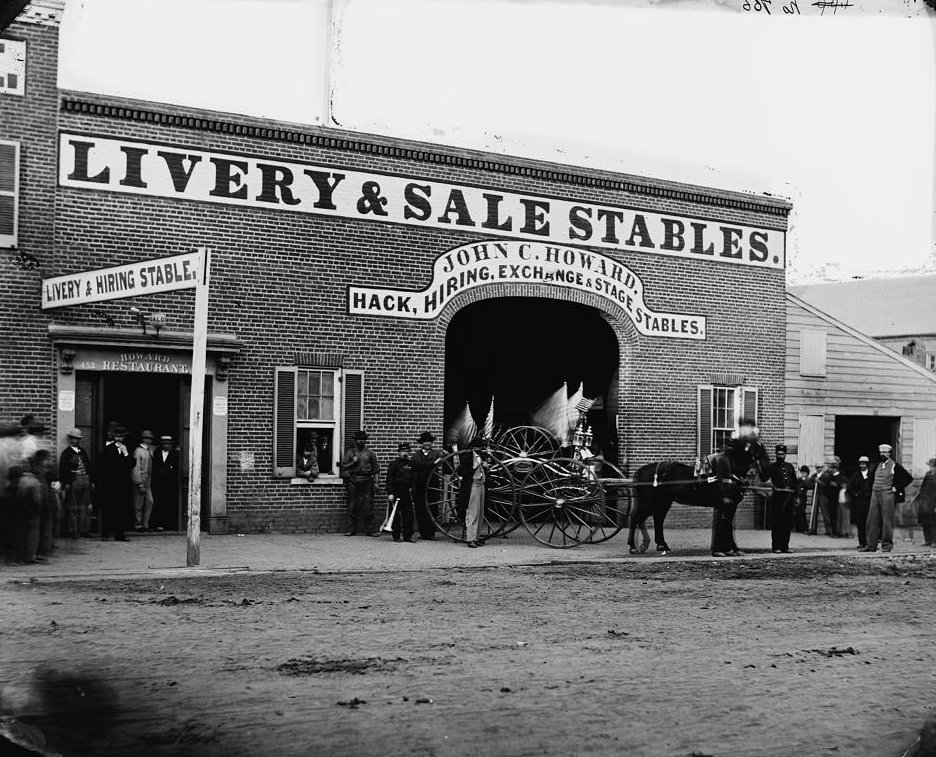
Every American town of any size had at least one livery stable near its centre, where a visitor’s horse was unharnessed, fed, watered and sheltered for a fee while its owner did whatever had brought them to town.
Parking lots and garages, which charge for the same service and require none of the labour.
The commercial framing is the right one to start with. This was not a barn somebody let people use – it was a paid service business on valuable central land, with staff, rates, accounts and competitors, and it existed because an animal left standing at a curb all day is a problem nobody could solve any other way.
Like our content? Follow us for more.
2. A Post at the Curb Only Worked for an Hour
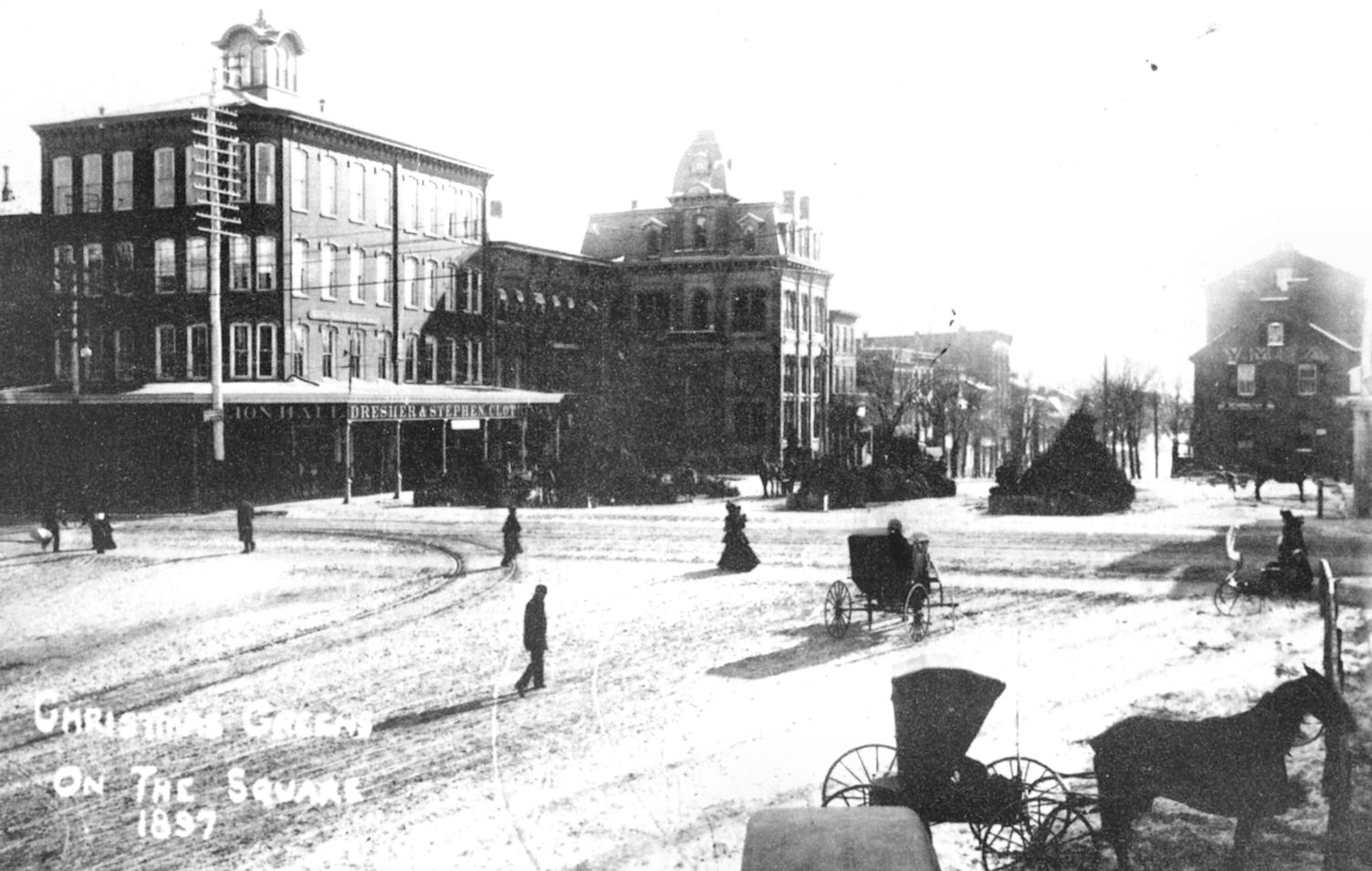
Short stops were handled by hitching posts and rails on the street, but a visit of a whole day, an overnight stay or an arrival in bad weather required somewhere the animal could be properly cared for.
Not applicable. A vehicle left anywhere needs nothing at all.
The two-tier system is what makes the stable make sense, and it is exactly the structure of a parking meter and a parking garage. Duration changes the requirement – and a horse standing tied in the rain for eight hours is not a parked vehicle, it is an animal in trouble.
3. The Hostler Did the Actual Work
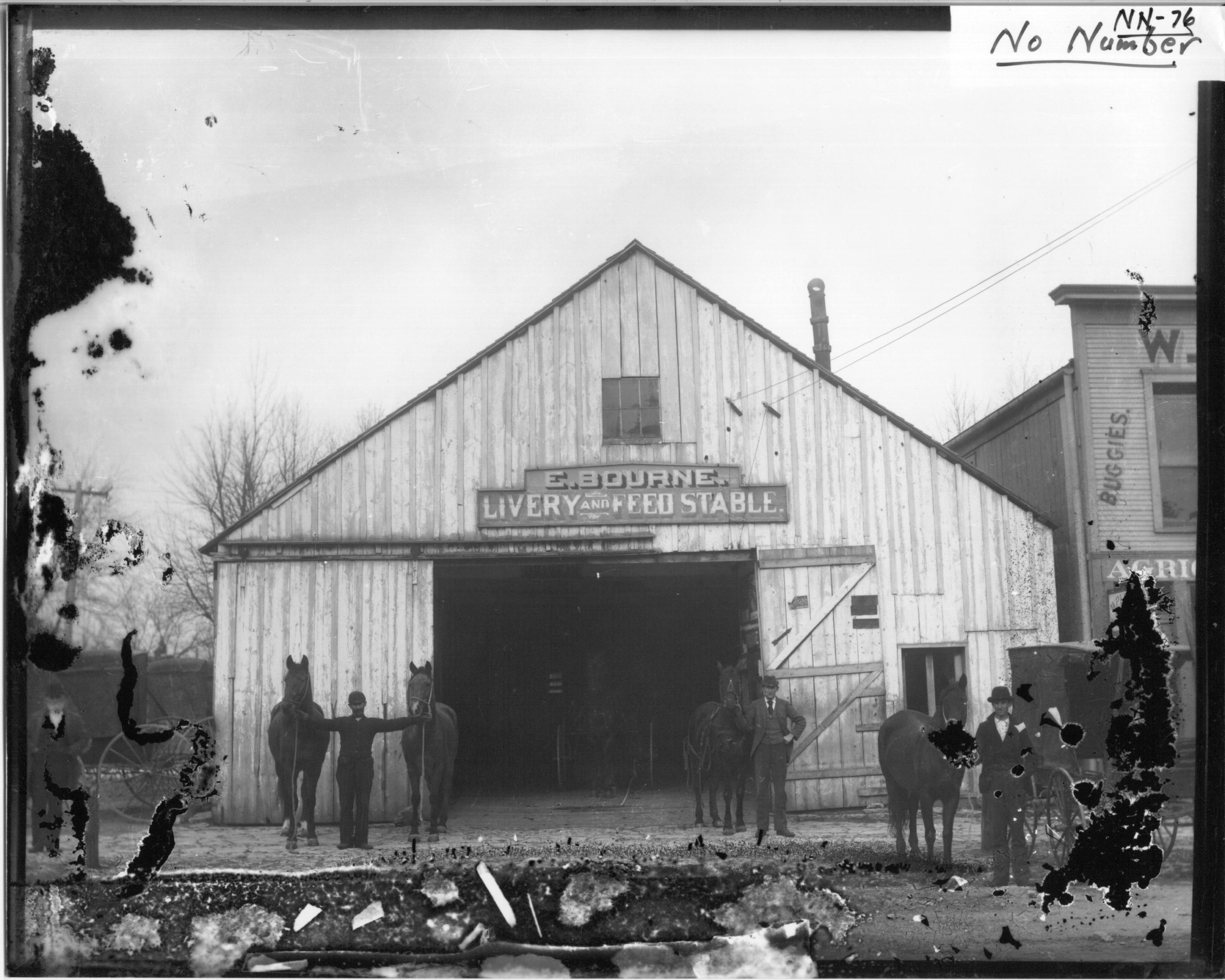
A stable employed men to unhitch, unharness, rub down, feed, water, bed and re-harness animals, and to know which rig belonged to whom.
Not applicable.
The labour content is the thing that distinguishes this from parking entirely. A garage attendant moves a car; a hostler performed a sequence of skilled tasks on a living animal and then had to reverse all of them correctly hours later for a customer who would notice immediately if it had been done badly.
4. It Rented Rigs as Well
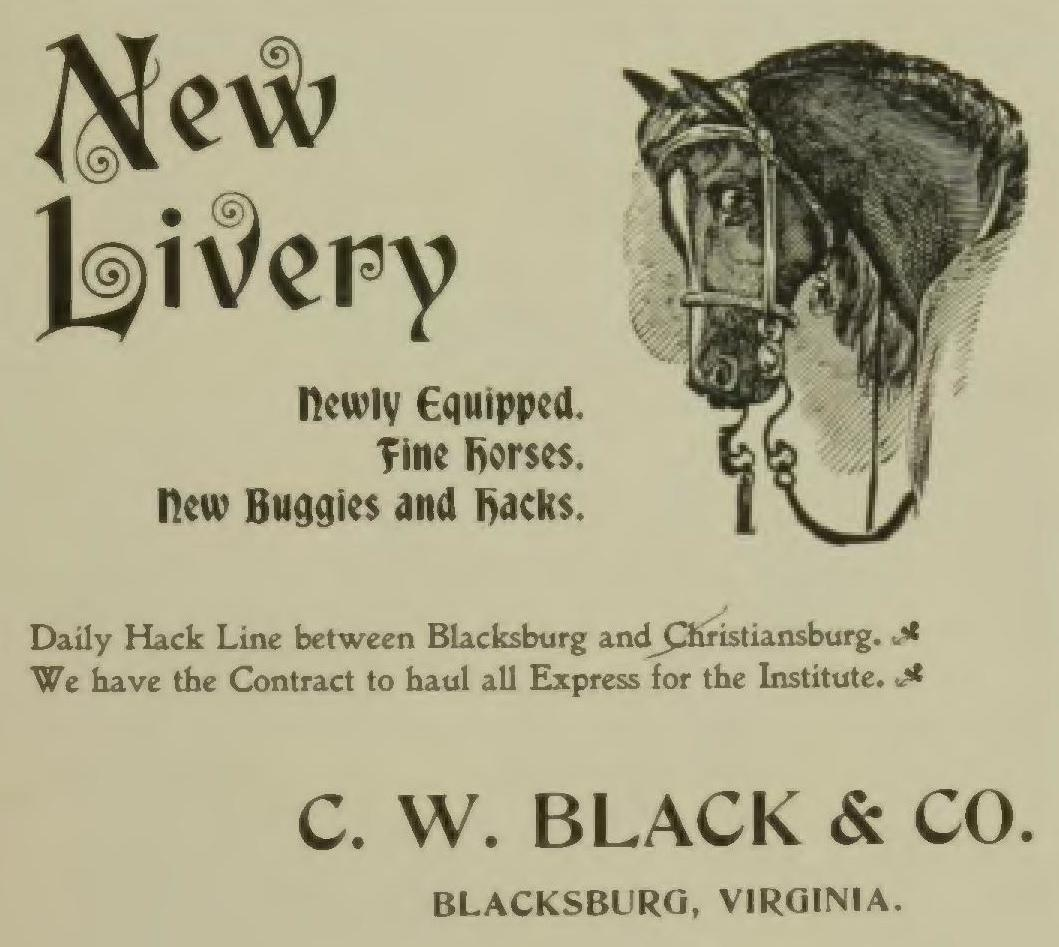
The same business hired out horses, buggies, surreys and wagons by the hour, the day or the week, to people who had none or who needed something different from what they owned.
Car rental, taxis and ride-hailing, which are recognisably descendants.
Hiring is the other half of the business and it is the half that explains the name. A livery stable supplied transport on demand to travellers, salesmen, doctors, clergy and anybody whose own arrangements had failed – which makes it simultaneously a car park, a rental agency and a taxi stand.
5. Travelling Salesmen Were the Best Customers
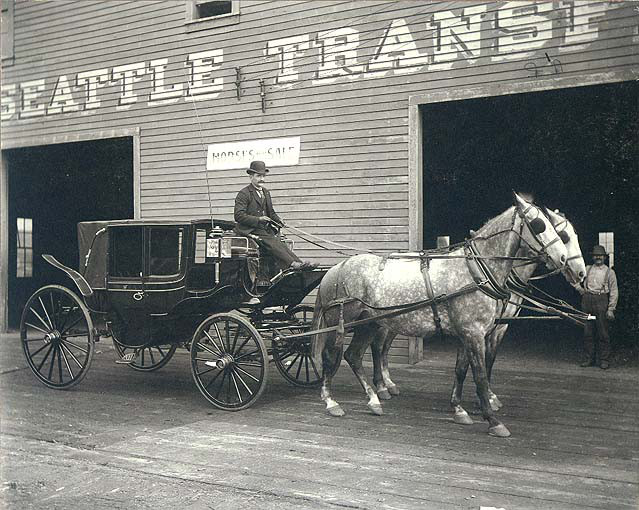
Men working a territory arrived by train with sample cases and needed a rig to reach the surrounding country, which they hired at the stable for the day.
Rental cars at airports and stations.
The pattern is identical to modern business travel and that is worth noticing. Arrive by public transport at a hub, hire a vehicle locally, work a radius, return it, leave on the next train – the livery stable was the local vehicle supply for a national sales system.
6. The Doctor’s Horse Lived There
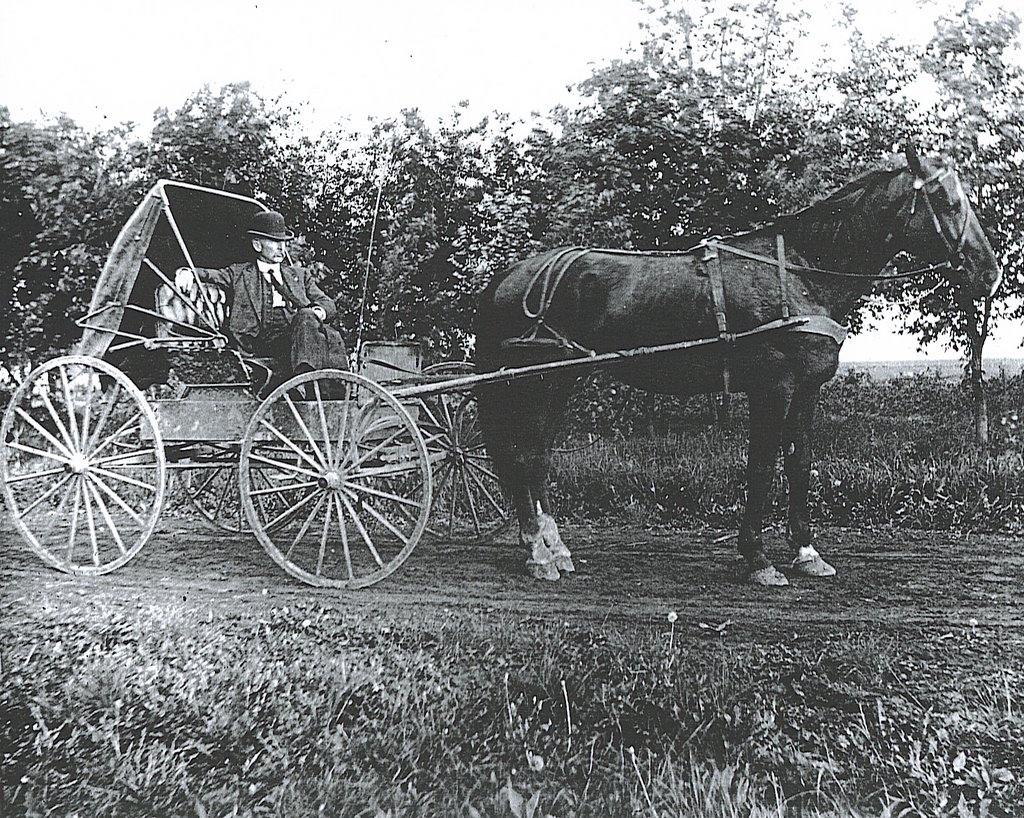
Professional men who needed to leave at any hour frequently boarded their animals and rigs at a stable, which kept them harnessed or ready.
A car in a driveway, always ready.
Keeping something ready is a service that has no modern equivalent because it is no longer needed. A horse must be harnessed before it can go anywhere, which takes time nobody has in an emergency, so somebody was paid to have it done already.
7. It Was Next to the Hotel for a Reason
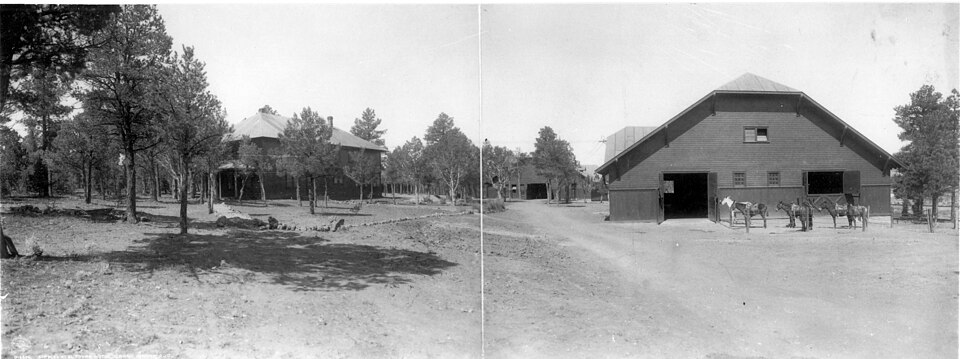
Stables were sited beside or behind hotels, because a traveller arriving with a rig needed both services at once and neither business was much use without the other.
Not applicable, though hotel parking is the same logic.
Paired siting tells you how the town worked. Two separate businesses, legally and financially independent, physically adjacent because their customers were the same person arriving at the same moment – which is the kind of arrangement that shapes a street plan permanently.
8. The Smell and the Flies Were Real
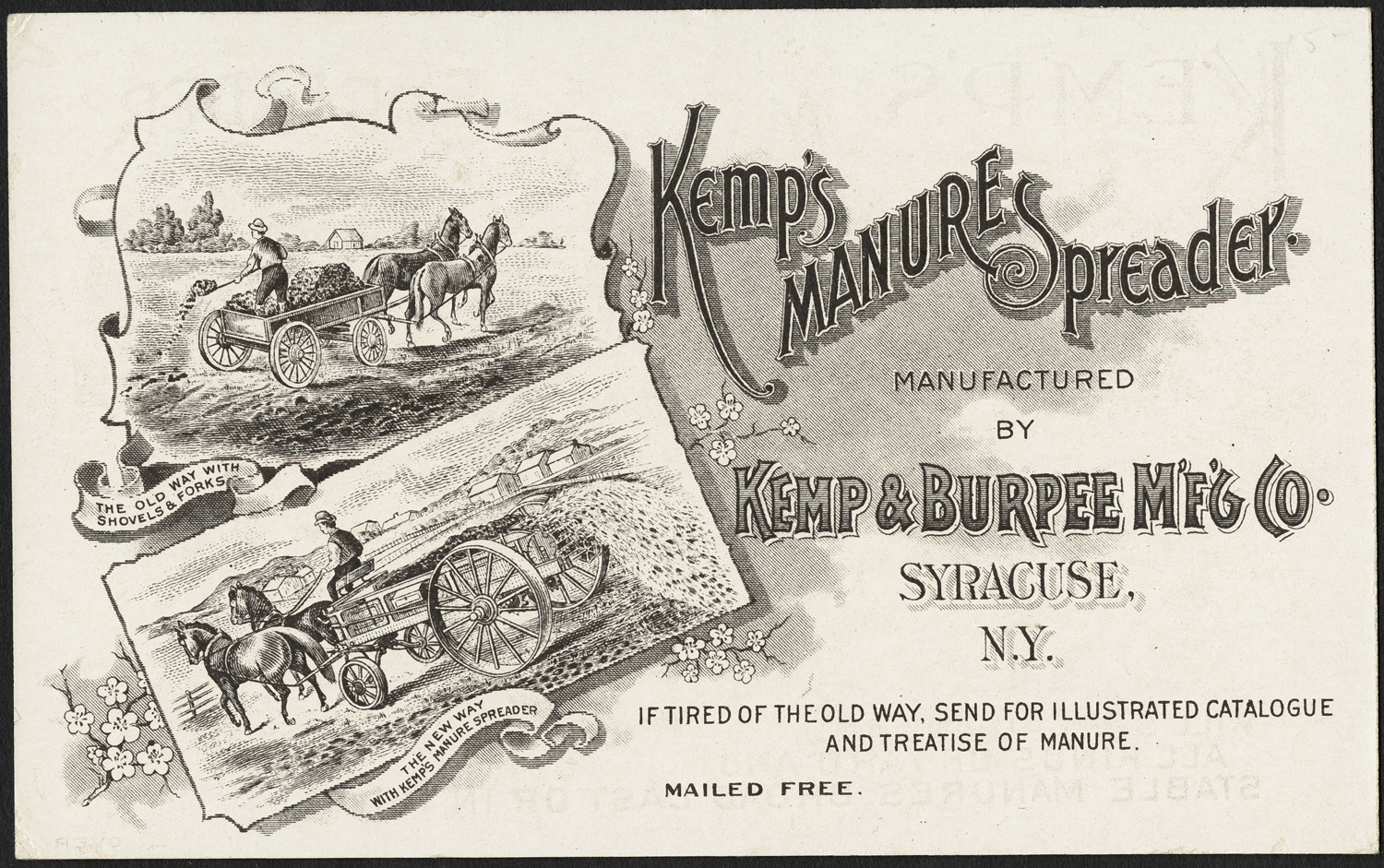
A stable held many animals in a confined space in the middle of town, producing manure in quantity, and the removal and disposal of it was a continuous operation.
Not applicable.
This should not be softened, because it is a large part of what a town centre actually was. Several stables’ worth of animals concentrated near a main street generated a volume of waste that had to be hauled out daily, and the flies, the smell and the sanitation problem were ordinary features of American town life.
9. It Was the Men’s Social Club
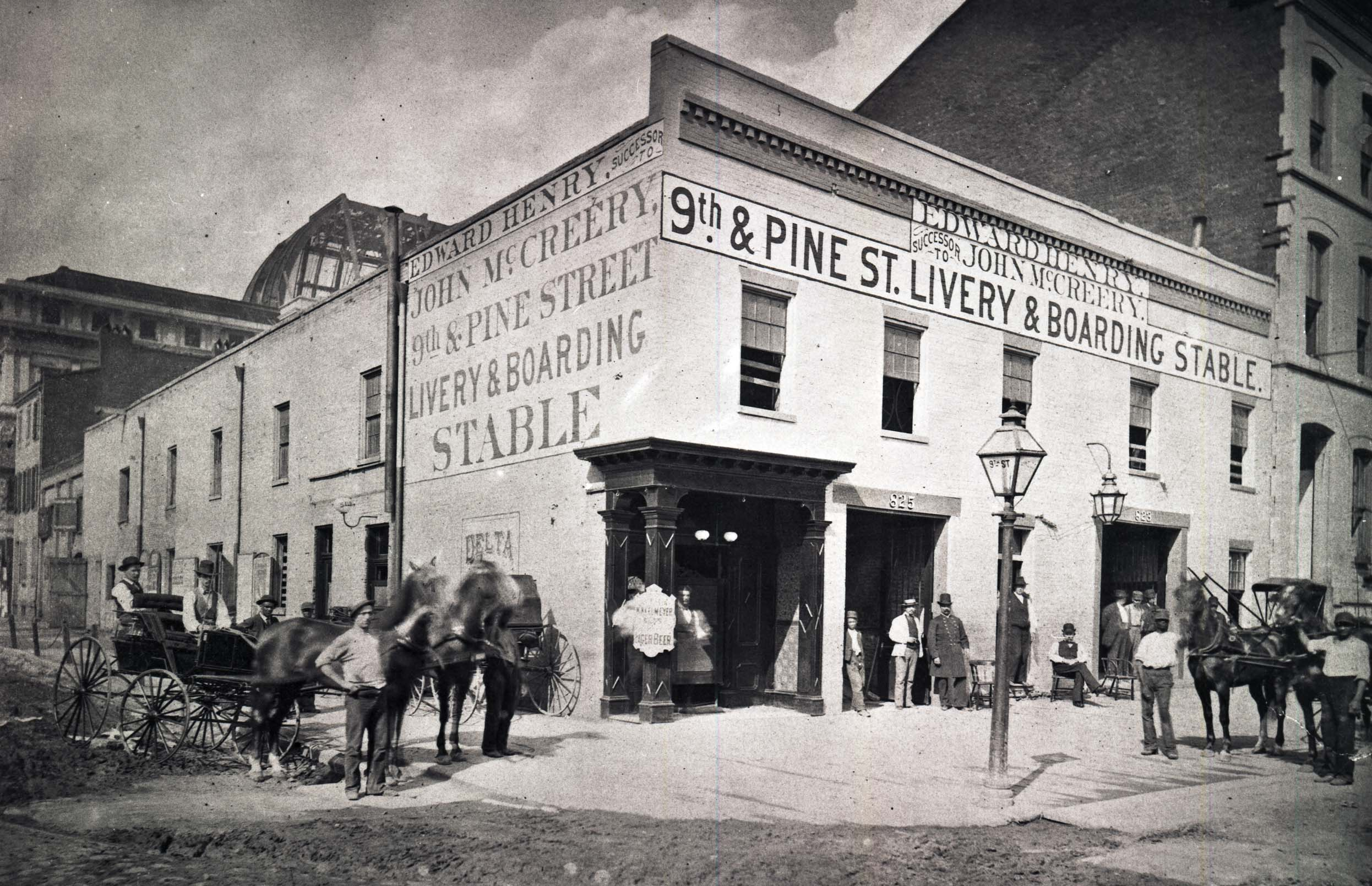
The office and the front of a stable were a hangout – men sat, talked, traded, waited and passed time there, and a great deal of local business was transacted on the premises.
Not applicable. A parking garage has no social function whatever.
Any place where men waited became a place where men talked, and a stable had a stove, chairs and a constant flow of people arriving from elsewhere with news. It was an information exchange attached to a transport business, which is a combination that has simply stopped occurring.
10. Horse Trading Happened There
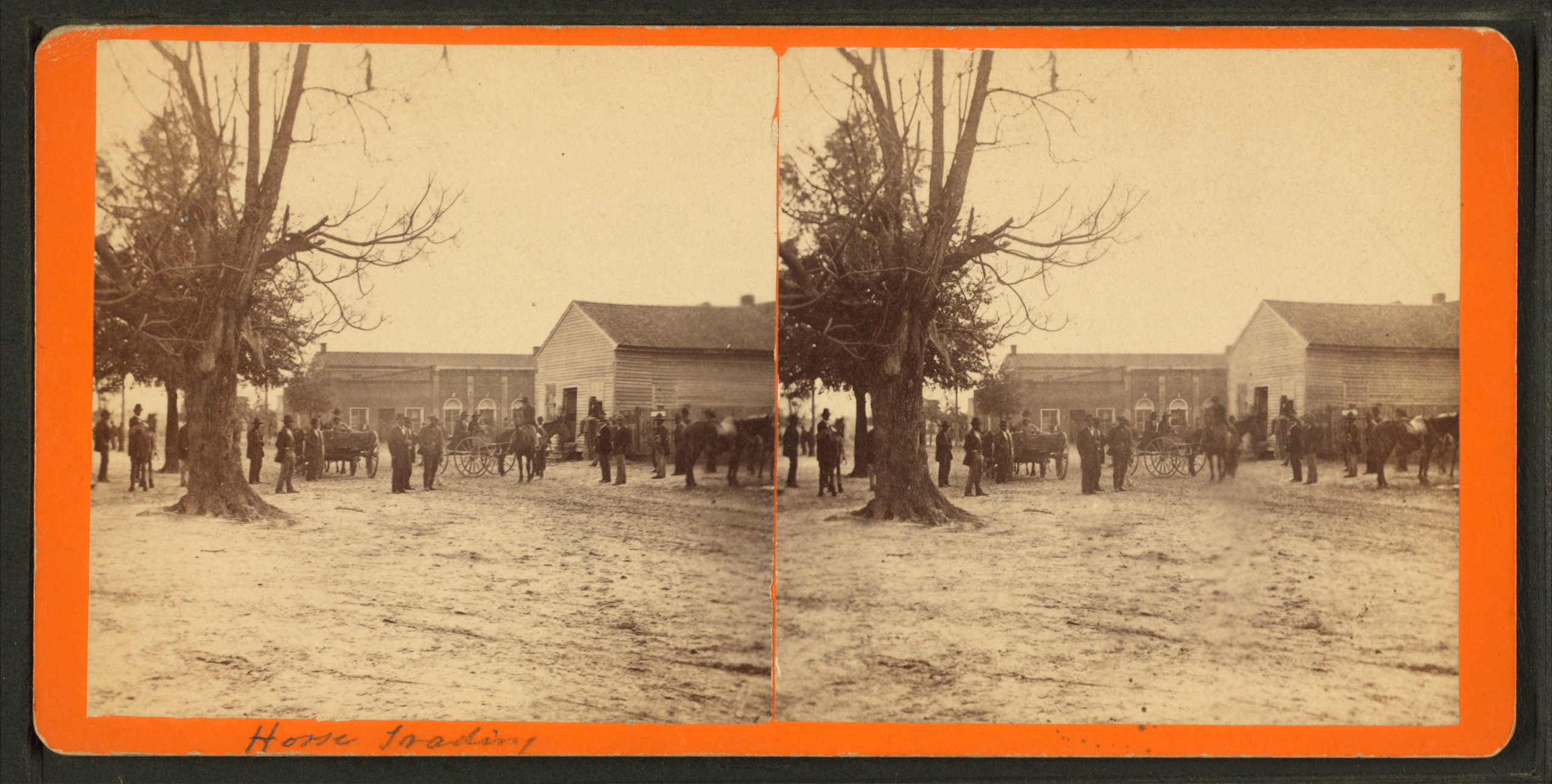
Stables bought, sold and traded animals, and the yard was where a man went to buy a horse or get rid of one.
Used car dealing, which inherited both the function and the reputation.
The reputation is worth noting honestly. Assessing an animal’s soundness, age and temperament from a short inspection is genuinely difficult, information was asymmetric, and the trade attracted both expert judgement and sharp practice – which is precisely why the phrase about horse trading means what it means.
11. Fire Was the Constant Terror
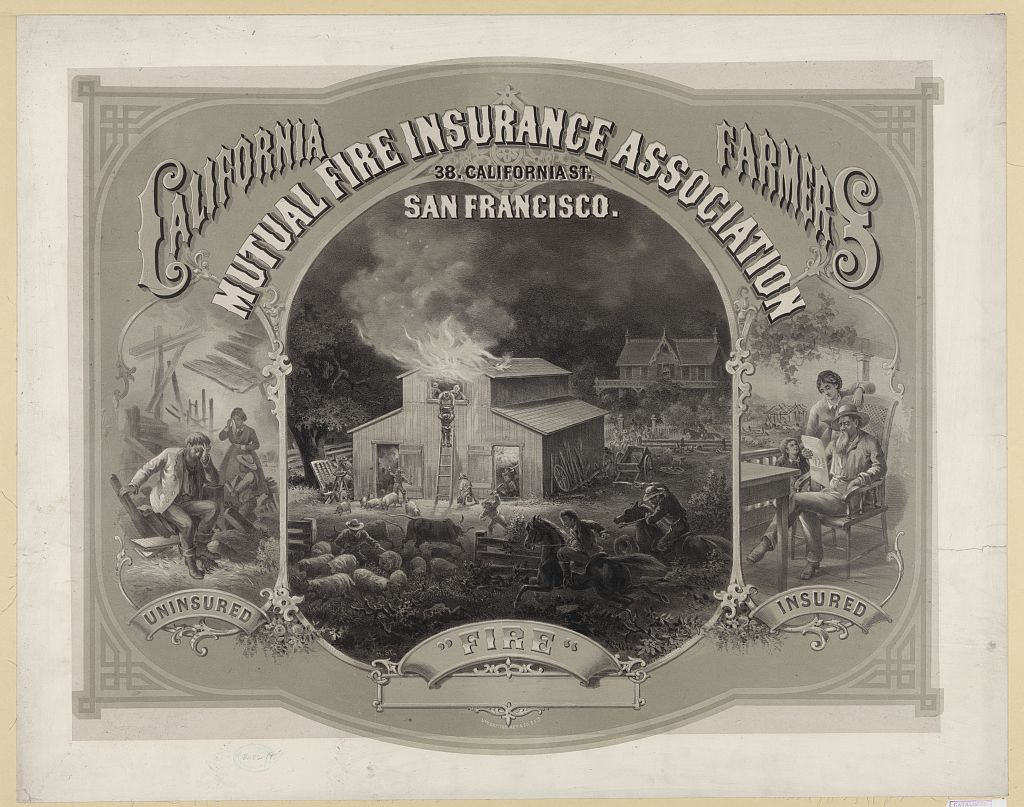
Stables were timber buildings full of hay, straw and bedding, lit by lanterns, and they burned – frequently, destructively and with loss of the animals inside.
Not applicable.
This deserves to be stated plainly rather than left out. A barn full of dry fodder in the middle of a wooden town was one of the worst fire risks any community had, and stable fires were a recurring catastrophe in American towns that took buildings, blocks and animals with them.
12. Feed Was a Serious Supply Chain
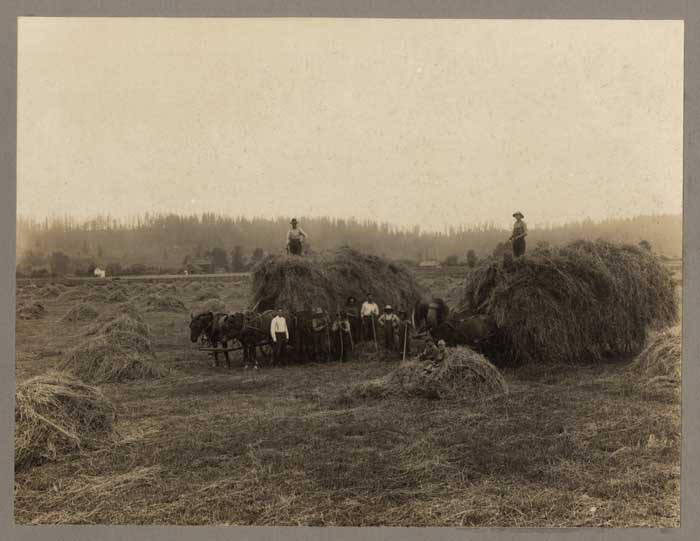
A stable consumed hay, straw, oats and corn continuously, bought from surrounding farms, which made it a significant local customer.
Not applicable.
The feed demand is an underappreciated economic link. Town stables bought farm production in quantity, which means a substantial share of a district’s hay and oats was effectively consumed as transport fuel inside the town it surrounded.
13. Then the Automobile Arrived in the Same Building
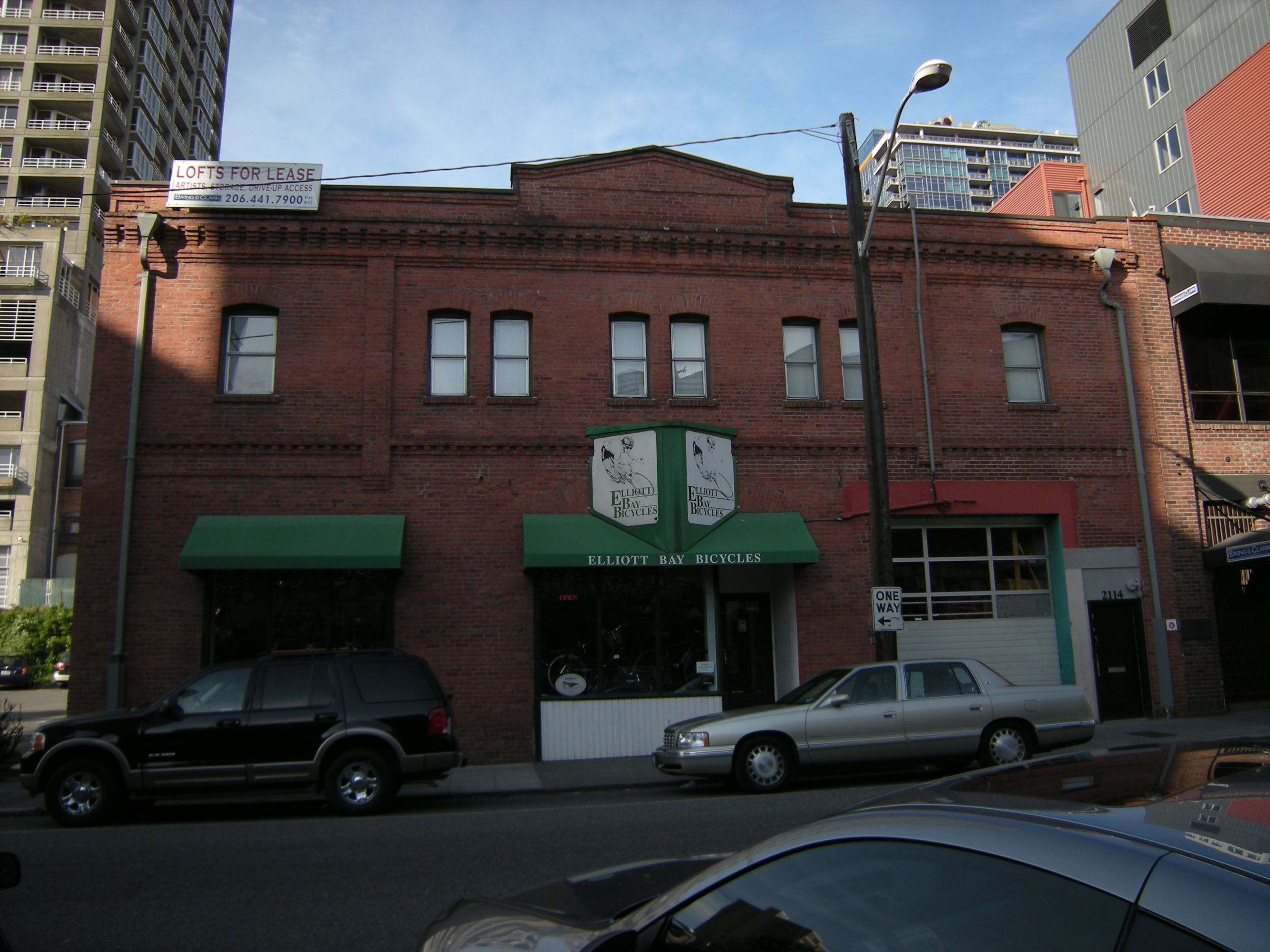
As cars appeared, stables began storing, fuelling and repairing them alongside the horses, and a great many simply became garages.
The garage, which in a great many towns is the same building.
The continuity is remarkable and it is the best part of the story. A building designed to shelter vehicles and the animals that pulled them turned out to be approximately the right shape for vehicles that pulled themselves – large doors, open floor, central location, and a yard. So the business did not die; it changed what it kept inside.
14. Then the Service Requirement Disappeared
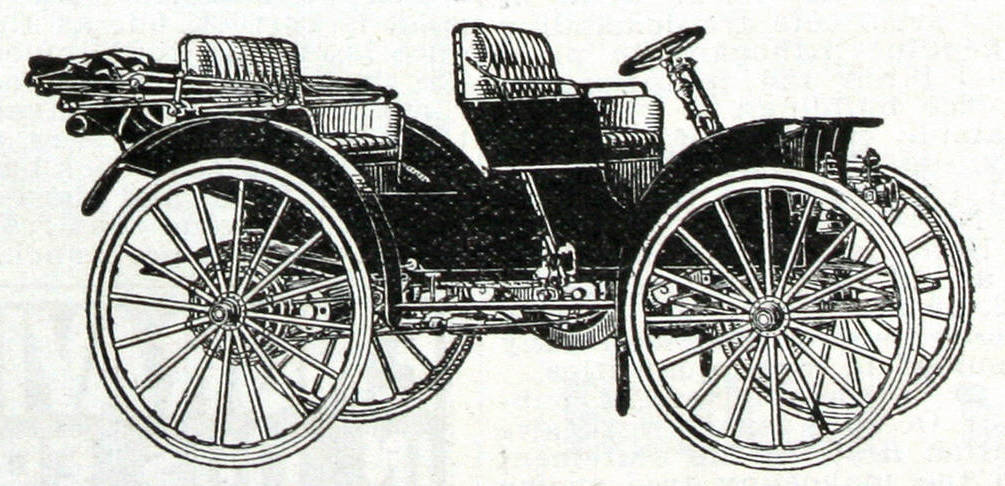
A car needs no feeding, no watering, no bedding, no rubbing down and no harnessing, and it will stand unattended indefinitely without harm.
Universal.
This is what actually ended the trade as a trade, rather than the arrival of the car as such. The stable’s revenue came from labour performed on living animals, and a vehicle that requires none of that labour removes the service and leaves only the floor space – which is a much smaller business.
15. Then the Land Was Worth More Than the Business
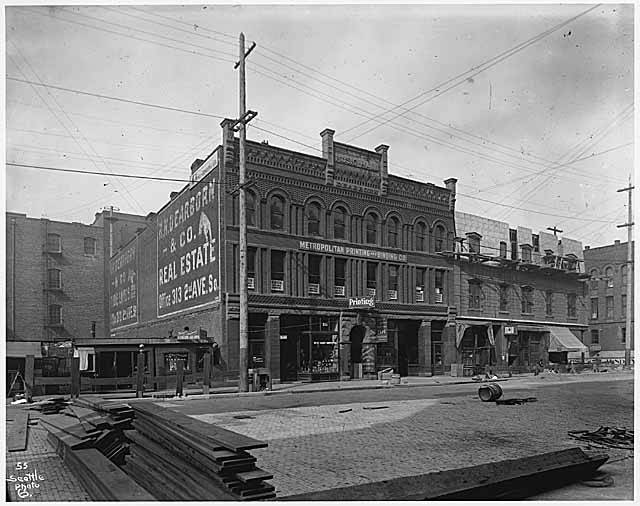
Central lots occupied by large low buildings became too valuable to use for storage, and stables were demolished or converted as town centres were rebuilt.
Standard.
Economics finished what technology started. A big building on expensive central land earning storage fees is the weakest possible use of that land, and once the service component was gone there was nothing to justify the site.
16. Then the Word Stopped Meaning Anything
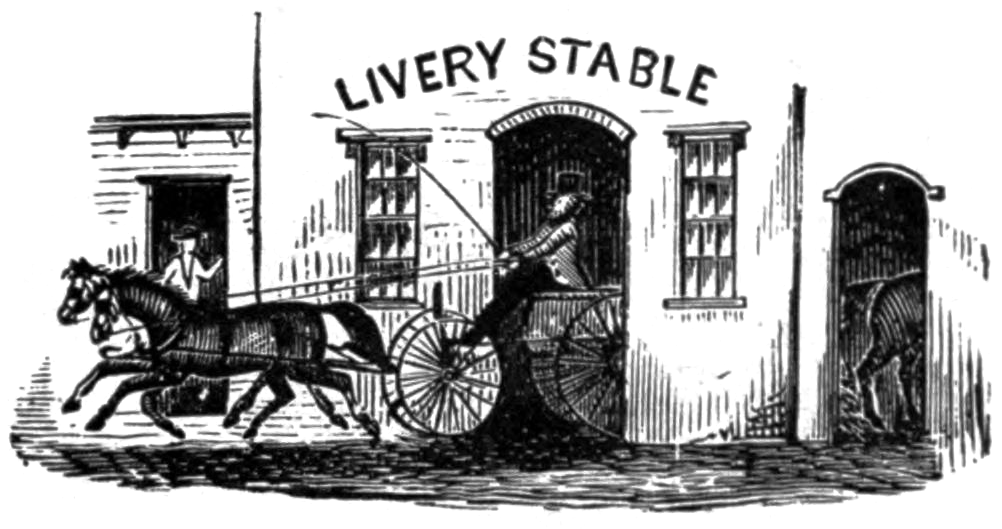
In 1964 the livery stable was long gone from American towns, with the word surviving mostly in the phrase on old insurance maps and in the occasional building with suspiciously wide doors.
Parking is free or metered, vehicles are rented from counters and apps, and nobody is employed to make a vehicle ready for its owner.
And what the stable really records is how much labour used to be attached to going anywhere. A journey into town did not end when you arrived – it ended when somebody had unhitched the animal, unharnessed it, rubbed it down, fed it, watered it and bedded it, and it did not resume until all of that was reversed in the right order. That work had to happen, it had to be done properly or the animal suffered, and it needed somebody who knew how. So a business existed to do it, employing skilled men on valuable central land, paired with the hotel, supplied by the surrounding farms, doubling as a rental agency, a taxi stand, a horse market and the place where the town’s men sat and talked. All of that was one building. Then a machine arrived that required none of the labour, and the entire structure collapsed inward to its least interesting function – a place to leave a thing that does not care where it is left. The buildings are frequently still there. If you find a very old garage on a main street with doors wider than any car needs and a yard behind it, that is what it used to be.
The Business Was the Labour, and a Car Needs None of It
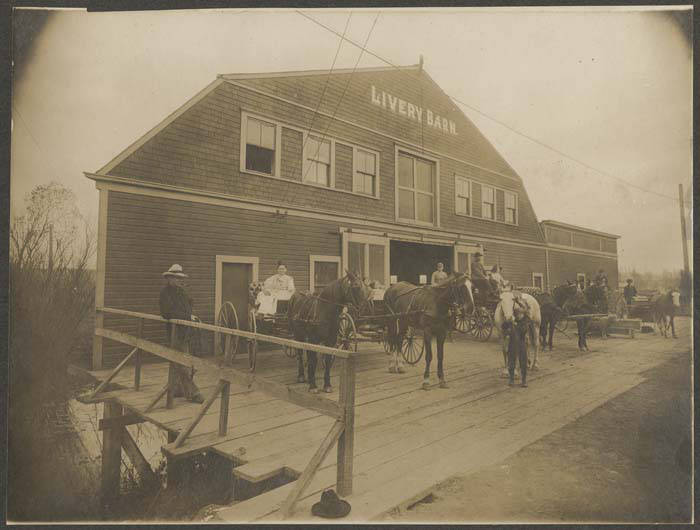
The simplest way to see why the livery stable existed is to notice that a journey by horse did not end when you arrived somewhere.
It ended when somebody had unhitched the rig, unharnessed the animal, rubbed it down, fed it, watered it and bedded it. And it did not resume until every one of those steps had been reversed in the correct order.
That work had to happen. It had to be done properly or the animal suffered. And it required somebody who knew how.
So a business existed to do it – and a hitching post was not an alternative, because a post works for an hour. A horse tied at a curb for eight hours in the rain is not a parked vehicle, it is an animal in difficulty. The two-tier arrangement of street hitching for short stops and a paid stable for long ones is exactly the structure of parking meters and parking garages, arrived at independently, for the same reason: duration changes the requirement.
Around that core service the stable accumulated every related function a town needed.
It hired out rigs – horses, buggies, surreys, wagons – by the hour, day or week, which is where the name comes from and which made it a rental agency and a taxi stand as well as a car park. Travelling salesmen were the best customers, and the pattern is identical to modern business travel: arrive by train at a hub, hire a vehicle locally, work a radius of country, return it and leave on the next train.
It boarded animals ready to go for professional men who might be called out at any hour, because harnessing takes time that nobody has in an emergency, so somebody was paid to have it already done.
It sat beside the hotel, because a traveller arriving with a rig needed both at once and neither business was much use without the other – two independent companies made physically adjacent by having the same customer arrive at the same moment, which is the kind of thing that shapes a street plan permanently.
It bought hay, straw, oats and corn in quantity from the surrounding farms, which means a real share of a district’s production was consumed as transport fuel inside the town it encircled.
It traded horses, with all the reputation that implies – assessing an animal’s soundness, age and temperament from a short inspection is genuinely hard, the information was asymmetric, and the trade attracted expert judgement and sharp practice in roughly equal measure.
And it was where the men sat. A stove, chairs, and a continuous flow of people arriving from elsewhere with news made it an information exchange attached to a transport business.
Two things about it should not be softened. The waste was substantial, with many animals concentrated near a main street producing manure that had to be hauled out daily, and the flies and the smell were ordinary features of town life. And the fire risk was severe – timber buildings full of hay and bedding, lit by lanterns, in the middle of wooden towns. Stable fires were a recurring catastrophe that took blocks and animals with them.
Then the car arrived, and the first thing that happened was continuity rather than collapse. Stables stored, fuelled and repaired automobiles alongside the horses, and a great many simply became garages – because a building designed for vehicles and the animals that pulled them is approximately the right shape for vehicles that pull themselves. Wide doors, open floor, central site, yard behind.
What killed the trade was not the machine’s arrival but what the machine did not need. No feeding, no watering, no bedding, no rubbing down, no harnessing, and no harm done by standing unattended indefinitely.
The stable’s revenue was labour performed on living animals. Remove the labour and all that remains is floor space, which is a far smaller business – and a large low building on expensive central land earning storage fees is the weakest possible use of that land.
So the sites were cleared, and what the whole thing recorded was how much work used to be attached to going anywhere at all.
If your town has a very old garage with doors wider than any car needs, you have found one.
And there is a yard behind it where the buggies stood.
Like our content? Follow us for more.