

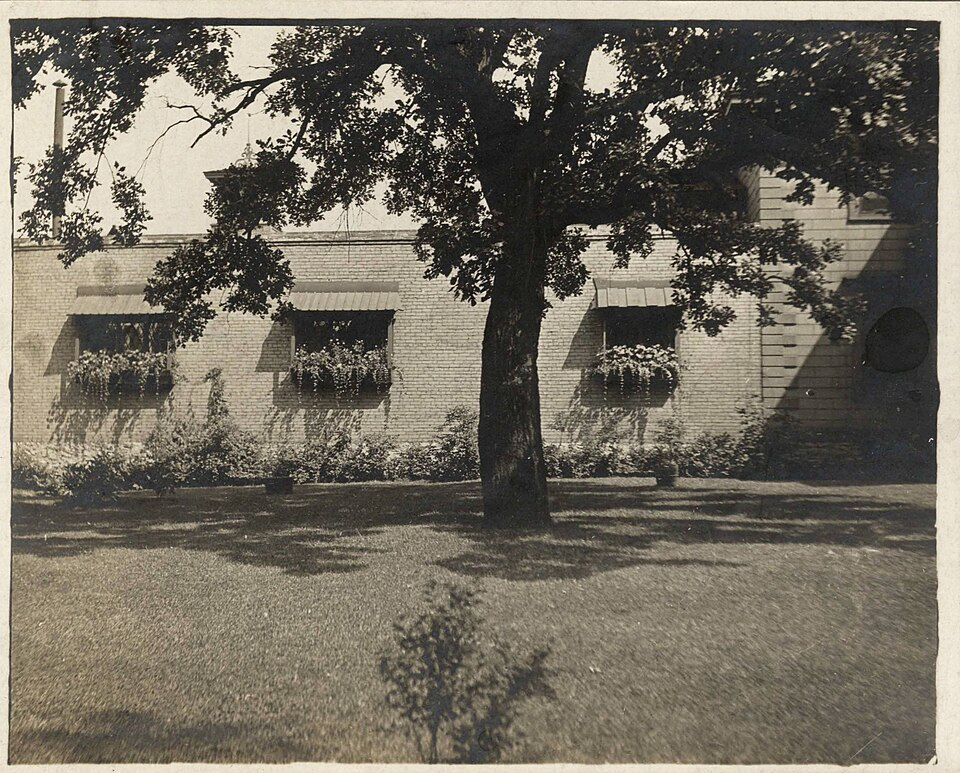
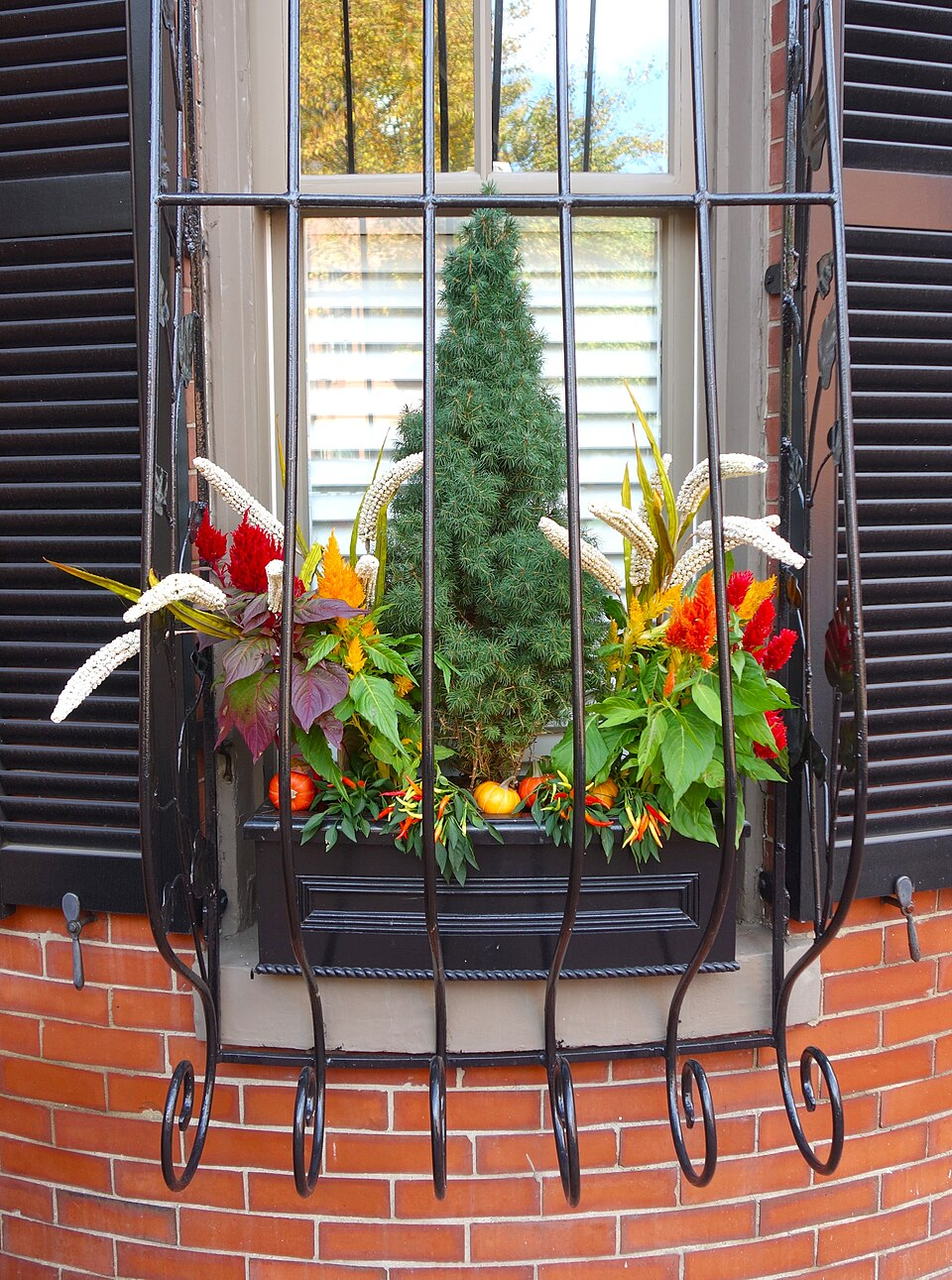
The window box faced outward, which tells you exactly who it was for.
Nobody inside the house can see one properly. It was a statement to the street about the household behind it – and it was the cheapest statement available, because a wooden box, some soil and a few started plants cost almost nothing and transformed the front of a house. Which is why it mattered most where there was no yard at all: in towns, in rented rooms and above shops, a box on the sill carried the entire gardening ambition of the household.
It was also relentless. A shallow box in full sun dries faster than anything planted in the ground, and in July it needed water every day – while also needing to drain properly, or the roots sat in standing water with nowhere to go. Here are fourteen things every household knew.
1. The Window Box Was the Front of the House Dressed Up
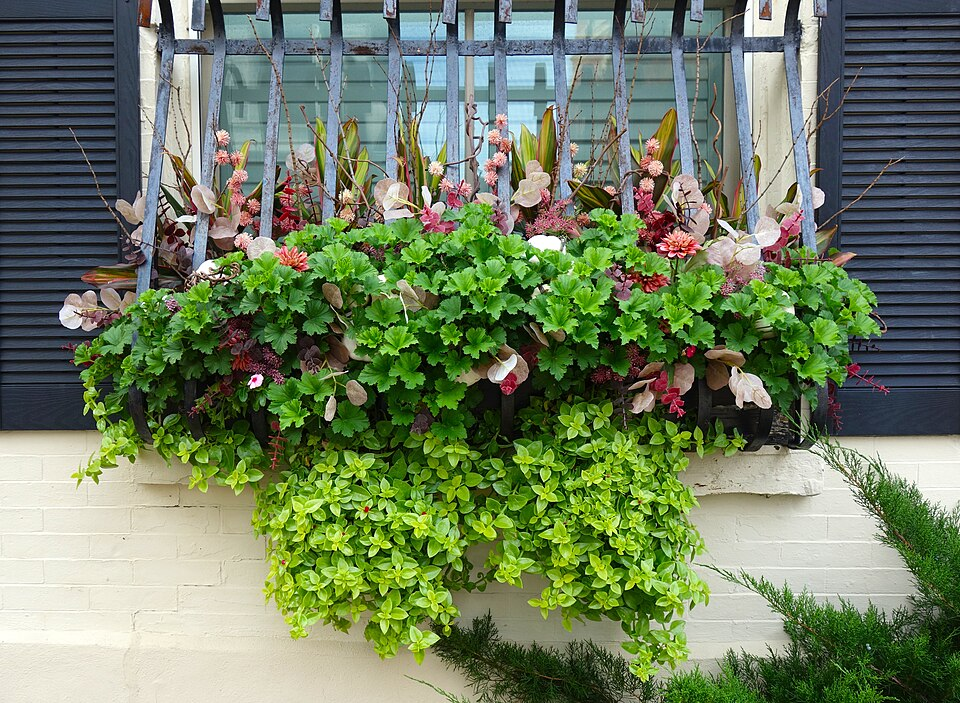
A planted box fixed under a window on the street side was a deliberate display, maintained for the benefit of people passing rather than for the household.
Less common, and usually a decorative choice rather than an expected one.
Beginning with the audience establishes what the thing was for. Nobody inside the house can see a window box properly – it faces outward, which makes it a statement to the street about the household behind it, and that is a completely different object from a plant you keep for yourself.
Like our content? Follow us for more.
2. It Was the Cheapest Possible Display
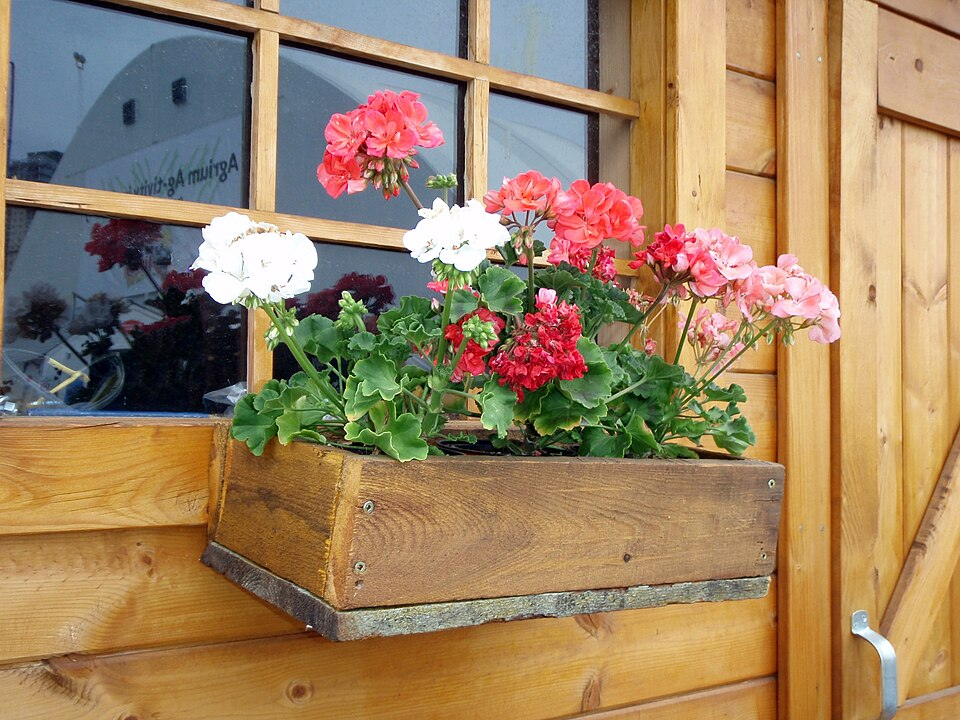
A wooden box, soil and a handful of started plants cost almost nothing, and the effect was out of all proportion to the outlay.
The economics still hold.
Cost is why these were so widespread and it is the practical heart of the matter. A household with no money for paint, shutters or landscaping could still produce a visible improvement to the front of a house for the price of a few plants – which makes the window box the most efficient respectability available.
3. It Mattered Most Where There Was No Yard
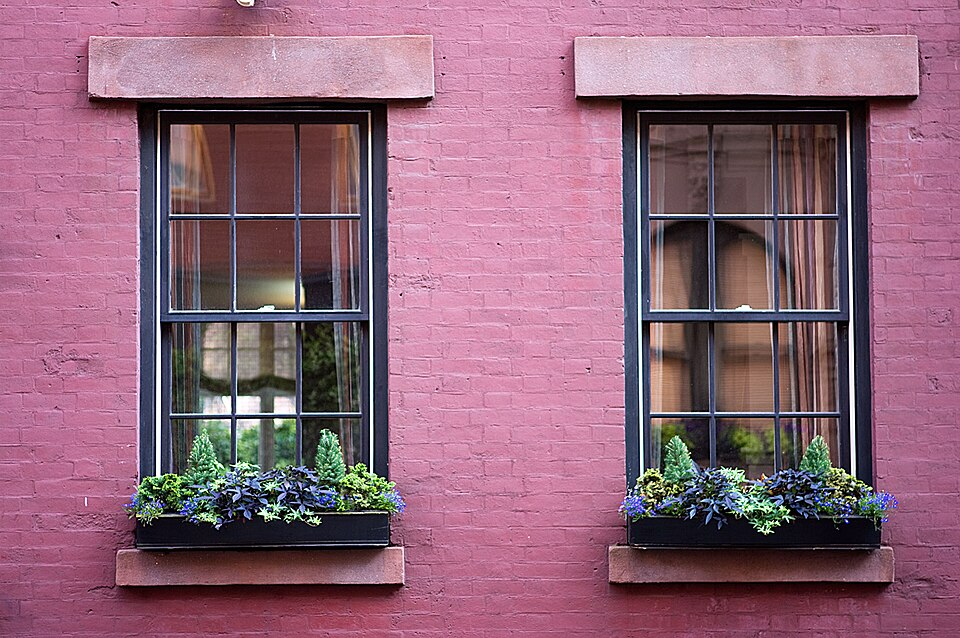
In towns, in rented rooms and above shops, a box on the sill was the only growing space available, and it carried the whole gardening ambition of the household.
Container gardening serves the same function.
The absence of ground is the real driver and it explains the geography. A farm family with an acre of garden has no need of a box on the sill, while a family in two rooms over a storefront has nothing else at all – which is why these cluster where land was scarce.
4. Watering Was Relentless
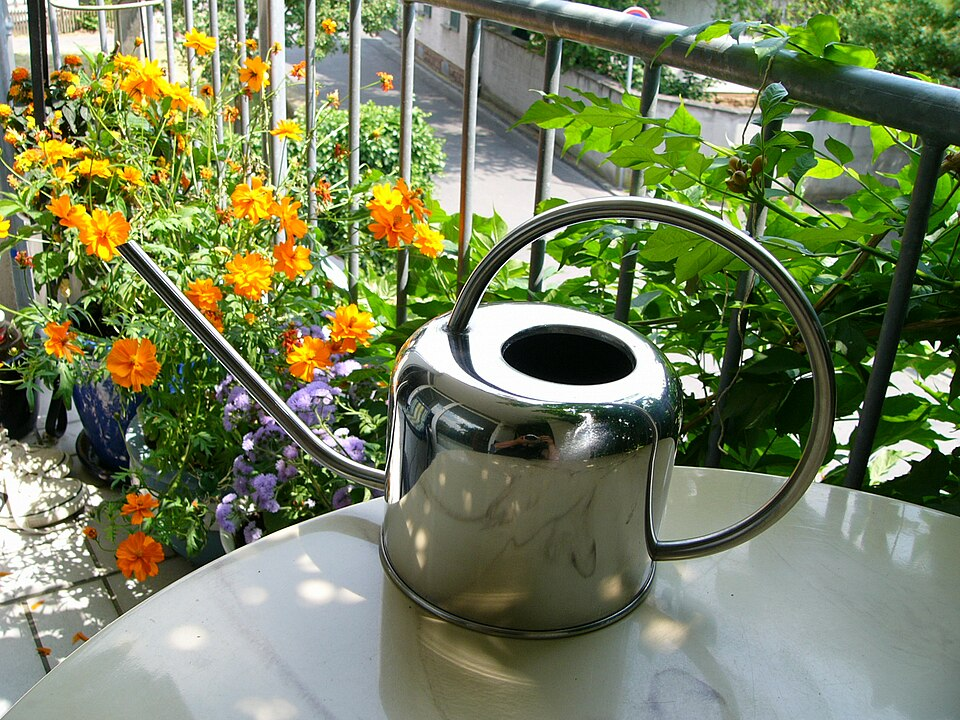
A shallow box in full sun dried out faster than anything else a household grew, and in hot weather it needed attention every single day.
Unchanged, and still the main reason people give up.
The physics of a small volume of soil is unforgiving and it is worth understanding. A box holds very little, it has a large surface relative to that volume, and sun and wind reach it from every side – so it dries at a rate that nothing planted in the ground approaches, and a missed day in July shows.
5. The Drainage Had to Work or Everything Died
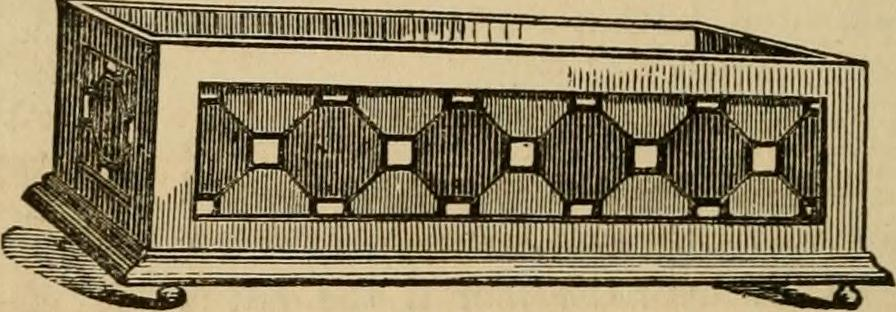
Holes in the bottom, a layer of coarse material and the box held slightly away from the wall were all necessary, and a box that held water killed its plants.
Unchanged.
Drainage is the failure that catches beginners and the reason is counterintuitive. The same shallow box that dries out in a day will drown plants if it cannot shed water, because roots sitting in standing water in a closed container have nowhere to go – so the box has to both retain and release, which is a real design requirement.
6. Wooden Boxes Rotted From the Inside
Constant moisture against bare wood, with no air reaching the interior face, destroyed boxes from within while they still looked sound outside.
Modern materials removed the problem.
The rot is why so few original boxes survive and it also makes them a hazard. A box that looks fine from the street can be failing at the fixings or the back, and a wooden box full of wet soil is heavy – which is a combination worth taking seriously on anything old.
7. What Went In It Was Chosen for the View From Outside
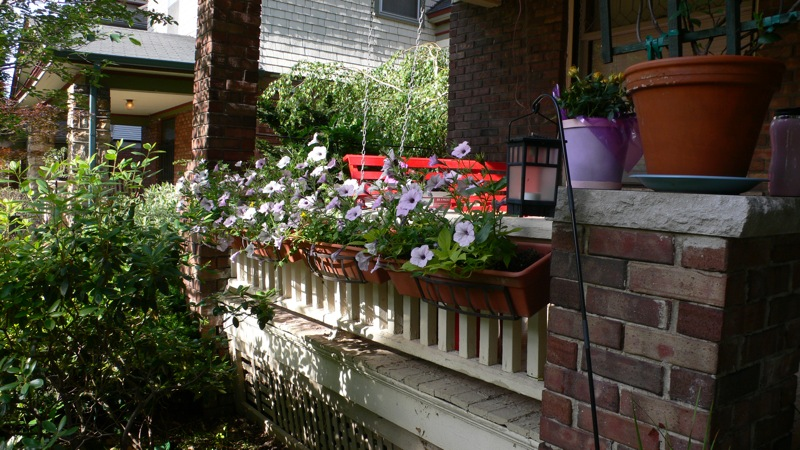
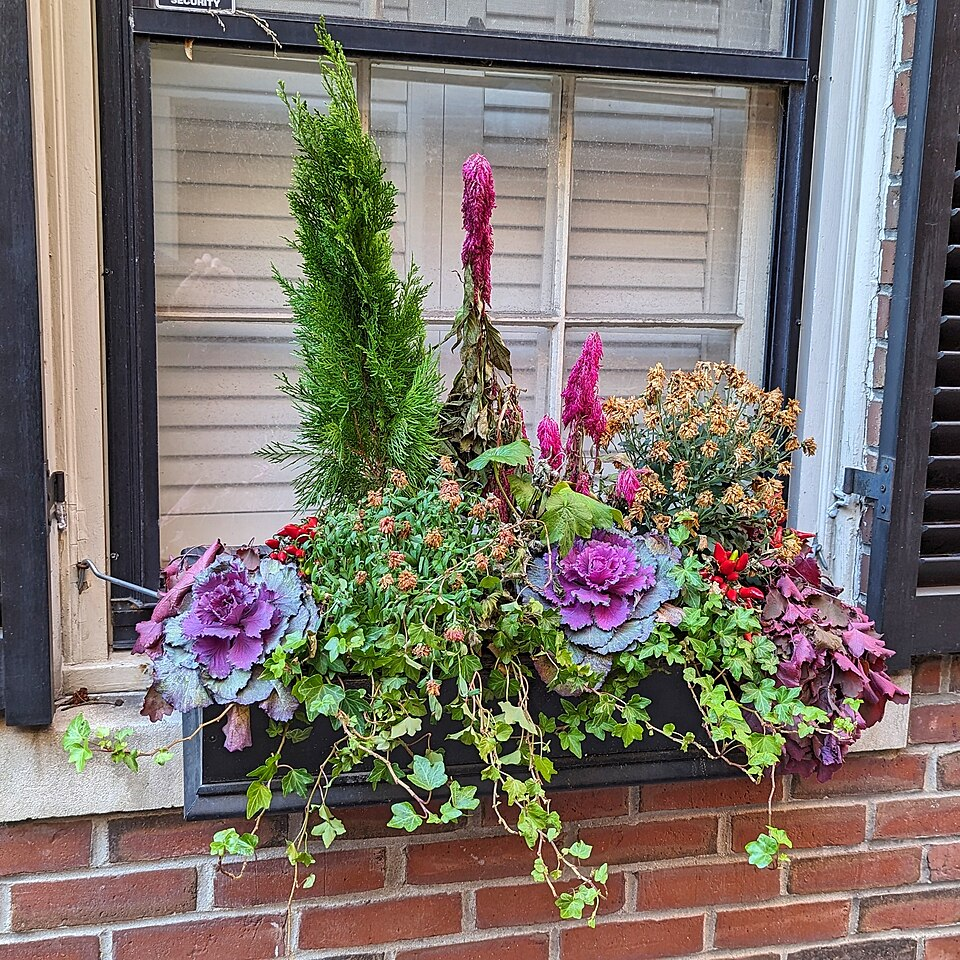
Plantings were arranged for how they read from the street – something upright behind, something full in the middle, something trailing over the front edge.
The same formula is still taught.
That three-part arrangement is a genuine piece of design and it has survived because it works. Height at the back, mass in the middle and material spilling over the front edge turns a shallow rectangle into something with depth when seen from below and at a distance – which is exactly the viewing angle a window box gets.
8. Geraniums Were Nearly Universal
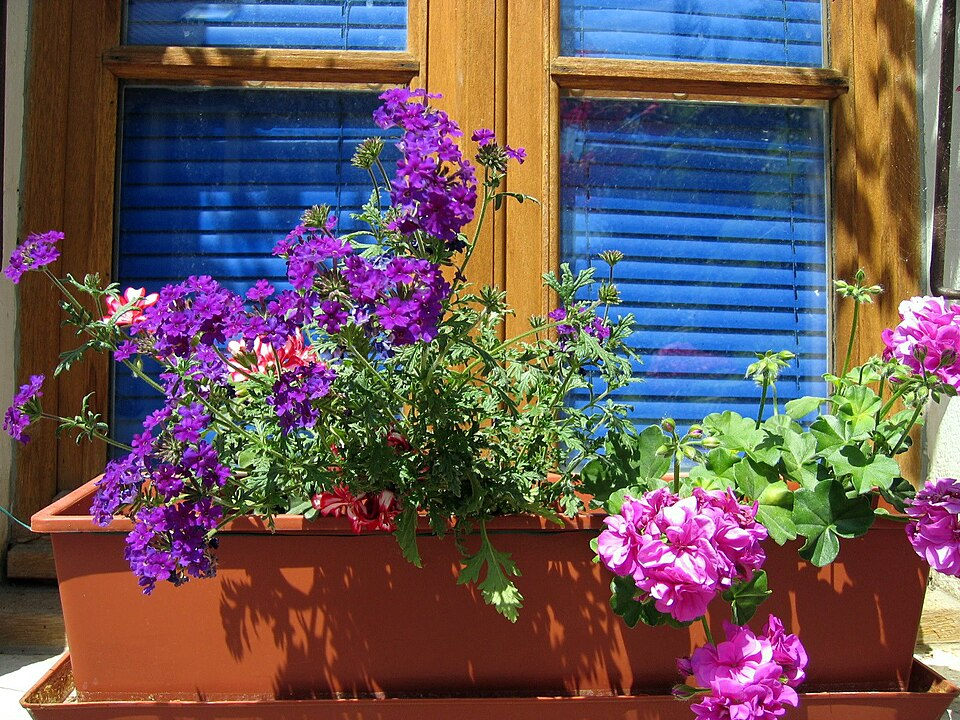
One plant dominated window boxes across the country, because it tolerated heat, drought, neglect and full sun better than the alternatives.
Still the standard choice for the same reasons.
The dominance of one plant is not fashion but selection pressure, which is worth pointing out. A box that dries out daily in full sun eliminates almost everything, and what remained standing was the plant that could take it – so the uniformity of window boxes reflects the conditions rather than a shared taste.
9. Winter Emptied Them and Then Moved Indoors
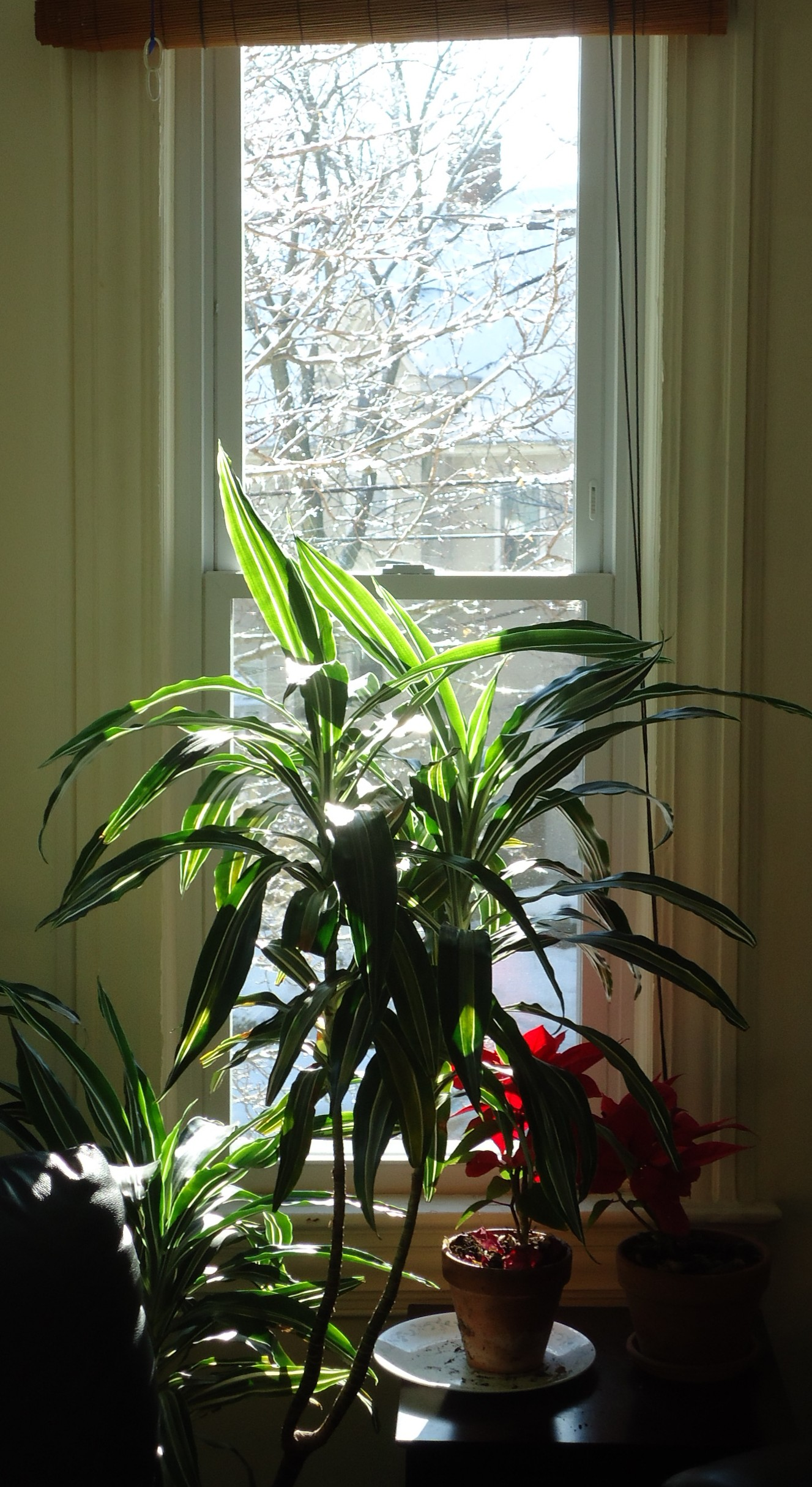
The box came down or stood bare over winter, and the household’s plant interest moved inside to pots on sills, in bay windows and on plant stands.
Not applicable in the same seasonal way.
The seasonal shift indoors is the other half of the story and the two halves were connected. The same household that planted the box took cuttings in autumn and overwintered them inside – which made the indoor plants a nursery as much as a decoration, and the whole thing one continuous practice rather than two.
10. House Plants Lived on the Light the House Could Give
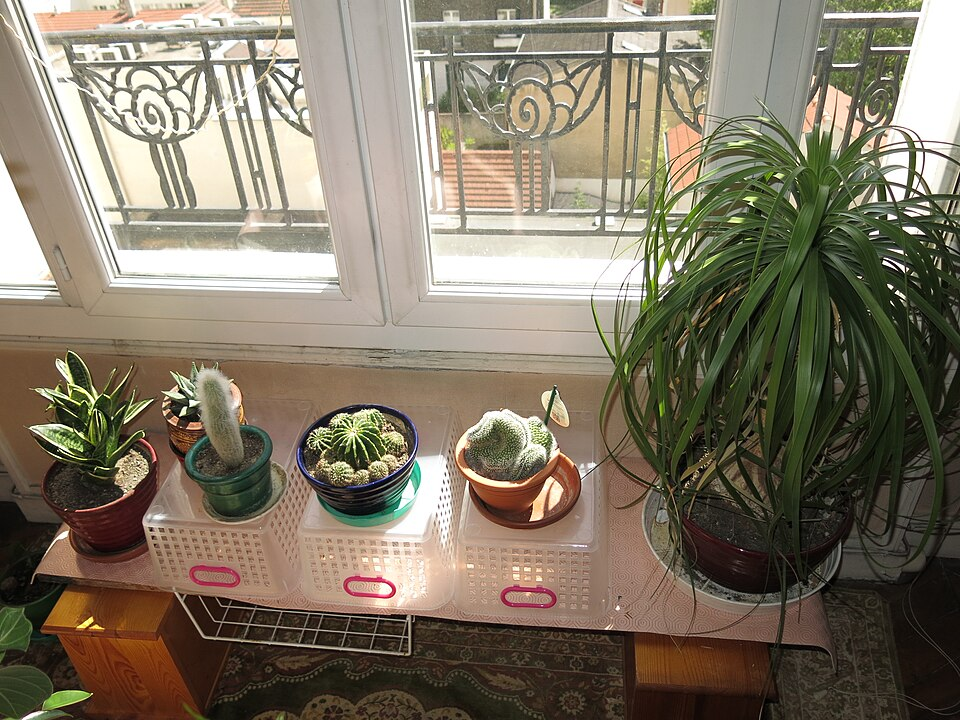
Indoor plants were placed by the light – south windows, bay windows, plant stands moved with the season – because there was no other light to give them.
Supplemental lighting is available but most house plants still live by window light.
Positioning by light is the whole of indoor growing and it was done by observation. Nobody measured anything; people learned which windows kept a plant alive and which killed it, moved things as the sun’s angle changed, and ended up with a fairly accurate practical map of their own house.
11. Cuttings Travelled Between Households
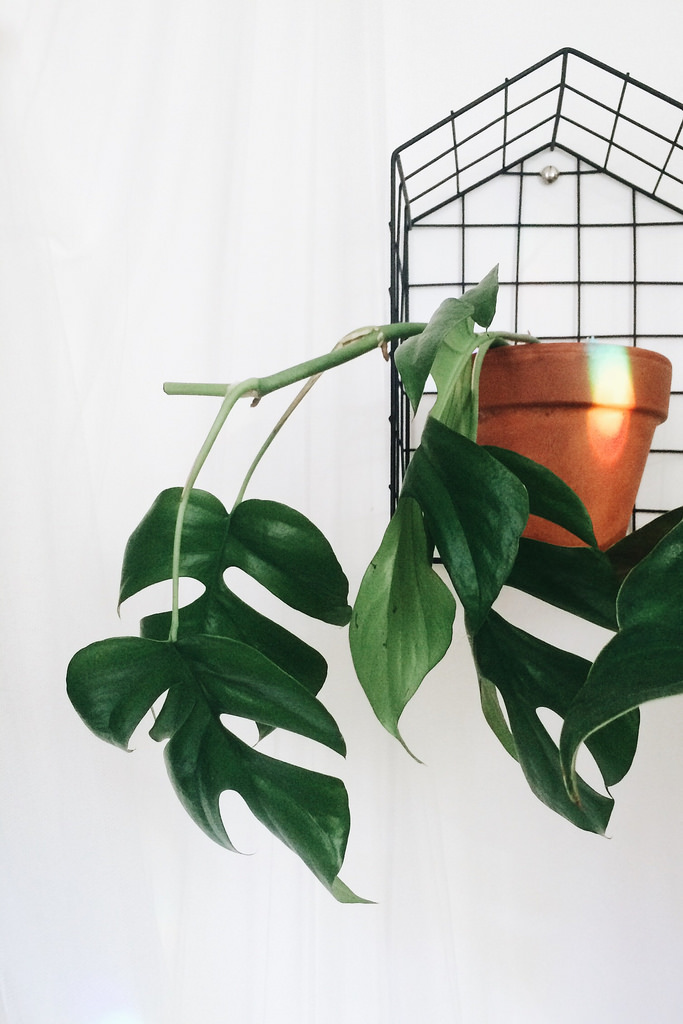
Plants were propagated and given away constantly, so that a single plant could be represented in dozens of houses in one town.
Much less common, with most plants now bought.
The circulation of cuttings is the most socially interesting thing here. A plant that can be rooted from a piece becomes a currency – it is given, received, remembered as coming from a particular person, and spread through a community – which means a windowsill was partly a record of who the household knew.
12. Some Plants Were Inherited

Particular plants were kept alive for decades, passed between households and generations, and valued because of where they came from rather than for themselves.
Occasional, and prized where it happens.
An inherited plant is a genuinely unusual kind of object and it deserves noting. It is a living thing continuous with a person who is gone, kept going by somebody’s attention, and its value is entirely in the provenance – which makes it closer to a photograph than to a decoration.
13. Then the Front of the House Stopped Being Watched
As people drove rather than walked and spent their time at the back of the house or on a patio, the street-facing display lost the audience it had been maintained for.
Universal.
The loss of the audience is the honest explanation for the decline. A display aimed at pedestrians stops making sense when pedestrians stop passing, and a household that lives at the back of the house has no reason to maintain the front for people going by at thirty miles an hour.
14. And by 1964 Keeping One Was a Choice, Not an Expectation
Window boxes persisted where people liked them, rather than being something a respectable front was simply expected to have.
A matter of taste entirely.
And the thing worth sitting with is what the window box was doing socially, because it was not gardening. It was the cheapest statement a household could make about itself, aimed at everybody who walked past, and it said: somebody here has the time and the attention to keep something alive that serves no purpose. That is a remarkable thing to be able to say for the price of three plants and a wooden box, and it was available to families who could afford nothing else. The box had to be watered every day in July, drained properly or everything in it drowned, and replanted every spring. Nobody inside the house could even see it. And it went on all over the country, on tenement sills and farmhouse windows alike, as long as there was somebody walking past to see it – which is the one thing the window box needed and the one thing it eventually lost.
The Cheapest Statement a Household Could Make
The window box looks like gardening and is really something else, and the clue is which way it faces.
Nobody inside the house can see one properly. It points outward, at the street, which makes it a display maintained for people passing rather than for the household – and that is a fundamentally different object from a plant you keep for your own pleasure.
What made it universal was the cost. A wooden box, soil and a handful of started plants came to almost nothing, and the effect on the front of a house was out of all proportion to that. A family with no money for paint, shutters or landscaping could still visibly improve its frontage for the price of a few plants, which makes the window box the most efficient respectability that existed.
And it mattered most where there was no ground. A farm family with an acre of garden has no use for a box on the sill; a family in two rooms over a storefront has nothing else at all. Which is why these cluster exactly where land was scarce, and why the whole gardening ambition of such a household sat in one shallow rectangle.
Keeping it alive was genuinely hard work, for reasons that come down to physics.
A box holds very little soil, has a large surface relative to that volume, and takes sun and wind from every side – so it dries at a rate nothing in open ground approaches, and a missed day in July is visible. At the same time it has to drain, because the same shallow box will drown its plants if water cannot escape: roots sitting in standing water in a closed container have nowhere to go. So it must both retain and release, which is a real design requirement rather than an afterthought.
Wooden boxes also rotted from the inside, where constant moisture met bare wood with no air reaching the interior face. Which is why almost no original boxes survive, and why anything old should be treated with suspicion: a box that looks sound from the street can be failing at the back or at the fixings, and a wooden box full of wet soil is heavy.
The planting followed a formula that has survived because it works. Something upright at the back, something full through the middle, something trailing over the front edge – which gives a shallow rectangle real depth when it is seen from below and from a distance, which is precisely the angle a window box is viewed from.
And one plant dominated, nationwide, because it tolerated heat, drought, neglect and full sun better than the alternatives. That uniformity was not shared taste but selection pressure: conditions that punishing eliminate almost everything, and what was left standing became the standard.
Then winter moved the whole practice indoors.
The box came down or stood bare, and the household’s plant interest shifted to pots on sills, in bay windows and on plant stands. The two halves were connected: the same people who planted the box took cuttings in autumn and overwintered them inside, which made the indoor plants a nursery as much as a decoration.
Indoor growing was done entirely by light, and entirely by observation. Nobody measured anything – people learned which windows kept a plant alive and which killed it, moved things as the sun’s angle shifted through the year, and built up an accurate practical map of their own house.
Two social things about those plants are worth more than the horticulture.
Cuttings circulated constantly. A plant that roots from a piece becomes a kind of currency: given, received, remembered as having come from a particular person, and spread through a whole town. So a windowsill was partly a record of who the household knew.
And some plants were inherited – kept alive for decades, passed between generations, valued for where they came from rather than for themselves. A living thing continuous with somebody who is gone, maintained by attention, with all its value in the provenance. That is closer to a photograph than to a decoration.
The decline is simple and it is not about plants at all. As people drove rather than walked, and lived at the back of the house or on a patio, the street-facing display lost its audience. A thing aimed at pedestrians stops making sense when pedestrians stop passing.
Because here is what the window box was actually saying, for the price of three plants and a box: somebody here has the time and the attention to keep something alive that serves no purpose whatsoever.
That is a remarkable claim to be able to make, and it was available to households who could afford nothing else.
If a house plant in your family came from somebody specific, that is the old system still running.
Somebody rooted a piece of it and handed it over.
Like our content? Follow us for more.

