
Driving abroad is the area of travel where an American does the most damage by doing nothing unusual. Most of the rules below are not about dangerous driving; they are about a sticker you were supposed to buy, a zone you were not supposed to enter, a piece of equipment you were supposed to be carrying, or a default right of way that works the opposite way round from home.
Almost all of it is detected by camera and billed months later, which means you find out about the mistake long after you could have corrected it. Rules differ between neighbouring countries and change, so every item below is a prompt to check each country on your route rather than a statement about any particular place. Here are sixteen rules that catch visiting drivers, and what to do about each.
1. Driving without an International Driving Permit
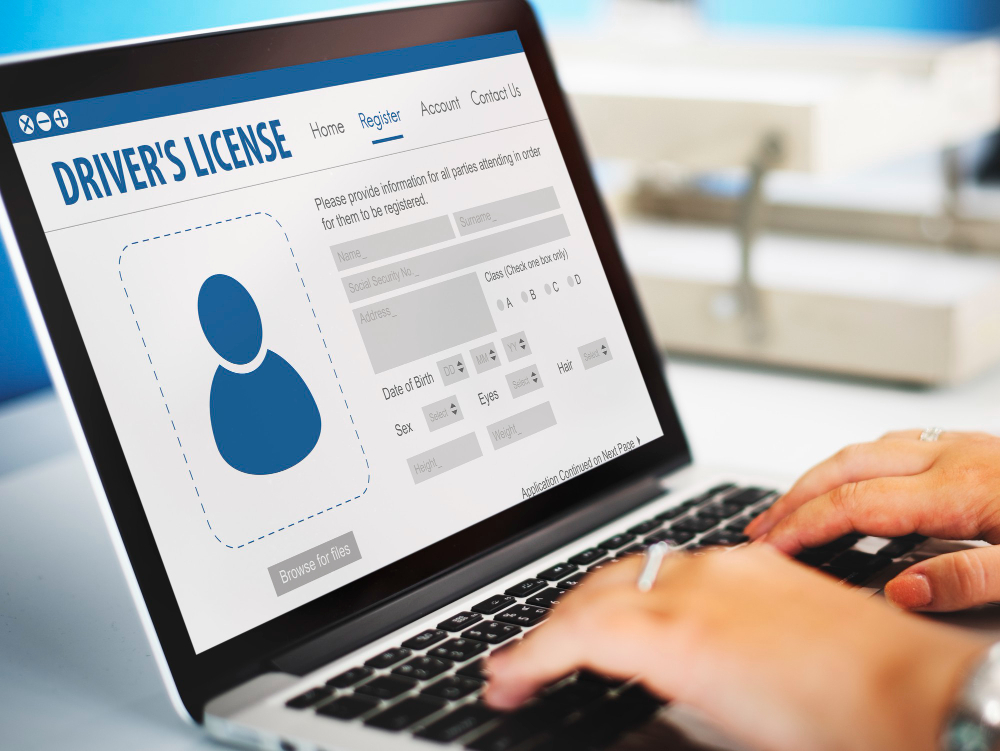
An American licence is accepted in many countries and not in all of them, and a number require an International Driving Permit alongside it. It is not a licence; it is a standardised translation of the one you already hold.
Where it is required, driving without it can mean a fine, and more seriously it can invalidate your rental insurance, which turns a minor collision into a very expensive problem. Some rental desks check and some do not, which is why people discover the requirement at the roadside rather than at the counter.
Obtain one before you leave — in the United States they are issued by a small number of authorised organisations, cost very little and take minutes. Check each country on your route, because requirements differ even between neighbours, and carry it with your licence rather than instead of it.
Like our content? Follow us for more.
2. Crossing a border without the vignette you were supposed to buy first
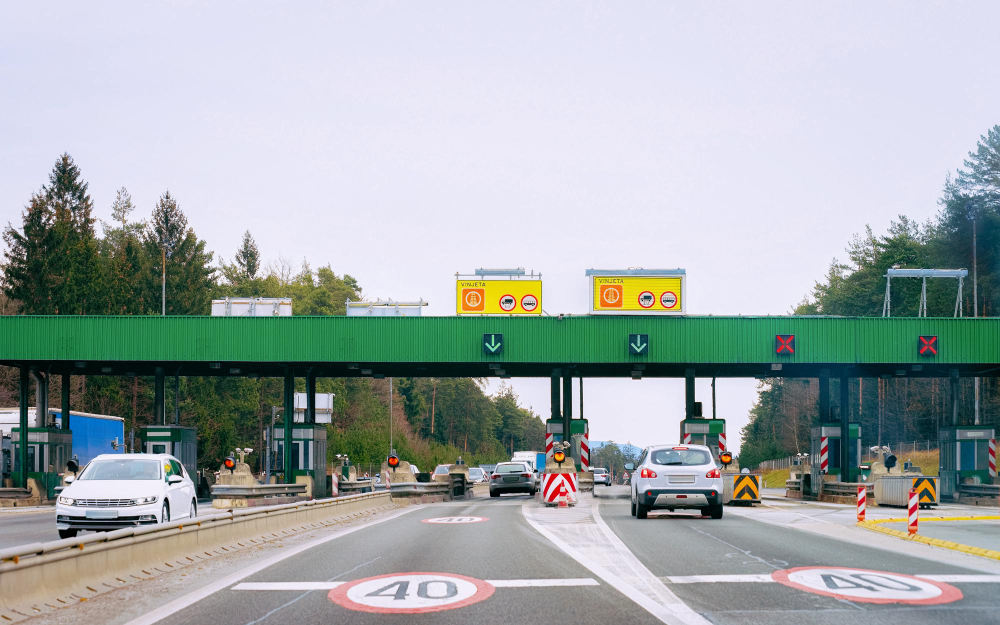
Several European countries charge for motorway use through a vignette: a sticker or an electronic registration bought in advance, valid for a period rather than a distance. Switzerland, Austria, Czechia, Slovenia, Hungary and others operate systems of this kind.
Entering the motorway network without one is an offence detected by camera or at a checkpoint, and the fines are substantial and far larger than the vignette. A rental car may or may not already carry a valid one, and the assumption that it does is a common and expensive mistake.
Check before each border, buy at a service station or online before entering, and if you are renting ask explicitly which vignettes the vehicle holds and until when. Keep the receipt, because an electronic registration against the wrong plate is a known problem.
3. Driving into an Italian historic centre
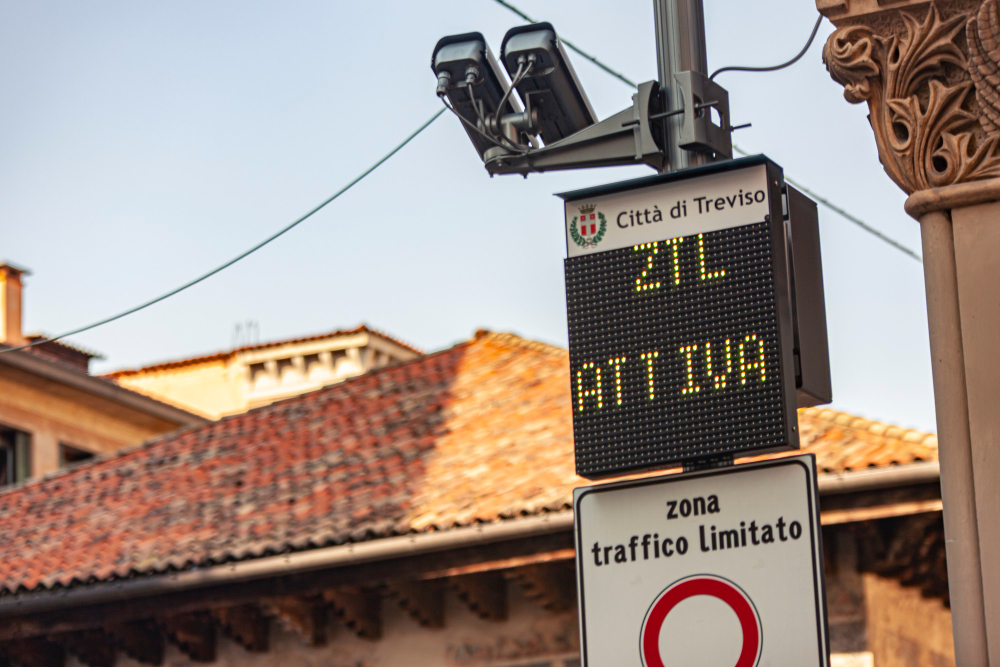
Italian towns and cities operate restricted traffic zones in their historic centres, marked by a sign that visitors routinely do not recognise, enforced automatically by camera, and active at times that vary by city and by day.
The fine arrives months later, forwarded by the rental company with its own administrative charge added, and a single wrong turn through a marked gate can generate several separate fines on one trip if the zone is crossed repeatedly. It is the most common single penalty collected from visiting drivers in Italy.
Do not drive into historic centres. Park outside and walk, use the signed car parks on the approaches, and if your hotel is inside a zone ask them in writing to register your plate for an exemption before you arrive, which most can do and none will do retrospectively.
4. Entering a low-emission zone without registering
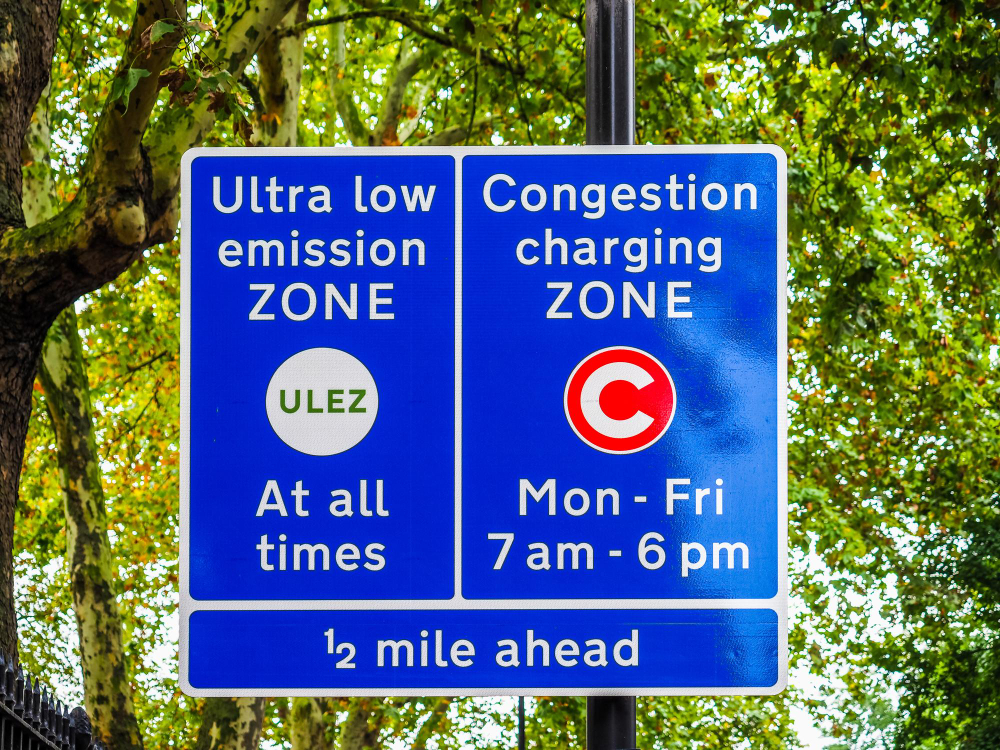
Cities across Europe operate low-emission and clean-air zones requiring a vehicle to meet an emissions standard and, critically, to be registered or display a sticker before entry. The German, French and British schemes all work differently from one another.
A compliant vehicle that has not been registered is treated the same as a non-compliant one by the camera, which is the part that catches people. Rental vehicles are usually compliant and are not always registered, and the charge or penalty follows the plate.
Identify every city on your route, check each scheme separately, and buy the sticker or complete the registration in advance — some require days of lead time and cannot be done at the boundary. Ask the rental company what is already in place.
5. Driving without the equipment the country requires in the car
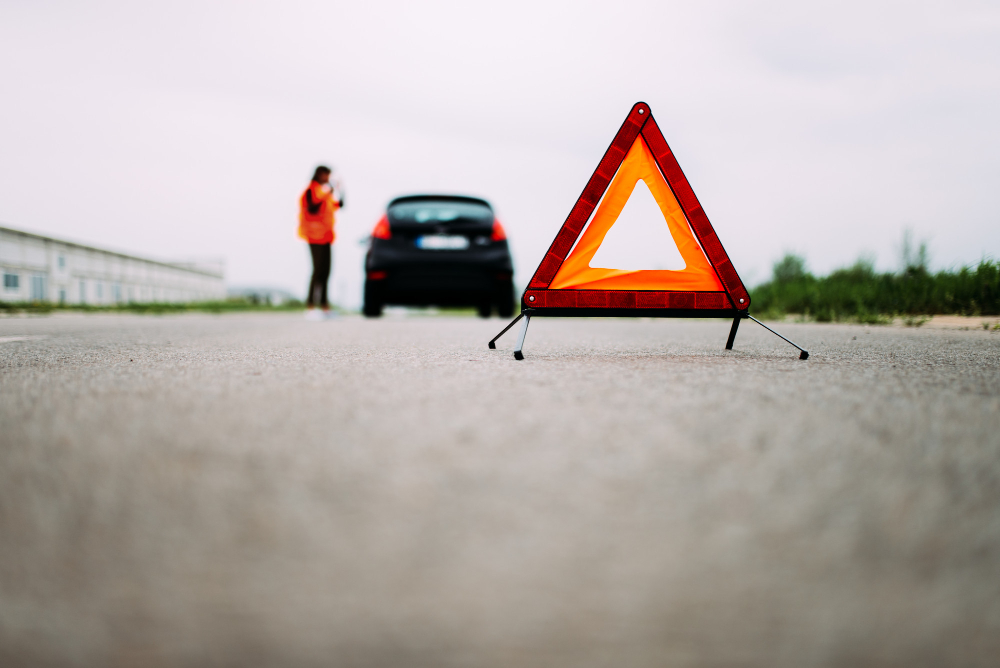
Several European countries require specified equipment to be carried: a reflective jacket for each occupant, a warning triangle, a first aid kit, spare bulbs, headlamp beam deflectors and in some cases a fire extinguisher. The lists differ by country.
Being stopped without the required items is a fixed-penalty matter, and the reflective jacket requirement has a specific trap in it: in some countries it must be within reach of the driver’s seat rather than in the boot, because the point is to put it on before getting out.
Ask the rental company for a kit meeting the requirements of every country you will enter and check the contents yourself rather than assuming. If you are driving your own vehicle, assemble the superset of the lists for your route.
6. Driving on the wrong tyres for the date or the conditions
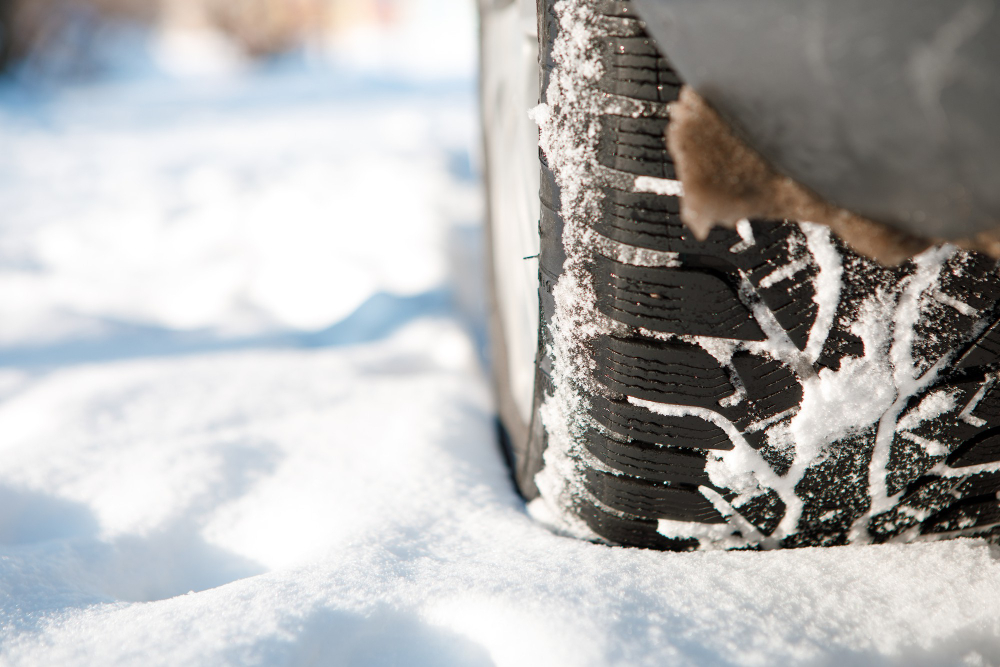
Winter tyre rules take two forms. Some countries require them by calendar date regardless of weather, and others require tyres appropriate to the conditions, which means a snowfall can make your tyres illegal retrospectively. Some mountain regions additionally require chains to be carried.
Penalties apply and insurance consequences can follow, and the situational rule is the harder one because compliance depends on the weather rather than on the date. Austria, Germany, Italy and others each take a different approach.
If you are travelling in winter, specify winter tyres when booking the rental and confirm it on collection, and check whether chains are required on your route. A summer tyre on an Alpine pass in November is both an offence and a genuinely bad idea.
7. Driving in daylight without your headlights on
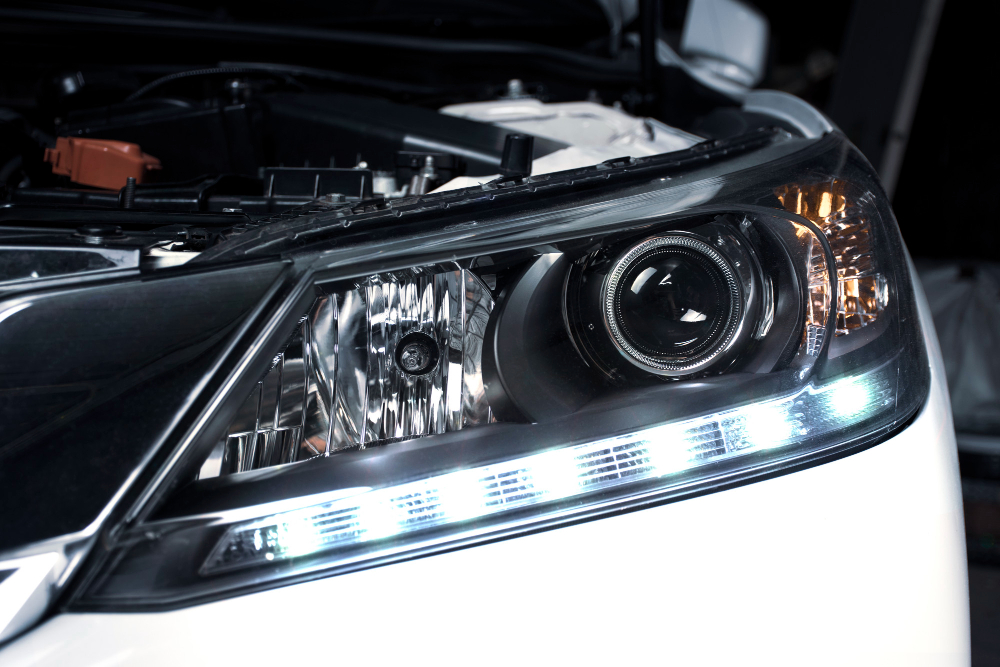
A number of countries require headlights or daytime running lights at all times, everywhere or on motorways and rural roads. The Nordic countries, several central and eastern European states, and Italy outside built-up areas all have requirements of this kind.
It is a fixed-penalty offence and it is enforced, and it is the single easiest rule on this list to break because an American driver has no habit of switching lights on in sunshine and a modern car may not do it automatically.
The simplest answer is to drive with the lights on for the whole trip, everywhere, which is compliant in every country and costs nothing. Make it the first thing you do when you take the keys.
8. Drinking anything at all and then driving
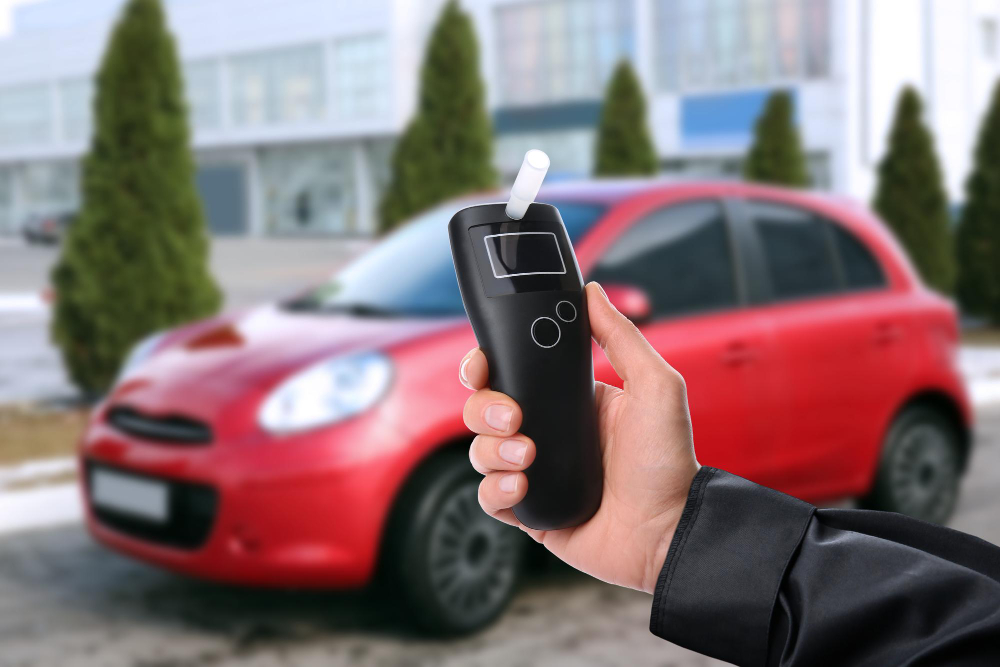
The American limit of 0.08 is among the highest in the developed world. Most of Europe sets 0.05, several countries set lower, and a number apply a limit of effectively zero to novice drivers, professional drivers and in some cases everybody.
The practical consequence is that a quantity of alcohol that is lawful at home is an offence in most of the places an American is likely to drive, and the penalties in several countries include immediate licence confiscation, vehicle impoundment and in some cases detention.
The only safe rule abroad is none. Do not attempt to convert between limits or estimate, because the enforcement is roadside testing rather than argument, and the position of a visiting driver in that situation is extremely weak.
9. Being caught by an averaged-speed section rather than a camera
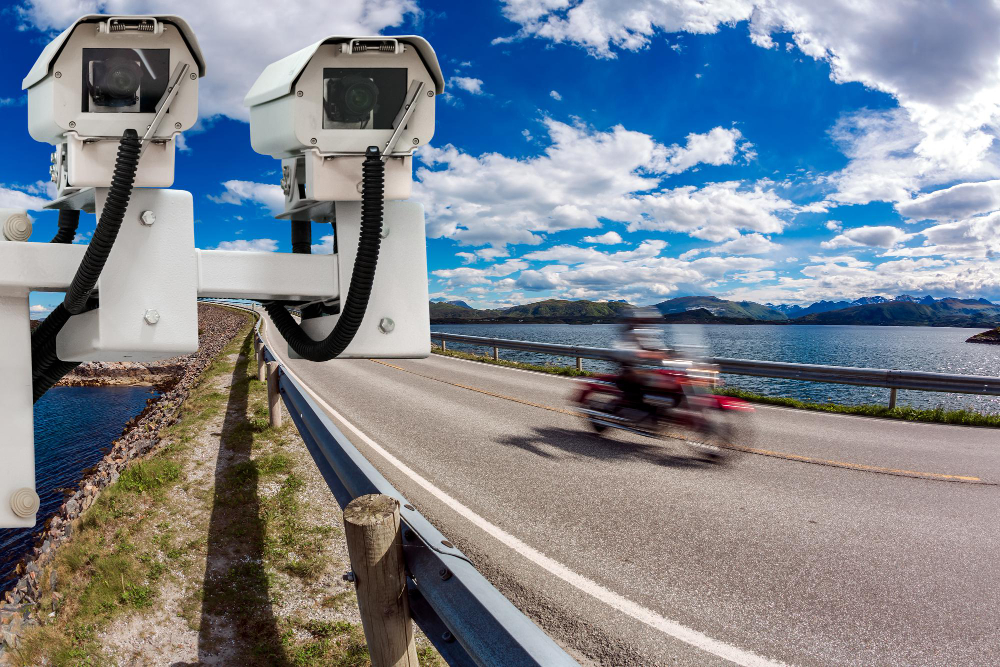
Many European motorways use average-speed enforcement over a measured section rather than a single camera. Slowing for a visible camera and accelerating afterwards achieves nothing, because the system measures the time between two points.
Fines are issued automatically and they are forwarded to the holder of the registration, which for a rental means the company gives your details to the authority and bills you an administration fee for doing so. Several countries also pursue foreign drivers across borders under mutual enforcement arrangements.
Drive to the posted limit throughout. The averaged section is signed and most visitors do not notice the signs, and in several countries the limit also drops in rain, which is a separate posted rule that applies without any further sign.
10. Fines that arrive four months later with a fee attached
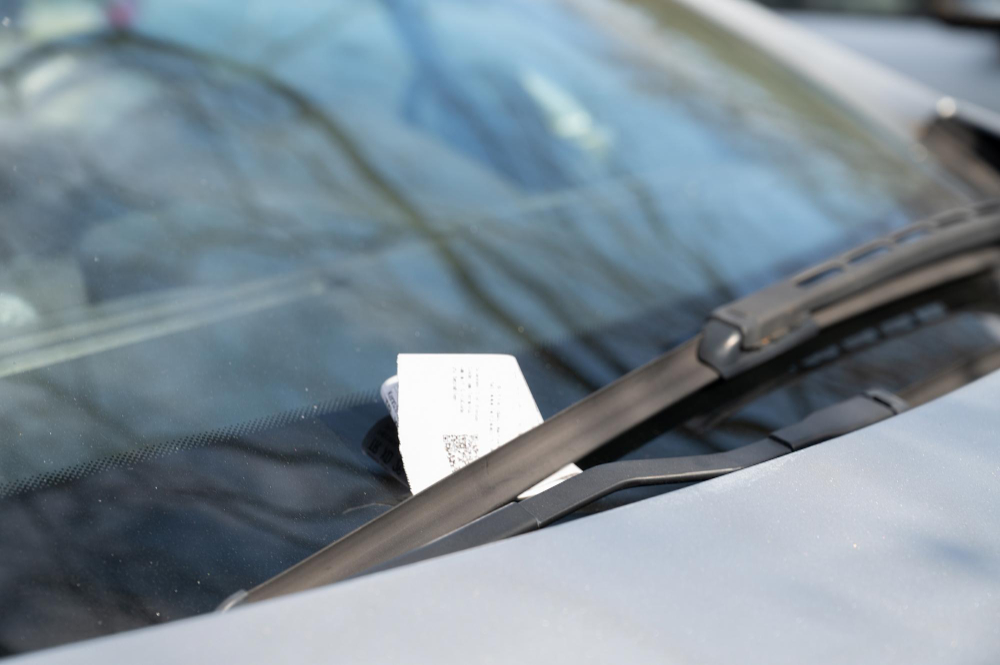
This is a mechanism rather than an offence and it is the one that generates most of the anger. Camera-detected penalties in Europe take months to process, and the rental company receives the notice, identifies you, charges you an administration fee, and the authority then bills you separately.
The administration fee is contractual and is charged per notice, so three zone violations in one afternoon in Italy produce three fees and three fines. Disputing the underlying penalty from abroad is possible and difficult, and ignoring it can create problems on a later visit.
Photograph the car and the dashboard at collection and return, keep the rental agreement, and if a charge appears months later ask for the notice itself rather than paying a fee without seeing what it relates to.
11. Getting priority to the right wrong

France and several other countries apply priority to the right as a default: traffic entering from your right has priority unless signage says otherwise. It is unintuitive for an American driver and it applies at junctions with no markings at all.
A collision caused by failing to yield in this situation is your fault, with the insurance and liability consequences that follow. It is most dangerous in towns and villages where the rule is in force and nothing indicates it, because nothing needs to.
Learn the national default for each country you drive in before you set off, and treat every unmarked junction as one where somebody has priority over you. The yellow diamond sign indicating that you have priority, and the same sign crossed out indicating that you no longer do, are the two most important signs to recognise.
12. Driving in a bus lane or across a tram line
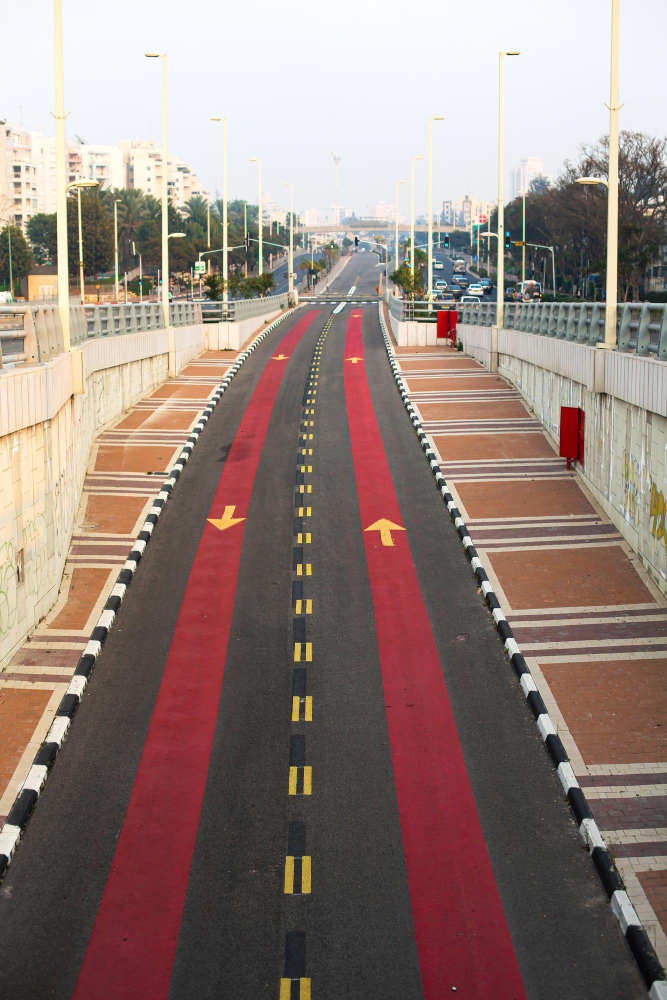
Bus lanes, tram reservations, cycle lanes and pedestrianised streets are camera-enforced in most European cities, and the markings differ from American conventions sufficiently that visitors drive into them routinely.
Each is a separate penalty and tram lanes carry an additional hazard, because a tram cannot steer and has priority. Driving onto a tram reservation is both an offence and a situation from which there may be no way out.
If a lane is painted a different colour, has a continuous line, or has rails in it, do not enter it. Satellite navigation will sometimes route you into these, particularly in older city centres, and the instruction to follow is the road marking rather than the device.
13. Parking without the disc, the ticket or the right-coloured bay
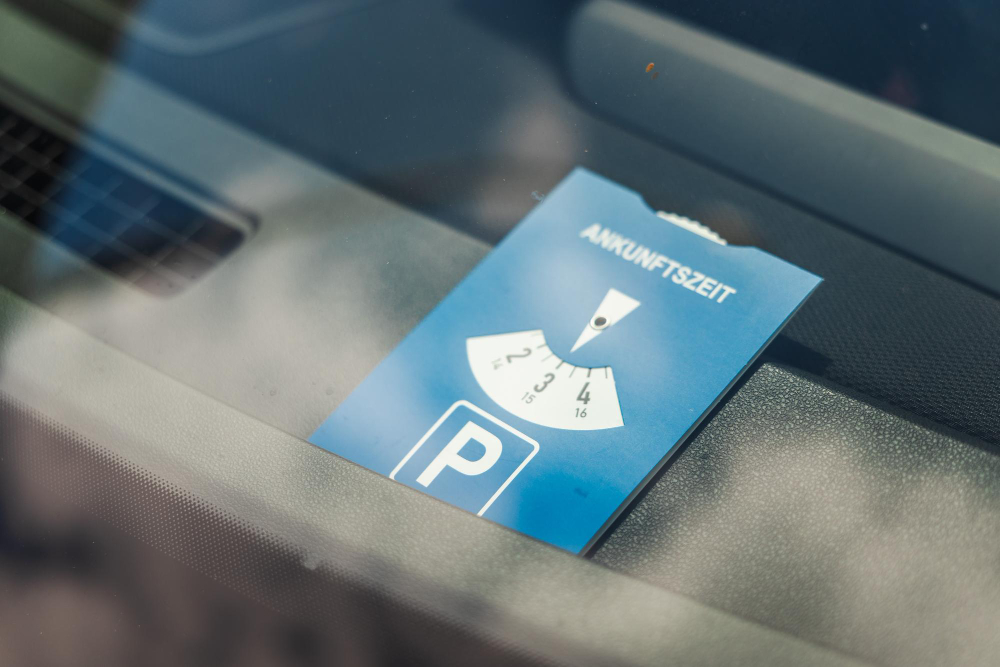
European parking systems use coloured bay markings, cardboard clock discs set to your arrival time, prepaid scratch cards, machine tickets displayed on the dashboard and app-based payment, and they vary by city and sometimes by street.
A blue zone requiring a disc you do not have is an immediate penalty, and enforcement in many cities includes wheel clamping and removal, which for a rental vehicle is a serious administrative problem a long way from home.
Ask the rental company for a parking disc, read the sign at the bay rather than the one at the entrance to the street, and when in doubt use a signed multi-storey car park. The cost difference is trivial against a recovery fee.
14. Carrying a child in the wrong seat
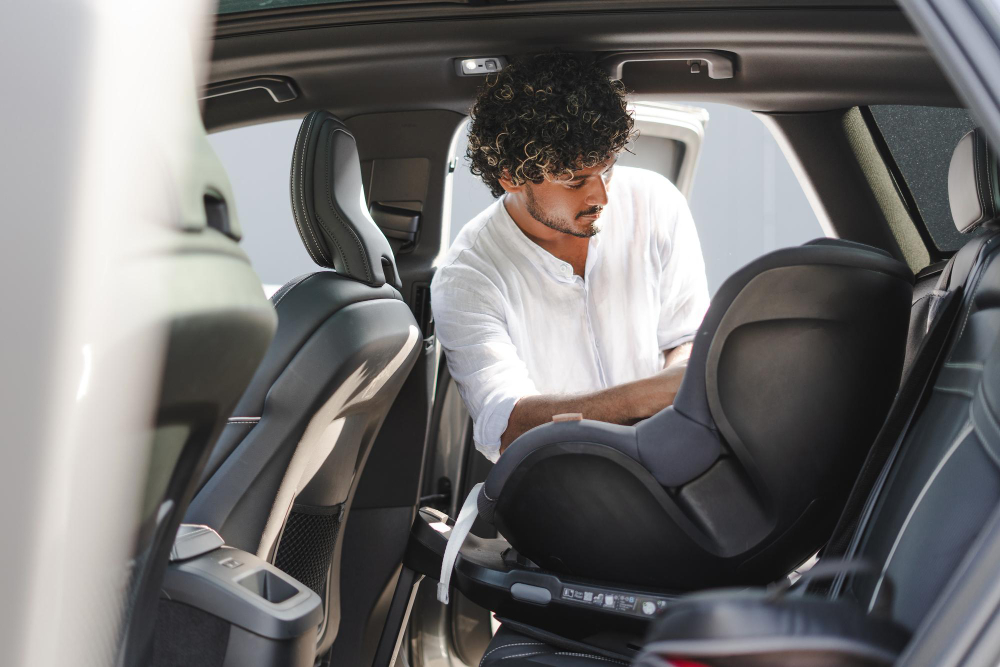
Child restraint requirements abroad are frequently stricter than American ones, with rear-facing requirements to a greater age, height-based rather than weight-based rules, and prohibitions on front-seat carriage to a specified age or height.
Non-compliance is a fixed penalty and, in a collision, a serious liability and insurance question. Rental child seats are also commonly the wrong specification for the country, or arrive without instructions or the correct base.
Specify ages and heights when booking, confirm the seat type meets the destination’s standard, and fit it yourself with the instructions rather than accepting a seat fitted at the desk. If the specification is unclear, bringing your own approved seat is the reliable option.
15. Using a dashcam where it is not allowed
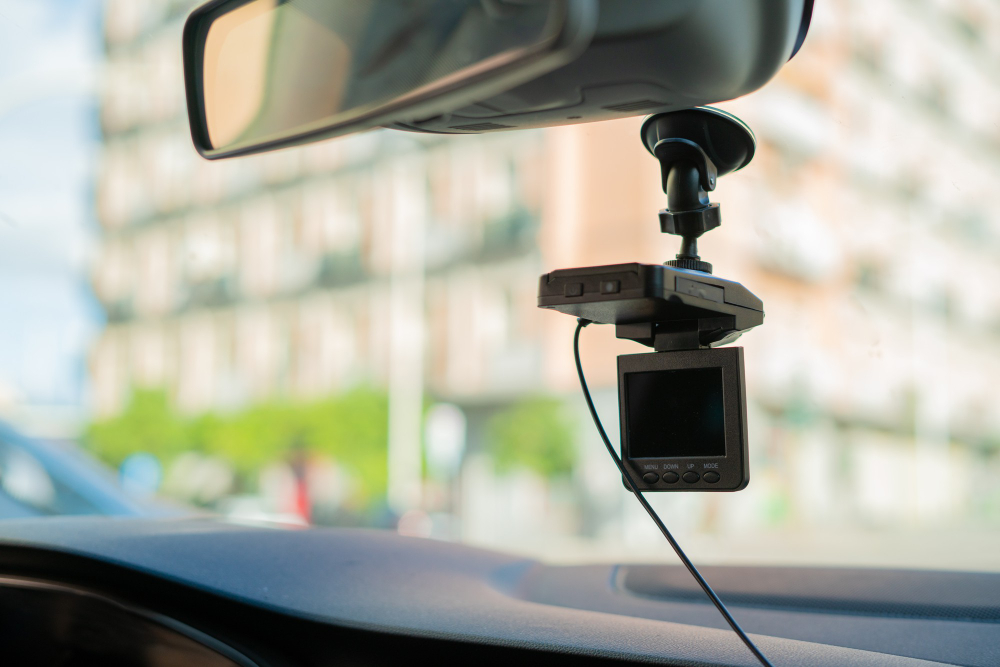
Dashcams are legal in most of Europe and are restricted or effectively prohibited in some countries on data protection grounds, Austria being the clearest case, with others restricting continuous recording or the publication of footage.
Penalties in the strictest jurisdictions are substantial. The restriction surprises American drivers, for whom a dashcam is an unremarkable accessory and for whom the privacy framework around filming identifiable people in public is much looser.
Check each country before you travel and remove the device, not merely switch it off, where it is prohibited. Where it is permitted, be aware that footage you upload may raise a separate issue even if the recording itself was lawful.
16. Taking the rental into a country the agreement excludes

Rental agreements specify which countries the vehicle may enter, and crossing into an excluded one voids the insurance and breaches the contract. The exclusions are commonly particular eastern or south-eastern European states, and they are not always obvious.
A collision in an excluded country with voided cover is the single worst outcome in this whole list, because the liability is personal and unlimited. Some companies permit the crossing for a fee and a documented extension, and some do not permit it at all.
Read the territorial limits in the agreement before you book, declare your full itinerary, and obtain written permission and the appropriate insurance documentation for every country you intend to enter. A verbal assurance at the desk is worth nothing if it is contradicted by the contract.
The pattern is paperwork, not driving

Count them and the shape is clear. Four items are things you were supposed to buy or register in advance: the permit, the vignette, the zone registration, the equipment. Four are rules that differ from American practice in a way you would not guess: priority to the right, daytime headlights, the alcohol limit, child seats. Four are enforcement mechanisms rather than offences: the averaged section, the delayed fine, the parking disc, the lane camera. And the remaining four are contractual: tyres, the dashcam, the territorial limit, the insurance that stops working.
Only one of them — the alcohol limit — is about how you drive. The rest is administration, and almost all of it can be dealt with at a kitchen table a week before the trip. The single highest-value hour you can spend before driving abroad is reading the rental agreement’s territorial limits and the requirements of each country on your route, in that order.
Two items are worth separating out as the ones that cost the most. The territorial limit, because entering an excluded country with voided insurance is the only item here with unlimited personal liability attached. And the Italian restricted zone, because it is the one almost everybody gets wrong and because each pass through the gate is a separate fine with a separate fee.
Everything else on this list is a fixed penalty and an irritation. Those two are different in kind.
Like our content? Follow us for more.