

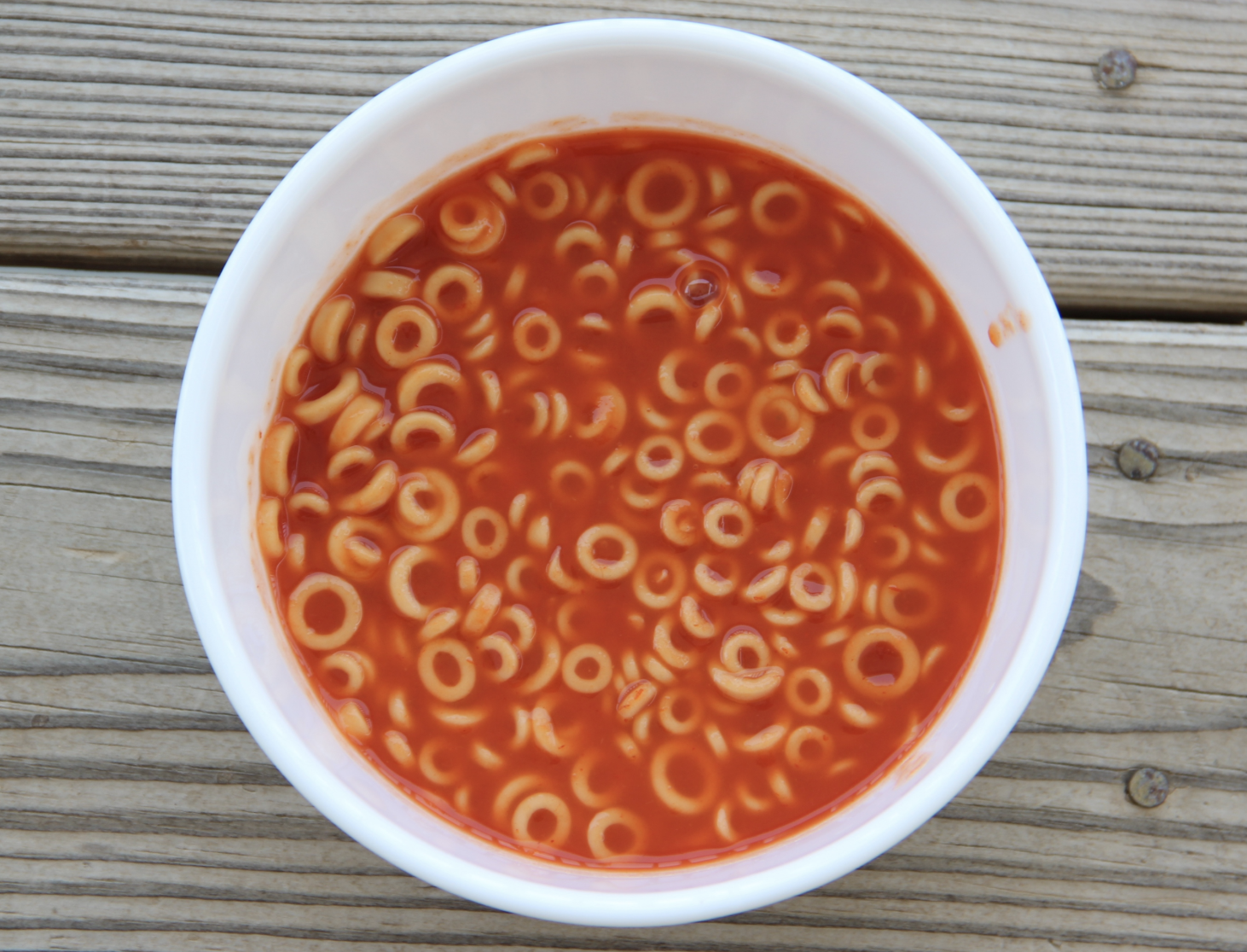

Aspic. Tomato soup cake. Liver and onions as standard restaurant fare. The 1960s American culinary landscape included dishes that defined home cooking, restaurant menus, and dinner-party entertainment for an entire generation. Most have now disappeared completely. Some were eliminated by changing tastes. Others by health awareness. Several by the simple fact that the specific cooking methods that produced them are no longer practiced. Here are 10 specific 1960s American foods that have essentially vanished from contemporary American eating.
The 1960s American kitchen produced foods that 2026 Americans would find genuinely strange. Gelatinized meat salads. Mayonnaise-based desserts. Liver in various preparations. Canned ingredients used as primary components rather than emergency substitutions. The specific combination of post-war prosperity, marketing-driven cooking trends, and convenience-food enthusiasm produced dishes that have now largely been eliminated from American eating.
1. Aspic and gelatin-based savory salads
Throughout the 1960s, savory aspic and gelatin-based dishes appeared regularly at dinner parties, in cookbooks, and on restaurant menus. Tomato aspic with vegetables. Tuna jello molds. Ham aspic. Various meat-and-vegetable gelatin combinations. The 1960 edition of Joy of Cooking contained dozens of aspic recipes. By 2026, savory gelatin dishes have essentially disappeared from American eating. The combination of changing tastes, food safety concerns about extended-temperature gelatin storage, and general rejection of the specific aesthetic has eliminated the category. Some specific ethnic cuisines (German, Russian, Eastern European) maintain related dishes, but mainstream American aspic is gone.
2. Liver and onions as standard restaurant fare
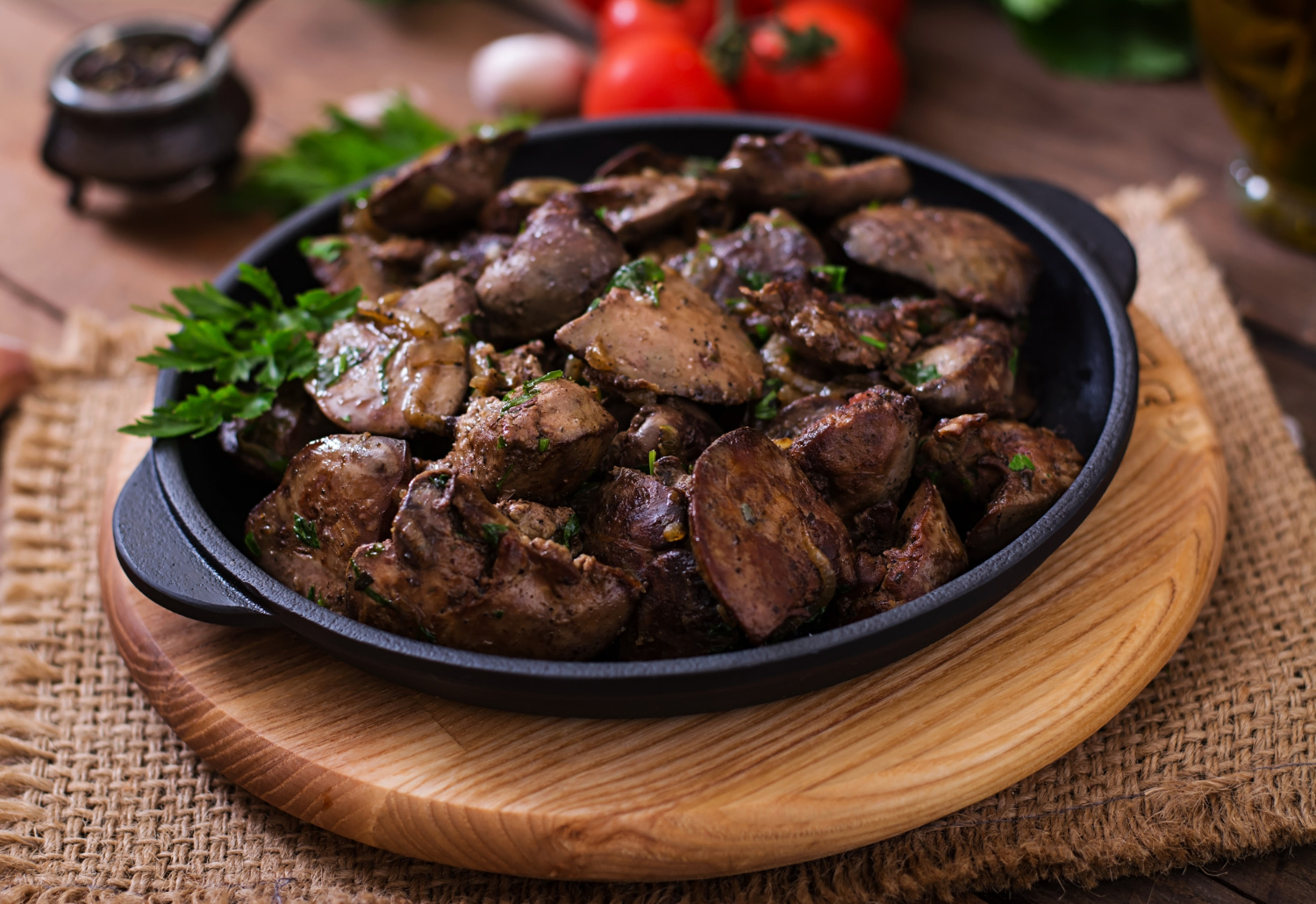
1960s diners routinely featured liver and onions as a primary entree option — often the cheap protein-heavy meal selection. Beef liver, pork liver, and occasionally chicken liver preparations were standard middle-American fare. By 2026, liver and onions has essentially disappeared from mainstream American restaurants. The combination of declining offal acceptance, perceived nutritional concerns about high cholesterol (though current nutritional science substantially rehabilitates organ meats), and changing taste preferences has eliminated the dish. Some specialty restaurants maintain it as nostalgic offering. Most Americans under 50 have never eaten liver and onions in a restaurant setting.
3. Tomato soup cake

The 1960s convenience food revolution produced tomato soup cake — a dessert made with Campbell’s tomato soup as a primary ingredient, producing a dense, slightly tomato-flavored cake typically frosted with cream cheese. The recipe appeared in cookbooks throughout the 1960s and 1970s, including Campbell’s own cookbook publications. Modern Americans find the concept genuinely strange. The cake has substantially disappeared from American baking. Specialty bakers occasionally produce it for nostalgia events. The category — savory ingredients in dessert recipes — that produced tomato soup cake has been substantially eliminated by contemporary American baking traditions.
4. Cheese balls and processed cheese spreads
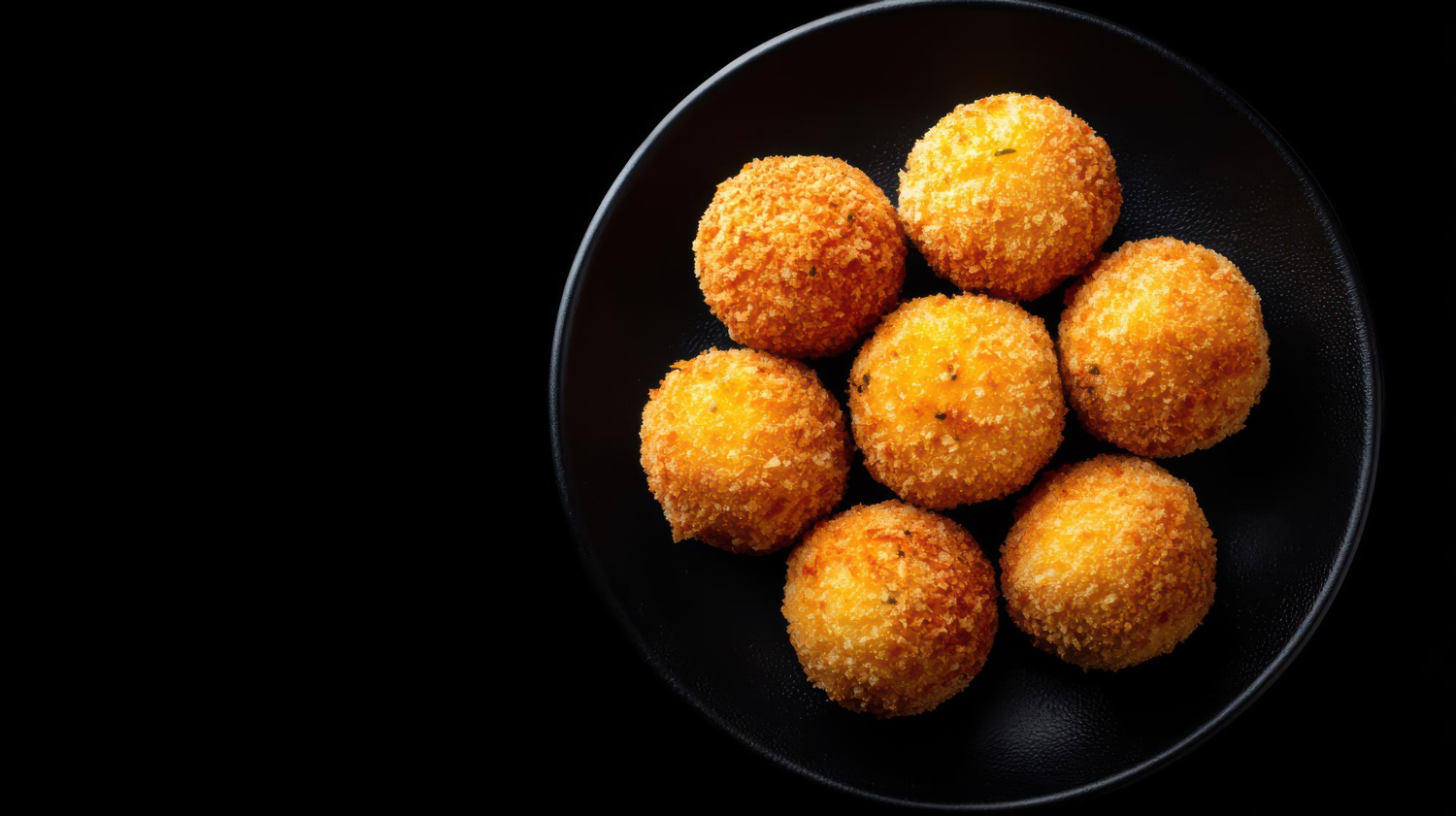
The 1960s dinner party featured substantial processed cheese spread infrastructure — cheese balls coated in nuts, cheese logs in various flavors, processed cheese spread in jars (Kraft Old English, various competitor products). The category dominated American snack food for two decades. By 2026, processed cheese spread has substantially declined from its 1960s peak. Modern American cheese consumption has shifted toward natural cheeses, aged cheeses, and various ethnic cheeses. Processed cheese remains in specific applications (cheeseburgers, certain fast food) but the dinner party cheese ball culture has been largely replaced by charcuterie boards featuring natural cheeses and cured meats.
5. Canned mushrooms in everything

1960s American cooking used canned mushrooms substantially in regular cooking — added to casseroles, sauces, soups, salads, and various other dishes as routine ingredients. The convenience food enthusiasm of the era treated canned mushrooms as essentially equivalent to fresh mushrooms. By 2026, fresh mushrooms have largely replaced canned mushrooms in American cooking. The textural and flavor differences that 1960s cooks accepted have become unacceptable to modern American eaters. Some industrial food applications maintain canned mushrooms (specific frozen pizzas, canned soups), but the casual home use that defined 1960s mushroom cooking has substantially disappeared.
6. Jell-O salads with suspended ingredients

The 1960s American dinner party featured Jell-O salads with substantial suspended ingredients — fruit cocktail in cherry Jell-O, vegetables in lemon Jell-O, marshmallows in lime Jell-O, various meat-based Jell-O combinations. The category dominated American family meals and church potlucks for decades. By 2026, Jell-O salads with suspended ingredients have substantially disappeared from American eating. The combination of changing taste preferences, declining home gelatin cooking generally, and aesthetic rejection of “stuff suspended in colored gelatin” has eliminated the category. Specific ethnic enclaves and rural communities maintain Jell-O salad traditions, but mainstream American eating has moved on entirely.
7. SpaghettiOs Plus Ravioli with mystery meat
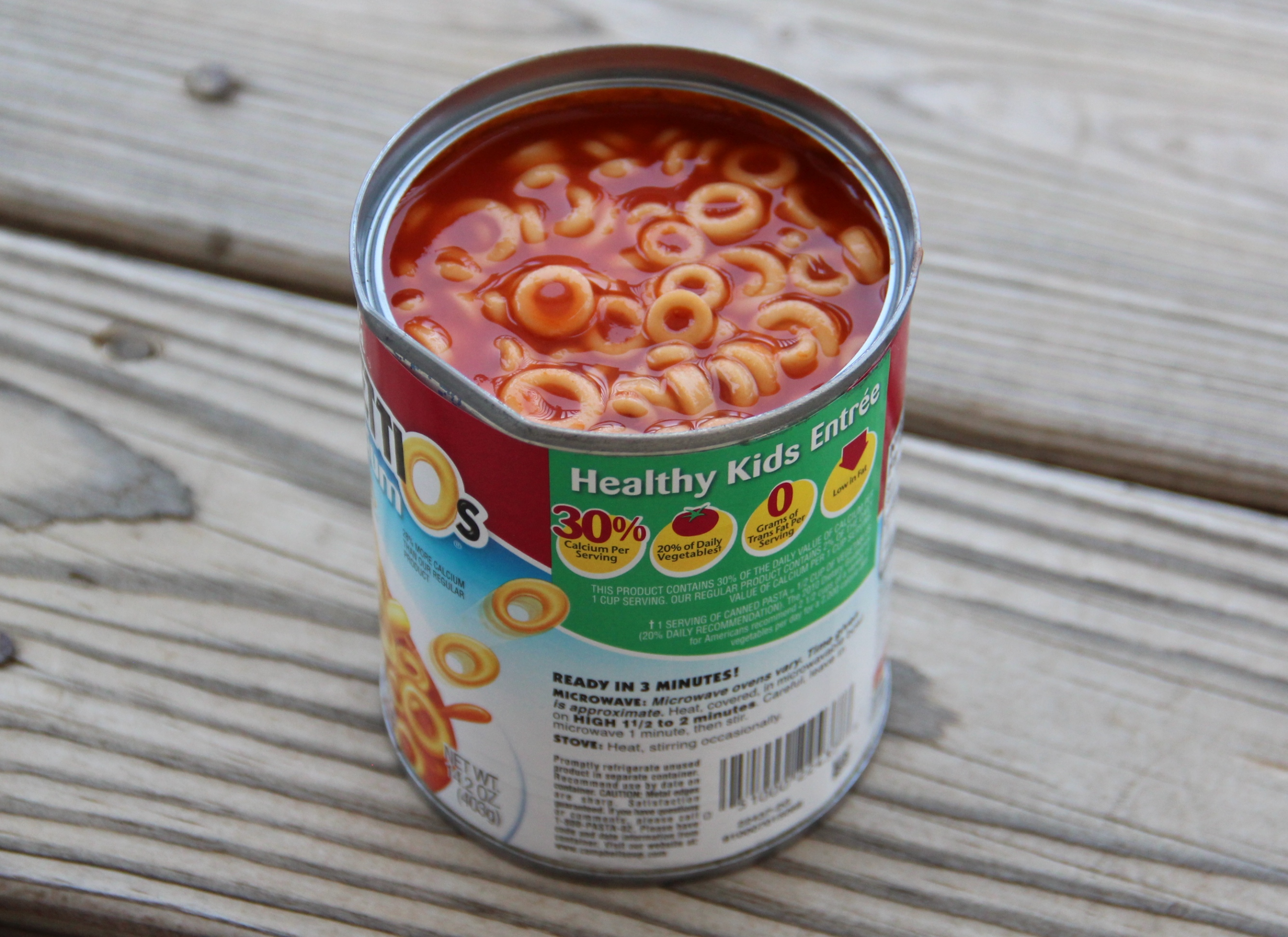
Canned pasta products dominated 1960s and 1970s American kid food — Chef Boyardee Spaghetti and Meatballs, Franco-American SpaghettiOs, various canned ravioli products with industrial-textured meat fillings. While the category continues, the specific products have substantially evolved. Modern canned pasta uses different recipes, different ingredients, and different texture profiles than 1960s versions. The “mystery meat” texture that defined 1960s canned pasta — the specific combination of industrial processing and ingredient quality — has been changed in contemporary versions. Adults who remember 1960s canned pasta typically describe modern equivalents as different products entirely.
8. Tang and orange-flavored powdered drink mixes

Tang launched in 1957 and dominated American powdered drink mix consumption through the 1960s. NASA’s selection of Tang for Project Gemini missions in 1962 produced association with space exploration that became central to the brand’s marketing. By 2026, Tang remains available in some markets but has substantially declined in American consumption. Other powdered drink mixes (Crystal Light, Mio, various competitors) have replaced traditional Tang. The specific 1960s relationship with powdered drinks — as primary breakfast beverage replacement, as space-program-associated specialty product, as kid drink — has substantially disappeared.
9. SpaghettiOs in unusual shapes
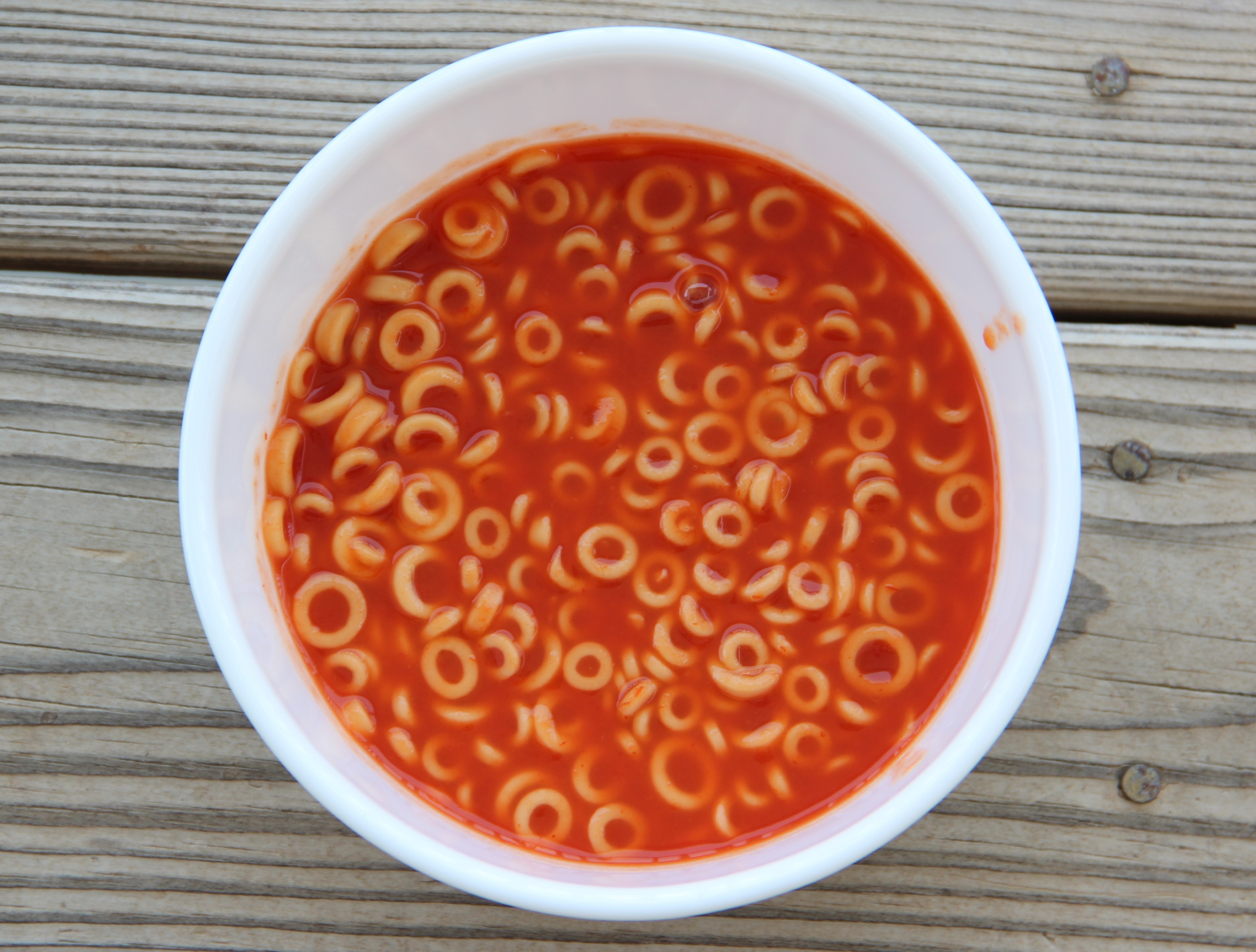
The Franco-American SpaghettiOs brand produced various themed pasta shapes during the 1960s and 1970s — alphabet pasta with sauce, dinosaur shapes, various TV character licensed shapes (Smurfs, Sonic the Hedgehog, various others). The themed pasta category has substantially declined since the 1990s. Modern canned pasta primarily features traditional shapes (spaghetti rings, classic pasta forms). The marketing-driven shape variations that produced 1960s and 1970s themed pasta have been replaced by other forms of kid food marketing. Some themed varieties continue but in dramatically reduced volumes compared to peak themed pasta years.
10. The “TV Dinner” as cultural institution
Swanson’s TV Dinner launched in 1953 and became a cultural institution through the 1960s. The specific aluminum tray with separated compartments, the specific industrial food categories (Salisbury steak, fried chicken, mashed potatoes, vegetables, dessert), and the specific cultural ritual of eating in front of television defined American convenience food. Modern frozen meals have substantially evolved beyond the original TV Dinner format. Healthy Choice, Lean Cuisine, Stouffer’s, and various other brands have replaced the original convenience-focused, often-bland format of 1960s TV Dinners. The specific cultural ritual remains (eating prepared food in front of television) but the specific product category has been transformed.
What This Disappearance Actually Reveals
The collapse of these 10 food categories represents specific changes in American eating culture: declining acceptance of processed and convenience foods, rejection of mid-century aesthetic preferences (gelatin-based dishes, cheese spreads, canned ingredients), broader awareness of nutritional concerns, increasing demand for fresh ingredients, and substantial improvement in available alternatives. The 1960s American kitchen produced specific dishes appropriate to its specific economic, cultural, and technological context. The disappearance of those dishes reflects substantial transformation in American food culture rather than specific failures of individual products. The 1960s eating culture is genuinely gone — preserved now mostly in vintage cookbooks and the occasional church potluck where someone’s grandmother brings the Jell-O mold.
