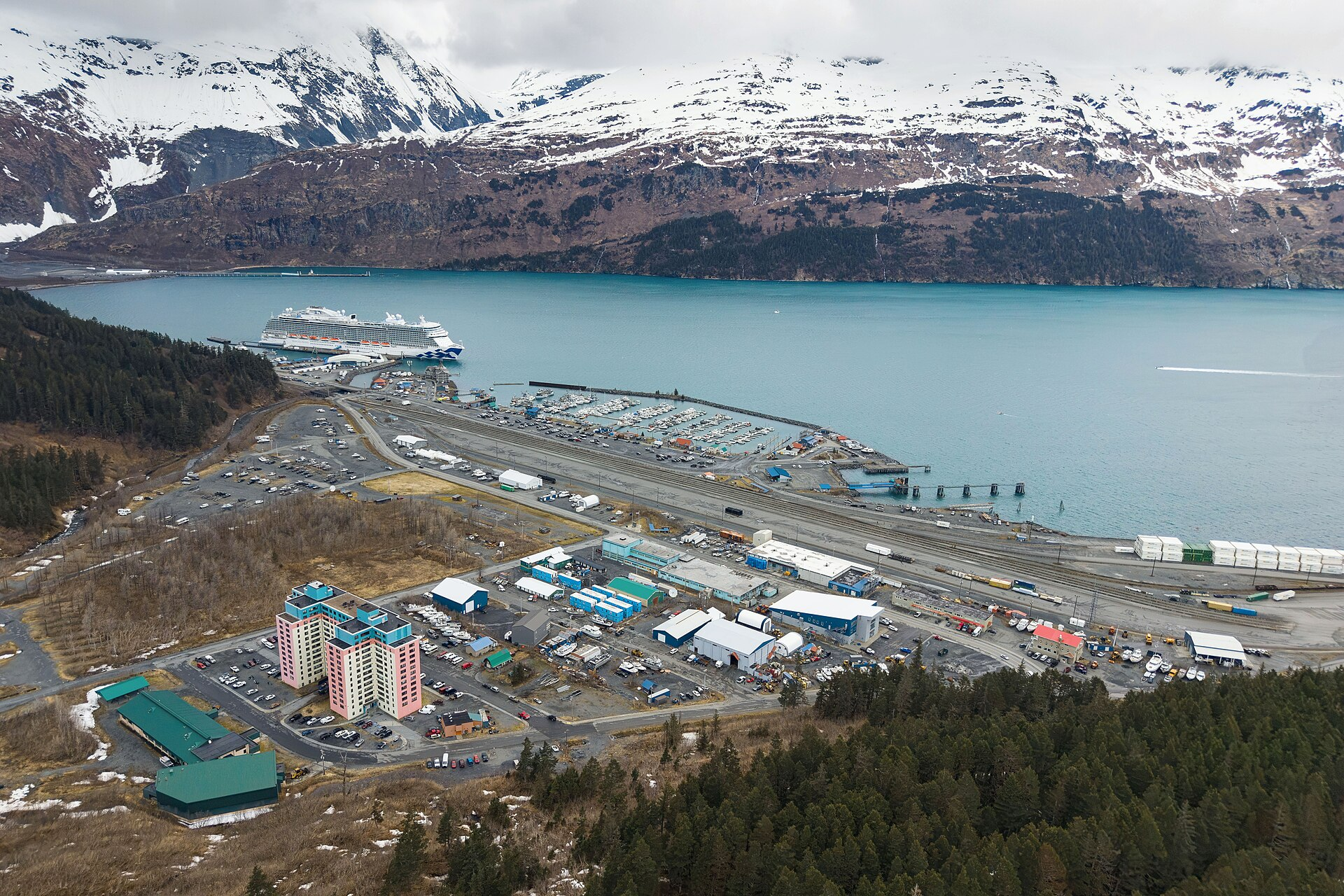
Tucked at the head of a fjord and ringed by steep mountains, the tiny town of Whittier, Alaska, looks at first like any remote outpost in a spectacular setting. But Whittier holds a remarkable distinction: almost its entire population lives under a single roof. Nearly all of the town’s residents share one 14-story building that also houses the post office, a store, the police station, a church, and more, while the local kids reach school through an underground tunnel. Often called “the town under one roof,” Whittier may be the most unusual small town in the United States.
A Town in One Building
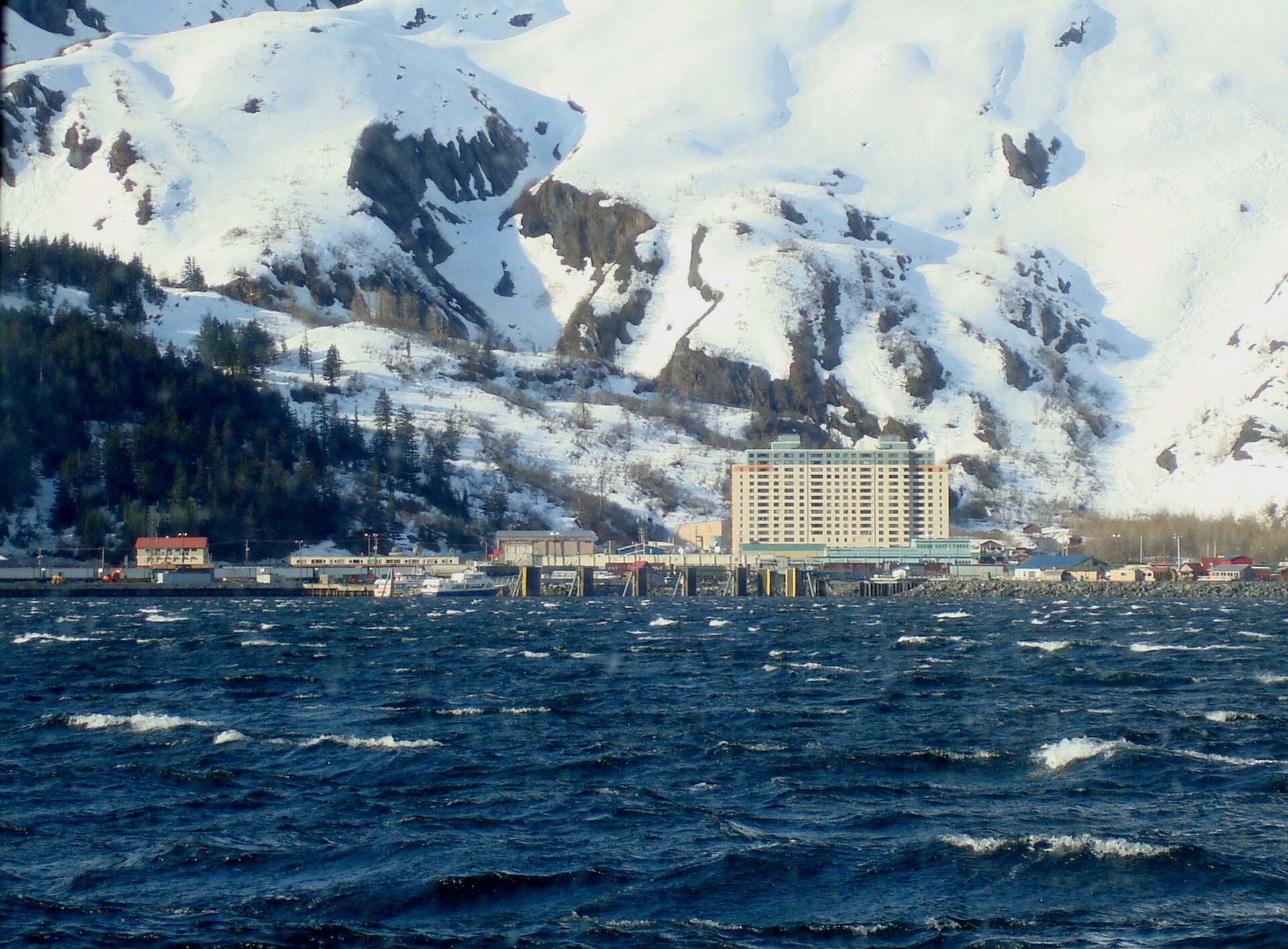
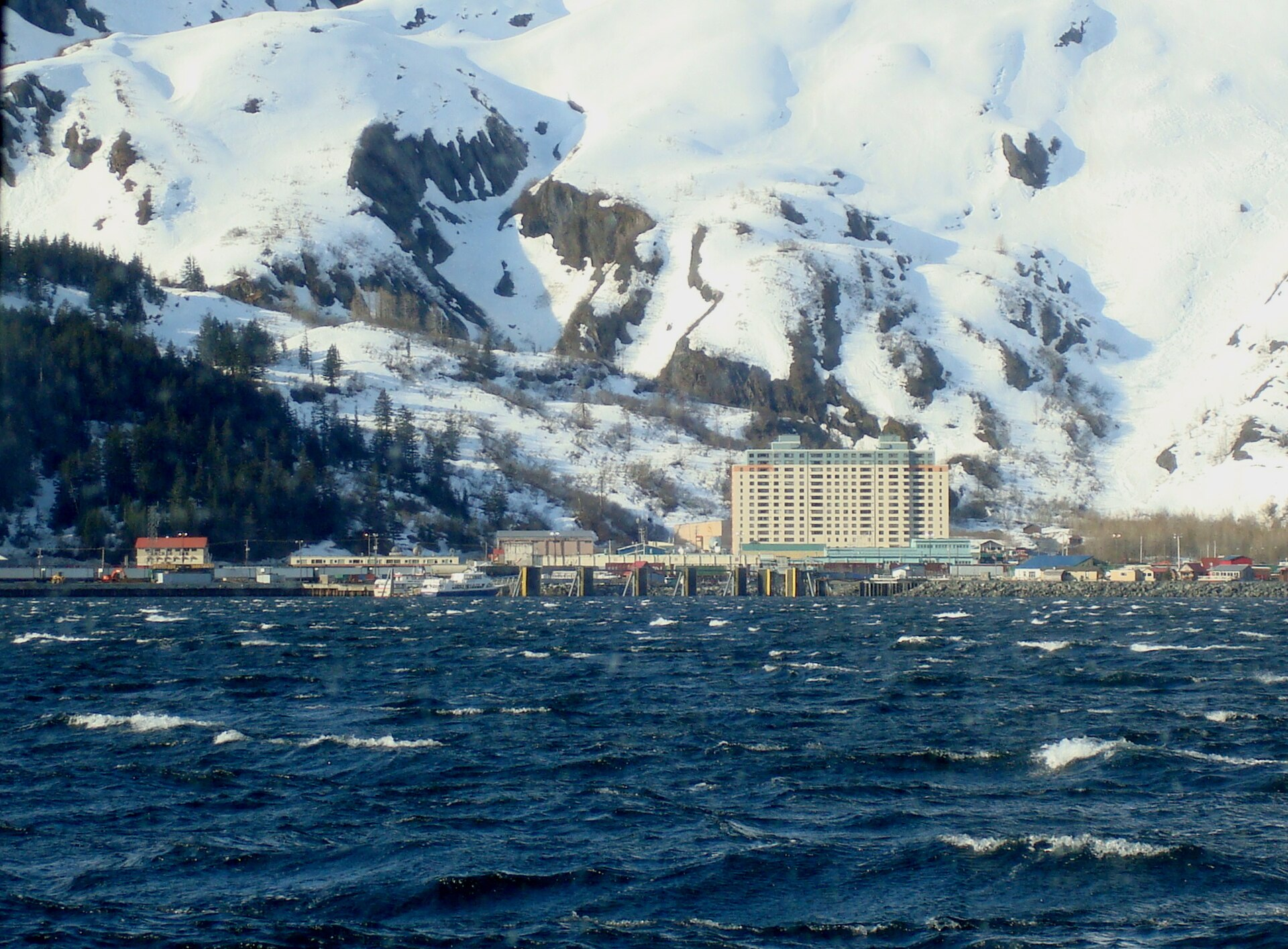
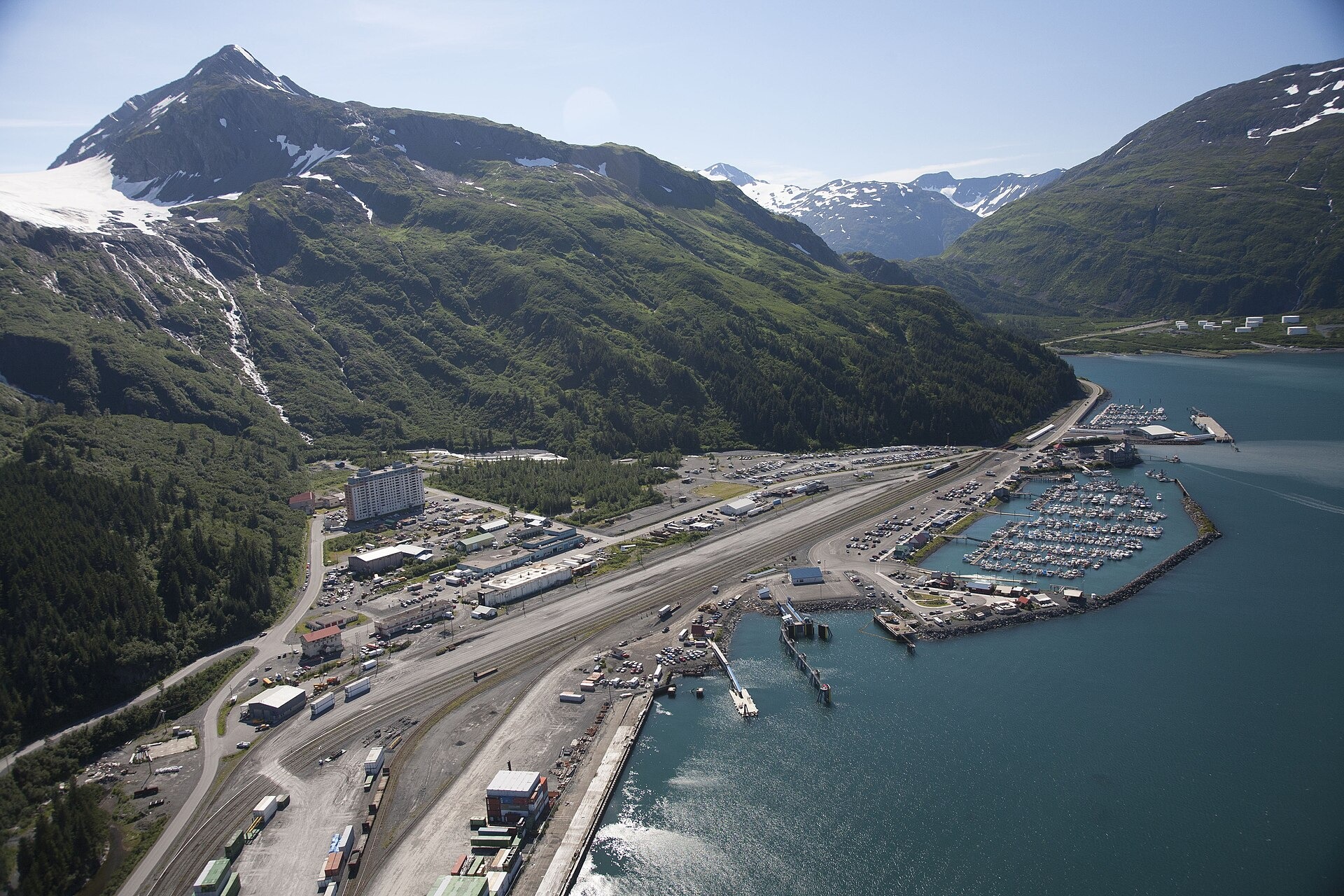
Whittier sits about 60 miles southeast of Anchorage, at the head of Passage Canal, with a population of roughly 270 people as of the most recent census, a modest rise from a decade earlier. What sets it apart is that almost all of those residents live in a single high-rise: Begich Towers, a 14-story former military building completed in 1957 and later converted into a condominium. The building contains around 150 apartments across three connected towers, and it functions as a self-contained community.
Step inside Begich Towers and you’ll find far more than apartments. The building, or the structures connected to it, includes the town’s post office, a general store, a laundromat, a one-room police station, a health clinic, a small church, a couple of floors of bed-and-breakfast rentals, a conference room, and city offices. Residents can take care of nearly every daily errand without ever stepping outside, which, given Whittier’s weather, is a genuine convenience.
Like our content? Follow us for more.
School Through a Tunnel
The town’s children attend a school located near the towers, and they can get there without braving the elements thanks to an underground tunnel connecting the building to the school. On days of heavy snow or fierce wind, kids simply walk through the tunnel to class. It’s a fitting solution for a place where the weather can be ferociously inhospitable.
And the weather in Whittier is no exaggeration. The town receives extraordinary amounts of precipitation, on the order of nearly 200 inches a year, including heavy snowfall, and it’s lashed by powerful winds that can blow well over 60 miles per hour. Living, working, and schooling under one roof isn’t just a quirk in Whittier; it’s a practical response to one of the harshest small-town climates in the country.
A Military Past
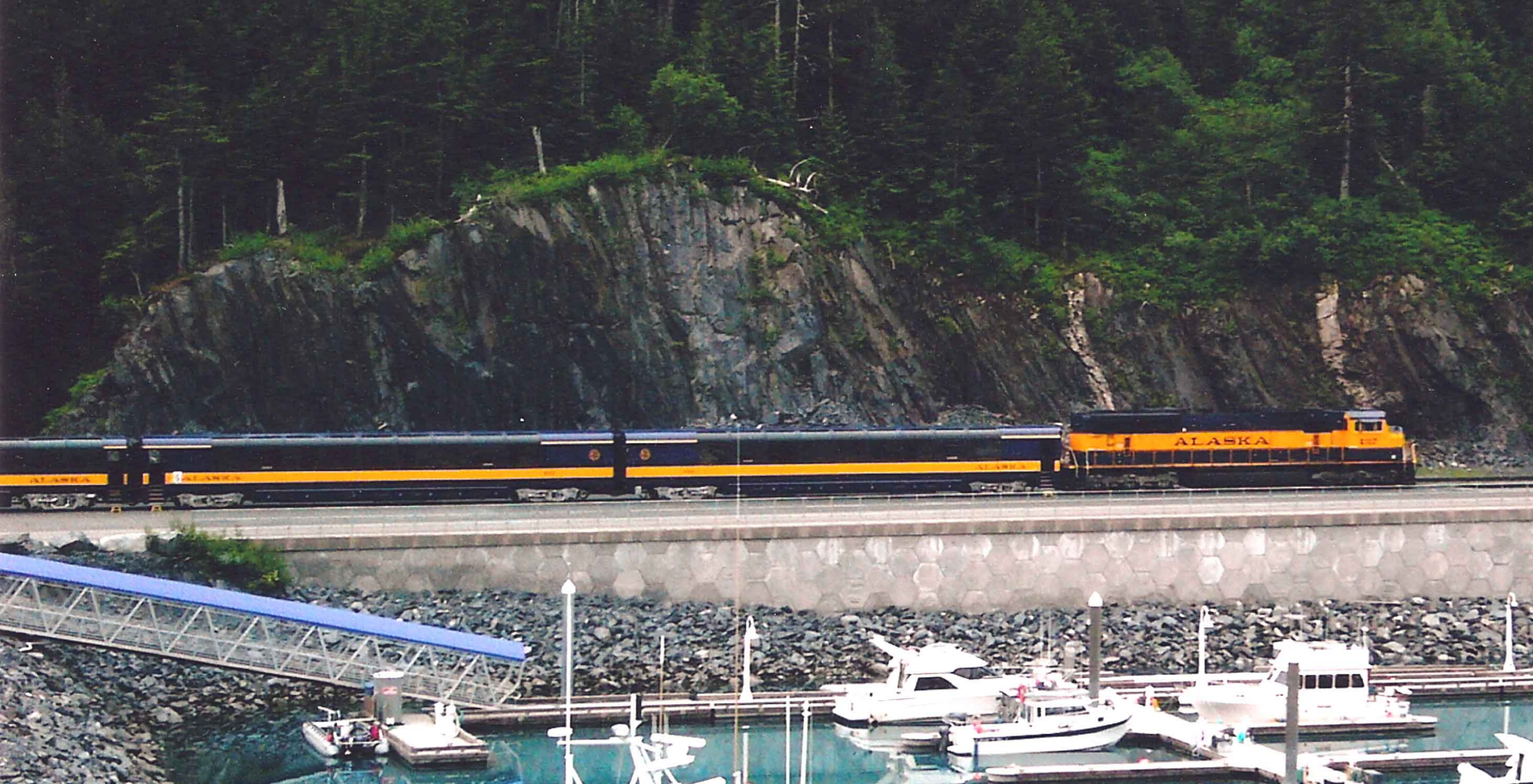
Whittier owes its unusual form to its origins as a military installation. The United States Army established a port and base here during World War II, valuing the deep, sheltered harbor and its role as a supply route connected to the Alaska Railroad. During the Cold War, the military constructed two large buildings to house personnel, including the building now known as Begich Towers and a second large structure that was eventually abandoned.
When the military scaled back and shuttered the base in the late 1950s, the town’s purpose shifted. Whittier formally incorporated as a city in 1969, and the former Army high-rise was repurposed for residential living, taking on its current role as the home of nearly the entire population. The building was later renamed in honor of an Alaska congressman, and the town settled into its singular identity as a community living under one roof.
The Tunnel That Connects Whittier to the World
For much of its history, Whittier could be reached only by boat, rail, or plane, hemmed in by the surrounding mountains. That changed in 2000, when a long mountain tunnel was opened to car traffic, giving the town its first road connection to Anchorage and the rest of Alaska.
But this is no ordinary road. The tunnel is a single lane shared by both cars and trains, running through the mountain for about two and a half miles, and traffic can only move in one direction at a time, alternating on a schedule. Even more striking, the tunnel closes entirely at night, meaning that for several hours each evening, Whittier is effectively cut off from the outside world by road. It’s a daily rhythm that residents simply build their lives around, and a detail that captures just how remote this little town remains.
Life in Whittier
Despite, or perhaps because of, its peculiarities, Whittier is a tight-knit community where neighbors know one another well. Living in a single building fosters a closeness that residents often describe warmly: there’s always someone to talk to, and everything you need is close at hand. Some people find the arrangement cozy and convenient; others are drawn by the dramatic natural setting and the slower pace of life. Residents have come from all over, including far warmer places, to make their home in this snow-battered town.
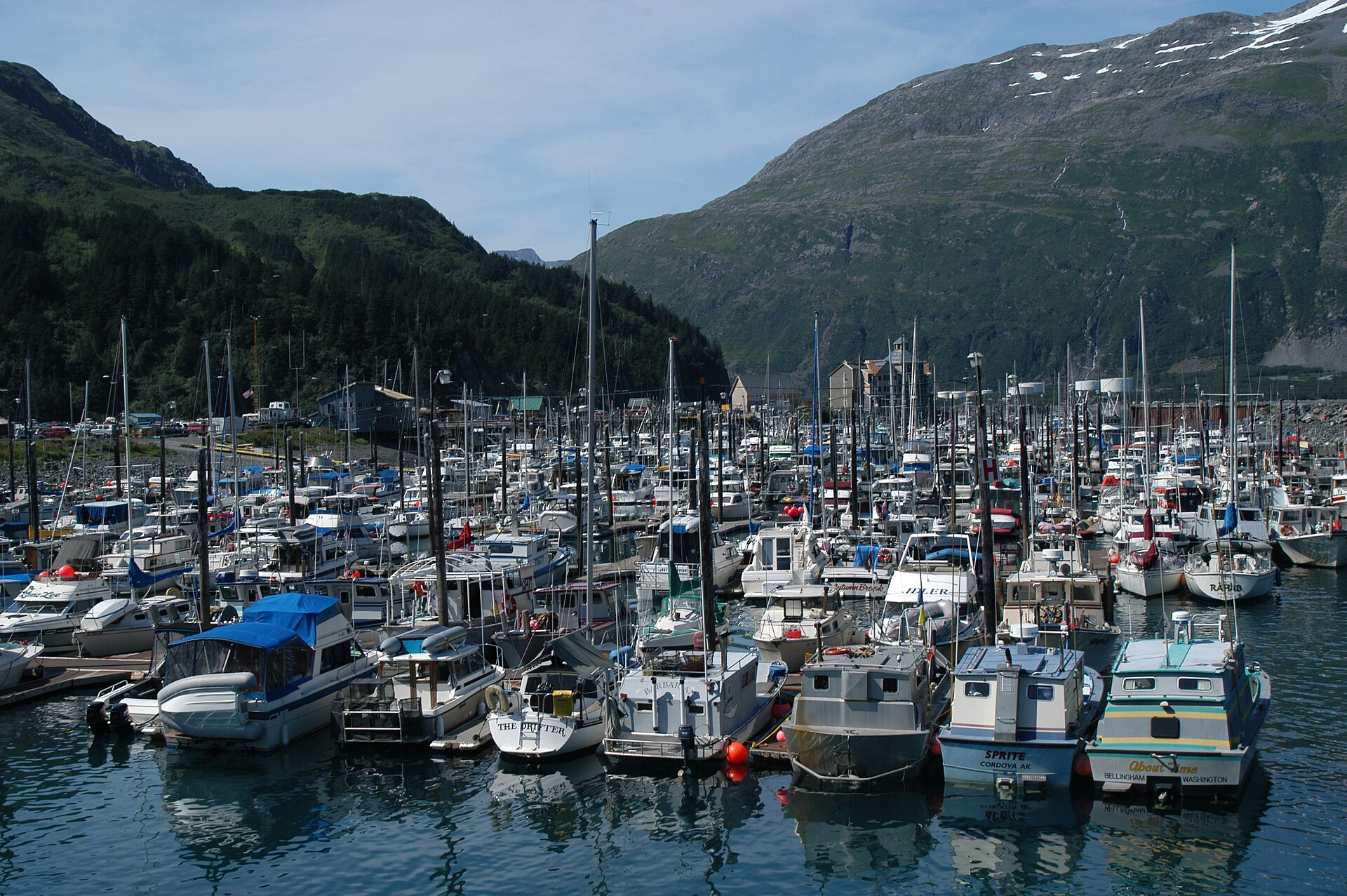
Whittier’s setting is genuinely spectacular. It lies within a vast national forest and serves as a gateway to the wildlife-rich waters of Prince William Sound, where visitors can spot whales, sea otters, mountain goats, and glaciers. The town has become a popular cruise port and a launching point for fishing, paddling, and sightseeing, drawing visitors eager to experience both its stunning surroundings and its one-of-a-kind way of life.
America’s Most Unusual Small Town
Whittier, Alaska, stands as one of the most fascinating small towns in the country, a place where nearly everyone lives in the same building, kids walk to school through a tunnel, and the only road shuts down at night. It’s a town shaped by its military past, its extreme weather, and its remote, mountain-locked location into something genuinely unlike anywhere else.
For travelers drawn to the offbeat and the extraordinary, Whittier offers an unforgettable glimpse of life lived on nature’s terms, and largely under one roof. Behind the quirks is a real and welcoming community that has embraced its singular circumstances with good humor and a deep appreciation for the wild beauty all around it. Whether you come for the wildlife, the glaciers, or simply the wonder of “the town under one roof,” Whittier rewards the journey through its remarkable tunnel with a small-town story like no other in America.
Like our content? Follow us for more.