When something arrives from elsewhere, people tend to name it after wherever it came through rather than wherever it came from. Multiply that by a few centuries of trade and you get this list. Here are twelve.
1. The Turkey
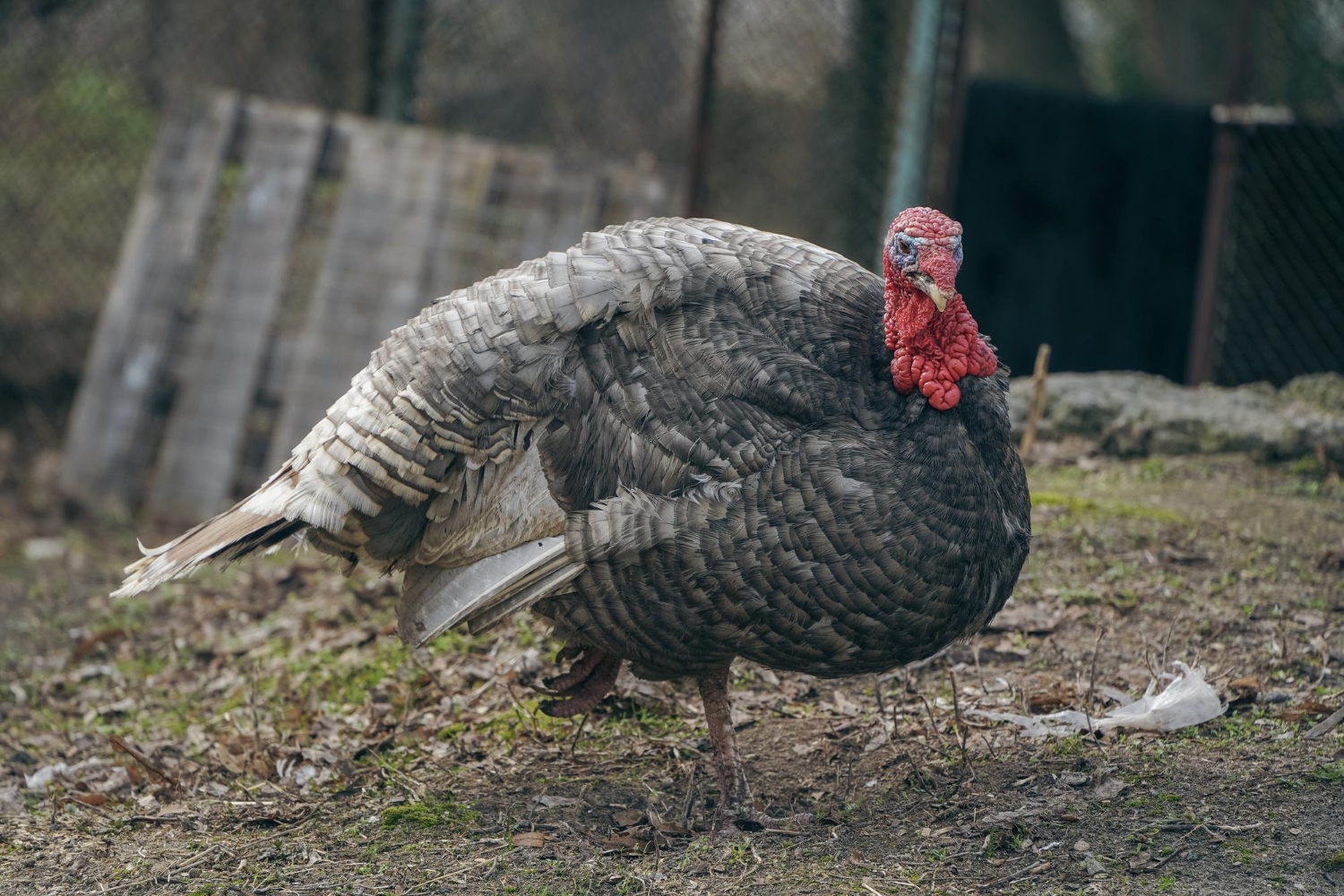
The bird is native to North America. It acquired its English name because similar birds reached England through traders associated with the Turkish-controlled Mediterranean, and the label transferred to the American bird.
Other languages made the same mistake differently, with several naming it after India instead. Nobody involved was correct. The turkey is the everyday thing whose name points at the wrong continent in almost every language.
Like our content? Follow us for more.
2. The Panama Hat
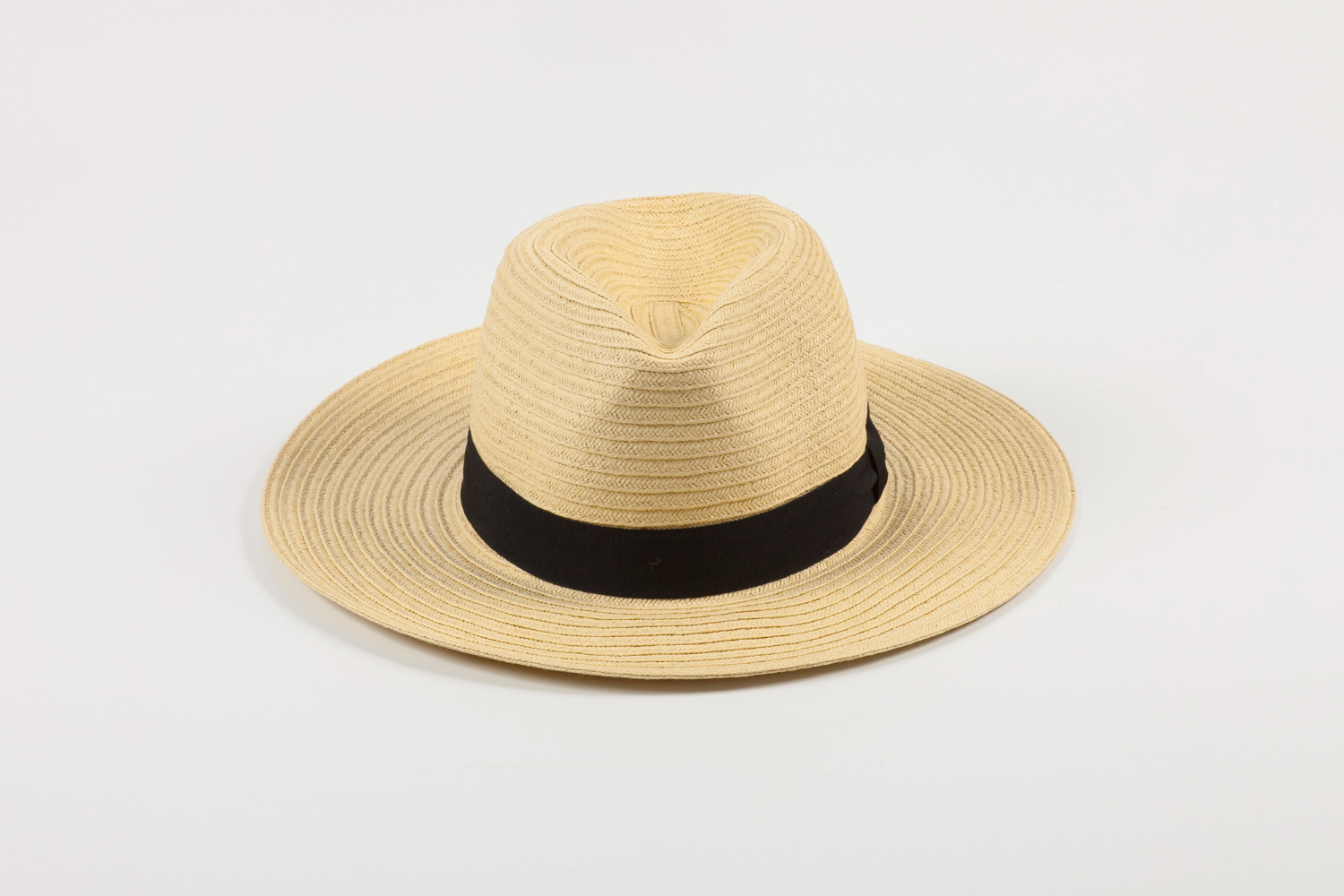
Woven in Ecuador from a local palm fibre, using techniques developed there over generations, and named for somewhere else entirely.
The hats were shipped through Panama to reach international markets, and buyers named them after the port rather than the workshop. Ecuador has objected ever since. The Panama hat is the everyday object named after its shipping route.
3. French Fries
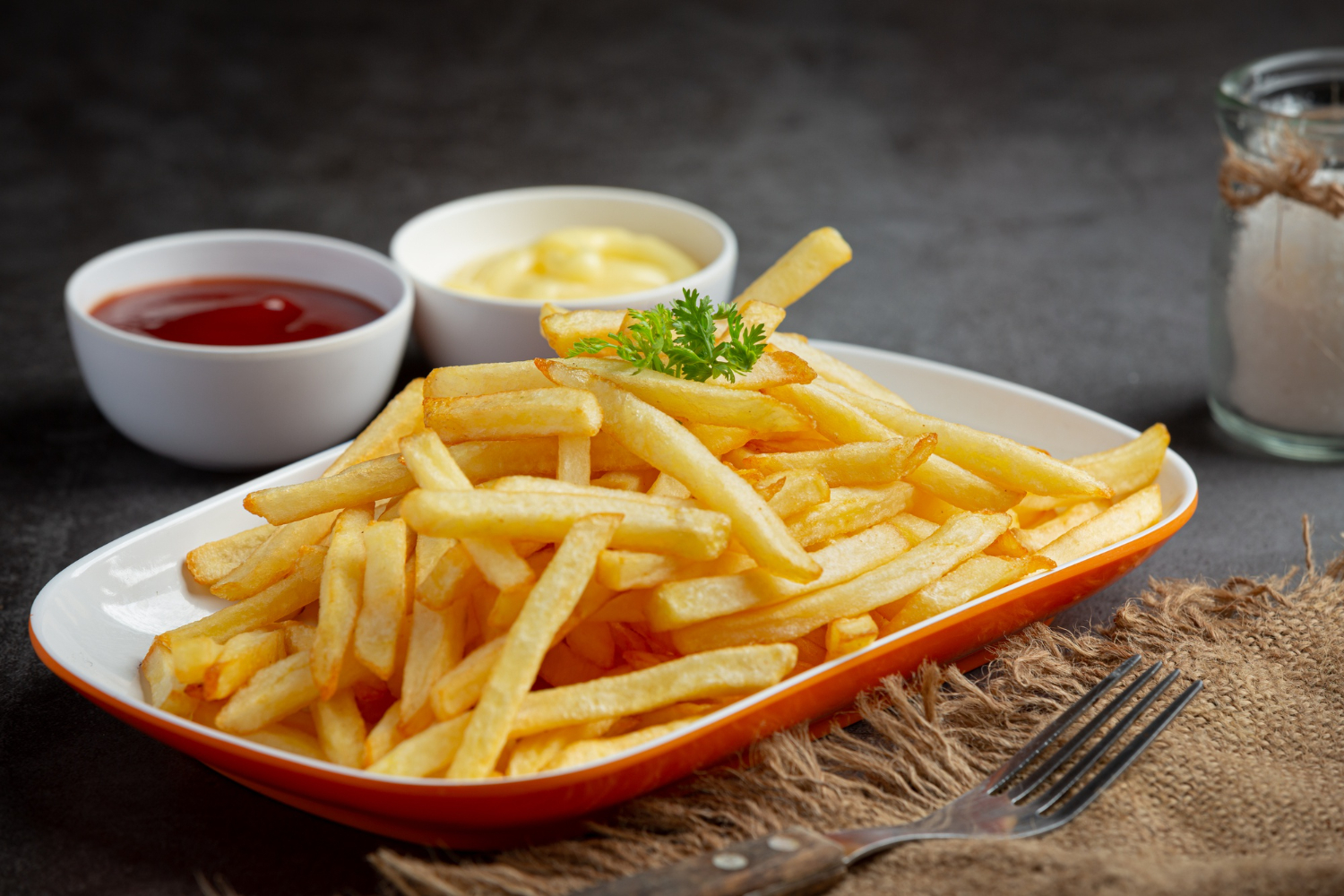
The Belgian claim to origin is long-standing and contested by France, and the English name may derive from the cooking method rather than the country.
To “french” a food is to cut it into strips, which offers an explanation with no nationality involved at all. The dispute continues. French fries are the everyday food whose name may not refer to a country in the first place.
4. Danish Pastry
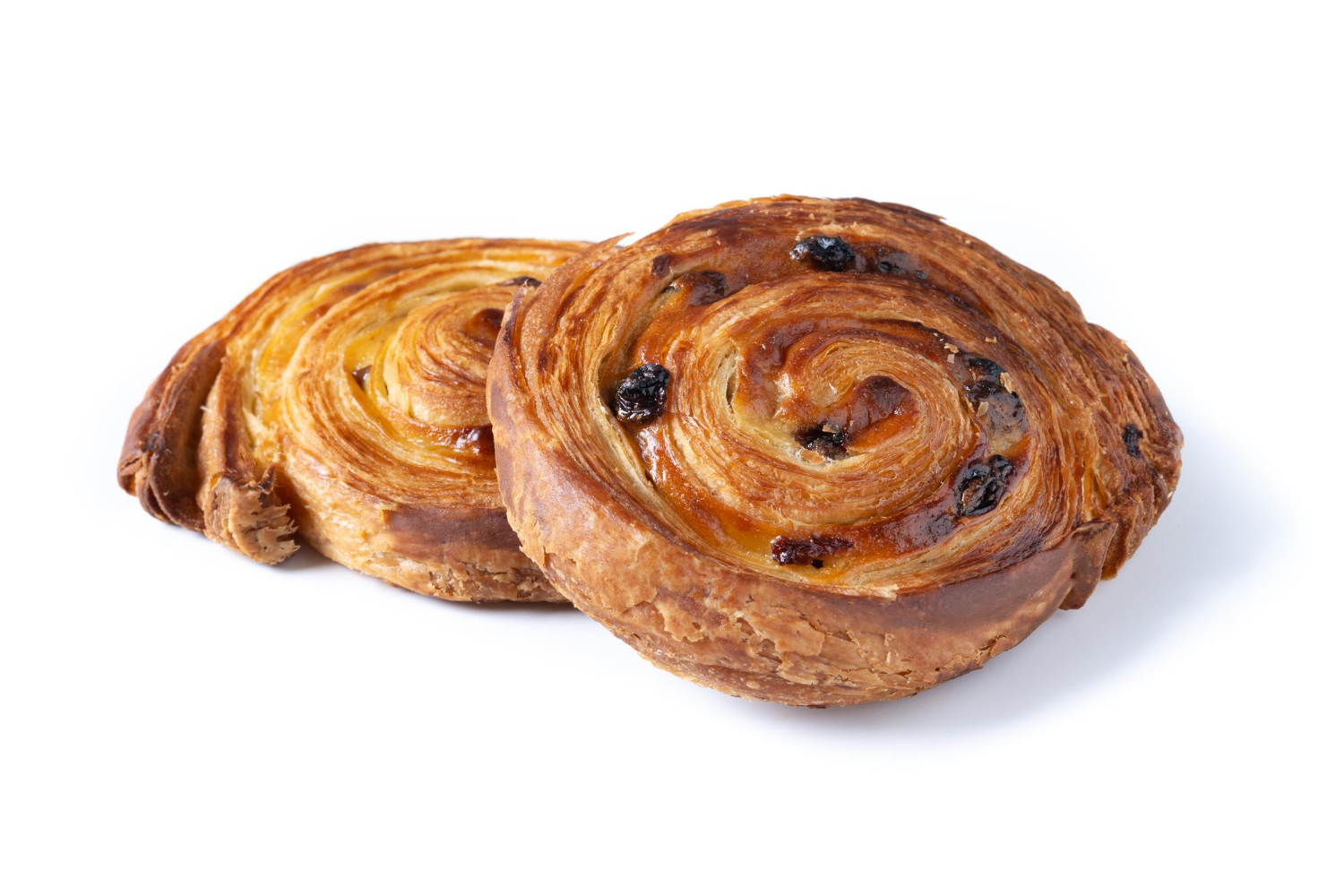
Widely credited to Austrian bakers who brought laminated dough techniques to Denmark during a labour dispute in the nineteenth century.
Danes themselves call the pastries by a name meaning Viennese bread, which is a rare case of a country correctly attributing its own famous product elsewhere. Danish pastry is the everyday food that Denmark names after Vienna.
5. The Jerusalem Artichoke
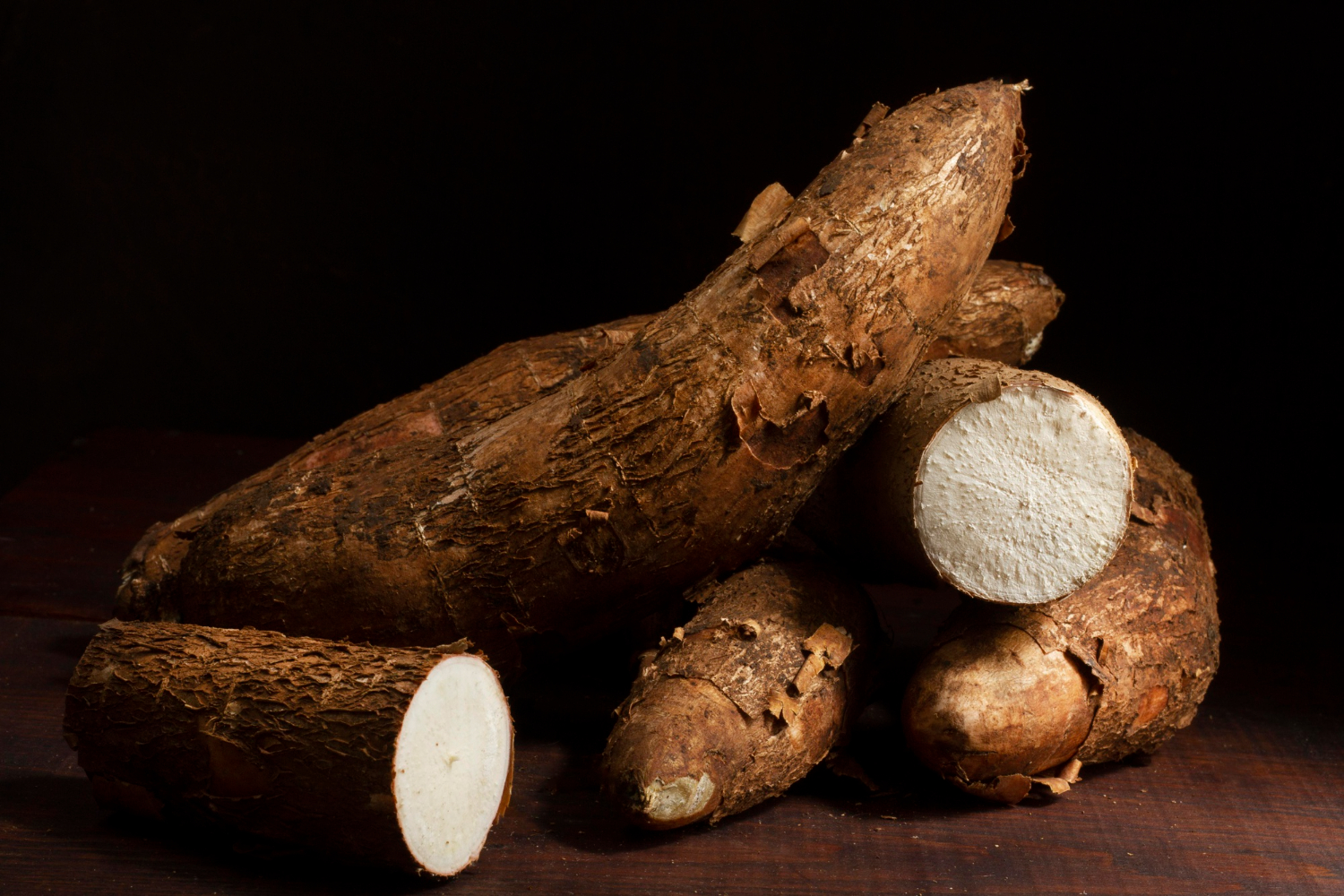
Not from Jerusalem and not an artichoke. It is a North American sunflower tuber, and the name appears to be a corruption of an Italian or Dutch word for sunflower.
The artichoke half comes from a perceived similarity in taste. Two words, both wrong. The Jerusalem artichoke is the everyday vegetable that gets both halves of its name wrong.
6. The Guinea Pig
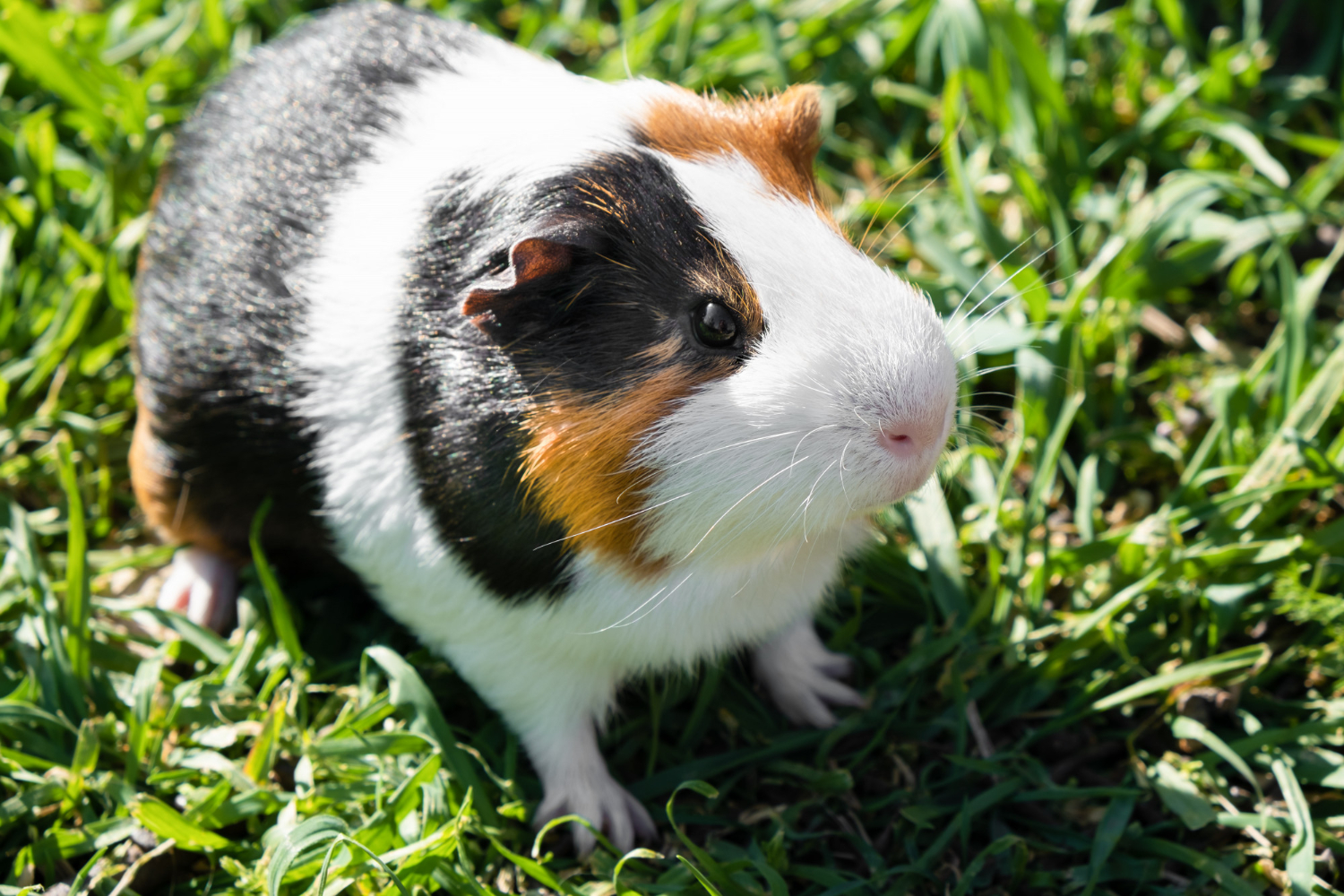
Not from Guinea and not a pig. It is a South American rodent, domesticated in the Andes long before Europeans encountered it.
The Guinea element may relate to shipping routes or to a general term for distant places; the pig element to its shape and sound. The guinea pig is the everyday animal misnamed in both directions.
7. Arabic Numerals
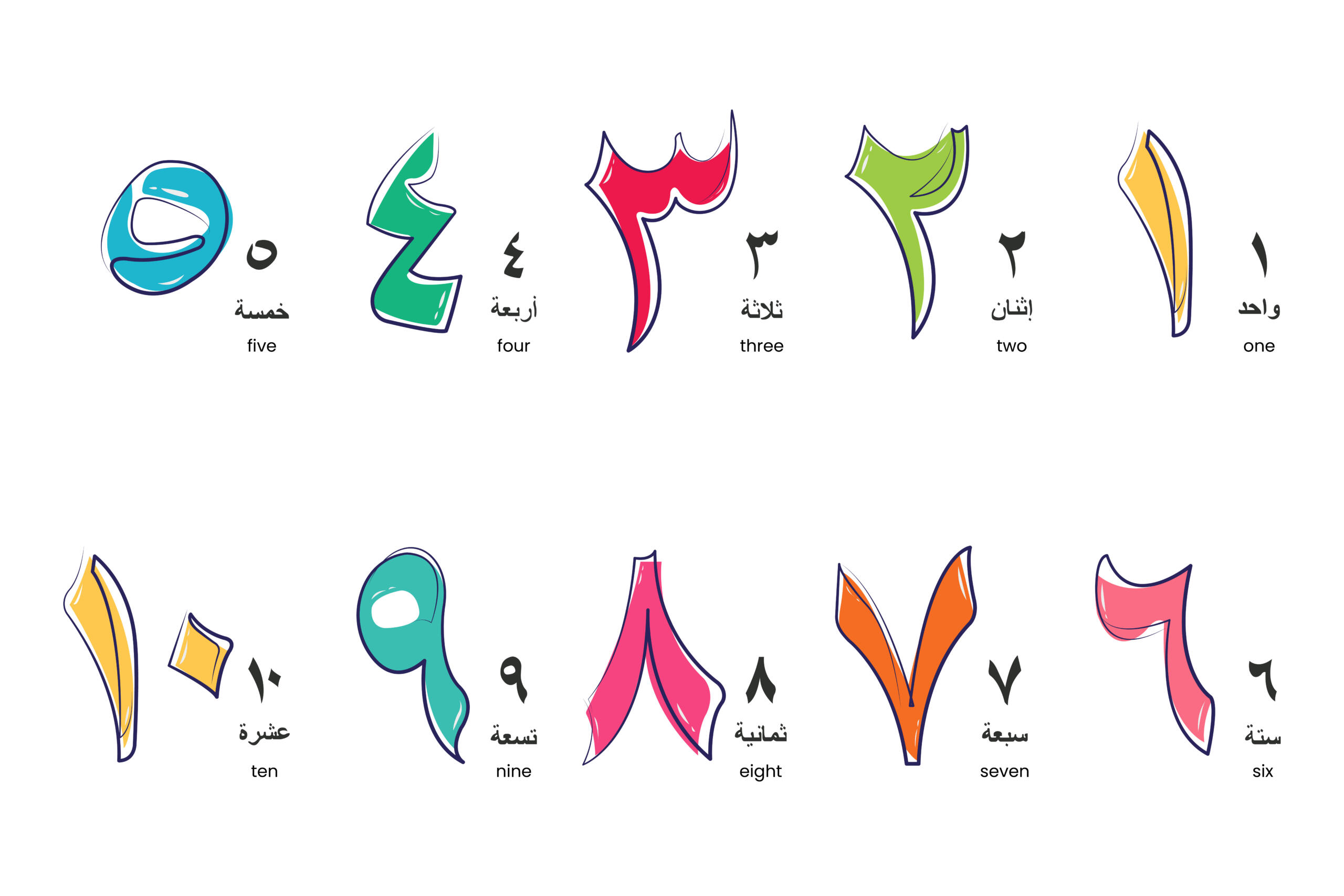
The digit system used across most of the world was developed in India and transmitted to Europe through Arabic-speaking scholars who adopted and refined it.
Mathematicians frequently call them Hindu-Arabic numerals for this reason, which is more accurate and less used. Arabic numerals are the everyday notation named after the route rather than the source.
8. The English Horn

Neither English nor a horn. It is a woodwind instrument in the oboe family, and the name appears to come from a mistranslation or corruption of a word meaning angled.
The instrument is played with a reed and has no relationship to horns at all. The English horn is the everyday instrument whose name is wrong in every component.
9. Bombay Duck
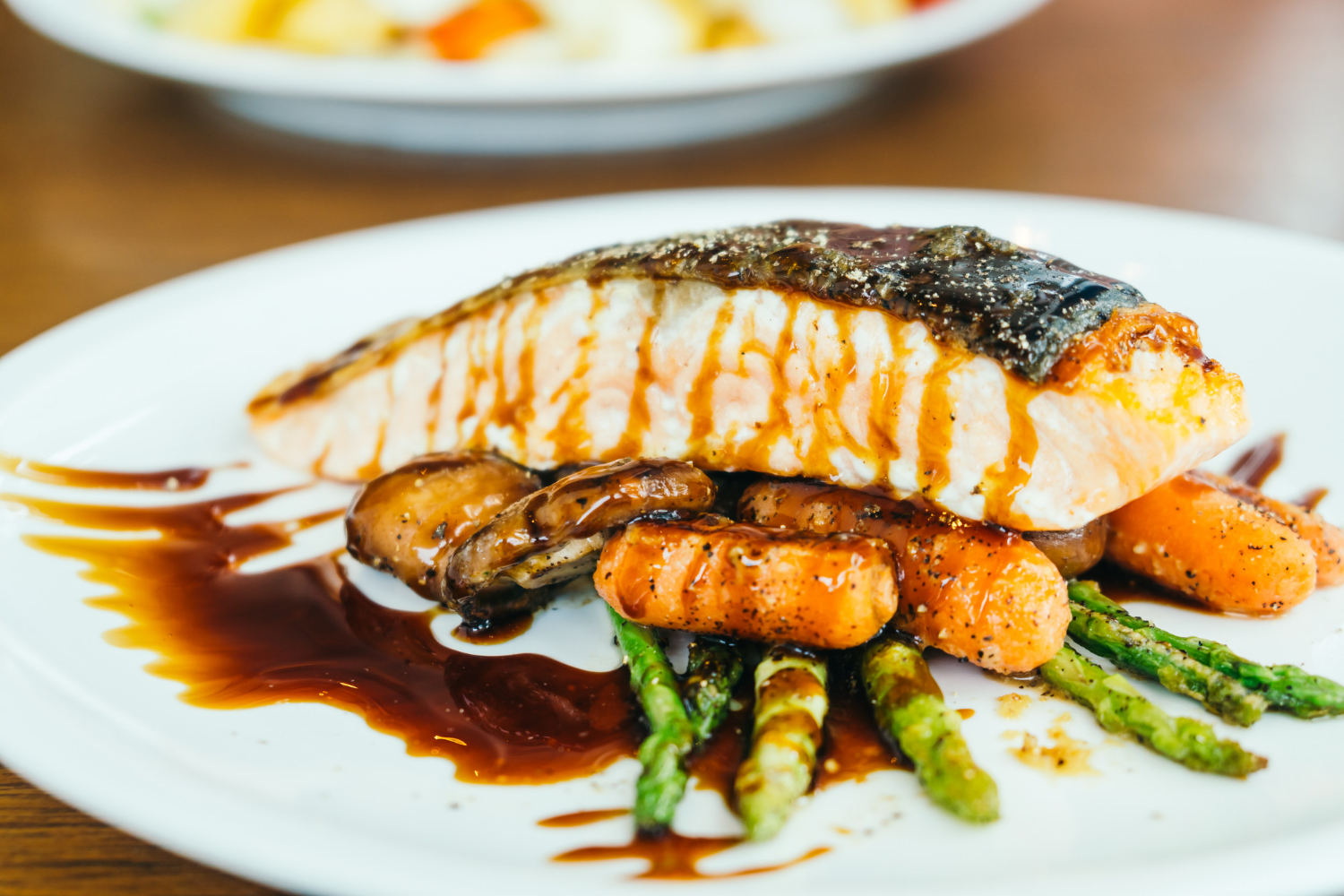
A fish, dried and salted, from the waters off western India, with no duck involved anywhere in it.
The name may derive from a corruption of a local word, possibly connected to the railway that carried it. It is famously pungent. Bombay duck is the everyday food whose name mentions the wrong animal entirely.
10. Chile Con Carne and the Chilli Confusion
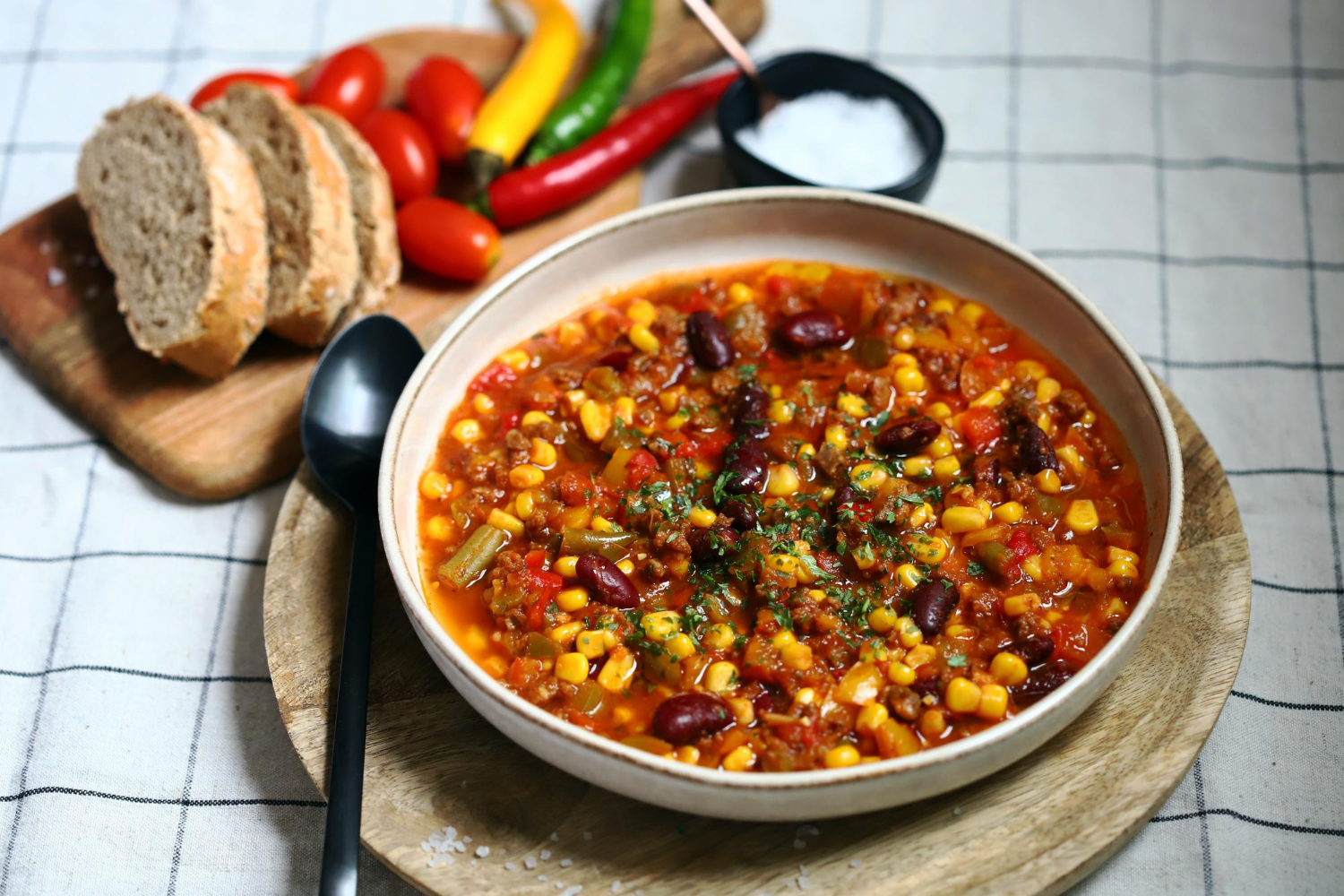
The chilli pepper is not named after Chile. The word derives from a Nahuatl term from central Mexico, and the resemblance to the country name is coincidental.
The country’s name comes from an entirely separate root. Two unrelated words converged in English spelling. The chilli is the everyday ingredient people wrongly associate with a country by pure coincidence.
11. The Turkish Bath

The steam bath tradition associated with Turkey descends substantially from Roman and Byzantine bathing culture, which the Ottomans inherited and developed.
Calling the form Turkish reflects where Europeans encountered it rather than where it began. The tradition is truly Turkish in its later development. The Turkish bath is the everyday institution named for the culture that continued it rather than the one that started it.
12. The Great Dane
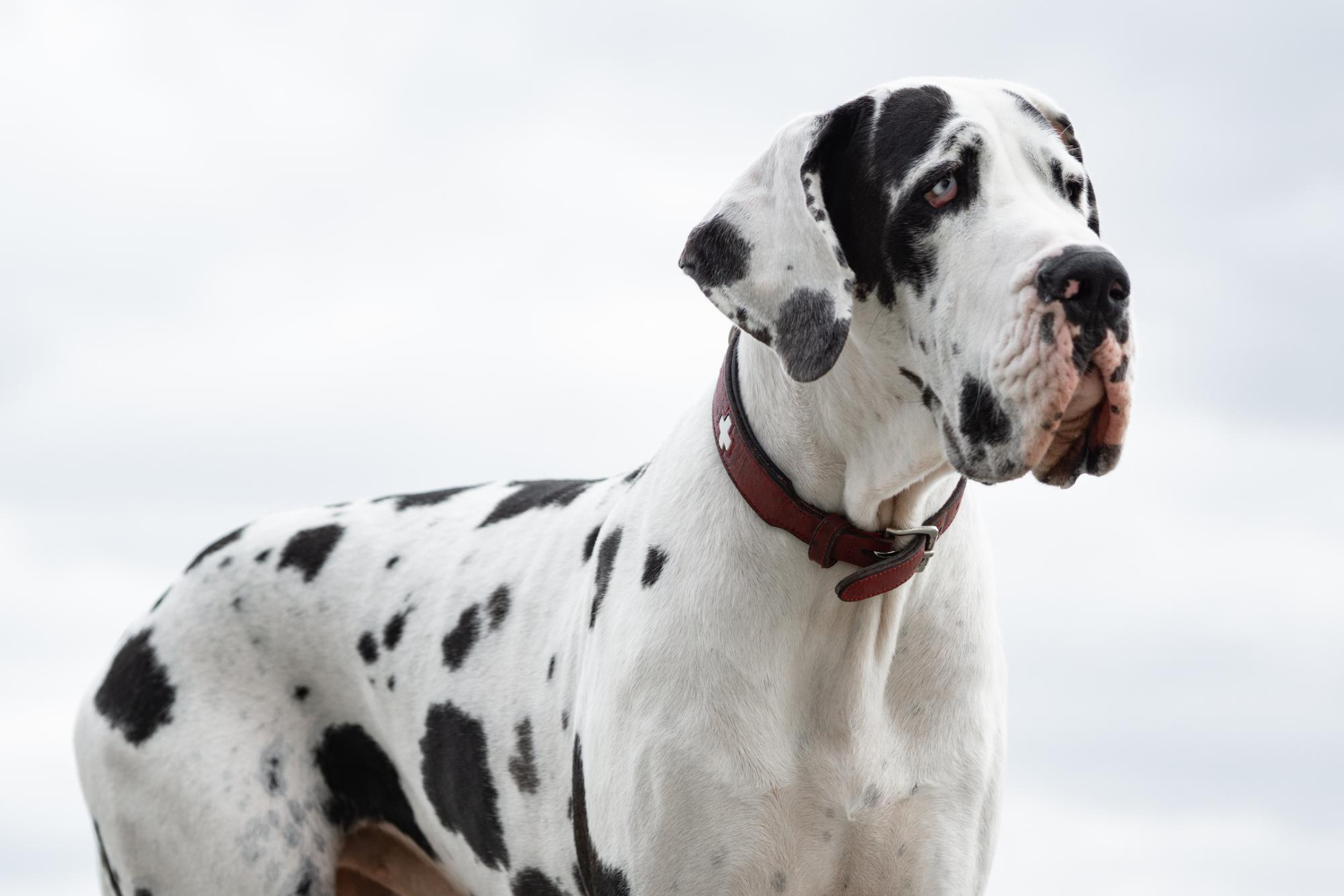
A German breed, developed there for hunting, whose English name attaches it to Denmark for reasons that are not well established.
Germany has designated it a national breed, and the German name refers to a mastiff rather than to anywhere in Scandinavia. The Great Dane is the everyday breed with a nationality problem in its name.
Names Follow Trade, Not Origin
The pattern is consistent: things get named for the last place they passed through before reaching the people doing the naming, which in an era of long trade routes meant a great many confident errors.
None of these names is going to change, and that is fine. What they preserve is a record of how things actually moved — which port, which intermediary, which market — encoded in vocabulary that everyone now uses without noticing the geography is wrong.
Like our content? Follow us for more.