The useful question about any salad is what is providing the structure and what is absorbing the dressing, because those two decisions define the dish. Here are sixteen answers.
1. Fattoush – The Levant
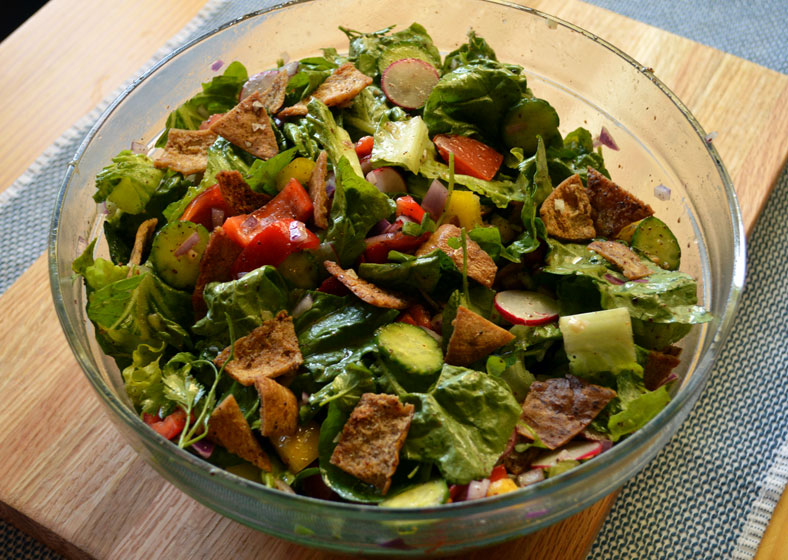
Stale flatbread torn into the salad, where it absorbs the dressing and softens without disintegrating, with sumac providing the acidity alongside lemon.
The bread is the reason the dish exists rather than a garnish. Fattoush is the salad invented so that yesterday bread would not be wasted.
Like our content? Follow us for more.
2. Panzanella – Tuscany
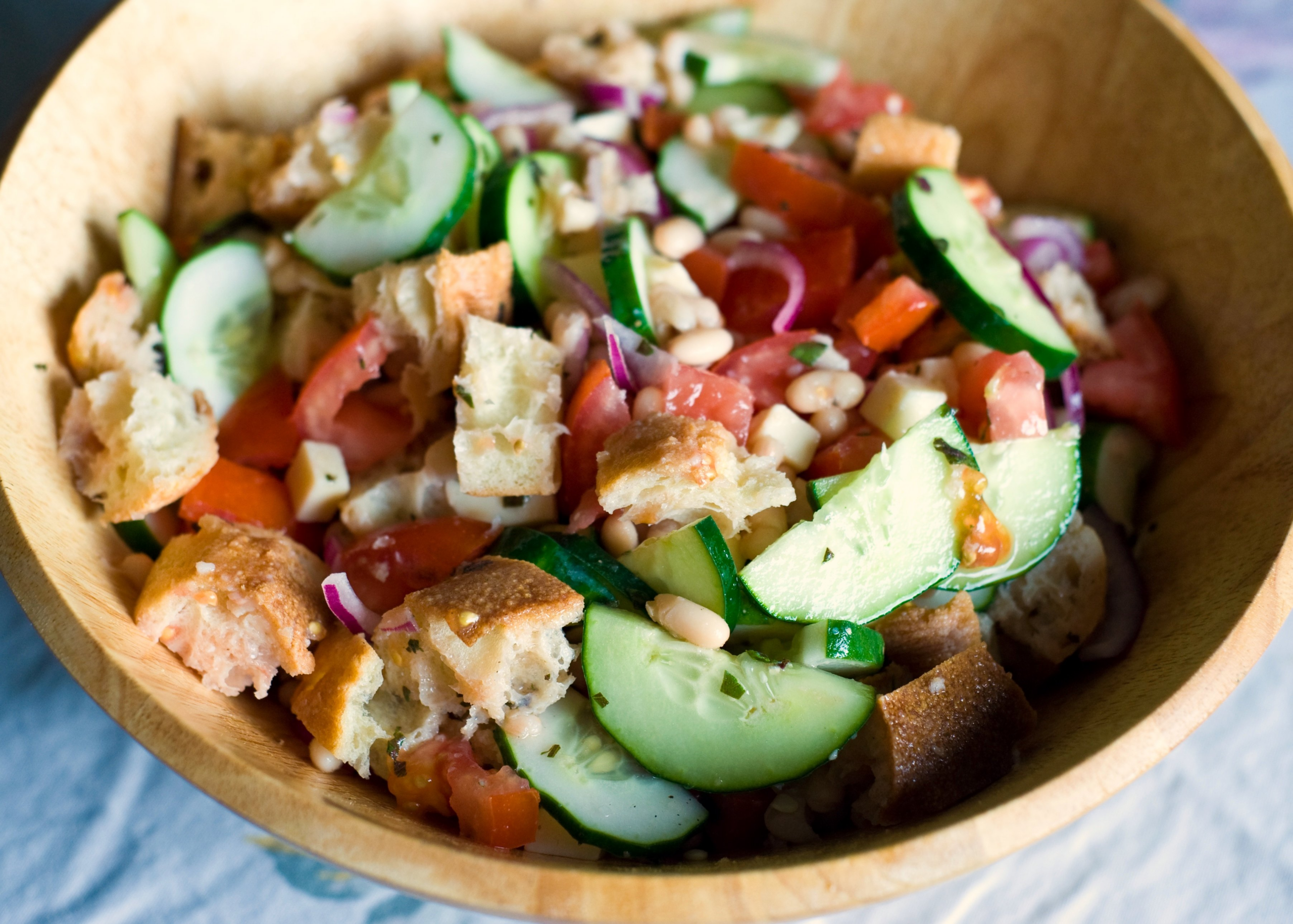
The same principle with a different bread and tomato as the liquid source, where the juice of the tomato does most of the moistening.
Fresh bread turns to paste, which is why the recipe requires it stale. Panzanella is the salad that fails if the bread is too good.
3. Rojak – Malaysia and Indonesia
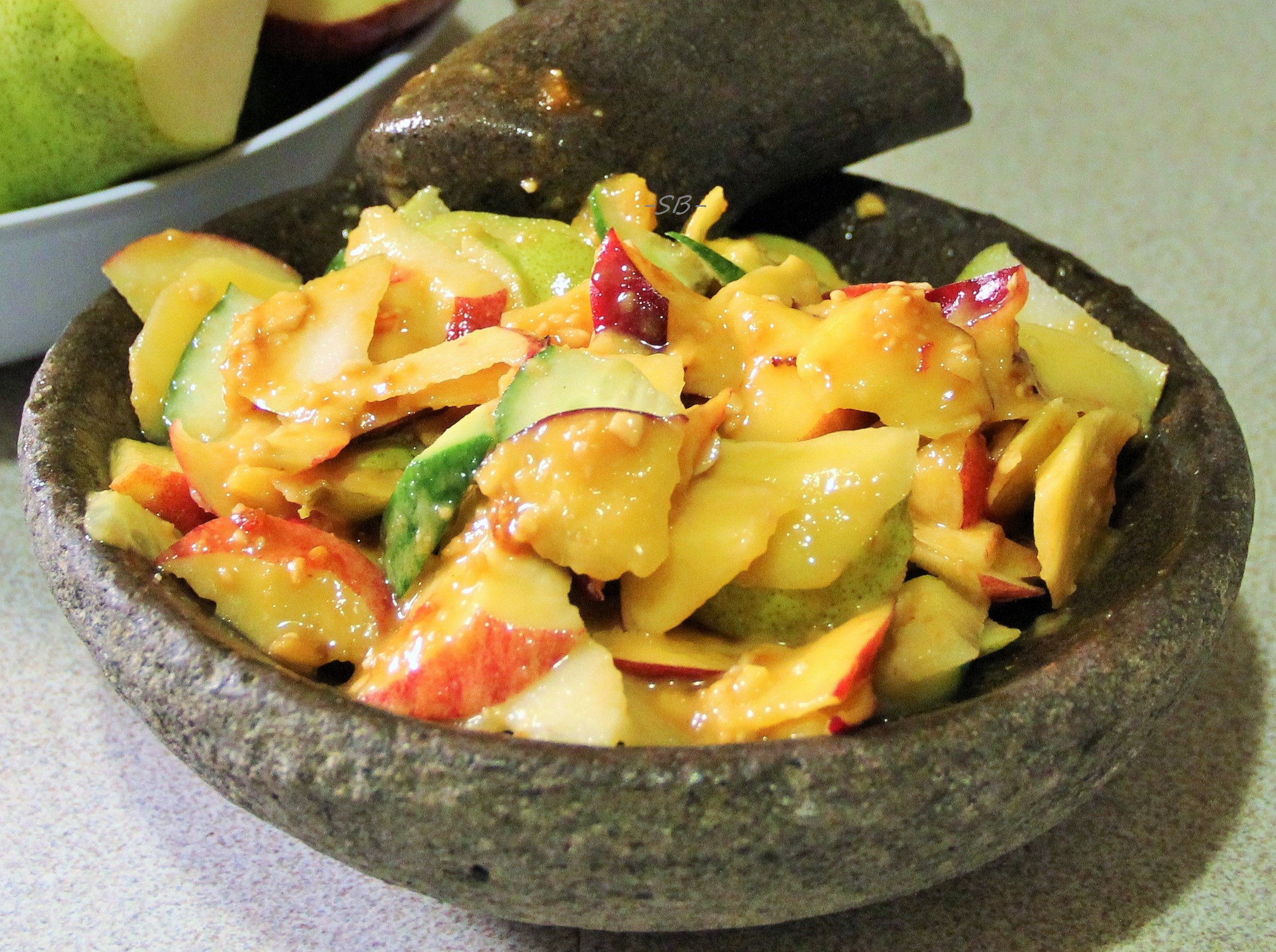
Fruit and vegetables cut into chunks and coated in a thick, dark, pungent dressing that clings rather than pools, built on shrimp paste, tamarind and sugar.
The dressing has the consistency of a sauce rather than a vinaigrette, which is what lets it stay on the fruit. Rojak is the salad where the dressing is thick enough to coat.
4. Kachumber and the Indian Chopped Salads
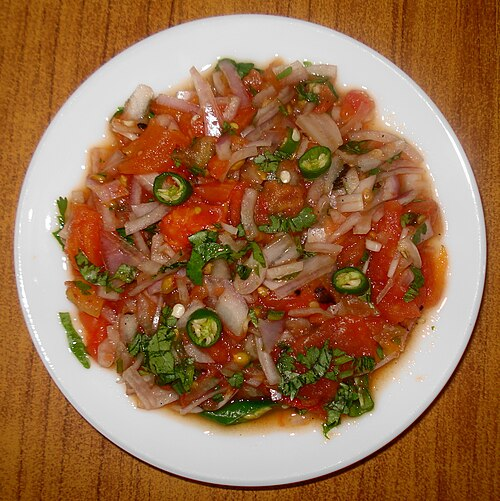
Very finely diced onion, tomato and cucumber with lemon and salt and no oil at all, served as a sharp counterpoint to rich food.
The absence of oil is deliberate, since the job is to cut richness rather than add to it. Kachumber is the salad built with no dressing in the usual sense.
5. Greek Village Salad
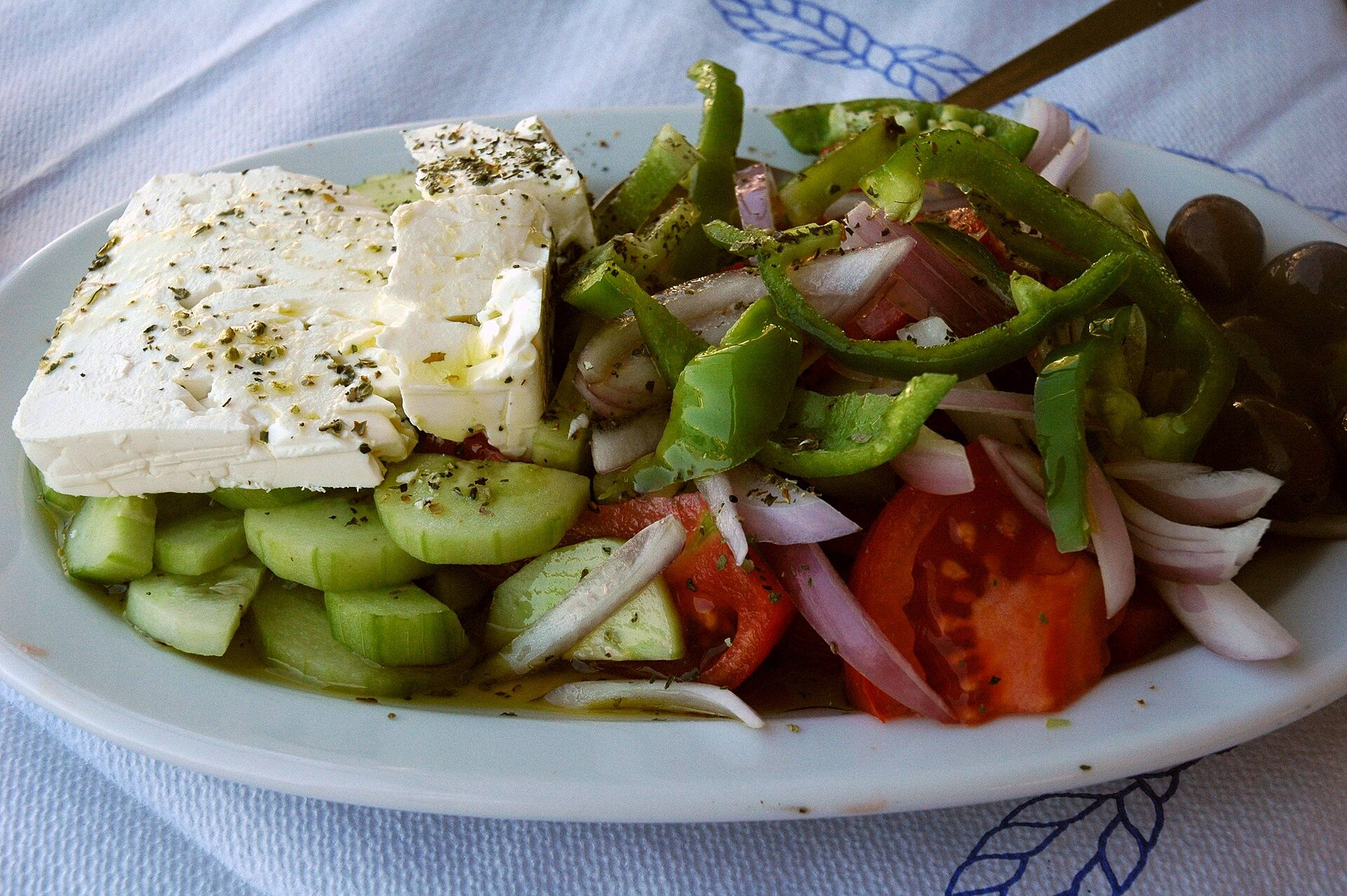
Chunks of tomato, cucumber, onion and pepper with cheese and olives, and no leaves whatsoever in the traditional form.
Adding lettuce is a foreign addition. The village salad is the dish most people assume contains something it does not.
6. Coban Salatasi – Turkey
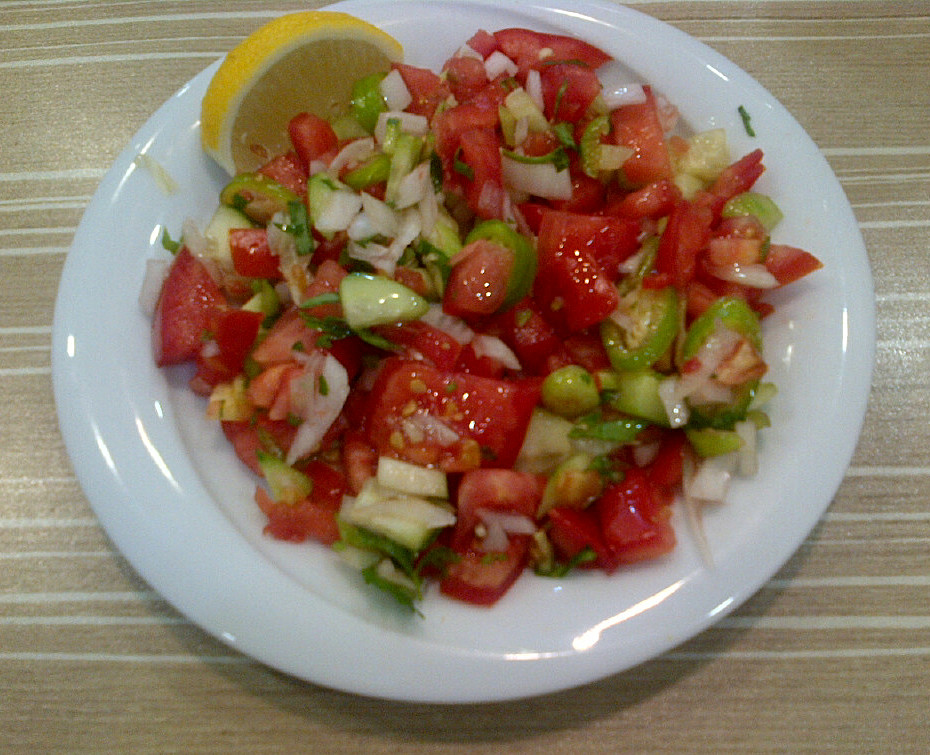
Everything diced very small and uniformly, with a great deal of parsley, so each spoonful contains all the components rather than one at a time.
The dice size is the technique. The shepherd salad is the version where the knife work determines the eating.
7. Tabbouleh – The Levant
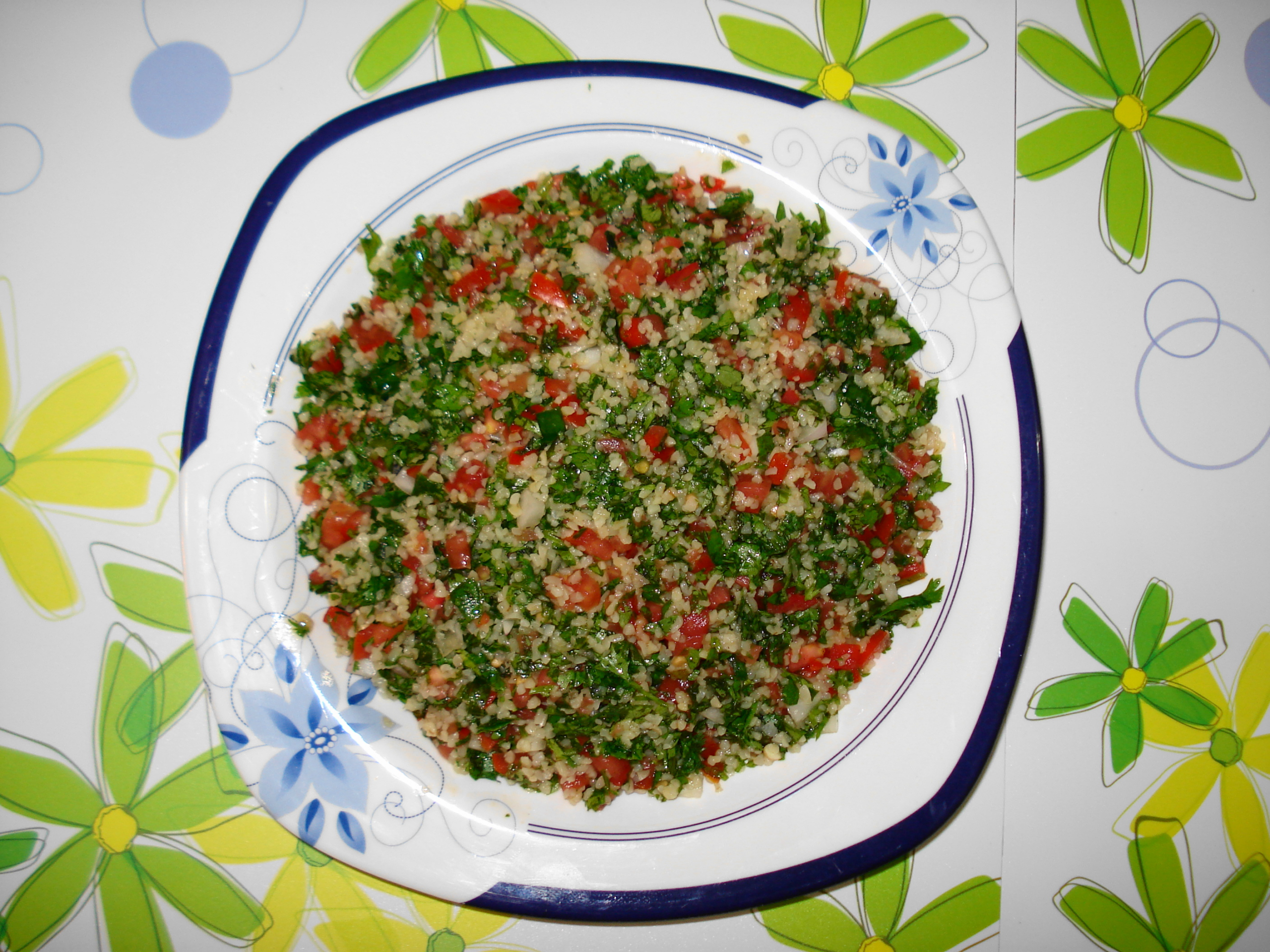
Overwhelmingly herbs, principally parsley, with bulgur as a minor textural element rather than the base.
Versions abroad frequently reverse the proportions entirely and produce a grain salad instead. Tabbouleh is the salad most commonly made backwards outside its own region.
8. Larb – Southeast Asia
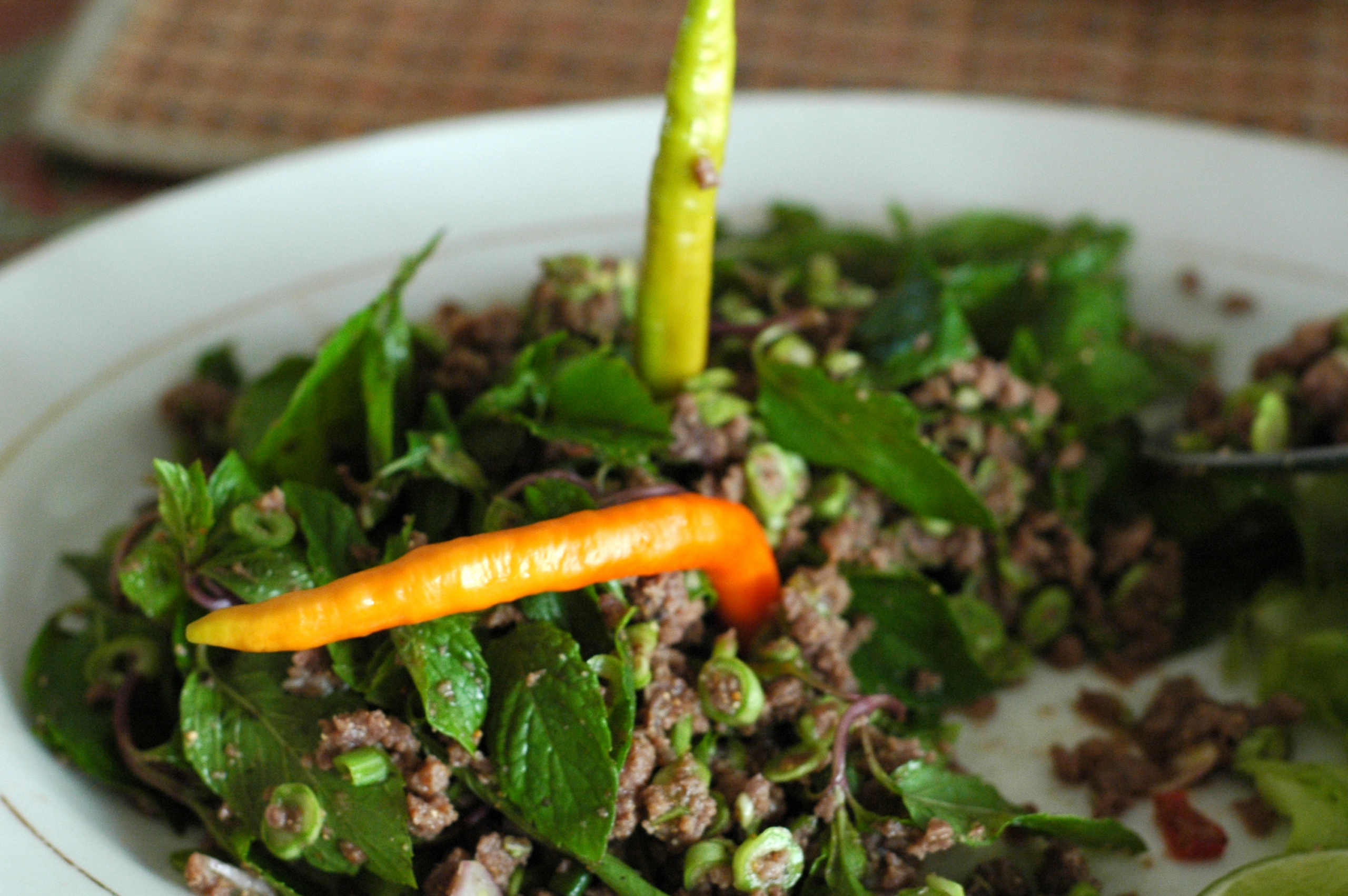
Meat with an enormous quantity of herbs and toasted ground rice, which supplies a texture nothing else in the dish provides.
The rice powder is the component nobody expects and the one that makes it. Larb is the salad where a dry ingredient does the structural work.
9. The Fruit and Nut Salads
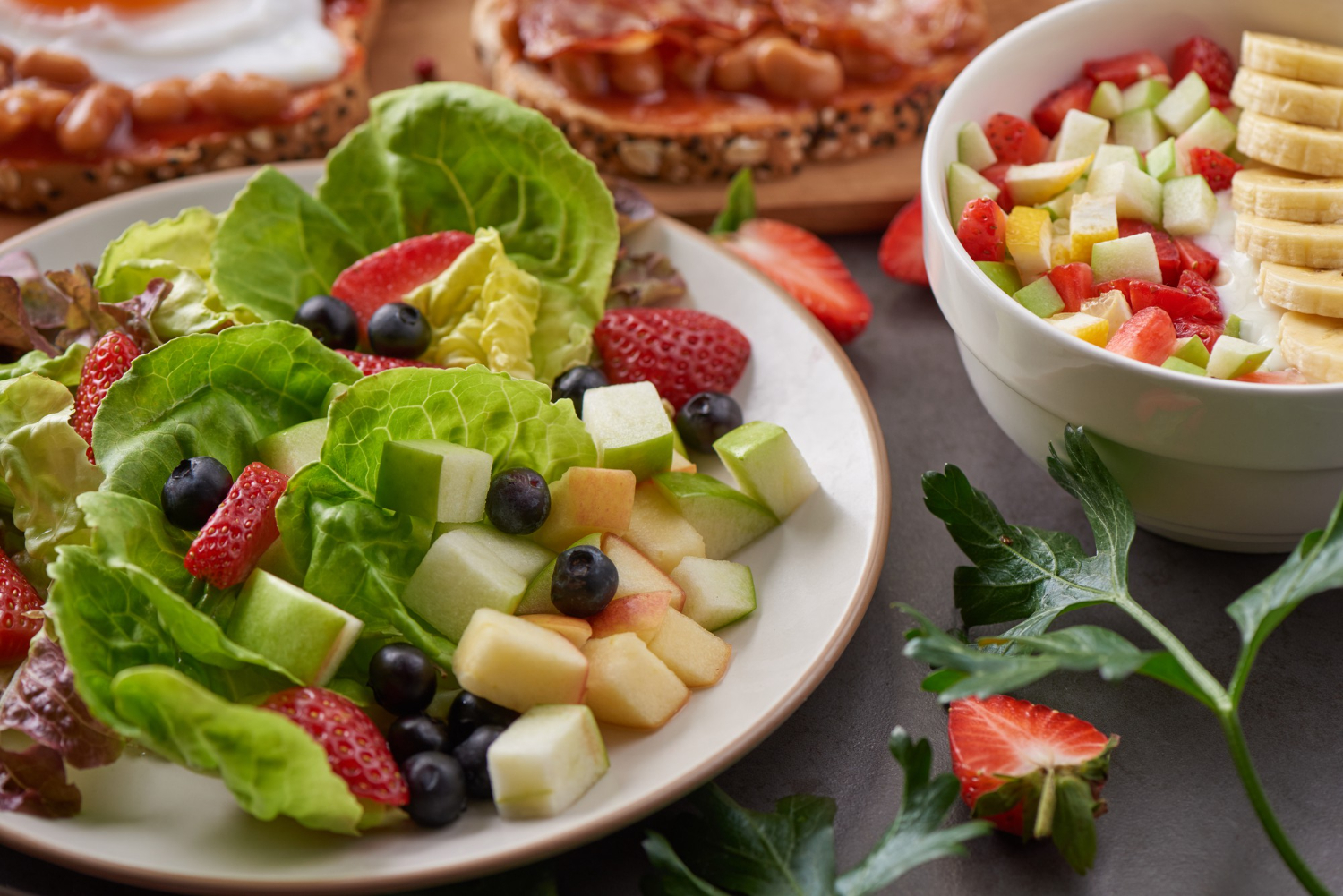
Apple, celery, walnut and a bound dressing, in a family of salads where sweetness and crunch are doing what acidity does elsewhere.
They sit oddly with modern expectations and were once entirely mainstream. Fruit and nut salads are the ones that solve the same problem with sugar rather than vinegar.
10. Salade Nicoise
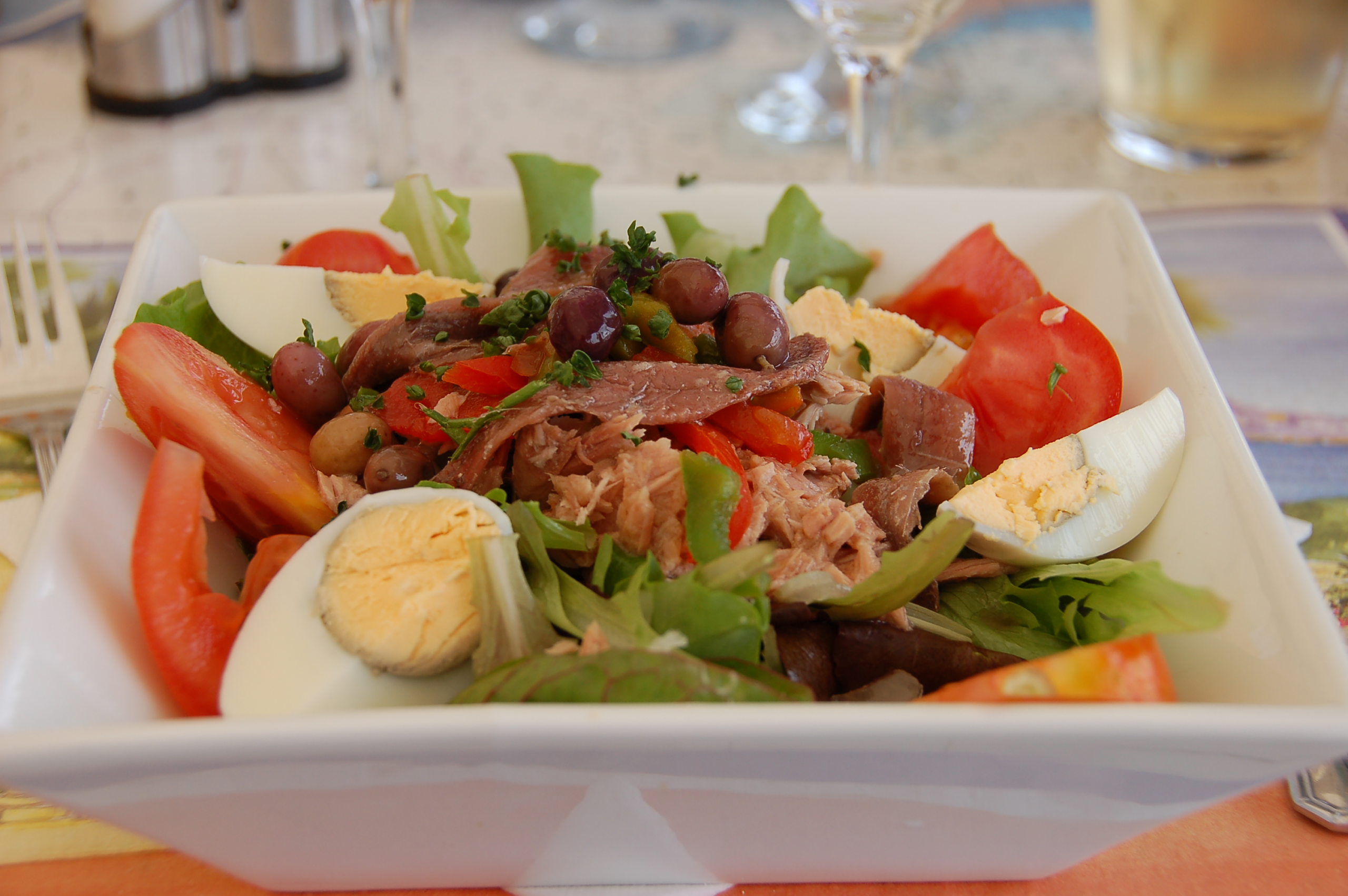
Composed rather than tossed – the components arranged in separate sections so each is eaten distinctly rather than blended.
Mixing it is the standard error and changes the dish completely. Nicoise is the salad where arrangement is the recipe.
11. Olivier and the Bound Potato Salads
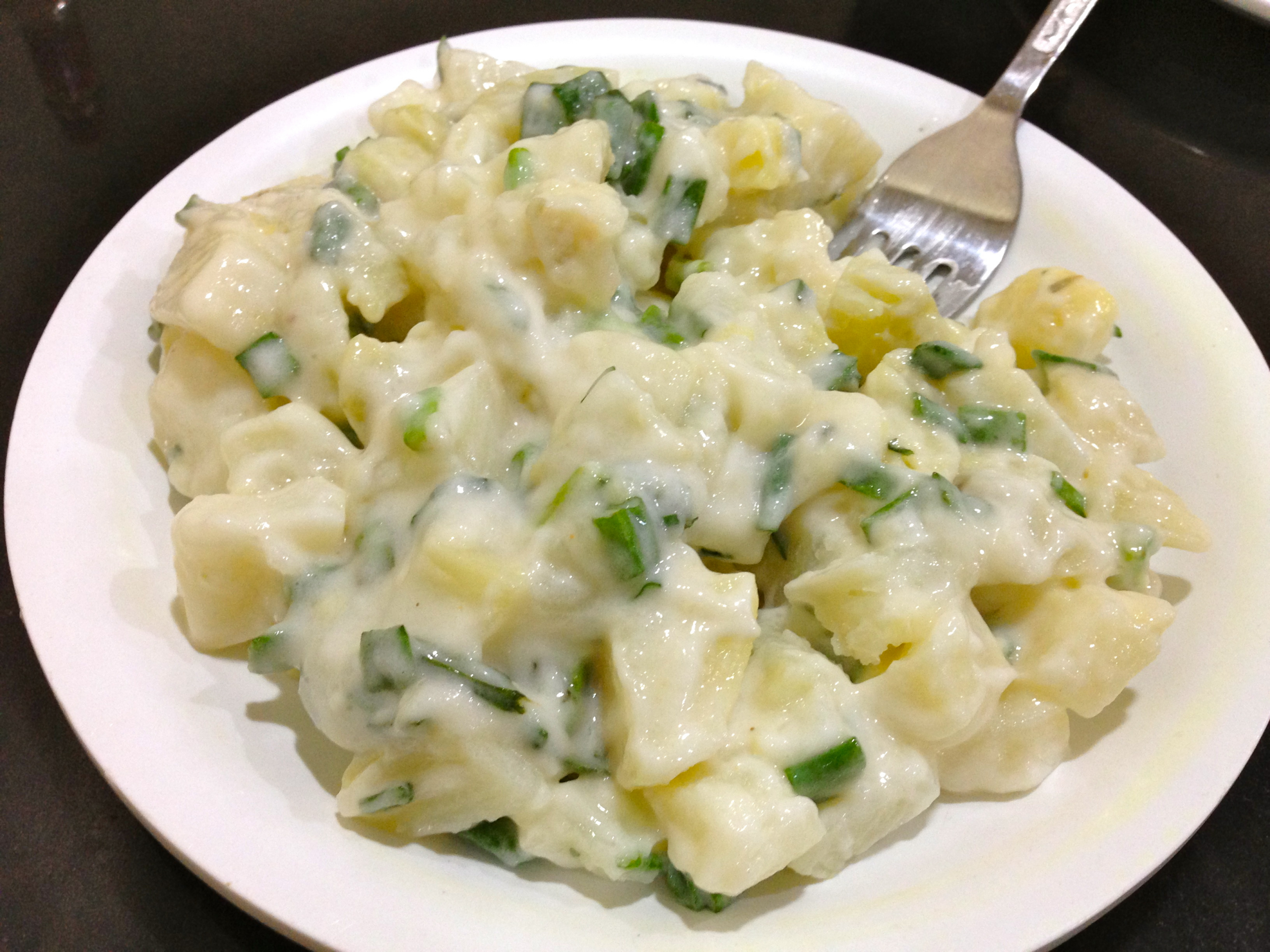
Cooked vegetables and potato diced small and held together with a thick dressing, so the result is a cohesive mass rather than loose components.
It is closer to a set dish than to a tossed one. Bound salads are the versions where the dressing is structural.
12. The Pickled Vegetable Side Dishes
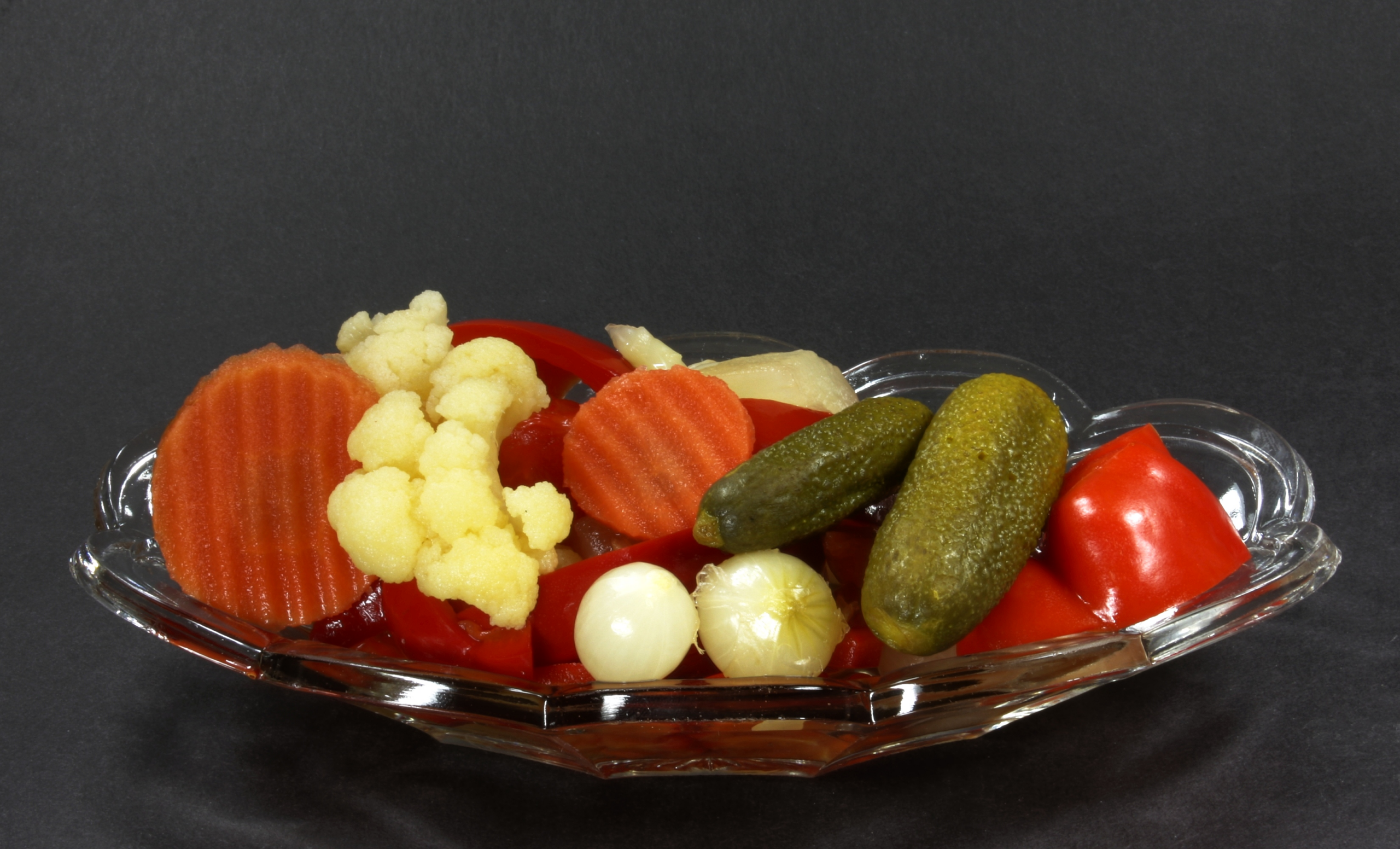
Across East Asia, small dishes of seasoned and lightly pickled vegetables function as salads while being preserved rather than fresh.
The category does not map neatly onto Western expectations at all. Pickled side dishes are the salads that are also preserves.
14. Salted and Pressed Cabbage Salads
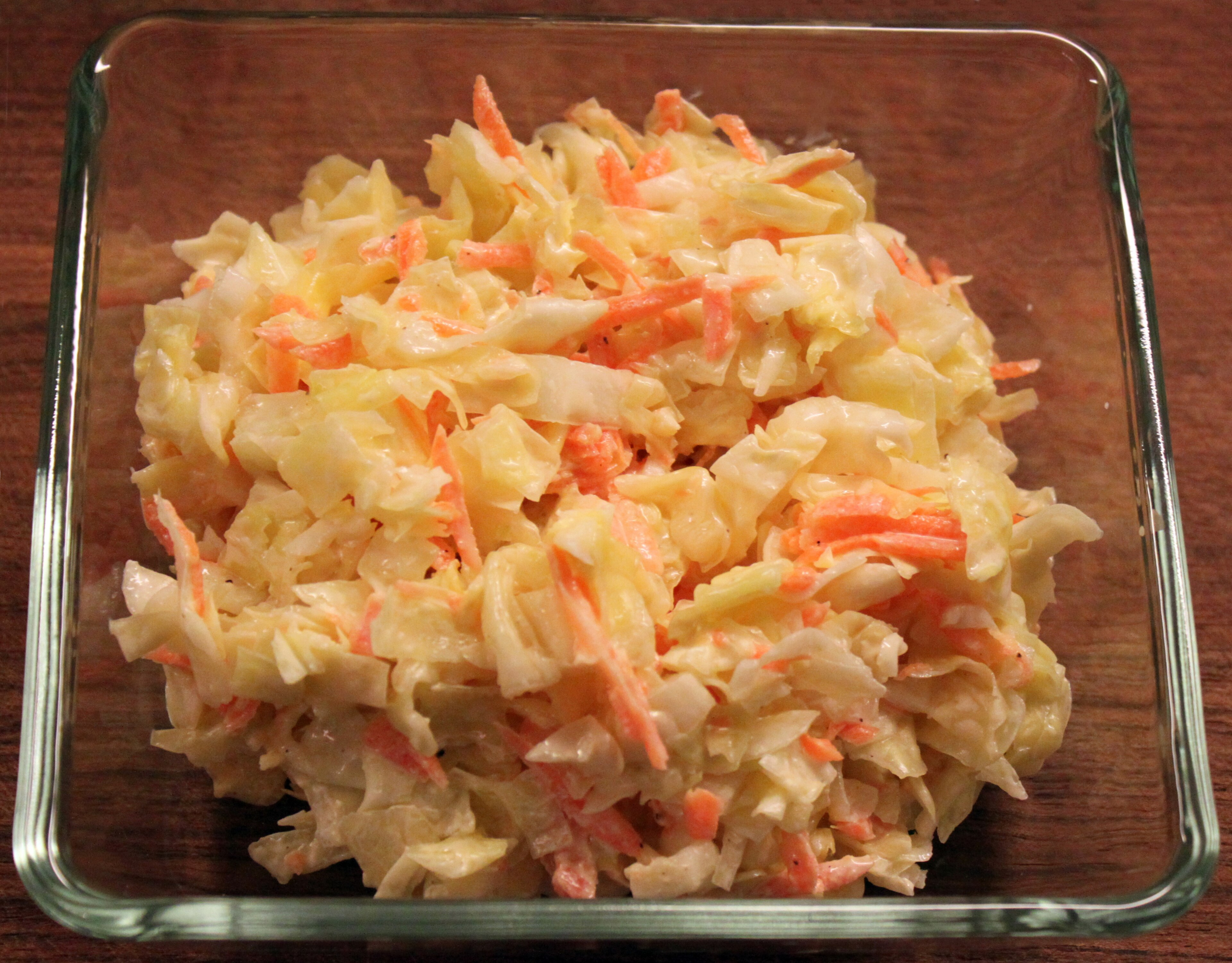
Cabbage salted and weighted so it releases water and collapses, producing something dense and seasoned rather than bulky and watery.
Skipping the salting produces a completely different texture. Pressed cabbage salads are the ones where the vegetable is deliberately reduced before dressing.
15. Citrus and Onion Salads
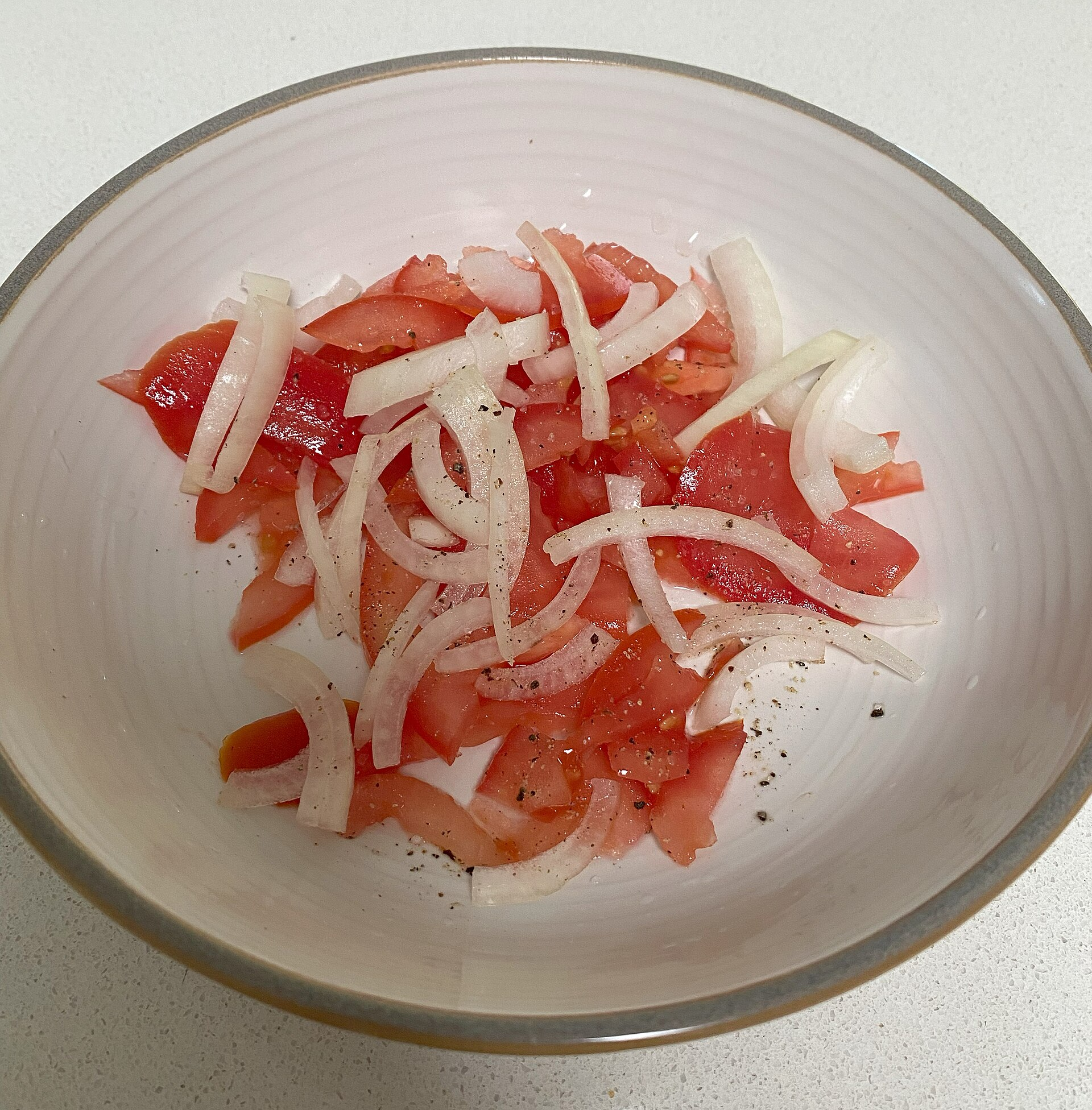
Sliced citrus with raw onion and oil, appearing across the Mediterranean and Latin America, where the fruit supplies both the acid and the body.
No separate dressing is required. Citrus salads are the ones where an ingredient is also the dressing.
16. Seaweed Salads
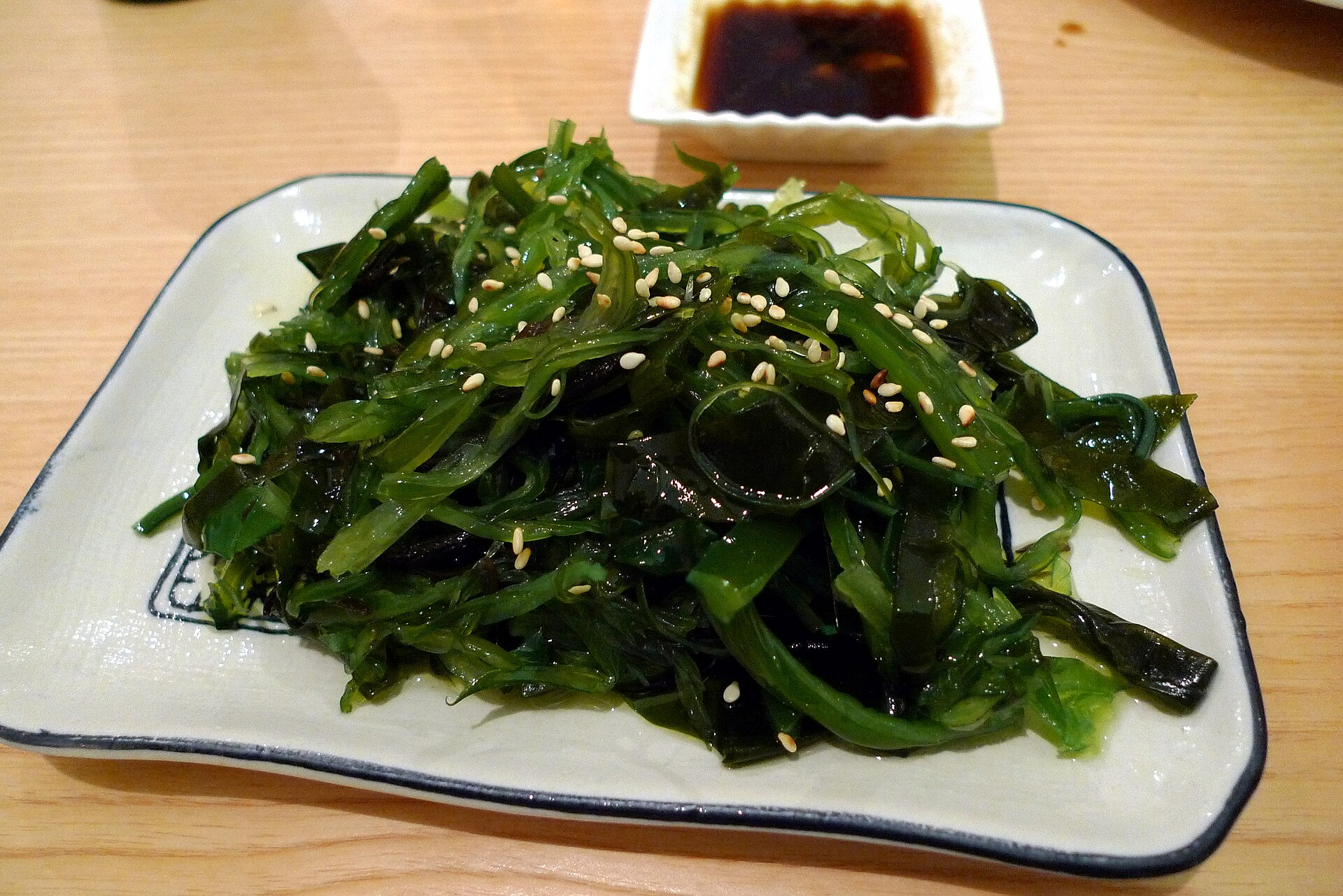
Rehydrated seaweed dressed with sesame and vinegar, providing a texture between crisp and slippery that no land vegetable produces.
The soaking time determines everything. Seaweed salads are the ones where the main ingredient arrives dry.
Structure First, Leaves Optional
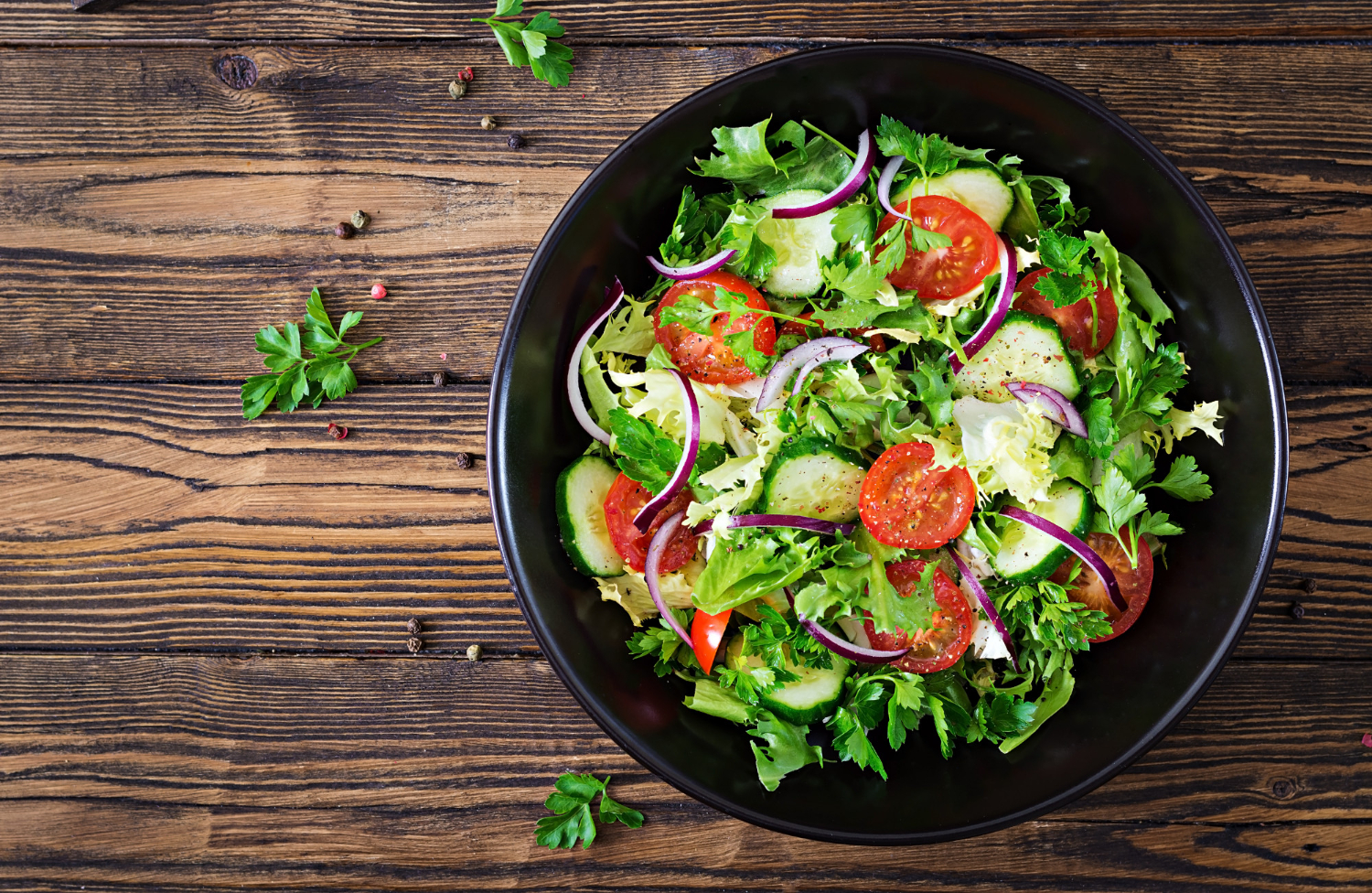
Every dish here answers two questions – what holds the salad together and what takes up the dressing – and lettuce is only one of a great many possible answers to either.
The useful thing to take from this is diagnostic. If a salad has ever been disappointing – watery, bland, collapsed, or separated into a pile and a puddle – the problem is almost always structural rather than a matter of ingredients. Something needed to absorb the dressing and nothing did.
Like our content? Follow us for more.