The single most useful realisation is that you cannot turn coals down. Every control available is about moving the food or changing what is between it and the heat. Here are sixteen consequences.
1. Flames Are the Problem, Not the Heat
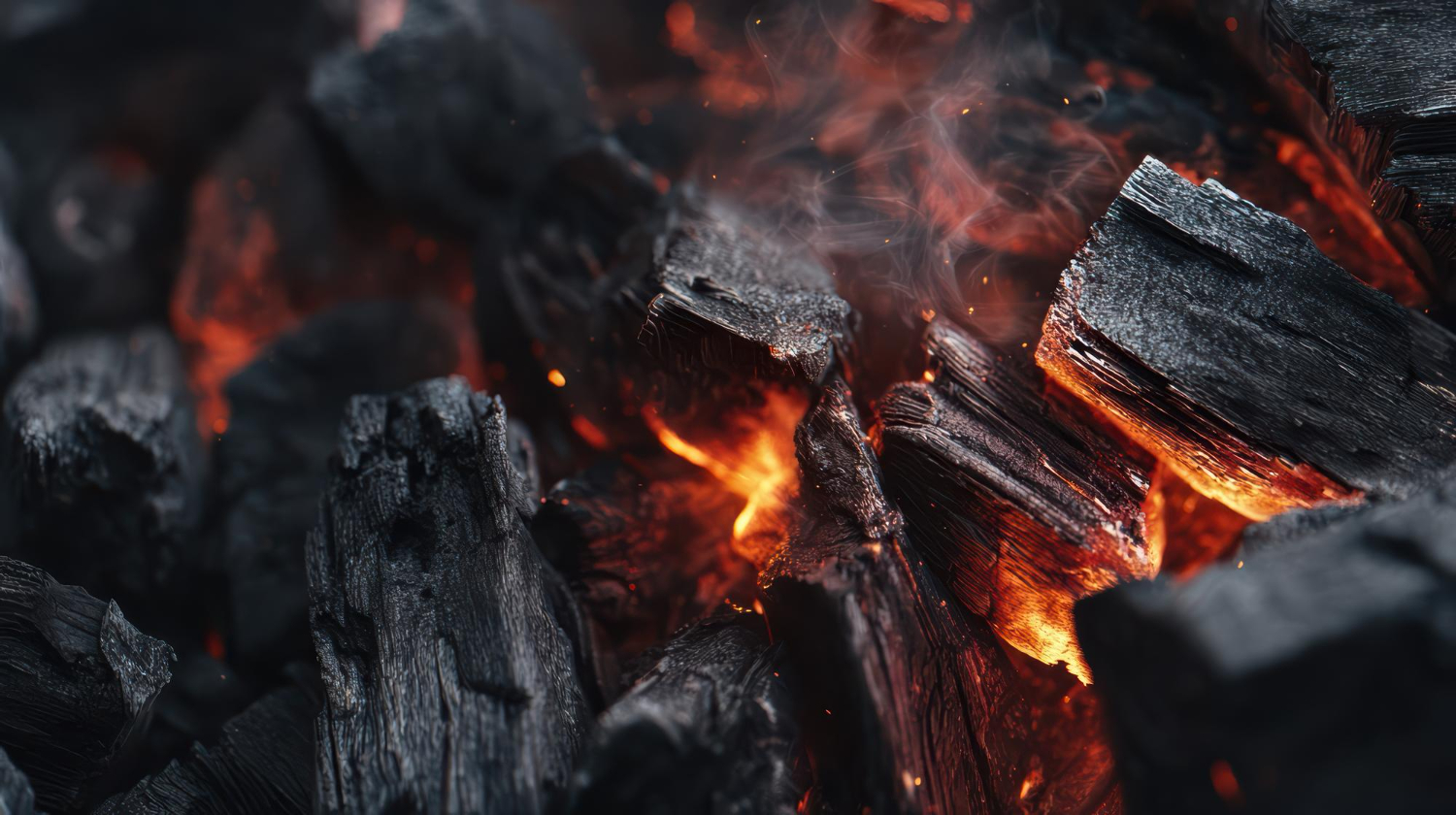
Flame deposits soot, burns the surface long before anything inside is cooked, and produces uneven scorching rather than colour.
Waiting for the flames to go is the first thing anybody learns. Cooking on coals rather than fire is the distinction the whole subject rests on.
Like our content? Follow us for more.
2. Heat Falls Off Very Fast With Distance
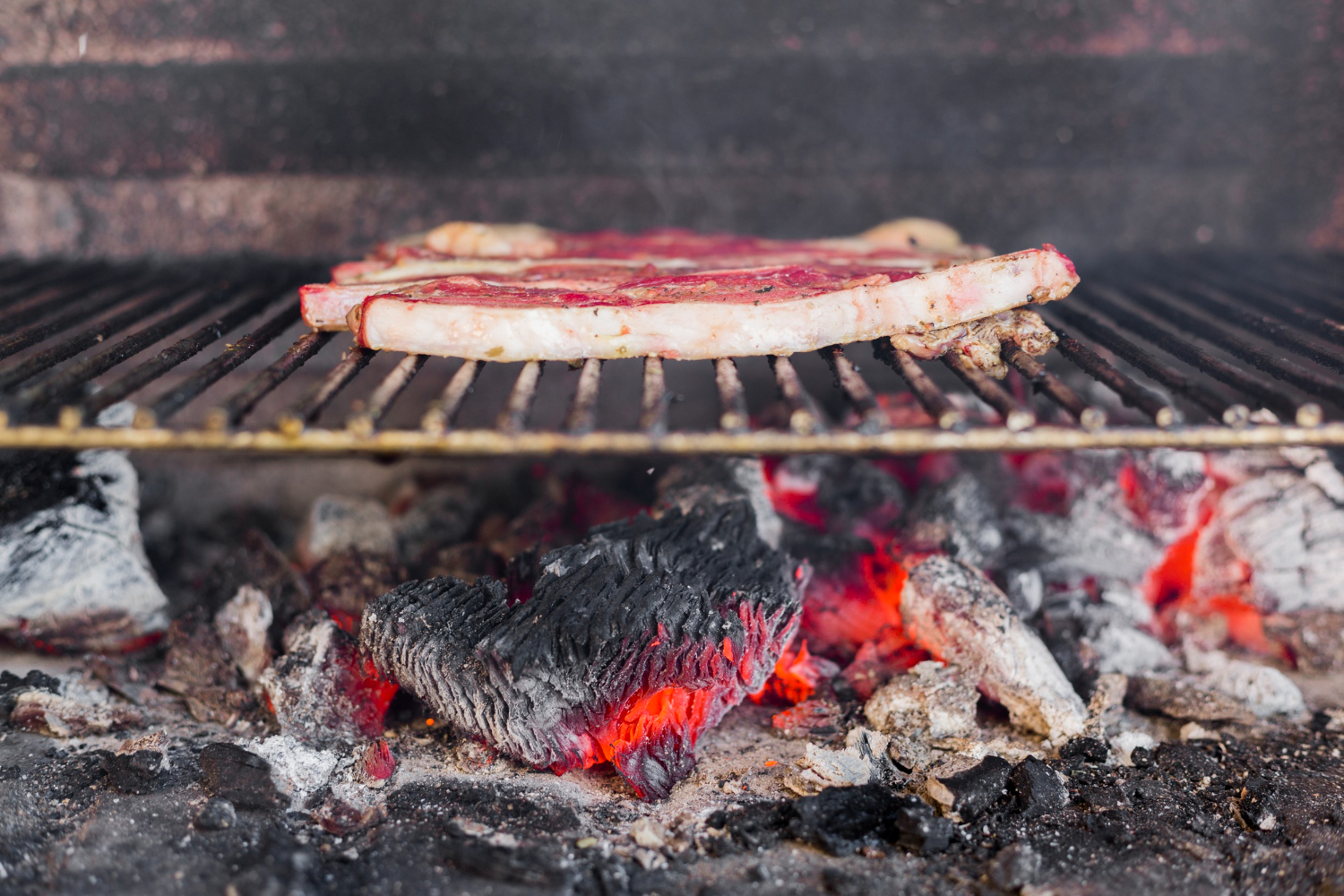
Radiant heat drops sharply as the gap increases, so a small change in height above the coals produces a large change in cooking rate.
Raising something a few centimetres is a substantial adjustment. Distance is the primary control available and the one most people never use.
3. Two Zones Do What a Dial Would
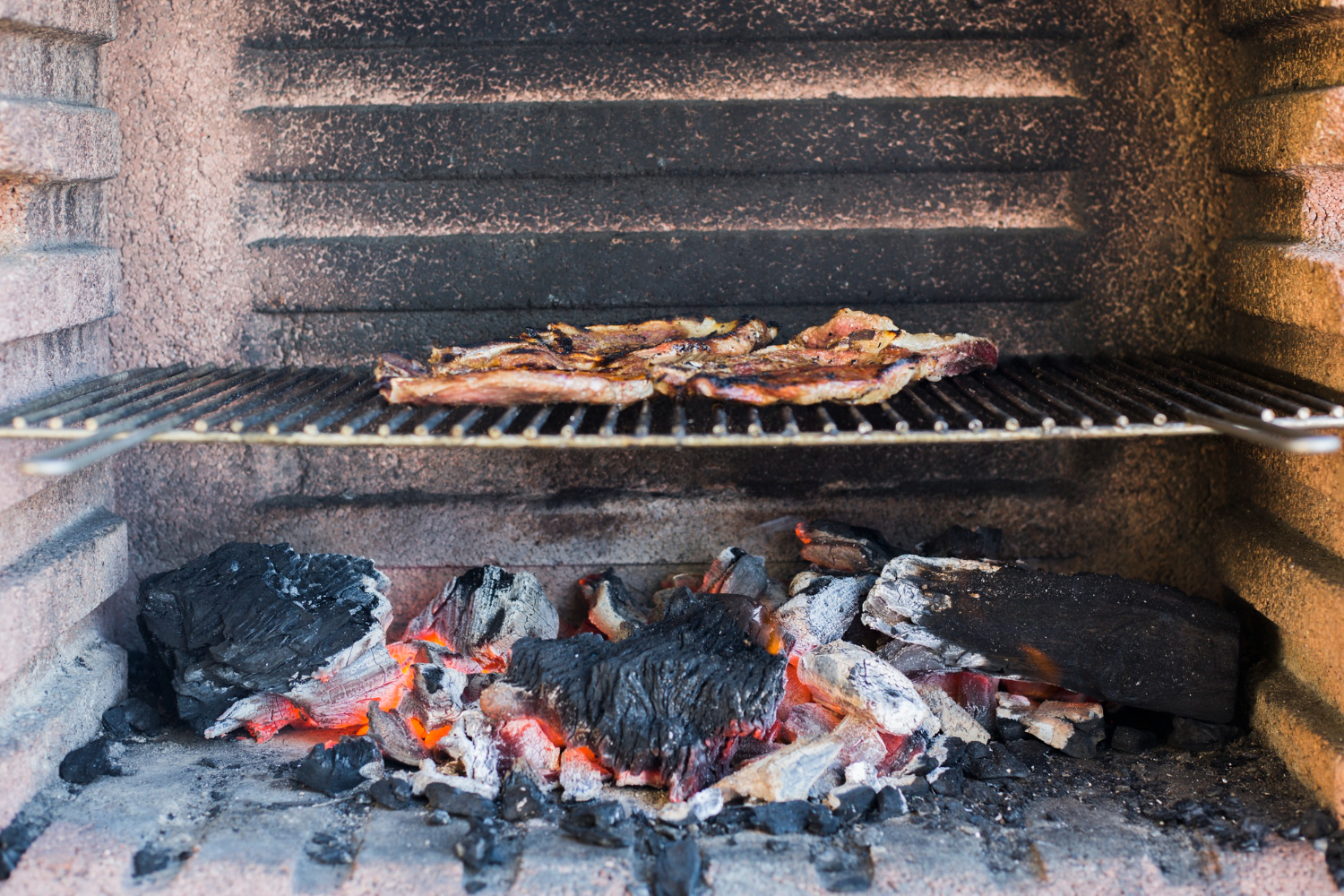
Banking coals to one side creates a hot area and a cooler one, so food can be seared over the heat and then moved across to finish gently.
It converts one temperature into a range. The two-zone arrangement is the closest thing to a temperature control that coals allow.
4. A Wet Surface Cannot Brown
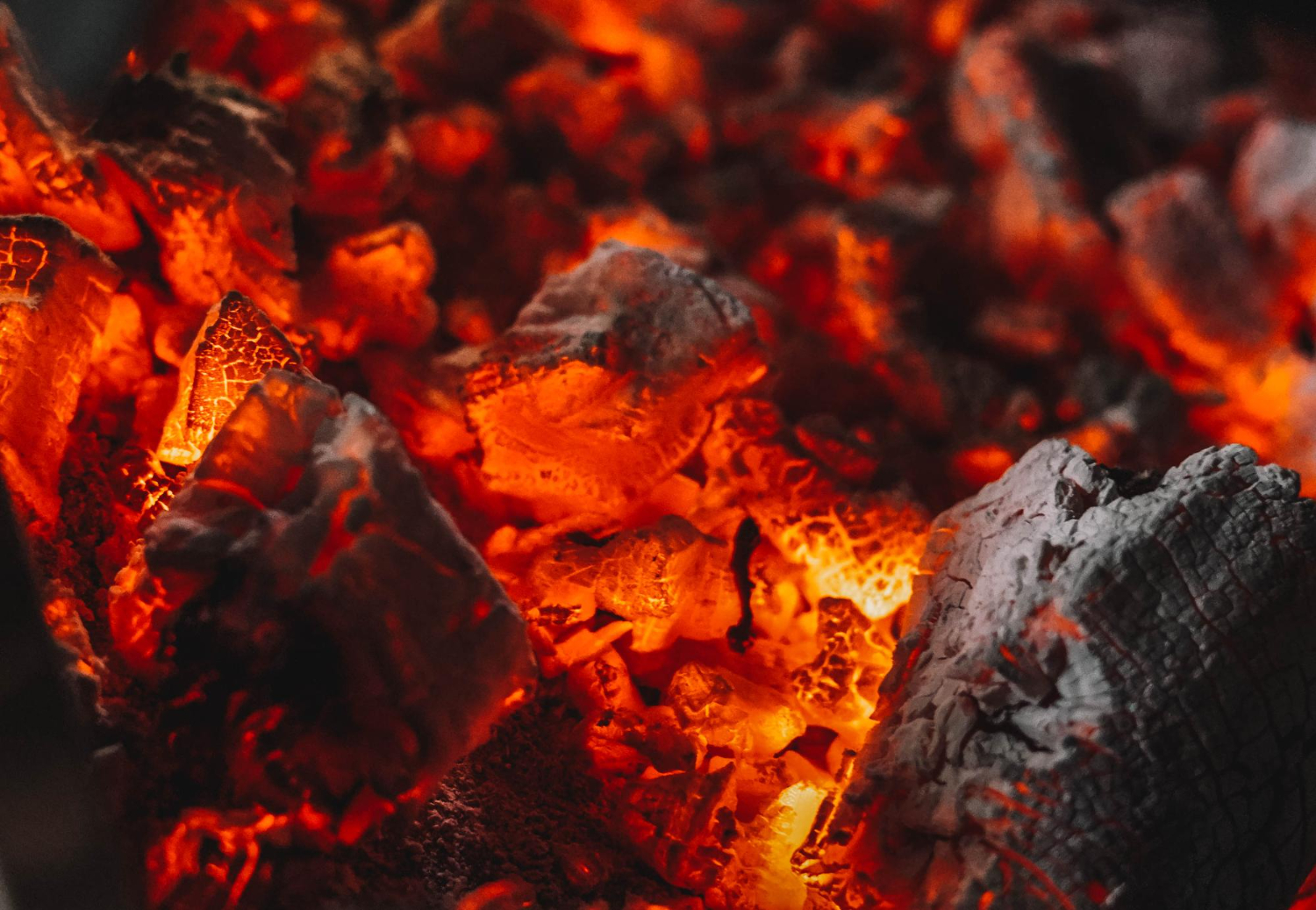
Water on the outside of food must evaporate before the surface can rise to browning temperature, so anything wet steams first and colours late.
Drying the surface beforehand changes the result completely. Surface moisture is the reason food goes grey instead of golden.
5. Browning Is Where the Flavour Comes From
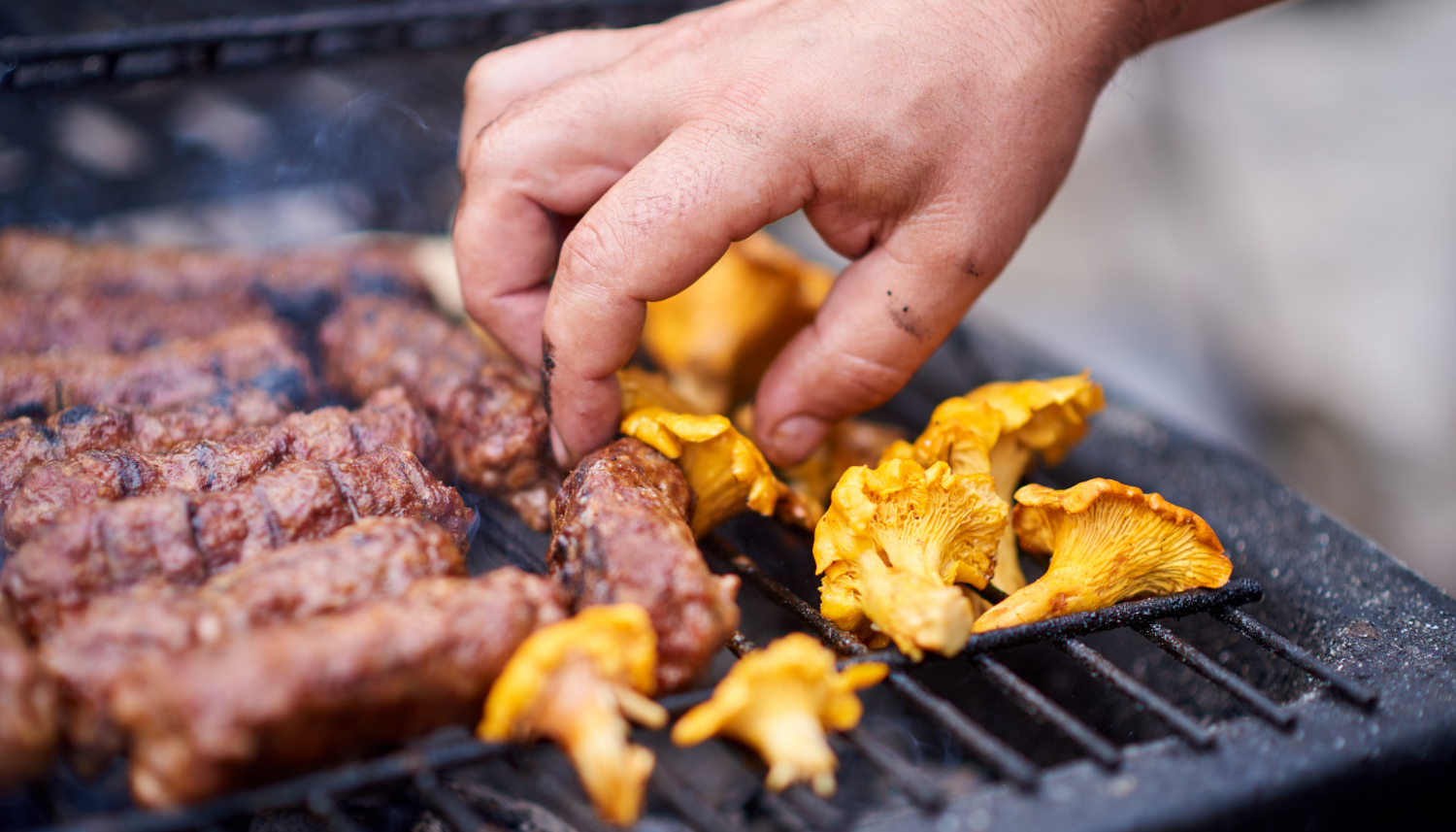
The colour and the flavour develop together above a threshold temperature, in a reaction that produces compounds absent from the raw ingredient.
It is not simply cooked food that has gone brown; it is a different chemistry. Browning is the process the whole method exists to produce.
6. Salt Timing Changes the Surface
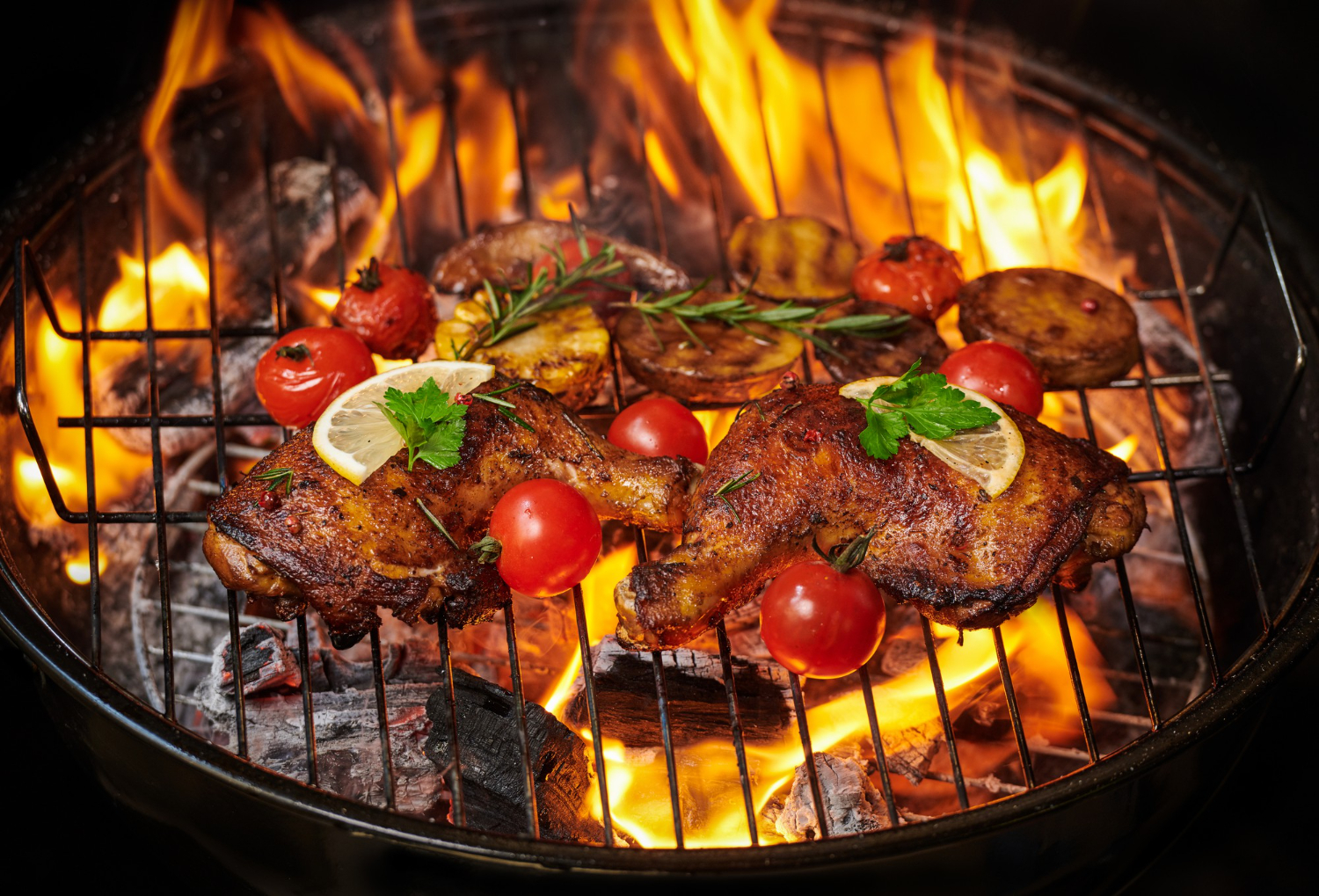
Salting draws moisture to the surface, so salting well in advance allows it to dry again while salting immediately before leaves the surface wet.
Both work and the timing between them does not. Salt timing is the small decision with a visible effect on colour.
7. Dripping Fat Makes Flame and Smoke
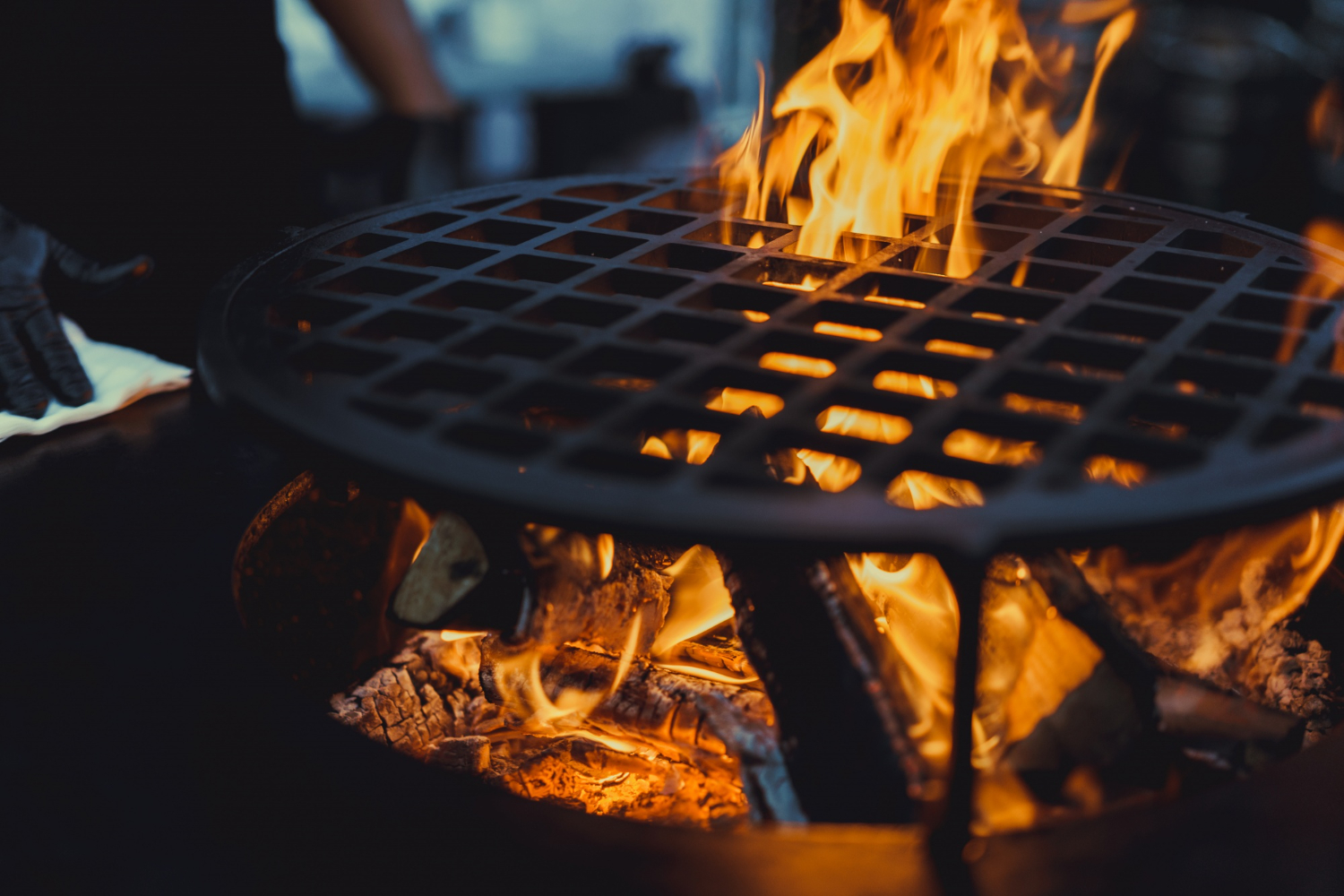
Fat falling onto coals ignites, producing flare-ups that scorch, and generates smoke that deposits on the food above.
Some traditions want that smoke and some avoid it entirely. Dripping fat is the variable that turns a controlled cook into an unpredictable one.
8. Which Is Why Some Cooks Move the Heat Aside
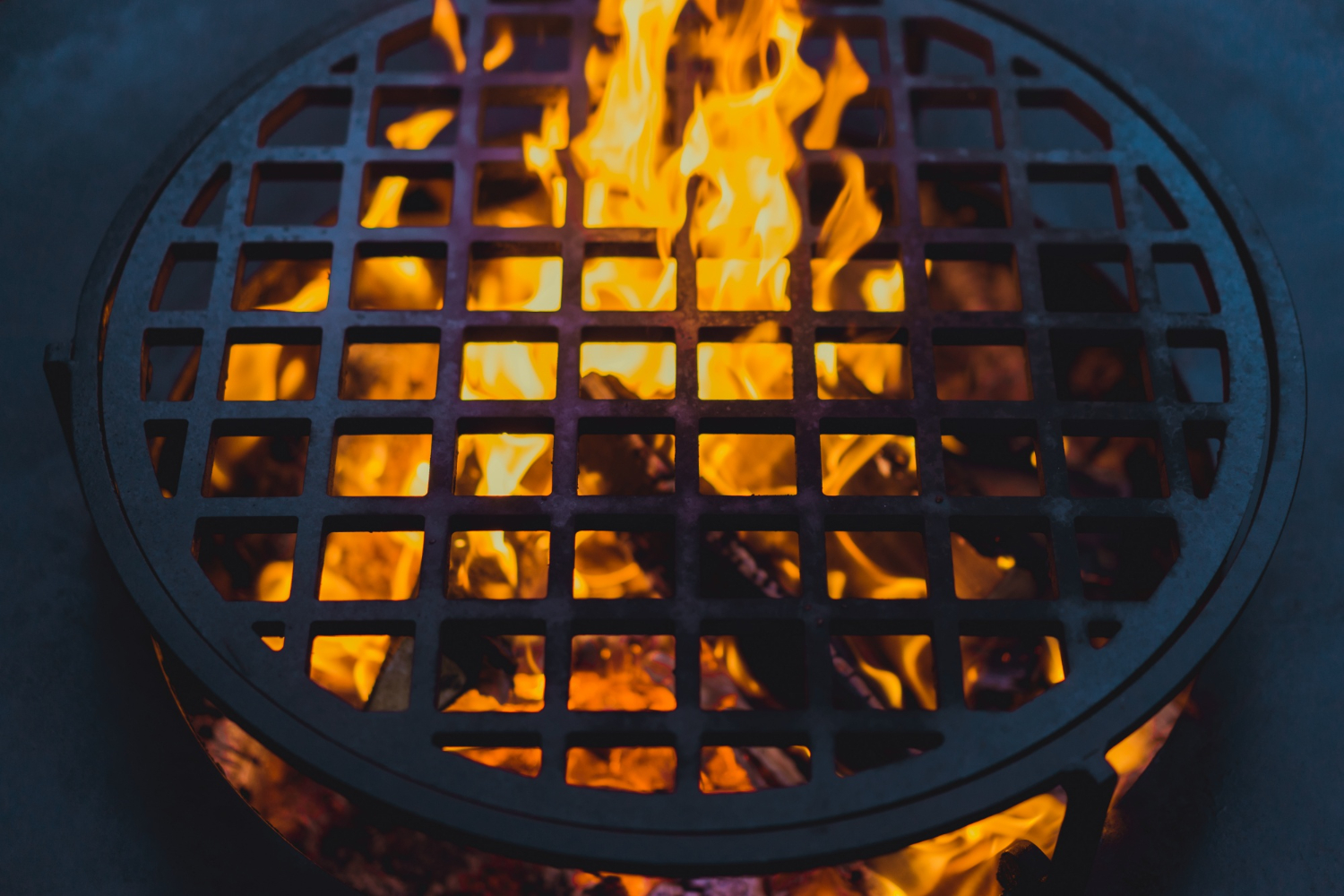
Positioning coals beside rather than beneath the food means fat drips onto empty ground, eliminating flare-ups while retaining radiant heat.
It is slower and substantially more controllable. Offset heat is the arrangement that removes the fat problem entirely.
9. A Lid Turns It Into an Oven
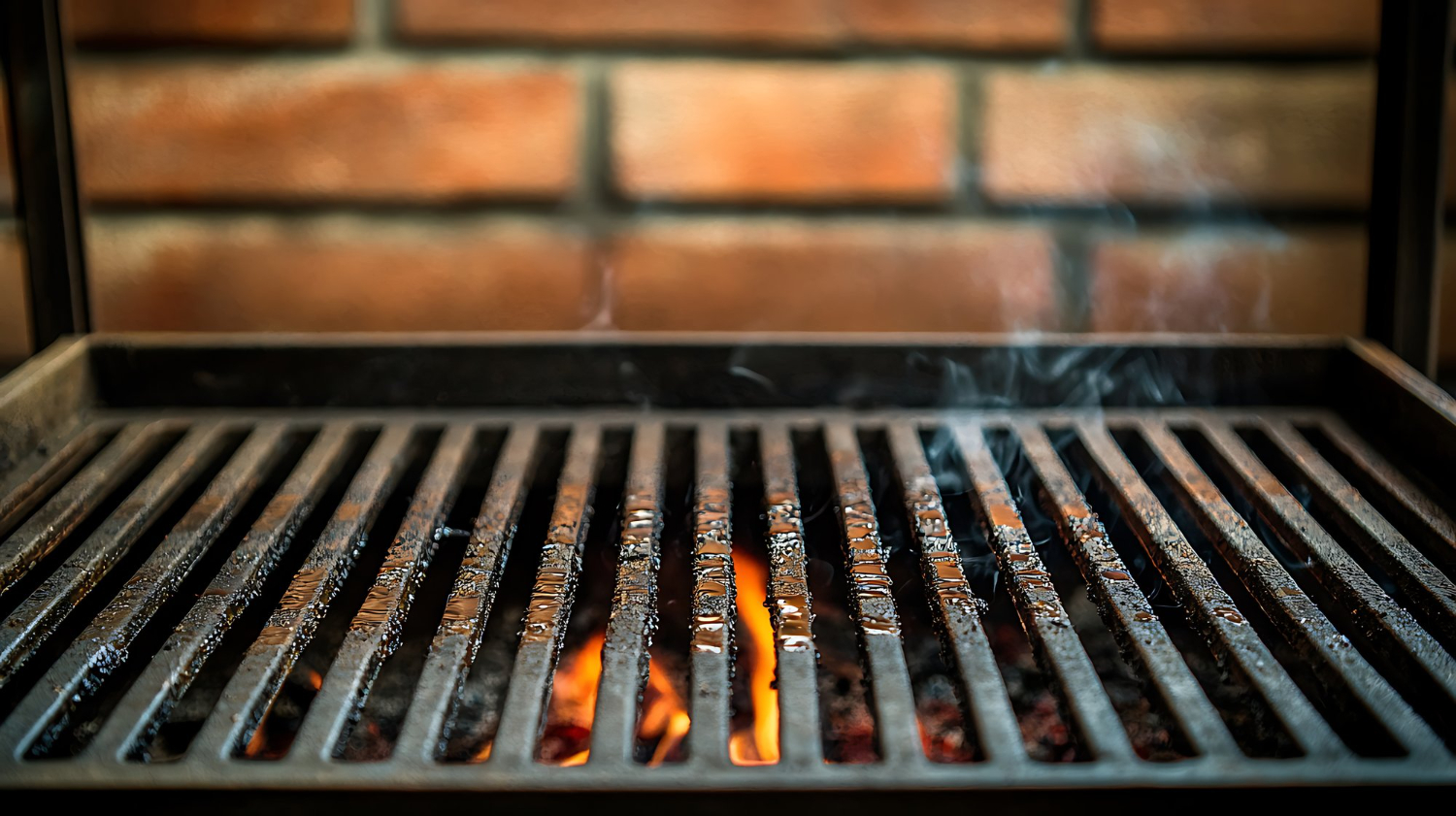
Covering the food traps heat and circulates it, so the top surface receives heat as well as the bottom and thick items cook through without burning outside.
It changes the method rather than simply speeding it up. The lid is the accessory that converts one cooking process into another.
10. The Coals Are Changing the Whole Time
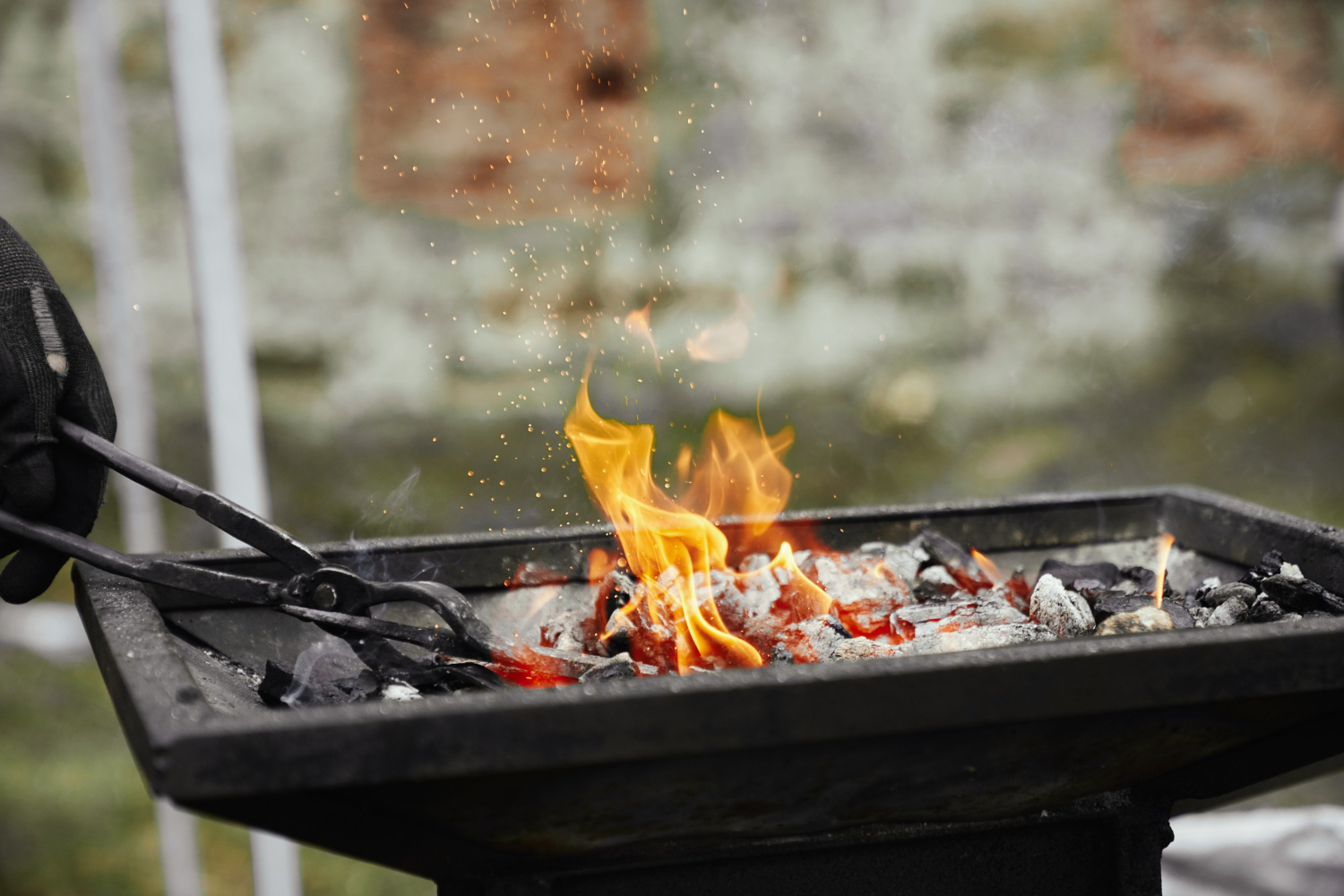
Heat output peaks and then declines steadily, so an arrangement that was correct twenty minutes ago is not correct now.
Experienced cooks plan the sequence around that decline. The falling heat curve is the constraint that makes ordering matter.
11. Ash Insulates
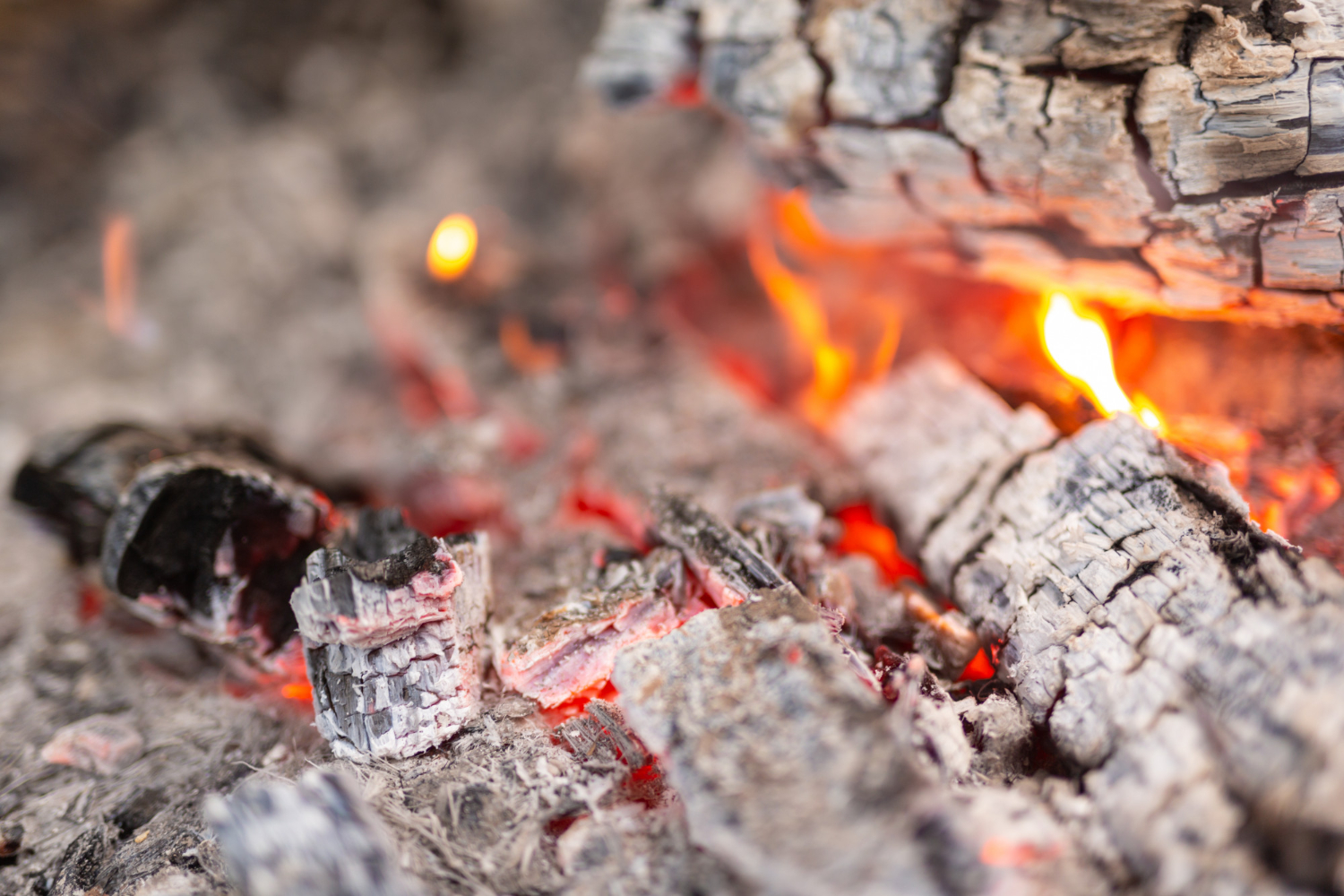
A layer of ash on the coals reduces the heat reaching the food, so knocking it off restores output without adding fuel.
It is the fastest available adjustment upward. Ash management is the control nobody mentions and everybody uses.
12. Resting Is Part of the Cooking
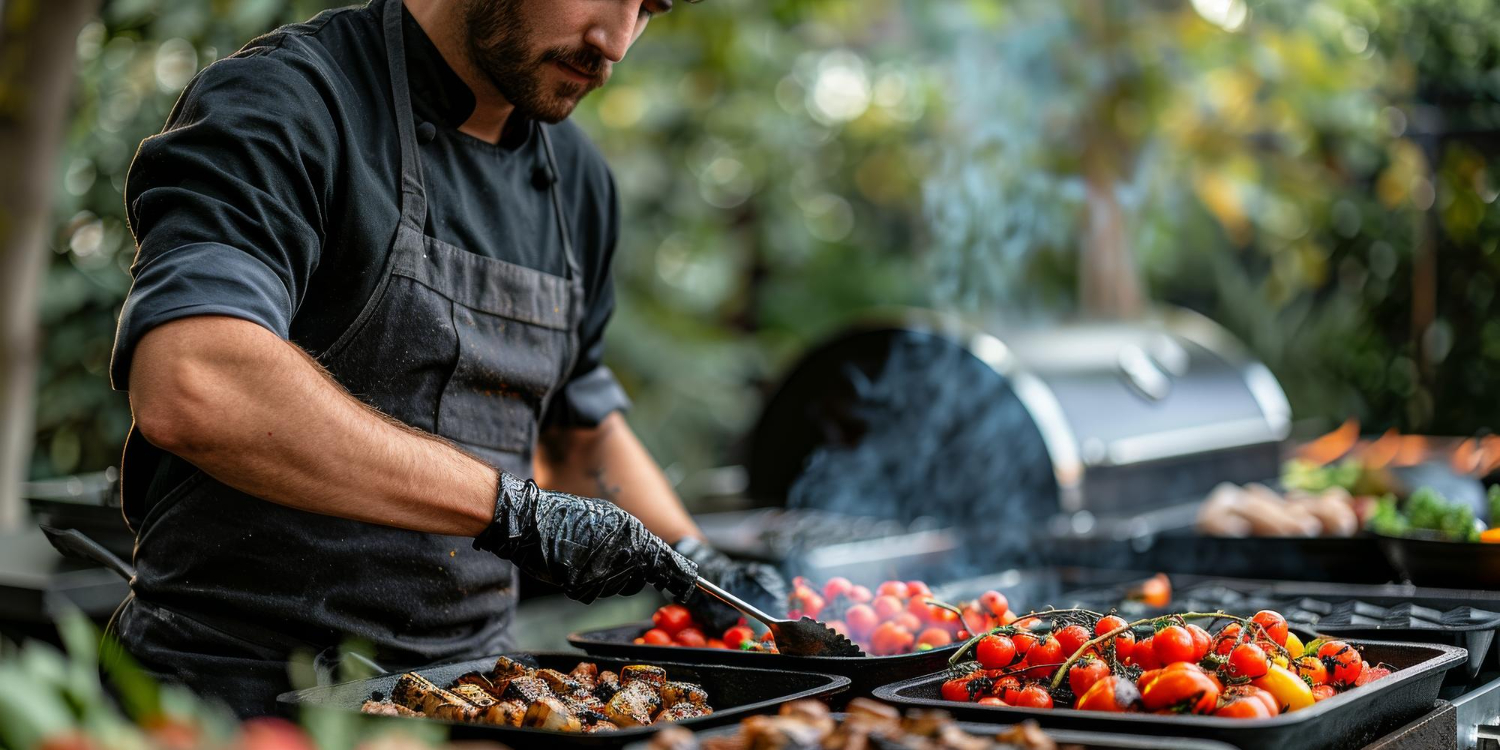
After cooking, internal moisture redistributes, and cutting immediately releases what would otherwise have stayed in the food.
The waiting is doing something rather than nothing. Resting is the stage that happens after the heat and still counts as method.
13. Thin and Fast or Thick and Slow
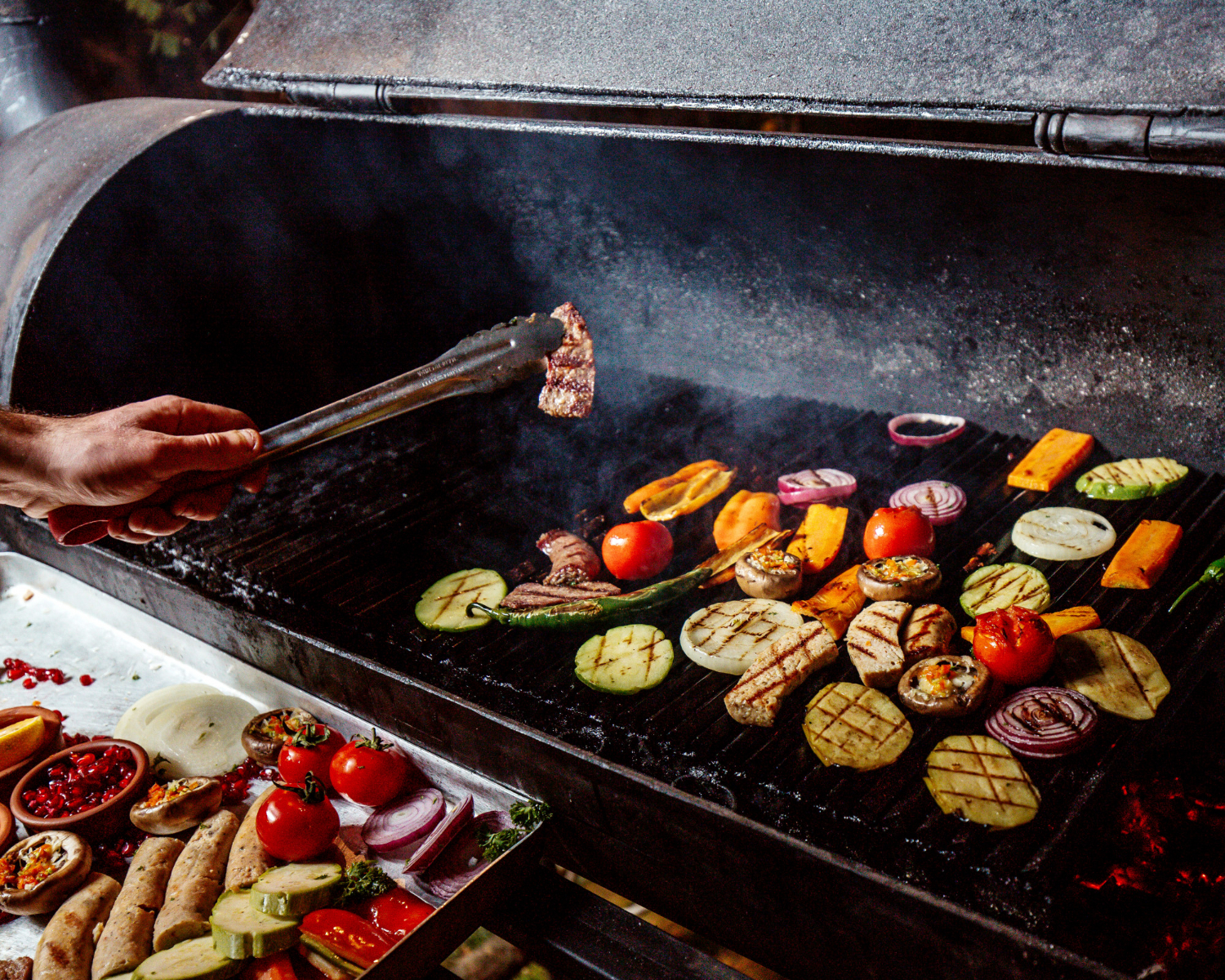
Thin items suit direct high heat and thick ones need distance or indirect heat, and the standard failure is a thick item over fierce coals.
Thickness and heat have to be chosen together. The thickness pairing is the mistake most commonly made with the best ingredients.
14. Marinades With Sugar Burn
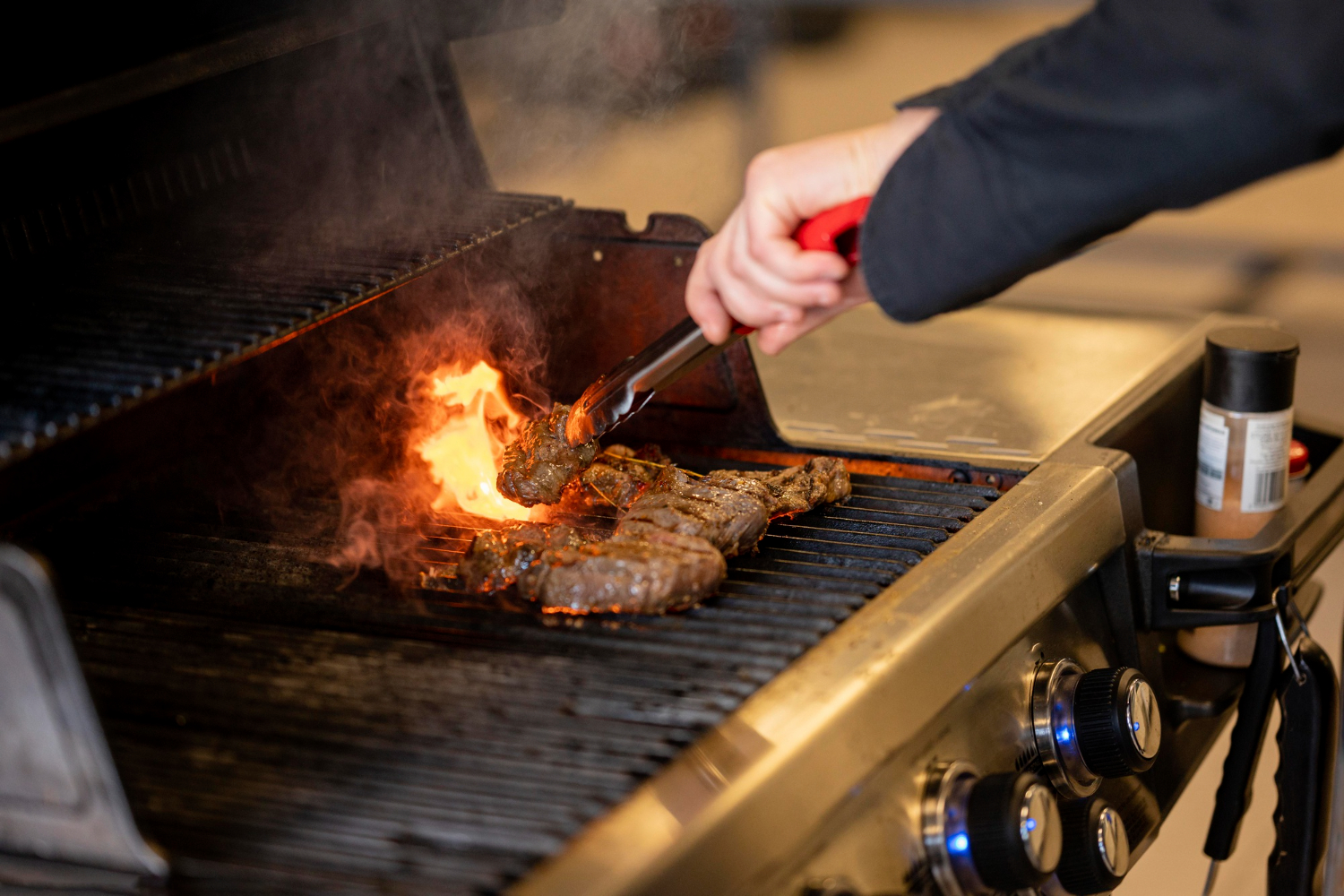
Anything containing sugar or a sweet element colours and then burns far faster than the food beneath it, which is why such coatings are applied late.
Applying them at the start guarantees a black exterior. Sugar timing is the rule that saves more meals than any other on this list.
15. The Equipment Changes How Heat Arrives
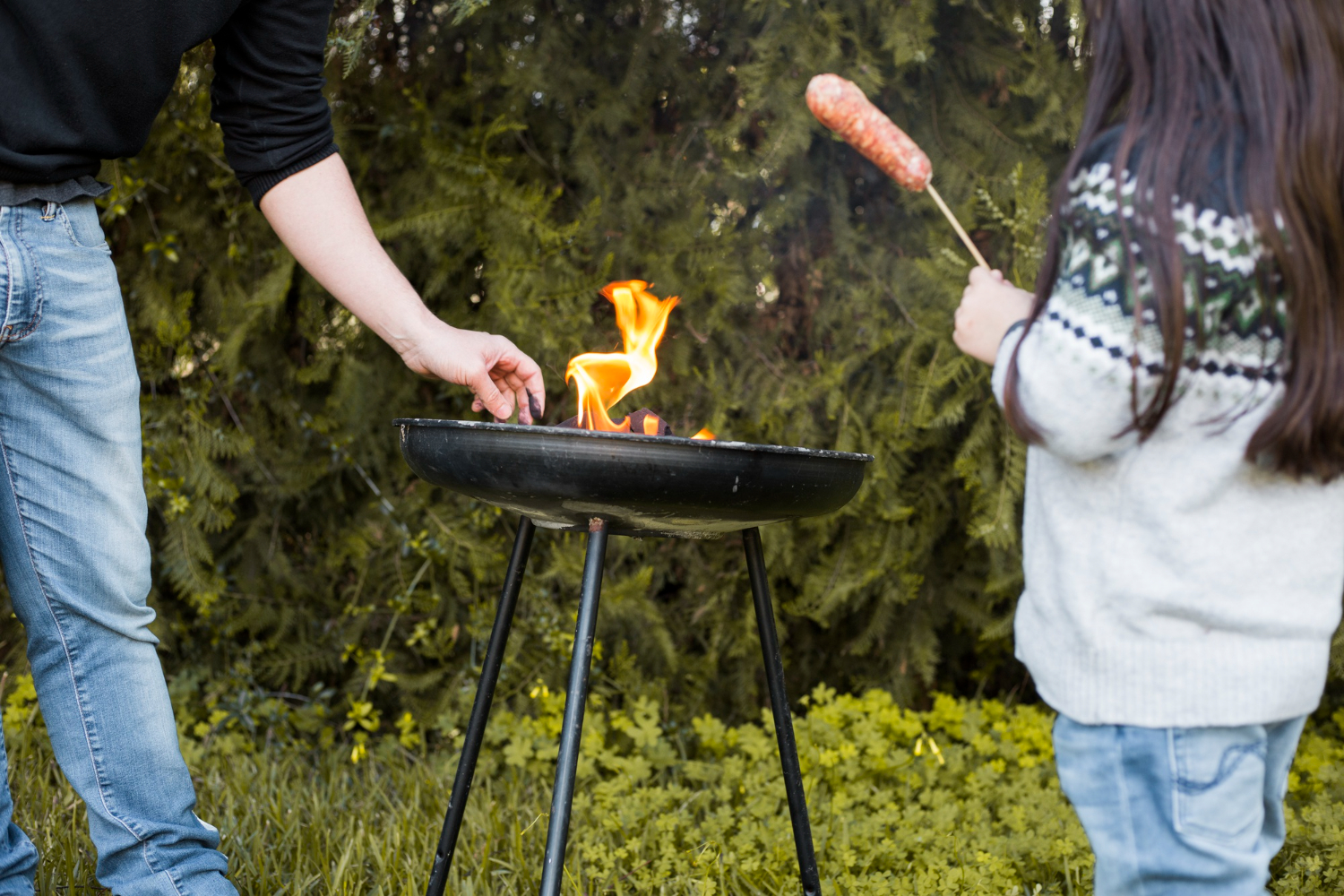
A grill bar, a solid plate, a wire basket and a skewer each deliver heat differently – contact, radiation or a mixture – and suit different foods.
Small items simply fall through a grill. Equipment choice is the decision about how the heat reaches the food.
16. Everything Continues Cooking After It Comes Off
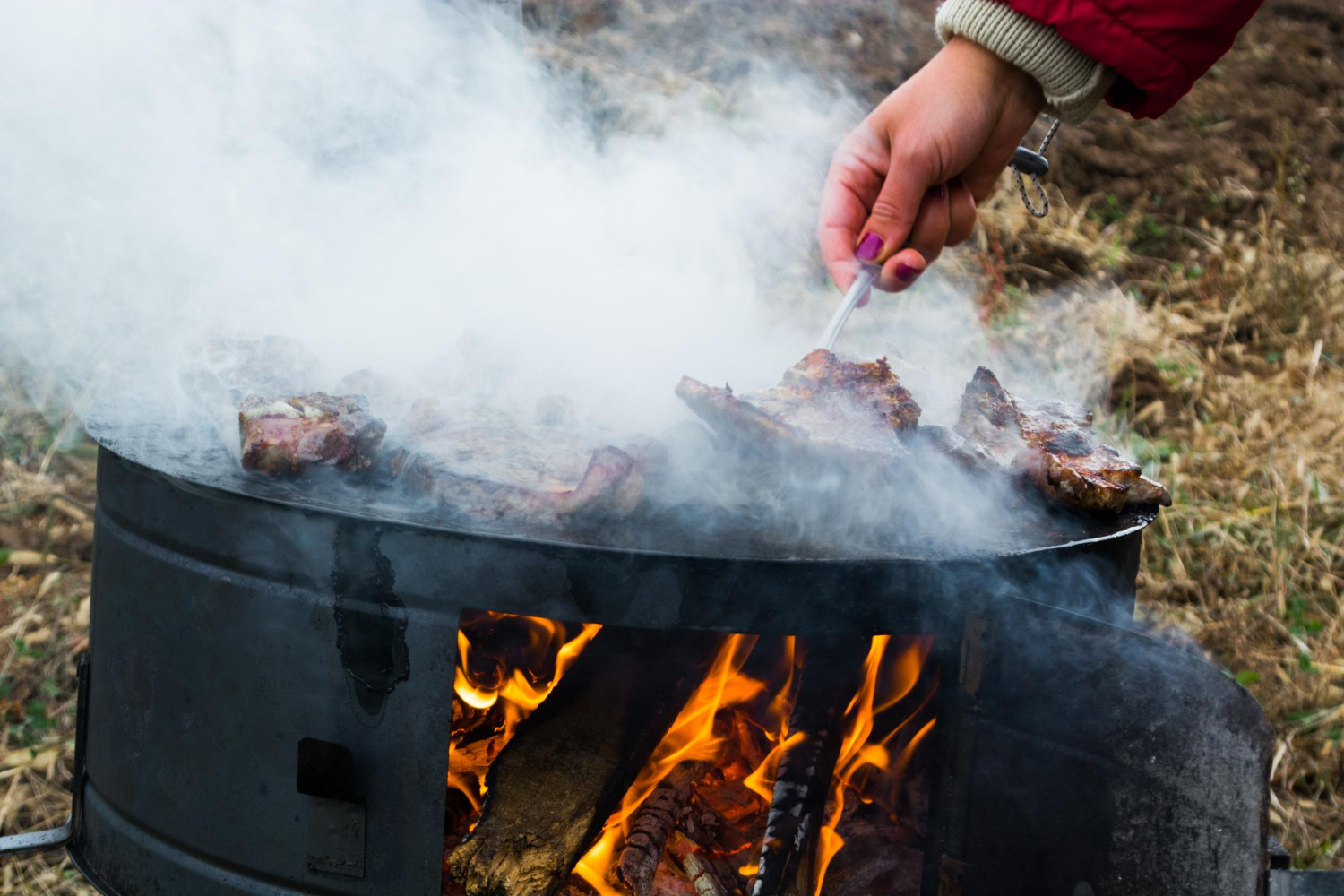
Residual heat keeps working for several minutes after removal, so food taken off at the point it looks right will be past it by the time it is eaten.
Allowing for that is the difference between judgement and guesswork. Carryover heat is the final variable and the one most often forgotten.
Distance, Moisture and Which Zone
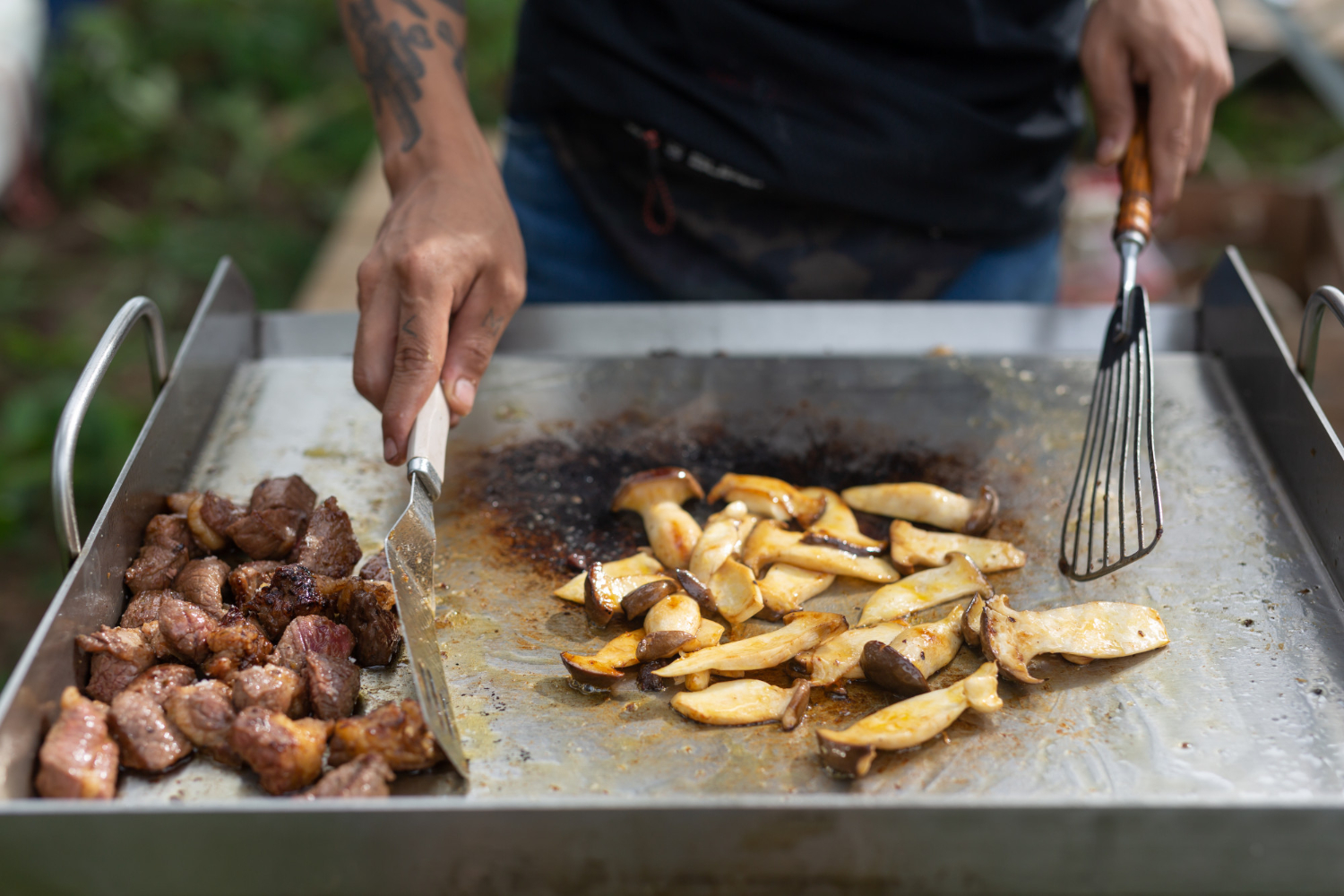
There is no dial. Every control here is about how far the food sits from the coals, how wet its surface is, which zone it is over, and what is between it and the heat.
The one thing to take away is that a poor result over coals is almost never the fault of the ingredient. It is a wet surface, the wrong distance, flames instead of embers, or a sweet coating applied too early – and all four are decisions rather than accidents.
Like our content? Follow us for more.