The organising fact is that a plant has several parts, and if you consistently select for one of them getting bigger, you eventually get a vegetable that is mostly that part. Do it six times with six different parts and you get six vegetables. Here are sixteen consequences.
1. They Are One Species
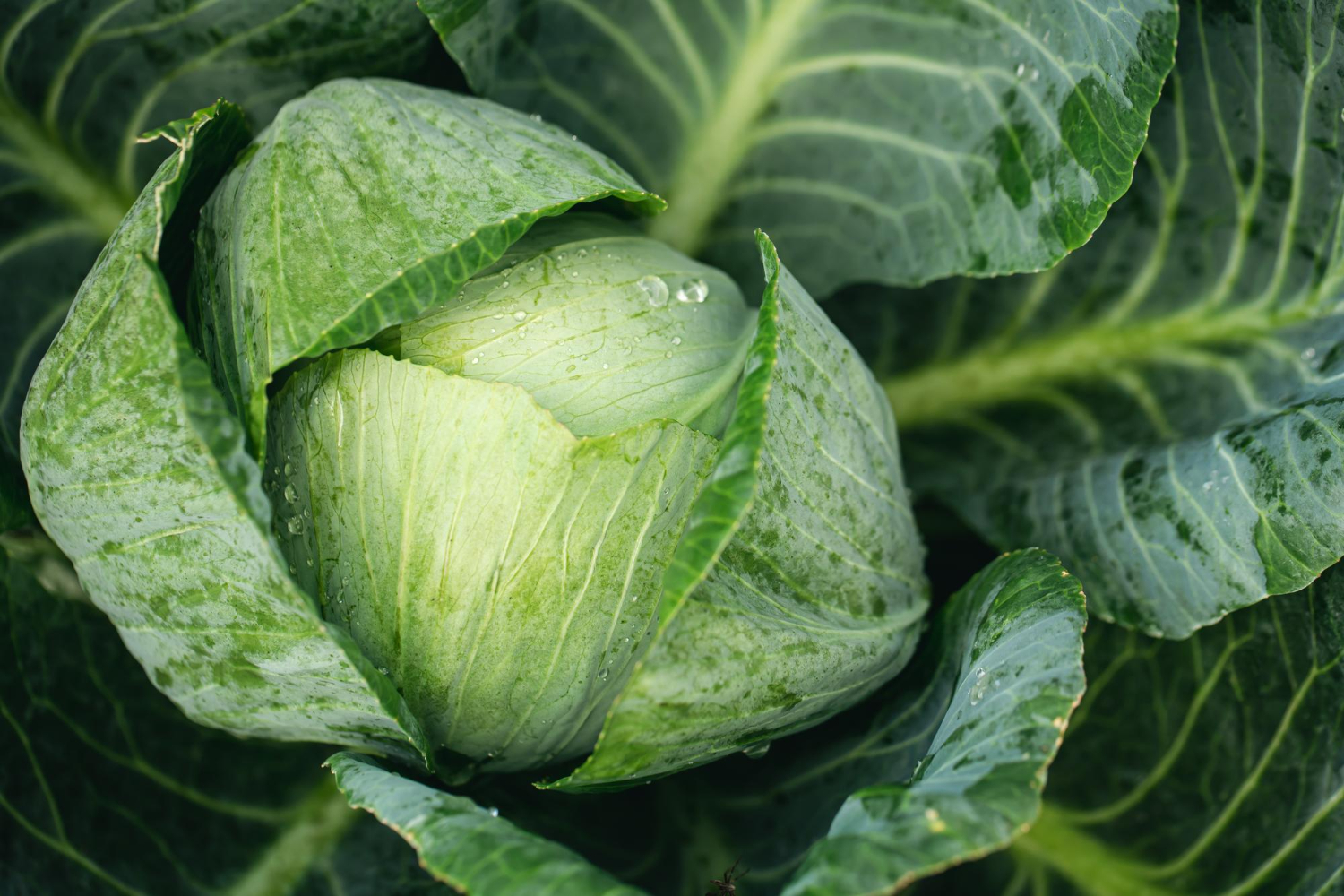
A remarkable number of familiar vegetables are cultivated varieties of a single wild plant, not separate species that happen to be related.
They can interbreed with one another freely. Single-species origin is the fact the entire subject rests on.
Like our content? Follow us for more.
2. Somebody Selected the Terminal Bud
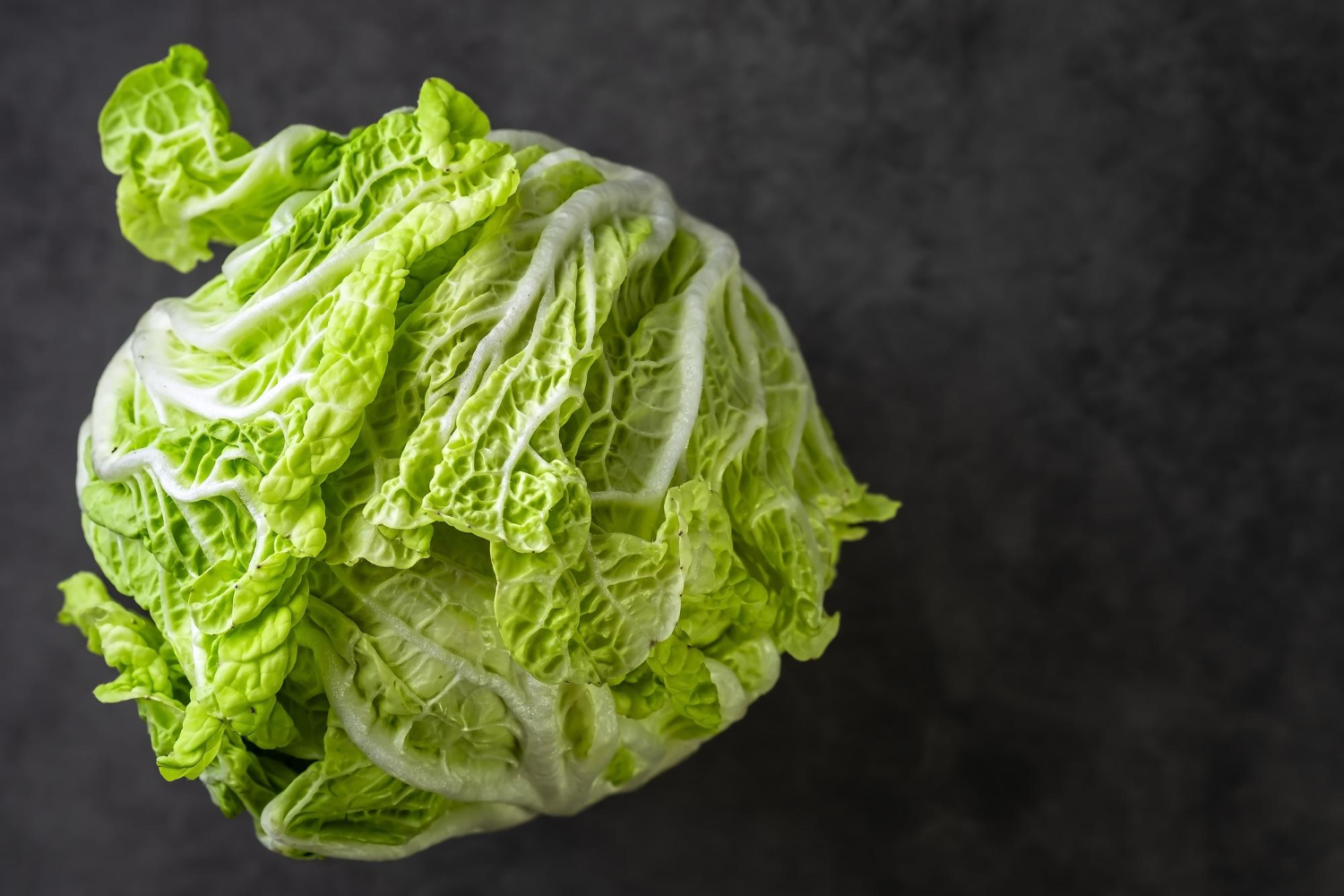
Choosing plants whose central growing point was largest and tightest, generation after generation, produces a dense ball of overlapping leaves at the top of a short stem.
That is a cabbage. Terminal bud selection is the route to the most familiar member.
3. Somebody Else Selected the Side Buds
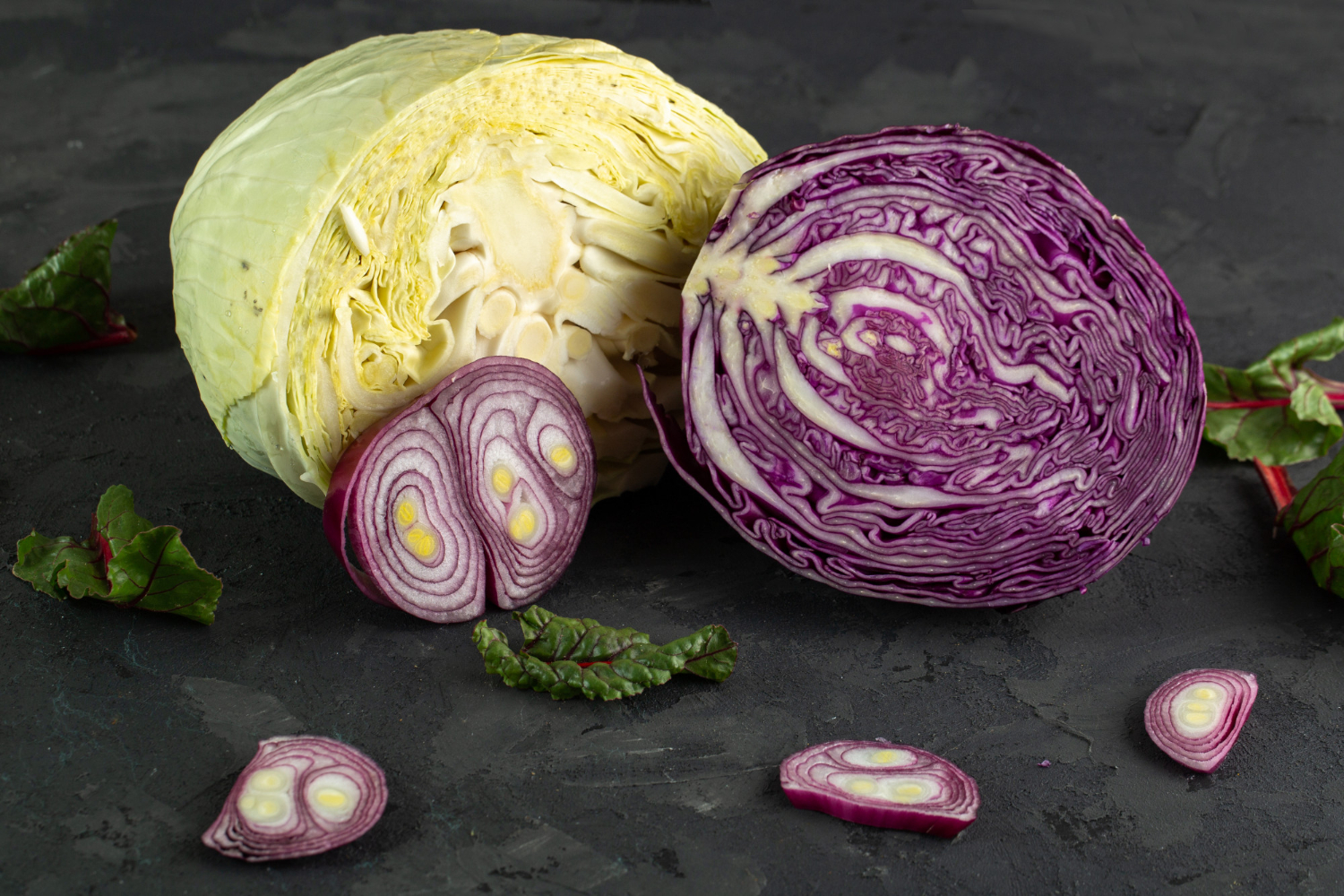
Selecting instead for enlarged buds along the stem produces a plant carrying dozens of small tight heads up its length.
That is the sprout. Lateral bud selection is the same principle applied to a different part.
4. Somebody Selected the Stem
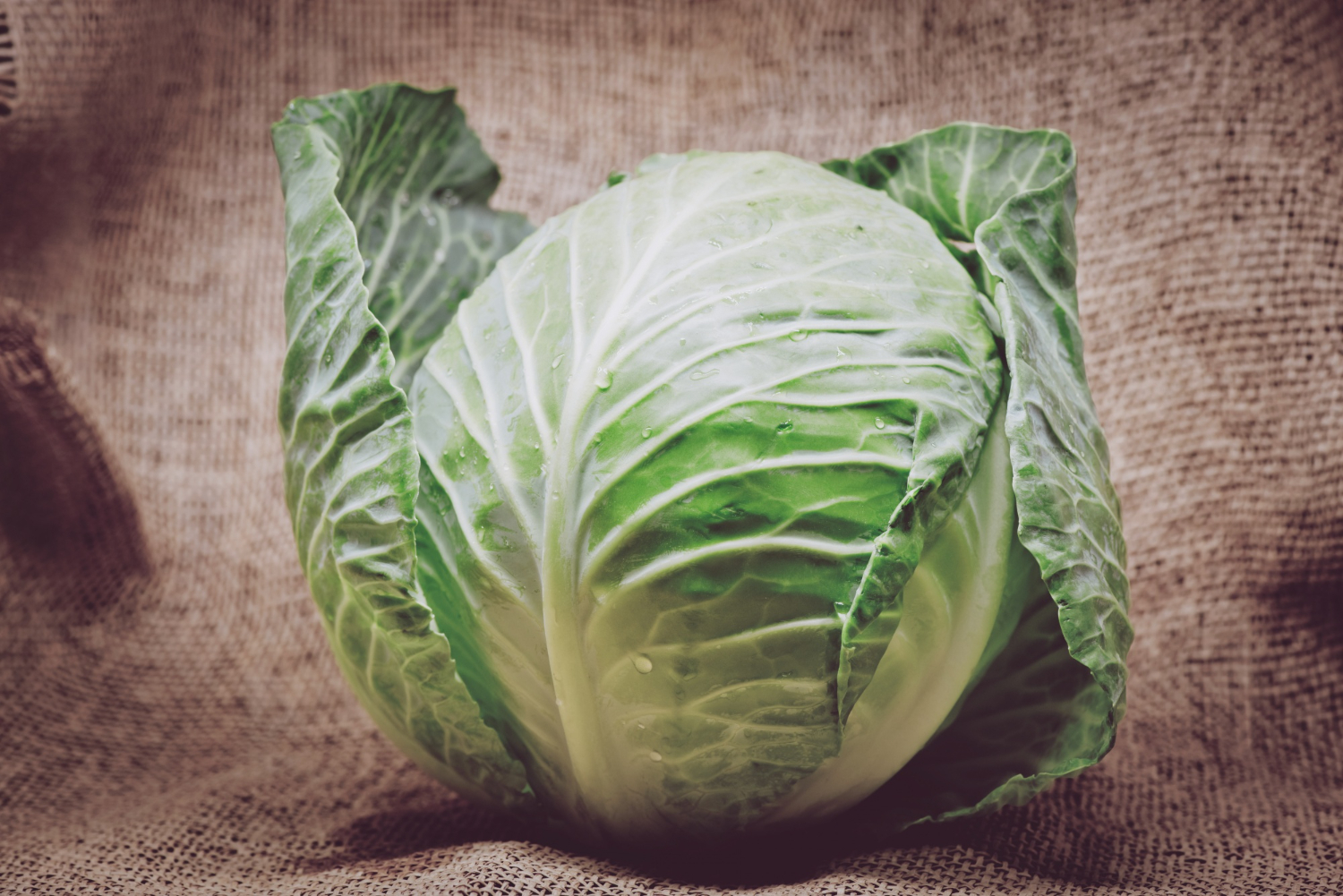
Choosing for a swollen stem rather than for leaves or buds produces a plant that is essentially a bulbous stem sitting above ground with leaves sticking out of it.
It looks like nothing else in the group. Stem selection is the version that produces something unrecognisable as a relative.
5. Somebody Selected the Leaves
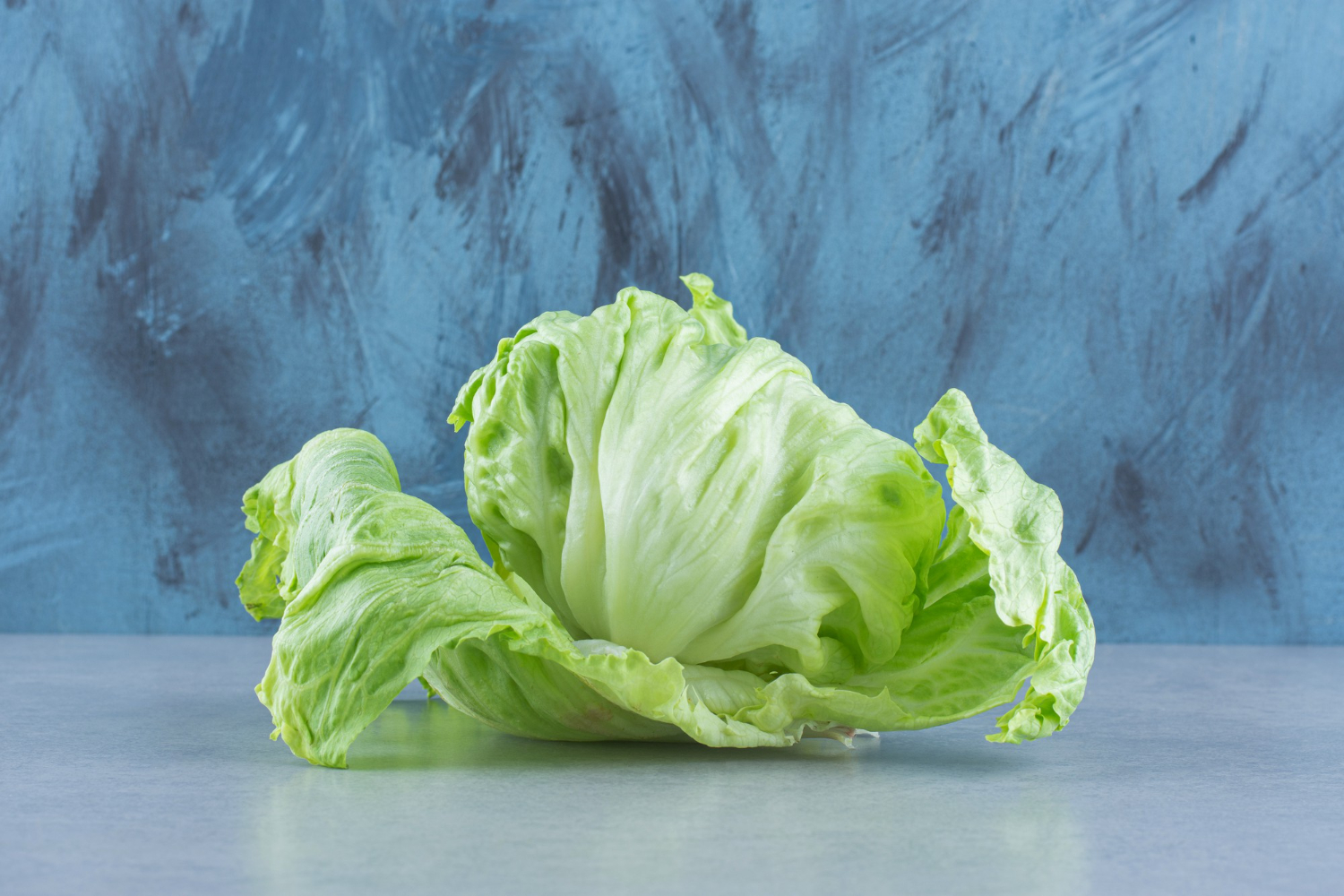
Selecting for large loose leaves without any tight head produces the open leafy members that never form a ball at all.
This is closest to the wild ancestor. Leaf selection is the least altered outcome of the whole process.
6. Somebody Selected the Flower Head
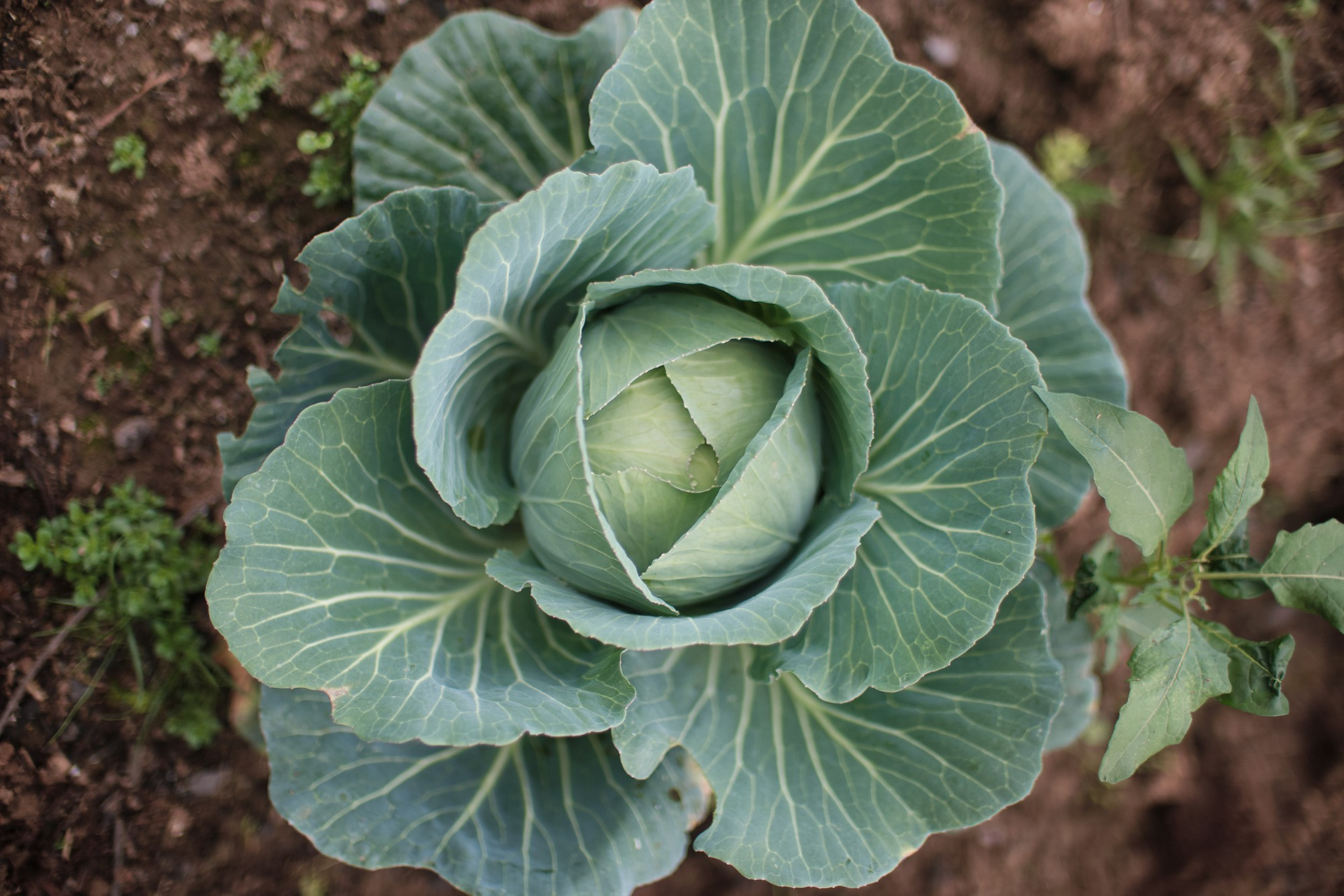
Choosing plants with enlarged clustered flower buds that arrest before opening produces a dense edible head made of thousands of immature flowers.
You are eating a flower cluster that never bloomed. Flower head selection is the route to the most structurally unusual member.
7. And Then Selected It Twice More
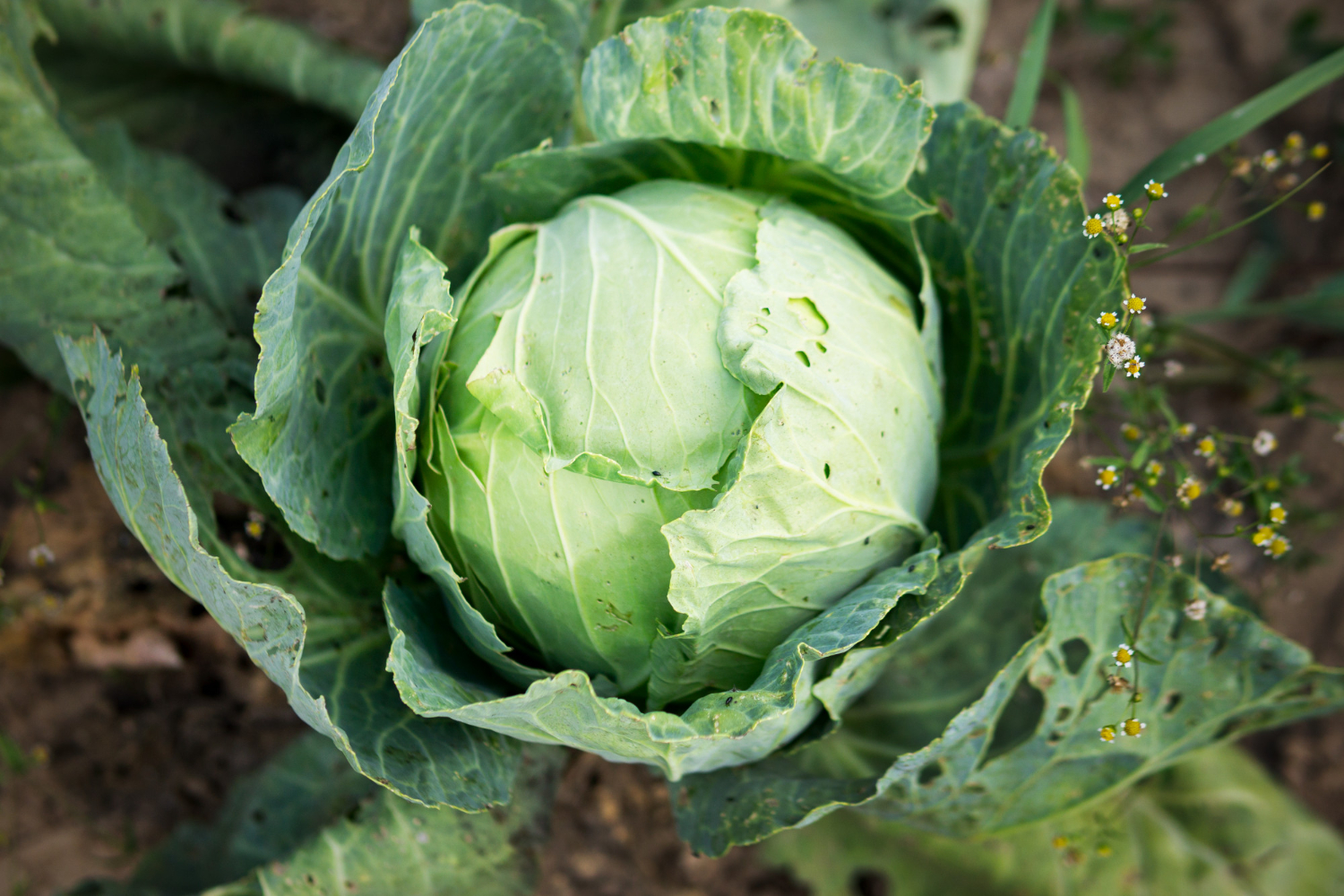
Continuing that selection in different directions produced both the green branching version and the pale tightly packed one, which are the same part taken further along two paths.
They diverged from a common intermediate. Repeated selection is how one part became several vegetables.
8. The Ones With Swollen Roots Are Cousins
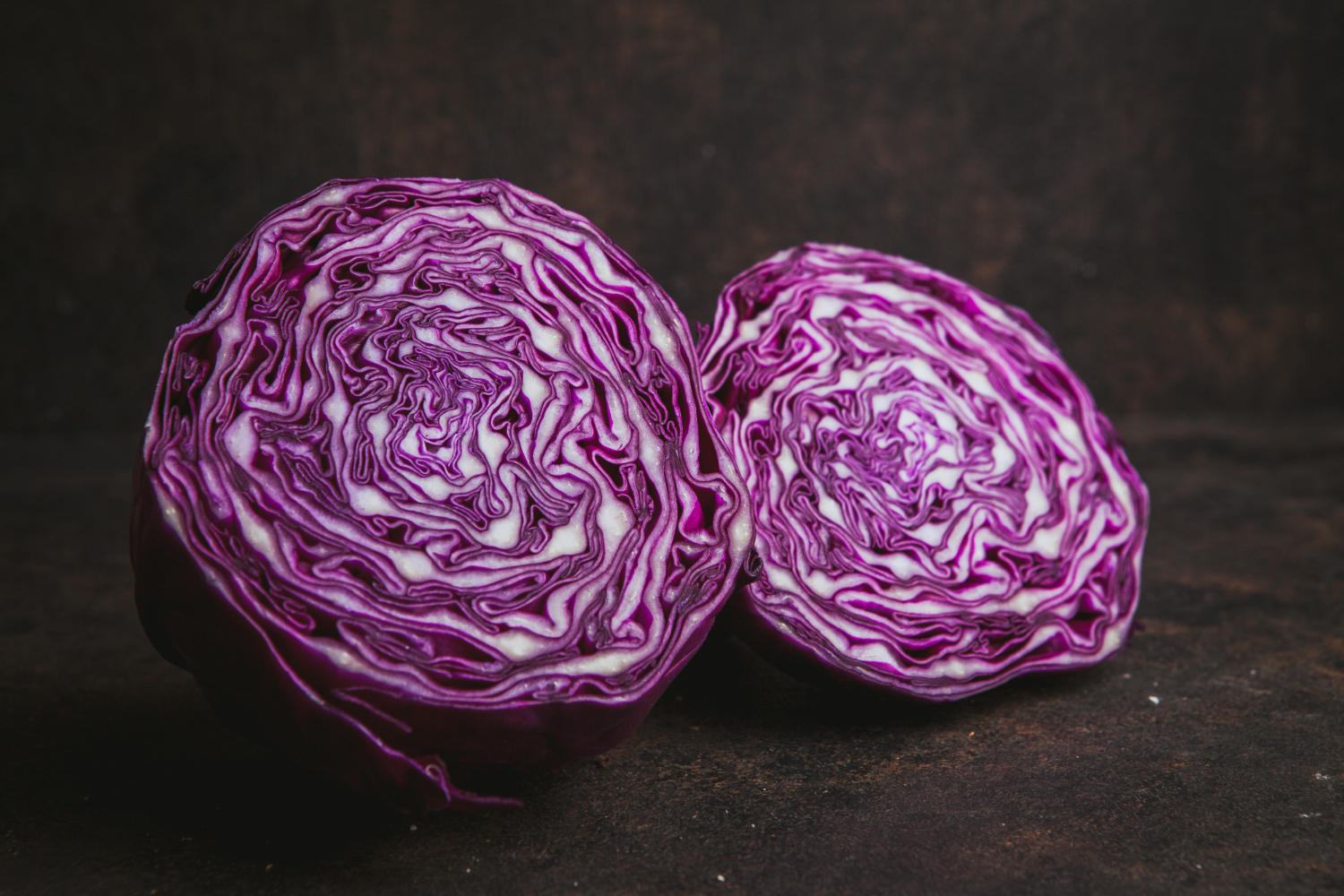
Some familiar members of the wider family were domesticated separately from different wild species, selected for enlarged roots rather than any part above ground.
They belong to the family rather than to the single species. Separate domestication is why the group is broader than it first appears.
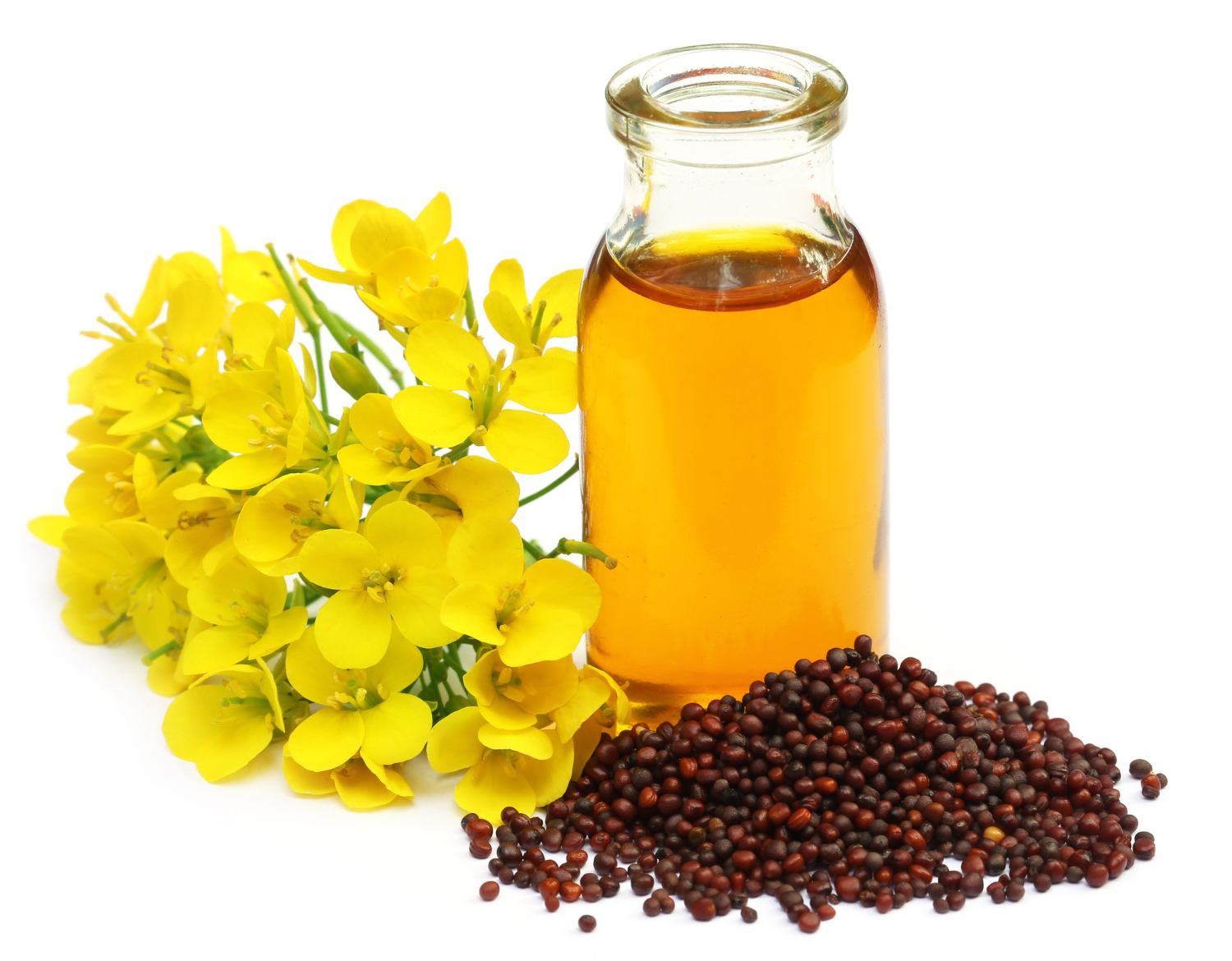
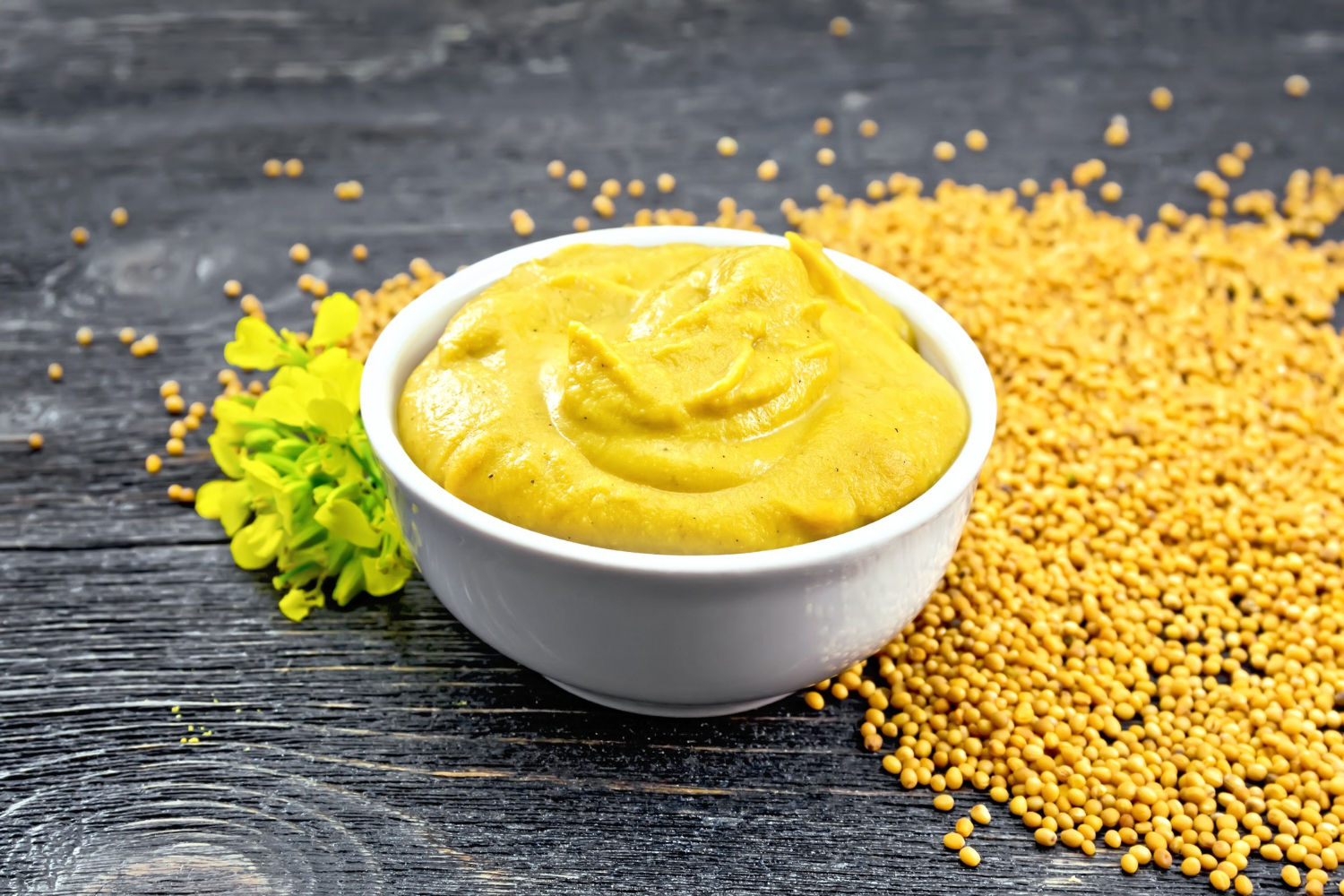
9. The Mustards Belong Too
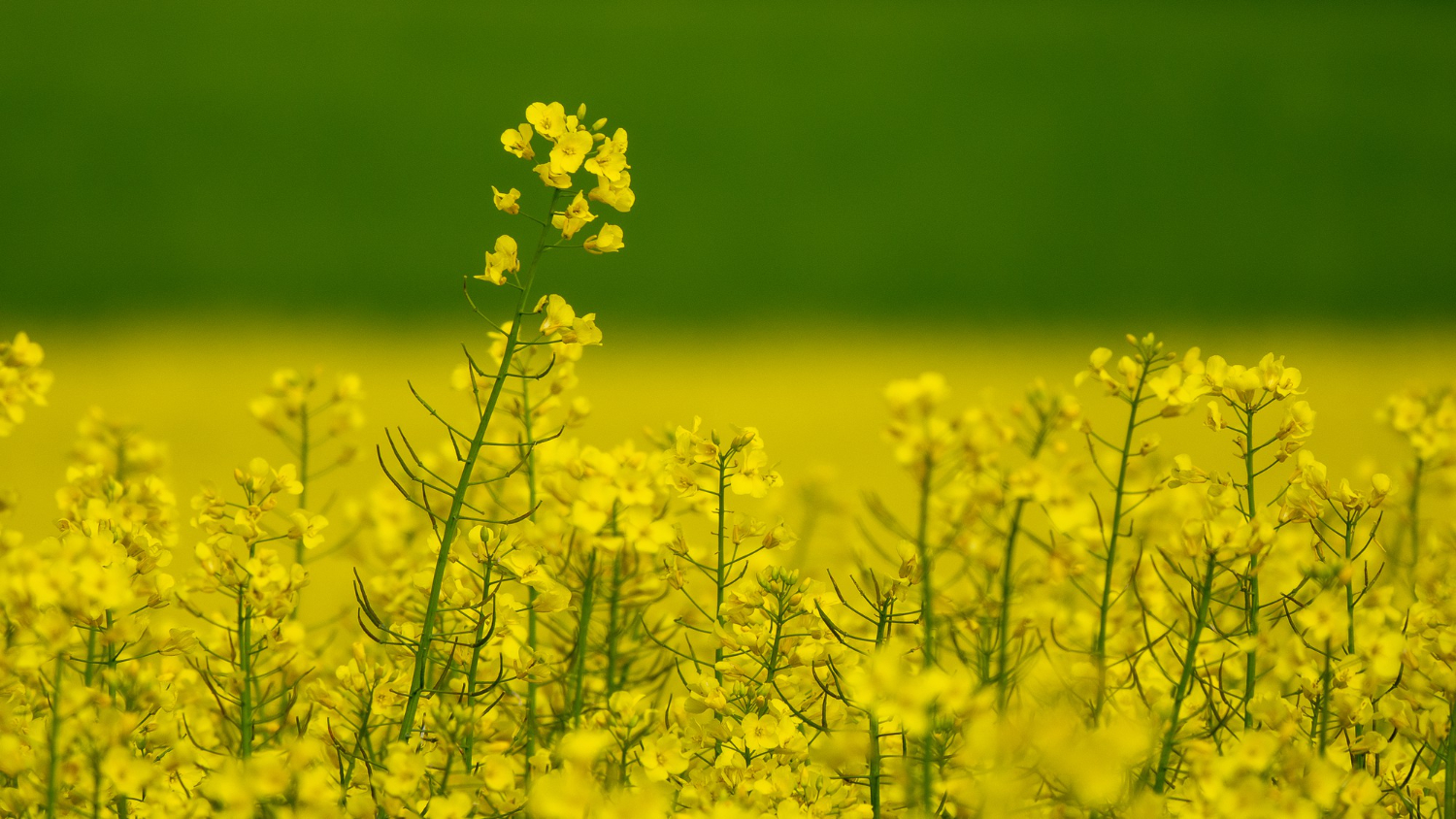
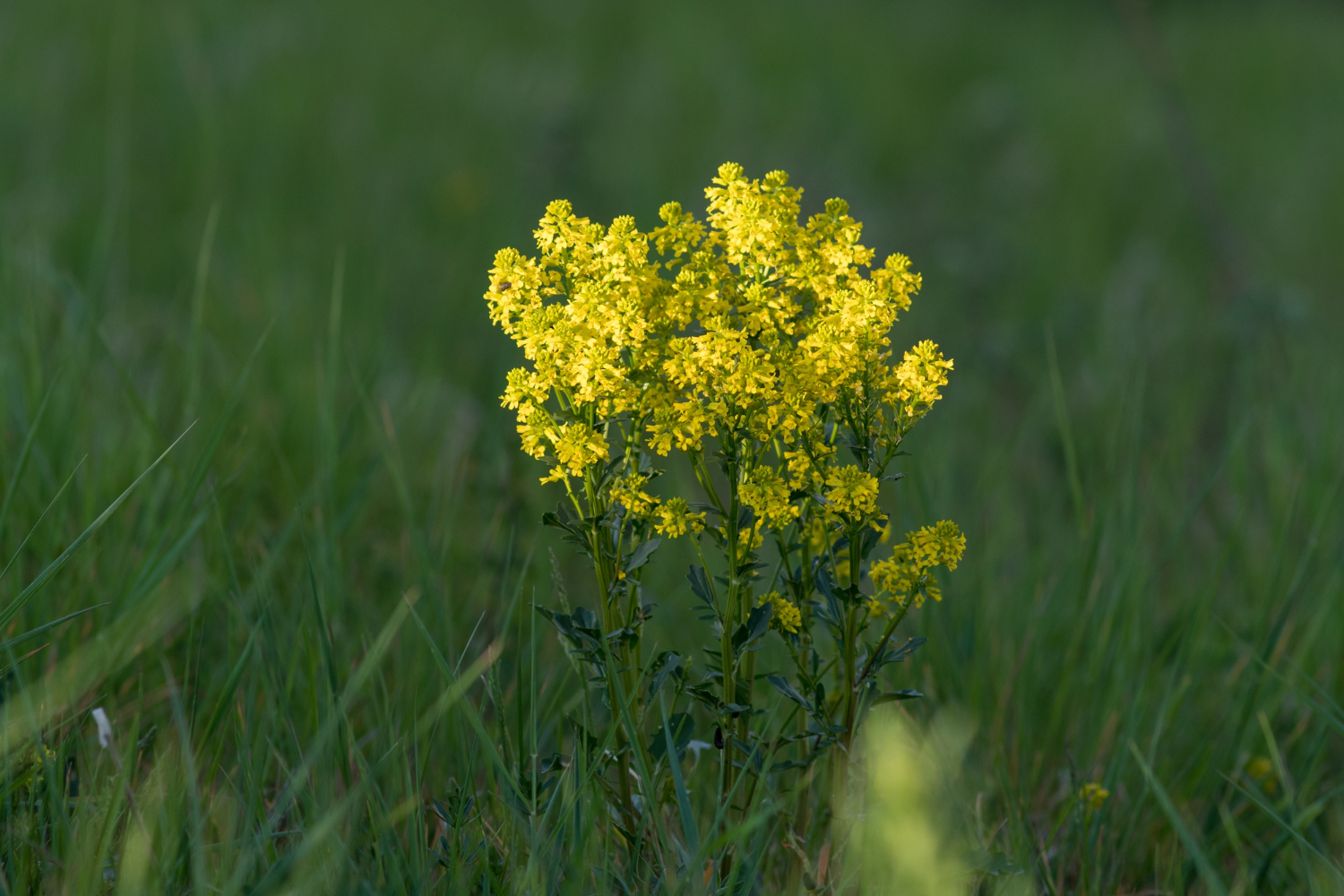
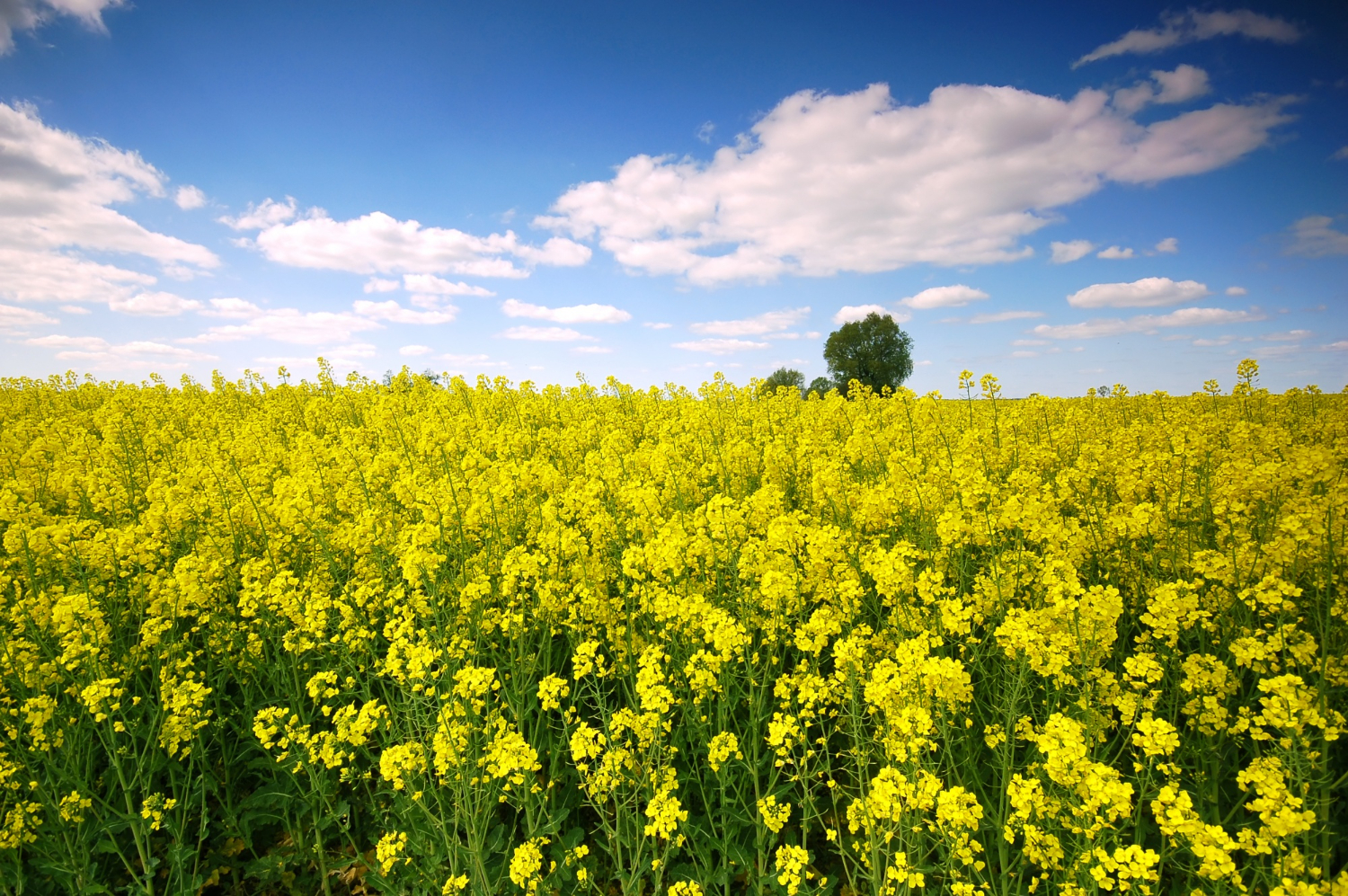
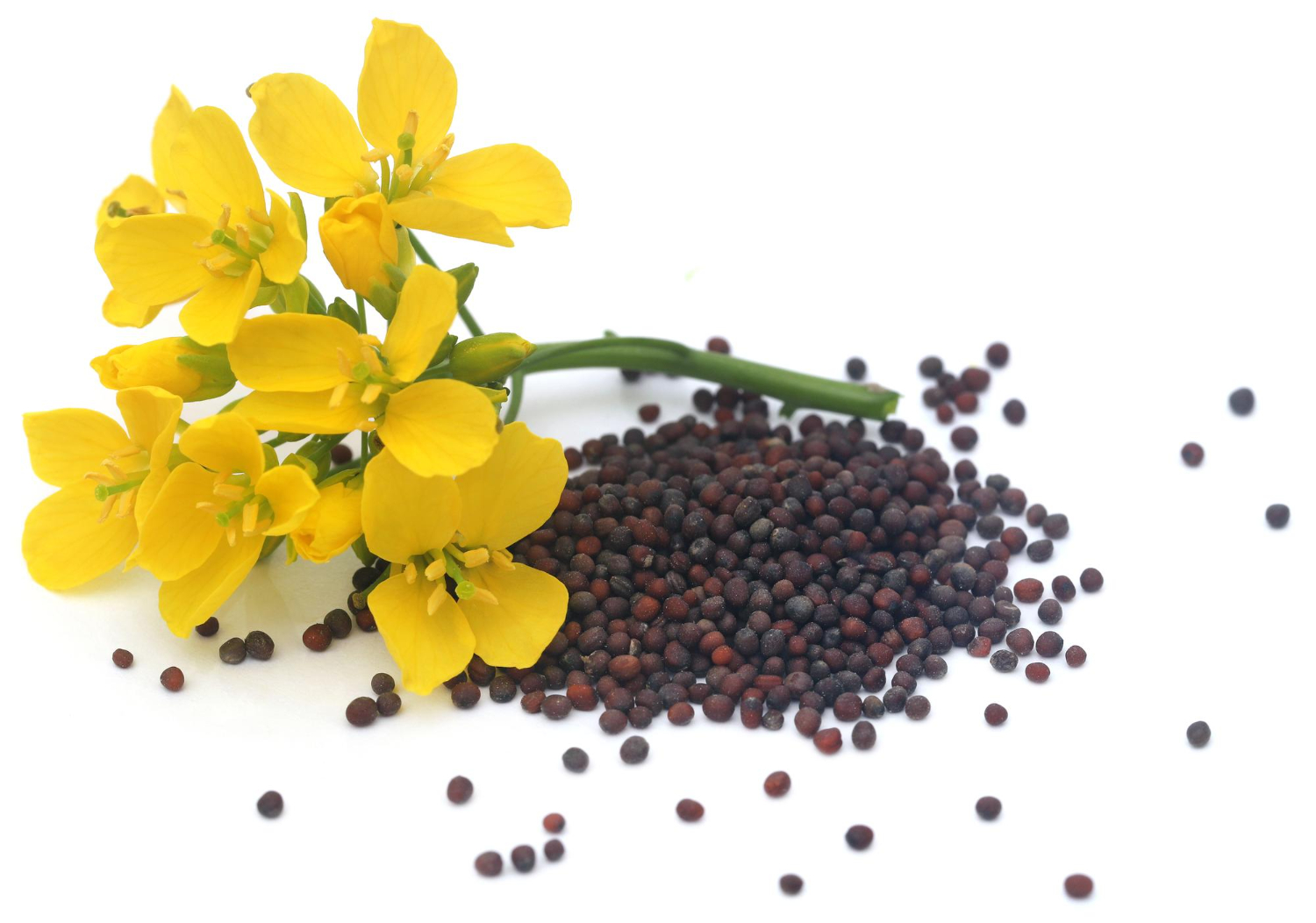
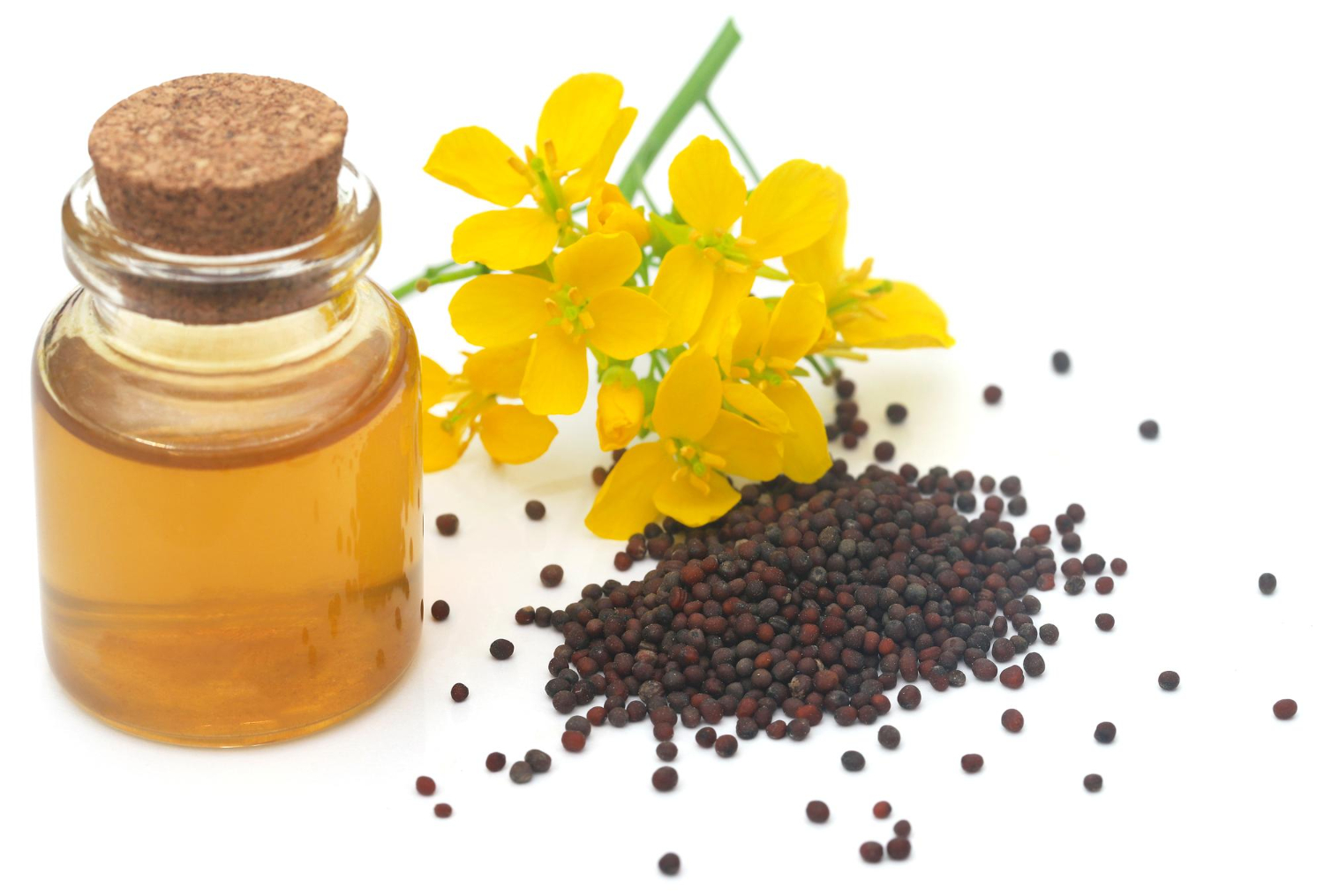
Several plants grown for pungent seeds and leaves are members of the same family, domesticated independently in different regions for entirely different reasons.
The family is far larger than the vegetable aisle suggests. Wide family membership is the context that makes the whole group make sense.
10. The Smell Is a Defence
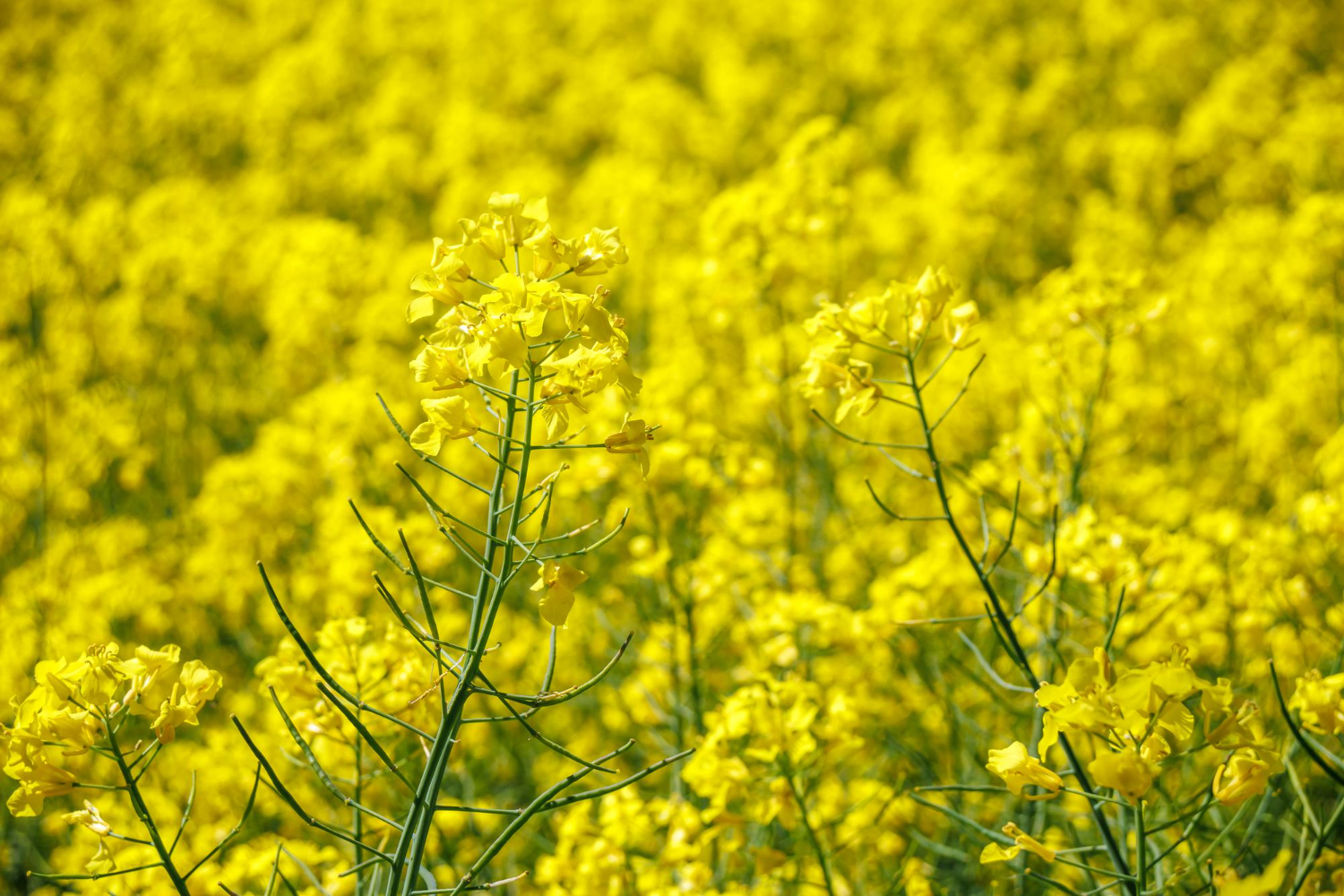
The characteristic pungency comes from sulphur compounds that are released when cells are damaged, which is a chemical deterrent against being eaten.
Chewing sets it off. Damage-triggered chemistry is why these plants taste of anything at all.
11. Which Is Why Cutting Changes It
Because the compounds form on cell damage rather than existing intact in the plant, how finely something is cut and how long it stands before cooking alter the result substantially.
Preparation is doing chemistry. Cutting effects are the reason identical ingredients taste different.
12. Long Cooking Makes It Worse
Extended heat breaks those sulphur compounds down further into more volatile and substantially more pungent products, which is the source of the smell associated with overcooked brassicas.
Brief cooking avoids it entirely. Prolonged heat is what produced the reputation the whole family carries.
13. People Taste Them Differently
Sensitivity to certain bitter compounds varies between individuals for genetic reasons, which means the same vegetable is truly more bitter to some people than to others.
It is a real difference in perception rather than a preference. Receptor variation is why disagreement about these vegetables is so intractable.
14. Frost Makes Several of Them Sweeter
Cold triggers conversion of stored starches into sugars as a protective response, so a number of these vegetables are noticeably better after the first frosts.
It is a plant defence that happens to be delicious. Cold sweetening is the reason these are winter crops.
15. They Are Biennial
These plants grow leaves in their first year and flower in their second, which means most of them are harvested before they ever attempt to reproduce.
Left alone, a cabbage eventually shoots upward and flowers. Biennial habit is why the vegetable is an interrupted stage rather than a finished plant.
16. It Happened Without Any Genetics
All of this divergence was achieved by farmers selecting and saving seed from whichever plants looked most promising, over centuries, with no understanding of inheritance whatsoever.
The mechanism was explained long afterwards. Pre-scientific selection is the most impressive part of the entire story.
One Plant, Six Body Parts
Bud, side buds, stem, leaves, flower head and root – select persistently for any one of them and you eventually have a vegetable that looks nothing like the others and is the same species.
The last item is the striking one. Every one of these vegetables was produced by people who had no concept of a gene, saving seed from whichever plants happened to look best, for long enough that a single wild species became six things nobody would guess were related.
Like our content? Follow us for more.