

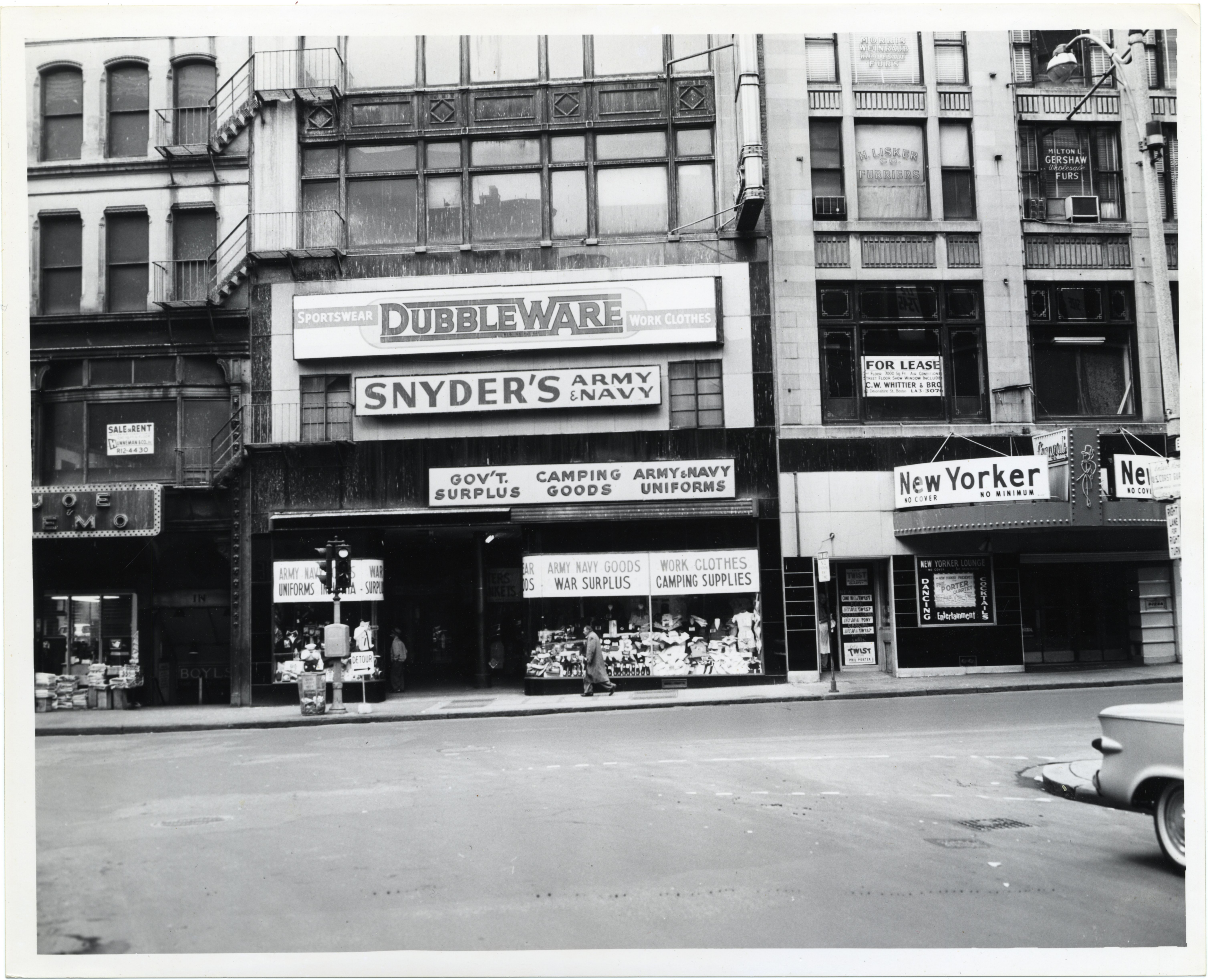
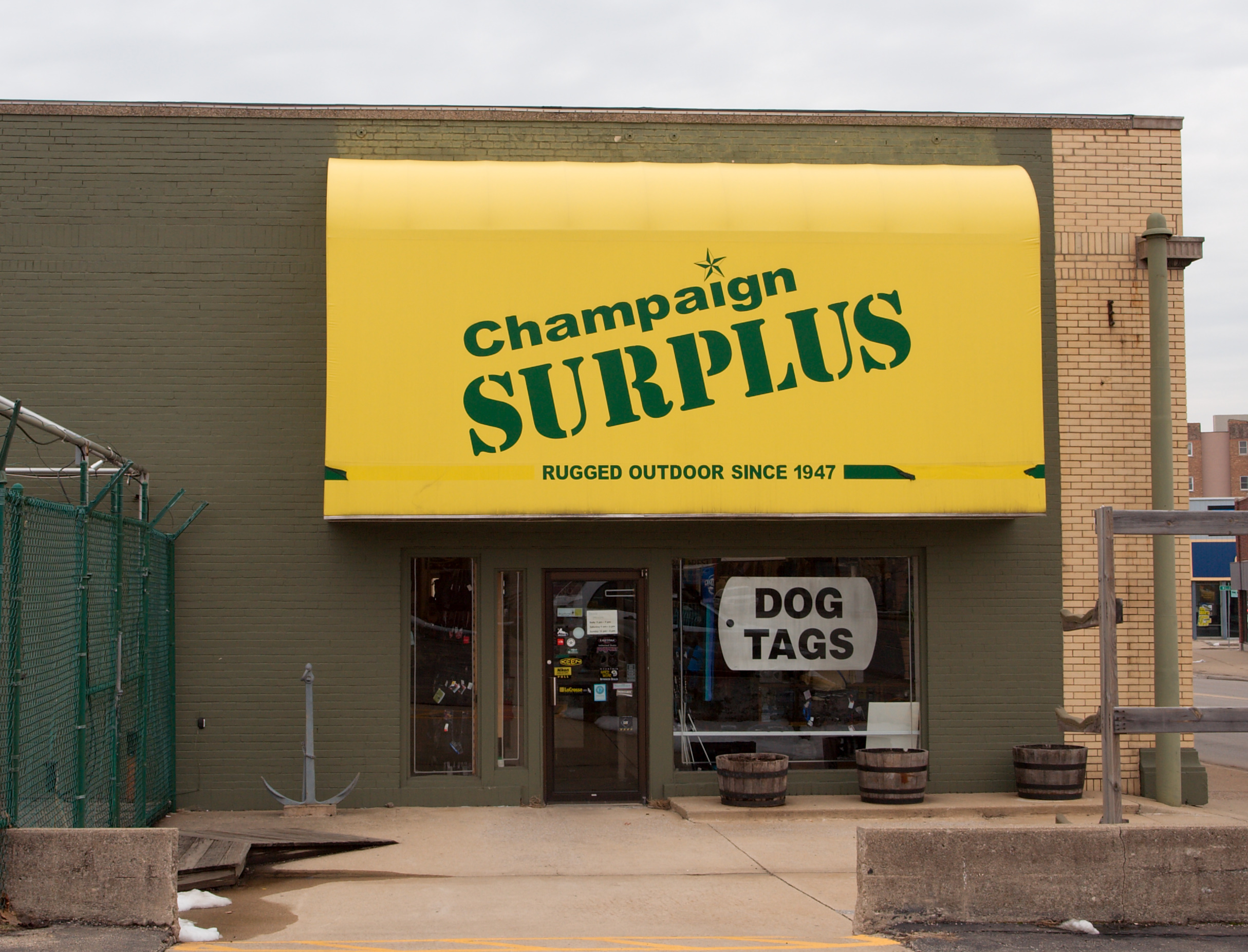
The surplus store was one of the great American retail oddities: a shop stocked entirely by the fact that the United States had bought staggering quantities of equipment for three wars and then stopped needing it.
What arrived was whatever a disposal auction had released that month, in crates, unsorted, and the proprietor frequently did not know what was in them until he opened them. It was cheap, it was genuinely well made, and a substantial amount of it should never have reached a shop counter.
Here are ten things about the American army surplus store in 1970 that could not be sold there now.
1. The Crates Arrived Unsorted and Nobody Knew What Was In Them
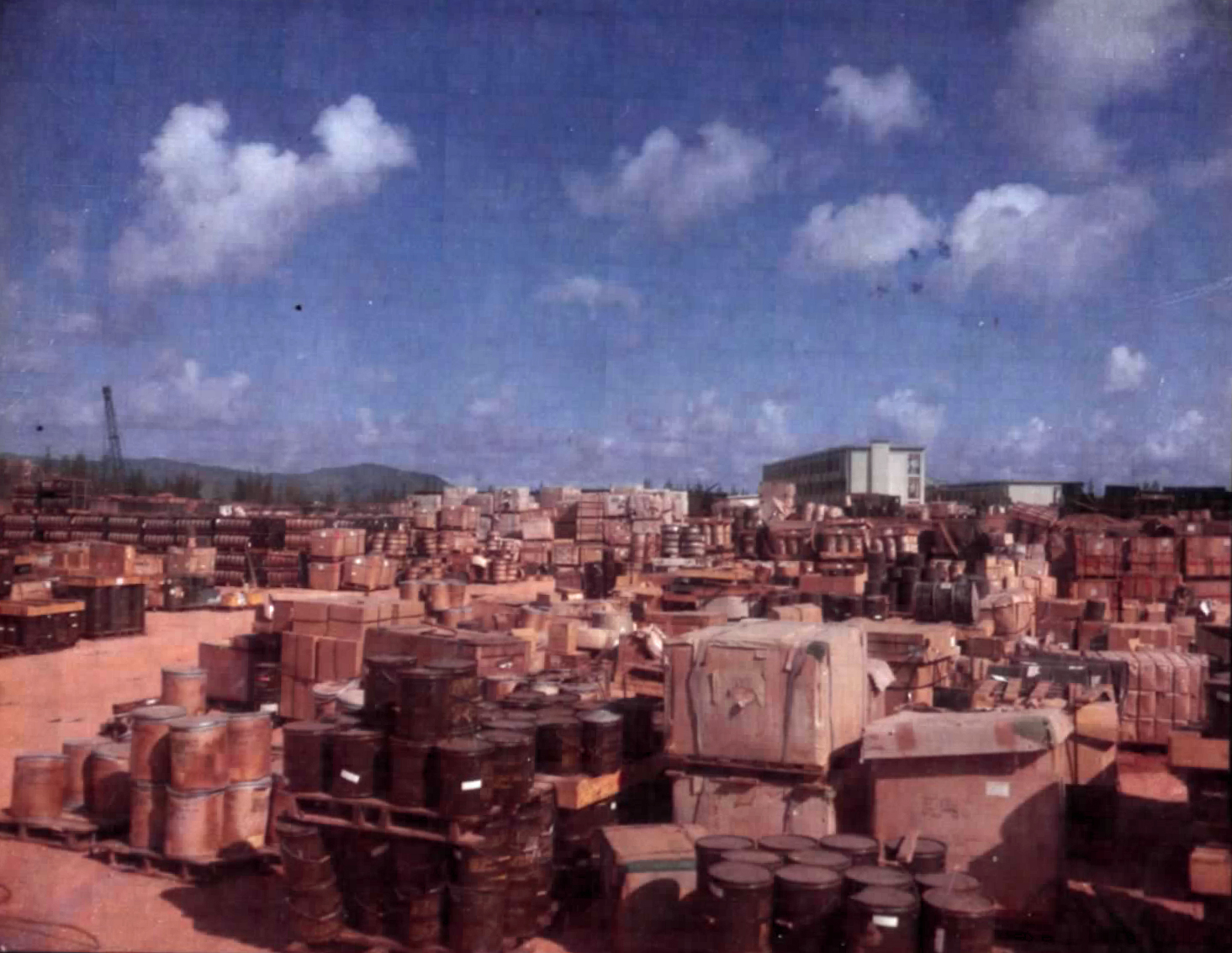
Stock came from government disposal in bulk lots, bought by weight or by the pallet, and the contents were discovered by opening them. A lot described as field equipment could contain anything the depot had cleared.
This is the structural fact behind everything else. Government surplus disposal in the United States is now subject to demilitarisation requirements – categories of equipment must be rendered unusable or destroyed rather than sold, and controlled items are screened before release – precisely because the period system released things it should not have.
Like our content? Follow us for more.
2. Live Ammunition Turned Up Regularly
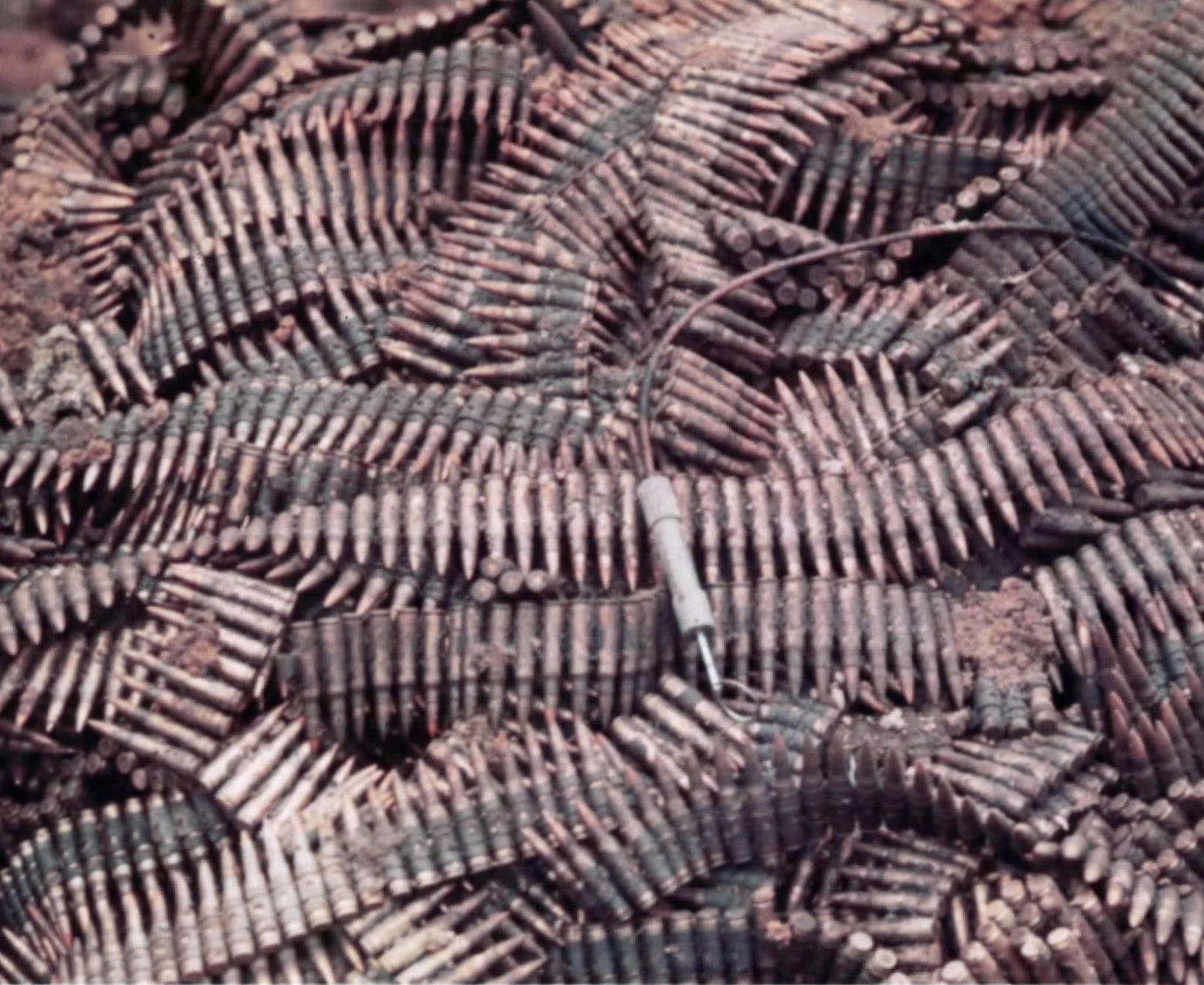
Loose rounds, boxed ammunition and occasionally more than that came through in crates that should have contained nothing of the sort, and were sold over the counter or set aside and sold quietly.
Inert and live items looked similar in a wooden box of loose equipment. Ammunition sale is comprehensively regulated in the United States, the disposal screening that releases surplus now specifically excludes it, and a crate of mixed ordnance reaching a shop floor would be a serious federal matter rather than a stock surprise.
3. The Pyrotechnics Were Sold as Novelties
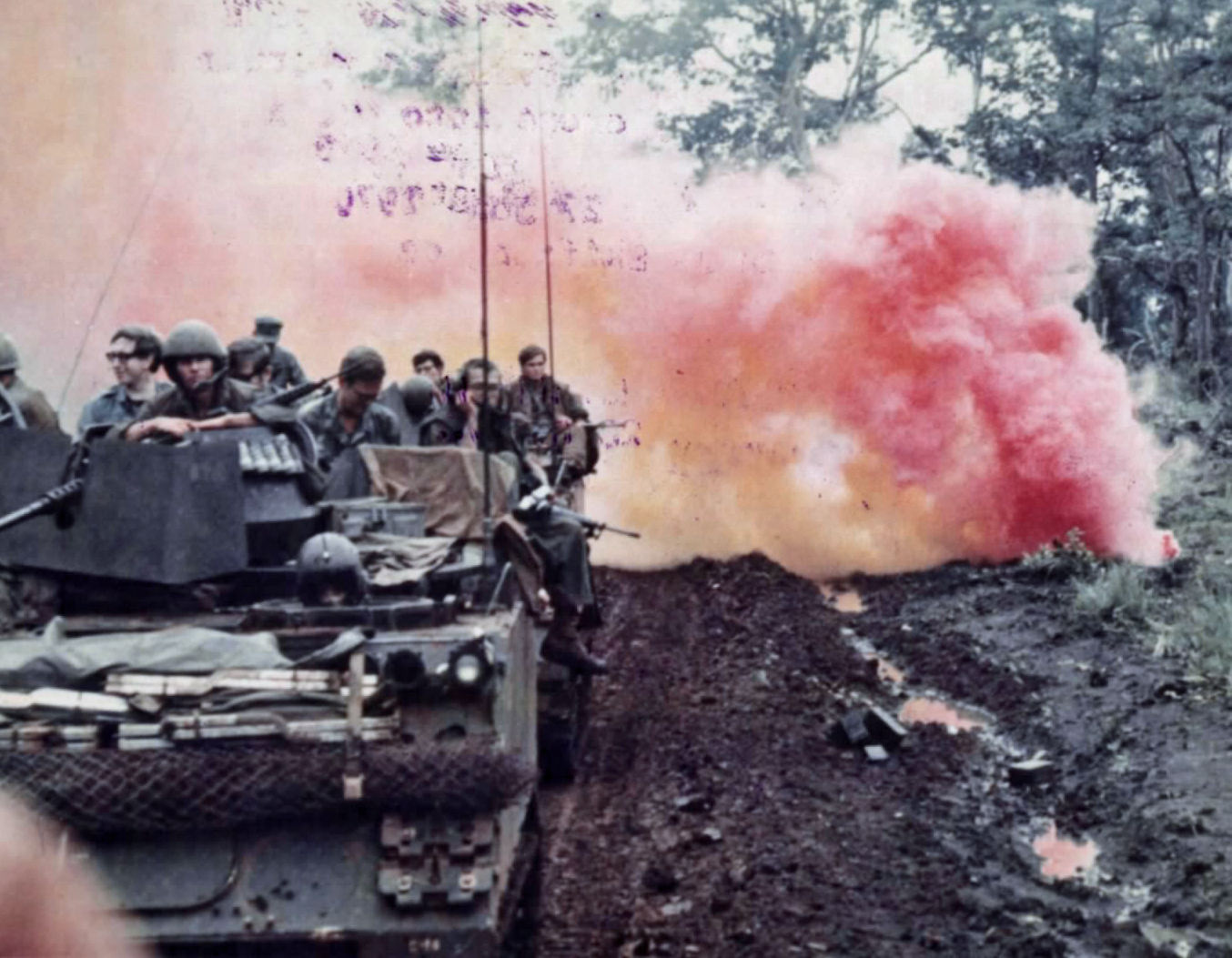
Flares, smoke grenades, signal cartridges and marker devices were stocked and sold to anybody, frequently to teenagers, as interesting objects rather than as the explosive or incendiary items they are.
Several categories of these start fires reliably and some are genuinely dangerous to handle. Pyrotechnic and incendiary military items are now excluded from surplus release and their possession is regulated, and this is one of the clearest cases of a period retail practice simply ending.
4. The Chemical Equipment Was Sold With the Filters Still In
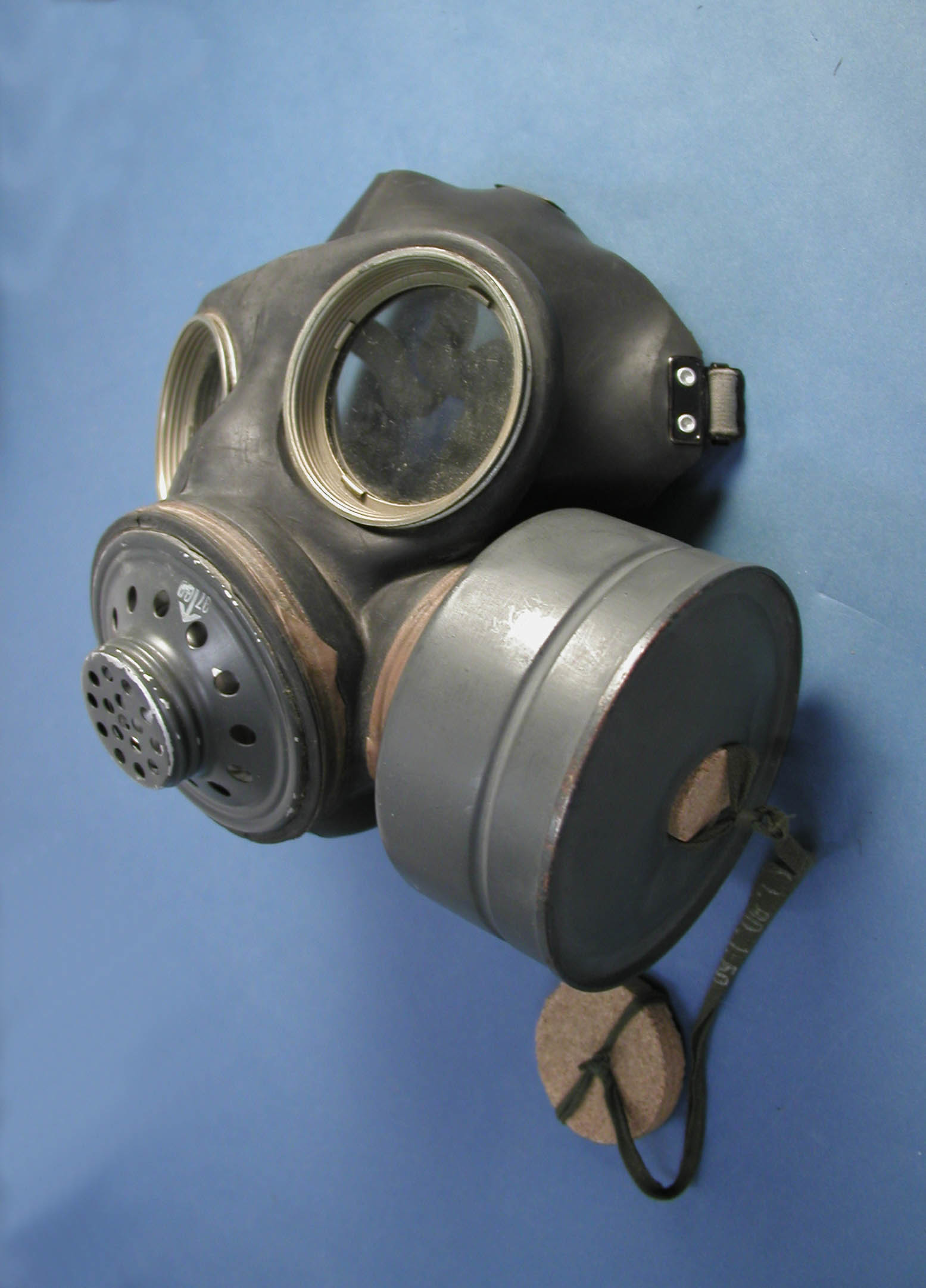
Gas masks, respirators and protective kit were a staple, sold as curiosities and as costume, with original filters fitted.
Period military filters contain materials – including, in older stock, asbestos – that make a mask more hazardous to breathe through than open air. Asbestos-containing filters are the reason surplus respirators are now sold explicitly as display items with filters removed, and selling a period mask as usable protective equipment would be unlawful.
5. The Canvas and Fabric Were Treated With Things Now Banned
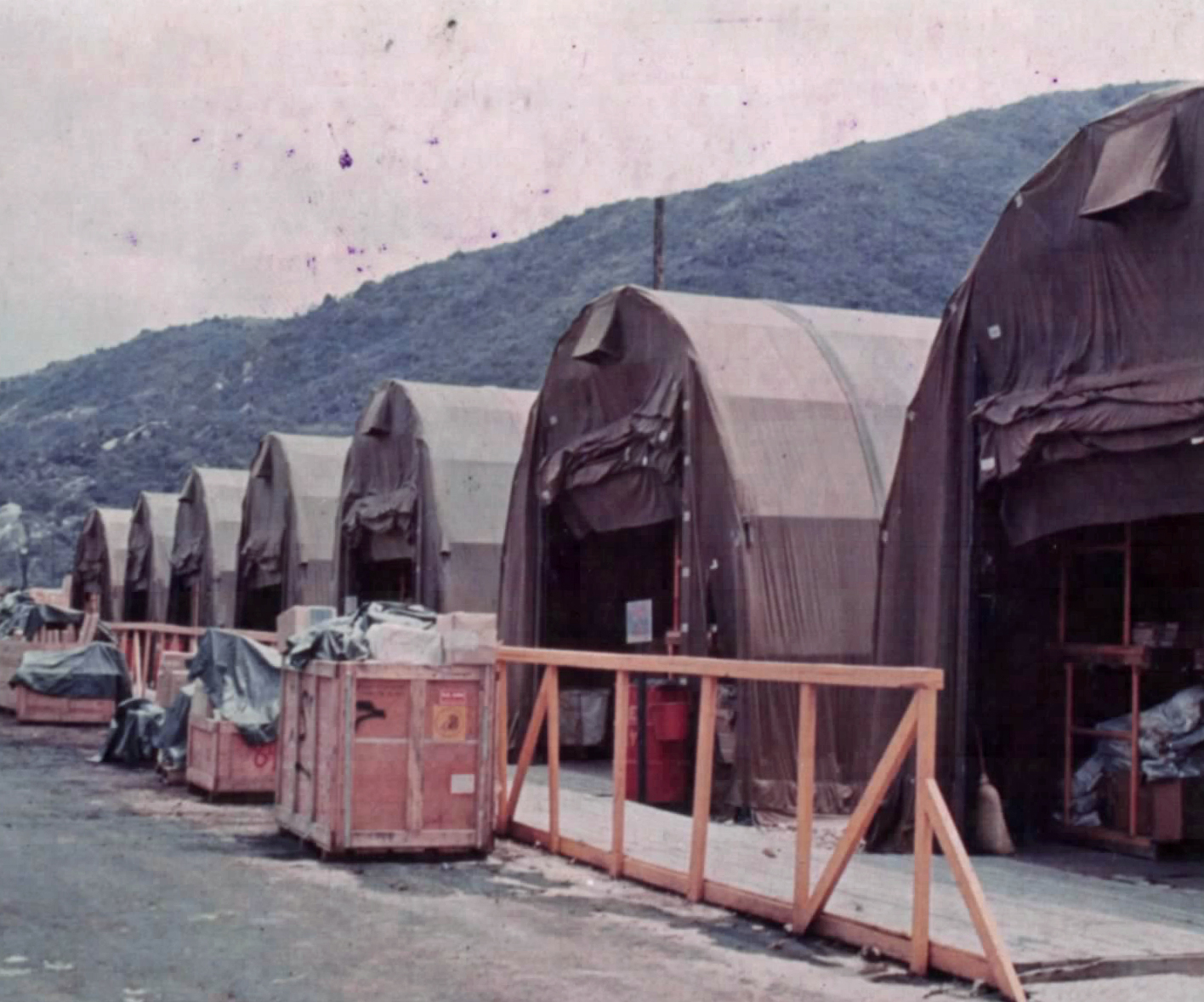
Tentage, packs, ponchos and webbing were treated for water resistance, rot resistance, mildew resistance and fire resistance with compounds including heavy metal salts and chlorinated preservatives that have since been withdrawn from use.
The treatments were effective, which is why period canvas survives so well. Several of the preservative and flame-retardant compounds standard in period military textiles are now restricted or prohibited in consumer goods in the United States.
6. Nobody Checked What a Vehicle Had Been Used For
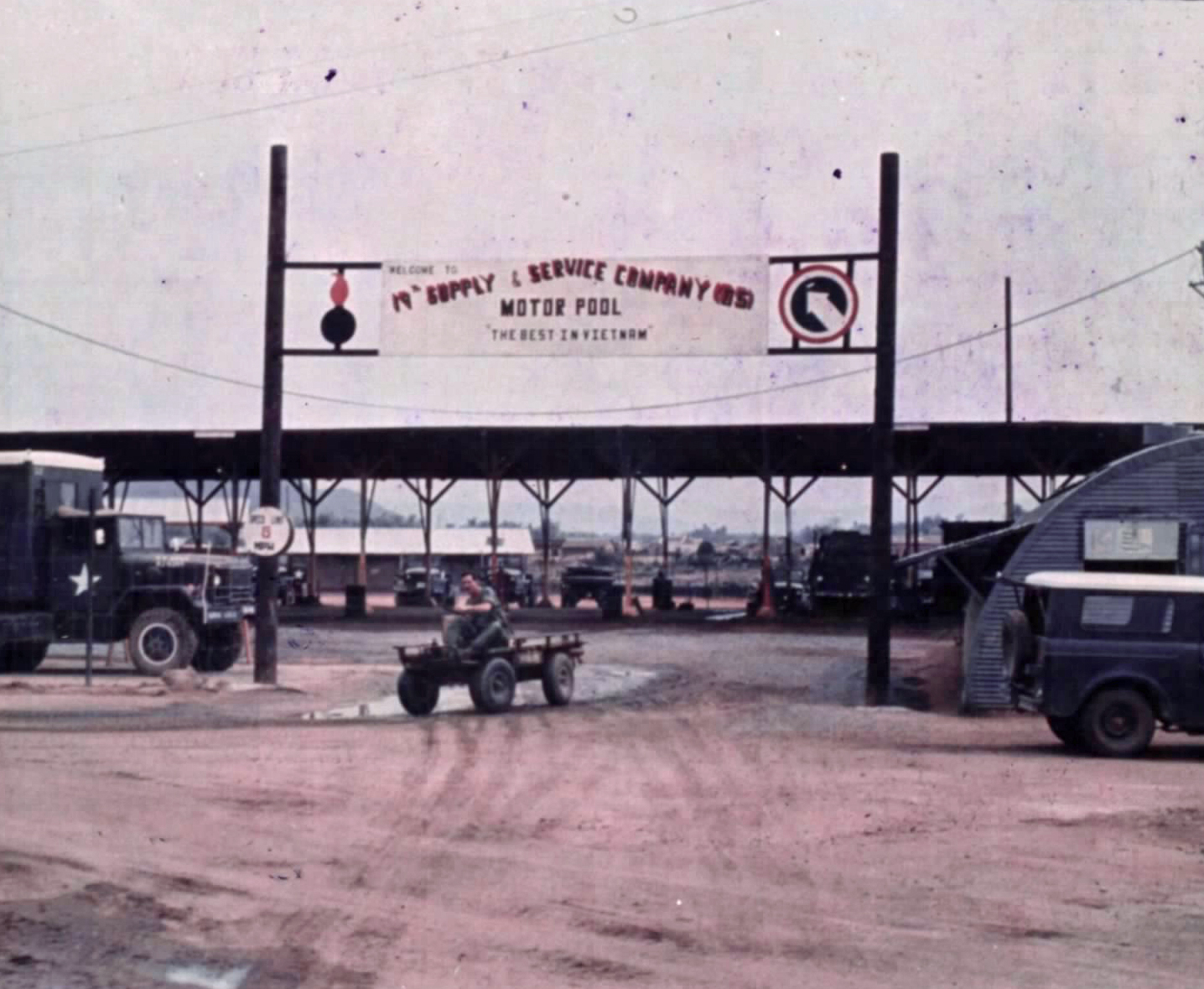
Surplus vehicles, trailers and containers were sold as-is, with no account of what had been carried in them, no decontamination certificate and no inspection beyond whether the engine ran.
A tank, a drum or a trailer that had carried fuel, solvent or something less ordinary was sold on its mechanical condition alone. Disposal now requires documented clearance of hazardous residues before release.
7. It Dressed a Generation and Nobody Involved Intended It
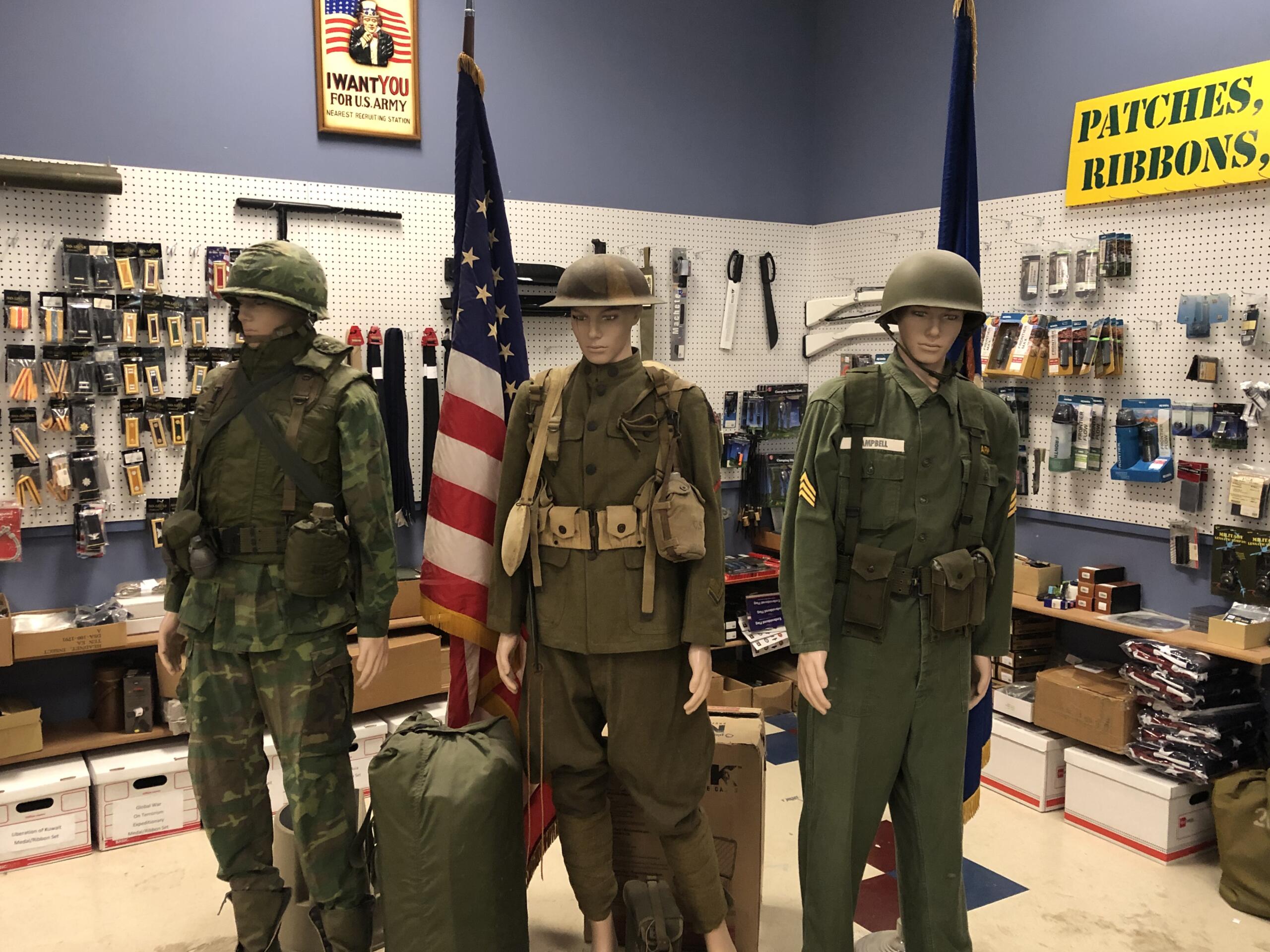
Military clothing became ordinary American civilian wear through this period – field jackets, fatigue trousers, pea coats, flight jackets and boots worn by students, workers and people who had never served.
The surplus store was the supply chain for one of the most recognisable looks of the era, and it happened because the clothing was cheap, extremely well made and available in quantity rather than through any design decision. It remains the single largest cultural effect the trade ever had.
8. The Equipment Was Better Than Anything a Civilian Could Buy
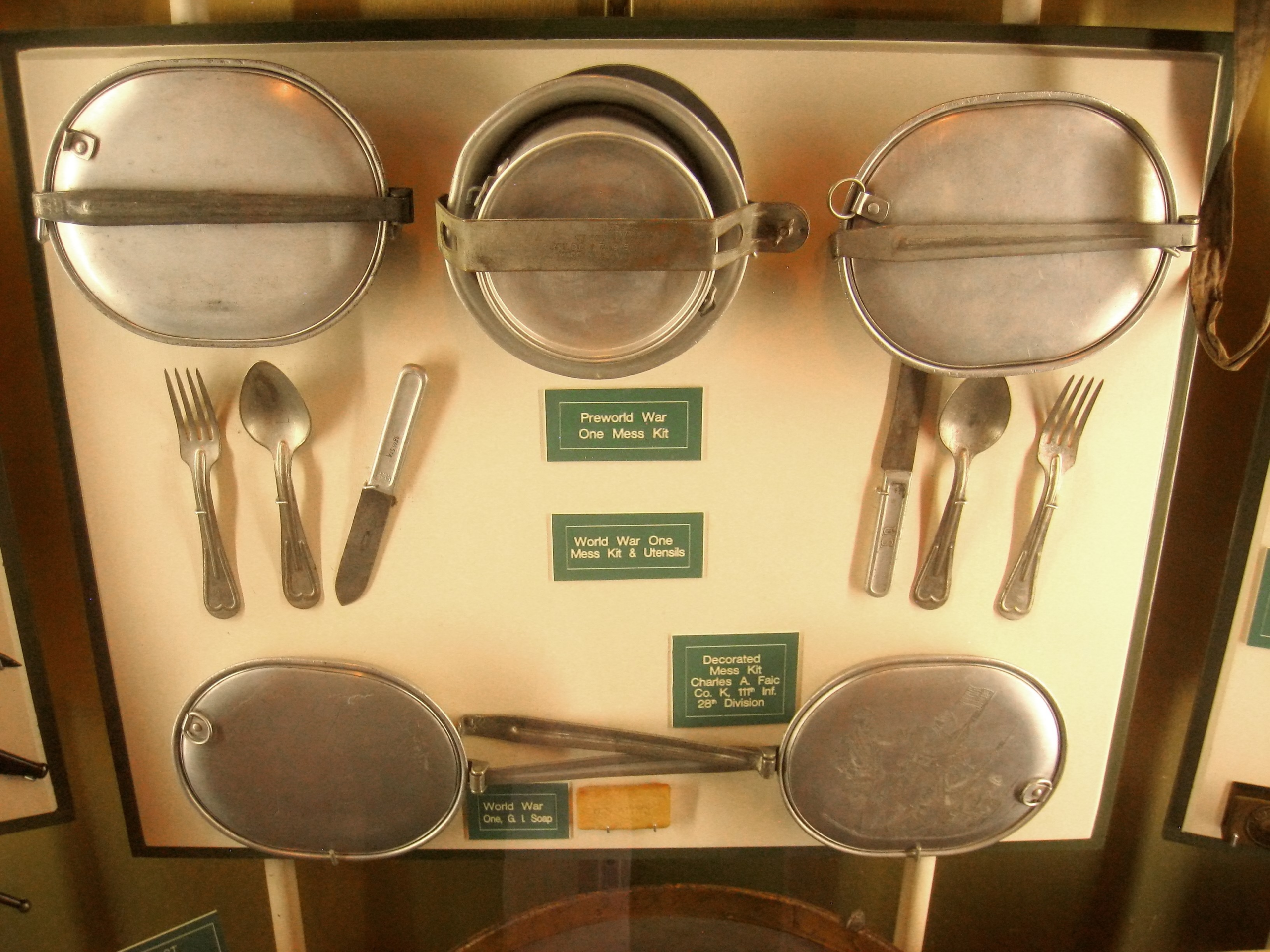
Before an outdoor industry existed at a consumer level, surplus was where you got a sleeping bag, a rucksack, a cooking set, a shovel, a waterproof sheet or a decent pair of boots, and it was built to a standard no civilian manufacturer matched at the price.
This is the honest reason the shops thrived and why people remember them fondly. The modern outdoor equipment industry grew up alongside and eventually past them, and it exists partly because surplus had demonstrated the demand.
9. The Provenance Was a Story Rather Than a Record
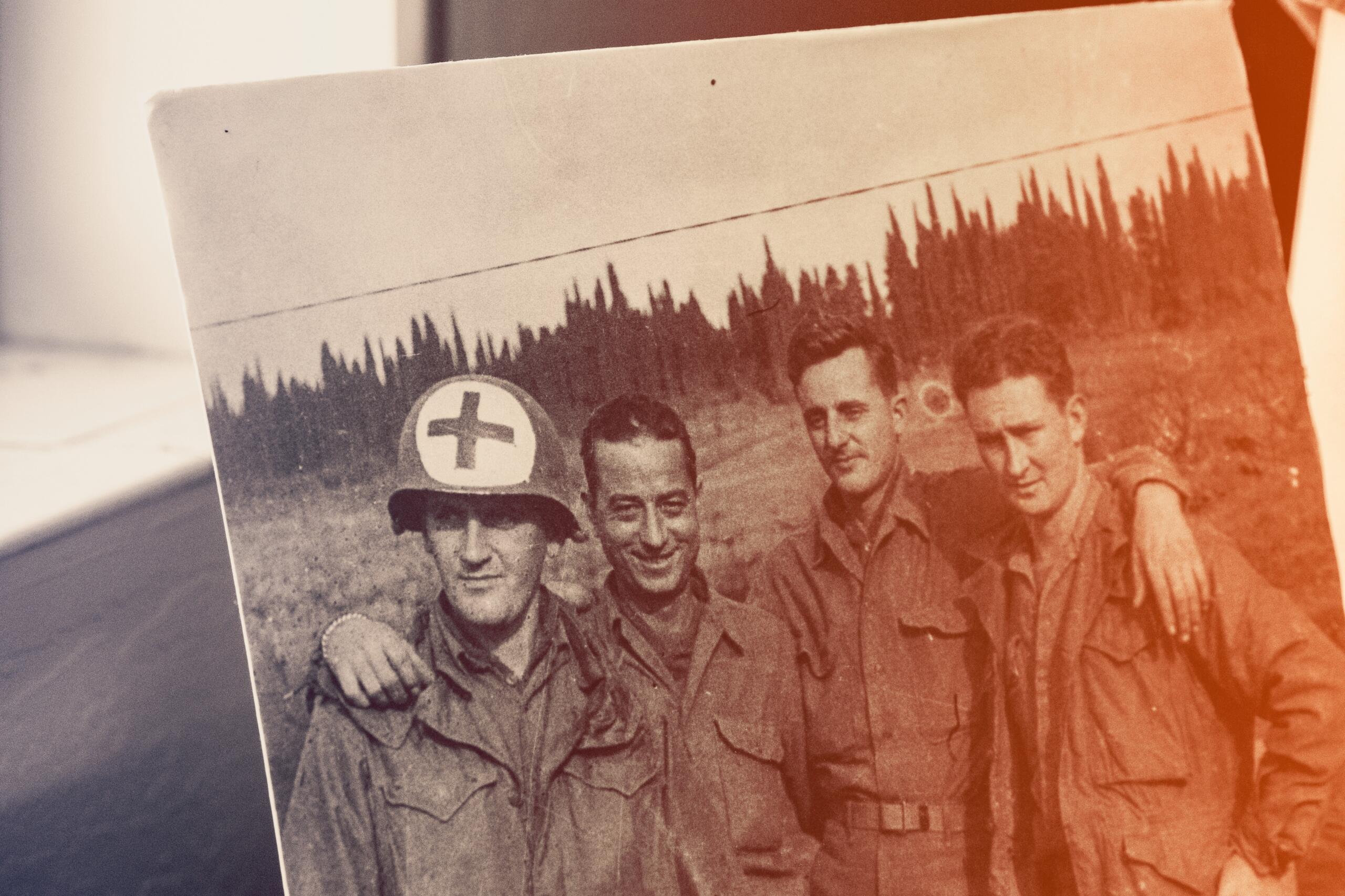
Items were sold with histories attached – which campaign, which unit, which theatre – supplied by the proprietor and unverifiable. Some were accurate, a great many were improvised, and nobody expected documentation.
The collectors’ market that developed later takes provenance seriously, and the casual attribution of the period is a continuing problem for it. It is also why genuinely documented period items are worth so much more than identical undocumented ones.
10. And Then the Supply Simply Ran Out
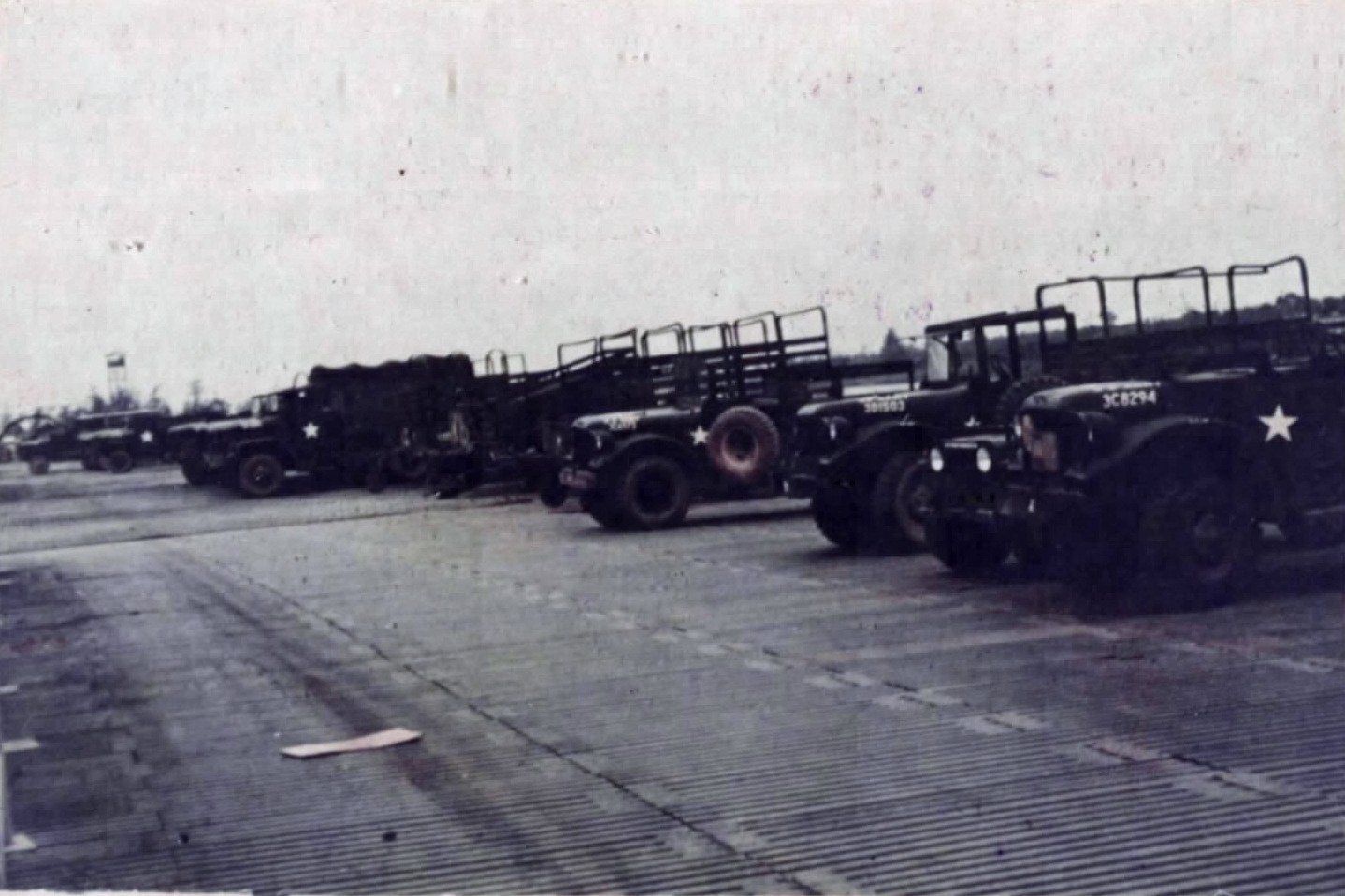
The trade did not end through regulation, although regulation tightened considerably. It ended because the surplus ended. The enormous disposals that stocked it were the liquidation of three wars’ procurement, and that is a finite quantity. Later disposal practice demilitarised far more, released far less, and increasingly routed equipment to other government agencies rather than to auction.
What survives trades mostly in reproductions, modern tactical equipment and collectables, with genuine old stock as a premium line. The shop full of unopened crates containing something nobody had catalogued is gone, and it was never going to be anything other than temporary.
Why the Shops Emptied
Five of these could not be sold now: live ammunition, pyrotechnics and incendiaries, respirators with period filters fitted, textiles carrying withdrawn preservative and flame-retardant compounds, and vehicles and containers with undocumented hazardous residues.
But the regulation is the secondary story and it is worth being clear about the order.
Demilitarisation requirements and disposal screening did tighten substantially, and they tightened because the period system had demonstrably released things that should not have been released. That is a straightforward case of a process being fixed after its failures became obvious.
The trade’s actual end was arithmetic. Surplus is not a renewable product. It is what is left over, and the volume that stocked American surplus retailing was the disposal of procurement for three wars within thirty years – a one-off quantity being sold down. Once it was sold, there was no second batch, and later disposal practice deliberately released much less of what there was.
A business model that consists of buying the liquidation of something finite has an end date built into it, and the surplus store reached its own.
The affection for these shops is real and it is about the smell of waxed canvas and rubber, the crates you could dig through, and the fact that a teenager with very little money could buy equipment built to survive a war.
It also sold flares to children, gas masks with asbestos in the filters and the occasional box of live rounds, because the man behind the counter had bought a pallet sight unseen and nobody downstream of the depot was checking. The best thing about the surplus store and the worst thing about it were the same crate.
Like our content? Follow us for more.

