Drag racing was the most accessible motorsport ever invented. The format required a straight piece of tarmac, two cars and somebody to say go, and in the nineteen-sixties America had hundreds of strips, most of them on wartime airfields that had no other use.
Anybody could enter. You drove your own car there, raced it, and drove it home, and the gap between the spectator and the competitor was a entry fee and a willingness to find out.
That accessibility was the whole appeal and it was built on an almost complete absence of the things that now make the sport survivable. Here are twelve things that happened at an American drag strip in 1968 that would empty the place today.
1. The Spectators Stood at a Rope
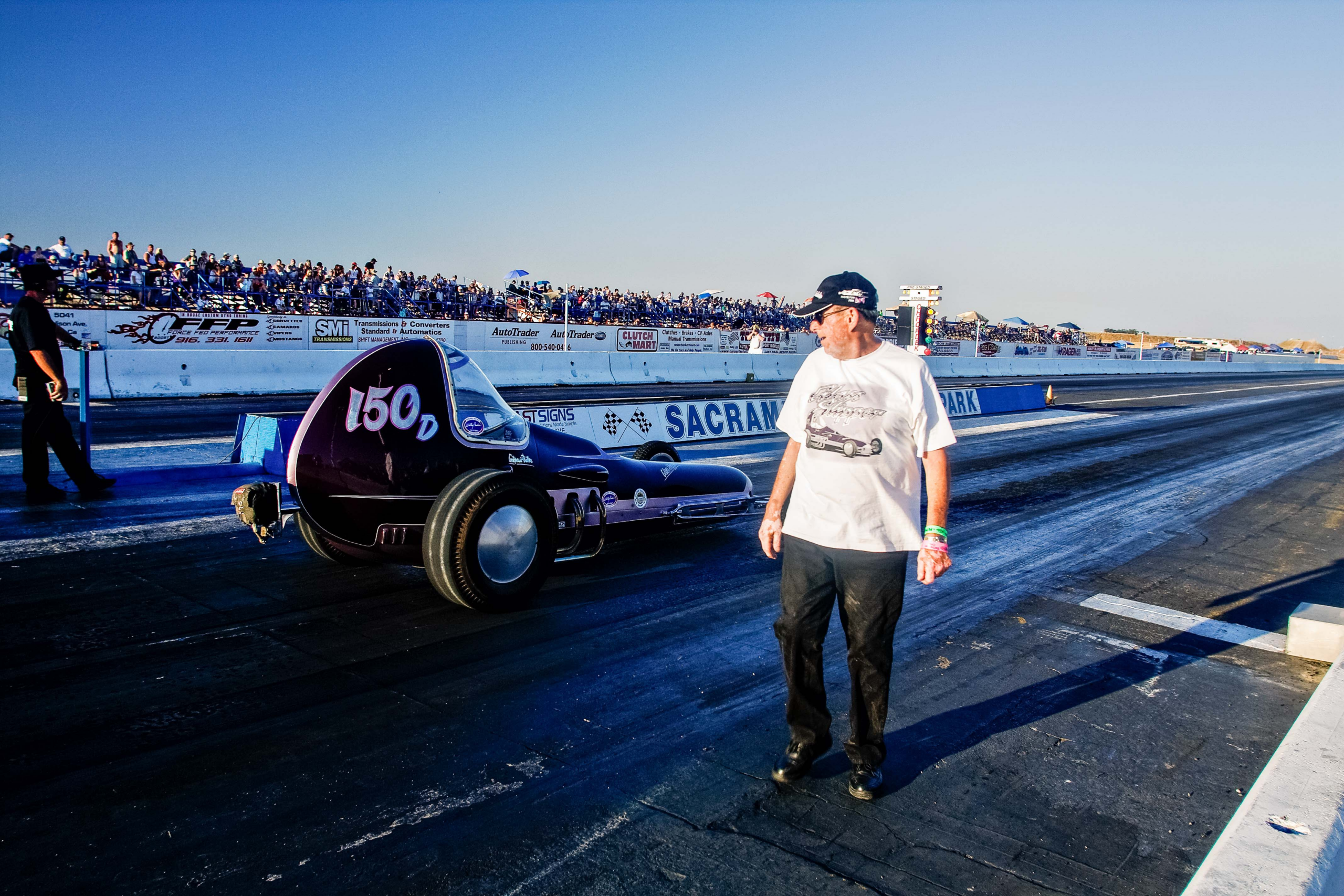
Crowd separation was frequently a rope, a line of posts, a painted line or nothing at all, with people standing within feet of cars accelerating past at enormous speed.
A car leaving the surface at that speed goes into whatever is beside it. Spectator barriers, setback distances, catch fencing and debris containment are now specified requirements at American sanctioned strips, and a rope line would not be permitted at any level of the sport.
Like our content? Follow us for more.
2. The Shutdown Area Was Whatever Was at the End
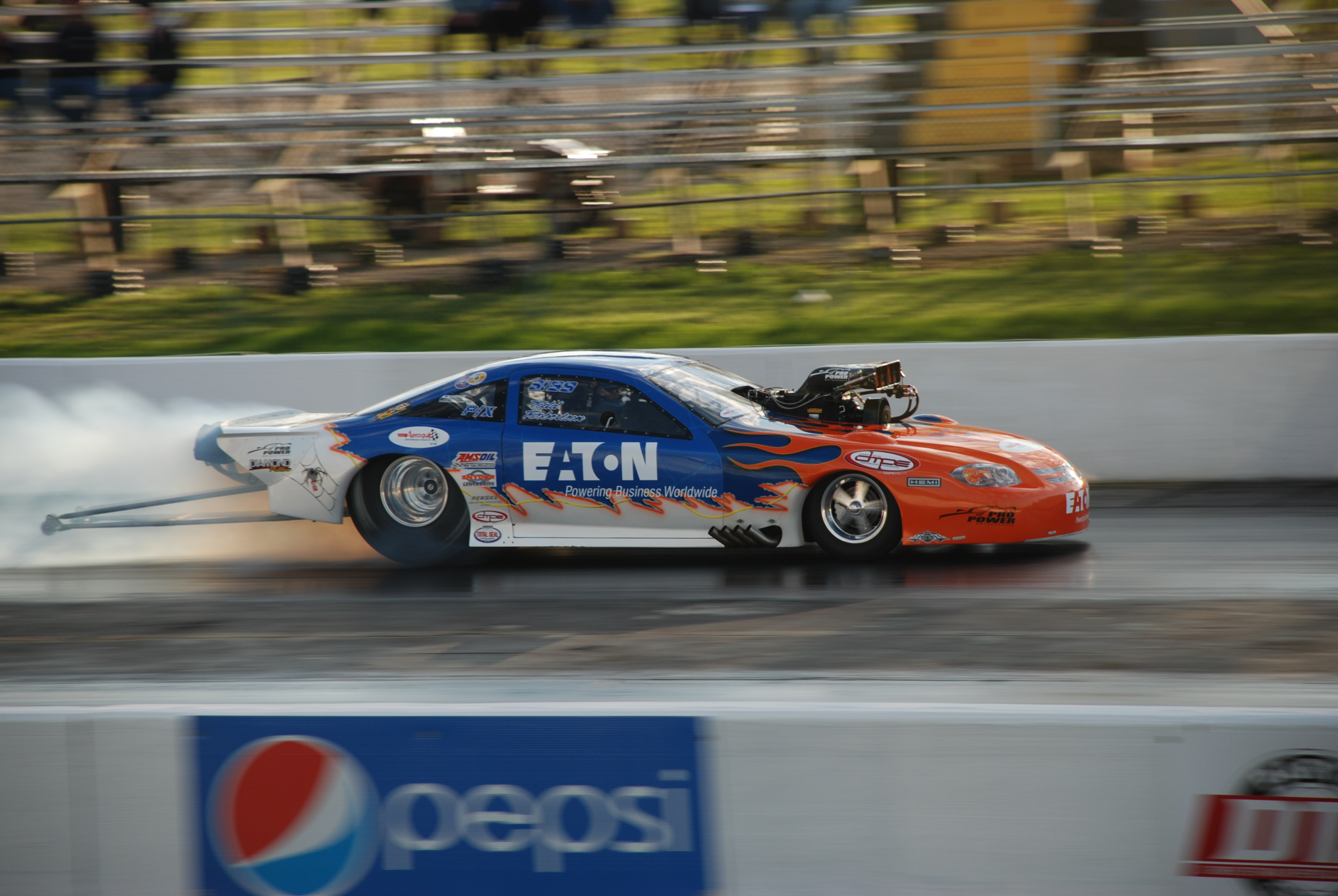
Beyond the finish line the car still had to stop, and the run-off was frequently short, unpaved, unlit, bordered by ditches, fences, poles or trees, and in some places ended at a public road.
Accidents at the far end were common and were the characteristic serious crash of the period. Shutdown length, surface, sand traps or arrester systems and clear run-off are now the primary technical requirements for licensing an American strip, and a great many period venues closed precisely because they could not provide the distance.
3. Nitromethane Was Mixed in a Bucket

Fuel for the fastest classes was blended on the spot, by eye and experience, from drums in the pits. Mixtures were a matter of opinion and the consequences of getting it wrong ranged from a dead engine to an explosion.
The substance is genuinely hazardous to handle and the handling was casual. Fuel specification, blending, storage, labelling and handling are now controlled under American sanctioning rules and under hazardous materials law, and pit blending from open drums would not be allowed.
4. Drivers Wore Almost Nothing
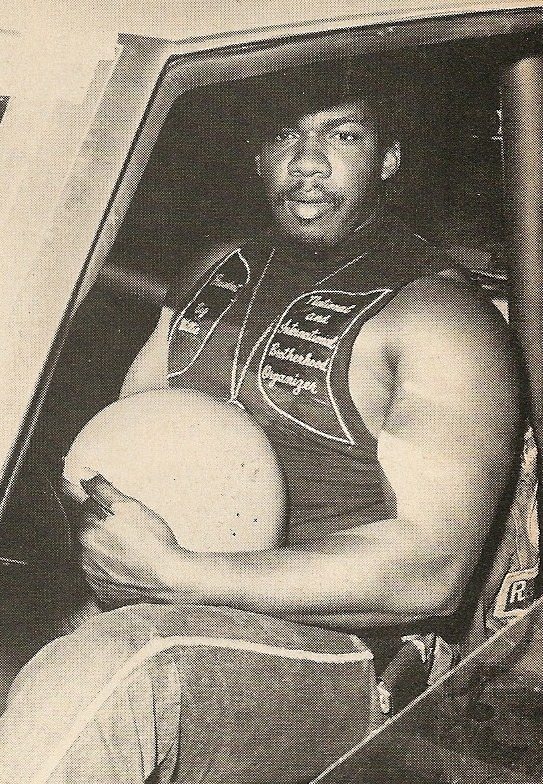
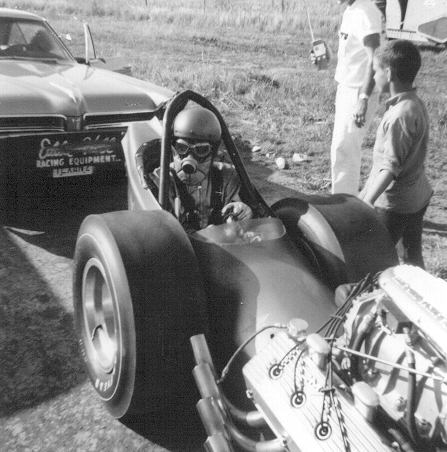
Protective clothing in the period ranged from a proper fire suit at the top level to jeans and a t-shirt further down. Helmets were inconsistent in standard, and gloves, boots and face protection were frequently absent.
Fire is the specific hazard of fuel racing and it is the reason every element of modern equipment exists. Fire-resistant suits, gloves, boots, helmets to a current standard, head and neck restraints and onboard suppression are now mandatory in American drag racing, specified by class, and a competitor without them does not pass technical inspection.
5. The Timing Was a Man With a Flag
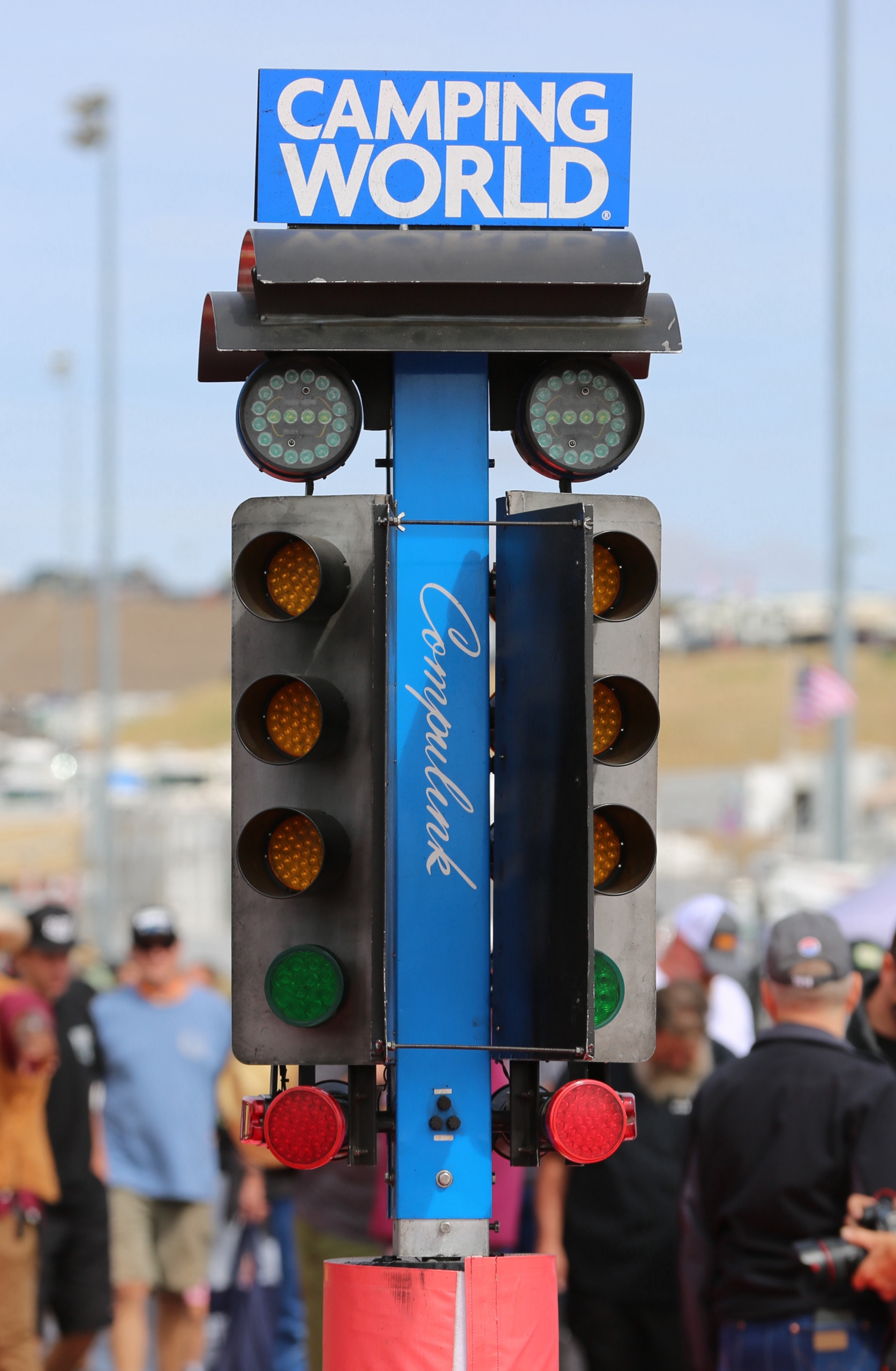
Starting was done by a flagman standing between the cars, dropping a flag and getting out of the way. Timing at lower-level strips was by hand or by rudimentary equipment, and the result was frequently an argument.
The flagman’s position – between two cars about to launch – is the detail that most startles people now. The electronic starting system with its sequenced lights replaced him, which removed both the danger and the arguments, and it is the single most recognisable change in the sport.
6. The Cars Were Home-Built With No Inspection Worth the Name
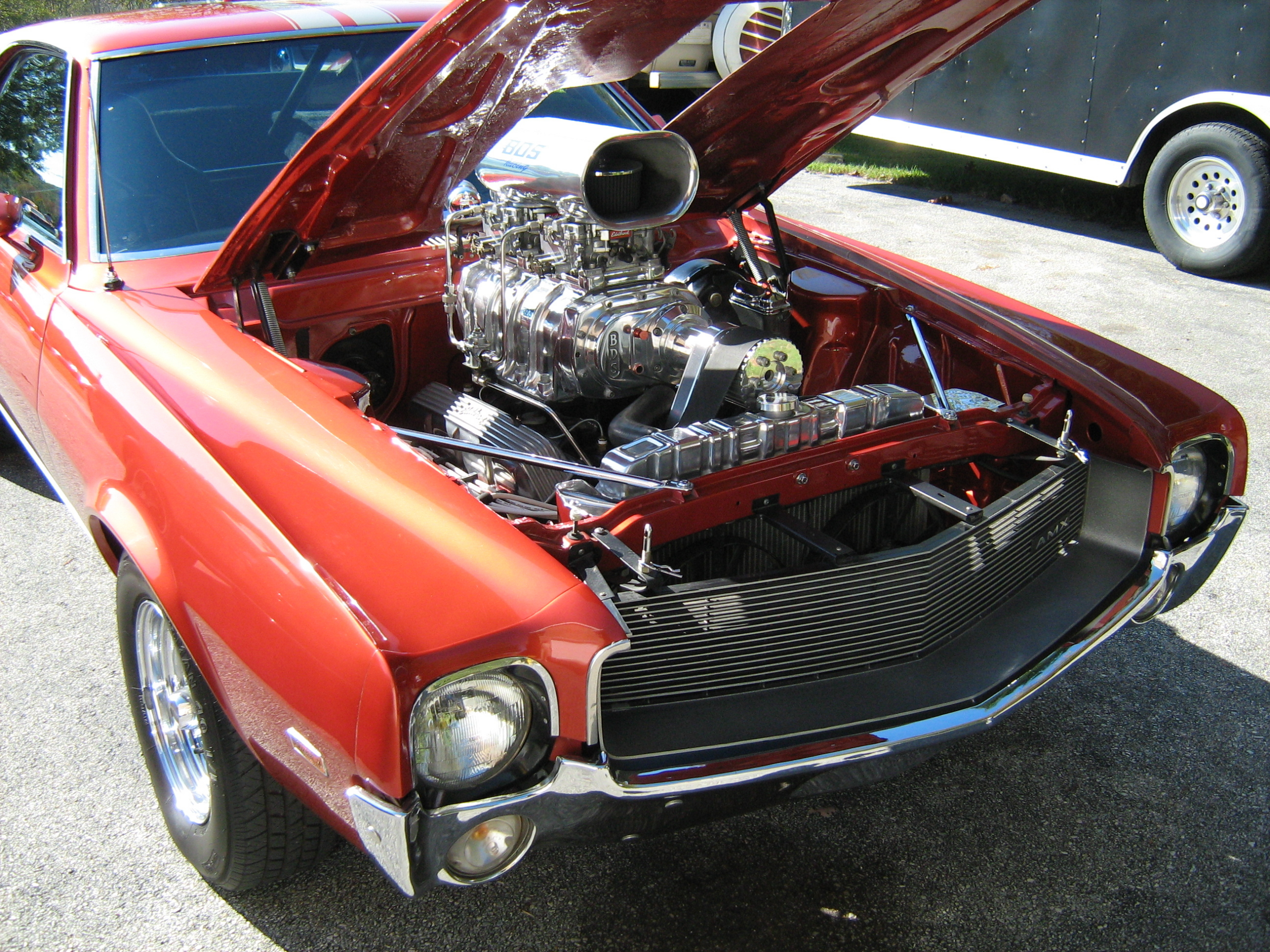
Entrants built their own cars in home garages, with welding of unknown quality, roll protection that was frequently decorative, and brakes and tyres chosen for cost.
Technical inspection existed and varied enormously by venue. Chassis certification by qualified inspectors, specified roll cage construction, parachute requirements, window nets, driveshaft loops and transmission containment are now required by class in American drag racing, and a home-built car enters a process rather than a queue.
7. The Fire Equipment Was a Man With an Extinguisher
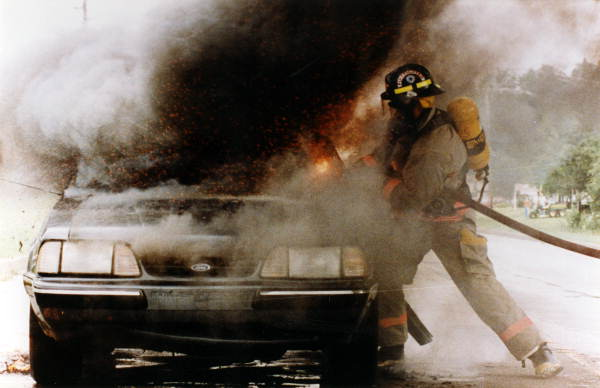
Emergency response was whoever was nearest with a hand extinguisher, frequently a volunteer, with no protective equipment and no training.
A fuel fire is not something a person in ordinary clothing with a hand extinguisher can address. Trained and equipped safety crews, fire vehicles, specified response times and on-site medical provision are now conditions of operating an American strip.
8. The Pits Were Open and Full of Children
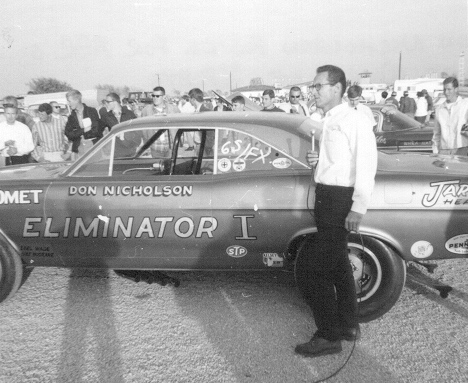
Spectators walked freely through the pit area, among running engines, open fuel, hot exhaust, raised cars and work in progress, and brought their families with them.
The access was genuinely wonderful and it is what built the sport’s culture. Pit access is now controlled, wristbanded, restricted by age in hot areas and subject to signed acknowledgement at American events, which has preserved most of the openness while removing the worst of it.
9. Street Cars Raced Straight Off the Road
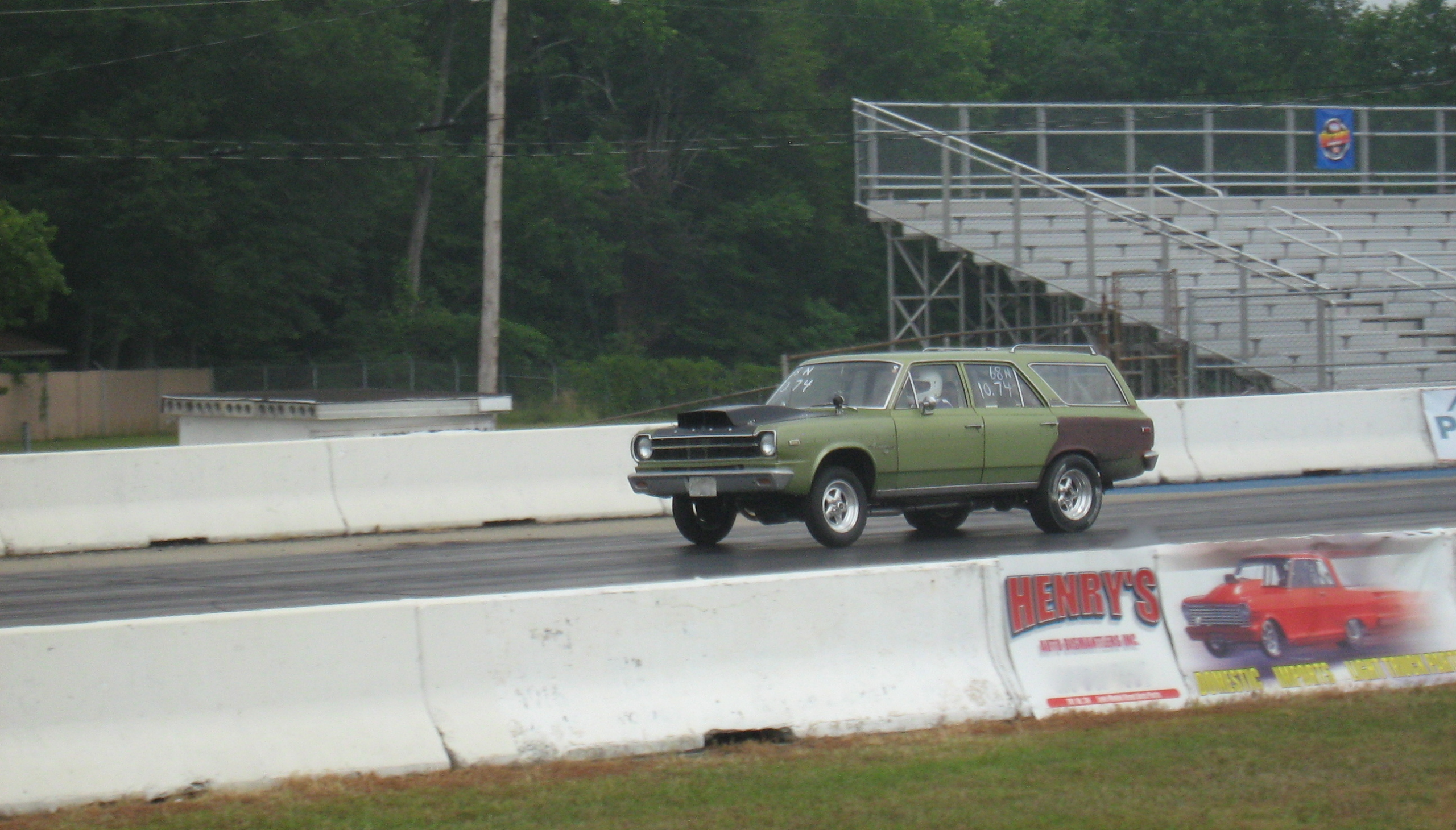
A substantial part of any meeting was ordinary cars driven to the strip, run as they were, and driven home. Tyres, brakes and structure were whatever the car had left the factory with.
This is the heart of what drag racing was for, and it survives in a managed form. The contemporary argument that a sanctioned strip is a better destination than a public road for exactly this impulse is the sport’s strongest claim on public sympathy, and it was made then too.
10. Nobody Checked Who Was Driving
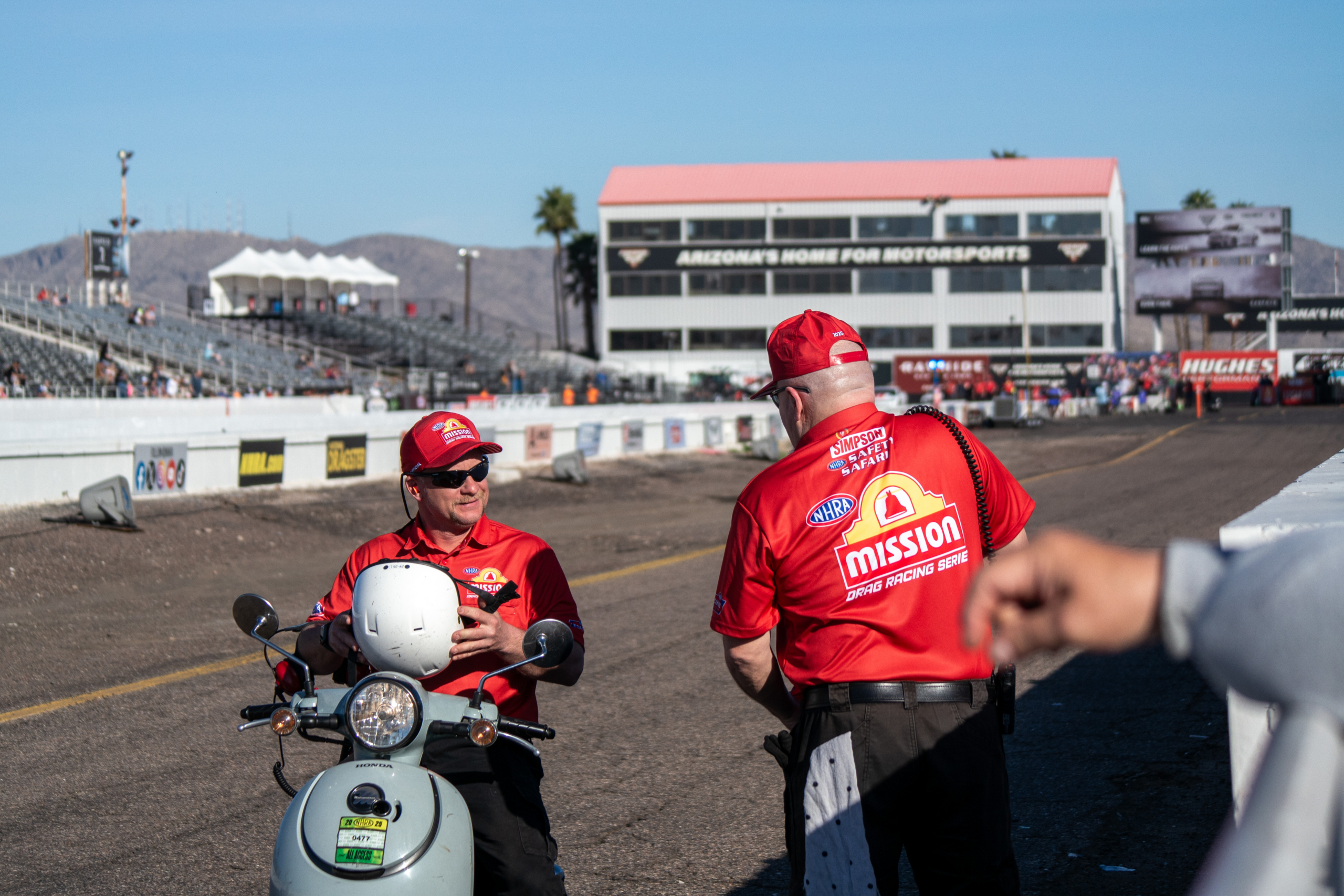
Licensing for lower classes was minimal or absent. A person could arrive, pay, and run a car with no demonstration of competence, no medical, and in some cases no licence check at all.
Competition licensing graduated by speed and class, with demonstrated runs, medical requirements and class-specific qualification, is now standard in American drag racing, and the faster the class the more extensive the process.
11. The Noise Was Unmeasured and Everybody Went Deaf
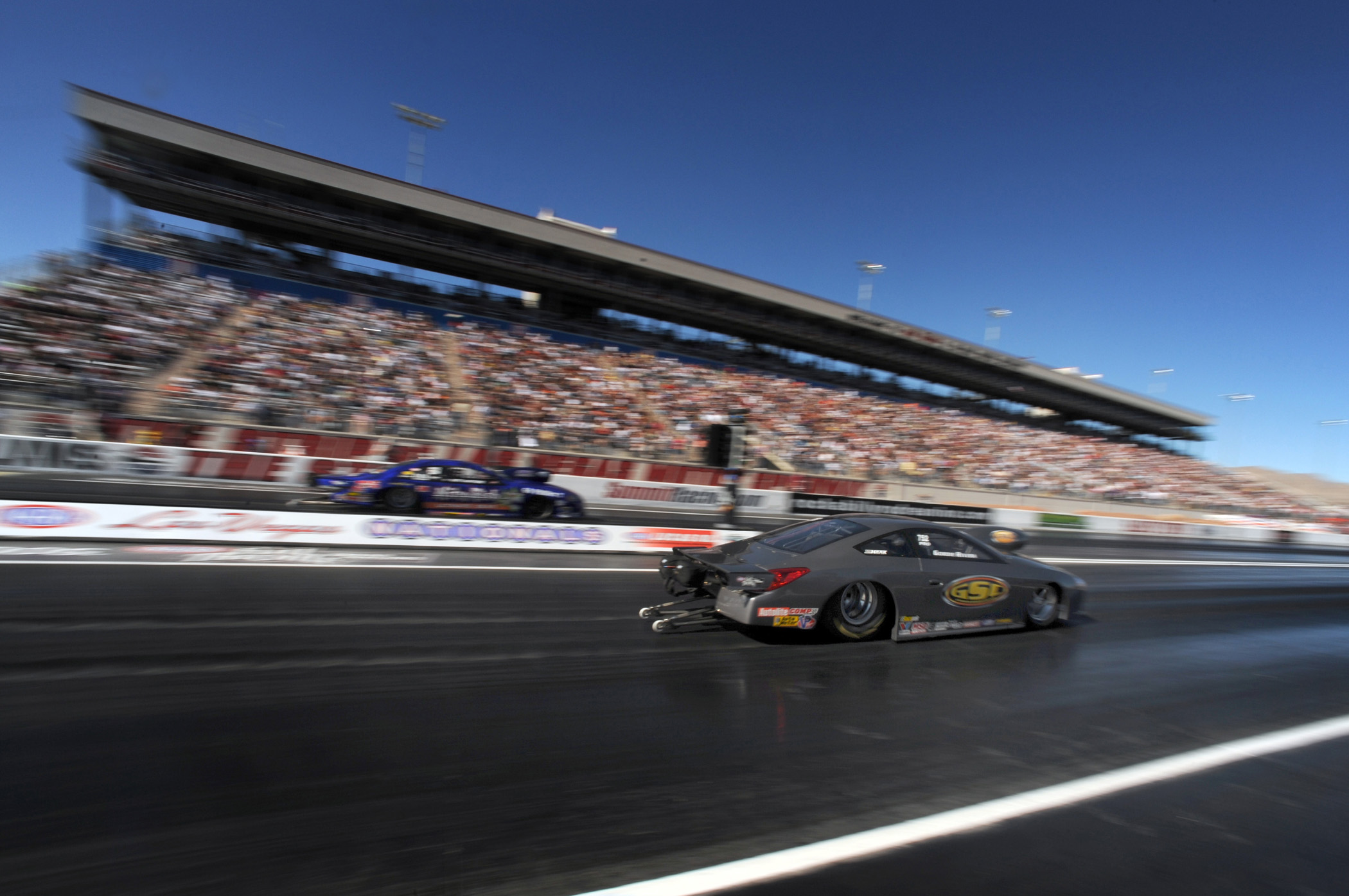
A fuel car at full throttle is among the loudest things a civilian will ever stand near, and nobody in the period wore hearing protection, including crews who were exposed every weekend for years.
Hearing damage among long-term participants is well documented and was entirely predictable. Hearing protection is now standard for crews and recommended for spectators at American events, and the sound is managed as an exposure rather than enjoyed as an unqualified feature.
12. And Then Insurance, Sanctioning and Land Values Closed Most of the Strips
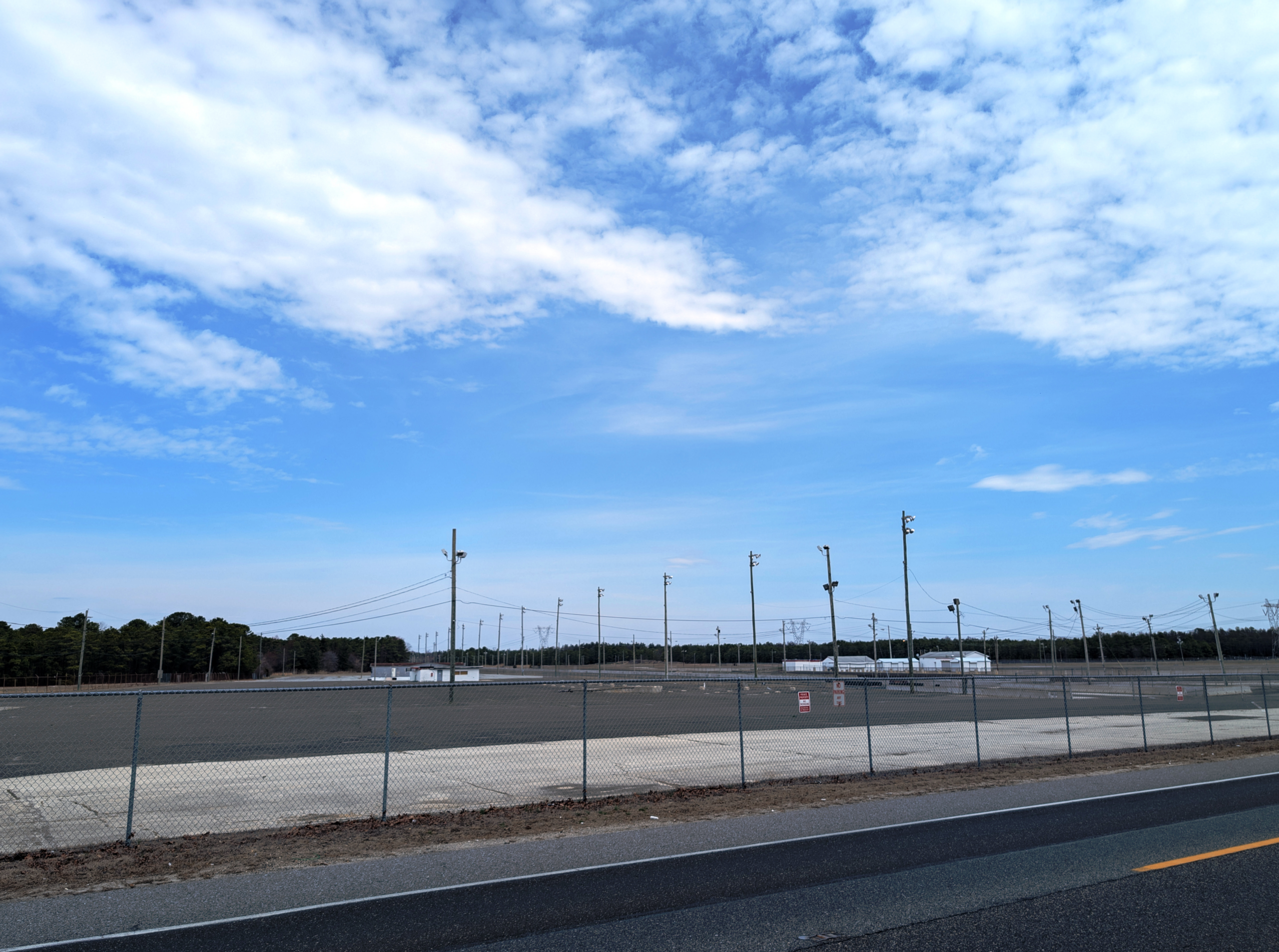
Three forces worked together. Sanctioning bodies imposed technical, safety and facility standards that required real investment in shutdown areas, barriers, crews and equipment. Insurance became unobtainable for venues that could not meet them. And the airfields the sport had colonised became valuable – a flat cleared site near a growing American town is a business park, and a great many strips were sold rather than upgraded.
What remains is a smaller number of properly built, properly staffed, genuinely safe facilities, and the sport at the top level is one of the more impressive safety engineering stories in motorsport. What was lost is the small local strip on a Sunday that anybody could drive to and enter, which is where almost everybody who loves the sport actually came from.
Why the Shutdown Area Decided Everything
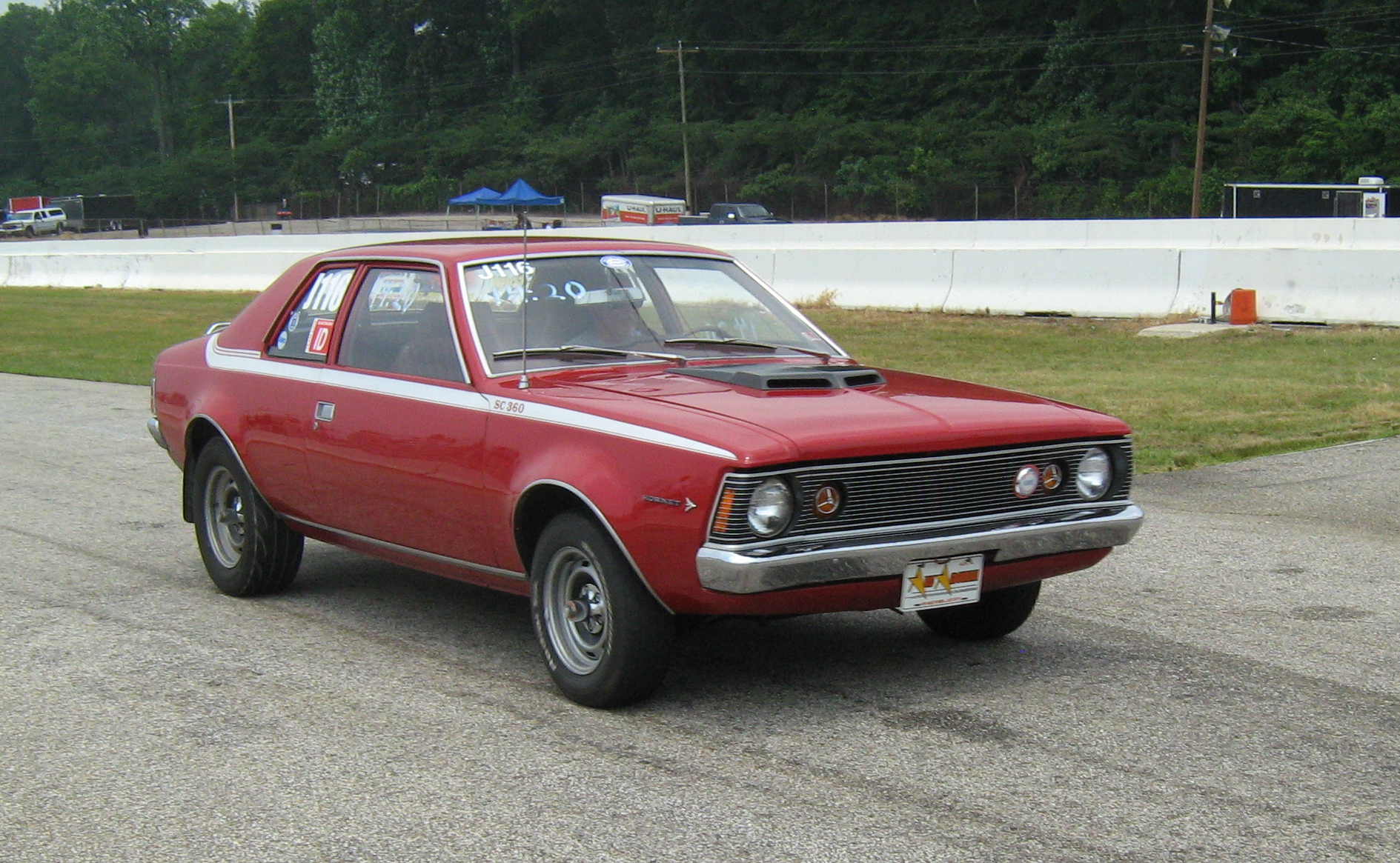
Six of these would now prevent a meeting: rope spectator separation, an inadequate shutdown area, pit fuel blending, competitors without fire-resistant equipment, untrained emergency response, and uncertified home-built cars in fast classes.
One of those mattered more than all the others, and it is the one that is least obvious.
A drag strip’s binding constraint is not the quarter mile. It is the distance after it. A car that has just covered a quarter mile needs a very long way to stop, and if it has a problem at the far end it needs somewhere to go that is not a ditch, a pole or a road. The shutdown area cannot be improvised, cannot be added to a site that does not have the land, and cannot be shortened.
That single requirement is what closed most American strips. Barriers can be built, crews can be trained, rules can be adopted and cars can be inspected – all of it is money and organisation. Land at the far end is either there or it is not, and on a wartime airfield surrounded by a town that grew into it, it was usually not.
So the sport did not mainly tighten up. It concentrated into the minority of sites that happened to have the room.
People who were there describe the same things: standing close enough to feel it in your chest, walking through the pits and talking to anybody, and the fact that the car doing the running was frequently the car somebody had driven there in.
They also describe the far end of the track, which is where almost everybody who was hurt was hurt, and the flagman standing between two cars with nothing between him and either of them. Drag racing is now a great deal safer and a great deal harder to get into, and both of those are the same sentence about the same quarter mile of land.
Like our content? Follow us for more.