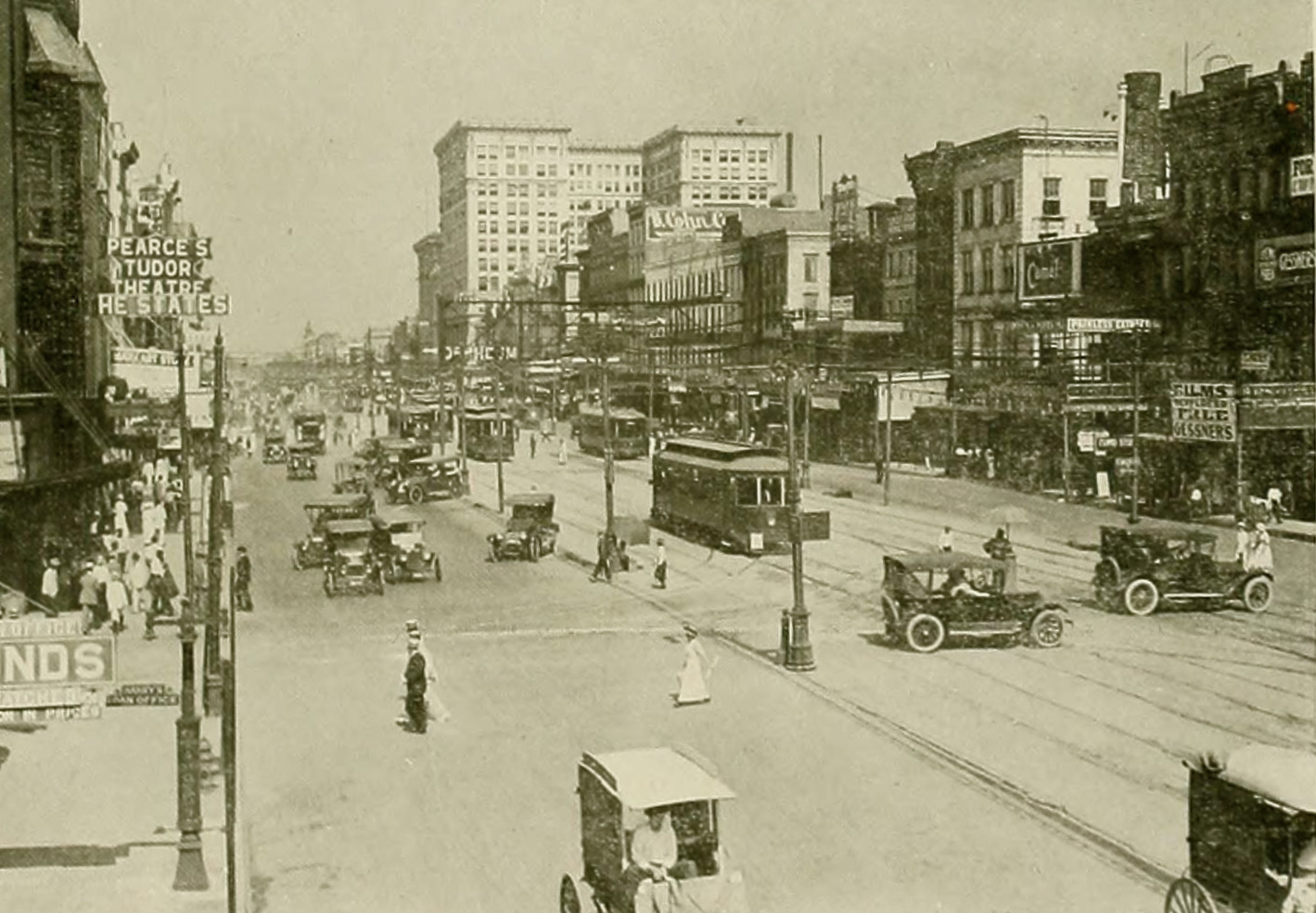
Ask an American where they are allowed to cross a road and they will tell you: at the corner, at the crossing, with the signal. Crossing anywhere else is jaywalking, and jaywalking is, in a vague and widely understood way, against the rules.
Ask where that idea came from and almost nobody knows. The usual assumption is that it is simply common sense codified – cars are dangerous, so pedestrians were told to stay out of the road.
The actual history is almost the opposite. Before motor cars, the street belonged to pedestrians as a matter of settled law and settled custom. When cars arrived and began killing people in large numbers, the public response was ferocious and directed squarely at the cars. The motor industry, facing the real possibility that its product would be regulated into irrelevance in cities, ran a campaign to redefine the street as a place for vehicles where pedestrians were guests – and the word jaywalker was one of its instruments.
The Street Belonged to Everybody
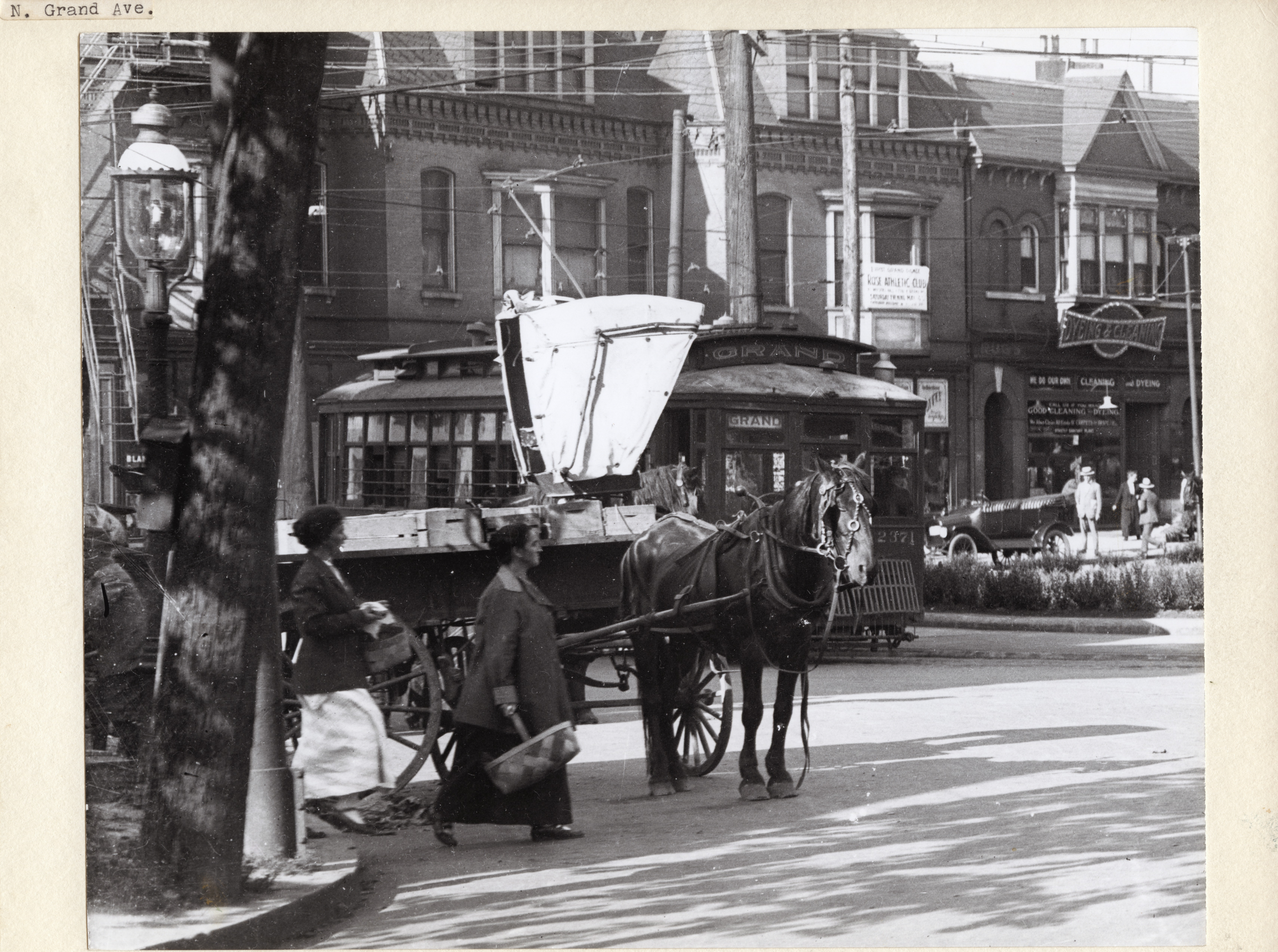
An American city street in 1910 was a shared public space with no notion of a correct place to walk.
Pedestrians crossed wherever they wanted, in any direction, and stood in the road to talk. Children played in it, because for a great many urban families the street was the only outdoor space available. Vendors worked from it, deliveries were made across it, and horse traffic, streetcars, bicycles and handcarts all moved through at speeds that made the mixture workable.
The legal position matched the custom. Common law treated the public highway as available to all users, and a driver bore the responsibility of avoiding the people in it. The vehicle was the thing that had to be careful, because the vehicle was the thing that could do the damage.
That arrangement had held for centuries. The motor car broke it in about fifteen years.
Like our content? Follow us for more.
The Deaths, and the Reaction
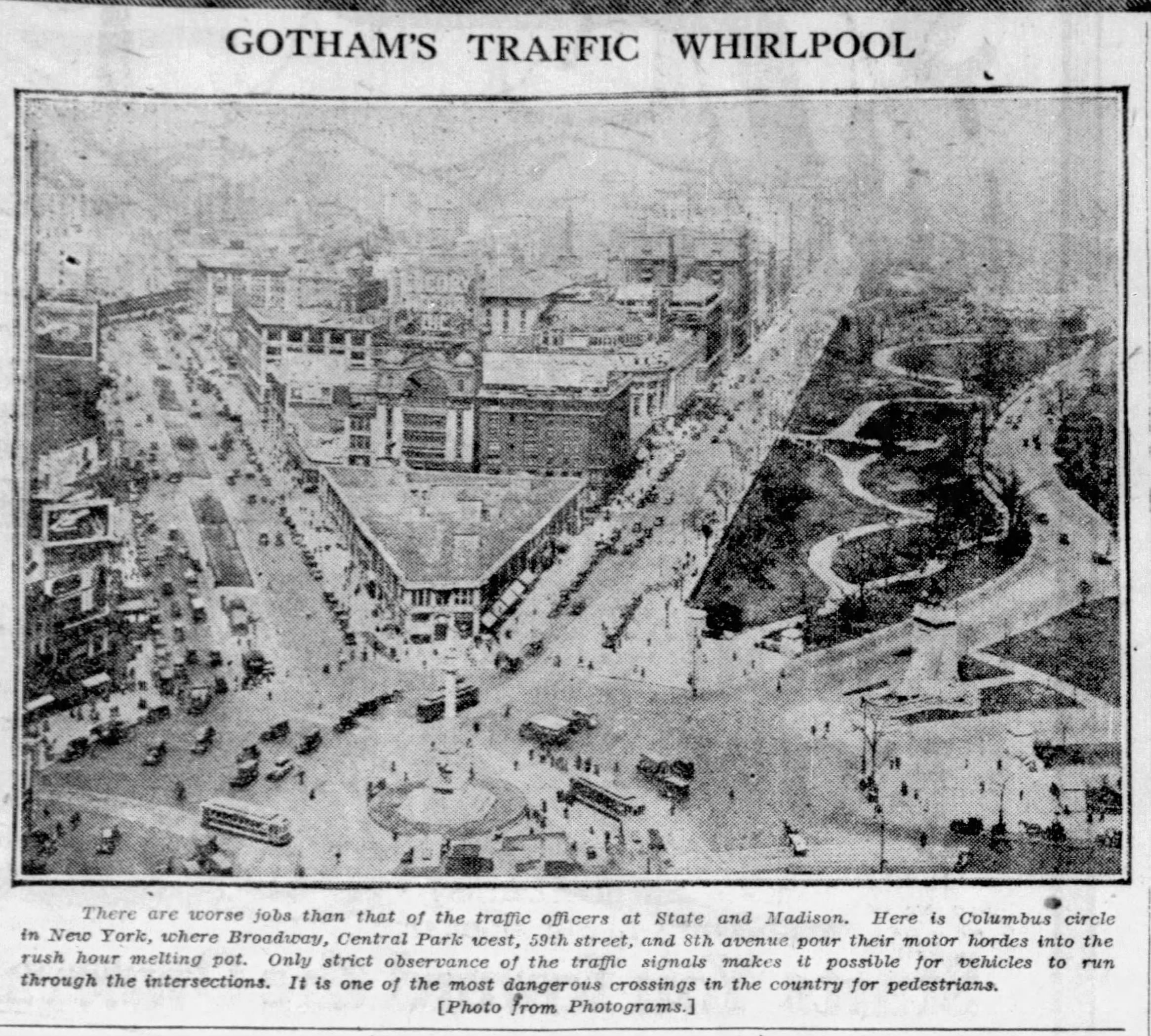
Motor vehicle deaths in American cities rose steeply through the nineteen-teens and into the twenties, and a very large share of the dead were pedestrians, and a very large share of those were children.
The public reaction was not resignation. It was fury. Cities held public memorials for children killed by cars. Newspapers ran the names. There were proposals to fit vehicles with mechanical speed governors so that they physically could not exceed a low urban limit, and such proposals came close to passing in American cities.
The framing was moral and it was explicit: the car was an intruder in a space that belonged to people, drivers who killed were called murderers in print, and the question being debated was not where pedestrians should walk but whether cars should be permitted to move at speed in a city at all.
This is the context that makes the rest comprehensible. The motor industry was not defending a settled position. It was facing an existential one.
The Word Was an Insult Before It Was a Law
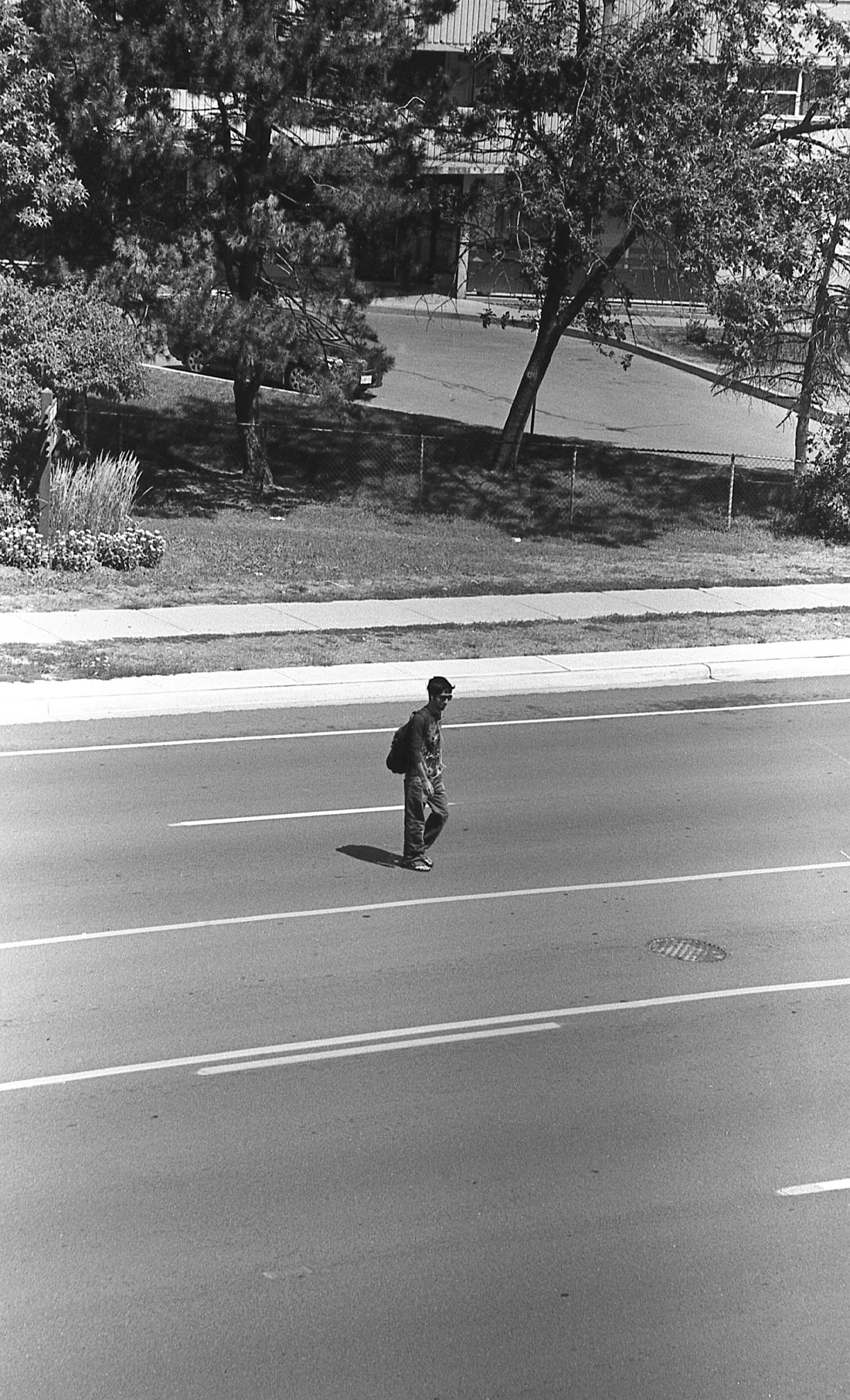
Jay was American slang of the period for a rustic, a hick, a country person out of their depth in a city – an unsophisticated nuisance who did not know how things were done.
A jaywalker, therefore, was not primarily someone breaking a rule. It was someone being a bumpkin: a person so unfamiliar with urban life that they wandered about in the road like a yokel, embarrassing themselves.
That is a very specific choice of weapon, and it was chosen deliberately. A safety argument invites a debate about who is actually dangerous. Ridicule does not. Calling a pedestrian a jaywalker did not accuse them of recklessness – it accused them of being provincial, which in a city in the nineteen-twenties was a far more effective thing to be accused of.
The term existed before the campaign, but it was marginal and had a matching counterpart, jay driver, for motorists behaving badly. The campaign promoted one of those words relentlessly and the other disappeared.
The Campaign
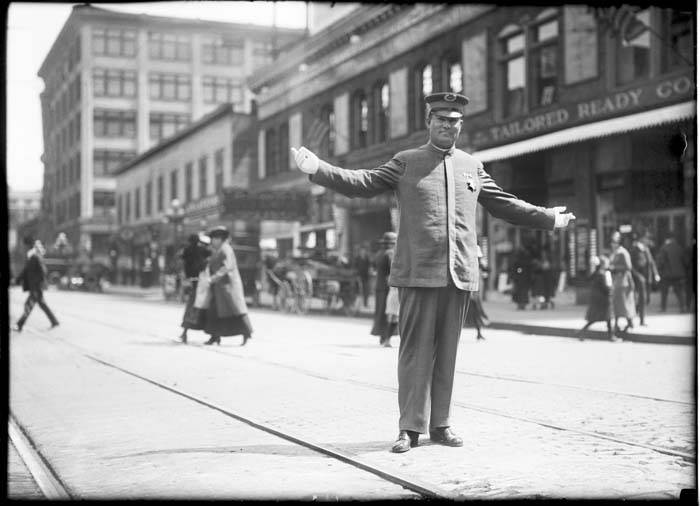
Motor clubs, dealers’ associations and the industry’s trade bodies ran a sustained and well-organised effort through the nineteen-twenties, and its methods are documented because they were not secret – they were described in the industry’s own publications as a deliberate strategy.
It worked on several fronts at once. Local motor organisations supplied American newspapers with free wire copy on traffic accidents, written from a standard template that attributed fault to the pedestrian. They sponsored school safety campaigns and children’s safety patrols that taught a generation of American children that the road was not theirs. They staged public ridicule, including parades and events in which somebody dressed as a rustic was mocked for crossing badly.
And they pushed, city by city, for traffic ordinances that confined pedestrians to crossings – presenting this as a safety measure, which in a narrow sense it was, while the broader effect was to establish in law that the roadway was for vehicles and the pedestrian was the party with the obligation to keep out of the way.
The reframing was the achievement. Within roughly a decade, a street death went from being something a driver had done to a child to being something a child had done to themselves.
What Was Actually Traded
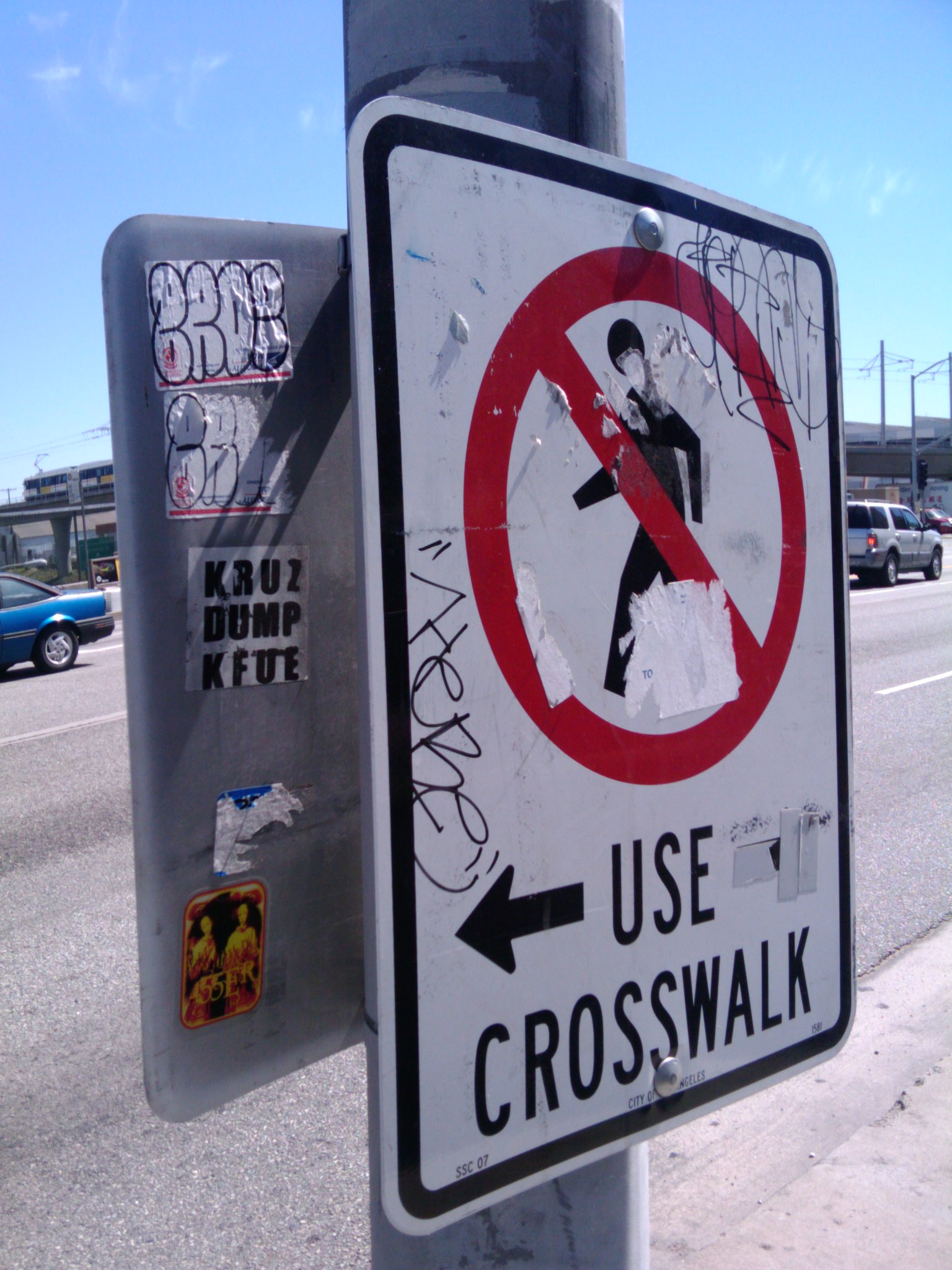
It would be dishonest to present this as pure villainy, and the honest account has two sides.
The industry’s position was not baseless. A city cannot function with motor traffic if people step off the kerb at random, the speeds involved make unpredictable crossing genuinely lethal, and some separation of pedestrians and vehicles in time or space is the only arrangement that permits both to exist. Signalised crossings do reduce deaths at the points where they are used, and the American traffic system that emerged did eventually move very large numbers of people.
But the trade that was made should be stated plainly. The alternative on the table in 1920 – mechanically limiting urban vehicle speed and keeping the legal presumption against the driver – would also have reduced deaths, and would have done it without transferring the right of way. The choice between those two futures was made, in large part, by the party with the most money at stake, through a campaign of ridicule and template journalism.
And the thing that was given up was not nothing. It was the status of the street as a public space, which in American cities has never come back.
Why This Is So Much More American Than Elsewhere
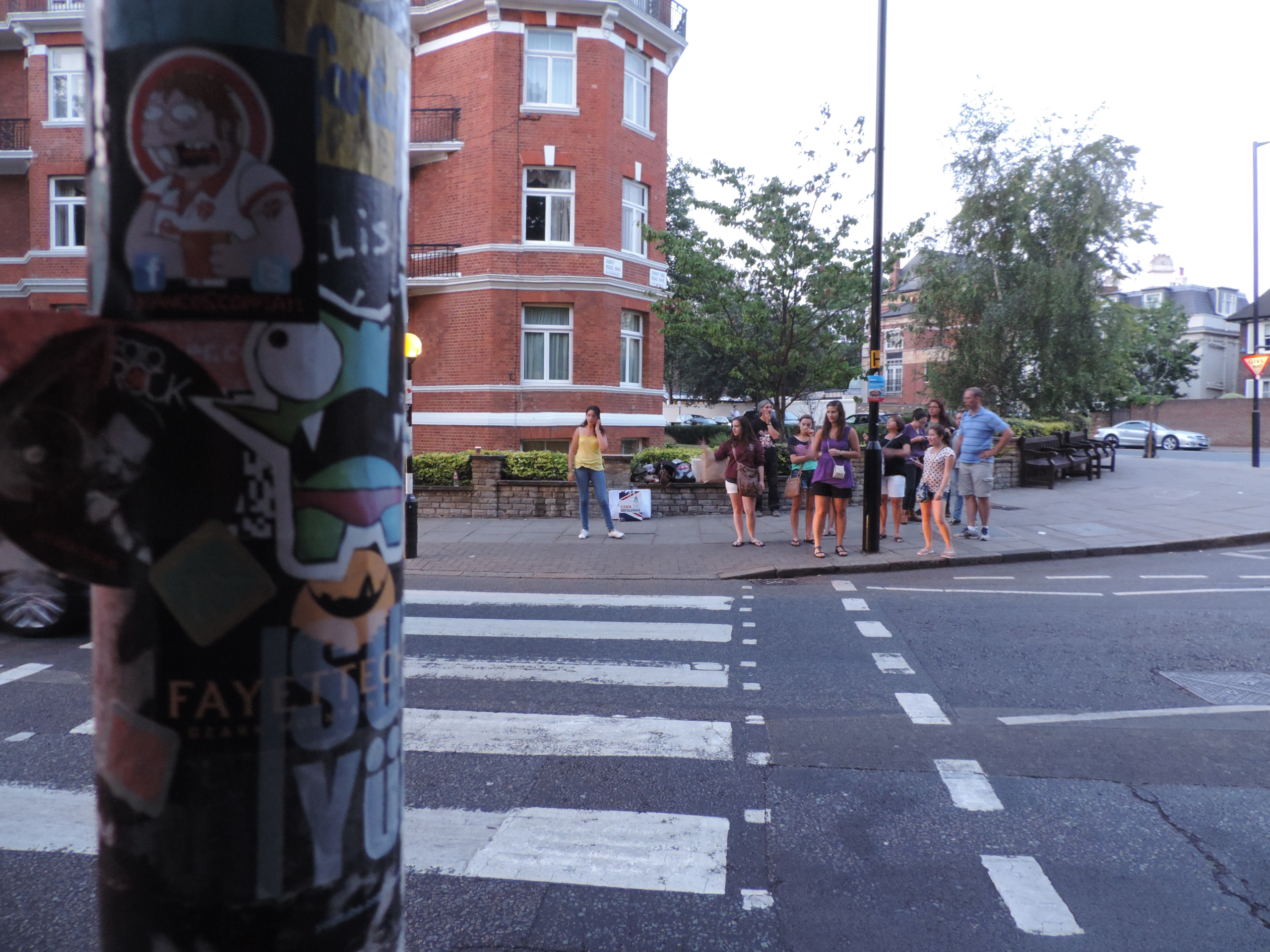
Jaywalking as an enforceable offence with a name is distinctively American, and the comparison is instructive.
A great many countries do restrict crossing in specific circumstances – near a signalised crossing, on a motorway, against a red signal – and some enforce it seriously. But the general proposition that crossing the road away from a junction is in itself unlawful is far from universal. In Britain and across much of Europe, a pedestrian may cross where they judge it safe, and the law places a heavy and continuing duty of care on the driver regardless of where the pedestrian is.
The difference traces to the same period. Countries that motorised later, more slowly, or into denser older street patterns never had the same decisive fight, and in several of them the legal presumption that the heavier vehicle bears the greater responsibility was retained and then strengthened.
Which means the American arrangement is not what happens when a country gets cars. It is what happened in one country where a particular argument was won at a particular moment.
It Is Now Being Partly Undone
The most interesting development is recent: several American jurisdictions have repealed or substantially narrowed their jaywalking offences in the last few years.
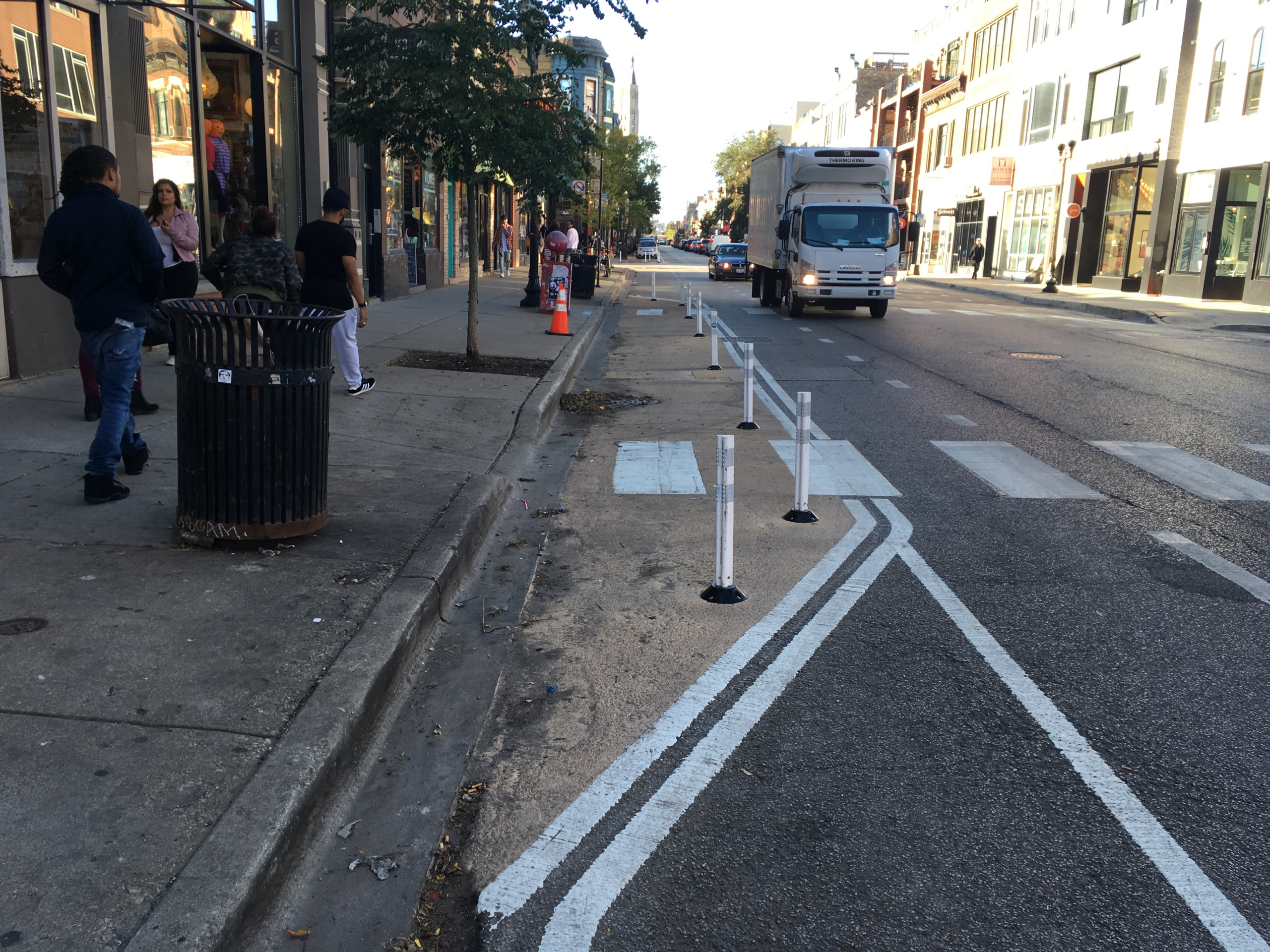
The reasons given have been consistent. The offence is enforced unevenly, it produces a large number of stops for a very low-harm behaviour, and the evidence that enforcement reduces pedestrian deaths is weak compared with the evidence for changing the roads themselves – narrower lanes, shorter crossings, lower speeds, better lighting and more crossings in the places people actually want to walk.
That last point is the quiet admission underneath the repeals. When pedestrians consistently cross in a particular spot where there is no crossing, the usual engineering conclusion now is that the crossing is in the wrong place, not that the pedestrians are. Which is, a century later, a partial return to the proposition the industry spent the nineteen-twenties demolishing: that the street should be arranged around the people in it.
The Honest Summary
Before cars, American streets were legally and customarily shared, and the driver bore the duty to avoid everybody else in them.
When motor vehicles began killing large numbers of urban pedestrians, especially children, the public response was severe enough to threaten the car’s place in the city, including serious proposals to limit vehicle speed mechanically.
The motor industry responded with an organised campaign to move the blame. It promoted the word jaywalker, which worked by ridicule rather than by safety argument, supplied newspapers with accident copy written to fault the pedestrian, ran school campaigns, and lobbied city by city for ordinances confining pedestrians to crossings.
It worked completely. Within about a decade the street had been redefined as a place for vehicles, and that definition is now so thoroughly internalised that Americans experience it as common sense rather than as the outcome of a campaign.
And several American jurisdictions have now begun repealing the offence, on the grounds that the roads, rather than the people walking across them, are the thing to fix.
Like our content? Follow us for more.