

It is one of the most universally shared complaints in the history of television, and for most of that history the people being complained to had a technically accurate answer that satisfied nobody.
Viewers said the advertisements were louder. Broadcasters said the advertisements were not permitted to exceed the same maximum level as the programme, that they measured it, and that they complied.
Both statements were true at the same time, and the gap between them is one of the better examples of a rule that measured the wrong thing for forty years.
What the Old Rule Actually Measured
Broadcast audio has always been limited, because a signal that exceeds the system’s capacity distorts and can interfere with the transmission itself. The limit that mattered was a ceiling on peak level – the loudest instantaneous moment the signal was permitted to reach.
That limit was real and it was enforced, and a commercial that breached it would have been a technical fault rather than a marketing decision. So when broadcasters said the advertisements were not louder, they meant that the highest point of the advertisement’s waveform was no higher than the highest point of the programme’s.
Which was entirely true, and entirely beside the point.
Like our content? Follow us for more.
Why Peaks Are Not Loudness
Human hearing does not respond to peaks. It responds to sustained energy over time, and to a lesser extent to frequency content, because the ear is far more sensitive in the middle of the range where speech lives than at the extremes.
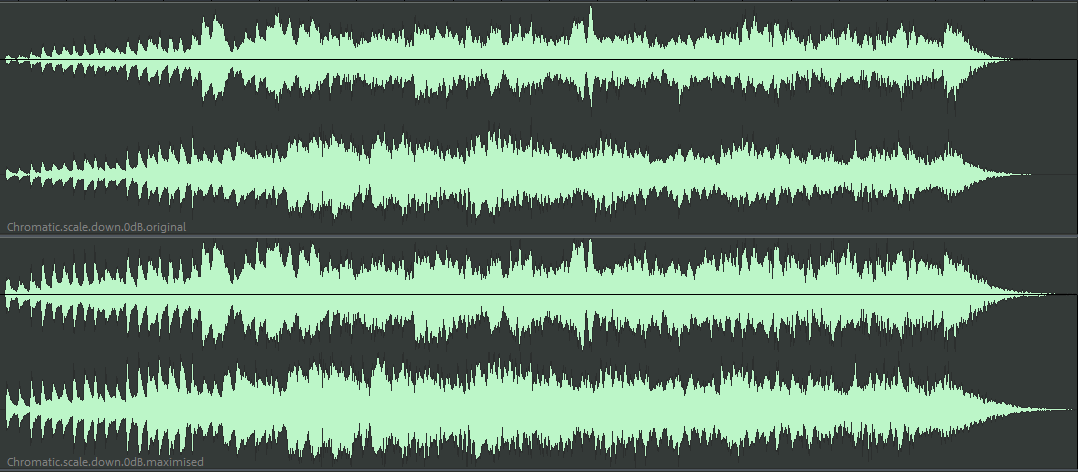
A piece of drama has enormous dynamic range. Quiet dialogue, a pause, a door closing, a sudden noise. The peak might be very high, but the average level across the whole scene is low, because most of it is quiet.
An advertisement has essentially no dynamic range at all. Every moment is pushed as close to the ceiling as the limiter allows, there are no quiet passages, nothing is allowed to drop, and the frequency content is concentrated in the range the ear is most sensitive to.
So two pieces of audio with an identical peak can differ enormously in how loud they sound, and an advertisement engineered to sit continuously at the ceiling will be perceived as dramatically louder than a programme that merely touches it occasionally. The rule was measuring the roof of the building. The complaint was about how full it was.
The Compression Arms Race
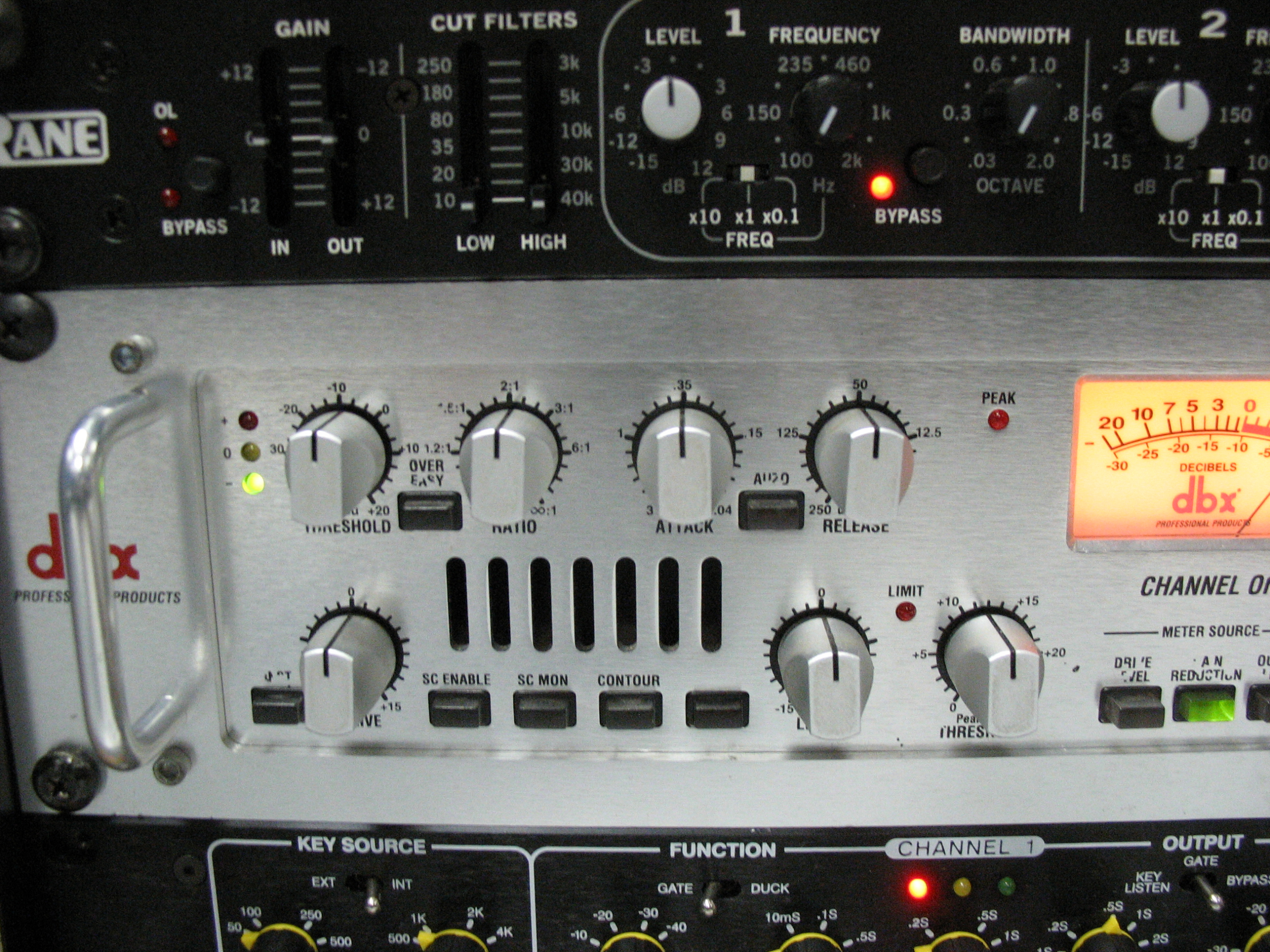
The technique is called dynamic range compression, and once one advertiser used it aggressively, every advertiser had to.
Compression reduces the difference between the loudest and quietest parts of a signal, which allows the whole thing to be raised without the peaks breaching the ceiling. Applied gently it is an ordinary and necessary production tool. Applied hard it produces audio that is relentlessly, uniformly loud and perceptibly different from anything around it.
The competitive logic was unanswerable. An advertisement that sounded quieter than the one before it was wasting its thirty seconds, and no advertiser was going to volunteer to be the quiet one. Equipment to do this got cheaper and better continuously through the period, so the ceiling was approached more and more closely, and the gap between programme and advertisement widened decade by decade.
Nobody was breaking the rule. The rule had simply been written against a problem that was not the one viewers were experiencing.
The Fix Was to Measure Loudness Instead

The solution arrived once there was an agreed way to measure perceived loudness rather than peak level, which is a genuinely difficult technical problem and took international standards work to settle.
The resulting measurement averages the signal’s energy over time and weights it by frequency to approximate how an ear actually responds, producing a single number for how loud a piece of content will seem. Once that number existed, it became possible to write a rule that said what viewers had always meant.
American legislation passed in 2010 and taking effect at the end of 2012 required that commercial advertisements not be transmitted louder than the programming they accompany, measured by that loudness standard rather than by peaks. Broadcasters became responsible for ensuring compliance, with the regulator handling complaints.
The equivalent problem was addressed in other countries over a similar period, through broadcast regulation and industry codes built on the same underlying measurement standard – which is why the fix was possible at all. It took an agreed definition of loudness before anybody could legislate about it.
It Worked, Mostly
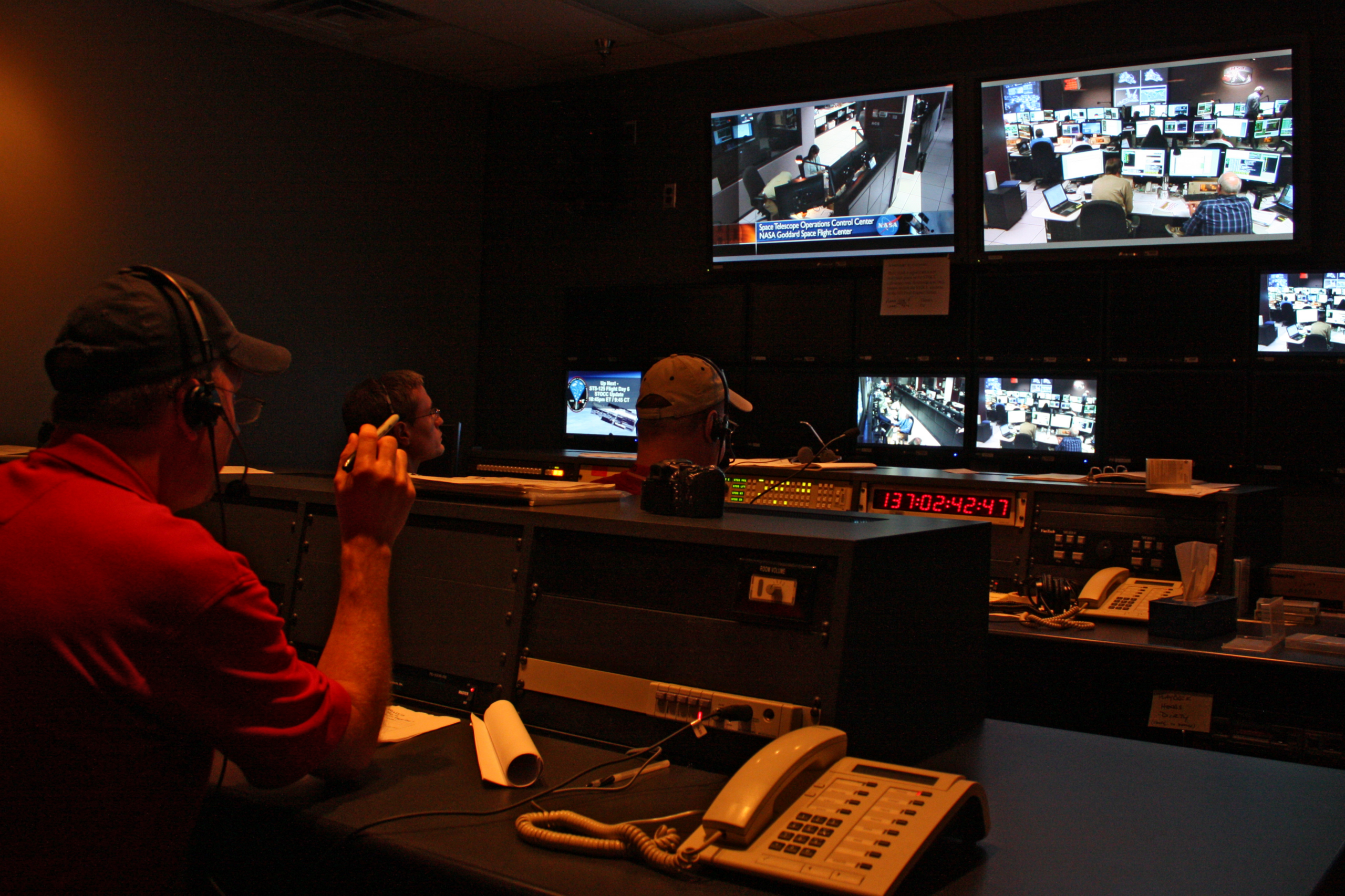
The honest assessment is that the problem is substantially solved and not entirely.
Complaints fell sharply after the rule took effect, and the specific phenomenon the law targeted – a commercial break arriving at a noticeably higher level than the programme – is now uncommon on broadcast television in the countries that adopted the standard.
What remains is around the edges. The rule governs the average loudness of an advertisement against its programming, which leaves room for content that is technically compliant and still uncomfortable, particularly where a quiet programme is followed by an advertisement sitting right at its permitted level. Channel-to-channel differences persist. And the rule applies to broadcast and cable transmission rather than to every way a person now watches, which means streaming services, apps and online video sit under different arrangements – some of which have adopted the same standard voluntarily and some of which have not.
So the experience has improved enormously and has not disappeared, and the residual annoyance is mostly in the places the legislation does not reach.
The Same Thing Happened to Recorded Music, and Nobody Fixed It
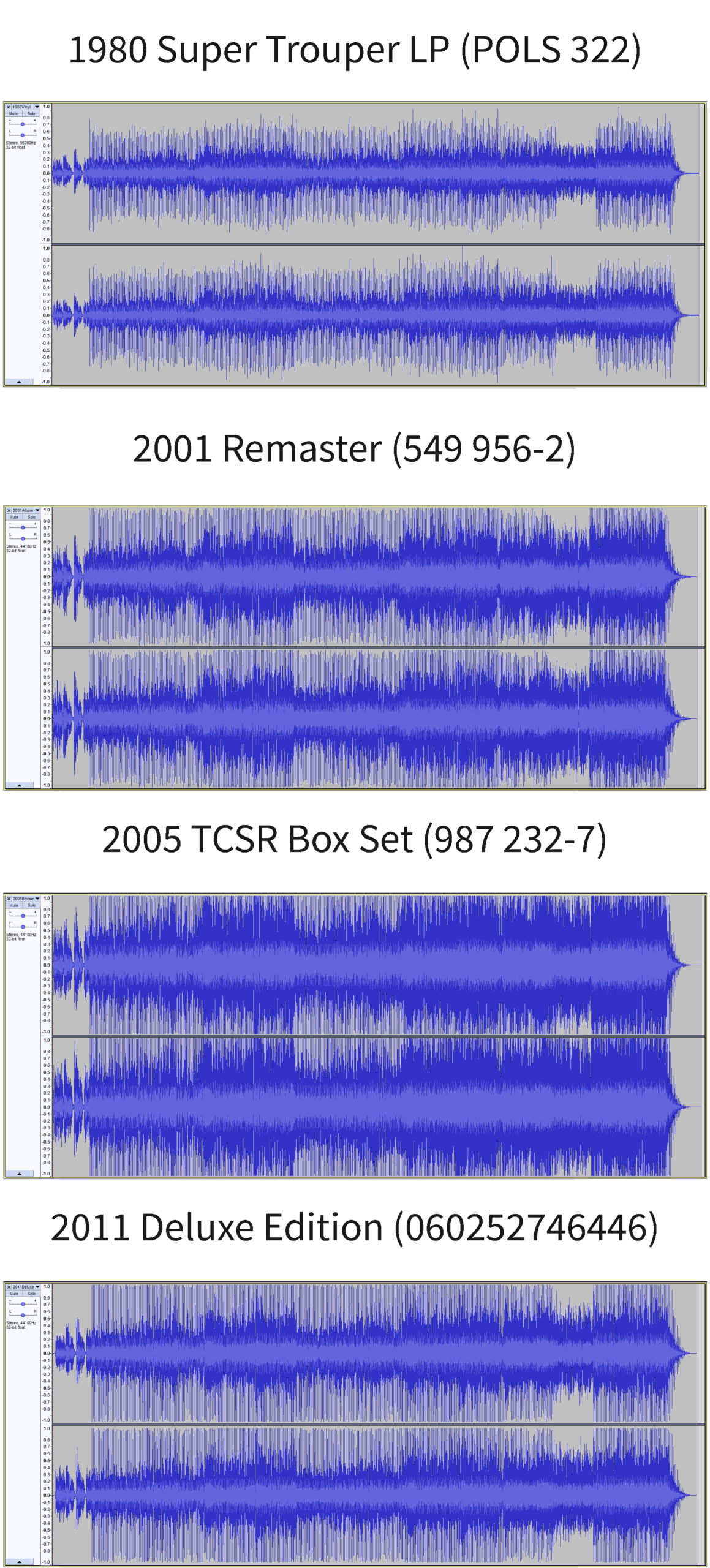
The television story has a close relative that is worth knowing, because it shows what happens when the same pressure meets no regulator at all.
Recorded music went through an identical competitive spiral. Once it became possible to master a record so that it sat continuously near the maximum level, there was an advantage in doing so, because a track that sounded louder than the one before it on the radio or on a shuffled playlist commanded more attention. And as with advertising, no individual artist or label could afford to be the quiet one.
The result was a decades-long escalation in which successive releases, and successive remasters of older recordings, were compressed harder and harder. The dynamic range of mainstream popular recordings narrowed substantially over that period, which is audible to anybody who compares an early pressing of an album with a modern remaster of the same recording: the newer one is louder and has less distance between its quiet and loud passages.
What it did not have was a regulator or a measurement standard with any authority over it. Nobody can be fined for mastering a record loudly.
What changed it instead was distribution. Streaming services began normalising playback so that everything is adjusted toward a consistent perceived loudness when it reaches the listener, which removes the entire advantage of mastering loud – a heavily compressed track is simply turned down to match everything else, and arrives with its dynamic range sacrificed for a benefit that no longer exists.
That is the same fix as the television one arriving by a completely different route. In broadcasting it took legislation. In music it took the platforms deciding to normalise, because the thing that ends a loudness race is always something that makes being loud stop working.
Why This Is Worth More Than a Complaint About Adverts

The reason this story is interesting beyond its subject is that it is an unusually clean example of a specific failure mode in regulation.
A rule was written against a measurable quantity that was easy to define and enforce. The quantity was genuinely related to the problem. It was not, however, the quantity people were actually complaining about, and the difference between the two was exactly the space in which the industry operated entirely lawfully for decades.
Everybody involved was behaving correctly. The regulator enforced the rule it had. The broadcasters complied with it. The advertisers optimised within it, as anybody would. And the viewers, who were right, had no way of articulating what was wrong in terms the rule recognised.
The fix was not more enforcement or better behaviour. It was a better measurement – and it could not happen until the measurement existed.
The Honest Summary
American television commercials were genuinely louder than the programmes around them for decades, and broadcasters were genuinely complying with the rules.
The rules limited peak level, the single loudest instant a signal could reach. Perceived loudness depends on sustained energy across time and on frequency, not on peaks. Advertisements were compressed to sit continuously at the ceiling while programmes only touched it occasionally, which produced an identical peak and a completely different experience.
The competitive dynamic made it inevitable, because no advertiser could afford to be the quiet one, and improving equipment widened the gap steadily.
The fix required an agreed international method of measuring perceived loudness, and once that existed American legislation of 2010, effective from the end of 2012, required advertisements to match their programming on that measure. Other countries addressed the same problem over a similar period on the same technical foundation.
It largely worked. What remains sits in the gaps – between channels, at the edges of compliance, and in the streaming and online services the broadcast rule does not reach.
Like our content? Follow us for more.
