

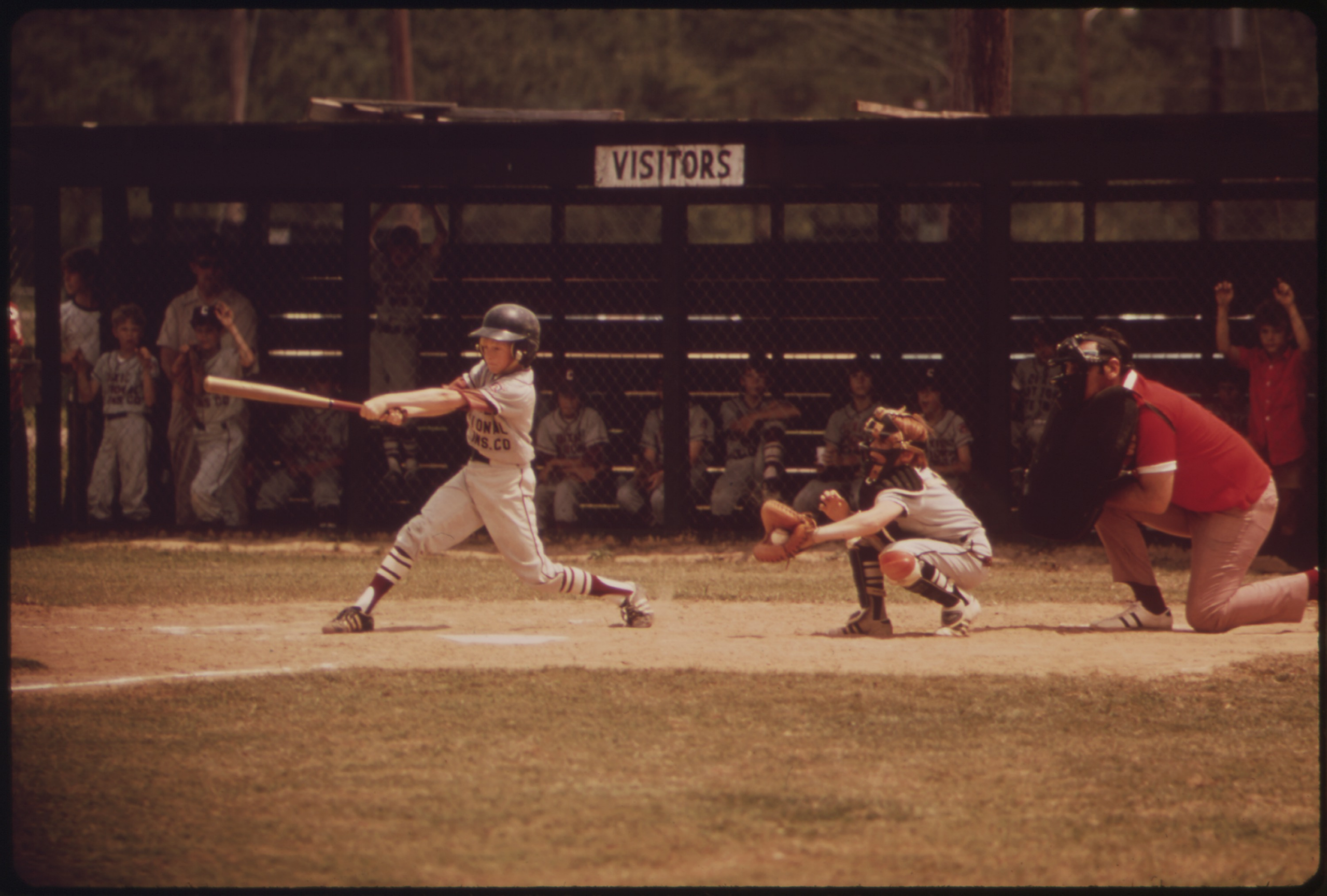
Organised youth baseball was at its absolute peak in the late nineteen-sixties. Nearly every American town had a programme, the fields were busy every evening from spring to midsummer, and a substantial fraction of the country’s boys passed through it.
It was run entirely by volunteers, which was its great strength and the source of almost everything on this list. The people in charge were fathers who had put their hands up, and they were operating with no training, no oversight and no rules beyond the ones about the game itself.
Here are fifteen things that happened at youth baseball in 1968. Most of them would end a coach’s season now, and several would end rather more than that.
1. Nobody Checked Who the Coaches Were
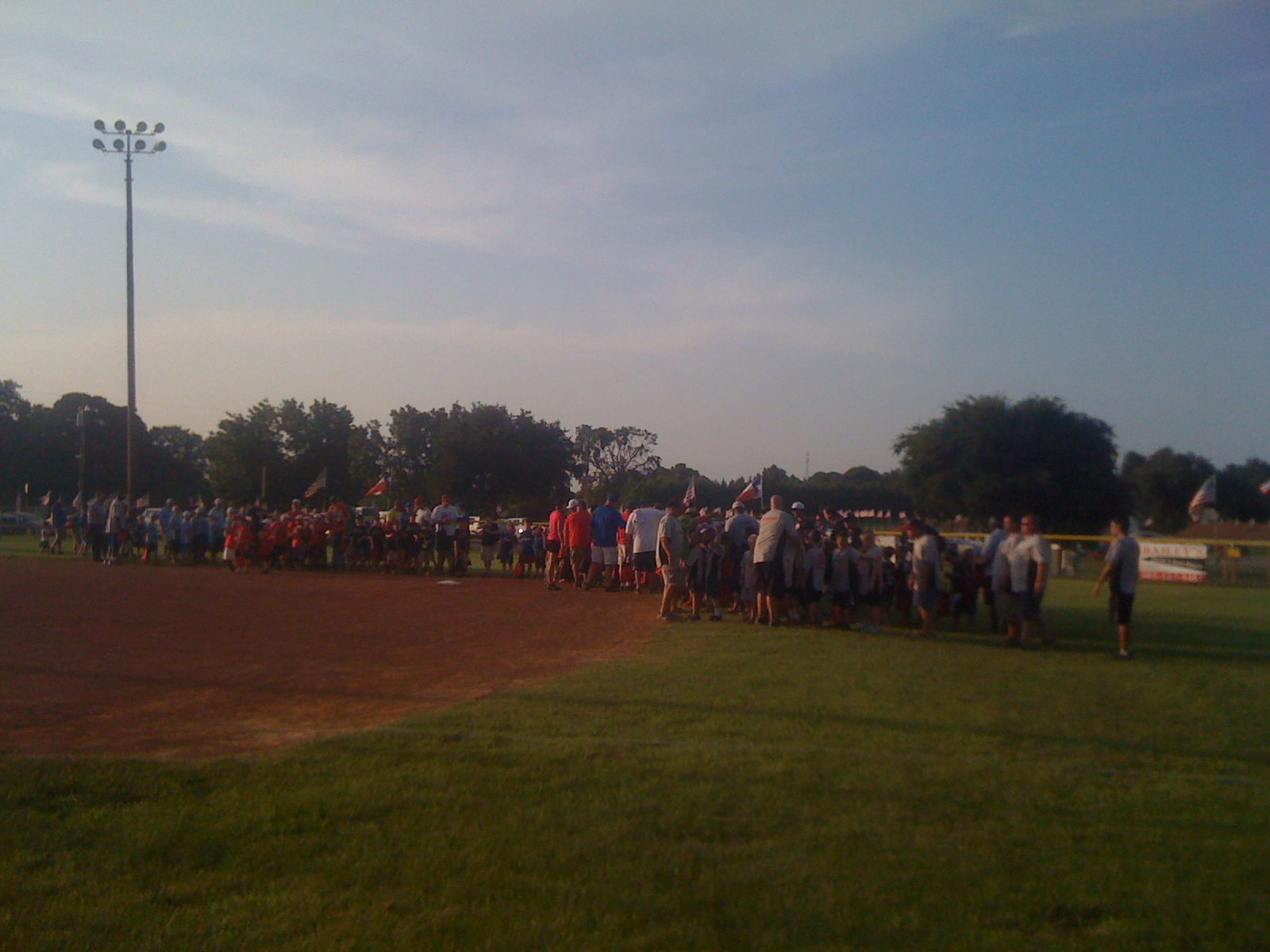
A man volunteered, was accepted, and was given a team of children. There was no application, no reference, no interview and no check of any kind against any record.
Background screening of adults working with children is now standard across American youth sport, required by the national organisations, and in many states required by law. It is the single most important difference between then and now and it is not close.
Like our content? Follow us for more.
2. The Coach Had No Training in Anything
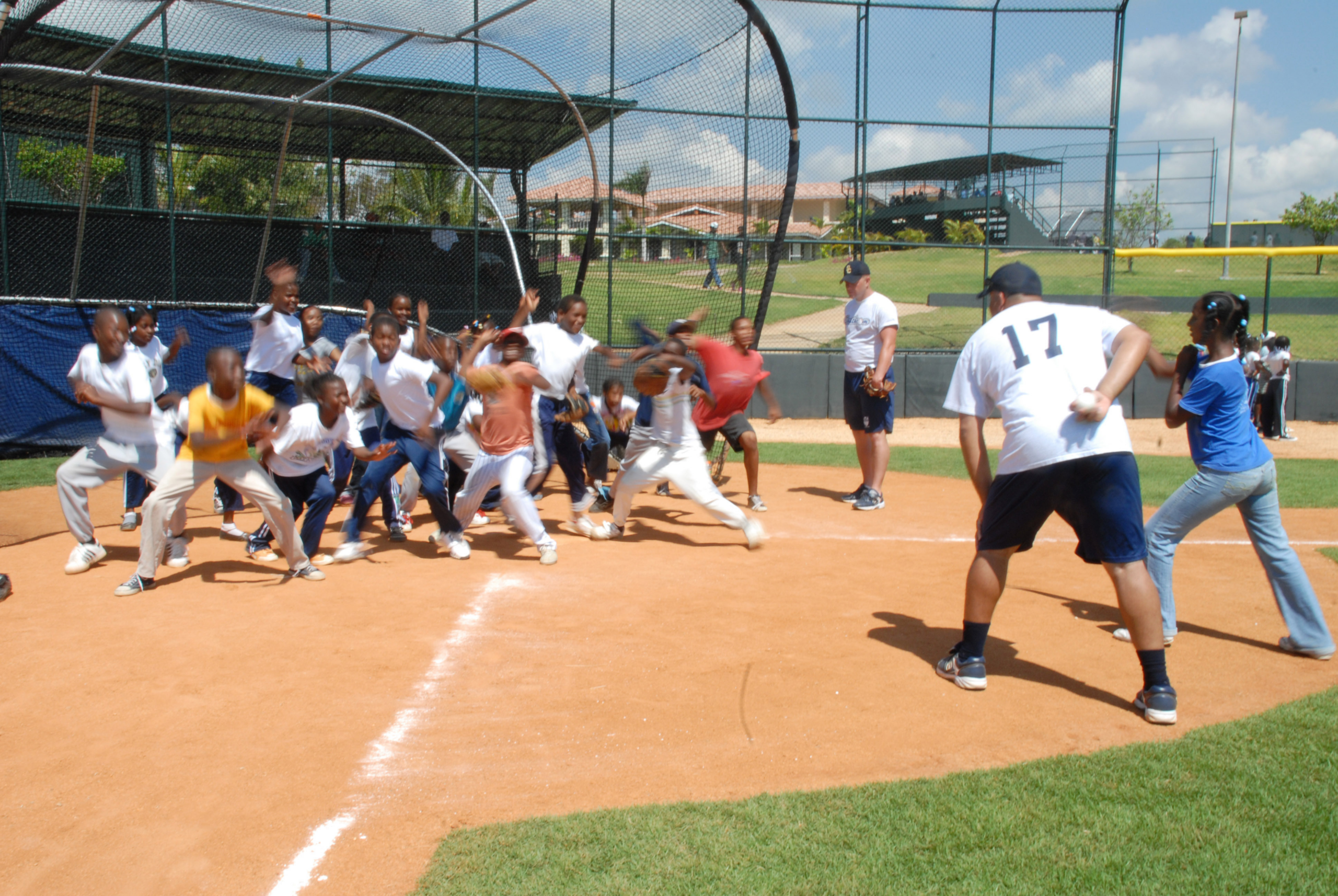
He was not trained in coaching, in child development, in first aid, in recognising injury or in managing a group of children. He knew baseball, or thought he did, and that was the entire qualification.
Coach certification covering safety, child protection and basic first aid is now a condition of participation in most American youth leagues, and the untrained volunteer with a clipboard no longer exists in organised play.
3. There Was No Pitch Count and Arms Were Destroyed
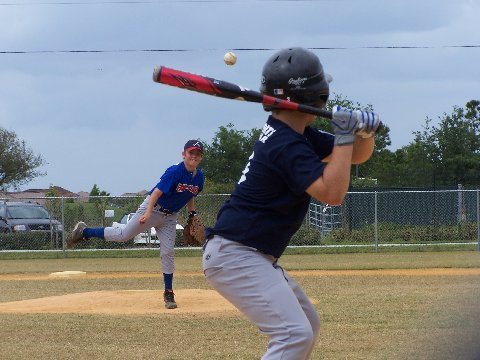
A boy with a good arm pitched. He pitched the whole game, he pitched again two days later, he pitched through soreness, and if the team was winning he kept pitching.
The damage done to adolescent elbows and shoulders in this era is extensively documented and it ended a great many playing careers before they began. Pitch count limits by age, mandatory rest days between appearances and restrictions on certain pitches for younger players are now enforced rules in American youth baseball, tracked per game, and a coach exceeding them forfeits.
4. Children Were Cut in Front of Everybody
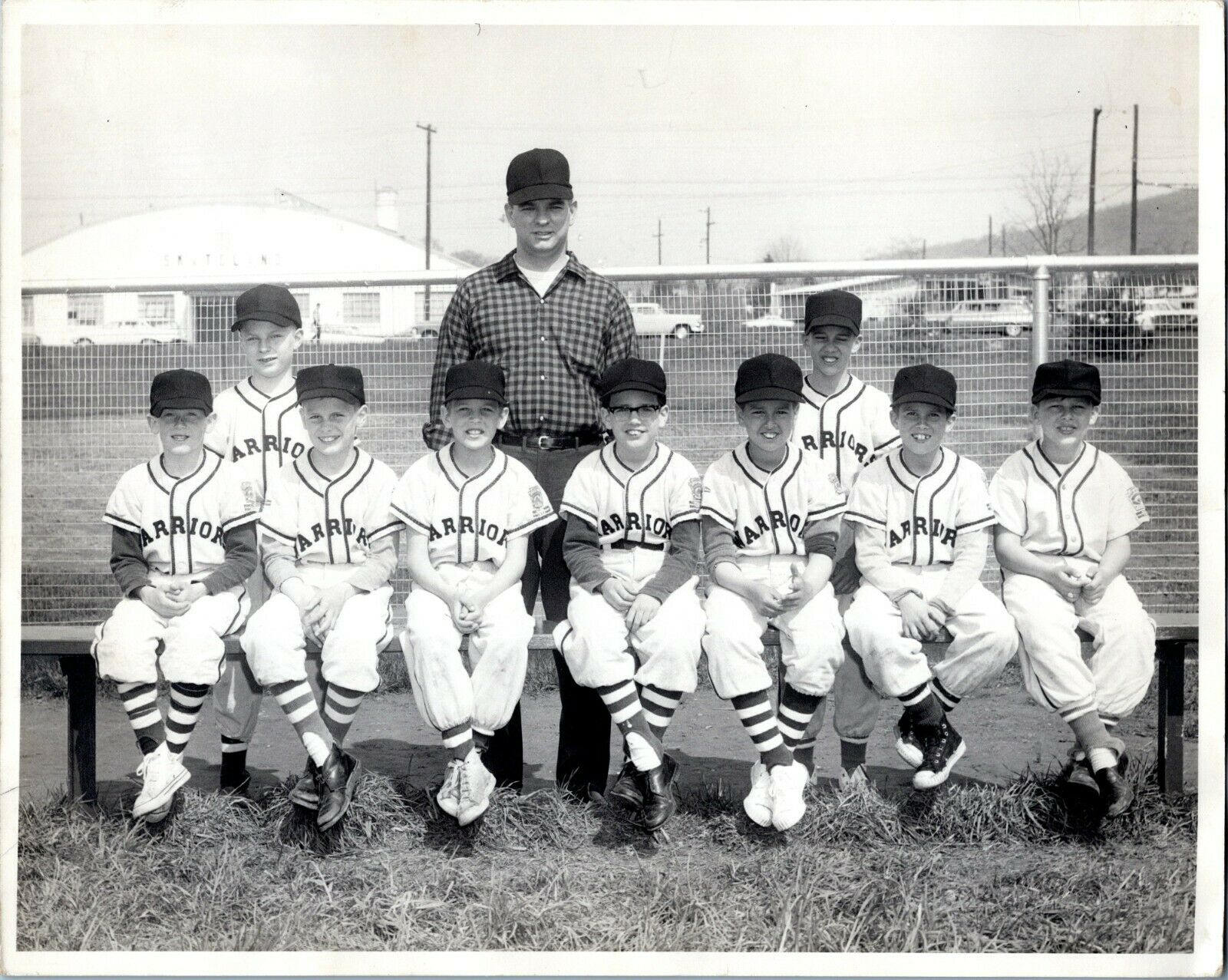
Tryouts ended with a list. The names were read out or posted on a fence, and the children who were not on it found out in a group, in public, and went home.
There was no conversation, no explanation and no thought given to how a nine-year-old receives that. Modern programmes at this age are overwhelmingly non-cut, with placement by ability into divisions rather than exclusion, which is a change in philosophy rather than in rules.
5. Everybody Played Only If the Coach Felt Like It
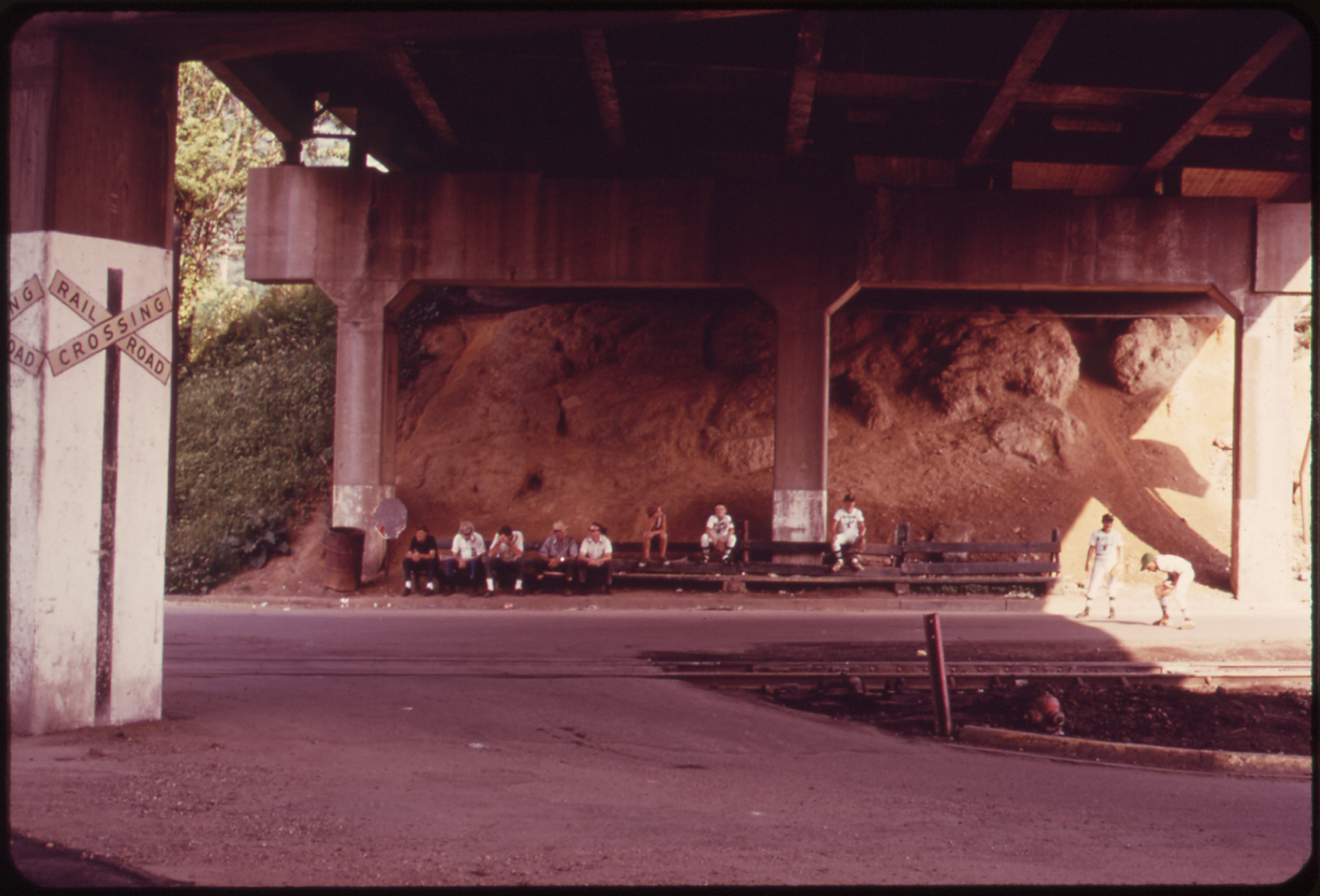
Playing time was entirely at the coach’s discretion. A child could attend every practice for a season and sit on the bench for most of every game, and the better players played every inning.
Minimum play requirements – a stated number of innings or plate appearances for every rostered player present – are now standard in American youth leagues at this age and are enforced by the umpire and the scorebook.
6. There Was No Helmet Rule Worth the Name

Batting helmets existed and were used inconsistently, frequently shared, frequently the wrong size, and in many leagues single-eared or little more than a plastic cap. Catchers wore gear that had been bought once and repaired since.
Dual-ear helmets meeting a current standard, correctly fitted, are now mandatory for batters and base runners, catchers’ equipment is specified and inspected, and a player without the right equipment does not take the field.
7. Nobody Knew What a Concussion Was
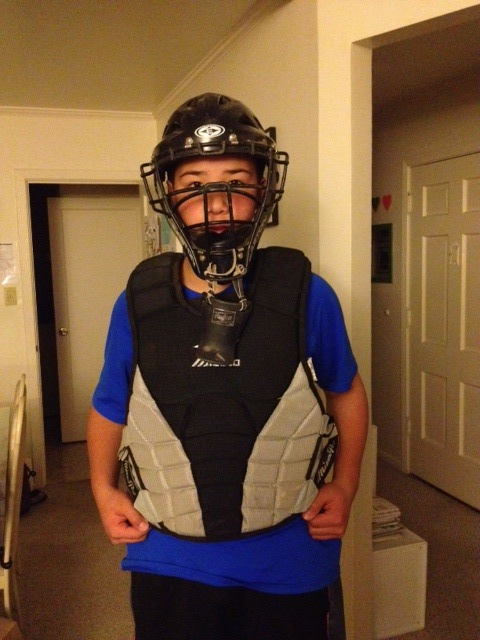
A child hit in the head by a ball or in a collision was sat down, asked if he was all right, and sent back in if he said yes. The phrase used was having his bell rung and it was treated as something to shake off.
Concussion protocols are now required in American youth sport in every state – removal from play, no same-day return, and written clearance before resuming. This is the change with the largest effect on long-term outcomes of anything on this list.
8. Practice Meant Running Until Somebody Was Sick

Conditioning was punitive. Laps, sprints and drills were used as discipline, water was restricted on the theory that drinking during exertion caused cramps, and a child who could not continue was told to try harder.
Water restriction during exercise is now understood as dangerous rather than disciplinary, hydration breaks are mandated in heat, and exercise as punishment is prohibited by most American youth sport bodies.
9. The Parents Were Entirely Unmanaged
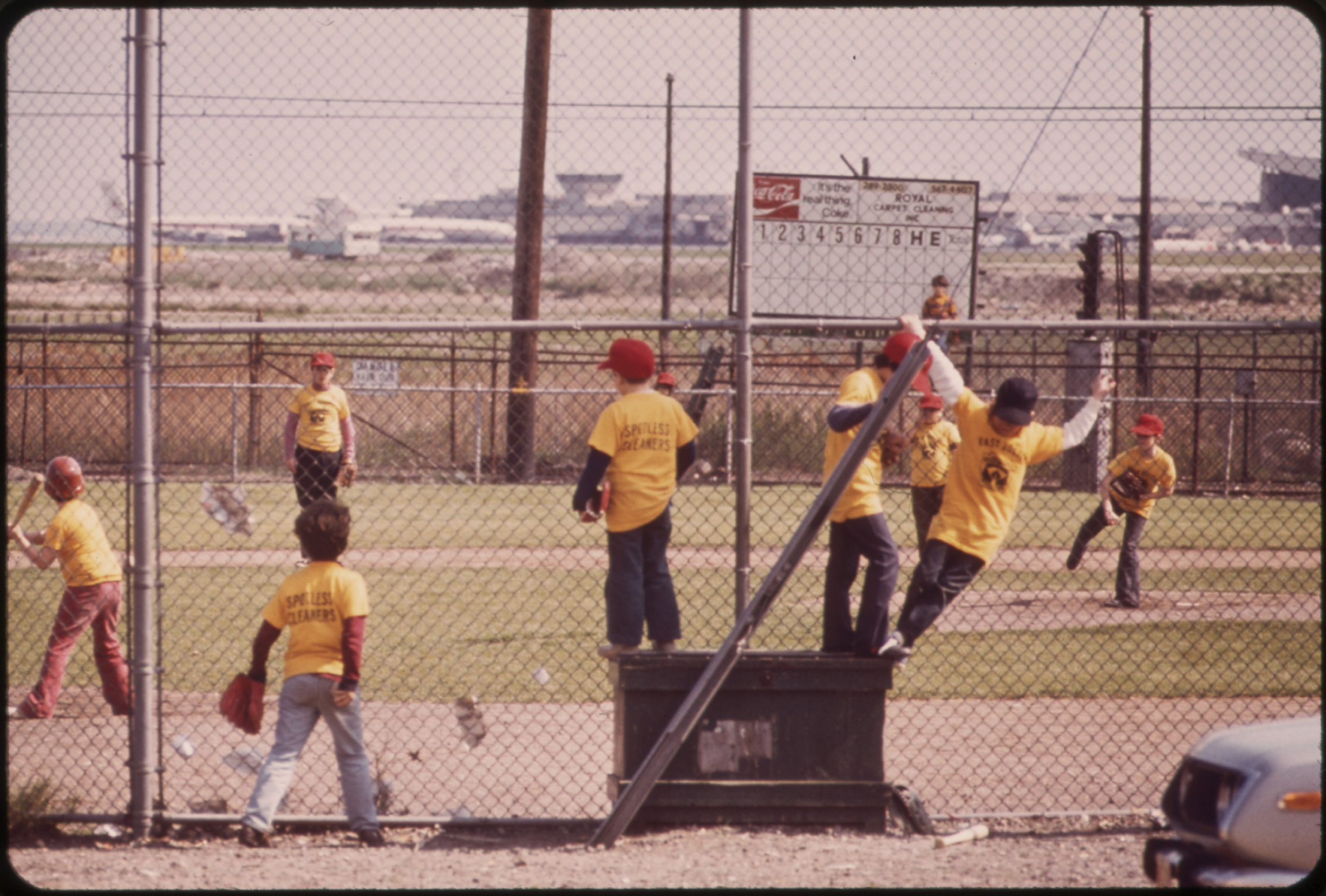
Spectator behaviour had no governing framework. Parents shouted at children, at umpires, at coaches and at each other, and a father walking onto the field to argue was unusual but not extraordinary.
Codes of conduct, signed parent agreements, ejection procedures and in some leagues silent-spectator rules are now ordinary. The problem has not disappeared, but there is now a framework for dealing with it, and in 1968 there was none at all.
10. The Umpire Was Somebody’s Older Brother
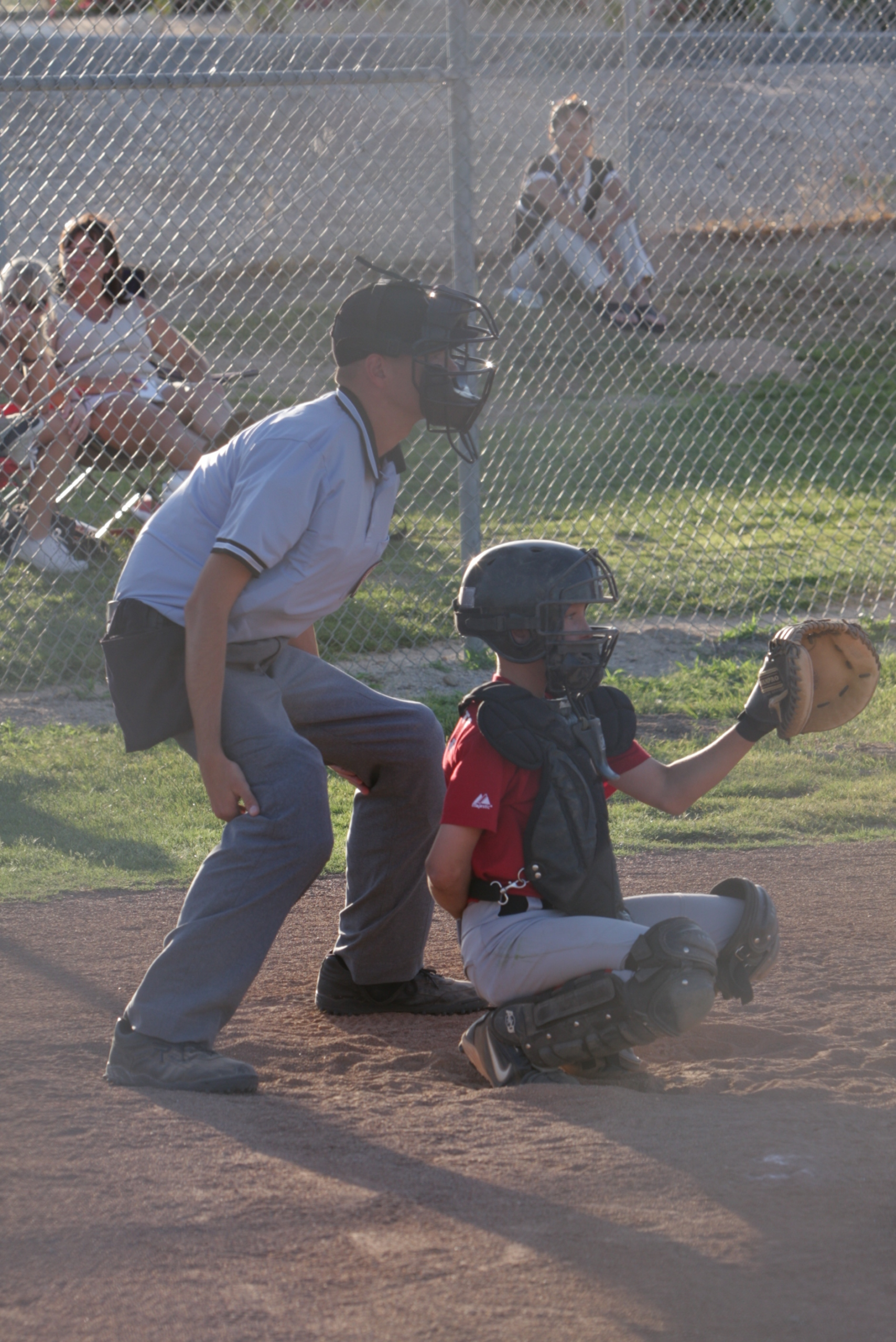
Umpiring was volunteer and frequently teenage, untrained, unprotected beyond a borrowed mask, and entirely unsupported when an adult disagreed with a call.
Umpire training, protective equipment standards and policies specifically protecting young officials from abuse are now standard, largely because American youth sport has a serious and well-documented problem recruiting and retaining officials.
11. The Field Was Whatever the Town Had

Backstops were short or absent, fences were chain link with exposed top rails, benches were unprotected, the infield was whatever the volunteer with a tractor had managed, and there was frequently no fence between the field and a road or a car park.
Field standards covering backstop height, fence capping, dugout protection, surface condition and separation from traffic are now specified by the national organisations and inspected, and a great many period fields would not be certified for play.
12. There Was No First Aid and No Plan

A serious injury meant somebody driving to a telephone. There was no first aid kit beyond ice from the concession stand, no trained person, no emergency action plan and no record of anybody’s medical conditions or allergies.
Emergency action plans, first-aid provision, medical information forms and in many leagues an automated defibrillator on site are now required, and the absence of all of it is the thing that most alarms modern organisers about period accounts.
13. The Concession Stand Served the Adults Too

Beer at the field was ordinary in a great many leagues, consumed by coaches and spectators during games, and the drive home afterwards was unremarkable.
Alcohol is prohibited at American youth sport facilities as a matter of course, by league rule and in many places by the terms of the field’s municipal use permit, and a coach drinking during a game would be removed immediately.
14. Children Rode Home in the Back of the Truck
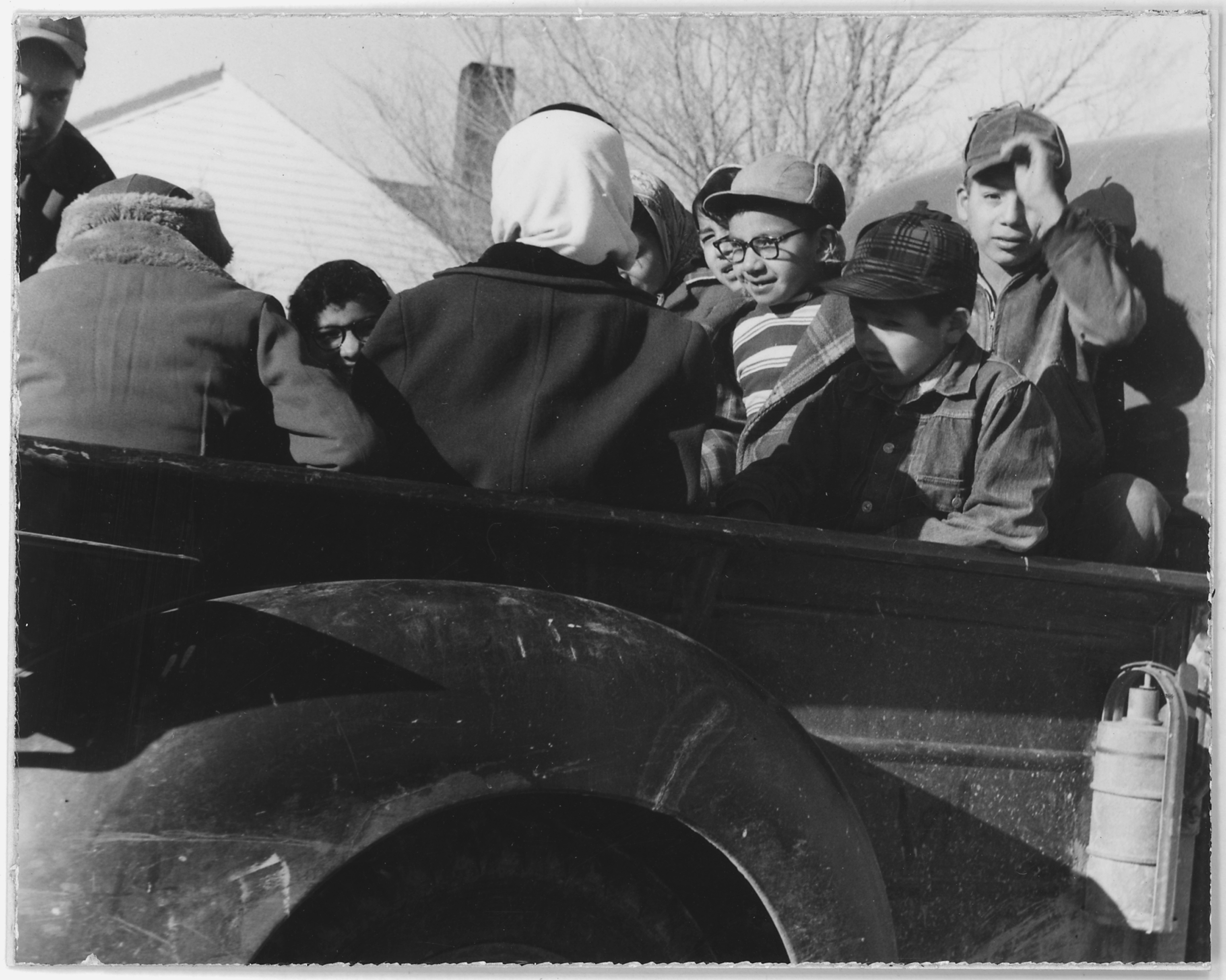
Transport was whoever had room. Children rode in the open bed of a pickup, in the boot area of a station wagon, unbelted, with a coach or another parent driving.
Transport of children by volunteers is now governed by league policies covering driver checks, insurance, restraint requirements and in most organisations a prohibition on an adult transporting a child alone, and open-bed transport of children is unlawful in a great many states.
15. And It Was Completely Free of Everything That Now Surrounds It
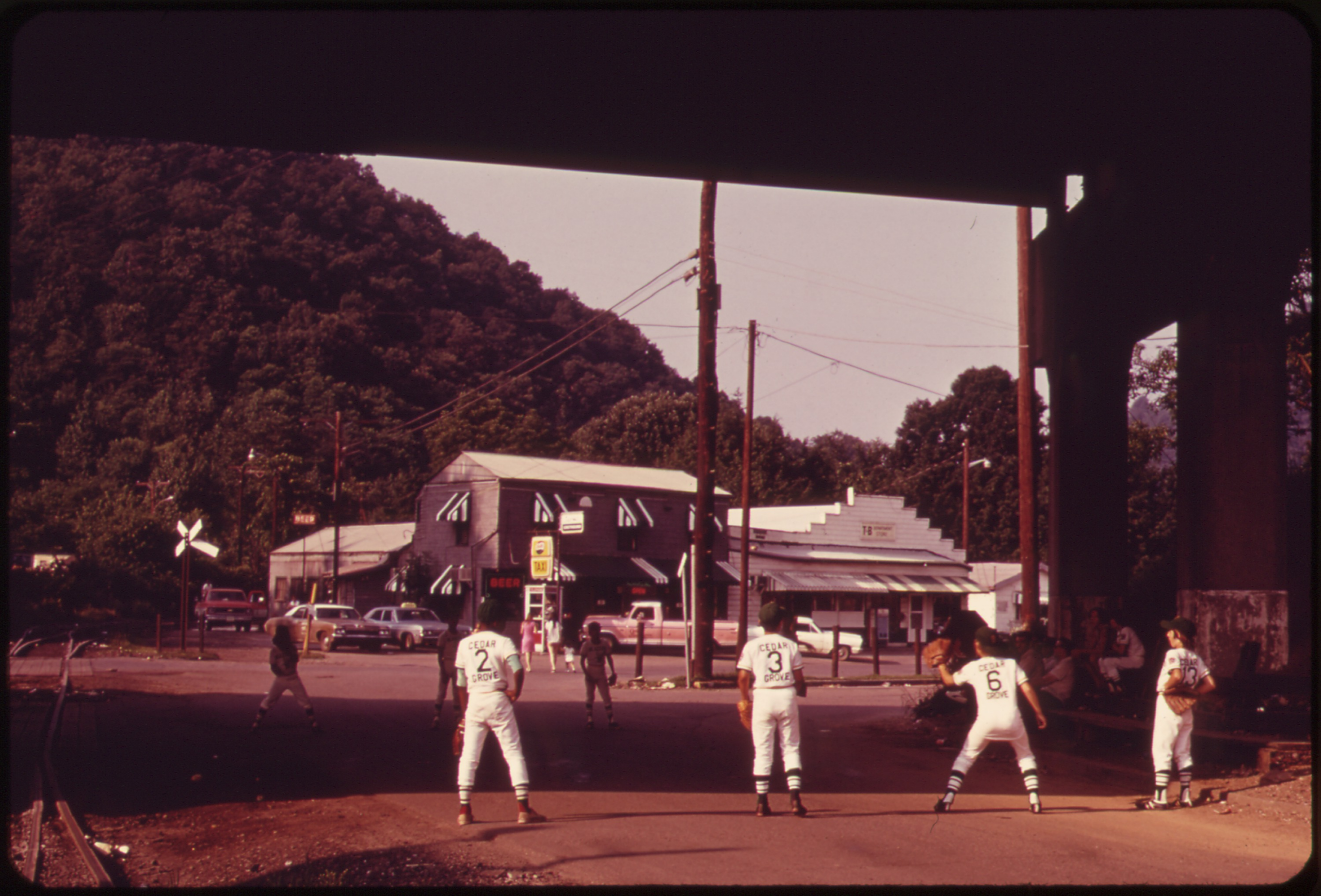
There was no travel team, no year-round play, no private coaching, no showcase, no ranking, no recruiting and no cost beyond a registration fee that a town could waive. A child played for the team in his own neighbourhood for three months and then did something else.
That is the genuine loss and it is worth naming precisely. The modern structure is immeasurably safer and has become expensive, specialised and year-round in a way that prices out a substantial number of children and asks the ones who remain to choose a single sport at an age when nobody should have to. Single-sport specialisation before adolescence is now actively discouraged by American sports medicine bodies on injury grounds – which means the period’s casual seasonality, the one thing it got right by accident, is the thing the modern game is trying to recover.
What Changed, and the One Thing That Got Worse
Eleven of these are now governed by requirements that did not exist: background checks, coach certification, pitch limits, minimum play, helmet and catcher equipment standards, concussion protocols, hydration and the prohibition of exercise as punishment, field certification, emergency planning and first aid, alcohol prohibition, and transport policy.
That is an enormous amount of regulation to arrive in one activity, and the reason is straightforward. Volunteer-run youth sport concentrates two things in one place – adults with unsupervised access to children, and children doing something physically risky – and almost every rule on that list was written after a specific category of harm became undeniable.
The two that matter most are the two that are least about baseball. Background screening exists because the structure of volunteer youth sport was, for decades, an unscreened point of access to children, and that is now understood in a way it was not. Concussion protocols exist because the long-term consequences of repeated head injury in children became impossible to dismiss.
And then there is the one genuine regression, which is cost and specialisation. The 1968 version was free, local, seasonal and open to everybody in the town. The modern version is safer in every measurable way and has grown a parallel structure of travel teams, private coaching and year-round commitment that is expensive, exclusionary and – by the assessment of the medical bodies themselves – produces exactly the overuse injuries the pitch counts were written to prevent.
Everybody who played remembers the same things, and they are good things: a field within walking distance, a team of boys from the same few streets, a season that ended, and a father who was not being paid and turned up anyway.
The same man had never been checked by anybody, did not know what a concussion was, let the best arm on the team throw a hundred and forty pitches in an afternoon, and drove four children home in the back of a truck with a beer in him. He was almost always exactly who he appeared to be. The rules exist because almost always is not the same as always.
Like our content? Follow us for more.

